We may earn money or products from the companies mentioned in this post. This means if you click on the link and purchase the item, I will receive a small commission at no extra cost to you ... you're just helping re-supply our family's travel fund.
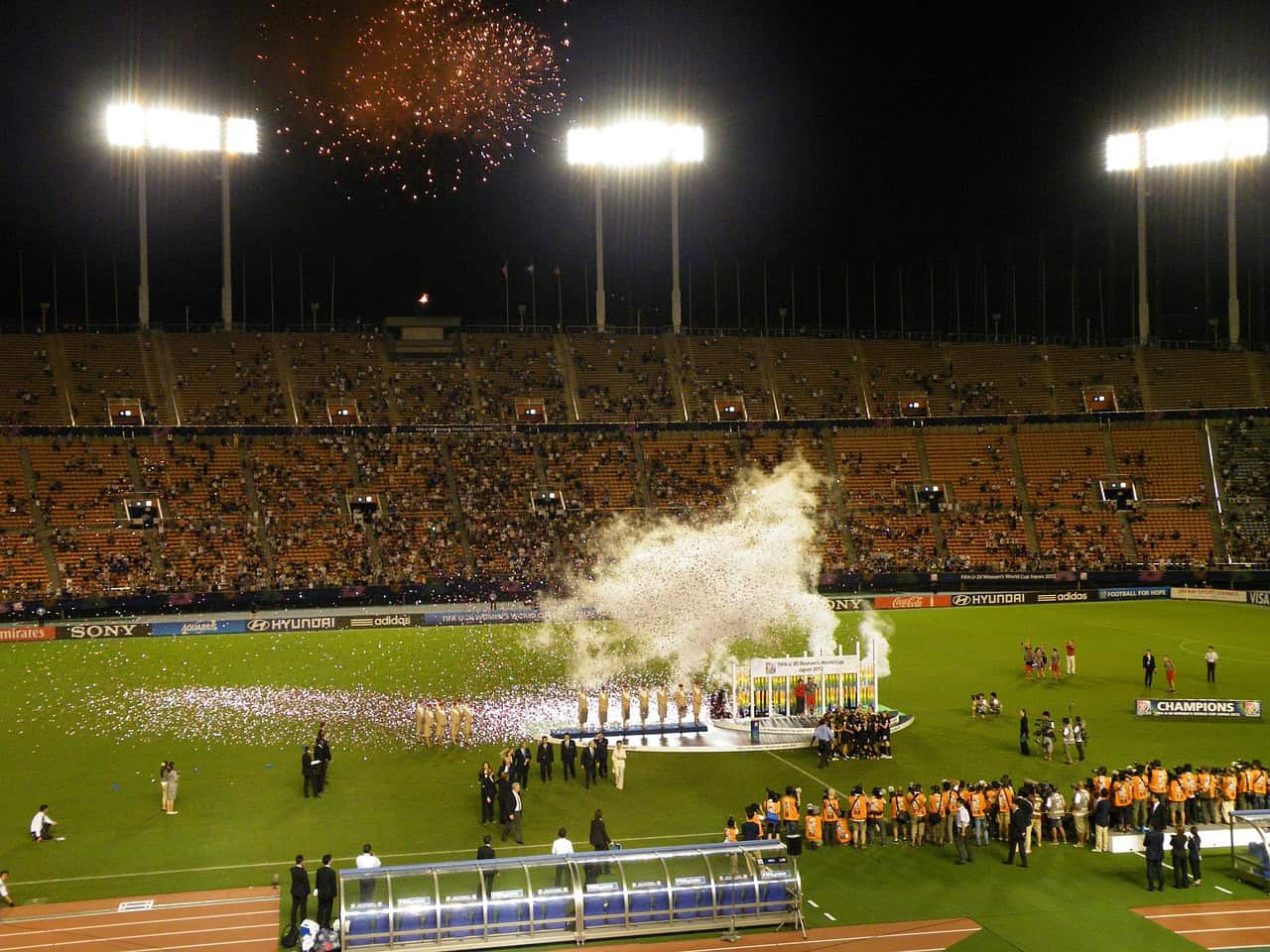
The FIFA World Cup 2026 is expected to draw millions of fans across North America, with the United States hosting multiple fan zones in cities like New York, Los Angeles, Dallas, and Miami. These zones will become electrifying hubs of energy, with crowds easily exceeding 50,000 during high-profile matches. While the atmosphere will be thrilling, safety is crucial. Understanding key precautions ensures you enjoy every moment without unnecessary risks. Here are 11 detailed safety tips for U.S. fan zones.
1. Arrive Early to Avoid Congestion

Fan zones in major U.S. cities can host 30,000–50,000 attendees for big matches, creating long entry lines and potential bottlenecks. Arriving at least 90–120 minutes before kickoff allows calm navigation through security and access to amenities like restrooms and food stalls. Early arrival also provides safer vantage points and reduces stress caused by crowd surges. Many zones use staggered entry systems to manage the influx, so punctuality significantly lowers your risk of delays or crowd-related incidents.
2. Keep Identification and Essentials Accessible
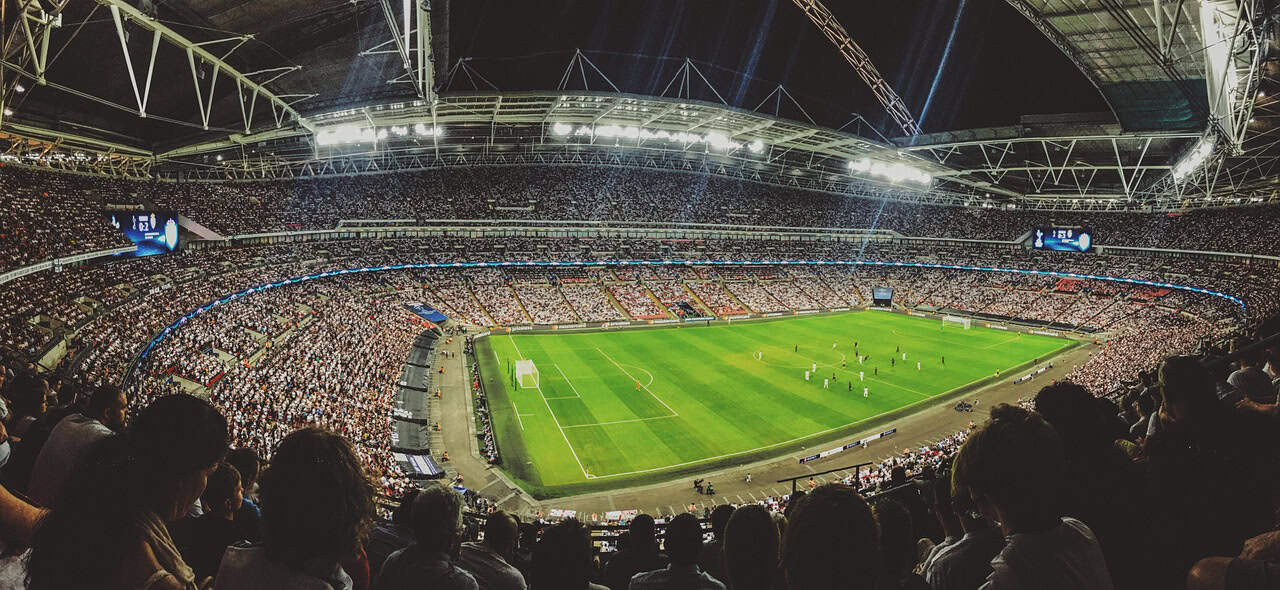
Carrying a government-issued ID, medical information, and emergency contacts is essential in zones hosting tens of thousands of fans. U.S. security may request ID during random checks, and quick access prevents delays. Use a secure but reachable pocket or lanyard, and limit items to essentials: phone, wallet, and a 500ml water bottle. Proper organization avoids panic during sudden crowd movements. Well-prepared attendees reduce their own risk and help maintain overall fan zone safety, as congestion can increase by 20–30% within short time spans.
3. Know Emergency Exits and First-Aid Stations
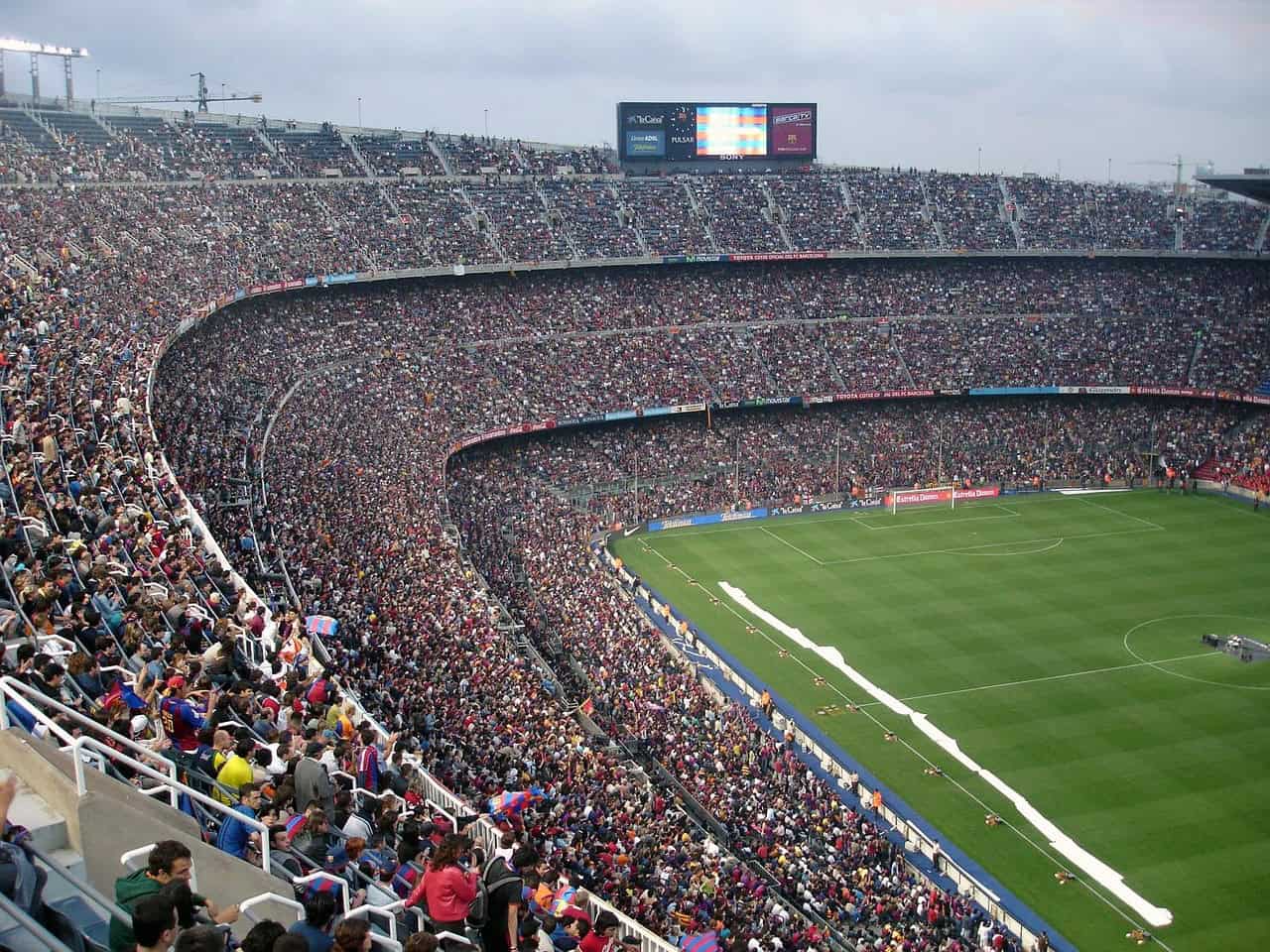
Most fan zones in the U.S. map emergency exits and first-aid stations for crowds ranging from 20,000 to 50,000. Spend a few minutes locating these points upon arrival. High-density areas often have designated safe zones for children and separated groups, reducing panic if someone gets lost. Knowing the nearest exits can save critical minutes during medical emergencies. Many zones also display maps on large screens and signage, ensuring that even in heavy crowd surges, fans can find safe paths efficiently.
4. Stay Hydrated and Protect Against Heat
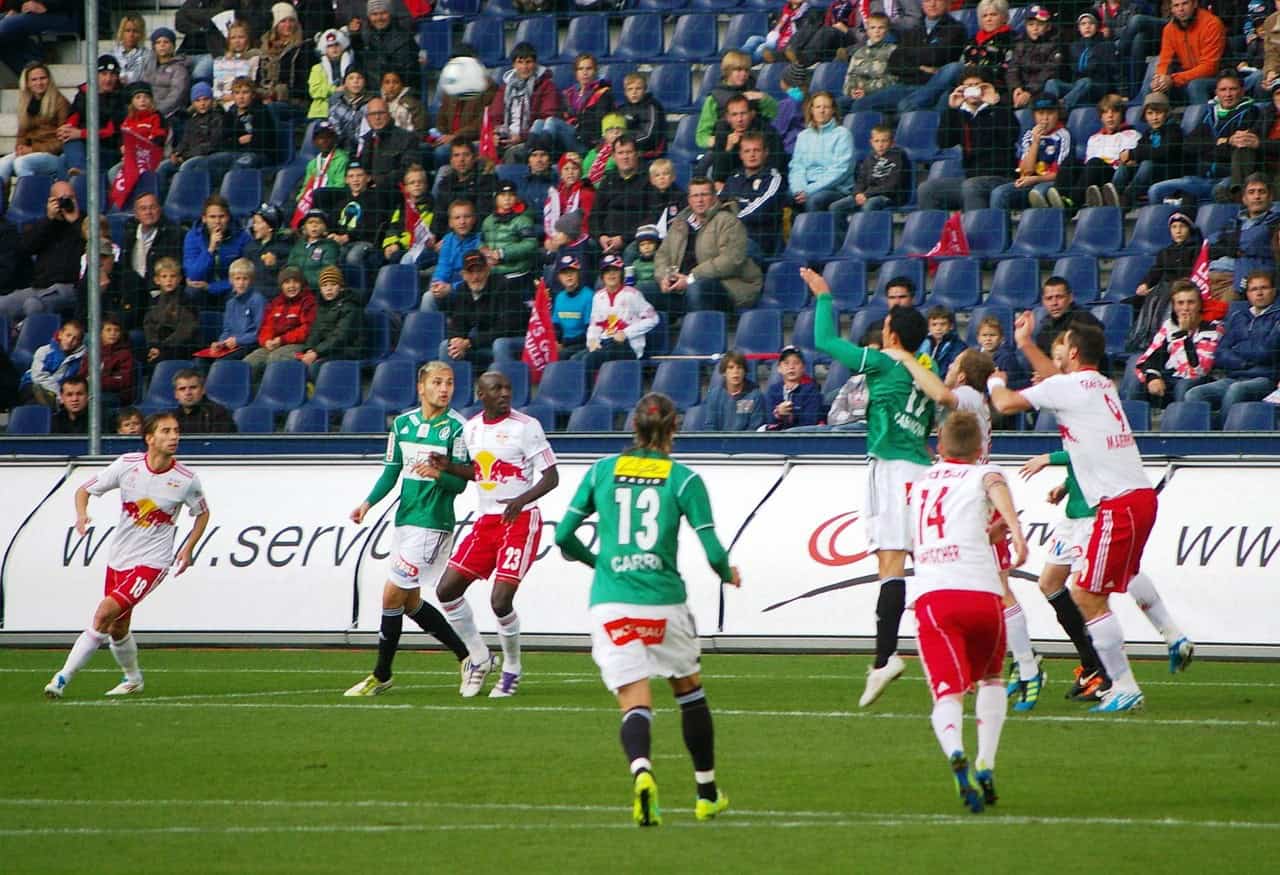
Summer temperatures in U.S. cities like Dallas, Houston, and Phoenix can exceed 95°F, making dehydration a major risk. Carry at least 500–700ml of water, wear breathable clothing, and apply SPF 30+ sunscreen. Avoid excess caffeine or alcohol, which can worsen dehydration. Organizers often provide refill stations, but relying on them may be risky during peak crowds exceeding 40,000. Staying hydrated improves concentration, alertness, and stamina, ensuring you can safely enjoy the excitement without succumbing to heat-related illness.
5. Keep a Communication Plan
Large U.S. fan zones can separate friends and family within minutes, especially with crowds of 30,000–50,000. Set a clear meeting point before entering, and share phone numbers or alternative contact methods. Network congestion often causes delayed texts or calls, so consider apps that work offline or wearable ID bands for children. Keeping everyone aware of the plan reduces panic and ensures quick regrouping if someone gets lost. A structured communication plan is critical in zones where crowd density averages 2–3 people per square meter.
6. Be Mindful of Personal Space
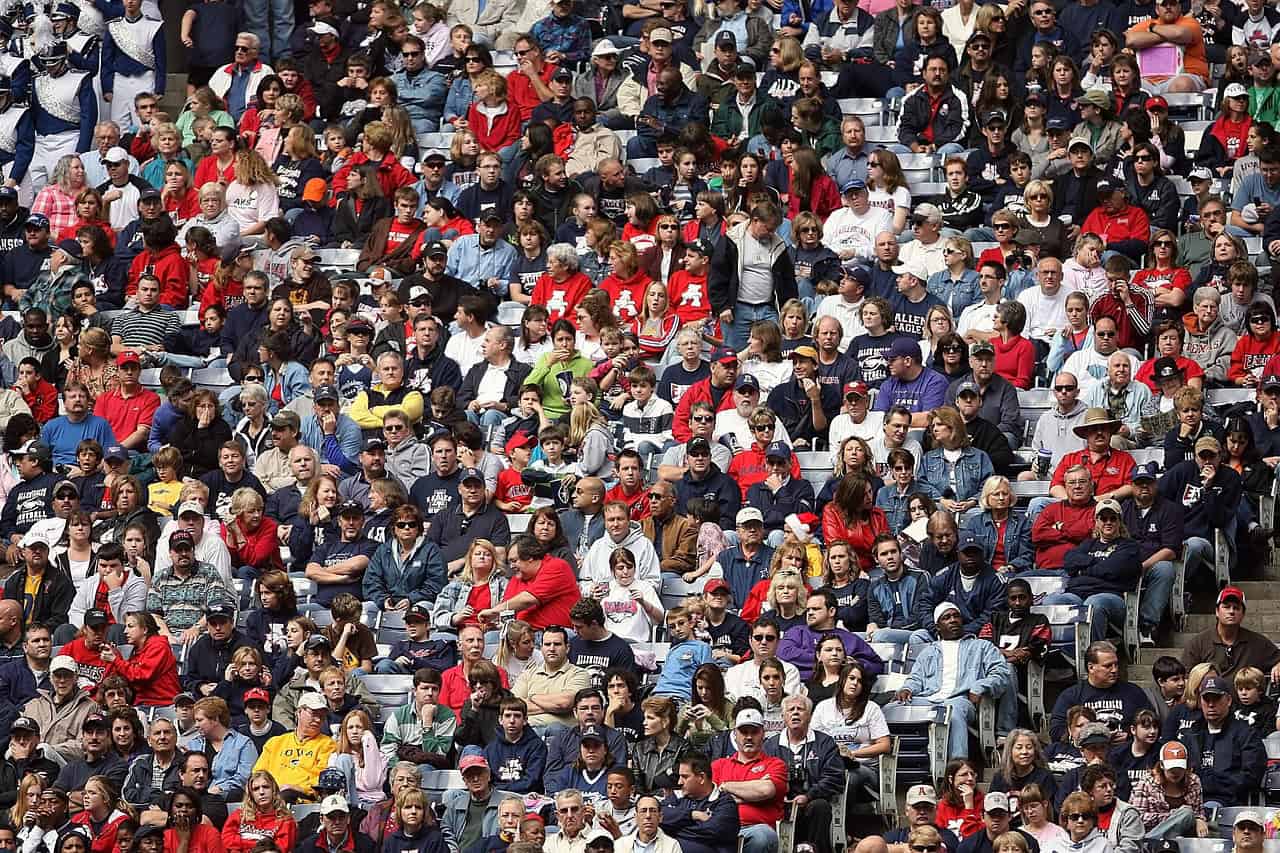
In fan zones with 2–3 people per square meter, crowd surges are common, particularly during goals or near large screens. Avoid pushing or shoving, and step aside if movement feels unsafe. Comfortable footwear reduces injury risk during sudden shifts. Maintaining awareness of your surroundings prevents accidental falls and helps others navigate safely. Observing crowd flow can reduce personal risk by up to 25%, especially near entry gates or merchandise areas. Respectful behavior ensures a safer, more enjoyable experience for all attendees.
7. Avoid Carrying Large Bags or Prohibited Items
Most U.S. fan zones restrict bags to 12-liter clear backpacks. Prohibited items include glass containers, alcohol, fireworks, and professional cameras. Checking official guidelines beforehand prevents confiscation and delays. Small, organized bags reduce theft risk and allow faster passage through metal detectors and security checkpoints. Carrying only essentials like a water bottle, phone, and wallet ensures smooth movement. Compliance is particularly important in high-density zones, where bag inspections can create 15–20 minute delays during peak entry periods.
8. Use Public Transport or Designated Parking
Street closures and heavy traffic are expected near fan zones hosting 40,000+ spectators. Park-and-ride options, shuttles, and public transit are safer than driving directly to venues. Walking from nearby stations reduces vehicle congestion and the risk of accidents in crowded parking lots. Allocate at least 30–45 extra minutes for travel during peak periods. Choosing public transit can cut waiting times by up to 25% and avoids the stress of navigating jammed streets or last-minute parking in densely packed areas.
9. Stay Alert for Suspicious Behavior
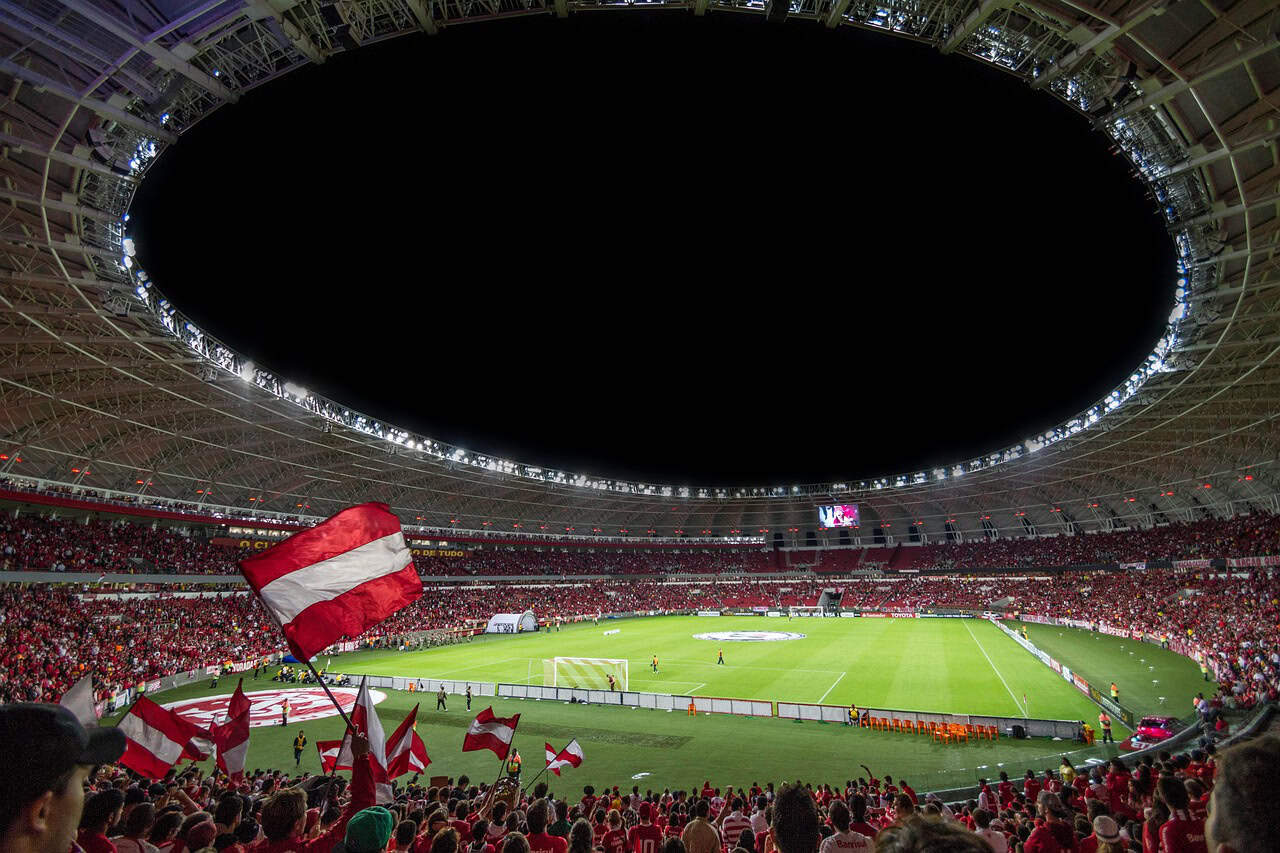
Crowded zones attract tens of thousands of fans, making vigilance critical. Report unattended bags, aggressive conduct, or unusual activity to security immediately. U.S. fan zones typically have CCTV monitoring and rapid response teams, but alert attendees are the first line of defense. Trust your instincts; if a situation feels off, move to an open area or near security personnel. Prompt reporting can prevent incidents from escalating, protecting both yourself and surrounding fans in high-density areas where response time is crucial.
10. Keep Your Valuables Secured
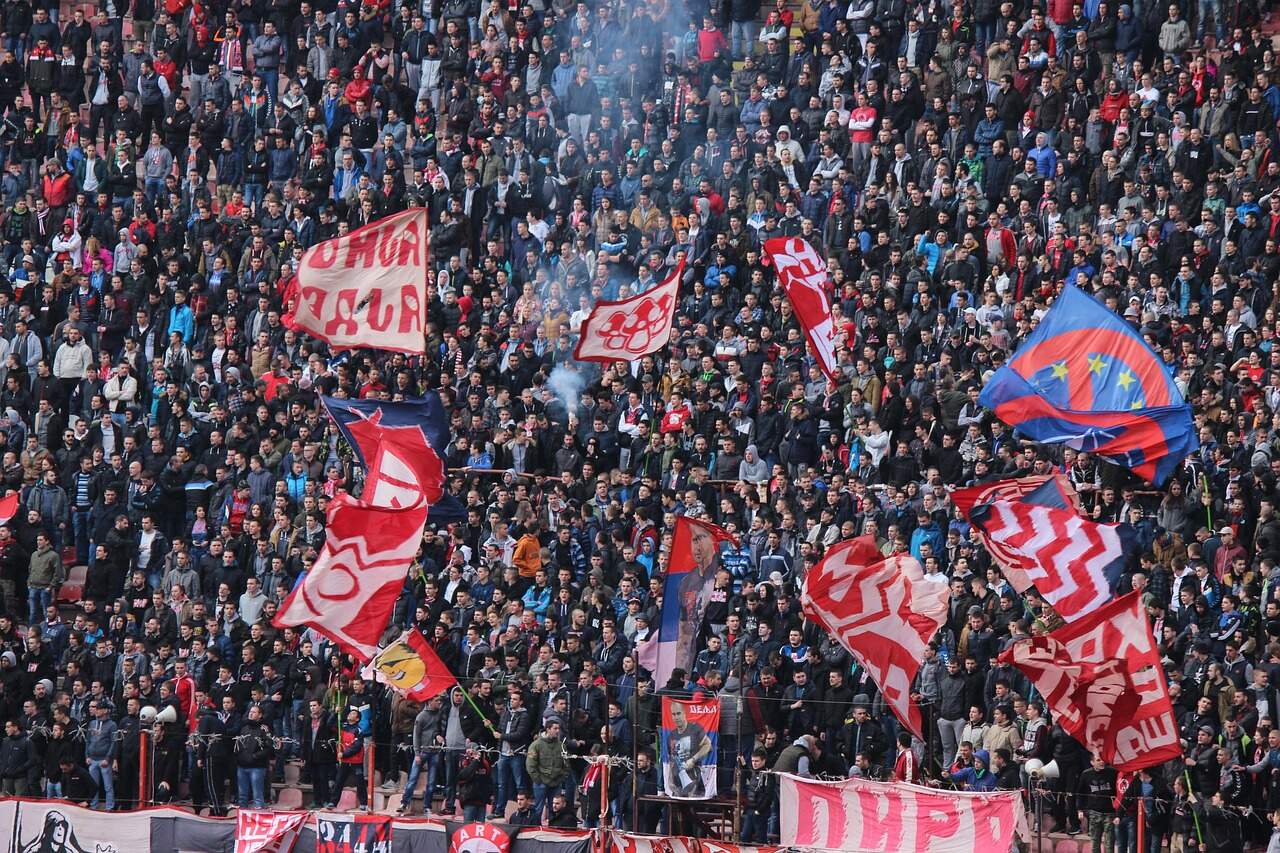
Pickpocketing risk rises in dense fan zones with 2–3 people per square meter. Use anti-theft bags, belts, or money pouches for phones, wallets, and passports. Avoid storing items in back pockets or loose handbags. Many U.S. zones offer lockers or secure storage areas. Keeping your possessions close prevents theft, reduces stress, and lets you focus on the event. Theft incidents, though rare, can occur within seconds, and proper precautions significantly minimize the risk while crowds swell during halftime or match-end celebrations.
11. Follow Official Instructions During Emergencies
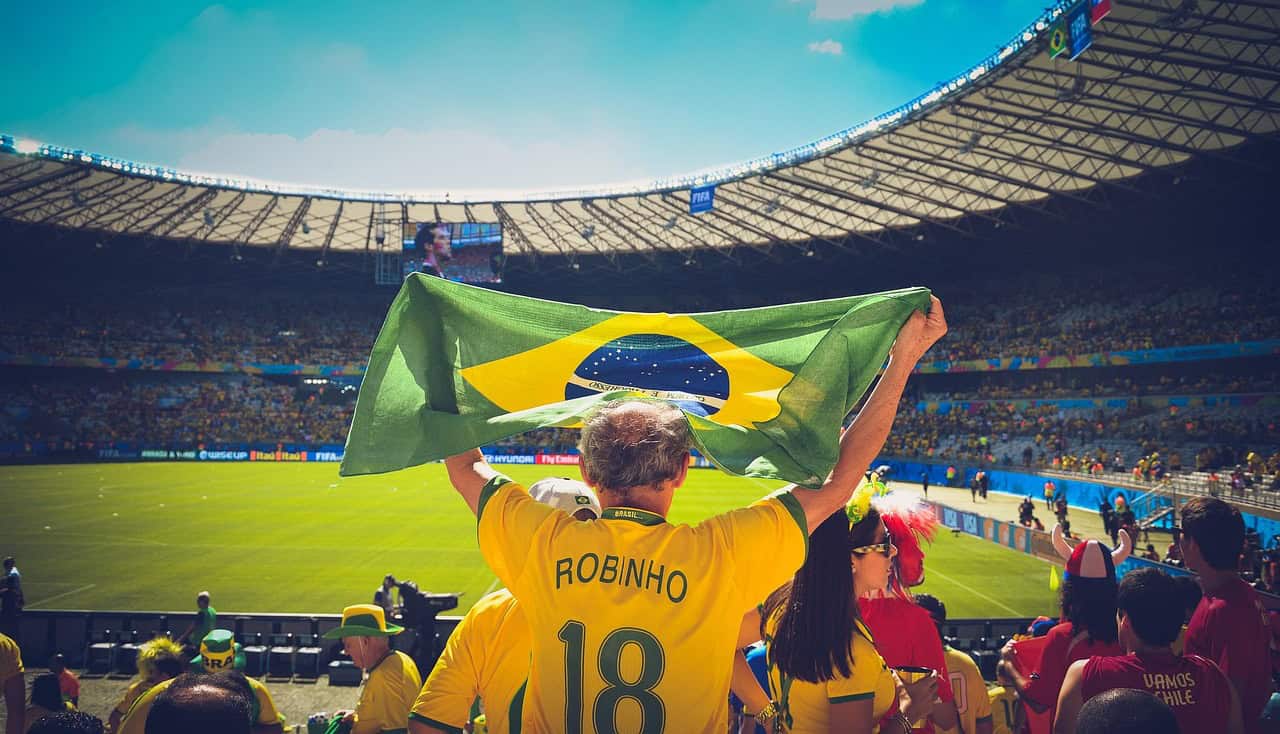
Weather alerts, medical emergencies, or security threats require following official guidance immediately. U.S. fan zones conduct evacuation drills and staff are trained to manage tens of thousands efficiently. Panicking or moving against the flow increases the chance of injury. Stay calm, assist others if possible, and head to designated safe zones. Compliance ensures your safety and facilitates orderly management of emergencies, especially in crowds exceeding 40,000, where coordinated movement prevents bottlenecks and reduces injuries.