We may earn money or products from the companies mentioned in this post. This means if you click on the link and purchase the item, I will receive a small commission at no extra cost to you ... you're just helping re-supply our family's travel fund.
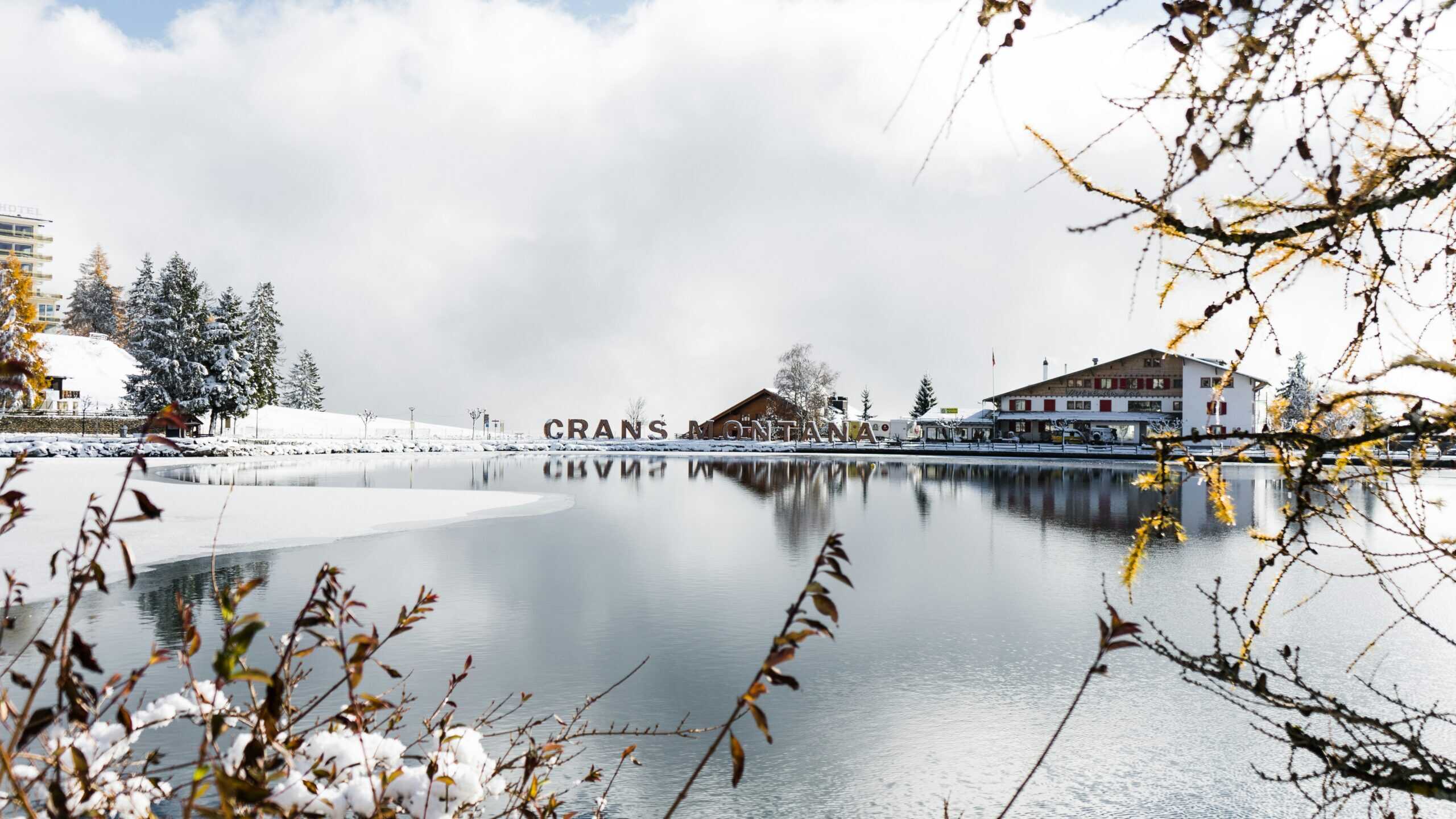
New Year’s Eve at a ski resort is usually built on warmth: candlelit chalets, crowded apres bars, fireworks over snow, and music that runs past midnight. Crans-Montana shattered that comfort when a packed bar, Le Constellation, caught fire around 1:30 a.m., killing about 40 people and injuring more than 110. Investigators and witnesses described how quickly flames took hold, and how a narrow route out magnified panic. In 2026, celebrations will likely look more managed, with safety rules that are visible, specific, and hard to ignore.
No More Indoor Sparklers or Bottle Flares

Crans-Montana put a spotlight on a familiar party gimmick: flames carried through a low, crowded room where coats, hair spray, and decor sit close to the ceiling. Swiss investigators said sparkling flares on Champagne bottles likely ignited a wooden ceiling, and witnesses described the space turning lethal in moments as smoke filled the stairwell. Expect resorts to ban indoor sparklers, candles, and tabletop pyrotechnics after a set hour, swap them for LED props and confetti, run bag checks for fireworks, and push flare moments outdoors into supervised, wind-checked zones.
Ticketed Entry and Live Occupancy Counting

Posted capacity means little when a room is jammed shoulder to shoulder and the door keeps admitting people because the line outside looks profitable. Crans-Montana reporting described a frantic escape on a narrow staircase, the kind of bottleneck that turns seconds into injury when density is high and visibility drops. More resorts may move to pre-sold wristbands, timed entry, and scanners that keep a live headcount, then cut admissions early, enforce one-in-one-out, and set a hard no-entry window after midnight so staff can keep exit lanes clear and moving.
Exit Routes Designed for Panic, Not Charm
Many apres spots are cozy by design, with tight corridors, decorative bottlenecks, and stairs that feel fine at dinner but fail when everyone turns at once. In Crans-Montana accounts, people smashed windows and fought for space as smoke spread, showing how quickly a single choke point can trap a crowd that cannot see. Venues may be pushed to add secondary exits, widen or re-route stairs, upgrade floor-level lighting, remove pinch points like coat racks and stools, mark no-standing lanes that stay empty from 10 p.m. onward, require outward-opening push-bar doors, and add anti-slip stair treads that hold in slush.
Sprinklers and Fire-Rated Interiors, Even in Old Wood Rooms
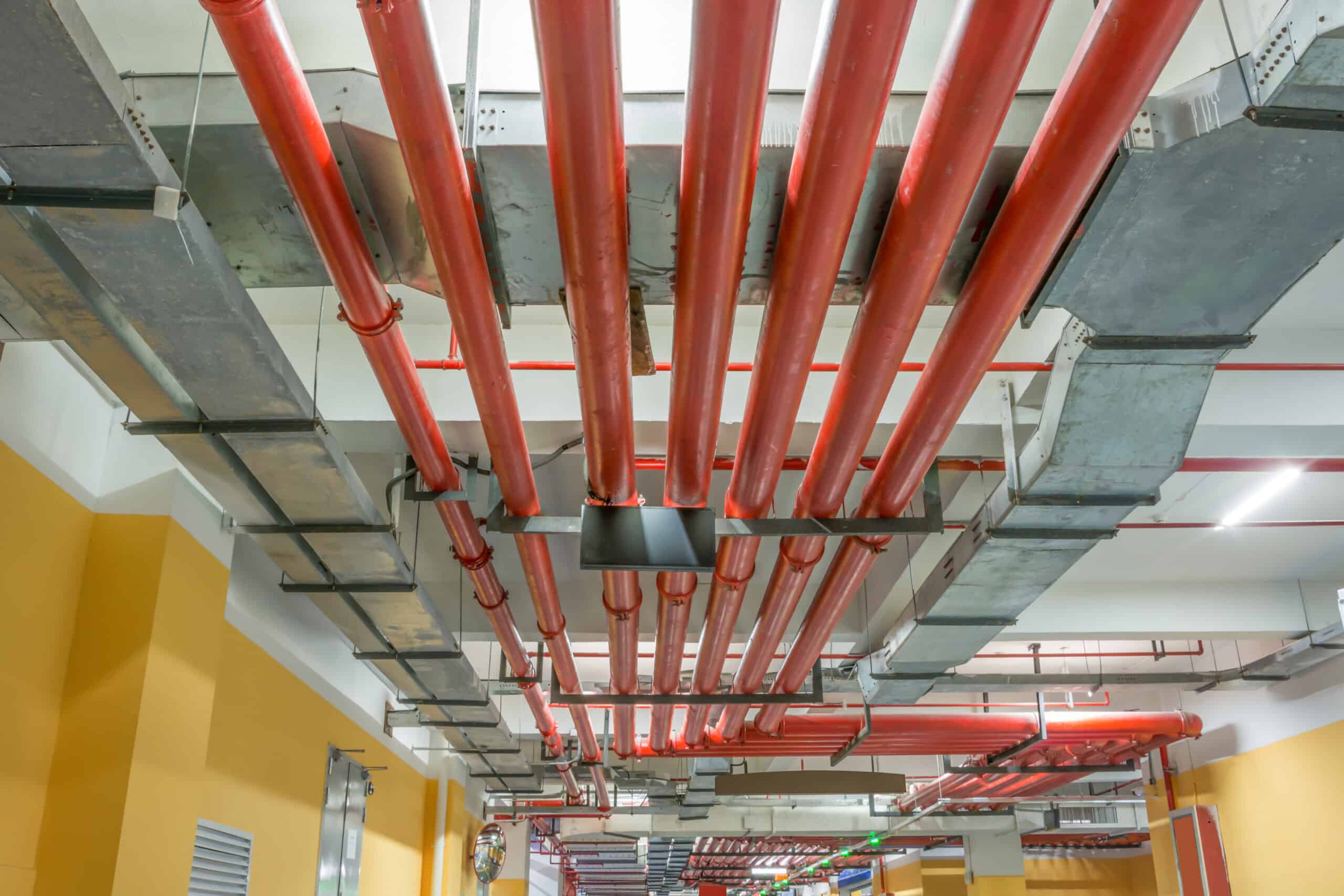
Ski-town nightlife loves timber, drapes, and sound-softening finishes, but those materials can turn a ceiling into fuel and smoke into a fast-moving curtain. After Crans-Montana, where investigators focused on flares igniting a wooden ceiling, pressure will rise for sprinklers, fire-rated panels, and doors that slow smoke migration between rooms. Resorts may tie New Year’s permits and insurance to retrofit deadlines, require documented alarm tests and certified materials, limit hanging fabrics and foam, and add smoke extraction fans, so atmosphere stays warm without becoming kindling at peak occupancy.
Inspections That Happen During the Party
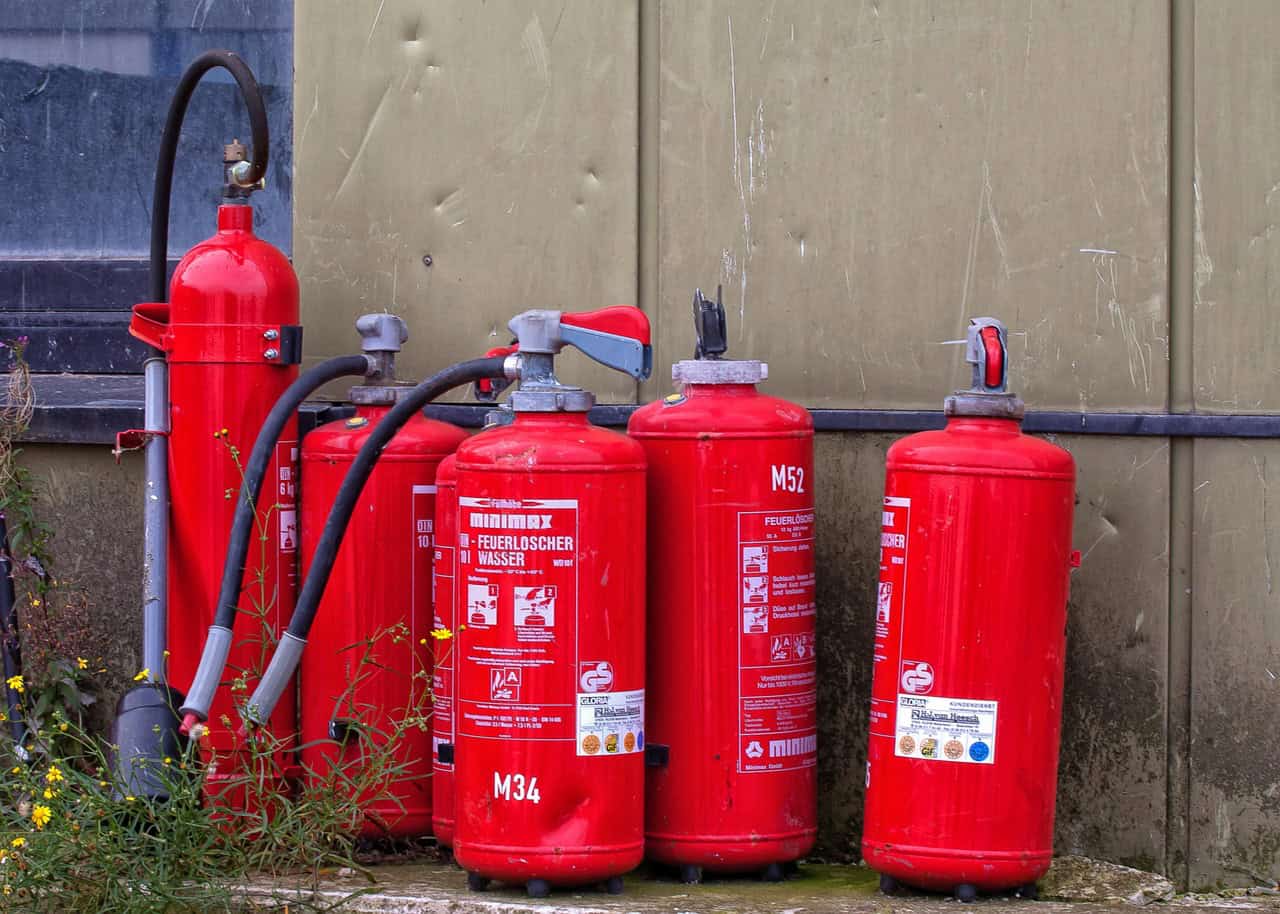
Paper compliance can look perfect at 4 p.m. and fall apart at 1 a.m. when coats pile up, exits get blocked, and staff are overwhelmed by holiday crowds. After Crans-Montana, authorities may schedule spot checks during peak hours, looking for blocked doors, overcrowded stairwells, and banned flame effects, not just posted signs on the wall. Some resorts could require an on-site safety lead on Dec. 31 with authority to pause music, stop admissions, reset the room, and document aisle sweeps every 10 minutes, plus staff rosters that match crowd size, with fines that escalate to forced closure on repeat violations.
Tougher Rules for Basement Venues and Single-Stair Layouts
The most haunting lesson was architectural: a basement venue, smoke rising, and one narrow route out when everyone moved at once. That layout is common in ski villages where nightlife squeezes into lower floors, but it leaves no margin when the room is full, visibility collapses, and panic climbs the same steps. In 2026, permits may tighten for basement clubs, requiring two independent exits, stronger smoke extraction, brighter emergency lighting, caps tied to egress time, minimum stair widths, and door hardware that releases under power loss, with automatic closure if any route is blocked or used for storage.
Fireworks and Countdown Crowds Shift to Open Terrain
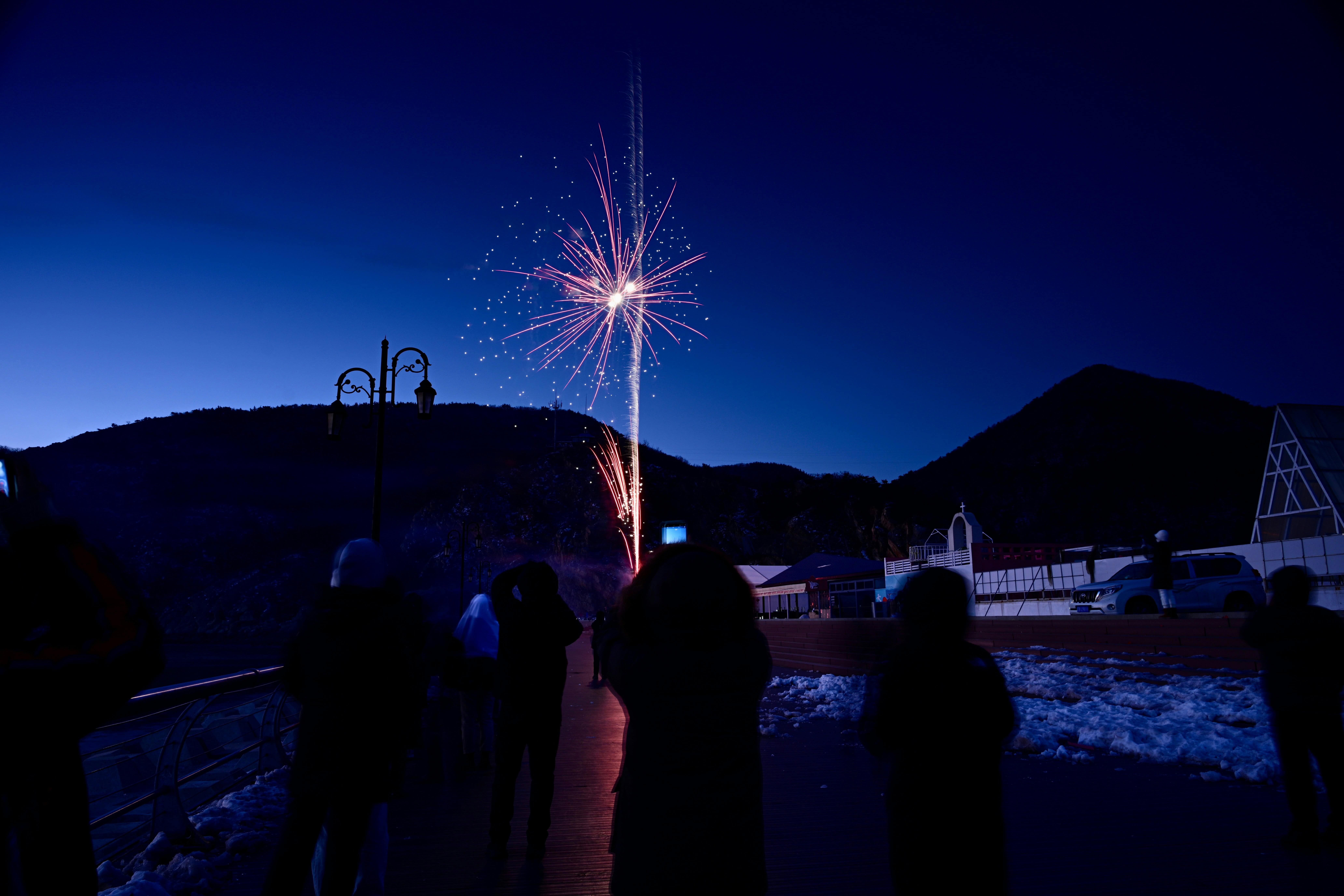
Village plazas make a pretty backdrop, but they funnel everyone into the same narrow streets and the same few doors right after midnight. Crans-Montana has made crowd flow feel less like ambiance and more like a safety system that must work under stress, cold, and low visibility. More resorts may stage fireworks on wide slope bases or open fields, add barrier lanes for dispersal, stagger entry to nightlife, schedule shuttle waves, keep stewards at choke points, set one-way walking routes back to hotels with bright signage, and use temporary street closures that preserve emergency access, even when it feels stricter.
One Clear Emergency Alert Channel, Not Rumor and Noise

In a loud bar, panic spreads faster than instructions, and mixed messages can send people toward the wrong door or deeper into smoke. Crans-Montana coverage described confusion, desperate escapes, and families searching for missing loved ones as identification took time because of severe burns. Resorts may standardize one alert system that hits hotel TVs, lift apps, and staff radios at once, paired with rehearsed announcements that cut music, turn on full lighting, and direct exits in plain language across multiple languages, then point everyone to outdoor muster zones printed on tickets and posted by lifts.
Holiday-Week Medical Surge Planning Beyond Ski Patrol
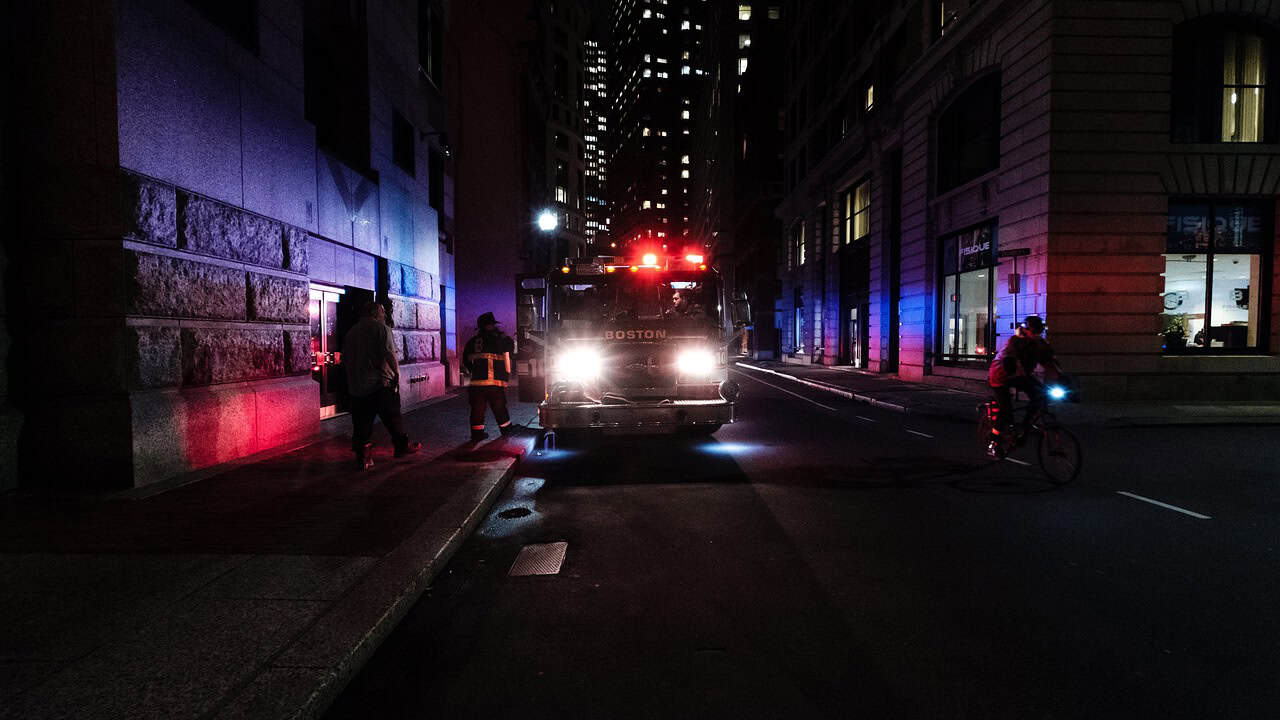
Crans-Montana sent many injured to multiple hospitals, and reports emphasized serious burns that required specialized care and stretched regional resources. That reality will push resorts to treat Dec. 26 to Jan. 2 as a medical surge window, not just a staffing peak for lifts and shuttles. Expect more on-site med teams near nightlife corridors, staged ambulances on Dec. 31, supply caches for oxygen and warming, prearranged transfer routes to burn units, and clear patient tracking so families get facts quickly when phones jam and rumors spike.
Alcohol Service That Slows the Night Down
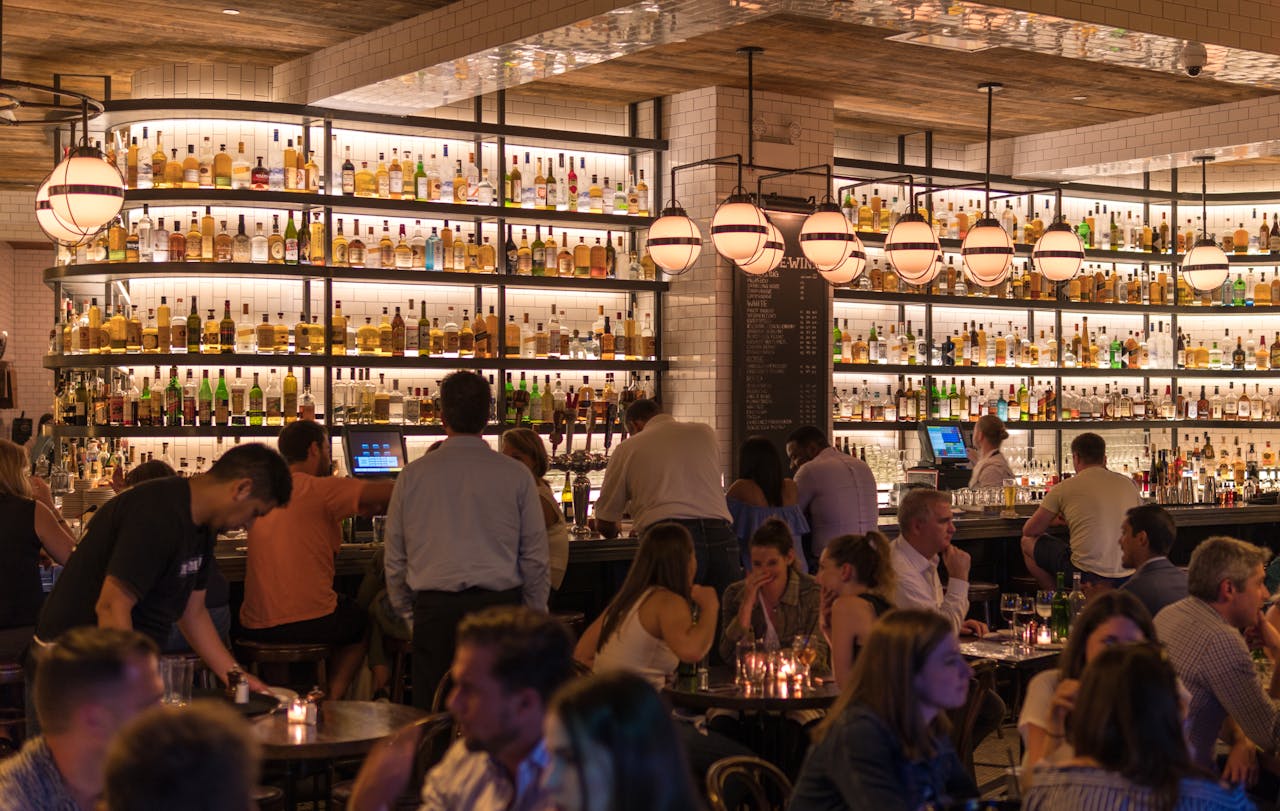
New Year’s Eve energy can turn into a sprint: rapid rounds, bottle theatrics, and packed dance floors that leave no space to pivot or breathe. Investigators pointing to flares on bottles in Crans-Montana makes that spectacle harder to defend, even when it sells tables and tips in a short window. Resorts may respond with earlier last call, limits on bottle presentations, stricter staff-to-guest ratios, and real authority for managers to pause service when exits clog, stair treads get slick, or movement in the room stops, even if it angers VIP tables.
Contracts That Make Promoters Accountable for Safe Flow

For years, safety language often lived in fine print that blamed guests for crowding and treated emergencies as unforeseeable, even on the biggest night of the year. Crans-Montana is likely to shift that balance, with insurers and municipalities demanding logs, drills, and real enforcement, not polite promises made after tickets sell out. More resorts may require evacuation rehearsals, live occupancy records, penalties for blocked exits or unauthorized flame effects, minimum safety staffing, and insurance clauses that void coverage if rules are ignored, so profit never depends on squeezing one more body into a room.