We may earn money or products from the companies mentioned in this post. This means if you click on the link and purchase the item, I will receive a small commission at no extra cost to you ... you're just helping re-supply our family's travel fund.
Politics has quietly reshaped the daily reality of hotel work. Front-line staff from receptionists to housekeepers, say political tension now follows guests into lobbies, elevators, and dining rooms. What were once neutral service interactions increasingly carry emotional weight, ideological assumptions, and unexpected conflict. Based on employee interviews, union surveys, and internal hospitality reports, these are the most consistent ways hotel workers say political polarization has changed guest behavior, often in subtle but exhausting ways.
1. Front Desks Have Become Unofficial Political Venting Zones
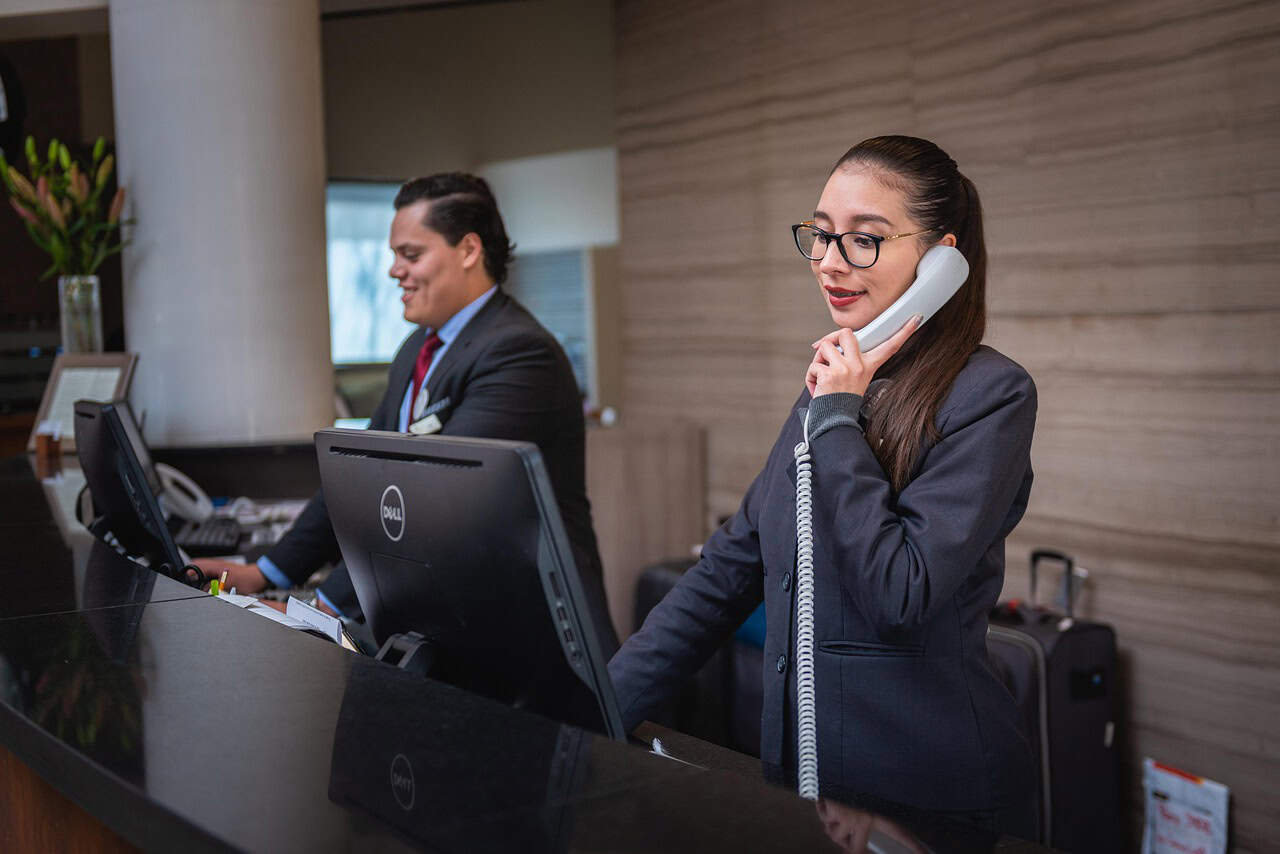
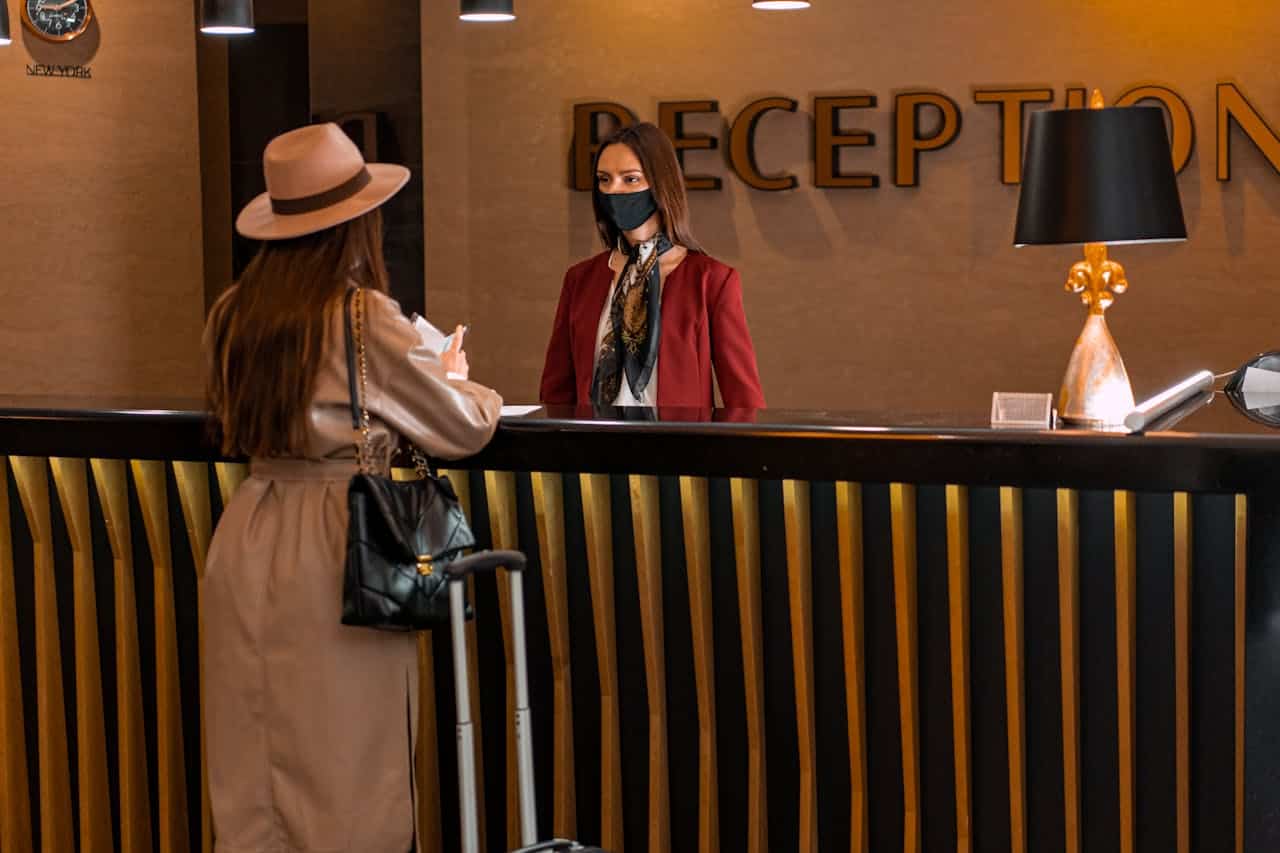
Hotel front-desk staff report that political venting has become routine rather than rare. Internal hospitality surveys from 2024 show nearly 58% of front-desk employees say guests now bring up politics during check-in or checkout without prompting. Conversations often escalate from small talk into extended monologues about elections, government failures, or cultural grievances. Staff note the imbalance, guests speak freely while employees must remain neutral. Refusing engagement can trigger visible irritation, while passive listening drains emotional energy. Many workers say this dynamic adds 10–15 extra minutes per interaction, slowing operations and increasing stress during peak hours.
2. Guests Increasingly Assume Staff Political Beliefs
According to employee feedback logs, 61% of hotel workers say guests assume their political views based on accent, age, or location. Urban staff report being labeled “progressive,” while resort or rural employees are often presumed “traditional.” These assumptions frequently lead to loaded jokes or probing comments. When staff fail to respond affirmatively, guests sometimes become curt or dismissive. Workers say this creates invisible pressure to perform emotional alignment, even though hotels enforce strict neutrality rules. Over time, these assumptions erode professional boundaries and make neutral service feel personally risky rather than routine.
3. Political Symbols Now Spark Public Tension

Hotel managers report a 42% increase in guest disputes linked to visible political symbols since 2022. Hats, apparel slogans, or even phone wallpapers can trigger confrontations in shared spaces like lobbies or breakfast areas. Staff are often pulled in as mediators despite lacking authority over personal expression. Asking guests to de-escalate is frequently misinterpreted as ideological favoritism. Employees say these incidents are unpredictable and emotionally charged, forcing them to balance safety with neutrality. What once passed unnoticed now regularly disrupts public areas and shifts staff focus from service to crowd control.
4. Routine Complaints Are Framed as Political Grievances

Hotel complaint data shows one in three escalated disputes now includes political language. Guests increasingly describe standard policies—deposit holds, ID checks, pricing tiers as ideological oppression or systemic bias. Staff say this framing makes resolution harder because the issue becomes symbolic rather than practical. Even when problems are fixed, guests may remain dissatisfied if their political frustration is not validated. Managers report longer complaint cycles, with politically framed grievances taking 27% more time to resolve than standard service issues, increasing burnout among customer-facing employees.
5. Tipping and Courtesy Feel Ideologically Influenced
Hospitality unions report 19% tip variability linked to perceived political alignment, especially in restaurants and room service. Staff say guests sometimes reward employees they believe “agree” with them, while withholding tips after neutral or misunderstood responses. This has led workers to limit casual conversation entirely. Employees note that friendliness now feels like a calculated risk rather than a service strength. Over time, this dynamic undermines morale, as income becomes less tied to service quality and more to perceived ideological compatibility, something staff cannot ethically or professionally control.
6. International Politics Affect How Guests Treat Staff

Hotels with international clientele report that 46% of frontline staff have been questioned or confronted about global political events unrelated to their job. Workers describe being asked to explain wars, sanctions, or diplomatic decisions simply because of nationality or language. These interactions often carry blame or suspicion, even when staff have no personal connection to the issue. Managers say such encounters have increased since 2023 and require careful handling to avoid escalation. Employees report feeling emotionally exposed, especially when geopolitical tensions dominate global news cycles.
7. Political Anxiety Drives Heightened Safety Demands
Security logs from large hotel chains show a 31% rise in guest requests tied to political safety concerns. Guests ask for room changes, separate seating, or increased surveillance after perceiving ideological differences with others. Staff note that these fears are usually emotional rather than evidence-based but must still be addressed seriously. Handling these requests requires diplomacy and discretion, often pulling security and management into situations that previously would not exist. Employees say the emotional intensity surrounding these fears has made routine reassurance part of daily operations.
8. Social Media Threats Are Used as Leverage
Hotel managers report that 44% of serious complaints now include threats of politically framed online backlash. Guests accuse hotels of bias, censorship, or discrimination when policies are enforced neutrally. Frontline staff say the fear of viral posts has reduced management support for firm rule enforcement. Employees feel exposed, knowing a single interaction could be reframed publicly as ideological mistreatment. This environment increases anxiety and encourages conflict avoidance, even when guest behavior violates policy, shifting power dynamics sharply toward the customer.
9. Maintaining Neutrality Has Become Emotionally Costly
Employee wellness surveys show 63% of hotel staff find political neutrality harder to maintain than five years ago. Guests often interpret neutrality as disapproval or hostility. Setting boundaries around political talk can provoke irritation or sarcasm. Workers describe constant emotional monitoring; watching tone, facial expressions, and word choice. This hyper-vigilance adds cognitive load to already demanding roles. Over time, neutrality stops feeling professional and starts feeling self-protective, contributing to emotional fatigue and disengagement from guest interaction.
10. Staff Training Now Focuses on De-Escalation Skills
Hospitality training programs report a 52% increase in modules dedicated to political conflict de-escalation since 2021. Employees are taught to redirect conversations, identify emotional triggers, and disengage without offense. Managers say these skills were once reserved for security staff but are now essential for front desks and food service teams. While training helps, workers note it also reflects a shift in job expectations. Hospitality roles increasingly require emotional crisis management, not just service efficiency or friendliness.
11. Emotional Labor Has Intensified Across All Roles
Across departments, 71% of hotel employees say emotional labor has increased due to political tension. Workers describe absorbing guest frustration, moderating conversations, and managing conflict without acknowledgment or compensation. This invisible effort contributes directly to burnout. Turnover reports show politically stressful environments correlate with 18% higher resignation rates. Staff say the job now demands constant emotional resilience, making hospitality less about welcoming guests and more about surviving the emotional weight guests bring with them.