We may earn money or products from the companies mentioned in this post. This means if you click on the link and purchase the item, I will receive a small commission at no extra cost to you ... you're just helping re-supply our family's travel fund.
Some American towns were built for visitors, but not for the volume, speed, and entitlement that modern travel can bring. By 2026, a familiar pattern has settled in: packed streets on weekends, locals priced out of housing, and fragile places strained by traffic, trash, and short-term rentals. Many communities still welcome guests, yet the welcome now comes with rules, shuttles, caps, and sharper boundaries meant to protect daily life. These towns are not closing their doors. They are asking for breathing room, and a little respect for the people who live there year-round.
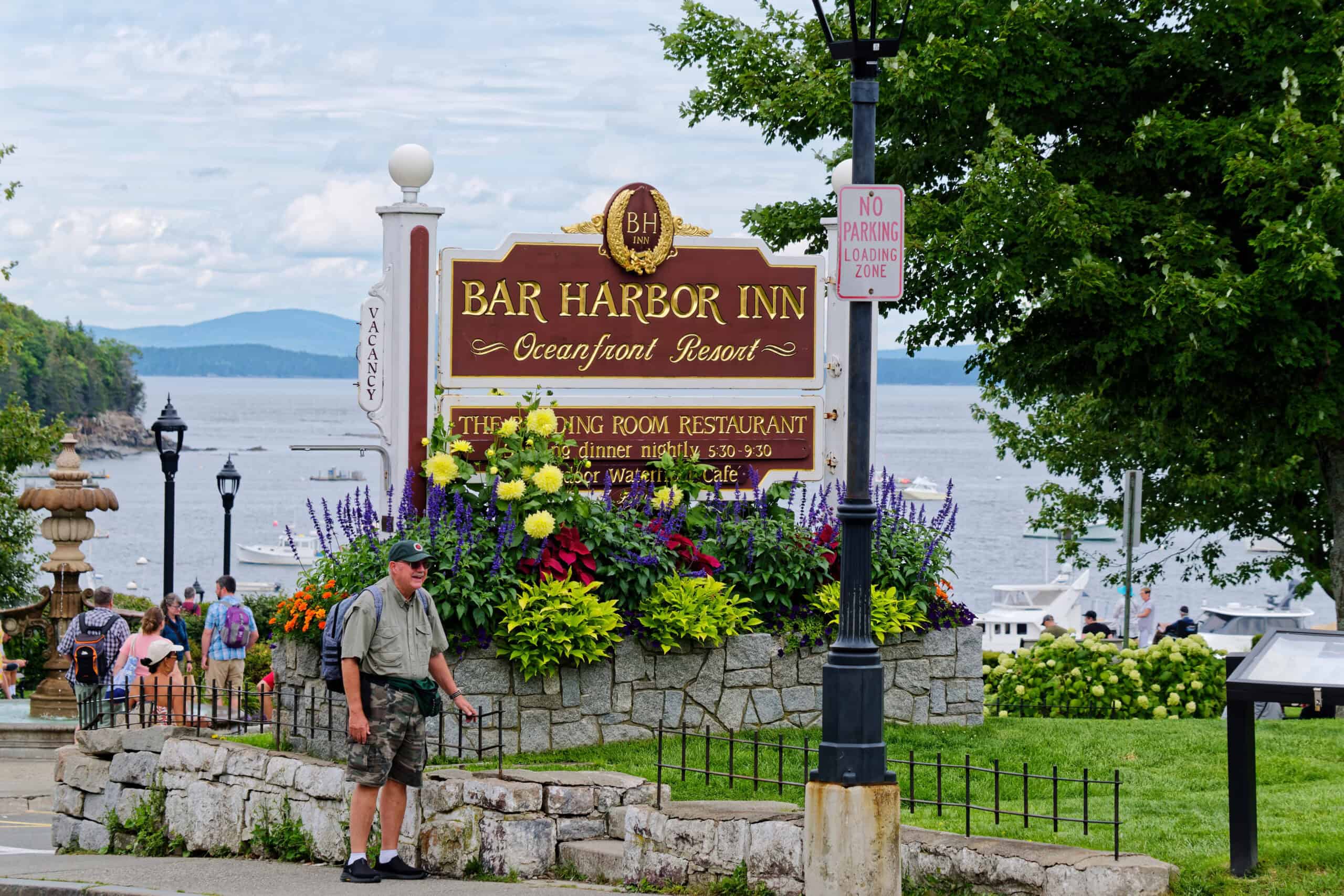
Bar Harbor, Maine
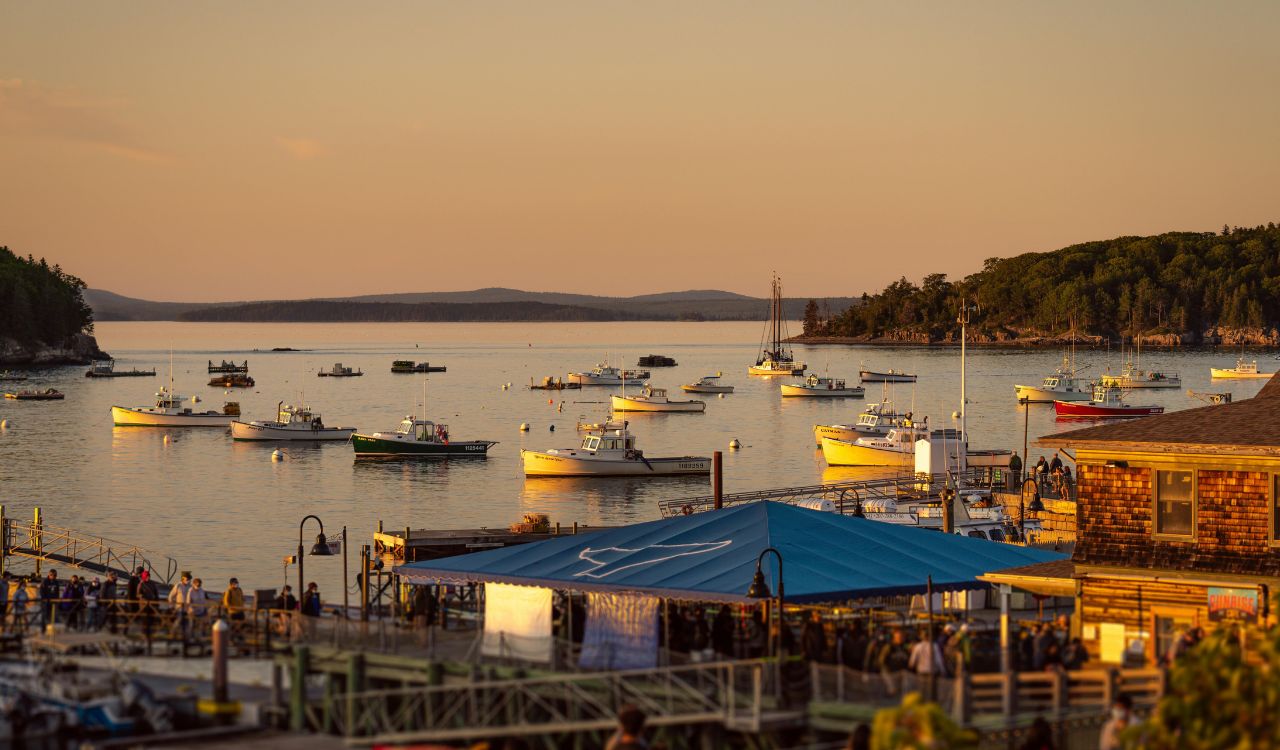
Bar Harbor’s postcard harbor sits beside Acadia, and summer now feels like a daily stress test. After years of cruise crowds swamping sidewalks and tender docks, the town moved to cap disembarking passengers, signaling that the old volume-first model had hit a wall. On peak days, restaurant waits stretch, streets choke with shuttles, and locals time errands around surges. The mood is not anti-visitor so much as pro-livability, with debates focused on limits, enforcement, and what a sustainable season should look like. Even the quiet sunrise on the Shore Path now comes with a glance at ship schedules and parking boards. before the town wakes.!
Sedona, Arizona

Sedona’s red-rock trails went viral, and the city has spent years trying to keep its canyons from becoming parking lots. Trailhead shuttles and park-and-ride lots have become the new normal, because popular access points can gridlock by midmorning and emergency vehicles need room to move. Locals describe weekends where grocery runs feel like navigating a festival crowd, with exhaust hanging in the heat and tempers rising at full pullouts. The pushback is practical: fewer cars in sensitive corridors, clearer rules, and a reminder that the views are not improved by honking. Even retreats now post traffic alerts beside meditation schedules too.!
Jackson, Wyoming

Jackson’s peaks and wildlife draw dream trips, but the valley’s daily life bends under seasonal strain. With Grand Teton and Yellowstone traffic funneled through limited roads, backups can stretch for miles, and short-term rentals keep pushing workers farther from town. Local leaders promote transit, parking controls, and visitor management plans, trying to keep a resort economy from eating the community that serves it. The frustration shows up in small moments: locals skipping trailheads, parents budgeting extra hours for school pickup, and businesses juggling staff who cannot find a place to live. Even autumn feels crowded now, not quiet.!!
Moab, Utah
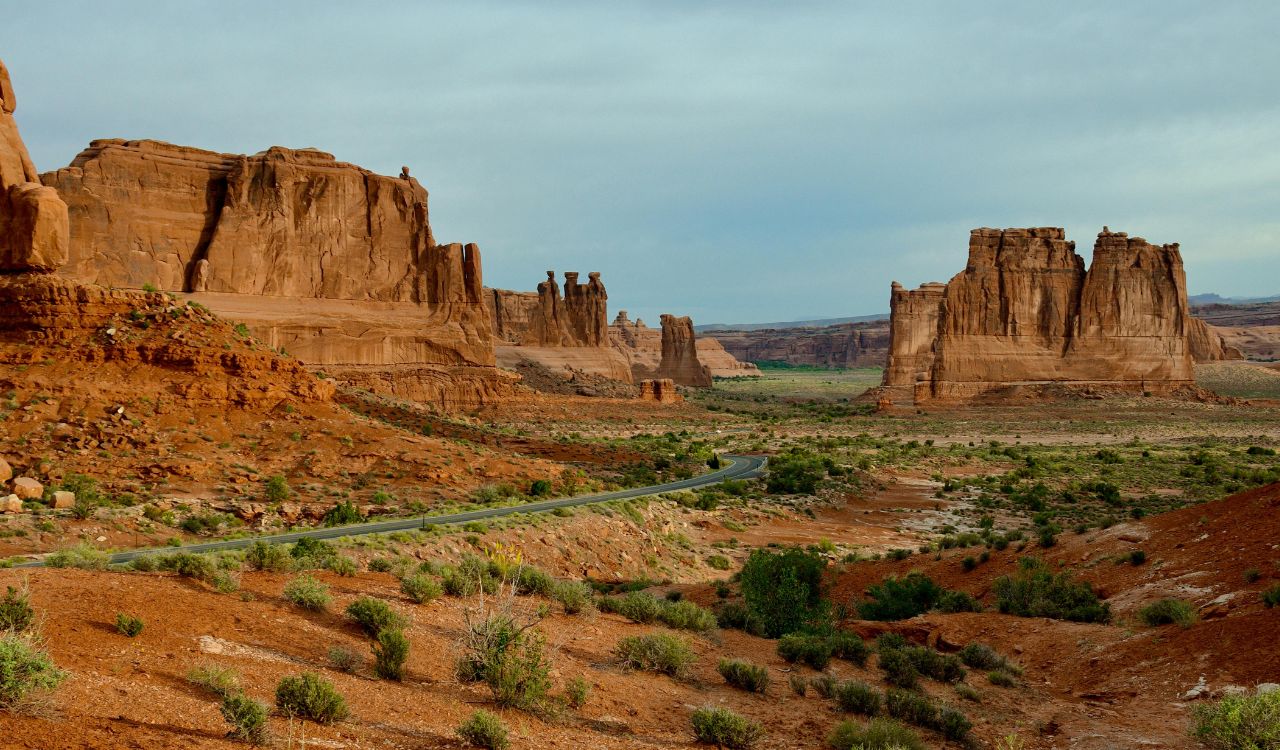
Moab’s slickrock sunsets and desert arches turned a small river town into a global bucket-list stop. On spring weekends, the line between town and trail can blur into one long caravan, with rentals, tour vans, and lifted trucks fighting for the same few streets and pullouts. Residents talk about noise, dust, and a housing market tuned to visitors, not locals, while search-and-rescue and utilities absorb the costs of constant peak season. The backlash is less about adventure and more about capacity: keeping access safe, protecting fragile soil, and making room for ordinary life between the rushes. Some days even the post office overflows too.
Gatlinburg, Tennessee
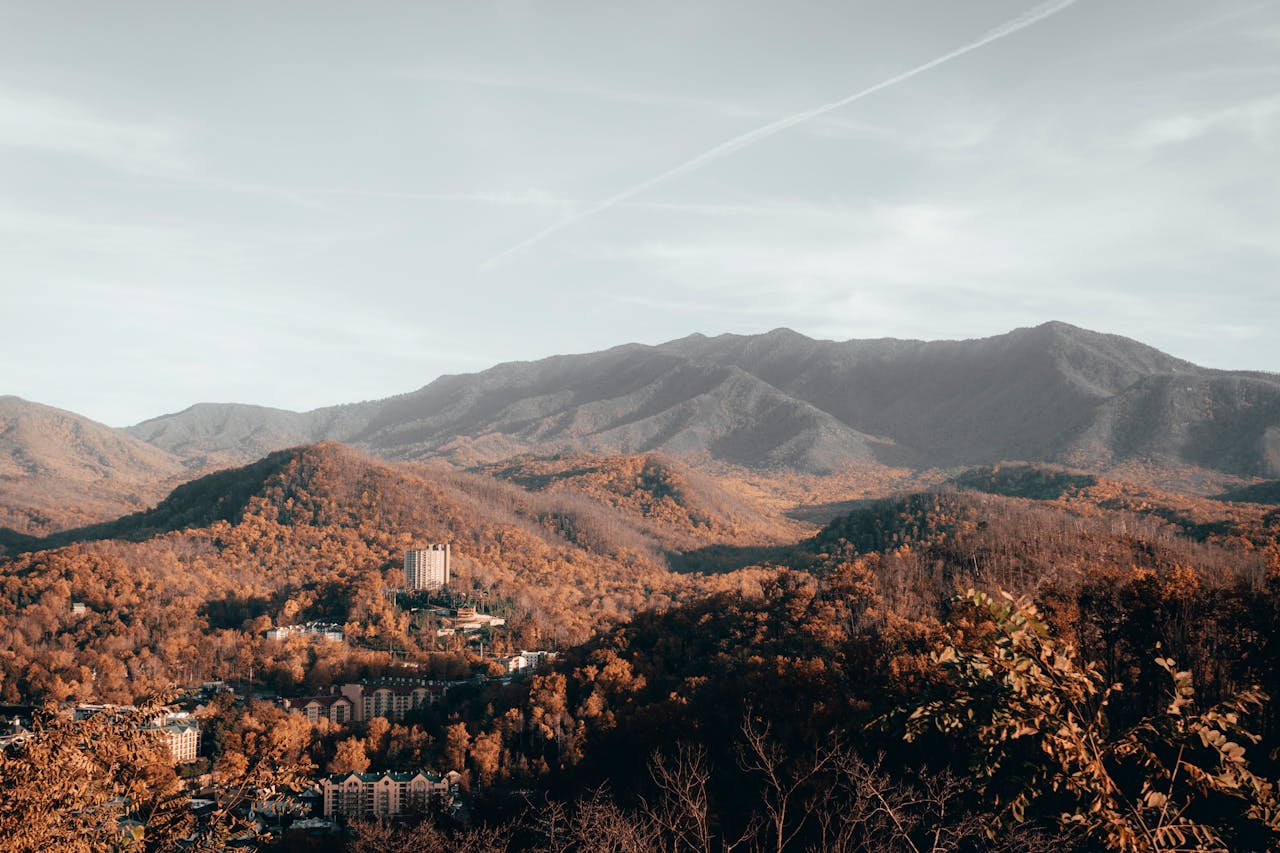
Gatlinburg sits at the Smokies’ front door, and the town’s success has come with a heavy price tag in traffic and wear. Holiday weekends can turn the main strip into a slow-moving parade of cars, and the pressure spills into side streets where locals try to live ordinary routines. Businesses depend on the crowds, yet many residents feel the place has become a theme park version of itself, with noise, litter, and rising rents. Calls for stricter parking, better transit, and stronger limits on short-term rentals reflect a desire to keep the gateway charming, not chaotic, and to protect the mountains from overflow. In summer, sirens echo often.!
Key West, Florida

Key West runs on sunshine and escapism, but the island’s small footprint makes crowding feel personal. Day-trippers and cruise passengers can flood Duval Street and the Southernmost Point area, leaving locals to weave around lines, scooters, and overfull trash cans in heat that magnifies each inconvenience. Water, waste, and emergency services cost more on an island, and residents argue that the visitor economy should pay a fair share and arrive at a pace the community can handle. The push for tighter controls shows up in parking enforcement, cruise debates, and a growing plea to treat neighborhoods as homes, not backdrops for photos too!
Nantucket, Massachusetts
Nantucket’s cobblestones and hydrangeas sell a dream, but the island’s summer crush can feel like living inside a reservation system. Ferries arrive in waves, rental Jeeps pile up on narrow lanes, and seasonal housing pressure pushes workers into long commutes or shared rooms. Locals often talk about the quiet months with a kind of longing, while July and August bring packed beaches, full restaurants, and a constant churn of deliveries. Efforts to manage crowds tend to center on traffic flow, short-term rental rules, and preserving the island’s fragile dunes and historic character, so the place remains a community, not just a brand. All year!
Telluride, Colorado
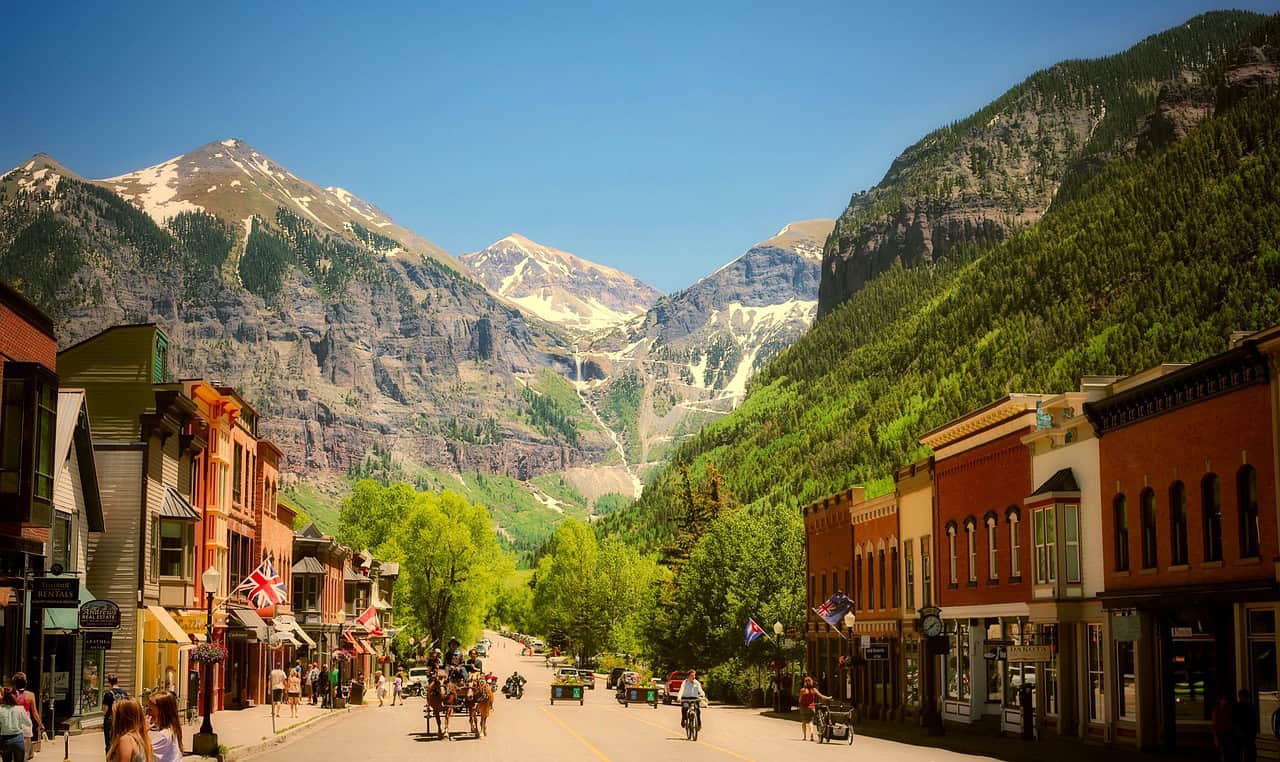
Telluride’s box canyon scenery makes every arrival feel cinematic, yet small-town infrastructure can strain when event weekends and powder days collide. Parking fills early, short-term rentals compete with local housing, and the gondola becomes both a lifeline and a queue between Mountain Village and town. Residents support tourism, but worry about losing teachers, nurses, and service workers who keep the community running when rents surge. Local pushback tends to show up as stricter lodging rules, transit nudges, and a sharper emphasis on shoulder-season travel, so the town’s charm does not get flattened into a crowded, expensive set piece.!
Leavenworth, Washington

Leavenworth’s Bavarian makeover made it famous, and that success now brings traffic that can overwhelm a valley built for a small resident base. During holiday light seasons and leaf-peeping weekends, Highway 2 slows to a crawl, parking lots spill over, and quiet neighborhoods become overflow routes for day-trippers. Locals still take pride in the town’s character, but they also talk about noise, litter, and the way short stays can crowd out events and everyday errands. The response has leaned into shuttles, paid parking, and visitor education, aiming to keep the charm intact while reducing the sense that the town exists only for snapshots.!!
Stowe, Vermont
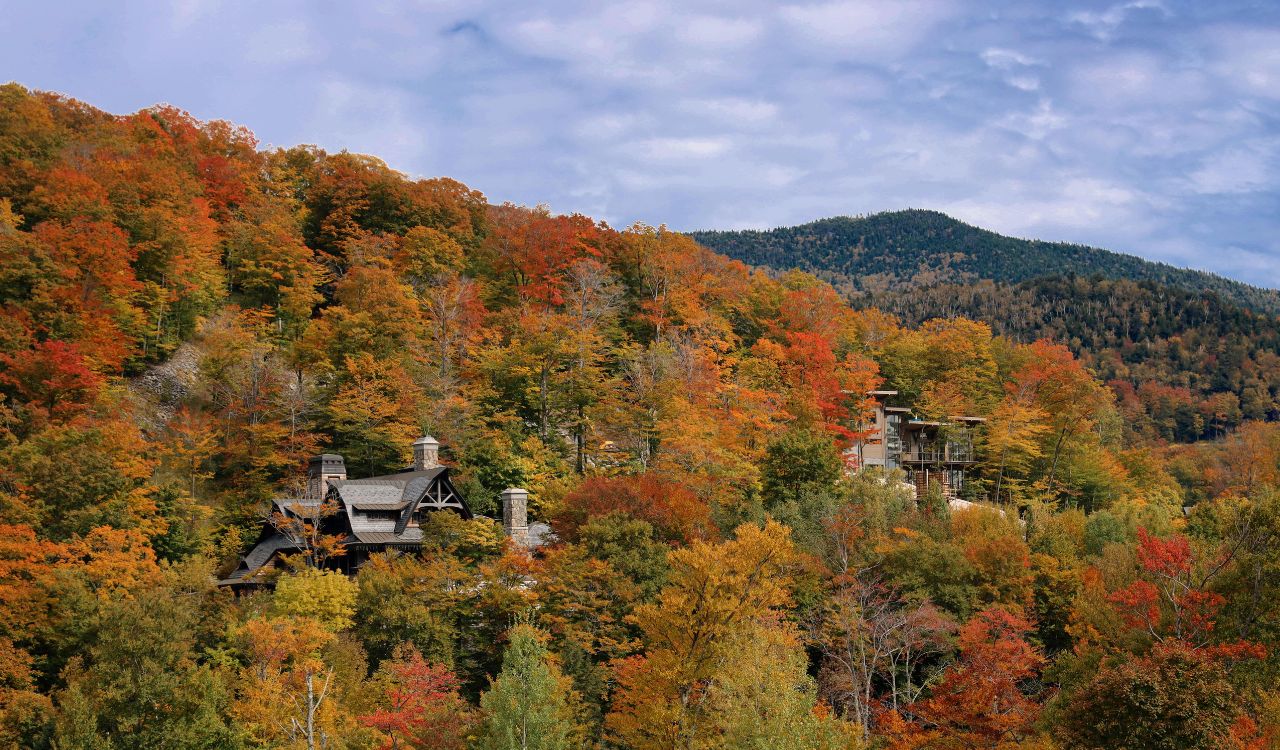
Stowe’s mountain roads and fall color made it an icon and the success now shows up as bumper-to-bumper “leaf season” traffic. Weekend crowds can overwhelm Route 108 toward Smugglers’ Notch, and lots near trailheads and breweries fill so fast that visitors spill into shoulders and private driveways. Locals talk about the contradiction of loving the landscape while watching it get loved to exhaustion, with noise, litter, and housing prices rising alongside tourism demand. The town’s response leans on parking enforcement, shuttle experiments, and messaging about shoulder-season visits, hoping to keep Vermont’s calm from becoming a permanent jam.
Marfa, Texas
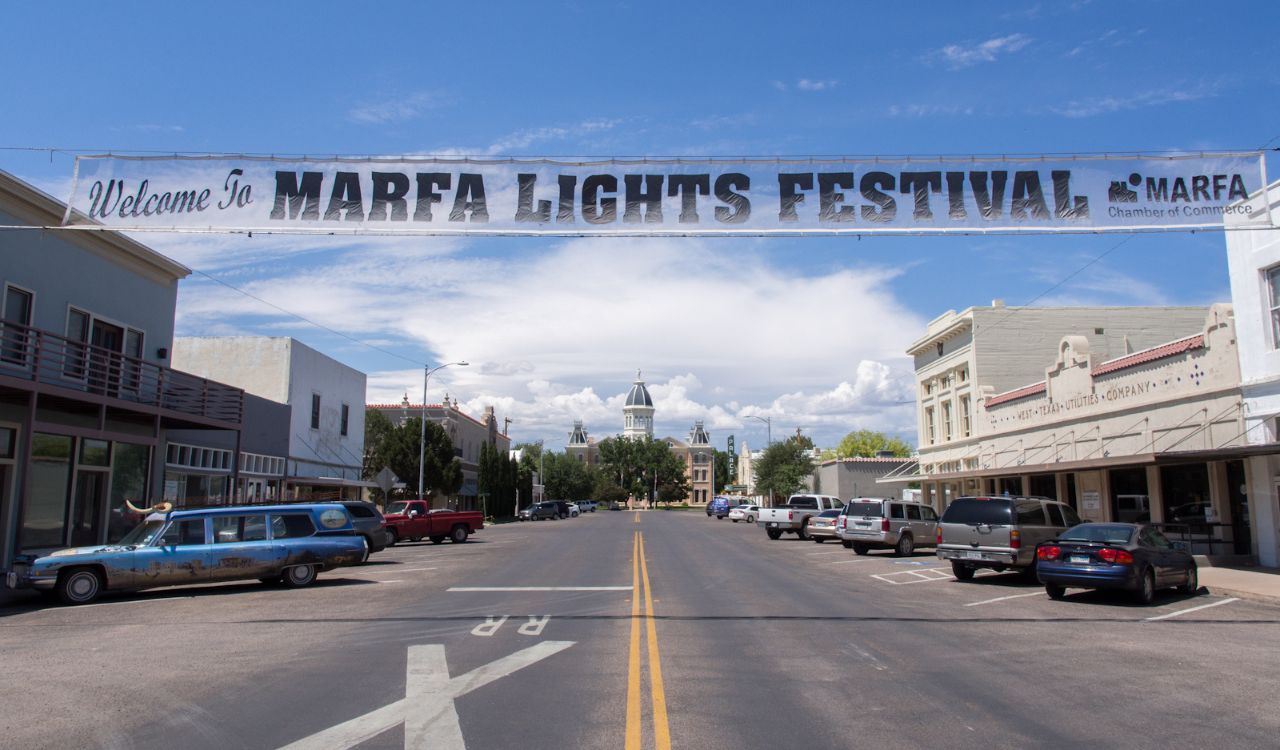
Marfa’s art-world mystique turned a remote desert town into a weekend pilgrimage, and the attention can feel outsized for its scale. Gallery openings and festival weekends bring floods of cars, limited lodging, and late-night noise that carries across blocks where residents expect stars, not engines. Locals appreciate the economic lift, but worry about short-term rentals reshaping neighborhoods and pricing out workers in a place with scarce housing. The push for balance shows up in calls for clearer rules, better visitor behavior, and a pace that matches the town’s wide-open horizons, not a backdrop mentality. Desert quiet is local luxury. so