We may earn money or products from the companies mentioned in this post. This means if you click on the link and purchase the item, I will receive a small commission at no extra cost to you ... you're just helping re-supply our family's travel fund.
America’s most famous attractions often arrive in memory long before they arrive in real life. Travelers picture wonder, scale, glamour, and the thrill of finally standing inside a place that lived for years on postcards, movies, bucket lists, and family itineraries. Then the actual visit begins, and the feeling is sometimes not awe but letdown: too many crowds, too much money, too little substance, or a setting so commercialized that the original magic barely shows through. The disappointment is rarely about meaning. More often, it is about the painful gap between promise and experience.
Hollywood Walk Of Fame
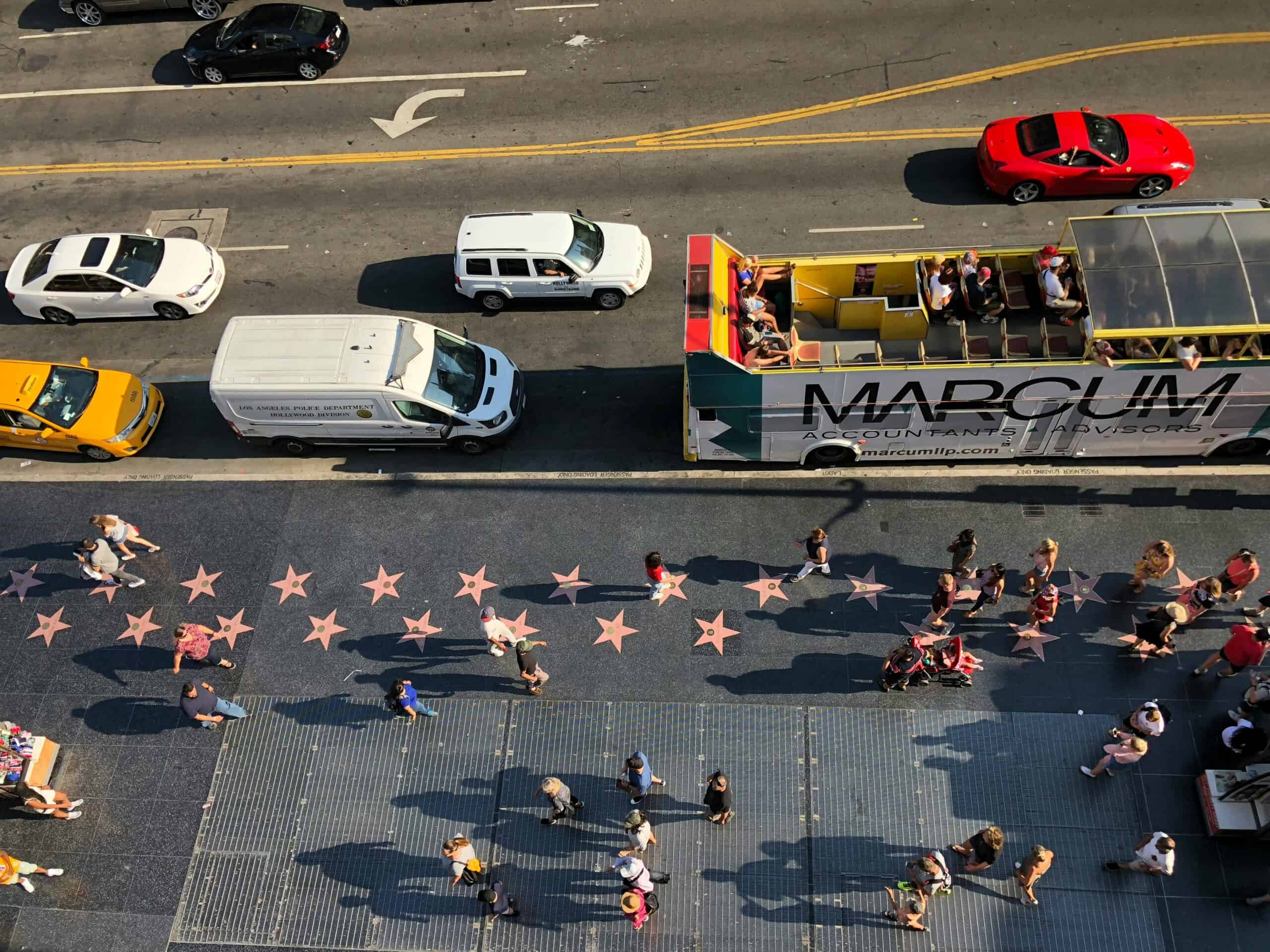
The Hollywood Walk of Fame still carries old-school star power, and its official site presents it as a living archive of entertainment history spread across Hollywood Boulevard and Vine. Yet that promise often collides with a street-level reality that travelers describe as grittier, noisier, and far less glamorous than the fantasy sold by film and television. In 2025 and 2026 rankings, it was singled out as one of the world’s most disappointing tourist stops, largely because visitors felt the surrounding environment shaped the experience just as much as the stars set into the sidewalk, leaving fame itself feeling oddly distant.
Times Square
rossella porta/Unsplash
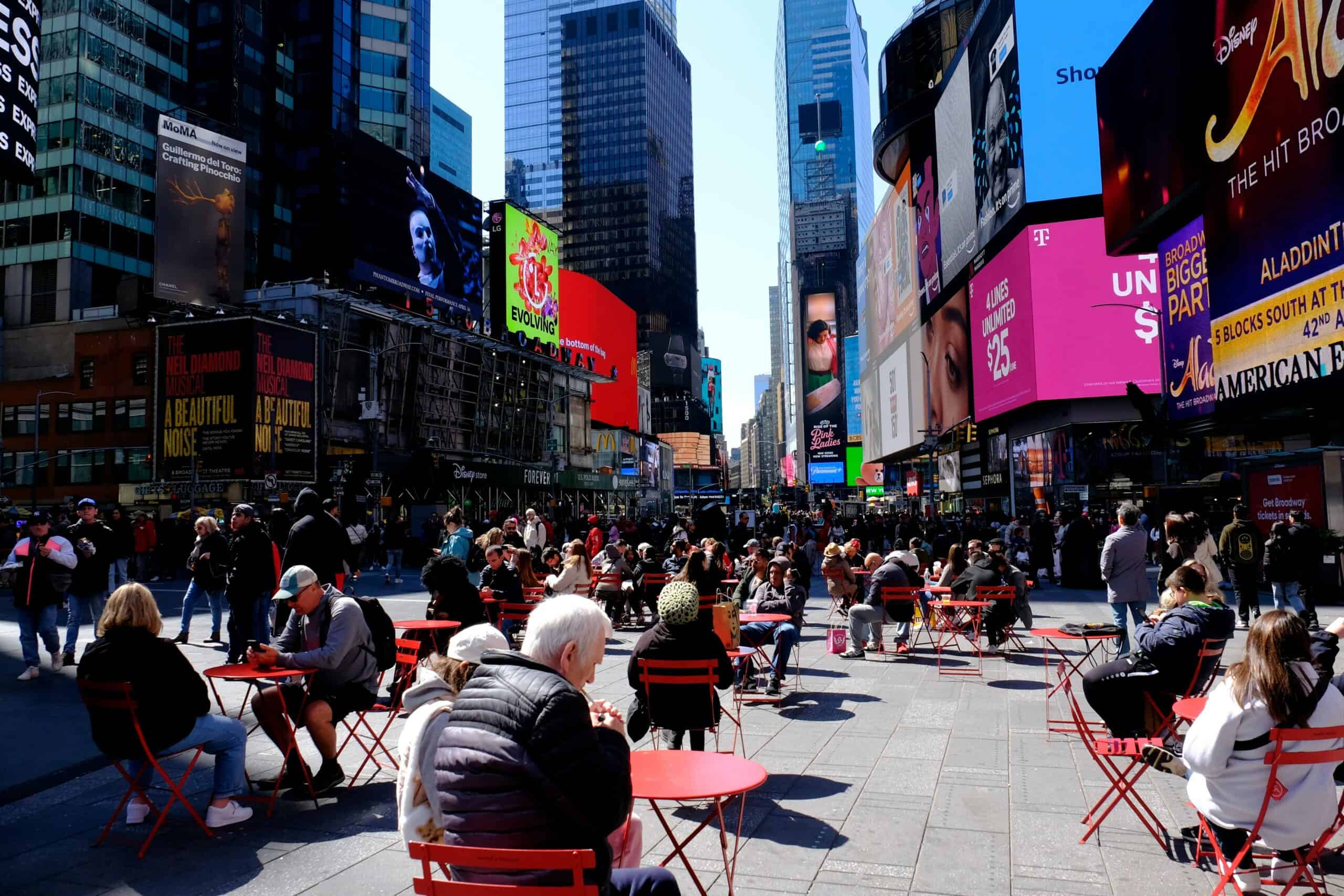
Times Square remains one of the country’s most recognizable crossroads, with roughly 220,000 pedestrians entering the district on an average day in 2024 and even higher counts on peak days. But many travelers say the same features that make it iconic also make it draining: dense crowds, inflated prices, nonstop advertising, and the odd sense of standing inside a commercial rather than a city block. Review-based rankings and frequent-traveler accounts keep placing it near the top of the regret pile, not because it lacks energy, but because the energy can feel strangely impersonal once the novelty fades.
Fisherman’s Wharf
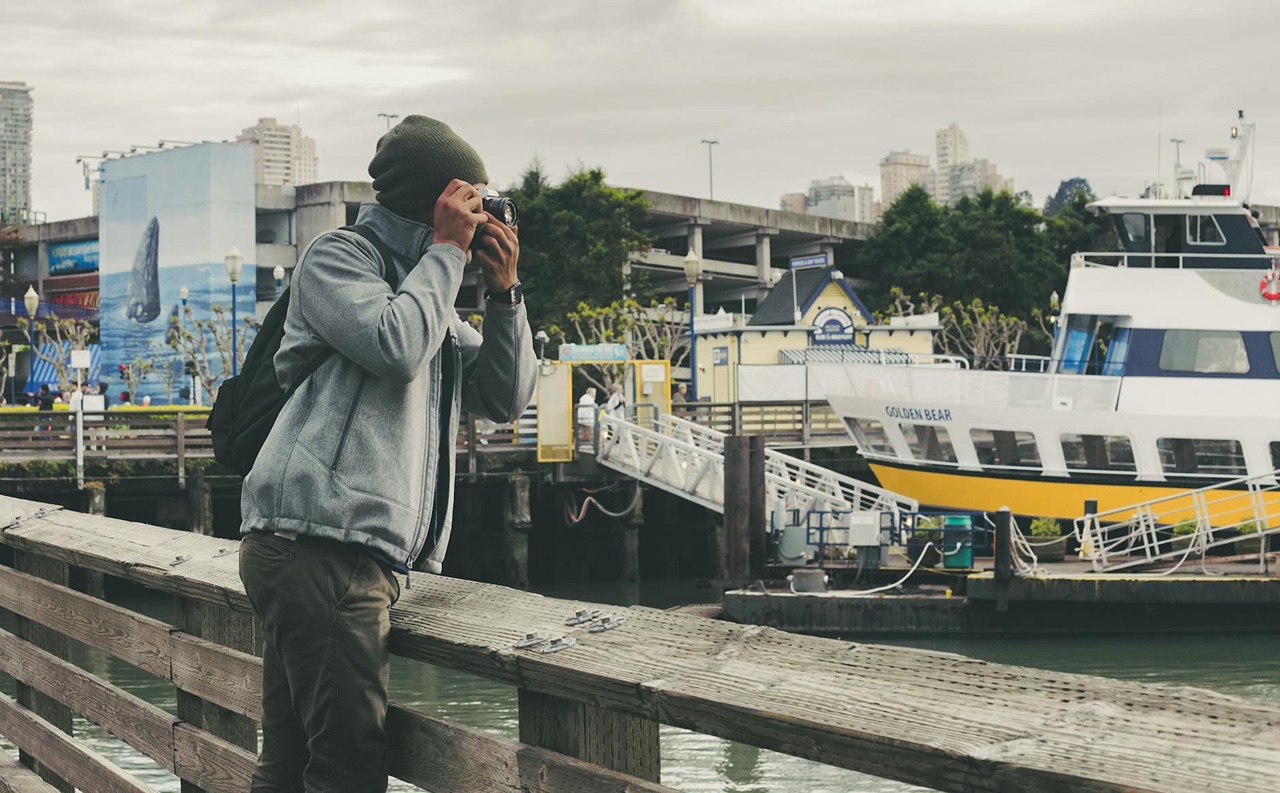
Fisherman’s Wharf sells a version of San Francisco that is easy to understand in five seconds: chowder, souvenir shops, waterfront views, and sea lions barking near the piers. It is also the city’s most visited neighborhood, which helps explain why so many travelers arrive and then feel trapped in the very machinery built to entertain them. Review-based rankings in 2025 called it one of America’s worst tourist traps, with disappointment aimed less at the bay itself than at the sense of crowding, markup, and thin local texture that can settle over the experience once the first postcard glance is gone.
Navy Pier
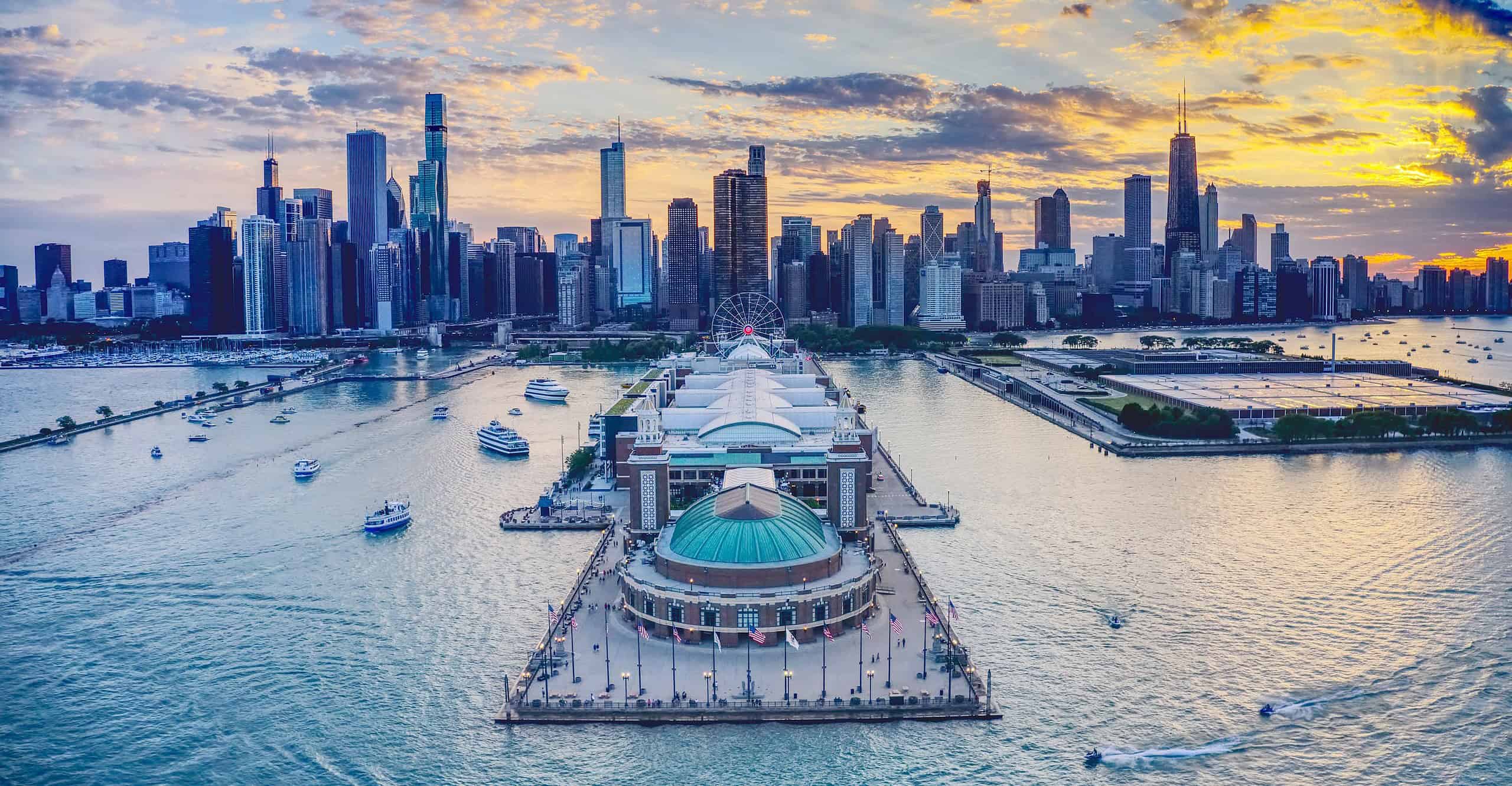
Navy Pier stretches into Lake Michigan with wide views, family attractions, food counters, rides, and the kind of broad appeal that makes it the most visited destination in the Midwest. For some travelers, though, that scale reads less as excitement and more as packaging. Review-based studies have repeatedly flagged it as a tourist trap, with complaints centering on congestion, generic retail, and the feeling that the pier works better as a backdrop than as the emotional center of a Chicago trip. The water remains beautiful, but the experience around it can feel more managed than memorable for visitors who expected something richer.
Dole Plantation
Aaron Lee/Unsplash
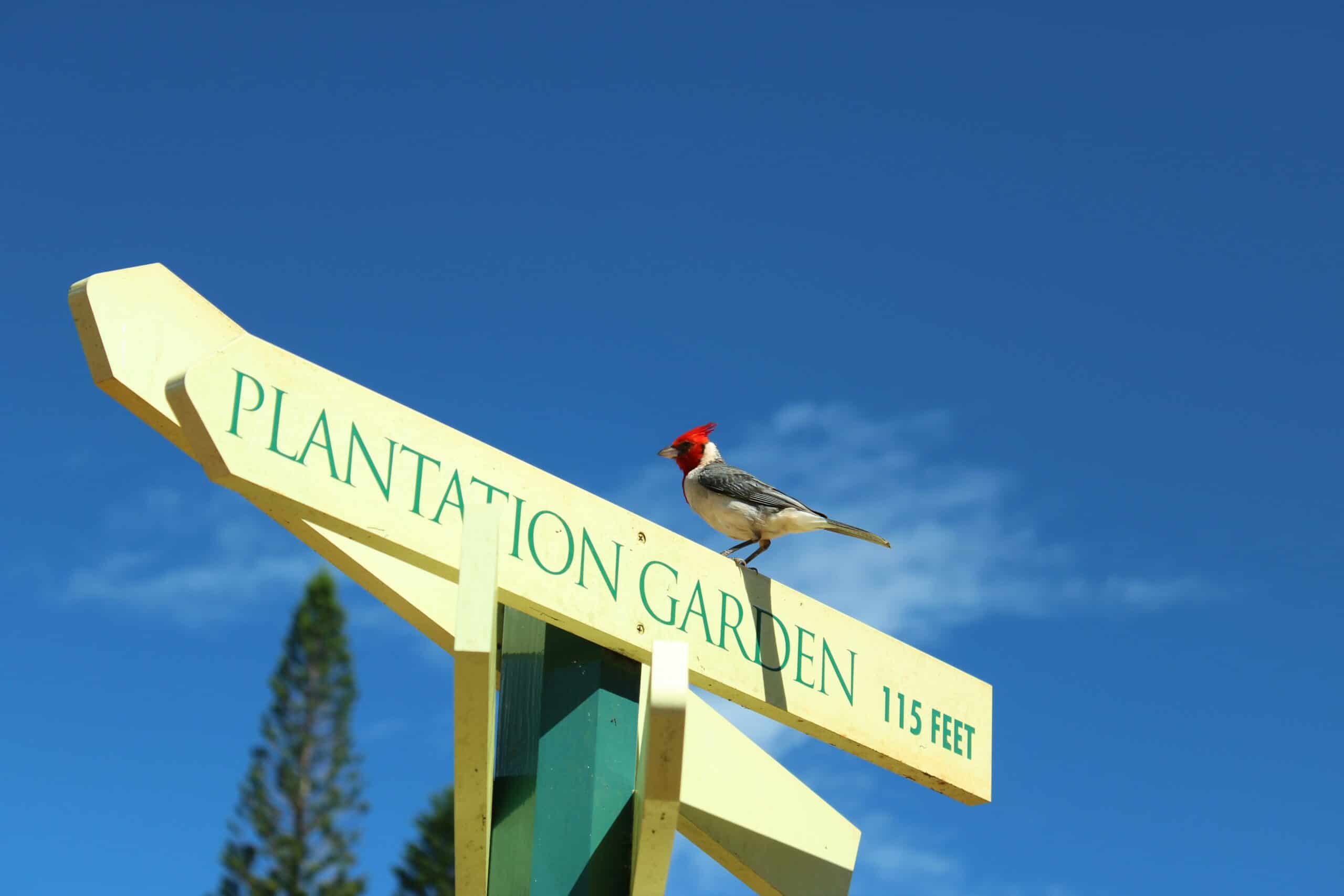
Dole Plantation is one of Oahu’s most popular visitor attractions, welcoming more than 1 million people a year with train rides, gardens, pineapple branding, and the enduring pull of Dole Whip. Yet popularity has not protected it from disappointment. Traveler-review analysis placed it high on America’s tourist-trap list, and recent review summaries describe long waits, heavy crowds, parking trouble, and a level of commercial polish that can feel disconnected from the deeper texture of Hawaii. Many travelers seem to leave feeling that the plantation delivers a brand experience more convincingly than it delivers a meaningful sense of place.
Wall Drug
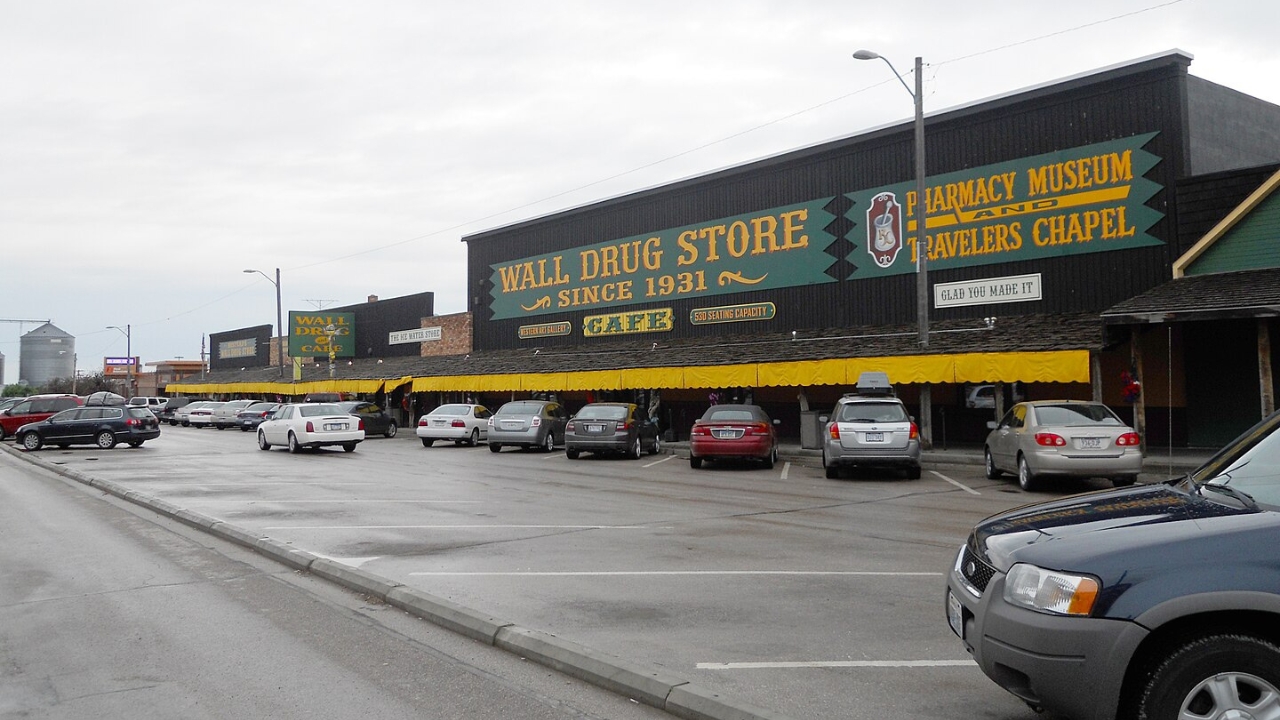
Wall Drug has spent decades luring road trippers with billboards, free ice water, Western nostalgia, and the promise that something unforgettable waits in the middle of the plains. For some travelers, the stop delivers exactly the kitsch they hoped for. For many others, the buildup becomes the problem. Wall Drug says it draws more than 2 million visitors a year, yet review-based rankings in 2025 still placed it at the very top of America’s tourist-trap conversation. The regret many travelers describe is not that it exists, but that the legend can feel larger than the experience once the jokes, signs, and souvenirs finally come into view.
Four Corners Monument
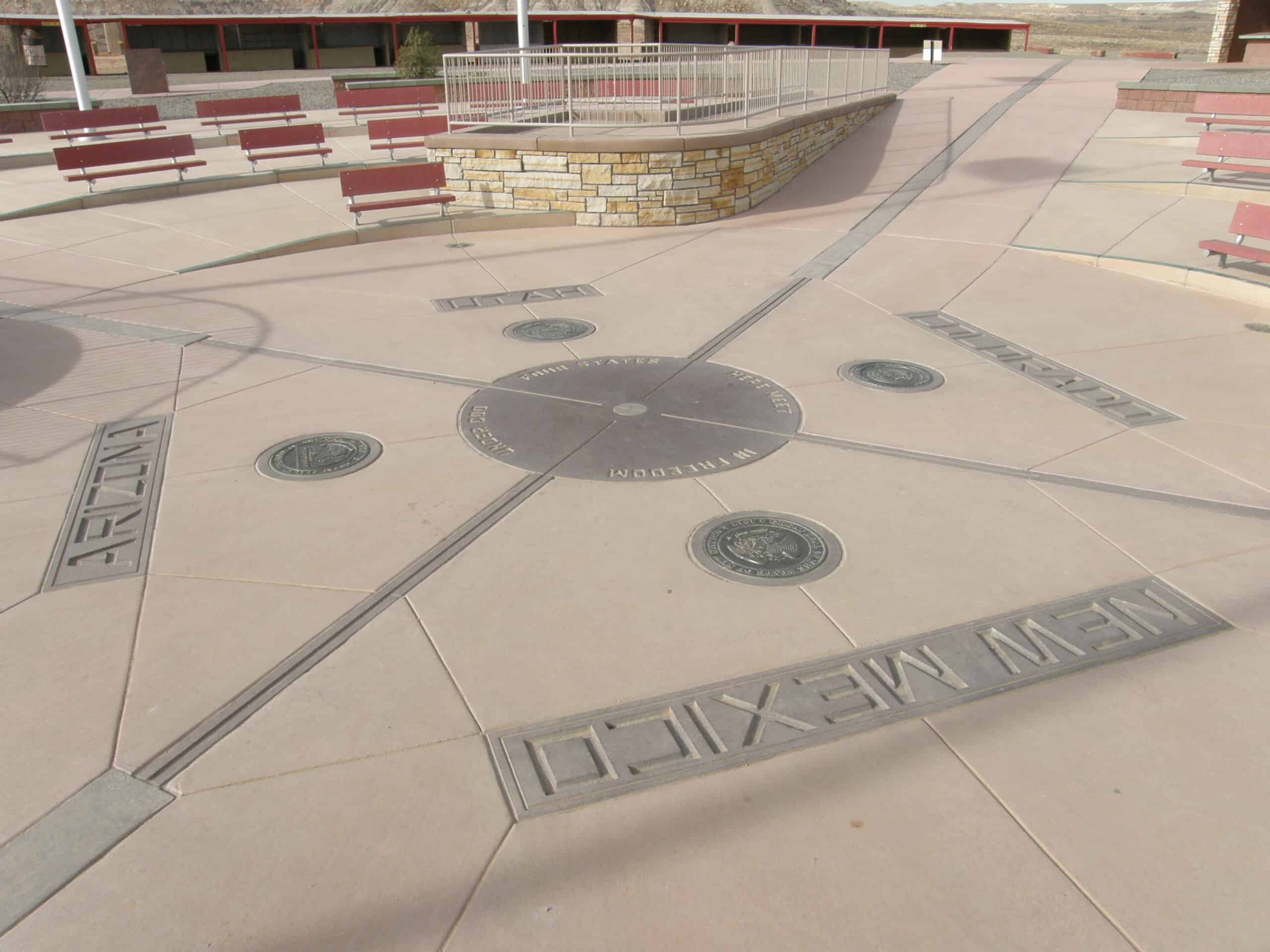
The Four Corners Monument offers a clean, irresistible idea: one place, four states, one photograph that feels instantly worth the detour. Navajo Nation materials present it as the only point in the United States where Arizona, New Mexico, Utah, and Colorado meet, while also noting that services nearby are limited within roughly 30 miles. What many travelers say catches them off guard is how quickly the moment is over. Frequent-traveler accounts describe it as a stop better suited to a brief pause than a destination in itself, especially because the monument’s biggest reward is often simply the proof that someone stood there for a minute.
Plymouth Rock
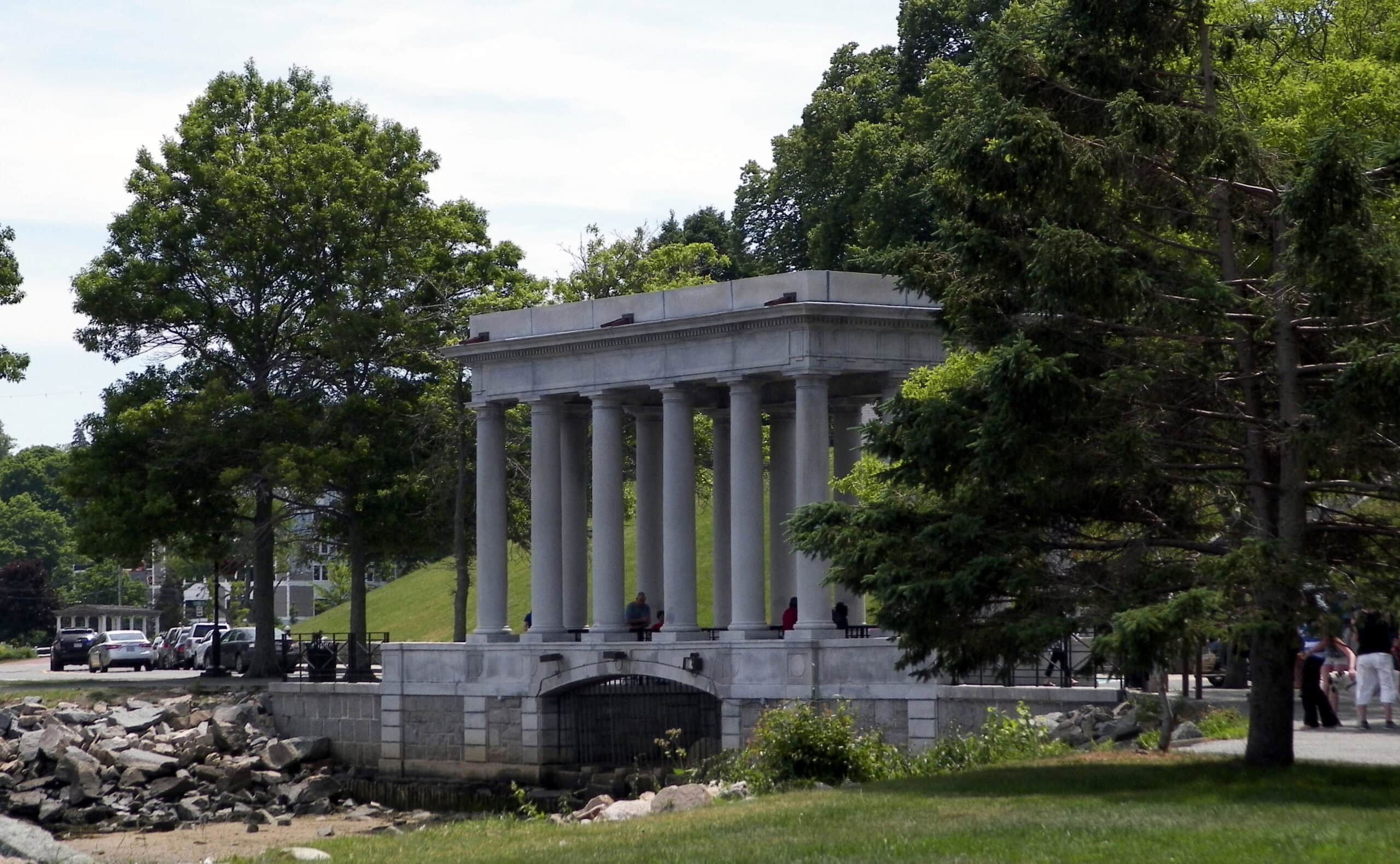
Plymouth Rock carries one of the heaviest symbolic loads in American tourism, which is precisely why the first sight of it can feel so jarring. The Commonwealth’s Pilgrim Memorial State Park says the waterfront site draws more than 1 million visitors a year, but many arrive expecting grandeur and meet instead a modest, weathered stone under a neoclassical canopy. Recent travel reporting has noted how often disappointment centers on scale, especially because the rock’s history has involved movement, breakage, and mythmaking. The site still matters deeply in the national imagination, but its emotional force rarely comes from visual drama alone.
Mount Rushmore
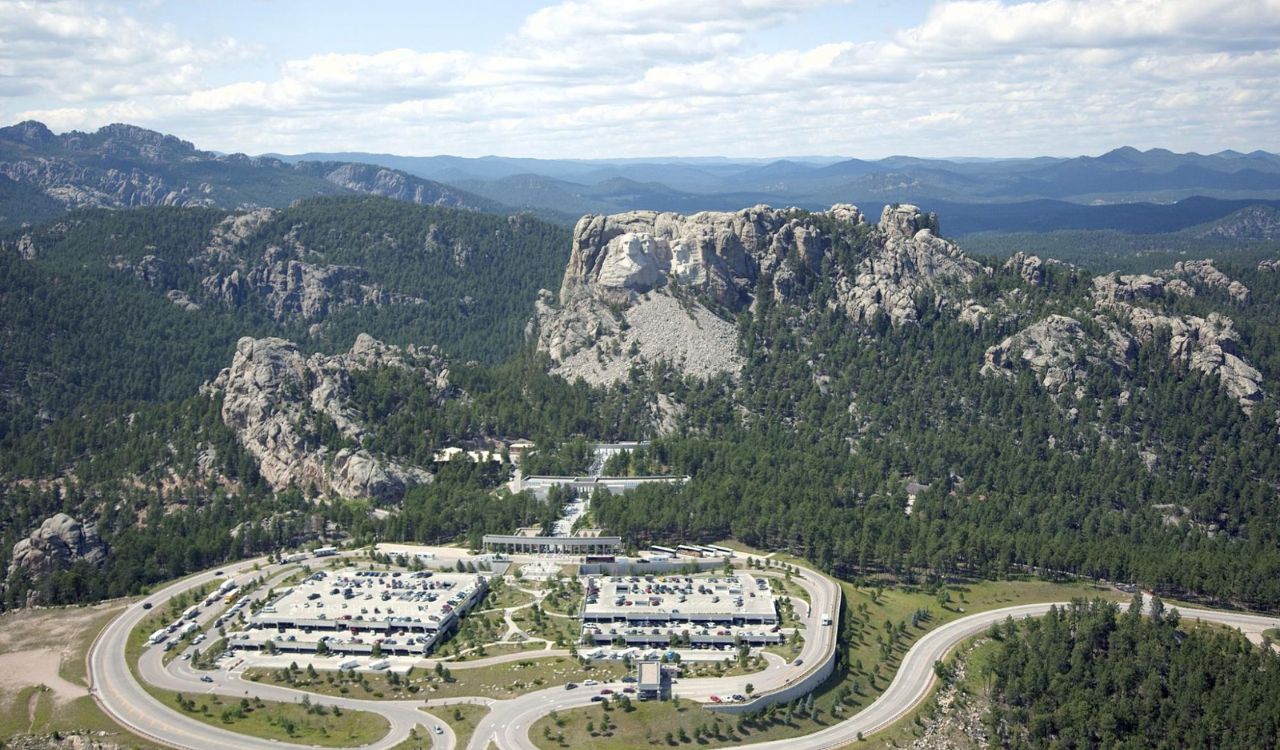
Mount Rushmore is undeniably powerful from a distance: four presidential faces cut into granite, framed by the Black Hills and all the language of national memory. Yet even admirers often admit the visit can feel shorter and narrower than expected once they actually arrive. The National Park Service notes that just over 2 million people visit each year and that summer crowds are heavy, while frequent-traveler accounts say they would not build an entire trip around the monument itself. The sculpture still impresses, but some travelers leave wishing they had centered the wider region, its parks, and its landscapes rather than the viewing terrace alone.
Graceland
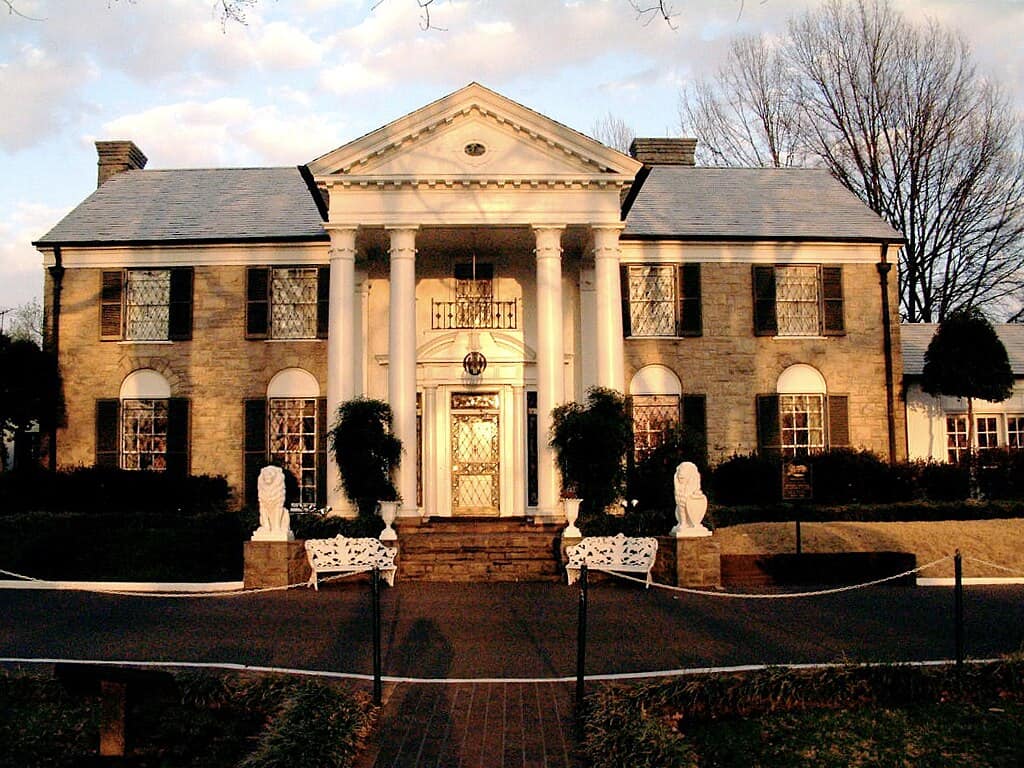
Graceland remains one of the most famous homes in American music, and its official ticket structure makes clear that the experience has grown far beyond a simple house tour. In 2026, the standard Elvis Experience ticket is listed at $85 for adults, with pricier tiers rising far above that. That expansion is exactly what some travelers push back against. In 2025 tourist-trap analysis, Graceland ranked among the country’s most expensive disappointments, with criticism focused on long waits, heavy commercialization, and the sense that devotion to Elvis is being monetized at nearly every step, from entry to add-ons to the final gift-shop drift.
Grand Canyon Skywalk
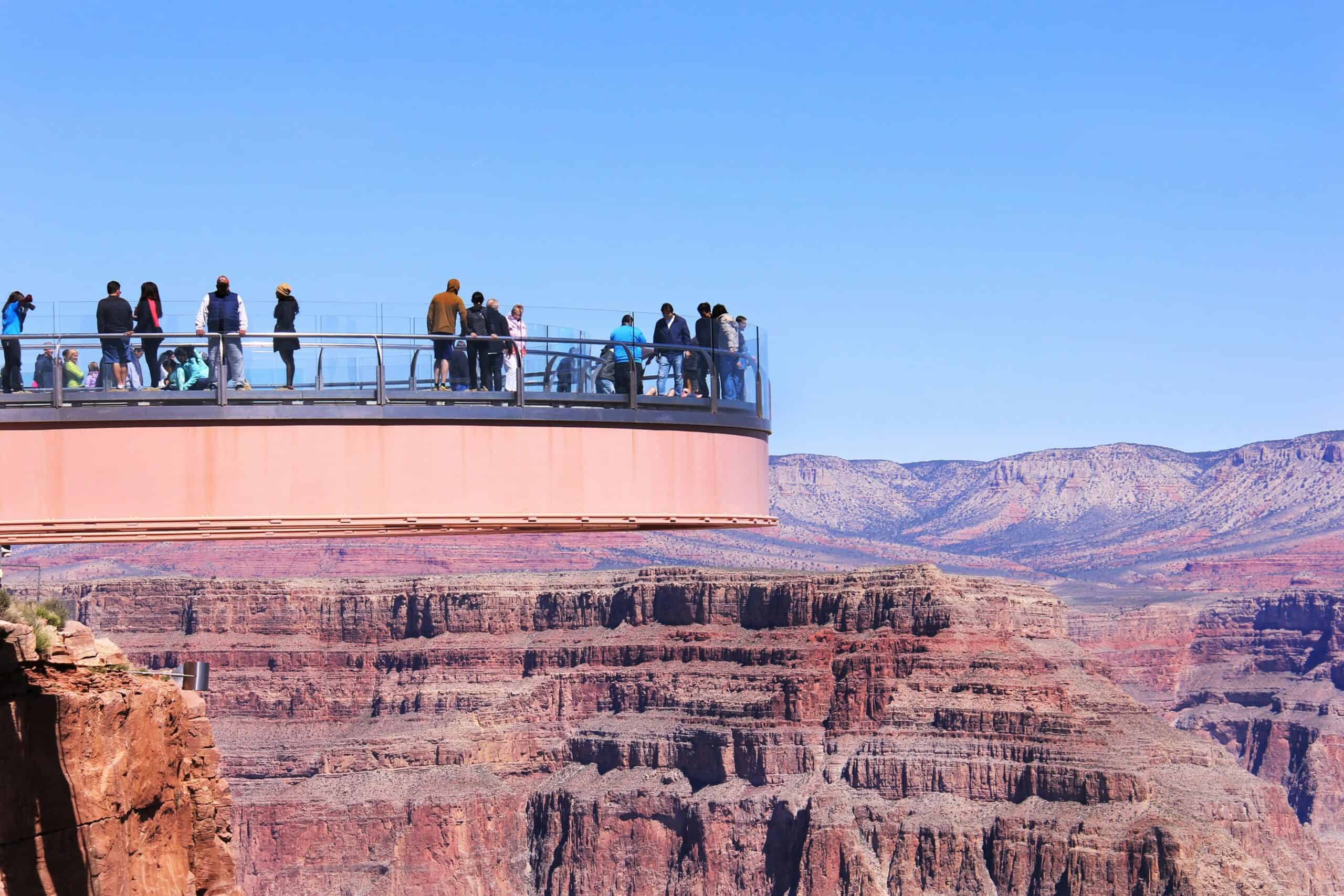
The Grand Canyon Skywalk promises a dramatic image: a glass bridge hanging 4,000 feet above the canyon floor at Grand Canyon West. That promise is powerful, which may be why the letdown can hit so hard for travelers who expected transcendence and felt instead a tight choreography of pricing tiers, queues, and add-ons. Official ticket pages show general admission at $67 and an all-access pass at $99, while 2025 review-based rankings named the Skywalk one of the country’s costliest tourist traps. The canyon itself remains astonishing, but many regrets seem to gather around the transaction wrapped so tightly around the view.