We may earn money or products from the companies mentioned in this post. This means if you click on the link and purchase the item, I will receive a small commission at no extra cost to you ... you're just helping re-supply our family's travel fund.
American landscapes hide a surprising amount of Russian-American history, much of it far from political noise and rooted instead in migration, trade, exploration, and daily life. These stories stretch across more than 200 years of cultural crossings, shaping local identities in ways that are quiet yet deeply textured. The places below offer travelers a chance to step into these lesser-known ties, blending architecture, community memory, and lived traditions that reveal how people adapted, cooperated, and carried heritage into new surroundings.
1. Fort Ross, California
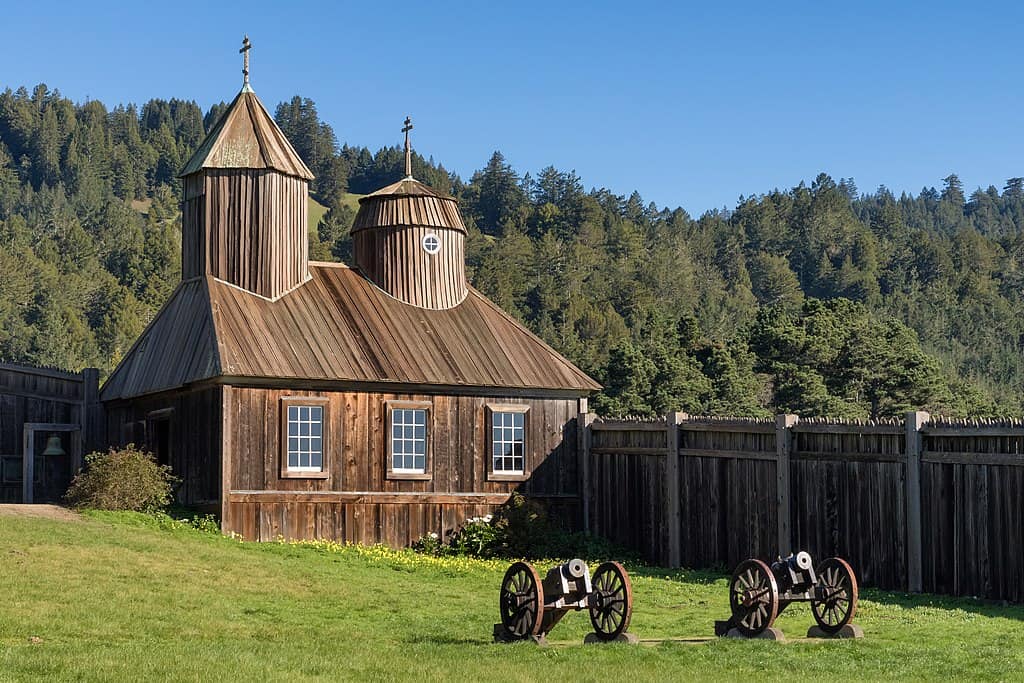
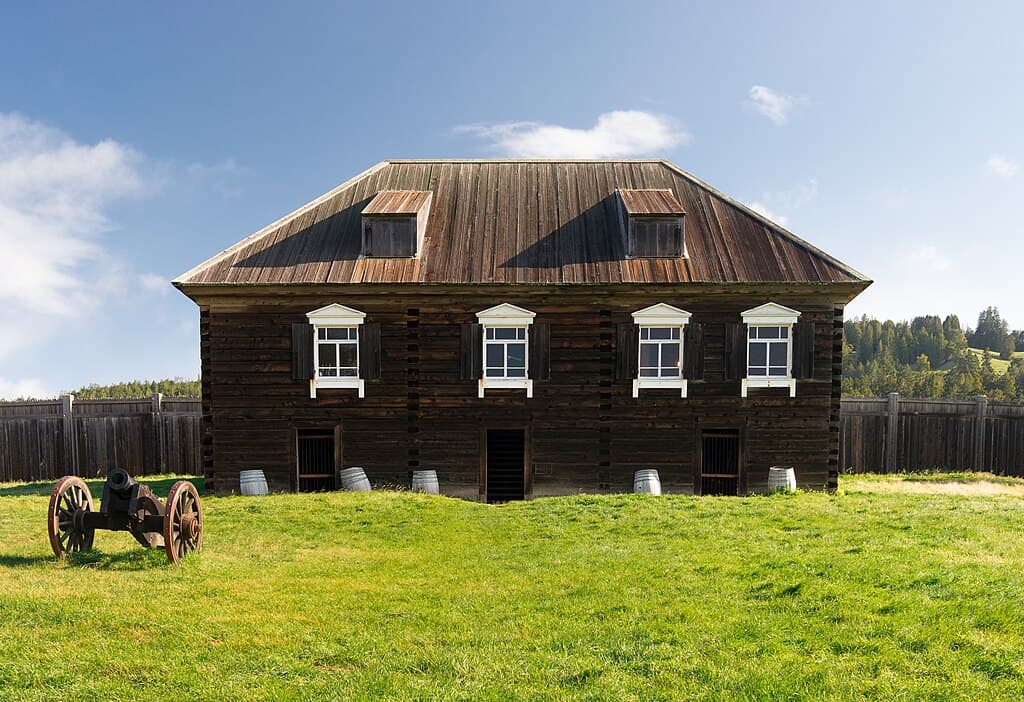
Fort Ross, founded in 1812 on the Sonoma Coast, offers one of the clearest windows into early Russian-American contact. The settlement once held over 250 inhabitants, including Russians, Native Alaskans, and Kashaya Pomo families who formed a complex frontier community built on farming and sea-otter trade. Visitors can explore reconstructed buildings, a wooden stockade stretching nearly 300 feet, and artifacts that show how cultures blended through daily work. Its cliffside setting, roughly 80 miles from San Francisco, adds dramatic context to a short-lived but culturally rich era.
2. Sitka’s Russian District, Alaska
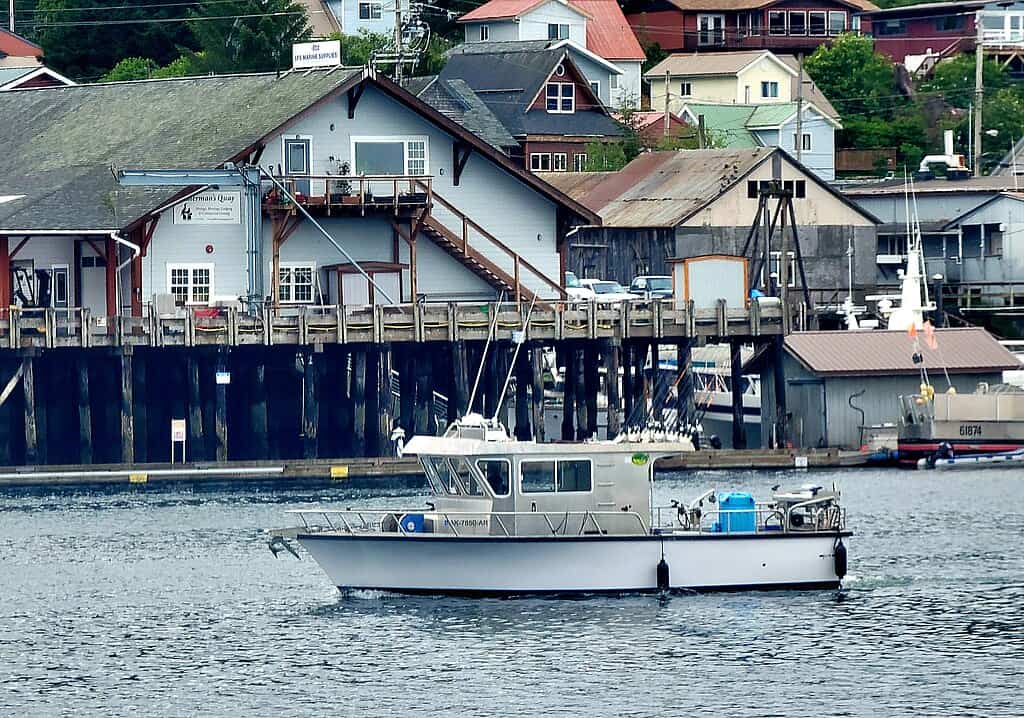
Sitka, once home to more than 1,000 Russian settlers in the early 1800s, remains the most intact example of Russian influence in Alaska. Walking its compact streets reveals remnants of colonial administration, trade routes extending over 1,200 miles, and the layered coexistence of Russian and Tlingit communities. The historic district preserves churches, workshops, and coastal trails that reflect a society shaped by maritime skill and negotiation. Rather than feeling like a museum frozen in time, Sitka offers a lived environment where architecture, tradition, and memory quietly persist.
3. Kodiak’s Russian-Creole Heritage, Alaska
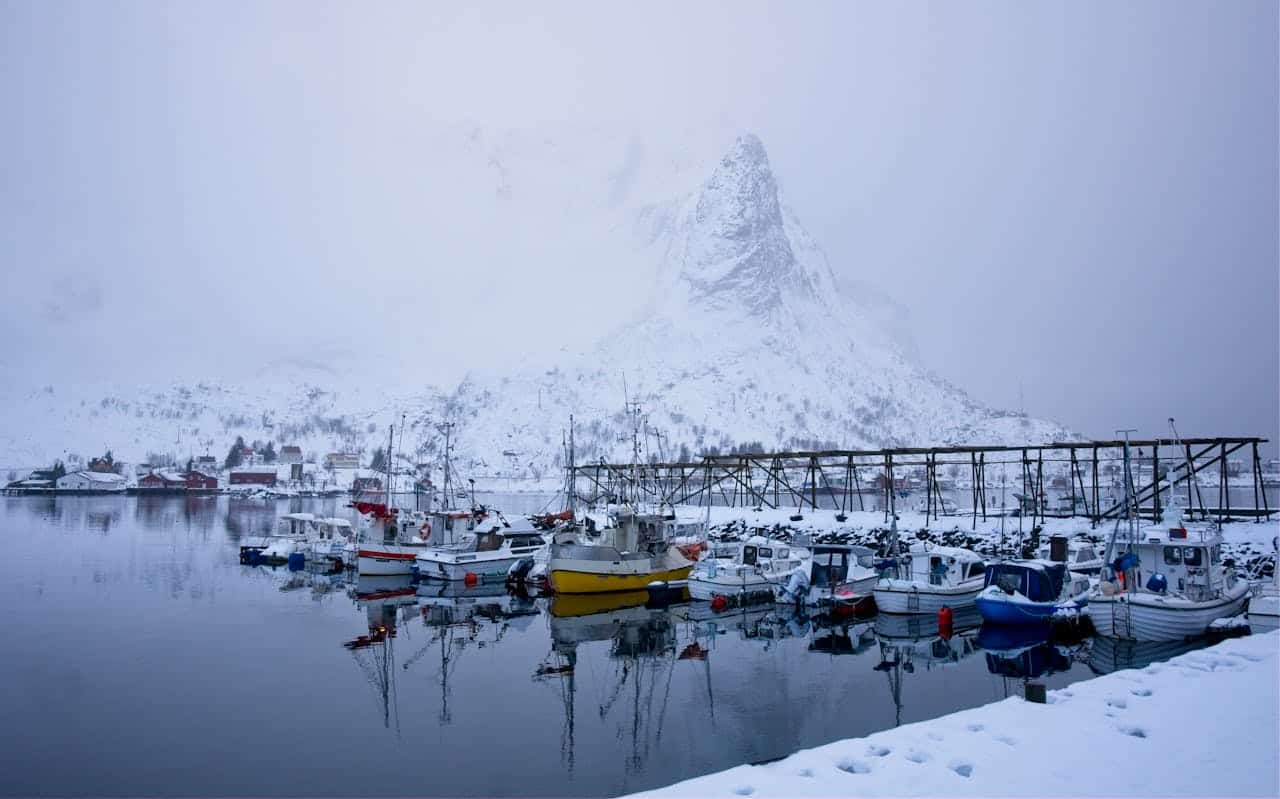
Kodiak served as a major hub of Russian America, supporting dozens of trading vessels each year and nurturing communities where Native Alaskans and Russian settlers forged blended families. The region’s small museums preserve household objects, early maps covering hundreds of miles of coastline, and tools used in seal and salmon harvesting. What stands out most is how daily routines produced a unique Creole identity that endured long after Russia sold Alaska in 1867. Visiting today reveals a heritage built from cooperation, adaptation, and the rhythms of subsistence life.
4. Sitka National Historical Park, Alaska
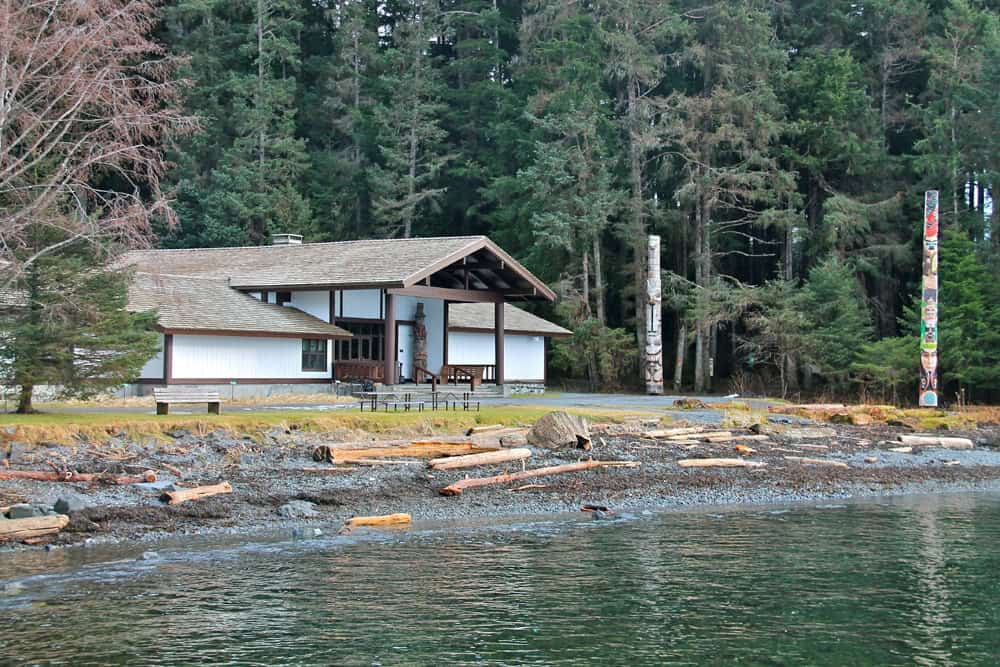
Sitka National Historical Park protects over 100 acres of forested beauty, totem-lined paths, and quiet inlets that frame central moments in Russian-Tlingit interactions. Interpretive displays unpack events that unfolded during decades of contact, including diplomatic exchanges and conflicts shaped by shifting power. Many visitors are drawn to its collection of carved poles, some dating back more than a century, which express Native resilience amid colonial change. The park blends coastal scenery with carefully told stories that help travelers understand how cultures influenced one another across generations.
5. St. Michael’s Cathedral, Sitka
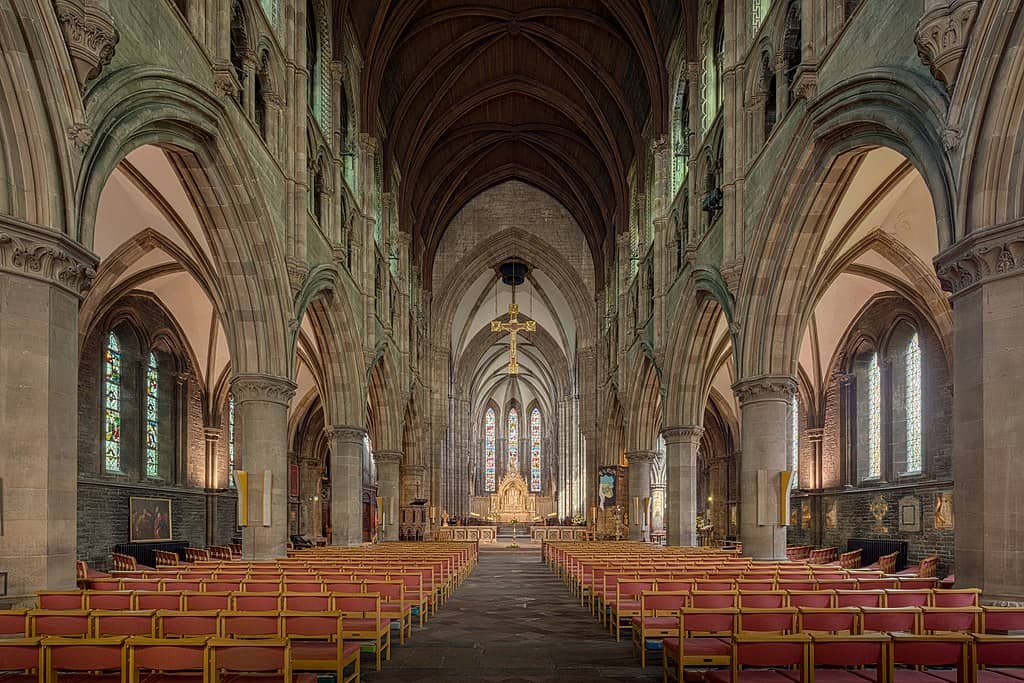
St. Michael’s Cathedral, completed in 1848, remains one of the most recognizable symbols of Russian Orthodoxy in North America. The iconic green dome rises more than 70 feet, and inside, visitors find centuries-old icons, brass lamps, and imported liturgical items that survived a major fire in 1966. The parish once served a diverse community of Russians, Creoles, and Native Alaskans who relied on ritual for stability during rapid change. Today, its restored interior and daily quietness offer a thoughtful glimpse into spiritual life in the former colonial capital.
6. Anchorage Museum’s Russian-Era Collections, Alaska
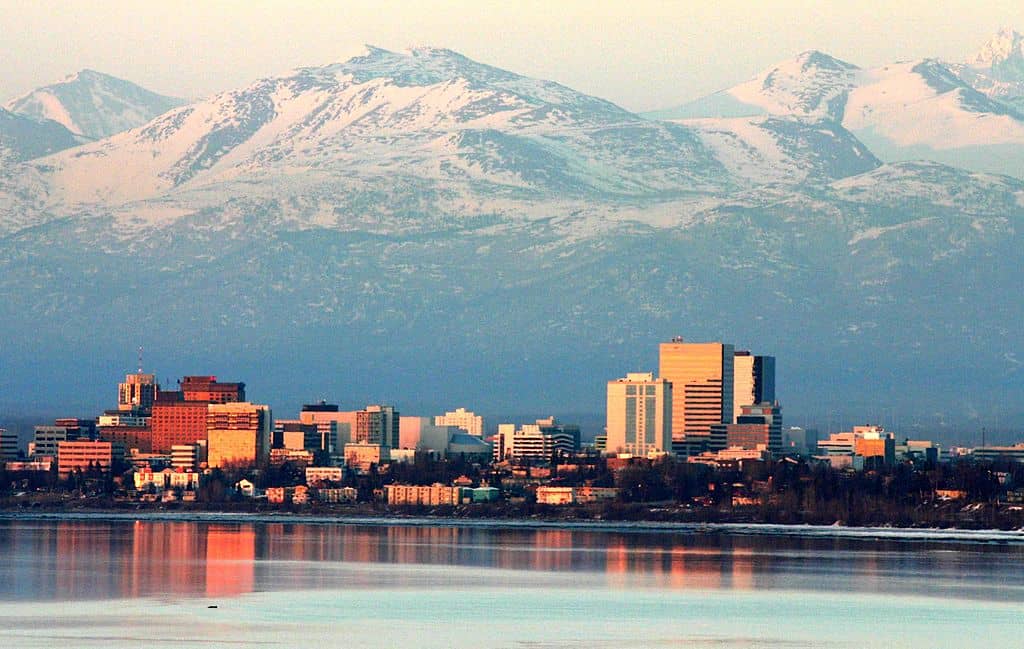
Anchorage Museum hosts more than 4,000 artifacts linked to Alaska’s Russian period, offering a grounded look at ordinary life rather than grand political narratives. Household utensils, trade beads, clothing fragments, and navigational tools reveal how blended communities managed work, travel, and survival across territories stretching over 600,000 square miles. Exhibits often show subtle adaptations—woodworking styles, metalwork techniques, or bead patterns, that reflect cultural exchange more than conquest. Visitors who explore these galleries gain insight into how daily tasks shaped lasting regional identity.
7. Fort Elizabeth, Kauai, Hawaii
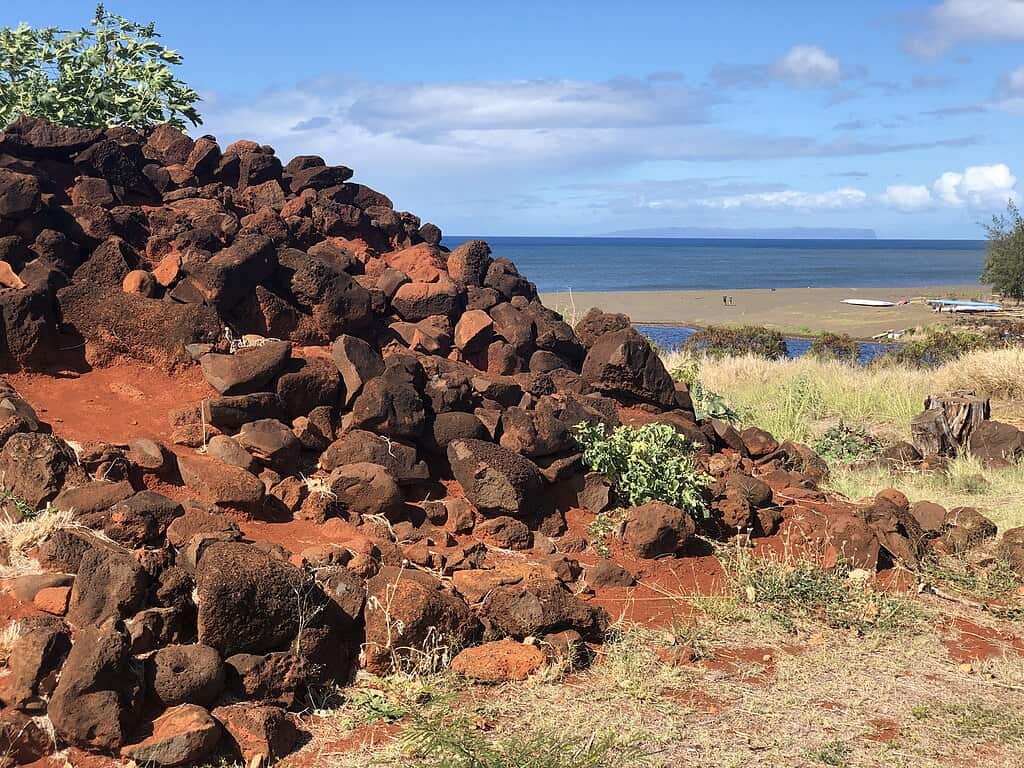
Fort Elizabeth on Kauai preserves the stone foundations of a brief Russian presence that lasted from 1815 to 1817. Though the settlement never exceeded a few dozen personnel, its coastal design and basalt walls show an ambitious attempt to establish alliances and trade routes across 2,500 miles of Pacific ocean. Today, visitors wander open grounds framed by wind, surf, and distant cliffs, discovering a story that feels both improbable and global. The site’s quiet atmosphere highlights the experimental, often fragile nature of early 19th-century exploration.
8. Lower East Side Russian-Jewish Legacy, New York
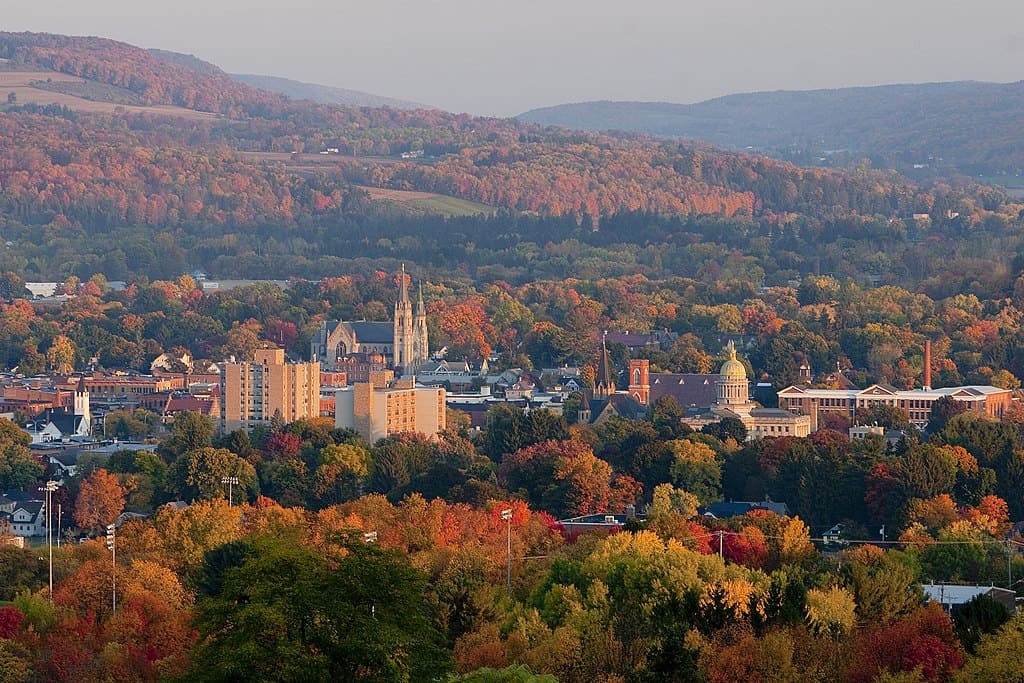
Between 1881 and 1924, more than two million immigrants from the Russian Empire arrived in the United States, with a large share settling in the Lower East Side. Narrow streets once packed with tenements, bakeries, and Yiddish theaters reveal how newcomers left their mark through newspapers, community unions, and religious centers. Archives preserve documents that traveled thousands of miles with families seeking stability and opportunity. Today, walking the neighborhood uncovers traces of resilience and reinvention that shaped both local culture and national urban identity.
9. Brighton Beach, Brooklyn
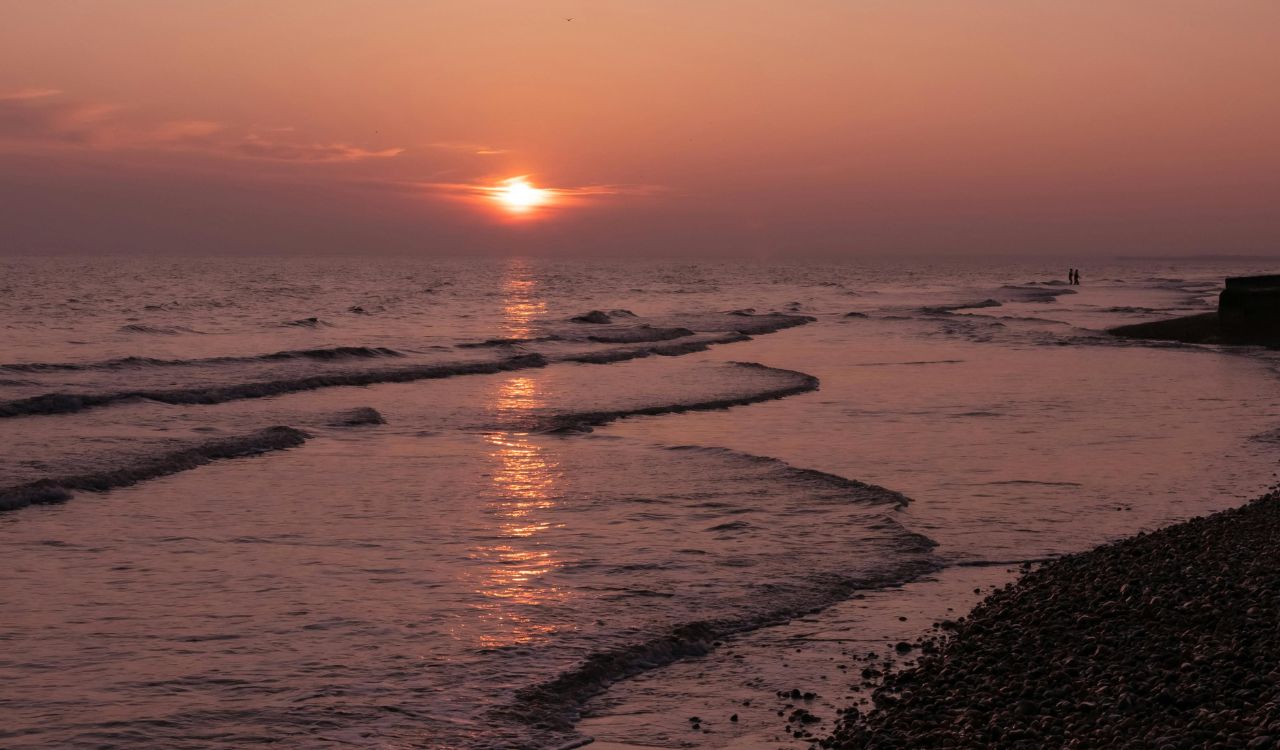
Brighton Beach, home to an estimated 75,000 Russian speakers, remains one of the most vibrant diaspora communities in the U.S. Stretches of shops, cafés, and bookstores line streets just steps from a boardwalk extending nearly 2.7 miles along the Atlantic. The neighborhood reflects multiple waves of migration from late-Soviet arrivals to post-1991 professionals each adding layers of tradition and language. While lively and modern, it preserves cultural rituals, holiday gatherings, and everyday habits that anchor identity for families spanning several generations.
10. Midwest Orthodox Farming Communities
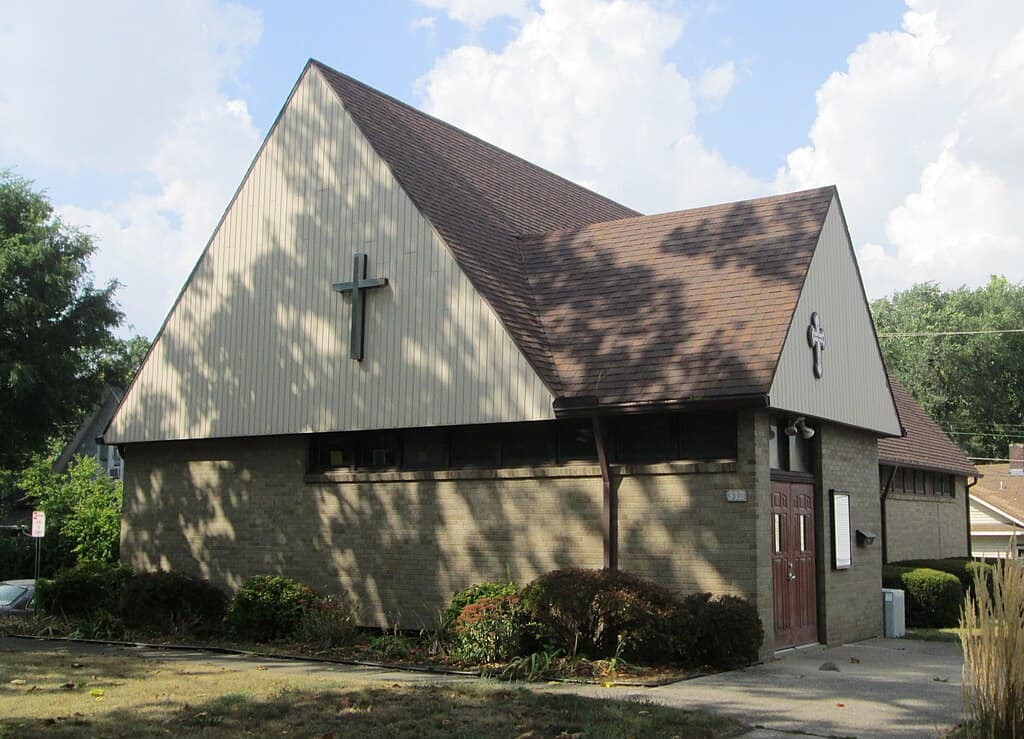
Small Orthodox churches scattered across Midwestern states like North Dakota, Wisconsin, and Pennsylvania reveal a quieter chapter of Russian-American settlement. Many parishes were founded by groups of 20 to 60 families seeking farmland, stability, and religious continuity. Their domes—often rising 30 to 50 feet above rural landscapes—stand as markers of determination in regions far removed from coastal trade routes. These congregations preserved language, festivals, and communal traditions that helped immigrants adapt to life on plots averaging 80 to 160 acres.
11. Los Angeles Russian Cultural Corridor, California
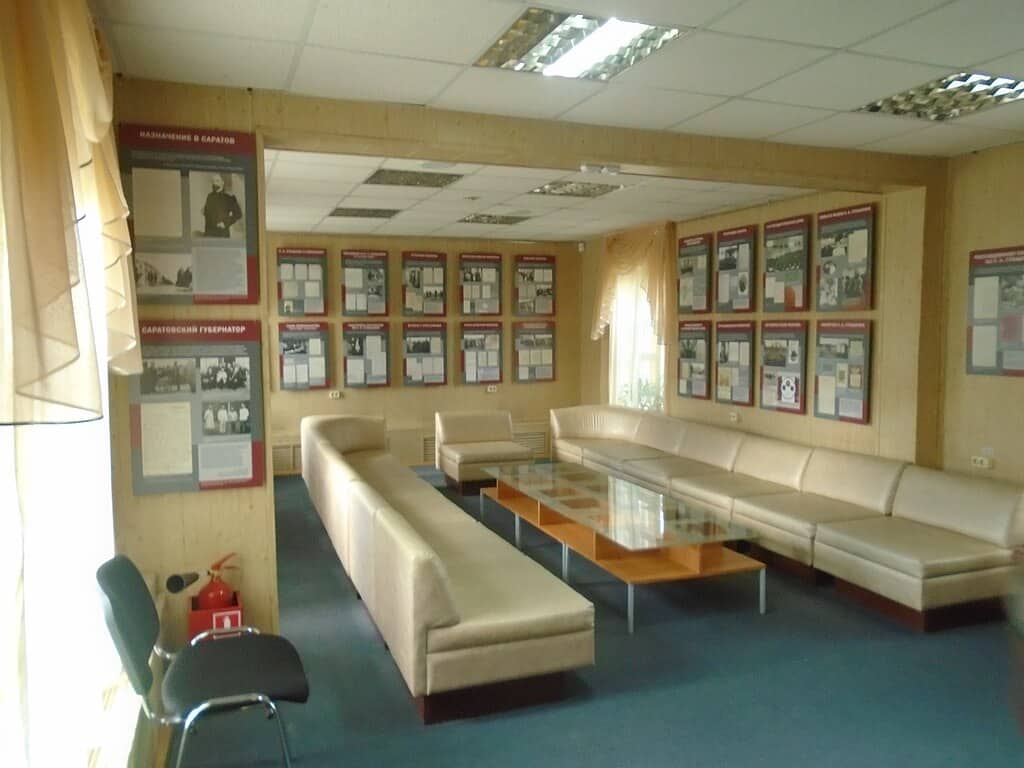
Los Angeles hosts a diverse Russian-speaking population estimated at 150,000 people, creating a cultural corridor spread across West Hollywood, Valley Village, and parts of the San Fernando Valley. Bookstores, theaters, medical clinics, and weekend schools support a network that grew steadily after 1970, especially during later immigration waves. Community festivals draw crowds in the thousands, celebrating music, literature, and food rooted in heritage carried over 6,000 miles. The area thrives not as a preserved relic, but as a living, continually evolving cultural ecosystem.