We may earn money or products from the companies mentioned in this post. This means if you click on the link and purchase the item, I will receive a small commission at no extra cost to you ... you're just helping re-supply our family's travel fund.

Across the United States, cities facing crowding, soaring housing costs, and frustrated residents are tightening or outright banning short-term rentals. What began as a convenient travel alternative soon transformed into thousands of investment units pulled away from long-term renters, pushing average prices up and swelling tourism in neighborhoods never built to handle it. To restore balance, protect housing, and cool overtourism, many destinations are now taking some of the strongest regulatory steps in years.
1. New York City, New York
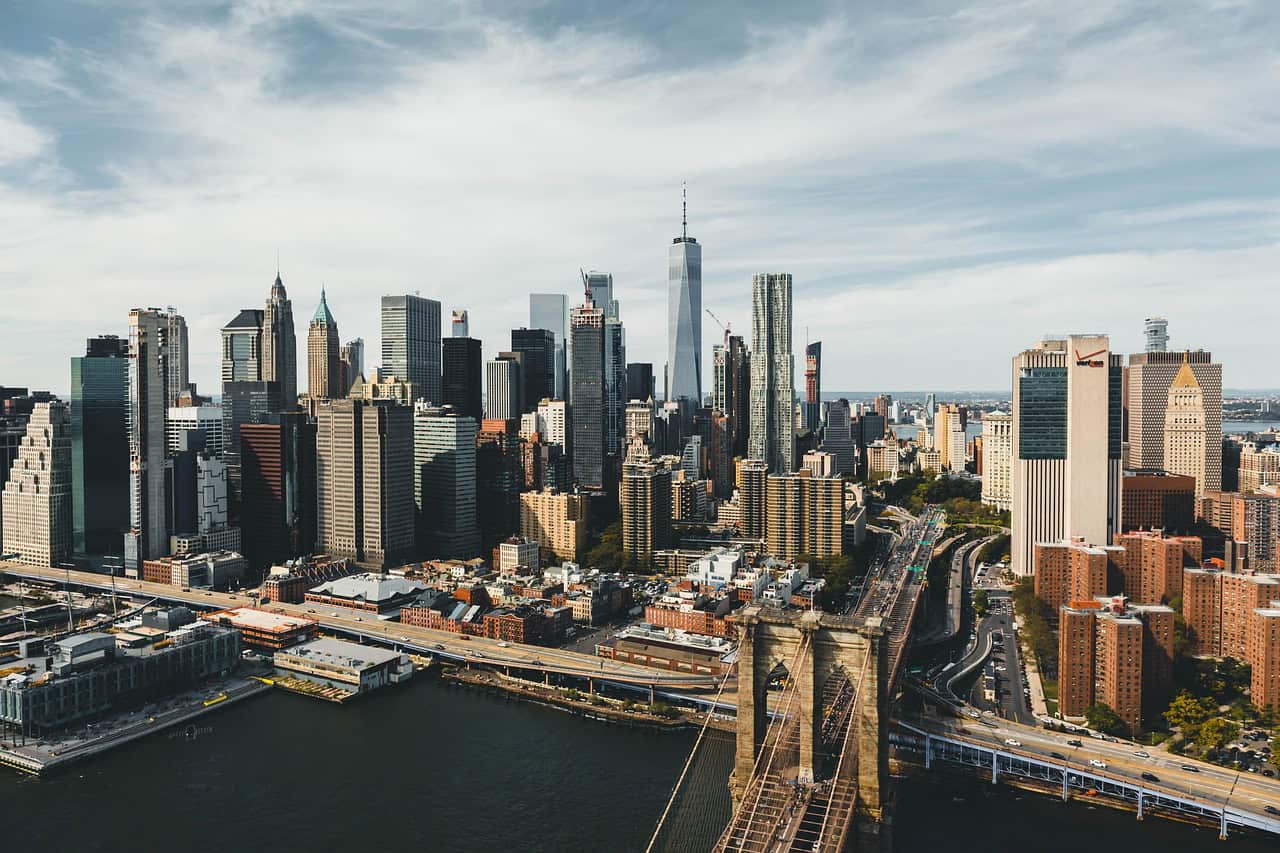
New York City turned into the most famous battleground over short-term rentals after years of complaints about disappearing apartments and tourist overcrowding. Under Local Law 18, hosts renting for fewer than 30 days must register with the city, live in the property, and physically remain during the stay. This removed more than 80% of listings and forced nearly 10,000 illegal rentals offline. Officials argue it helps stabilize a city with rents above $4,000 per month, vacancy around 3%, and neighborhoods where tourism intensity once grew more than 25% in just a few years.
2. Santa Monica, California
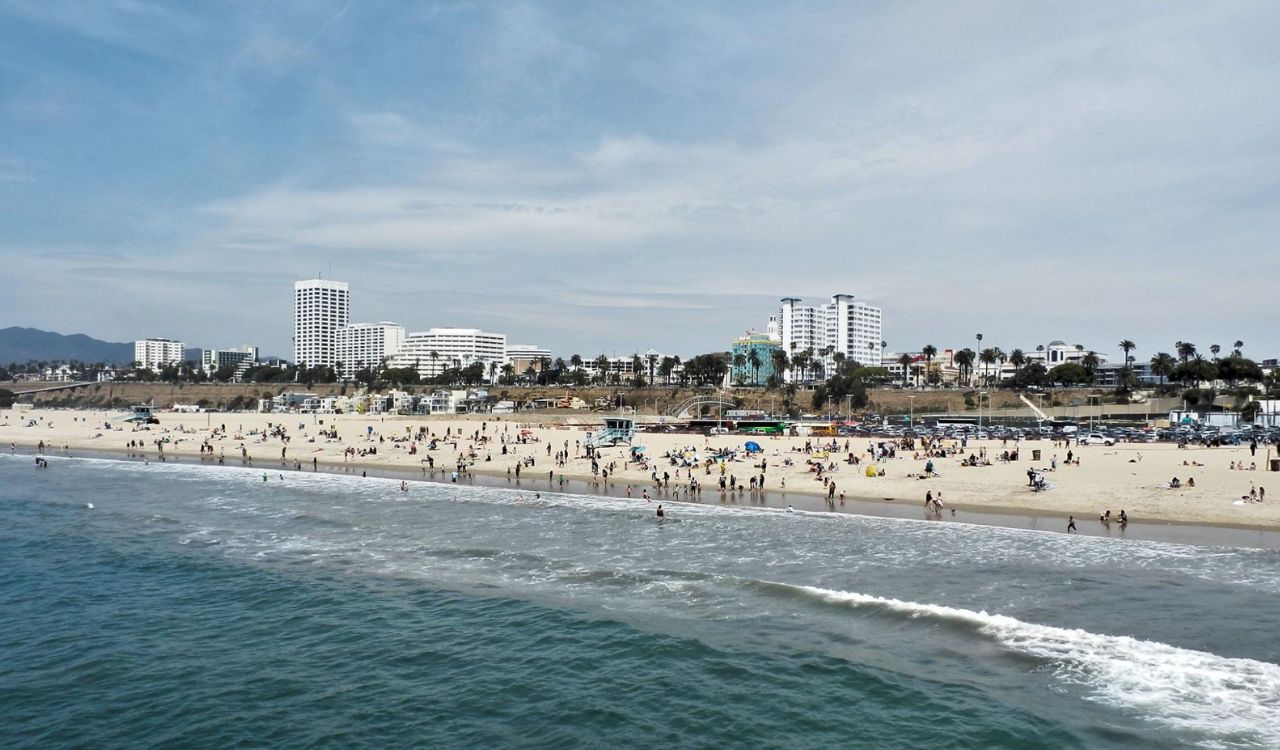
Santa Monica introduced one of the earliest and strictest bans in the United States, eliminating full-home vacation rentals entirely and allowing only “home sharing” with the owner present. The city of just over 90,000 residents once hosted more than 2,000 listings, but enforcement quickly cut that number to a few hundred legal options. The policy came after rising noise complaints, crowding near coastal districts, and rent levels climbing past $2,800 monthly. Heavy fines, active city enforcement, and legal actions against platforms keep the system tight, helping protect scarce coastal housing.
3. Los Angeles, California

Los Angeles did not fully ban short-term rentals but created rules strict enough that thousands of investor-run properties disappeared. Only primary residences can be listed, nights are capped at roughly 120 annually unless a costly extended permit is approved, and unregistered properties face substantial penalties. Before regulation, the city had more than 23,000 active listings; after enforcement, that number dropped significantly while officials estimated thousands of units returned to the long-term market. With average rents above $2,700 and millions of annual visitors, the city chose housing stability over unlimited tourism.
4. San Francisco, California
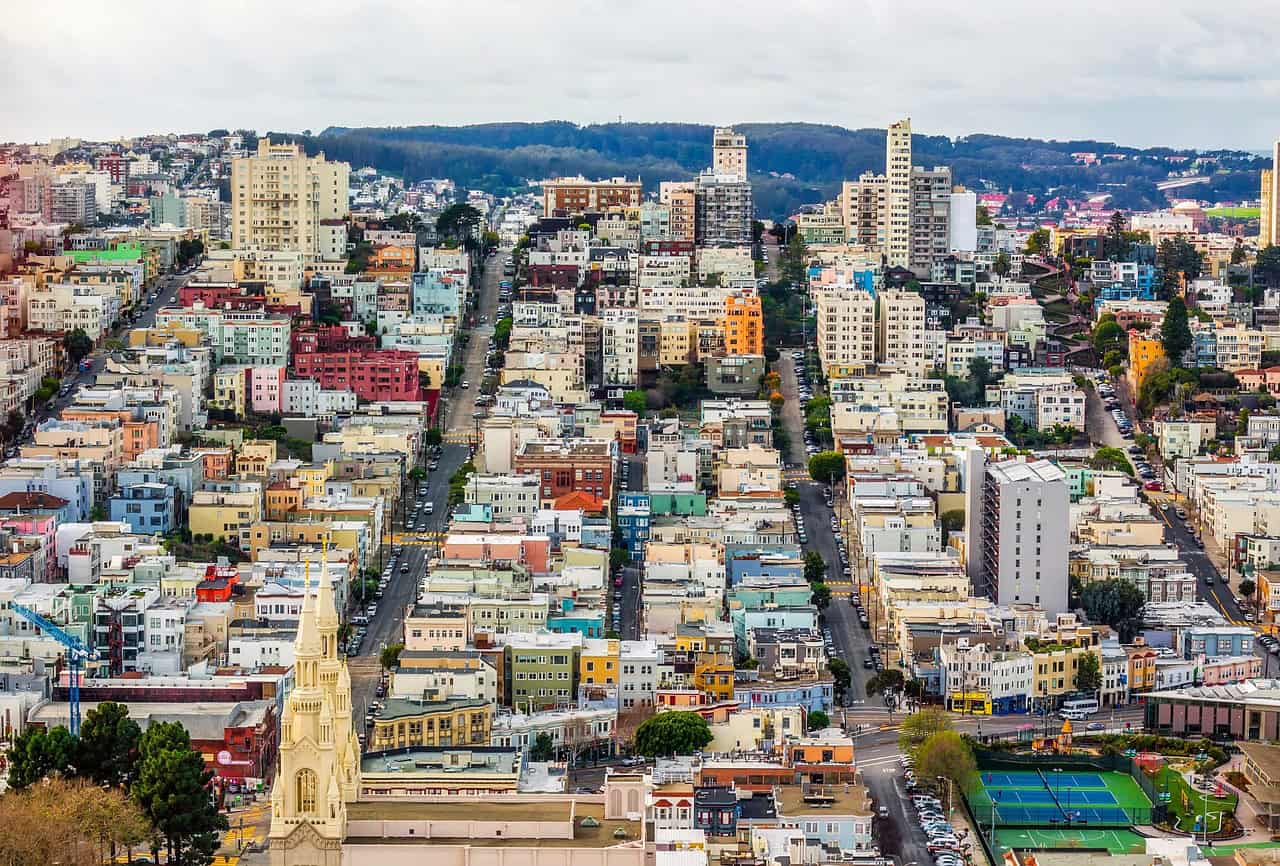
San Francisco’s tourism and housing tension predates many U.S. cities, and its rental laws now function like a near ban for investors. Hosts must live in the home most of the year, register, pay hotel-style taxes, and face strict limits on entire-unit rentals. At one point, more than 50% of listings vanished after enforcement efforts began, reflecting how many operations were previously illegal. In a city where median rents exceed $3,000 and population density surpasses 18,000 people per square mile, leaders emphasize protecting residential life ahead of tourist growth.
5. Boston, Massachusetts

Boston’s regulations were drafted around housing affordability rather than only tourism, but the outcome still heavily reduced short-term rentals. Only owner-occupied properties generally qualify, investor apartments are banned, and rigorous registration prevents ghost hotels from returning. After the rules went into force, thousands of units disappeared from platforms, which had previously counted more than 6,000 listings citywide. Boston’s leaders cited rising median rents above $2,500, increasing student population pressure, and overtourism in historical neighborhoods visited by millions annually as reasons to draw a very firm line.
6. Chicago, Illinois
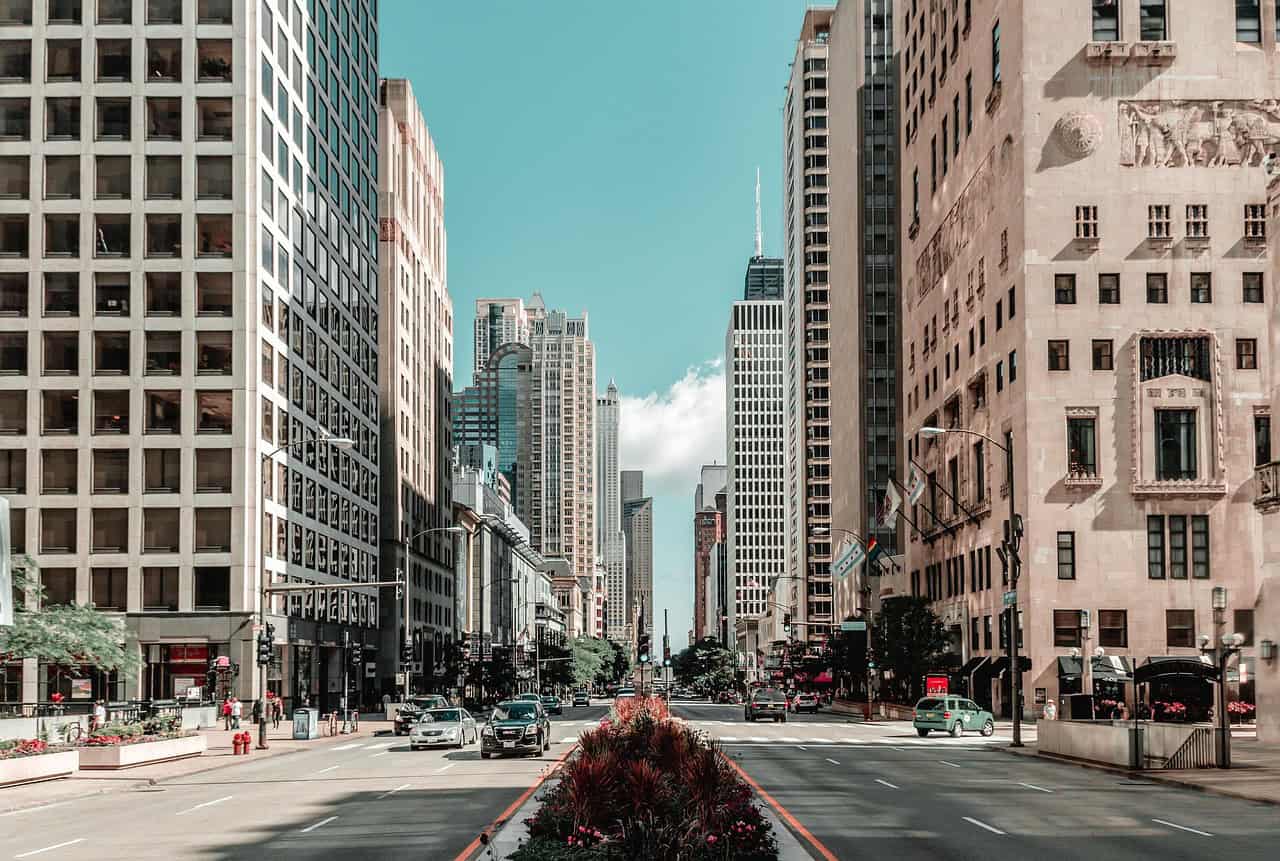
Chicago built a layered regulatory system that makes operating casual tourist rentals far harder than before. Hosts must obtain city approval, follow zoning limits, submit to inspections, and comply with restrictions like bans on single-night stays that once fueled party rentals and complaints. The city once hosted well over 10,000 listings, yet tighter enforcement reduced illegal activity and stabilized residential districts housing more than 2.7 million people. Chicago leaders consistently argue the rules protect neighbors, support hotels, and reduce disruptions that had risen more than 30% in some busy areas.
7. Miami, Florida
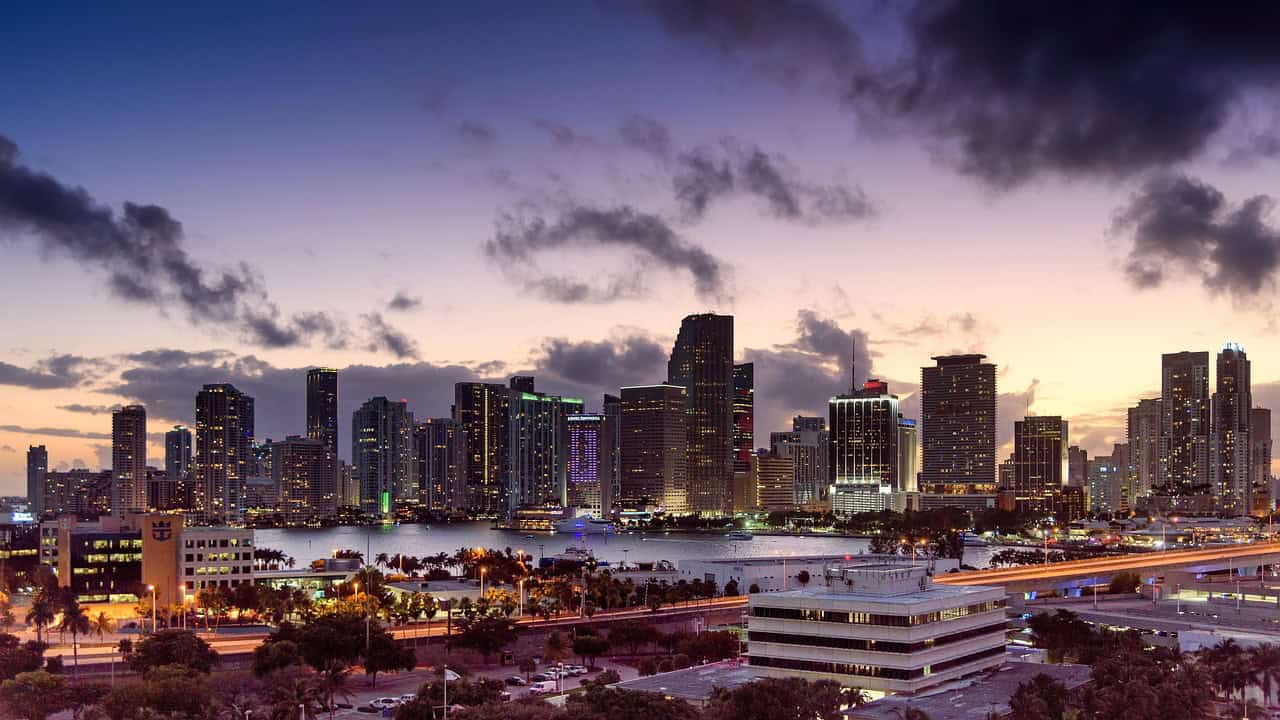
Miami’s beach reputation and year-round tourism growth pushed city leaders to restrict rentals severely in many neighborhoods. While not every district is banned, vast portions of residential zones prohibit short-term rentals outright, leaving only select tourist or commercial corridors legally available. Authorities introduced heavy fines that can exceed thousands of dollars per offense and increased property checks to control thousands of previous listings. With millions of visitors annually, housing demand rising, and rents often surpassing $3,000, the city uses regulation as a shield against uncontrolled overtourism.
8. Las Vegas, Nevada
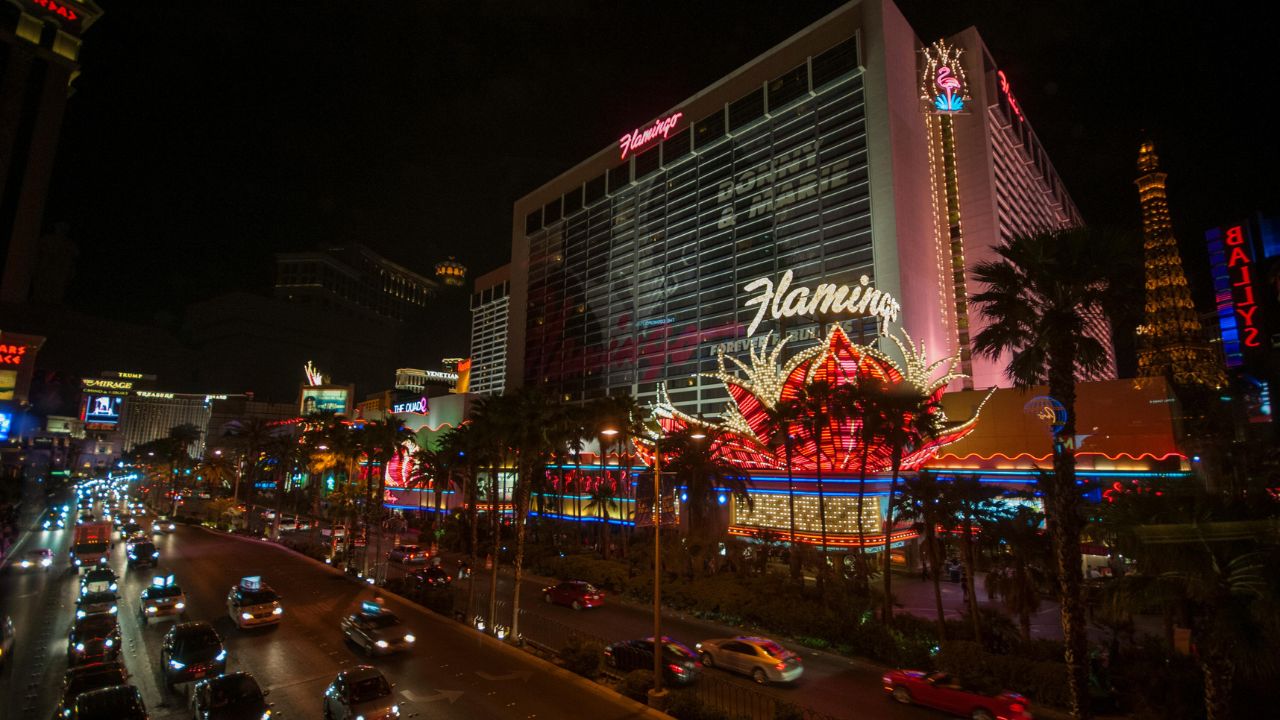
Despite being one of the world’s most tourism-heavy cities, Las Vegas surprised many by limiting short-term rentals instead of welcoming them freely. Most neighborhoods require owner-occupancy, strict licensing, spacing rules between rentals, and numerous compliance fees, making casual operations nearly impossible. Before restrictions, thousands of unlicensed rentals appeared, fueling noise, parking complaints, and disputes with resorts employing more than 200,000 hospitality workers. Officials argue that hotels already supply ample capacity with over 150,000 rooms, so restricting neighborhood rentals protects residents while still serving the city’s 40-plus million yearly tourists.
9. Jersey City, New Jersey
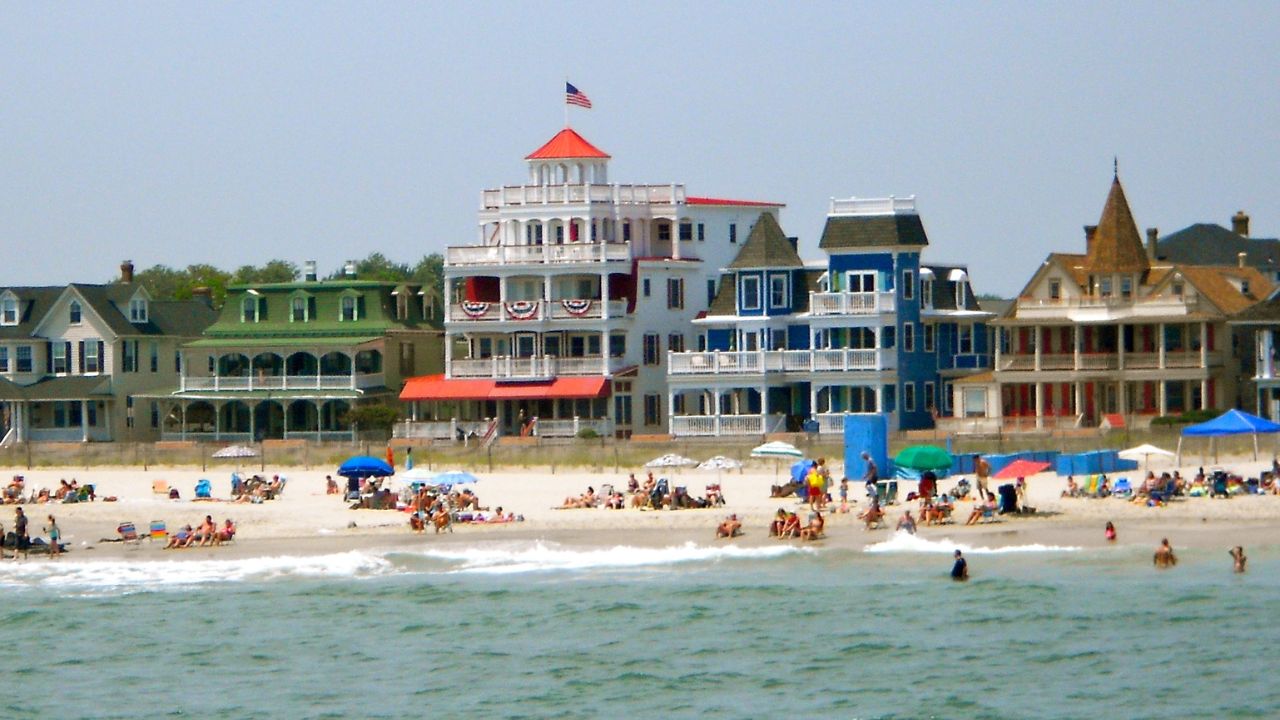
Jersey City once encouraged platforms but reversed course after locals expressed frustration about investors buying buildings purely for visitor turnover. New rules limit many hosts to about 60 rental days per year, impose registration, and eliminate most non-owner operations, dramatically shrinking what was once one of the region’s fastest-growing rental markets. The city of nearly 300,000 people sits just minutes from Manhattan and had thousands of listings at its peak. Leaders frame the policy as balancing tourism benefits with keeping housing accessible for local families who already face rising costs.
10. Maui County, Hawaii

Maui’s restrictions are some of the strongest in the United States and closely linked to overtourism concerns. Authorities have moved to phase out thousands of short-term vacation rentals in certain areas, aiming to convert as many as 7,000 units back into housing by the end of the next decade. Tourism numbers topping 3 million annual visitors overwhelmed infrastructure built for far fewer residents, and local rents rose sharply as more units shifted to travelers. The policy intends to restore community balance, support displaced residents, and cool extreme tourism concentration.
11. Santa Ana, California
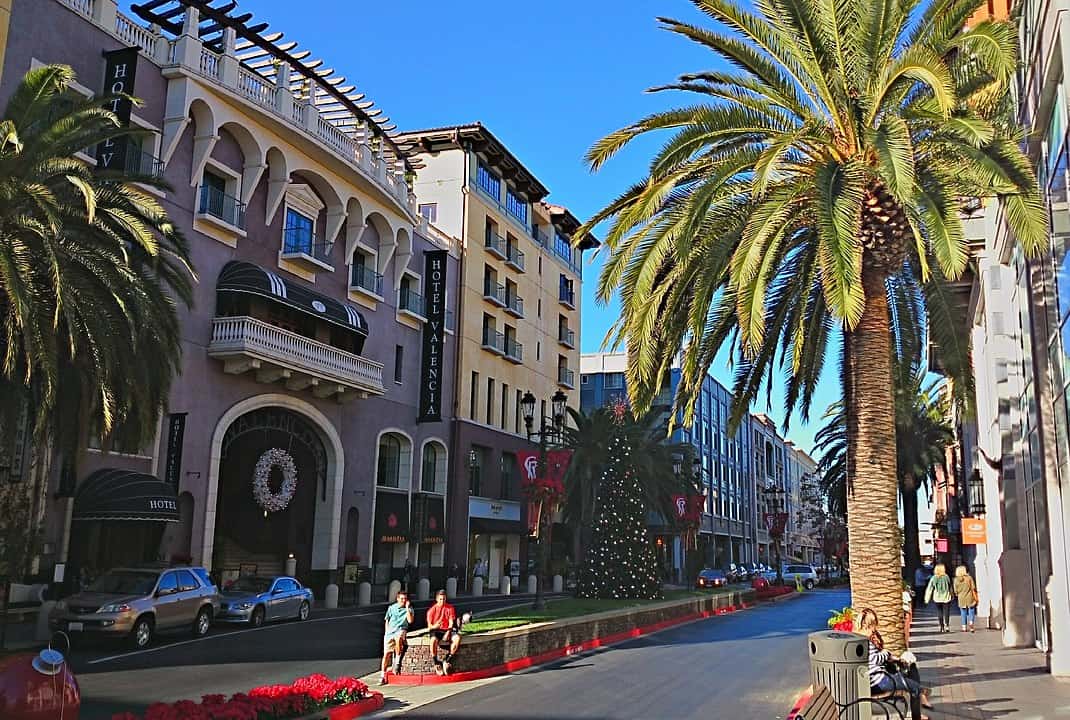
Santa Ana took a near-total prohibition stance, banning most short-term residential rentals under 30 days across the city. Leaders cited neighborhood disruption, scarce housing supply for more than 300,000 residents, and a sharp rise in unregistered operators that created unfair competition with hotels. Prior to the ban, several thousand listings appeared within a few years, and complaints grew steadily by double-digit percentages. With Southern California rents often climbing beyond $2,500 and surrounding cities also tightening rules, Santa Ana chose to protect long-term stability instead of catering to continual tourist turnover.