We may earn money or products from the companies mentioned in this post. This means if you click on the link and purchase the item, I will receive a small commission at no extra cost to you ... you're just helping re-supply our family's travel fund.
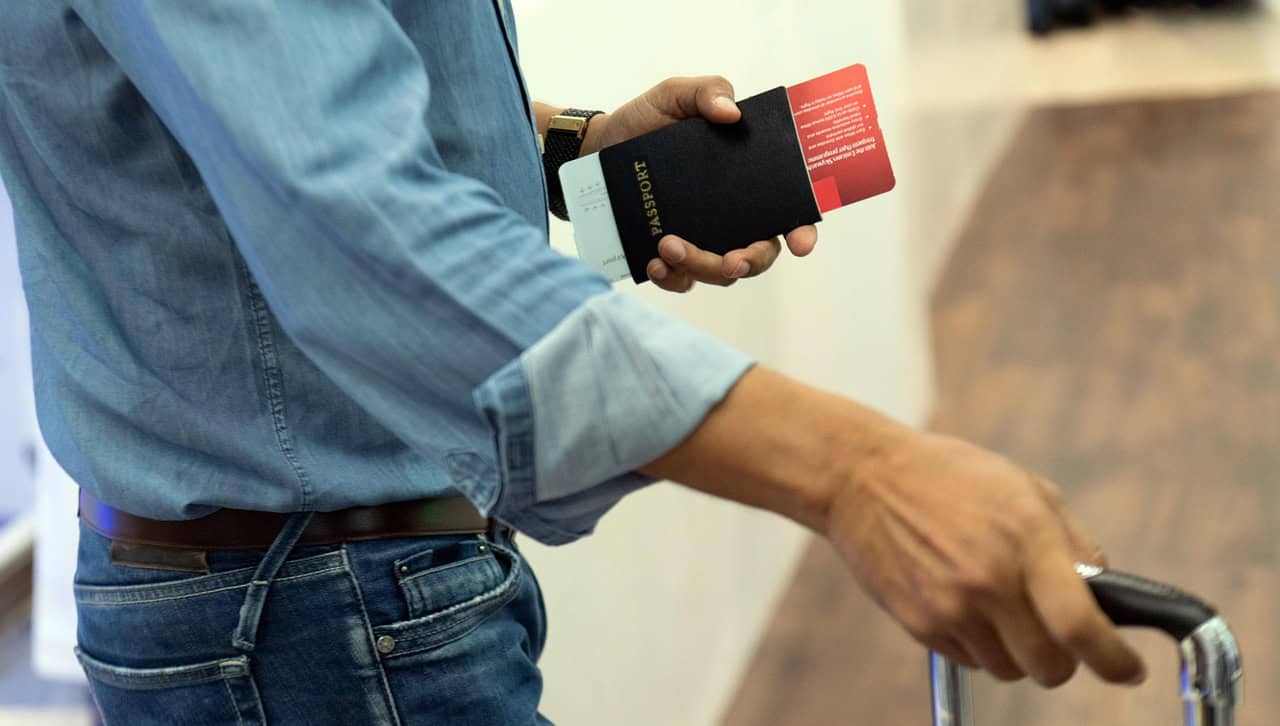
Traveling from the United States to major Asian destinations can be incredibly smooth if your documents, luggage, and behavior look routine to immigration officers. But U.S. travelers sometimes make small mistakes that unintentionally raise red flags and trigger deeper security checks. Asian airports handle more than 1.5 billion passengers annually, and systems are highly advanced, meaning even minor irregularities can stand out quickly. Understanding these common mistakes helps you move confidently while avoiding stressful delays and unnecessary questioning.
1. Mismatched Personal or Ticket Information

One of the most common reasons Americans face extra screening is inconsistencies between their passport details, tickets, and visa records. Even a small spelling difference or a middle name missing can make officers verify identity manually, adding 10–40 minutes of delay. Immigration systems across Asia cross-check databases instantly, so inconsistencies can appear suspicious. Around 18% of secondary screenings in busy hubs reportedly relate to data mismatch, and officers simply want proof that identity and travel purpose are genuine and accurate before allowing smooth entry.
2. Carrying Too Many Electronic Devices or Unorganized Tech
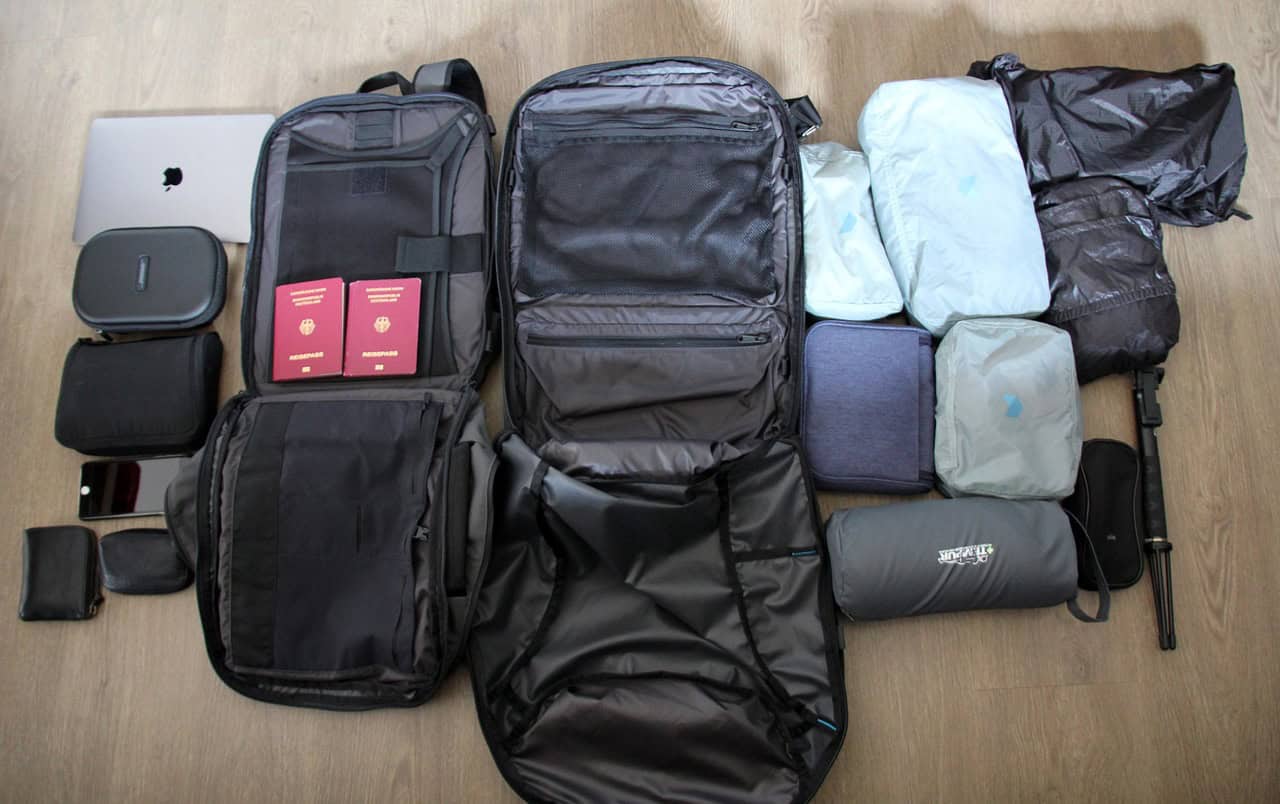
Many U.S. travelers going to Asia bring multiple laptops, tablets, camera gear, drones, and hard drives, especially because Asia routes often include long work trips or digital nomad stays. However, carrying 6–10 gadgets in a single bag can trigger extra inspection since every battery and storage device may require separate scanning. Some airports request devices be powered on to verify authenticity, and tangled cords or bulky power banks sometimes resemble concealed items. Screening officers simply want clarity, and neatly organizing electronics reduces the chance of being pulled aside for 20–30 extra minutes.
3. Bringing Food, Meat Products, Plants, or Undeclared Snacks
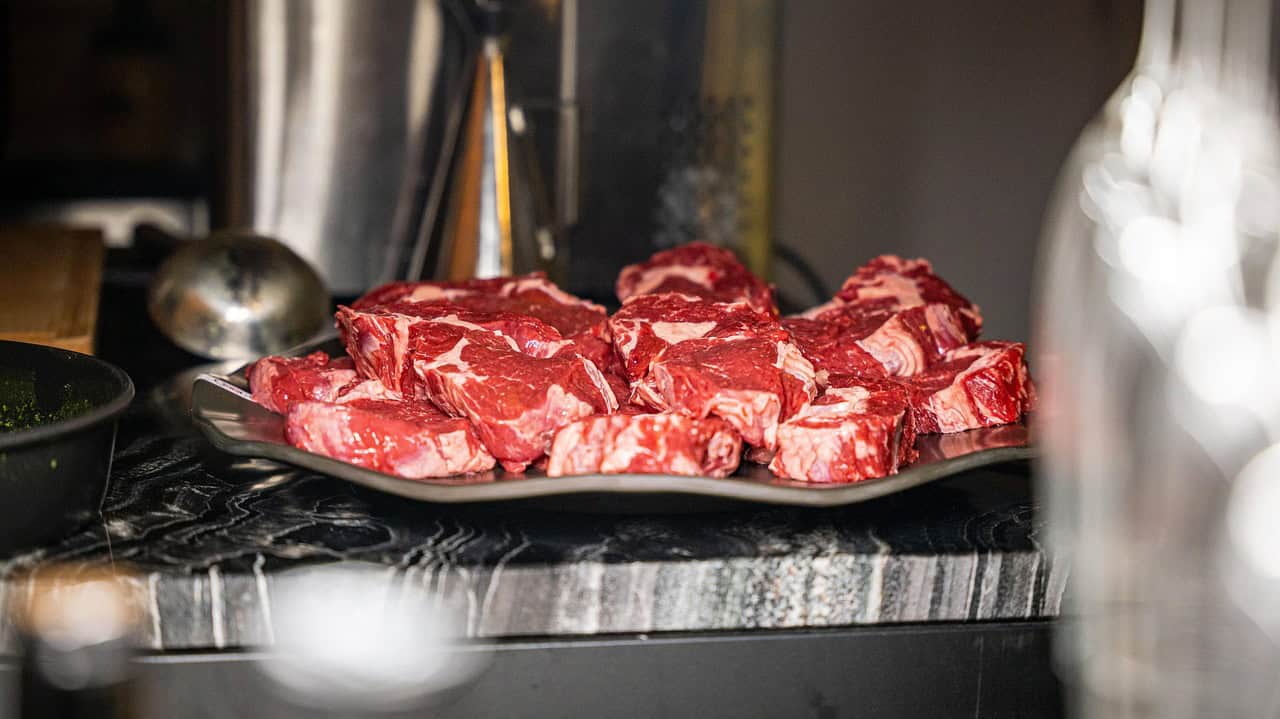
Asia enforces extremely strict agricultural rules to protect ecosystems, and U.S. travelers often forget that something as simple as beef jerky, seeds, fruit, or homemade snacks can trigger special inspection. Systems easily detect organic material, and undeclared food can result in fines reaching $200 to $1,000 in some countries. More than 30% of detained bags during random checks contain food items travelers believed harmless. Even sealed items may need checking, and failing to declare can extend airport time by 30–60 minutes, so honesty always saves stress, money, and embarrassment at arrival.
4. Carrying Large Cash Amounts or Giving Vague Financial Answers

Many Asian countries monitor currency strictly, and carrying large cash, often above $10,000 in combined value, raises concern about fraud, tax evasion, or illegal work. U.S. travelers sometimes cannot clearly explain why they brought so much money instead of using cards or verified banking systems. Officers may ask for hotel confirmations, proof of sponsorship, or return tickets to ensure intent is legitimate. Financial irregularities account for nearly 12% of extended airport questioning across Asian entry points, and lack of documentation often turns a simple arrival into a stressful interrogation lasting 45 minutes or more.
5. Traveling on One-Way Tickets or Lacking Onward-Travel Proof
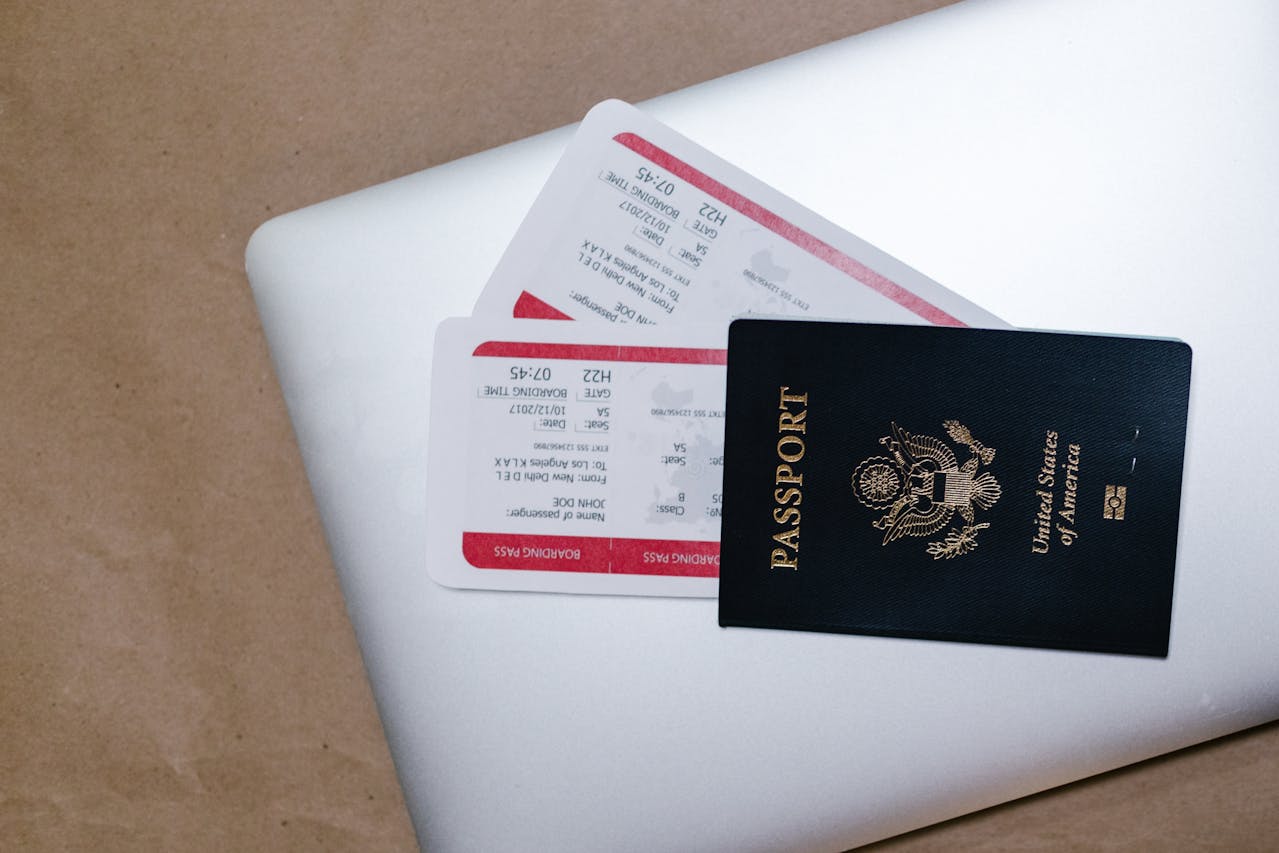
Immigration officers in Asia are particularly attentive to travelers entering without a clear plan to leave, especially Americans entering on tourist status. A one-way ticket can suggest potential overstaying or unauthorized work, and officers may request proof of onward travel within 30–90 days depending on visa rules. Countries like Japan, Singapore, Thailand, and South Korea frequently conduct such checks, and about 15–20% of travelers without exit proof face secondary questioning. Showing printed hotel bookings, itineraries, and payment confirmations quickly reassures officers and avoids expensive last-minute ticket purchases at the airport counter.
6. Poorly Packed Luggage or Suspicious-Looking Items in Bags
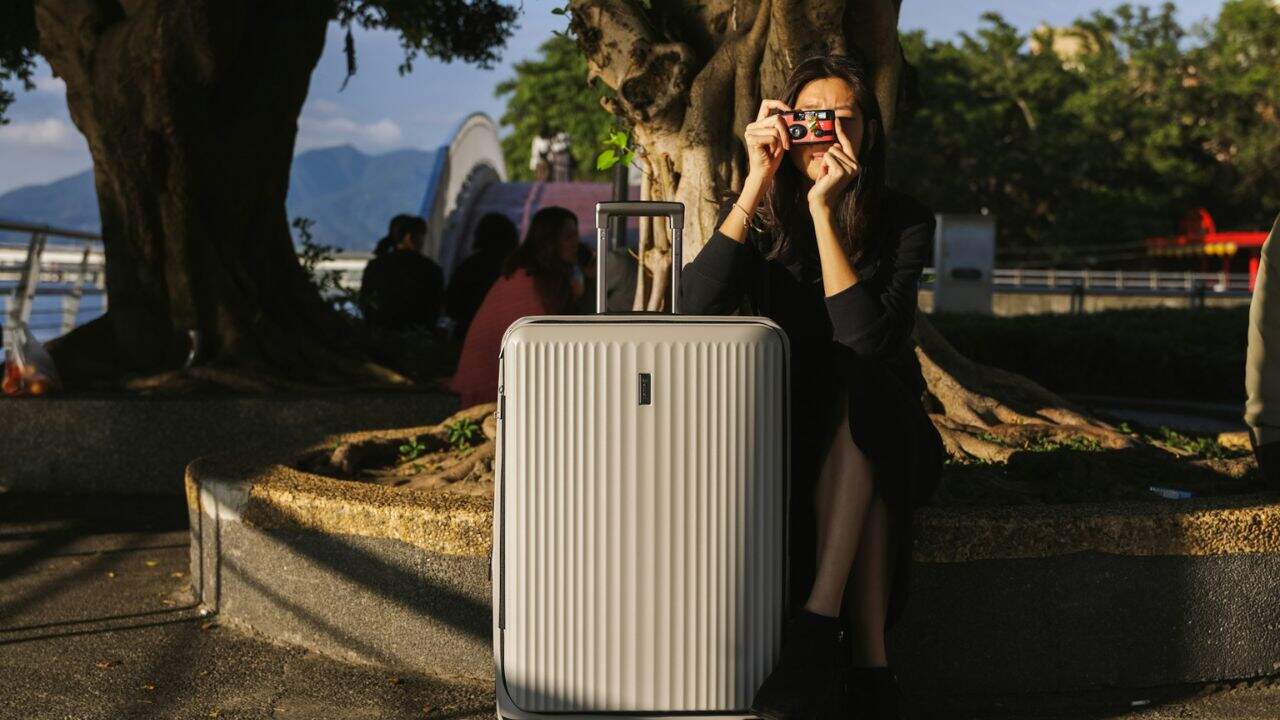
Security scanners instantly detect shapes, densities, and unusual objects, and messy luggage often appears riskier than it truly is. Overstuffed bags, strange wrapped parcels, unidentified powders, or oversized liquids automatically trigger deeper inspection. Sometimes U.S. travelers forget TSA-approved items don’t automatically meet Asian standards, and airport teams in Asia open thousands of suspicious bags daily. Around 22% of additional screenings occur simply because contents looked unclear on scanners. Organized packing, transparent toiletry pouches, and avoiding hidden compartments significantly reduce time wasted and unnecessary embarrassment at security checkpoints.
7. Showing Unusual Travel Patterns or Too Many Short Visits
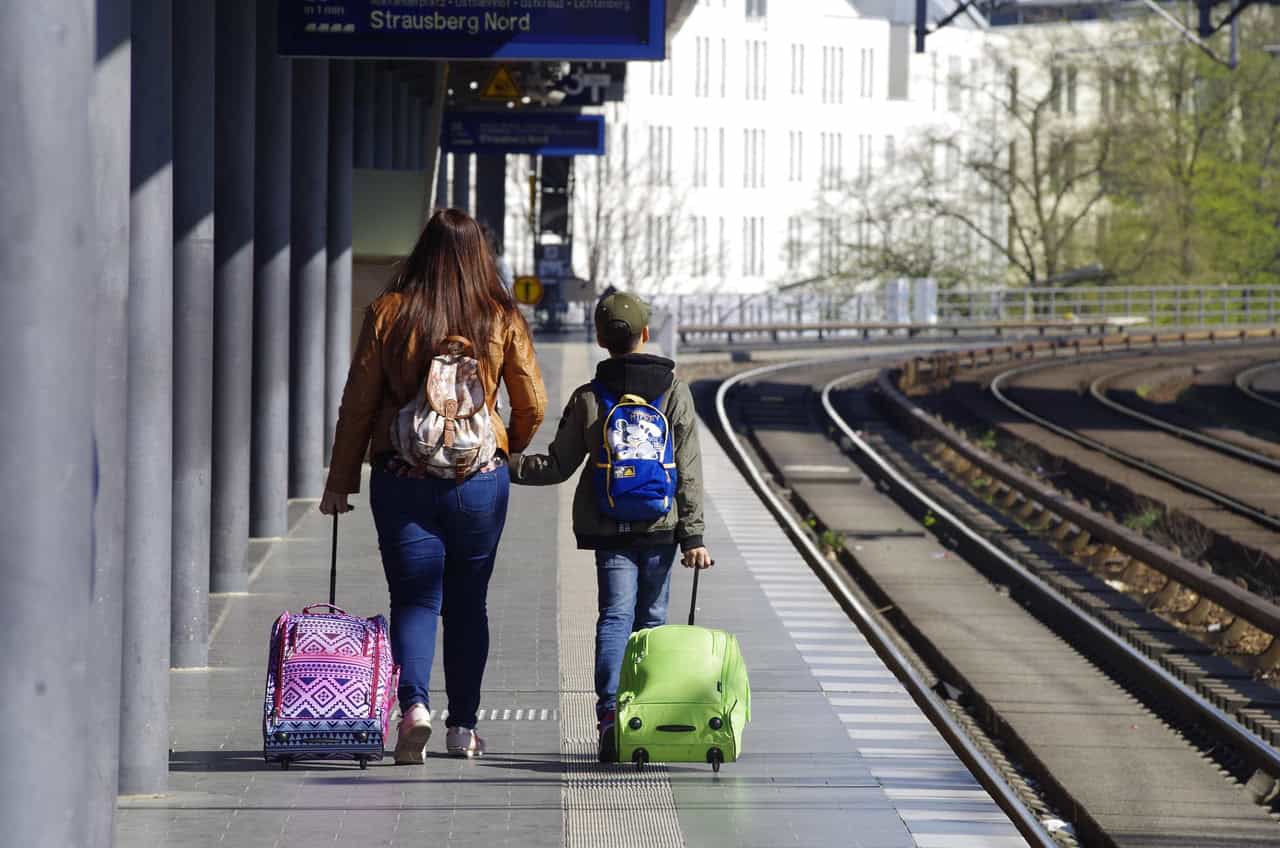
Asian immigration databases often track traveler movement, and frequent short trips, rapid country hopping, or repeated back-to-back entries can appear questionable. If records show a traveler has entered 4–6 times in a short period without obvious purpose, officers may suspect visa runs, informal employment, or questionable activity. Systems share information regionally, meaning your travel history is rarely invisible. Around 9–14% of secondary screenings relate to unusual travel frequency. Having clear explanations, proof of income, or business details helps officers understand intentions and allows genuinely innocent travelers to pass through more smoothly.
8. Ignoring Airport Rules, Acting Argumentative, or Filming Officers
Security behavior matters as much as baggage contents, and Americans sometimes underestimate how strictly Asian airports enforce conduct standards. Refusing instructions, arguing loudly, filming officers, or ignoring protocol quickly turns a small misunderstanding into extended screening. Behavioral flags alone account for nearly 25% of additional checks in several regional airports. Even appearing impatient when standing in queues can be read as suspicious. Following instructions immediately, remaining calm, and responding respectfully typically keeps the process under 8–10 minutes, while confrontational behavior can stretch questioning to 40 minutes or more.
9. Carrying Prescription Medicine Without Proper Documentation

U.S. travelers frequently assume that if medication is legal at home, it will automatically be legal in Asia, but that is often incorrect. Many Asian countries restrict controlled substances, ADHD medicine, strong painkillers, and sedatives, even with prescriptions. Unlabeled tablets or loose pills raise instant suspicion, and officers may need 20–60 minutes to verify legitimacy. Some destinations legally require doctor letters and original packaging, and penalties for failing to comply can include confiscation or fines exceeding $500. Preparing paperwork in advance prevents anxiety and medical inconvenience after landing.
10. Giving Nervous, Inconsistent, or Overly Complicated Answers
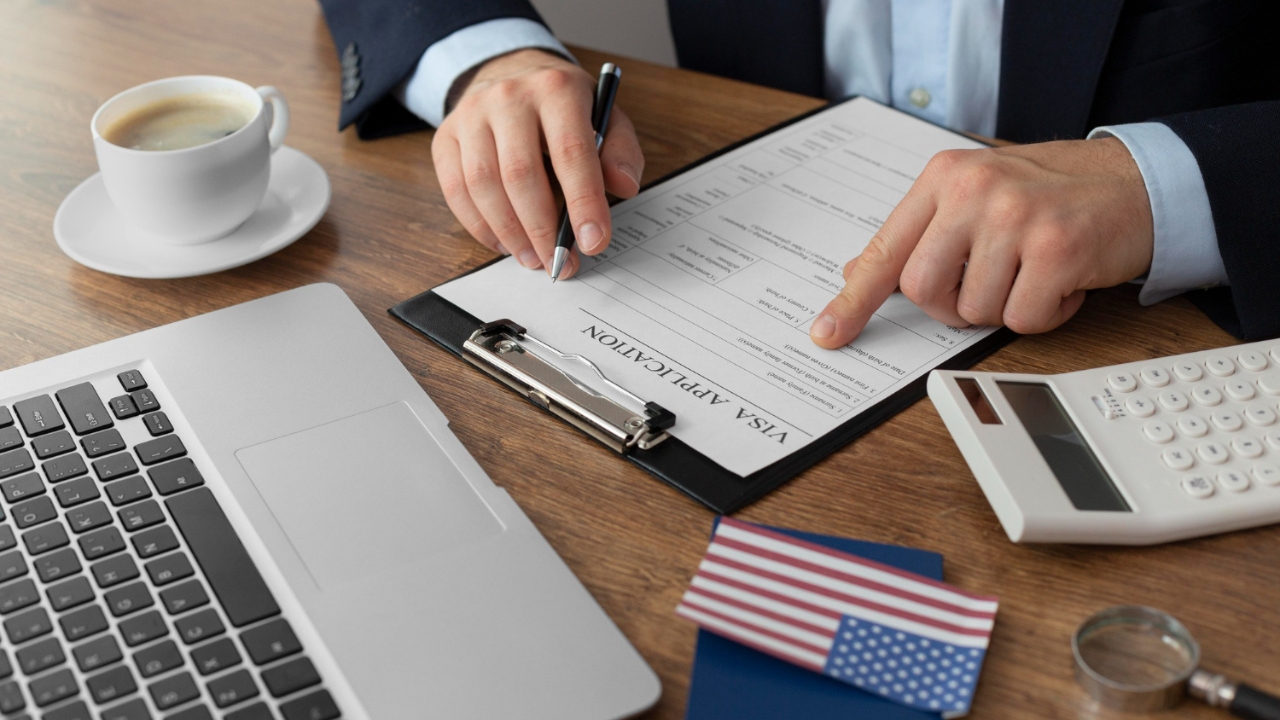
Immigration officers are trained to evaluate traveler confidence, logic, and consistency as much as documents. When Americans appear nervous, provide changing timelines, or over-explain basic questions like purpose of travel, officers naturally investigate further. Roughly 17% of additional interviews come from behavioral uncertainty rather than physical violations. Officers may simply want clarity about where you’re staying, how long you’ll remain, and how you’re funding your trip. Calmly answering with straightforward details usually clears concerns within minutes, while confused responses often stretch the process significantly longer.
11. Having Previous Visa Issues, Overstays, or Security-Related Incidents
Travel history matters significantly in Asia, and records do not disappear easily. U.S. travelers who previously overstayed by even 10–30 days, faced denial of entry, or had airport disputes will likely experience extra scrutiny on future trips. Immigration systems in countries like Japan, Singapore, and South Korea maintain long-term databases, and prior incidents can increase questioning by 30–50%. This doesn’t mean automatic denial, but officers will verify intentions carefully. Carrying strong documentation, clean recent travel records, and proof of responsible behavior helps rebuild trust and makes entry smoother over time.