We may earn money or products from the companies mentioned in this post. This means if you click on the link and purchase the item, I will receive a small commission at no extra cost to you ... you're just helping re-supply our family's travel fund.
Tourism is a major economic driver for cities, shaping both identity and revenue. While some urban areas flourish with cultural vibrancy and visitor engagement, others have allowed mismanagement, crime, or environmental neglect to quietly erode their appeal. Once-thriving destinations now struggle to maintain visitor interest, despite unique history, architecture, and cultural assets. From abandoned landmarks to public safety concerns, this list explores 11 U.S. cities that unintentionally destroyed their own tourism potential, often leaving local economies in decline.
1. Detroit, Michigan
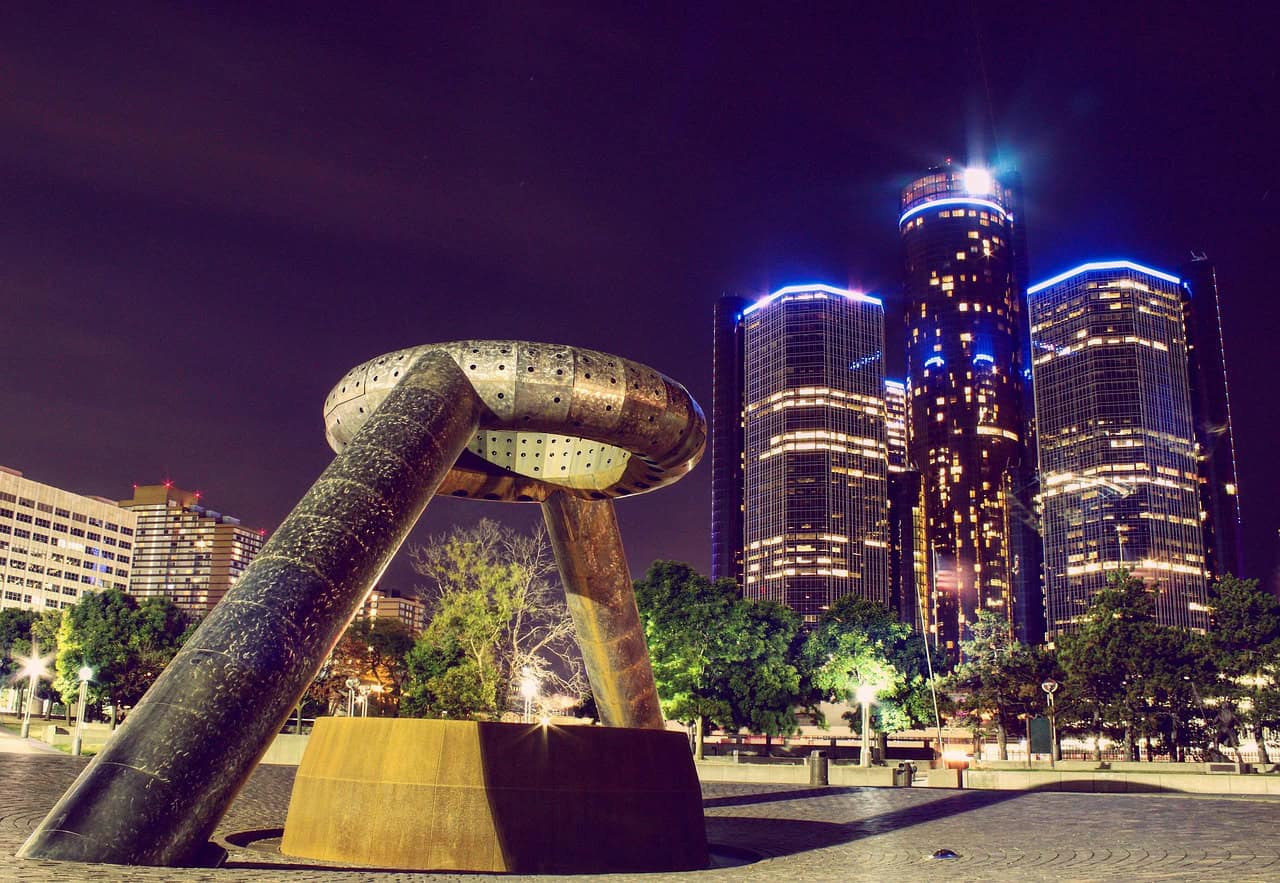
Detroit, once dubbed the “Motor City,” drew millions with its automotive legacy and Motown culture. In 1950, its population peaked at 1.85 million, supporting a thriving tourism economy. Decades of factory closures and suburban flight caused a 2020 population of roughly 639,000. High crime, with a 2023 violent crime rate of 2,013 per 100,000 residents, has deterred visitors. Urban decay and abandoned neighborhoods dominate, overshadowing attractions like the Detroit Institute of Arts. Downtown revitalization exists, but tourism is just 30% of what it once was.
2. Atlantic City, New Jersey
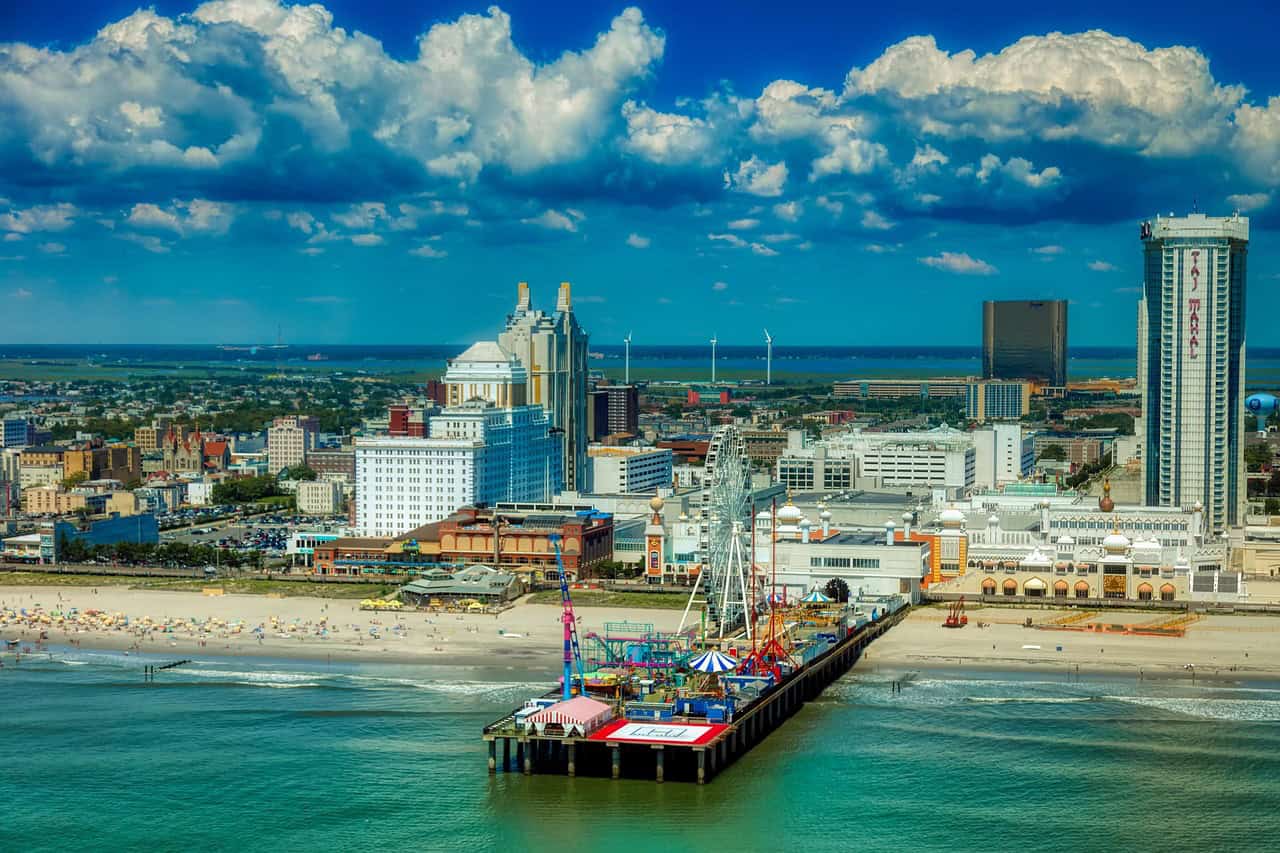
Atlantic City was once the “Las Vegas of the East,” hosting over 28 million visitors annually in the 1980s. Casino closures, financial mismanagement, and rising crime rates of violent crime at 1,500 per 100,000 in 2022 eroded its allure. Iconic boardwalks and piers face neglect, with occupancy rates hovering around 55% for hotels in 2023. Competition from nearby beach towns and legalized gambling elsewhere pulled tourists away. While seasonal crowds remain, overall tourism revenue has dropped by nearly 40% since its heyday.
3. Baltimore, Maryland
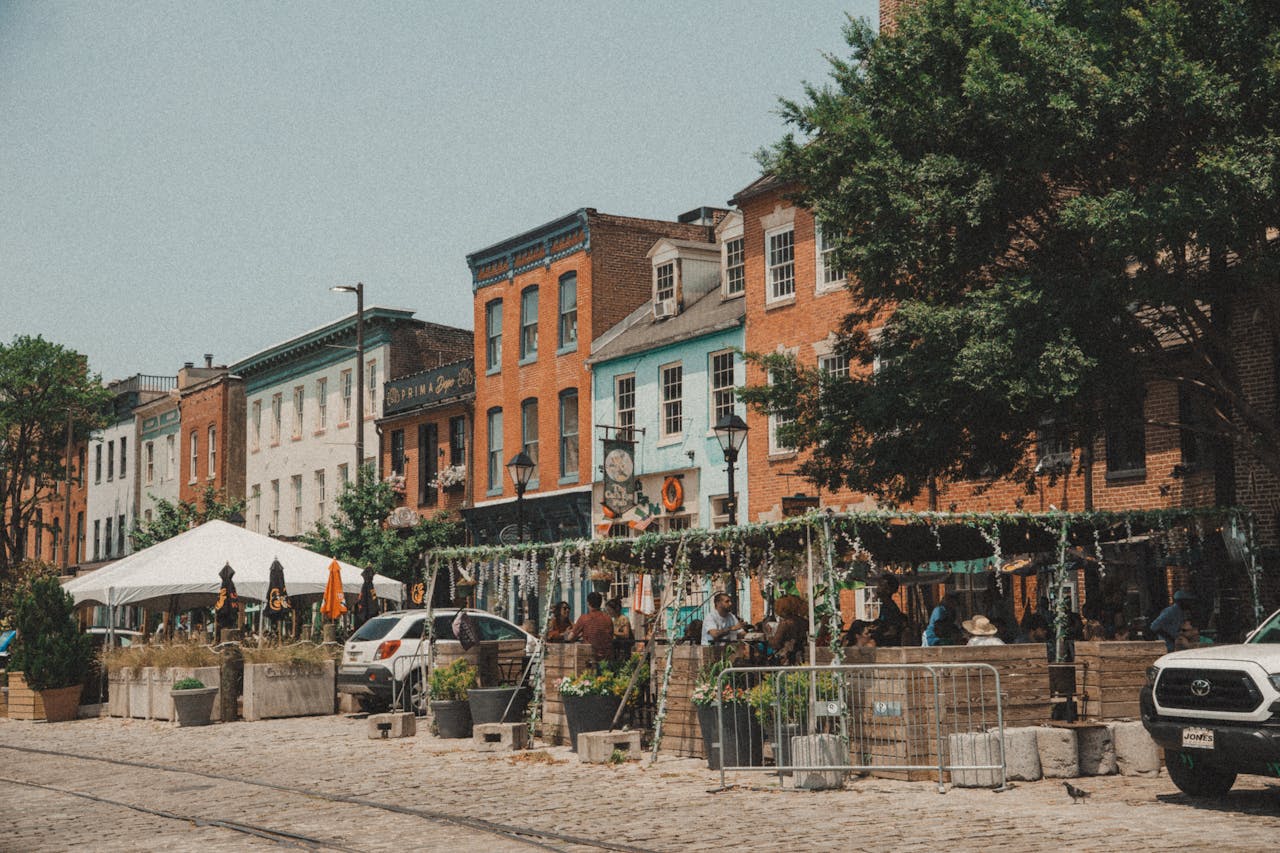
Baltimore’s Inner Harbor once attracted over 23 million annual visitors in the 1990s. Today, the city faces a violent crime rate of 1,900 per 100,000 and widespread urban decay. Iconic sites like the National Aquarium see 1.5 million visitors yearly, but fear of unsafe neighborhoods reduces overall tourism. Population decline from 950,000 in 1970 to 585,000 in 2023 reflects urban flight. Efforts like Harbor East redevelopment are helping, yet inconsistent public safety and aging infrastructure limit Baltimore’s tourism growth potential.
4. Cleveland, Ohio
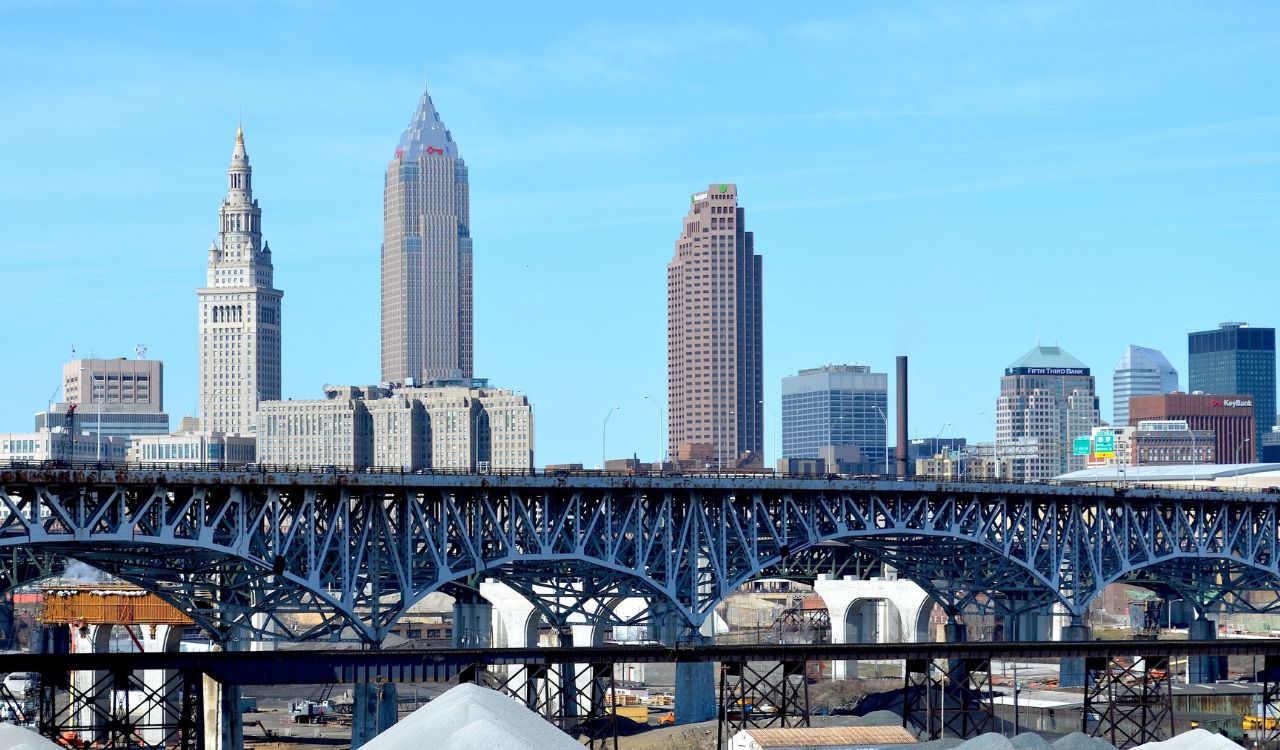
Cleveland, known for the Rock & Roll Hall of Fame and Museum of Art, once drew millions annually. The city’s population dropped from 914,000 in 1950 to 372,000 in 2023. Crime remains high, with violent incidents at 1,500 per 100,000. While attractions like the Cleveland Orchestra and sports stadiums persist, most tourists stay under a day, with overnight stays declining 25% over the past decade. Deteriorating infrastructure and perception issues overshadow cultural highlights, keeping the city far below its tourism potential.
5. St. Louis, Missouri
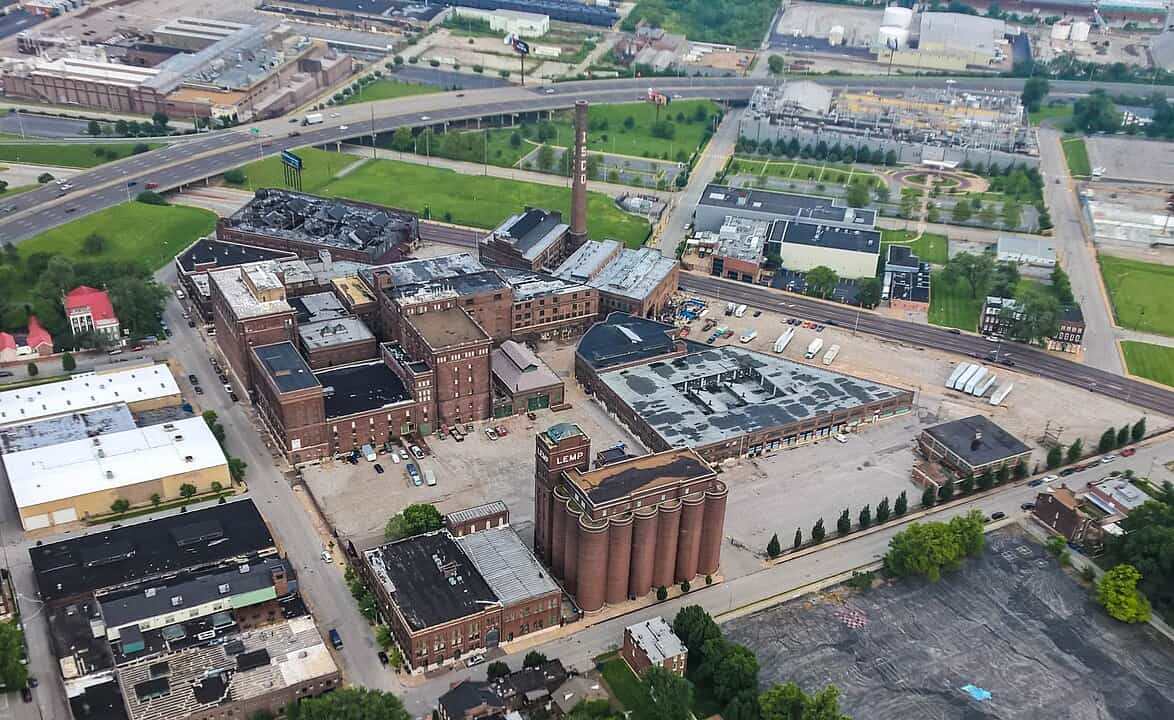
St. Louis historically attracted tourists with the Gateway Arch and blues culture. The metro area population fell from 3.5 million in 1950 to 2.8 million in 2023. Crime remains a major deterrent, with a violent crime rate of 2,100 per 100,000. Public transit limitations and neglected neighborhoods reduce ease of access to cultural attractions. Although downtown draws events like the St. Louis Film Festival, extended visits remain uncommon. Visitor numbers are now roughly 5 million annually, half of its 1980s peak.
6. New Orleans, Louisiana
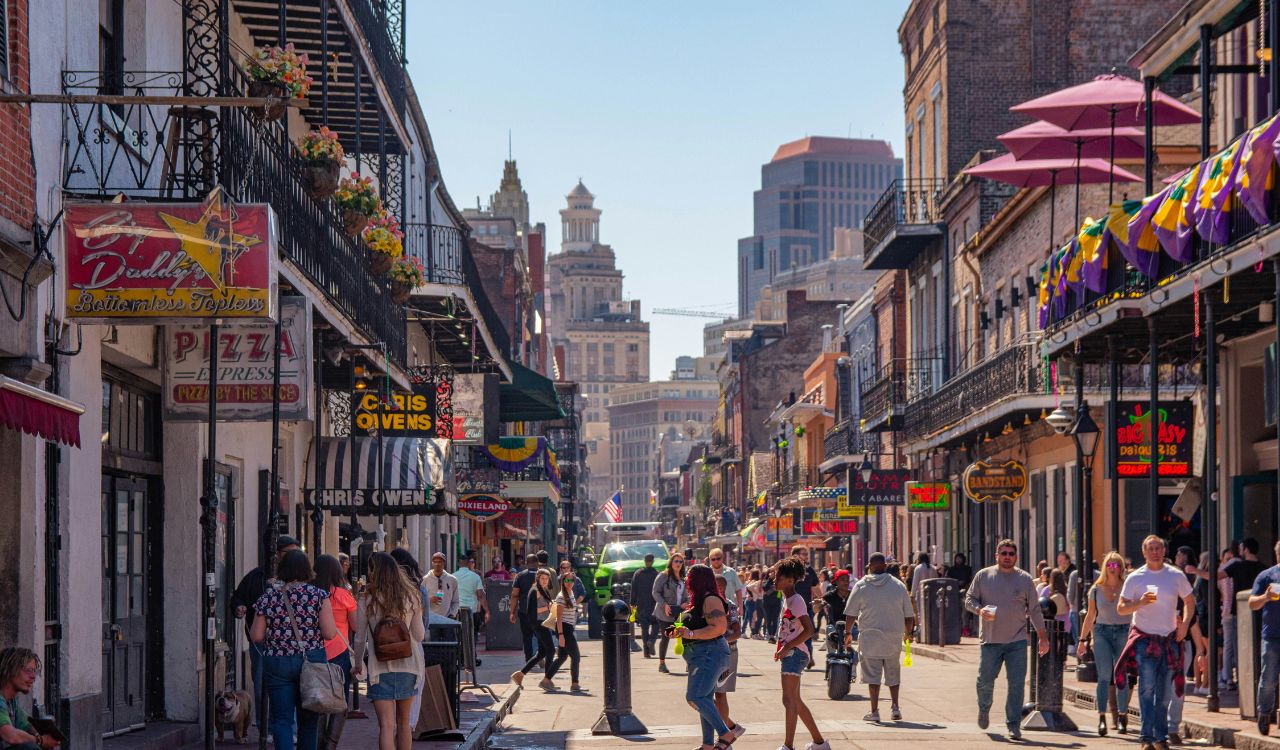
New Orleans, a global cultural hub, hosted nearly 19 million tourists in 2004. Hurricane Katrina’s destruction in 2005 revealed fragile infrastructure, and recovery has been uneven. Crime stands at 1,700 violent incidents per 100,000 residents in 2023, deterring some visitors. Iconic neighborhoods like the French Quarter attract millions, yet gentrification and safety concerns reduce stay durations. Hotel occupancy averages 68% annually, lower than pre-Katrina levels, showing the lasting impact of environmental and urban planning challenges.
7. Flint, Michigan
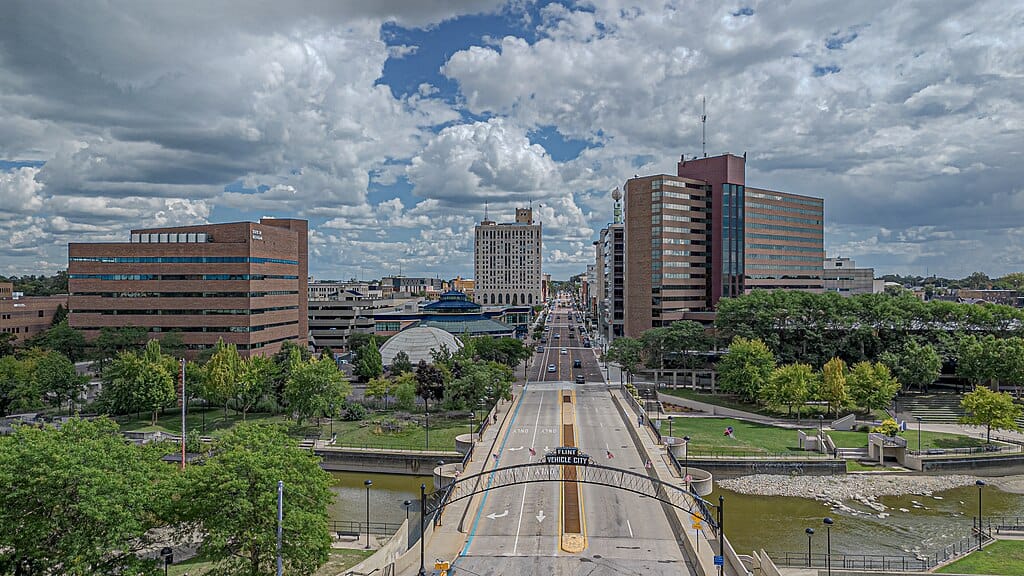
Flint, a city of 95,000 in 2023, experienced dramatic population decline from 196,000 in 1980. Its 2014 water crisis eroded public trust and drew negative attention worldwide. Violent crime is 1,400 per 100,000, and unemployment hovers around 9%, limiting tourism infrastructure. While niche attractions like the Flint Institute of Arts exist, visitor numbers remain negligible, roughly 50,000 annually. The city struggles to attract casual tourists, with media coverage emphasizing public health crises rather than cultural or historic appeal.
8. Camden, New Jersey
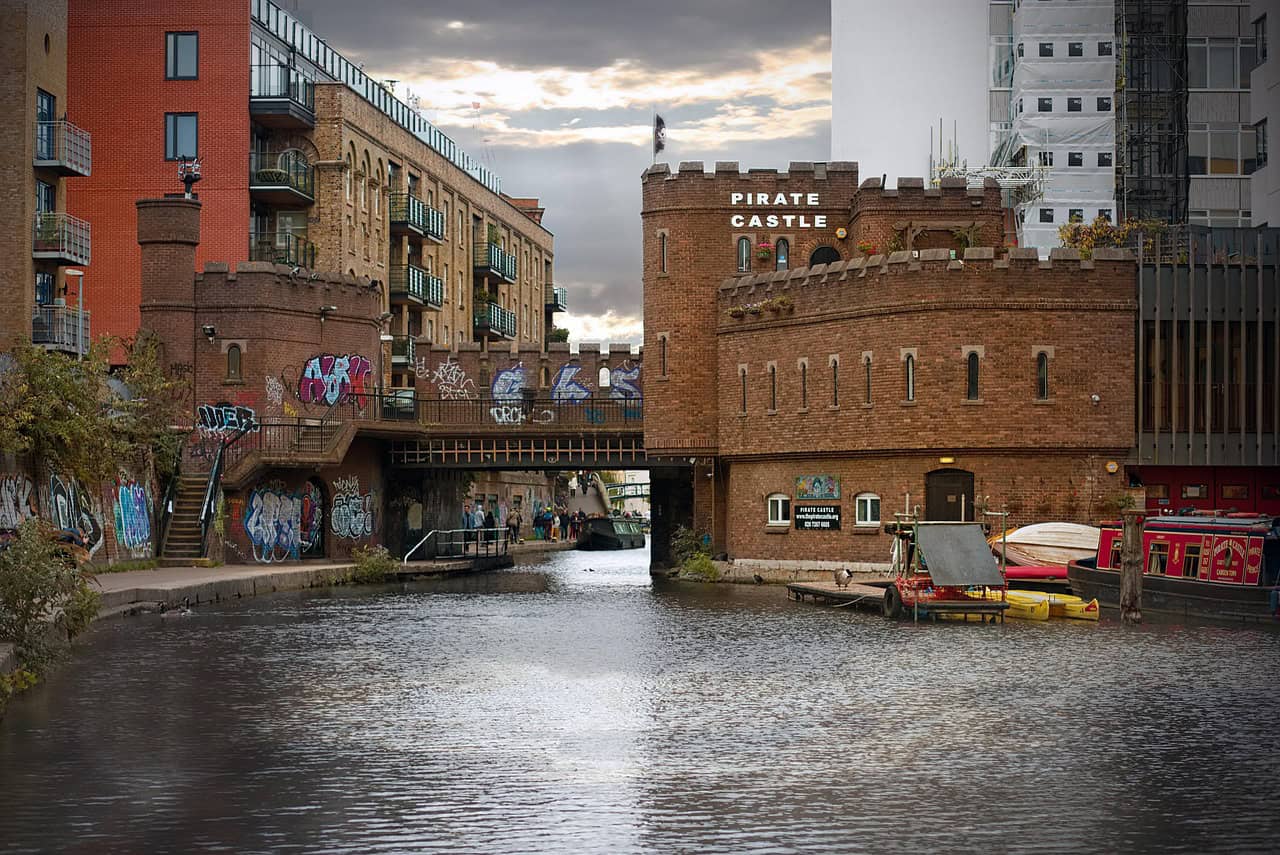
Once an industrial powerhouse, Camden has seen its population drop from 120,000 in 1950 to 70,000 in 2023. Violent crime reaches 1,800 per 100,000, and poverty exceeds 35%, leaving many neighborhoods unsafe for tourists. Waterfront redevelopment projects like Adventure Aquarium attract roughly 500,000 annual visitors, but broader tourism appeal is limited. Most travelers choose Philadelphia for convenience and safety, leaving Camden’s potential untapped despite proximity to urban attractions and historical sites.
9. Gary, Indiana

Gary’s population fell from 178,000 in 1960 to 69,000 in 2023, as the steel industry collapsed. Violent crime remains high, 1,900 per 100,000, while vacant buildings and industrial ruins dominate the landscape. Tourism is nearly nonexistent, with annual visitors estimated below 25,000. Landmarks like the Gary Methodist Church or historic sites see little attention due to safety concerns and neglect. Local redevelopment attempts exist, yet Gary continues to symbolize post-industrial decline in the Midwest.
10. Scranton, Pennsylvania

Scranton’s coal-mining history offers niche appeal, but tourism remains low. Population declined from 141,000 in 1930 to 76,000 in 2023, and economic stagnation hampers infrastructure investment. Crime is moderate at 550 per 100,000, but limited attractions keep overnight stays under 30,000 annually. While pop culture references and small museums draw some interest, the city struggles to compete with nearby Philadelphia and New York City for mainstream tourism. Development has been minimal, and many historic buildings fall into disrepair.
11. Birmingham, Alabama
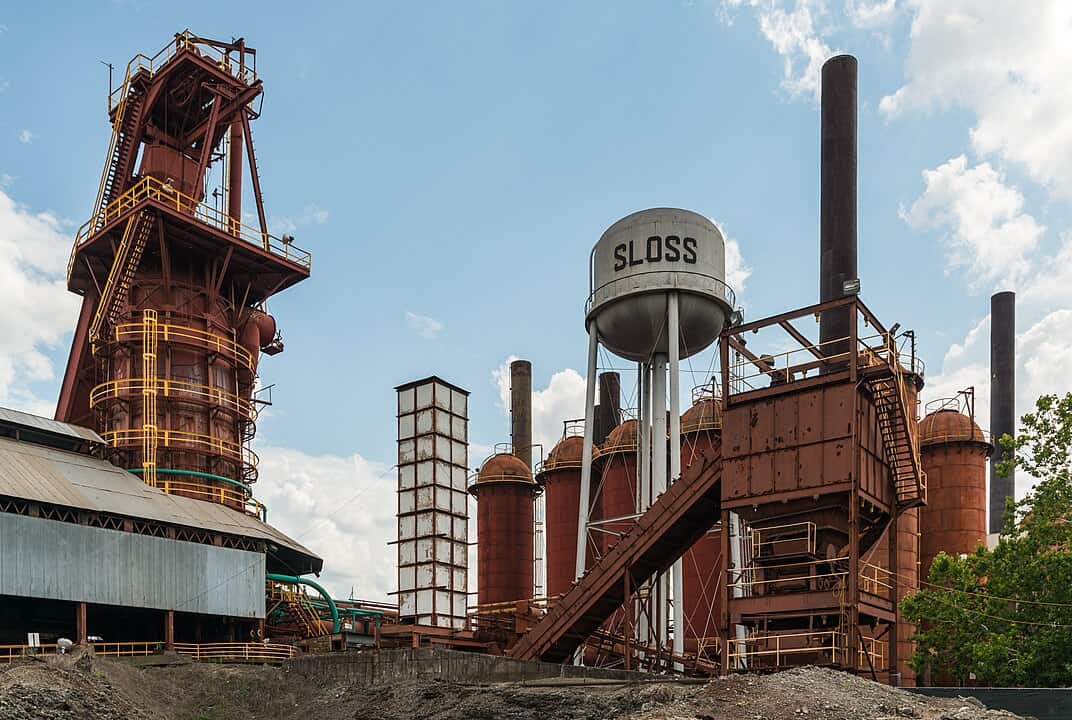
Birmingham, a city central to civil rights history, had a peak population of 340,000 in 1960, now around 120,000. Violent crime is high at 1,600 per 100,000, overshadowing museums, historic sites, and annual festivals. Hotel occupancy averages 60% annually, lower than southern peers. Gentrification and neglect in certain neighborhoods reduce safety perception. While downtown revitalization and heritage tourism programs exist, the broader image problem limits tourism growth. Visitors often opt for Atlanta or Nashville instead.