We may earn money or products from the companies mentioned in this post. This means if you click on the link and purchase the item, I will receive a small commission at no extra cost to you ... you're just helping re-supply our family's travel fund.
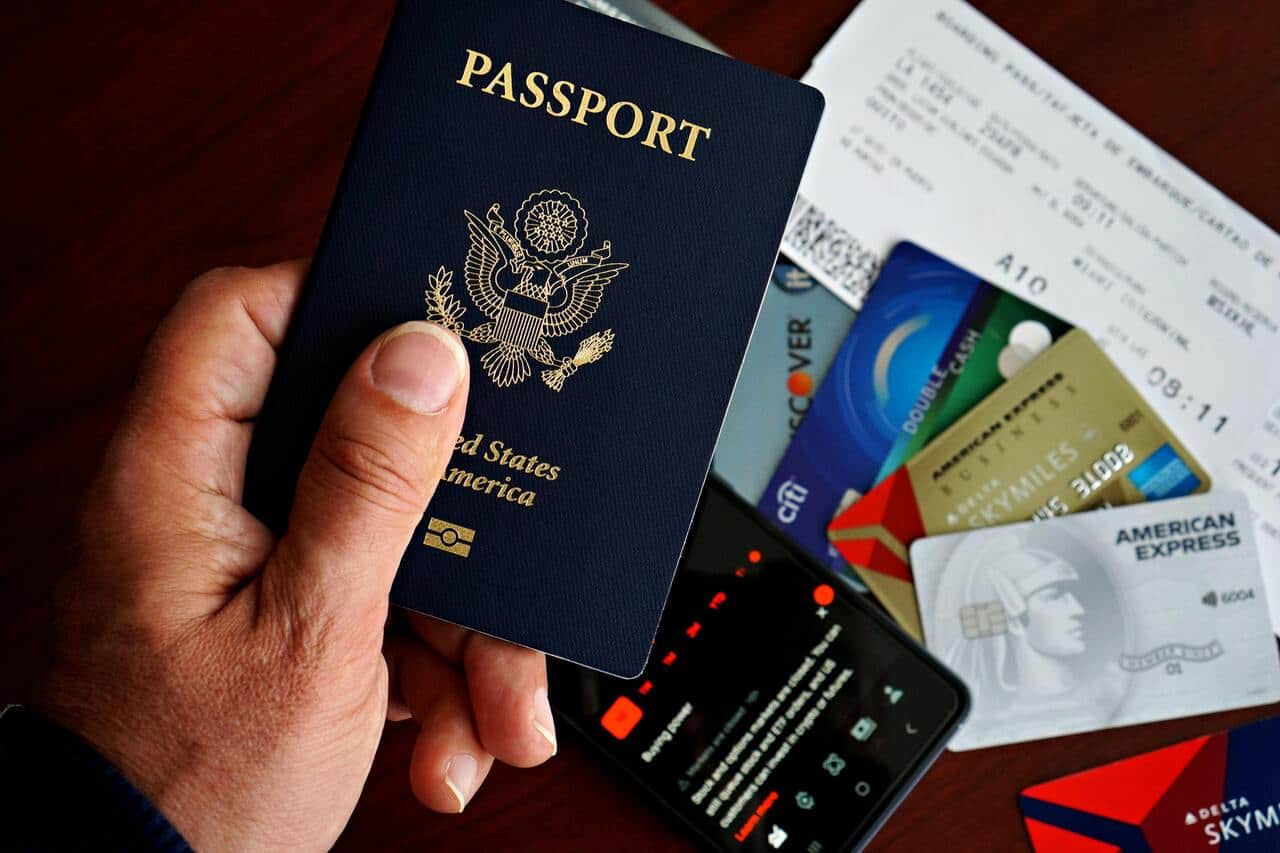
The U.S.–Canada border may look calm and friendly, stretching almost 8,891 kilometers, but it is also one of the most closely monitored frontiers in the world. Many Americans assume it works like an informal neighborhood crossing, yet policies are firm, documentation rules are precise, and mistakes can lead to fines, hours of questioning, or being turned back entirely. Understanding what is allowed, what isn’t, and why certain rules exist makes travel smoother, safer, and far less stressful for everyone involved.
1. Do Americans Really Need a Passport to Enter Canada?
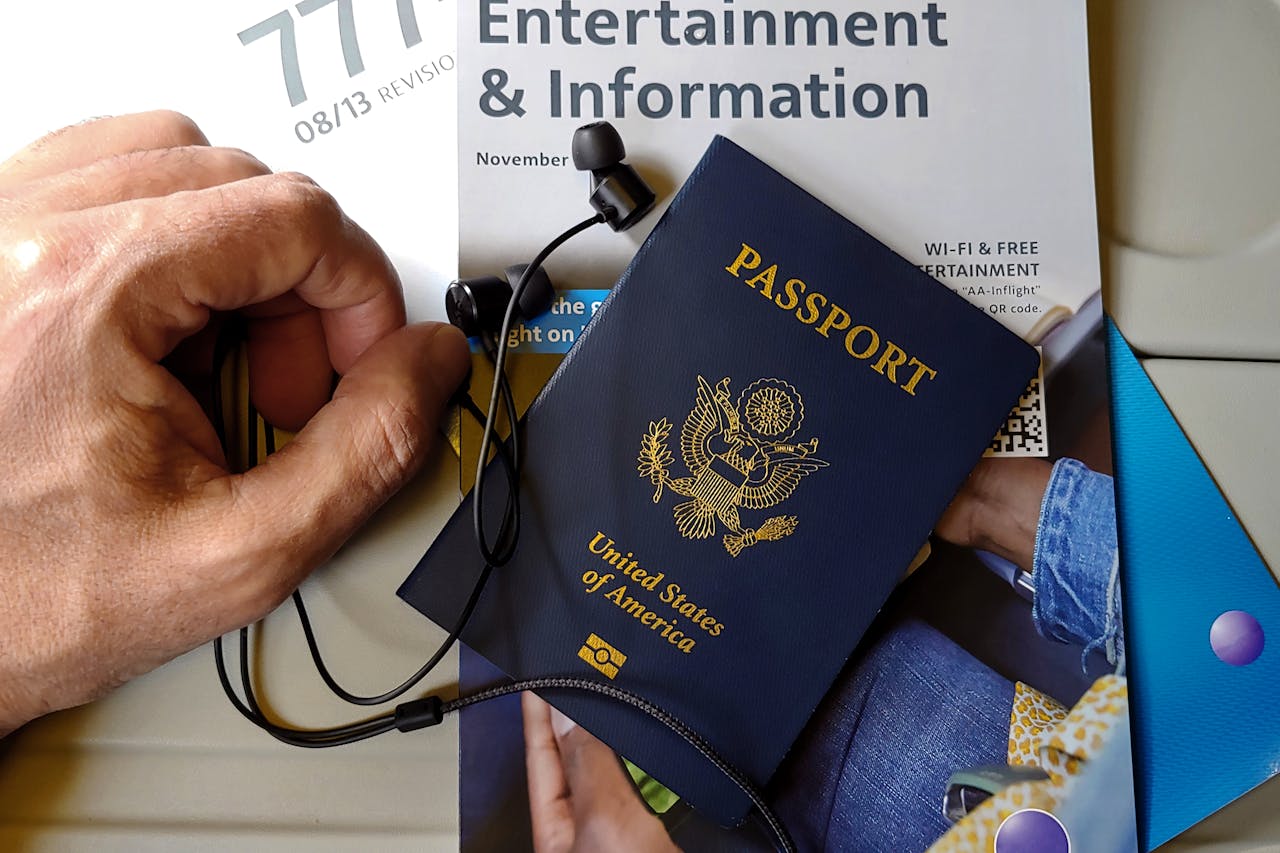
Many travelers still assume that because Canada feels familiar, they can simply drive across without formal identification. In reality, U.S. citizens must carry a valid passport, passport card, NEXUS card, or an enhanced driver’s license approved by specific states. Over 30 million crossings occur each year, and officers verify every identity carefully. Children require proof of citizenship too, and minors traveling without both parents often need notarized consent.
2. Is the Border Open All the Time Like People Imagine?
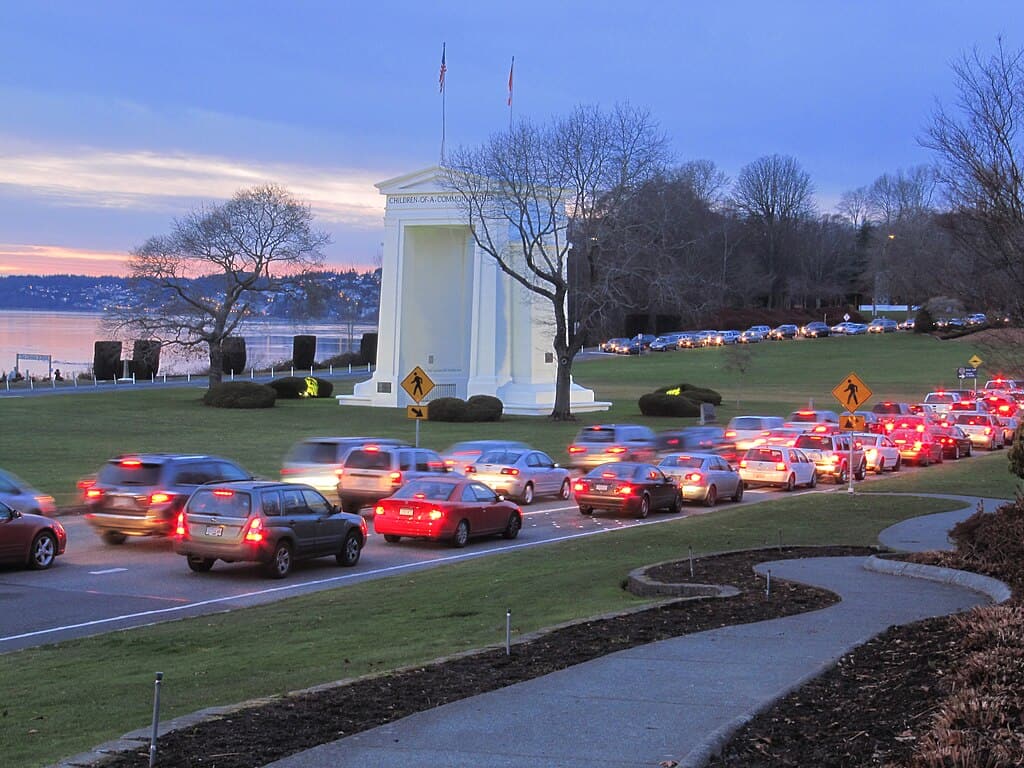
While parts of the border feel endless and peaceful, not every crossing operates 24 hours. Canada and the U.S. maintain over 120 official entry points, but many open only during set daily hours, sometimes closing as early as 6 p.m. Seasonal crossings may shut in winter, and remote ports can limit services due to staffing. Travelers who expect nonstop access risk long detours, since some 24-hour crossings may be hundreds of kilometers away.
3. Can Americans Just Walk Across Without Checking In?

One of the biggest misconceptions is that because the border is long and mostly unfenced, walking across unnoticed is acceptable. Both governments monitor the frontier with sensors, aerial patrols, cameras, and coordinated security networks. Roughly 400,000 people legally cross most days, and failure to report entry is considered illegal regardless of intent. Even hikers in parks that straddle the border must check in officially, or they may face questioning, fines, or a banned entry record.
4. Do DUI or Minor Criminal Records Matter at All?

Many Americans believe that past driving mistakes stay only in U.S. systems, but Canadian border officers can deny entry based on criminal history. Canada treats impaired driving seriously, and even a single DUI conviction can make someone “criminally inadmissible.” Officials review background records electronically, and with about 14 million vehicle entries per year, checks happen constantly. Some travelers may qualify for special permits or rehabilitation, but approval is never guaranteed at the crossing itself.
5. Can You Bring Any Food and Groceries Into Canada?

It often surprises people that a casual road snack can become a customs issue. Meat, fresh produce, dairy, and certain agricultural goods are tightly regulated to protect Canada’s food supply and economy worth billions annually. Border lists change depending on disease outbreaks or farming risks, and even sealed items may be inspected. Officers processed more than 96 million kilograms of declared goods last decade, so honesty and preparation help prevent fines and confiscation.
6. Is Cannabis Legal to Bring Across Since Canada Allows It?

Canada legalized recreational cannabis nationally in 2018, yet carrying it across the border remains illegal for both Americans and Canadians. Officers enforce strict federal law regardless of state-level legalization in the U.S., and penalties can include seizure, refusal of entry, or future travel restrictions. Each year, thousands misunderstand this rule, assuming personal amounts are harmless. Instead, travelers must leave all cannabis products behind, including edibles, oils, vape cartridges, and medical supplies.
7. Do Border Officers Just Wave Most Travelers Through?
The friendly reputation of Canadian hospitality leads some Americans to think officers simply smile and pass everyone. In truth, both Canadian and U.S. agents receive rigorous security training, conduct interviews, and analyze behavior carefully. Over 30,000 officers work to protect the border, and their role includes detecting fraud, contraband, and safety risks. Short questions about purpose, duration, and money carried are normal, and honest, direct answers minimize delays during busy peak months.
8. Is Proof of Funds or Travel Plans Really Necessary?

Many short trips proceed smoothly, but Canadians can legally ask Americans to prove they can support themselves financially while visiting. With millions of tourists entering annually, the rule prevents illegal work or overstays. Visitors may be asked for hotel bookings, return transport proof, or evidence of available funds such as bank cards. Officers use discretion, yet travelers unable to explain their plans clearly sometimes face denial, showing preparation matters more than confidence.
9. Can Americans Bring Firearms Easily for Protection or Travel?
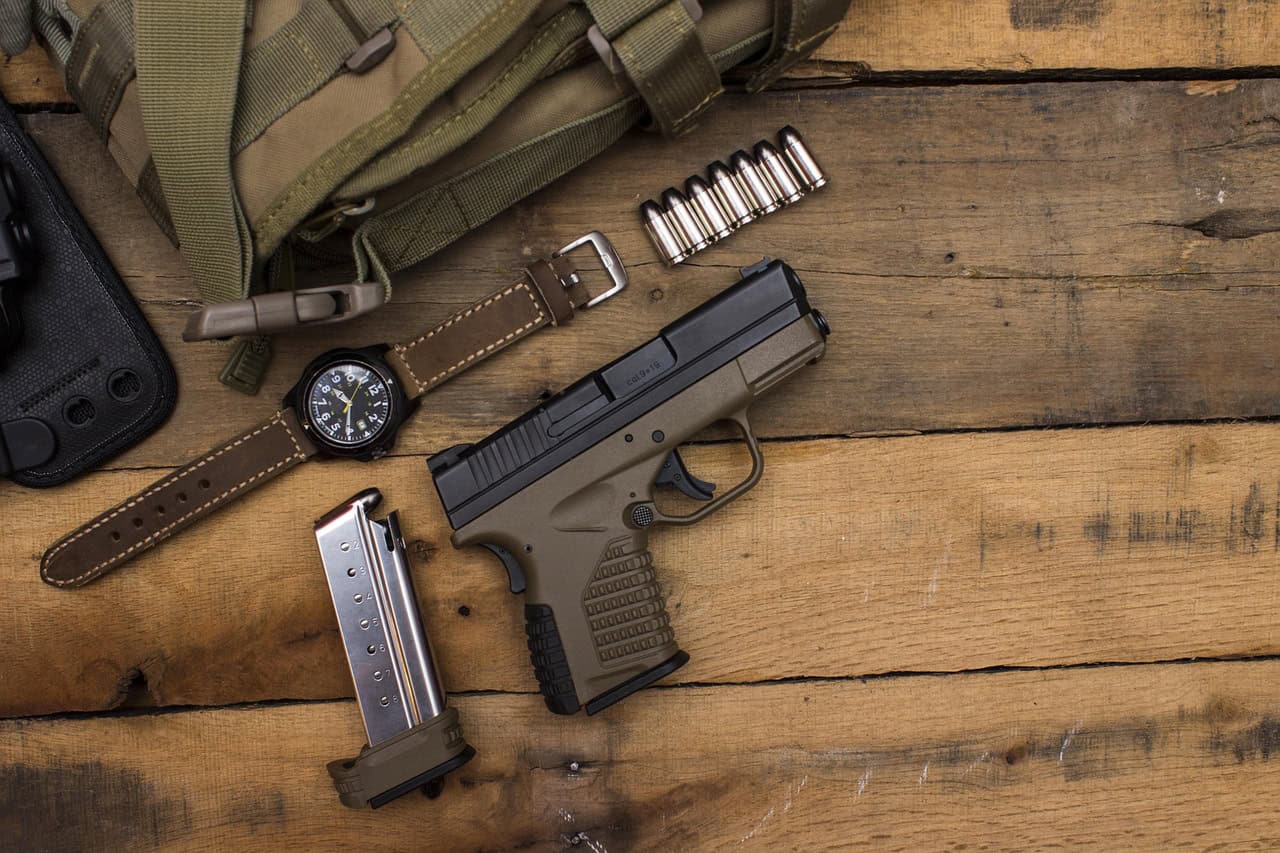
Despite cultural familiarity with firearms in the U.S., Canada enforces strict gun regulations that surprise many visitors. Handguns are heavily restricted, undeclared weapons are confiscated, and violations may lead to criminal charges. Around 20,000 firearm declarations occur yearly, and paperwork must be completed in advance. Travelers carrying hunting rifles for legal purposes must meet storage rules, fee requirements, and destination proof. Simply assuming a firearm is allowed often leads to serious legal trouble.
10. Is the Border Really the Same Everywhere You Cross?
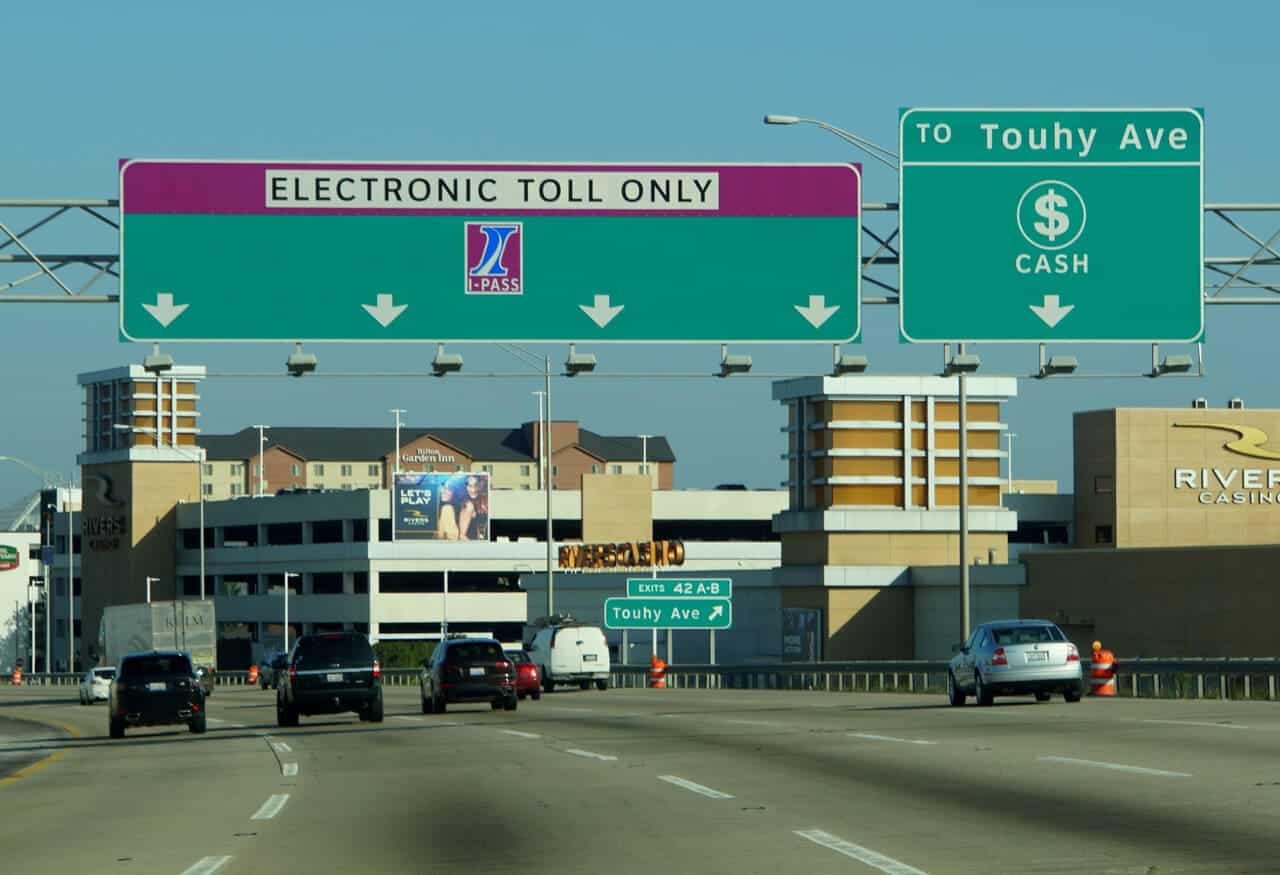
From Alaska to Maine, conditions change dramatically along the 8,891-kilometer frontier. Some crossings feel like busy city highways processing thousands of cars daily, while northern remote stations may see fewer than 50 vehicles. Winter weather can shut roads, mountains create slow routes, and small towns rely on precise schedules. Rules stay consistent, but the experience varies widely, so travelers benefit from checking local port details before they leave instead of guessing.
11. Do Americans Need to Worry About Return Entry to the U.S.?
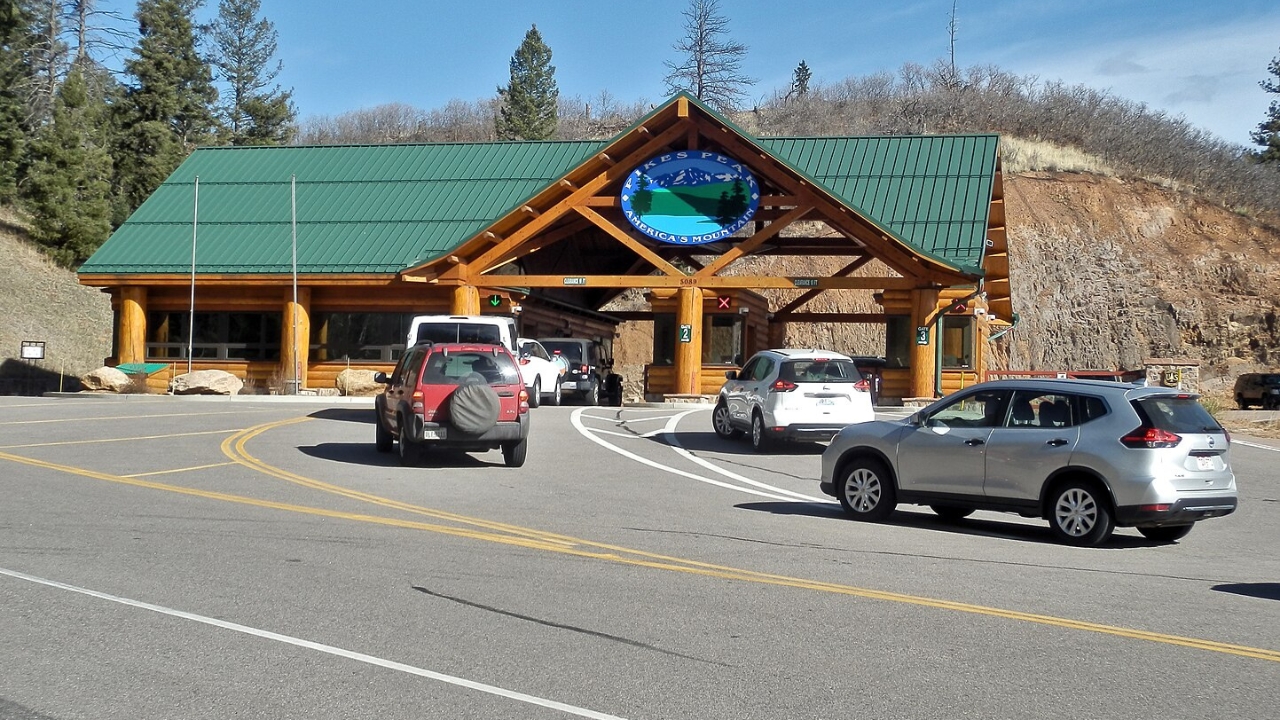
Most citizens assume returning home is always automatic, but documentation rules still apply. A valid U.S. passport or approved document speeds the process, especially when reentering during peak seasons where lines can exceed 90 minutes. Customs may inspect purchases, enforce duty limits, and question travel details. With millions reentering each year, officers balance security with efficiency, meaning prepared paperwork, declared goods, and patience ensure smoother passage back across the familiar border.