We may earn money or products from the companies mentioned in this post. This means if you click on the link and purchase the item, I will receive a small commission at no extra cost to you ... you're just helping re-supply our family's travel fund.
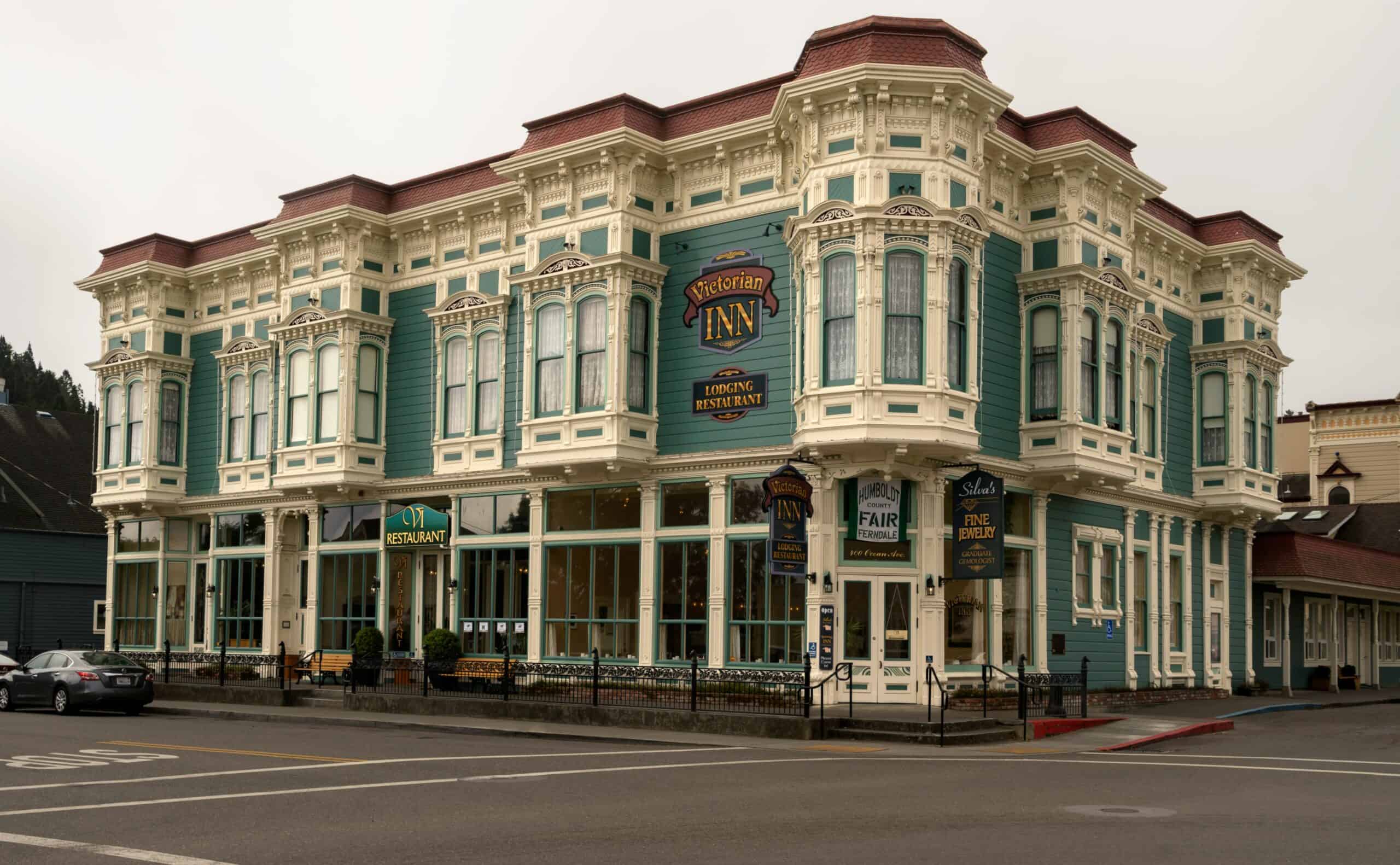
Across the United States, a handful of towns still feel like the 19th century is close enough to touch. Porch rails are carved instead of plain, rooflines bristle with turrets, and main streets lean more on brick than glass. None of these places are frozen in amber; people still commute, argue at council meetings, and mow lawns. What sets them apart is a collective decision, repeated over decades, that ornate woodwork and old street grids are worth the hassle of keeping.
Cape May, New Jersey
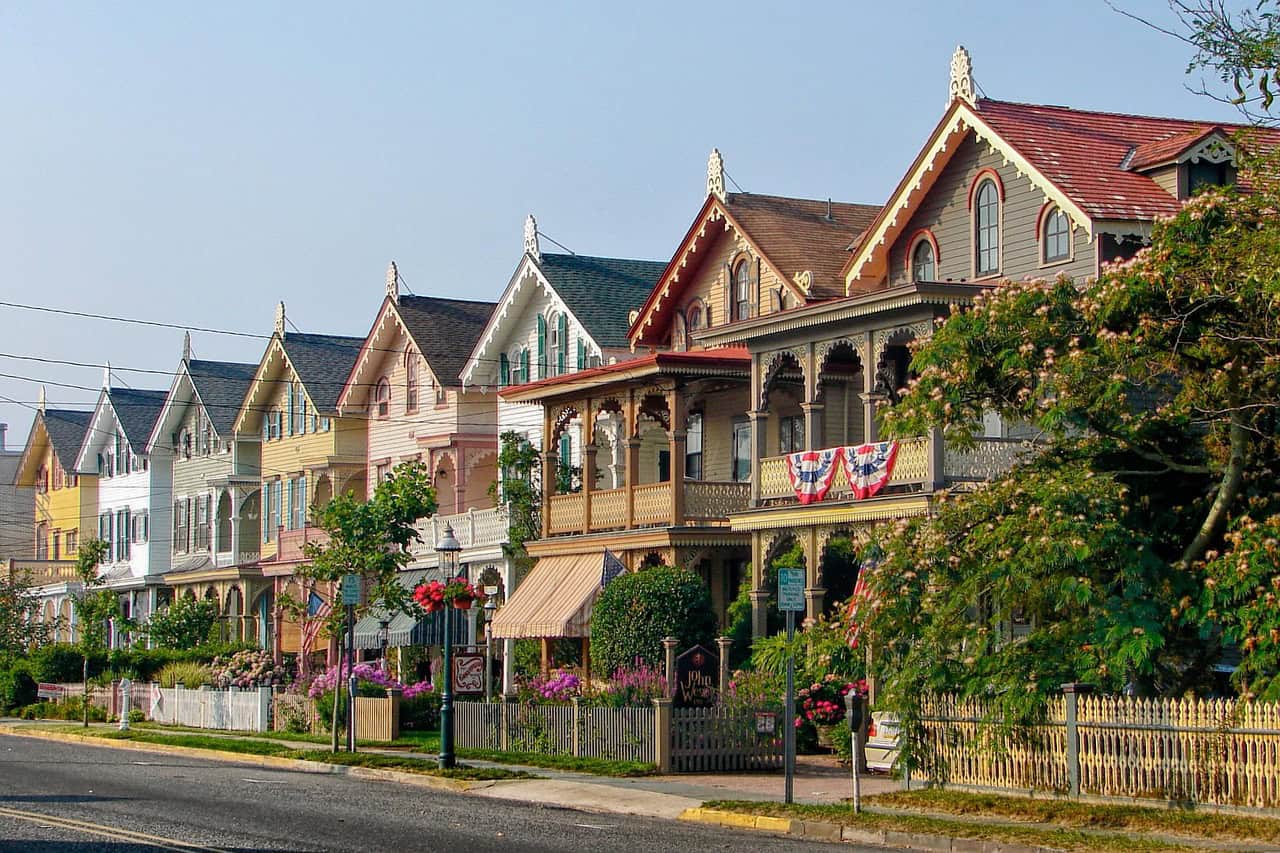
Cape May wears its Victorian heritage like a full costume, not a single prop. Entire streets are lined with painted ladies in sherbet colors, verandas wrapped in fretwork, and cupolas catching the ocean light. Many grand homes became inns rather than teardown candidates, which kept rooflines and front steps intact even as ownership changed. The result is a town where daily life runs through a living architectural catalog. Beach bags and surfboards move past details that would sit behind velvet ropes almost anywhere else.
Eureka Springs, Arkansas
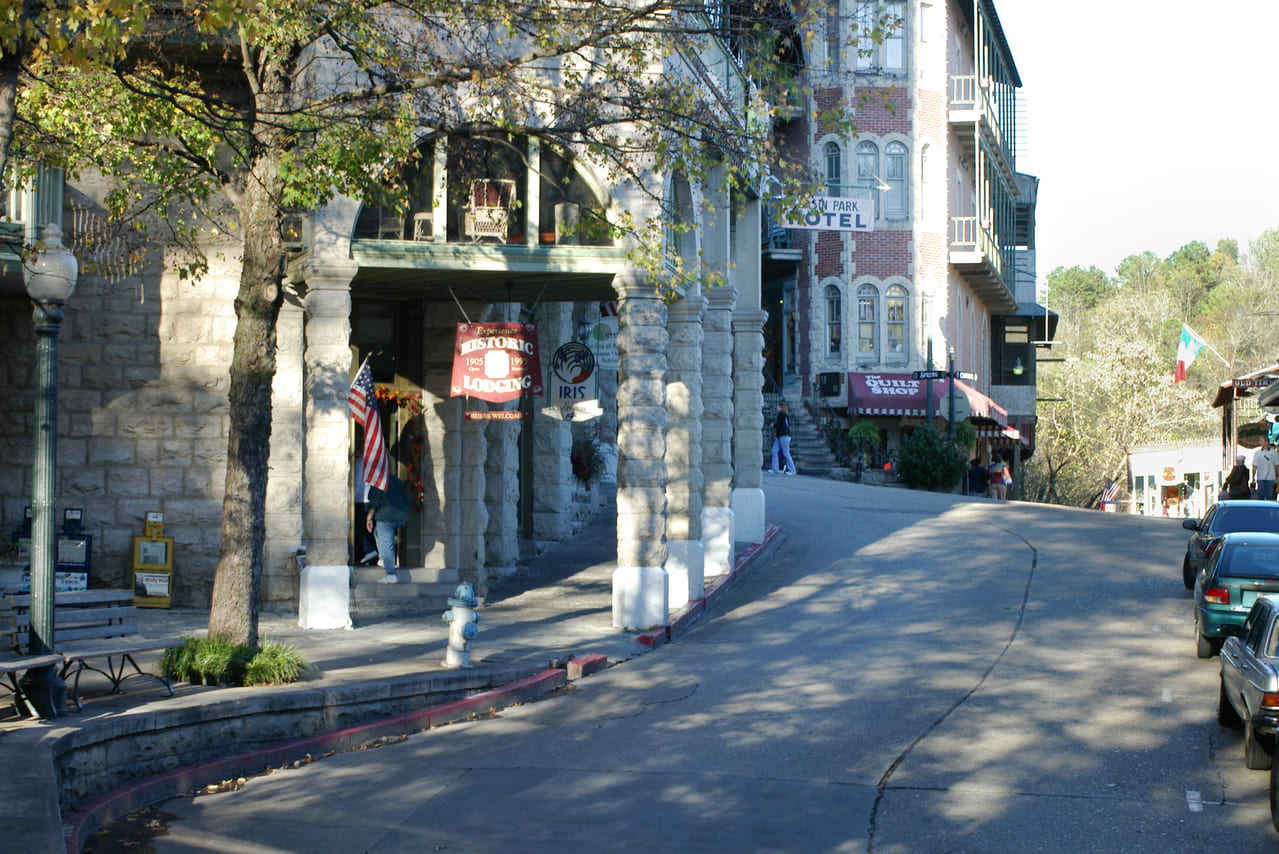
Eureka Springs tumbles down steep hills in a way that makes its Victorian buildings feel even more dramatic. Stone foundations support fanciful upper stories, bay windows lean over curving streets, and staircases seem to sprout wherever the terrain demands. Years of being slightly hard to reach helped spare the town from blunt redevelopment. Later, artists and preservation-minded owners stepped in rather than chains and box stores. Today, galleries and cafes occupy spaces that still carry their original trim, giving everyday errands a storybook backdrop that locals barely notice until someone points it out.
Galena, Illinois
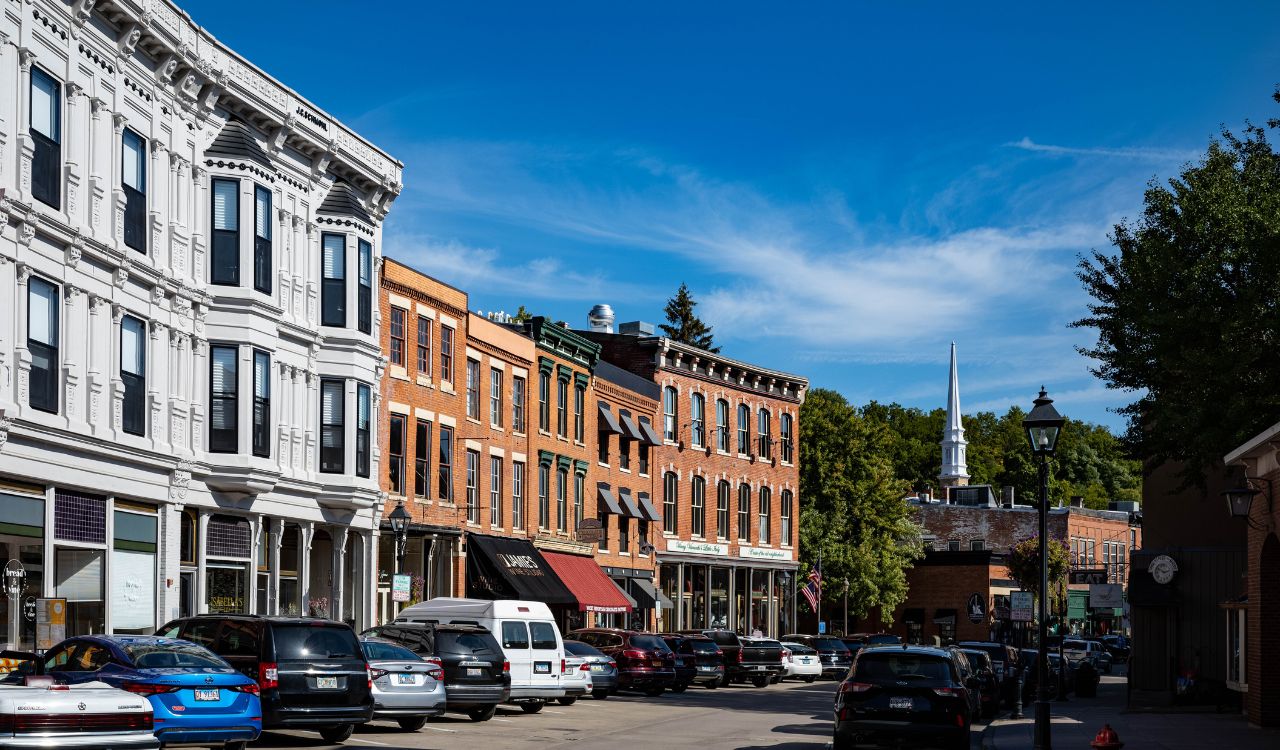
Galena sits in a tight river valley, and its Victorian character is baked into nearly every public-facing surface. Brick storefronts press together along Main Street, with arched windows and cast-iron details that reward a slow look more than a quick selfie. Climbing the hillside reveals layered streets of period homes, some modest, some quietly grand. The town’s long economic lull after its boom years accidentally preserved what prosperity built. When interest returned, residents leaned into restoration rather than replacement, so the whole place feels consistent without turning into a stage set.
Port Townsend, Washington
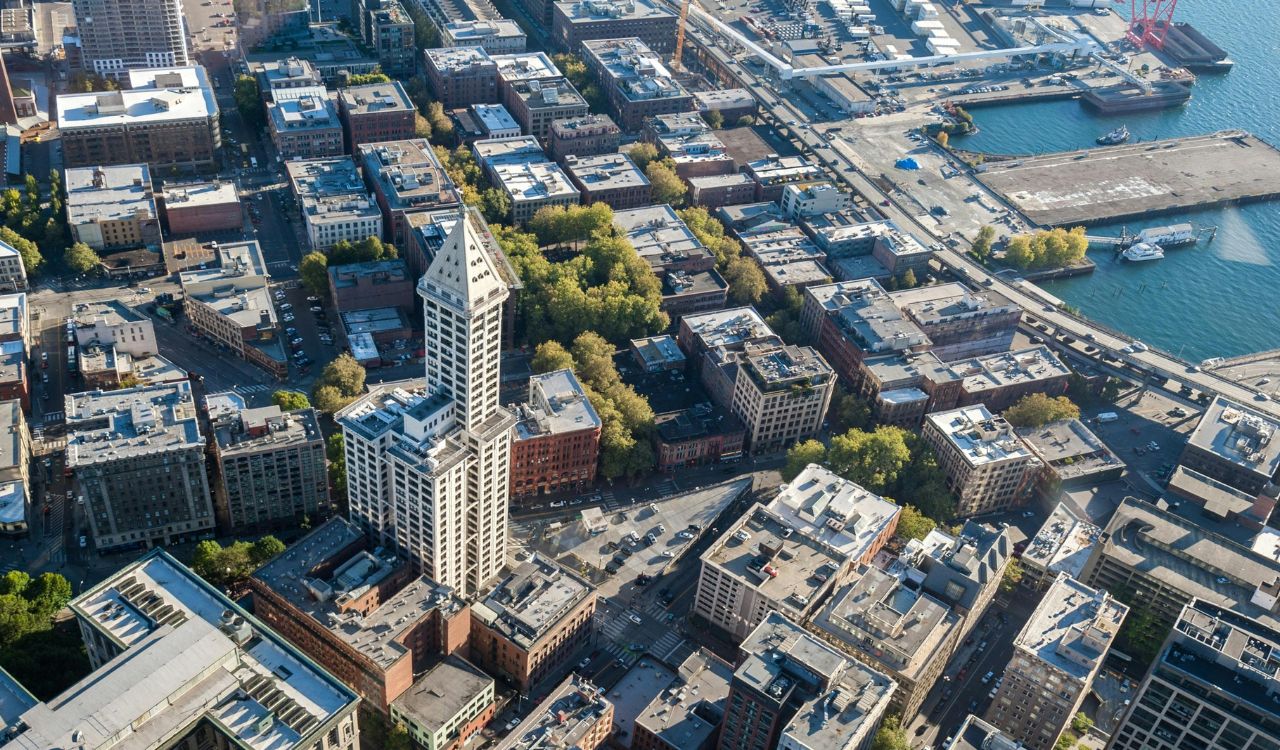
Port Townsend looks like a Victorian dream that paused the moment someone expected the next ship to dock. The downtown waterfront stacks ornate commercial blocks along the bay, all brick, cornices, and tall windows. Up the hill, stately homes with wraparound porches and towers gaze out over ferry wakes and distant islands. Shipping fortunes faded before many planned projects were finished, which left a dense cluster of buildings without the money to modernize them into something flatter. Later generations decided that was a gift and worked to keep the quirks intact.
Ferndale, California
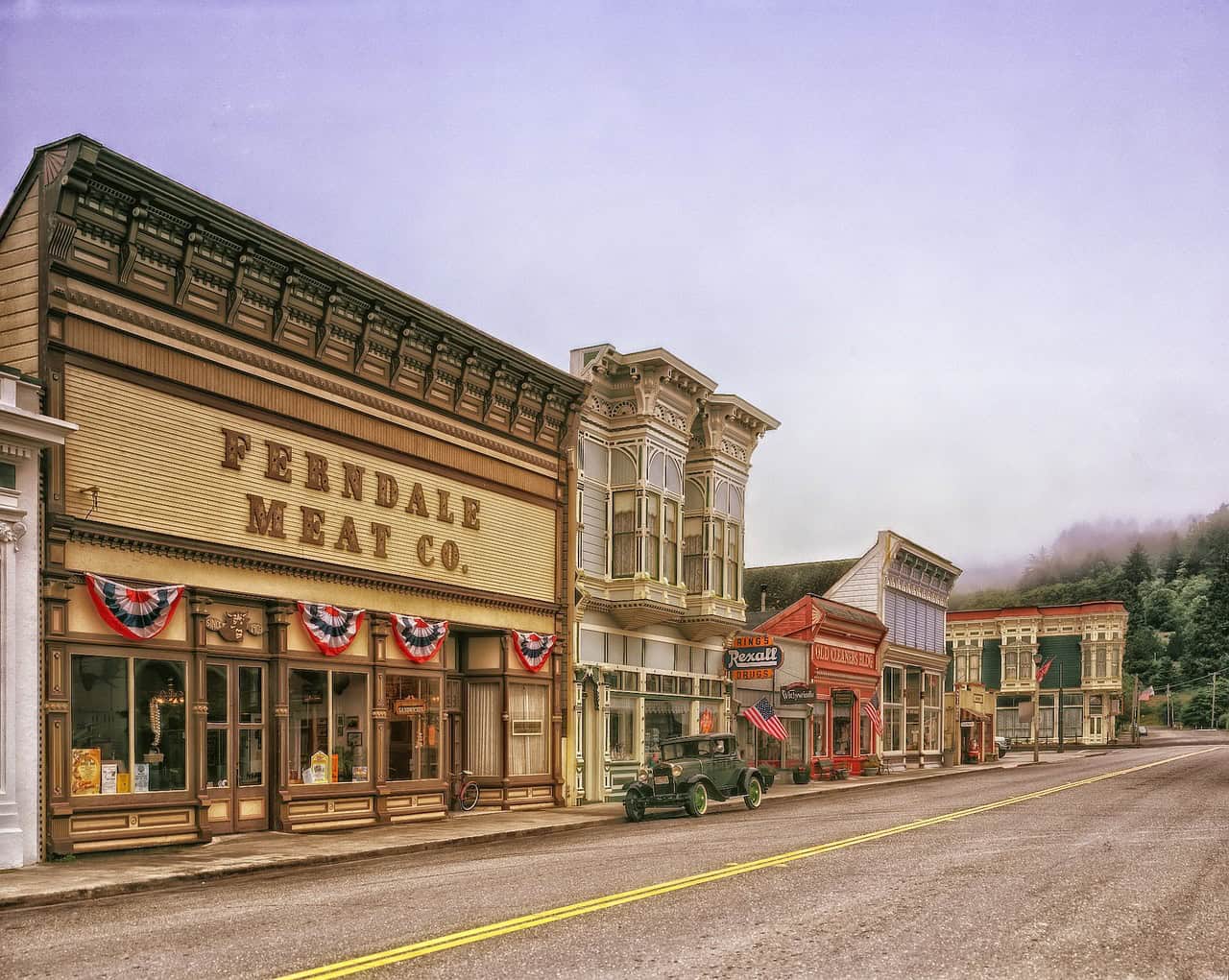
Ferndale’s main street feels almost impossibly complete, as if a production designer refused to remove a single flourish. Dairy wealth once flowed into lace-trimmed facades, stained glass, and front doors framed by elaborate columns. Those “butterfat palaces” now host bakeries, boutiques, and everyday services, so locals live inside what visitors experience as an attraction. The surrounding neighborhoods echo the theme with gabled houses and deep porches. Because the town stayed relatively small and off the main highway flow, the pressure to flatten or replace never fully overwhelmed the instinct to repair.
Eureka, California
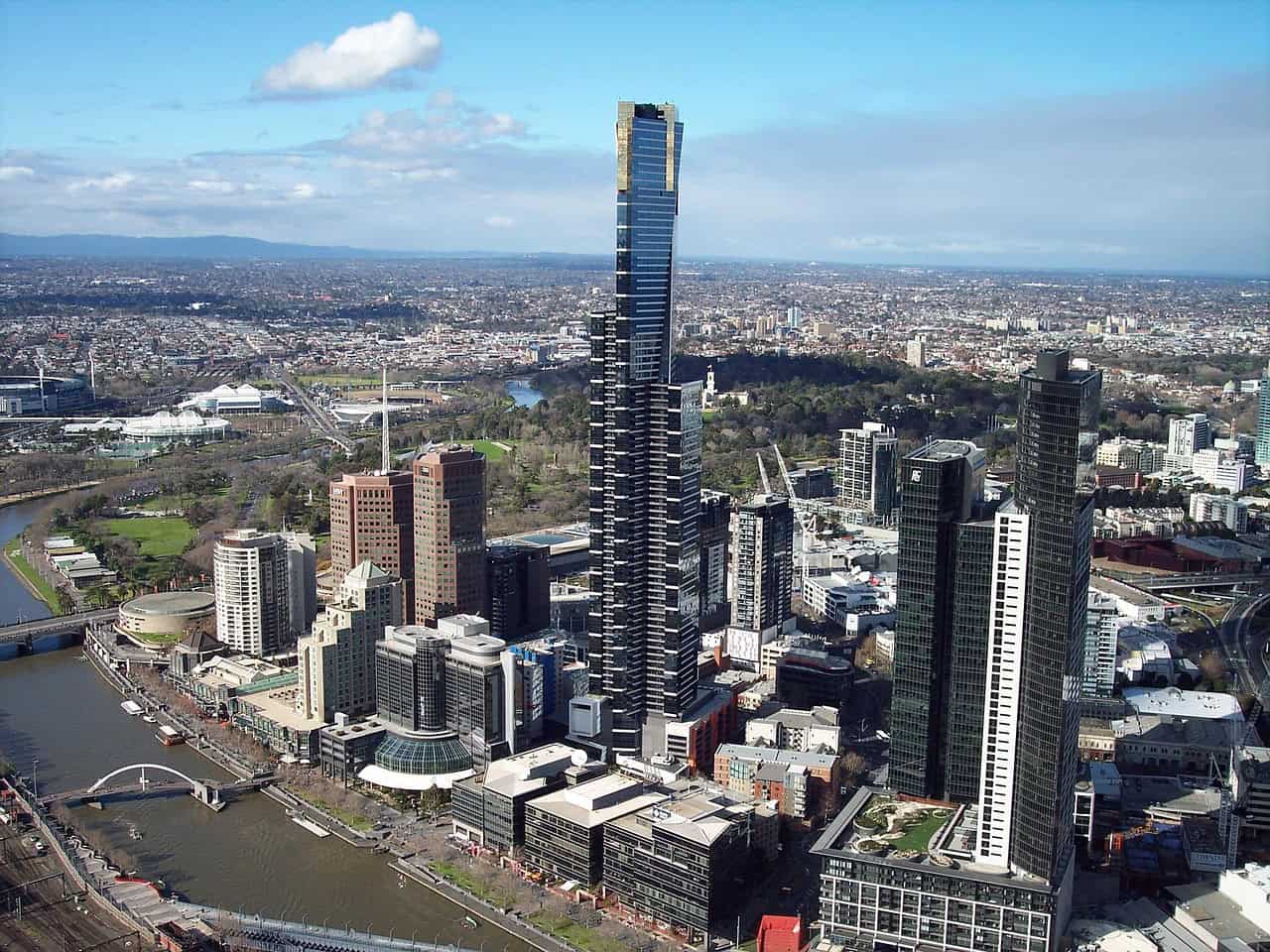
Eureka’s Old Town district fills several waterfront blocks with Victorian character, but one building always draws the eye first. The Carson Mansion, all towers, spindlework, and stained glass, looks almost too ornate to be real, yet it stands as a private club right next to more modest siblings. Surrounding streets carry their own weight with well-kept “painted ladies,” converted warehouses, and brick commercial fronts that still feel at home facing the docks. The city’s lumber past left an unmistakable architectural stamp, and later economic swings gave people time to decide it was worth protecting.
Leadville, Colorado
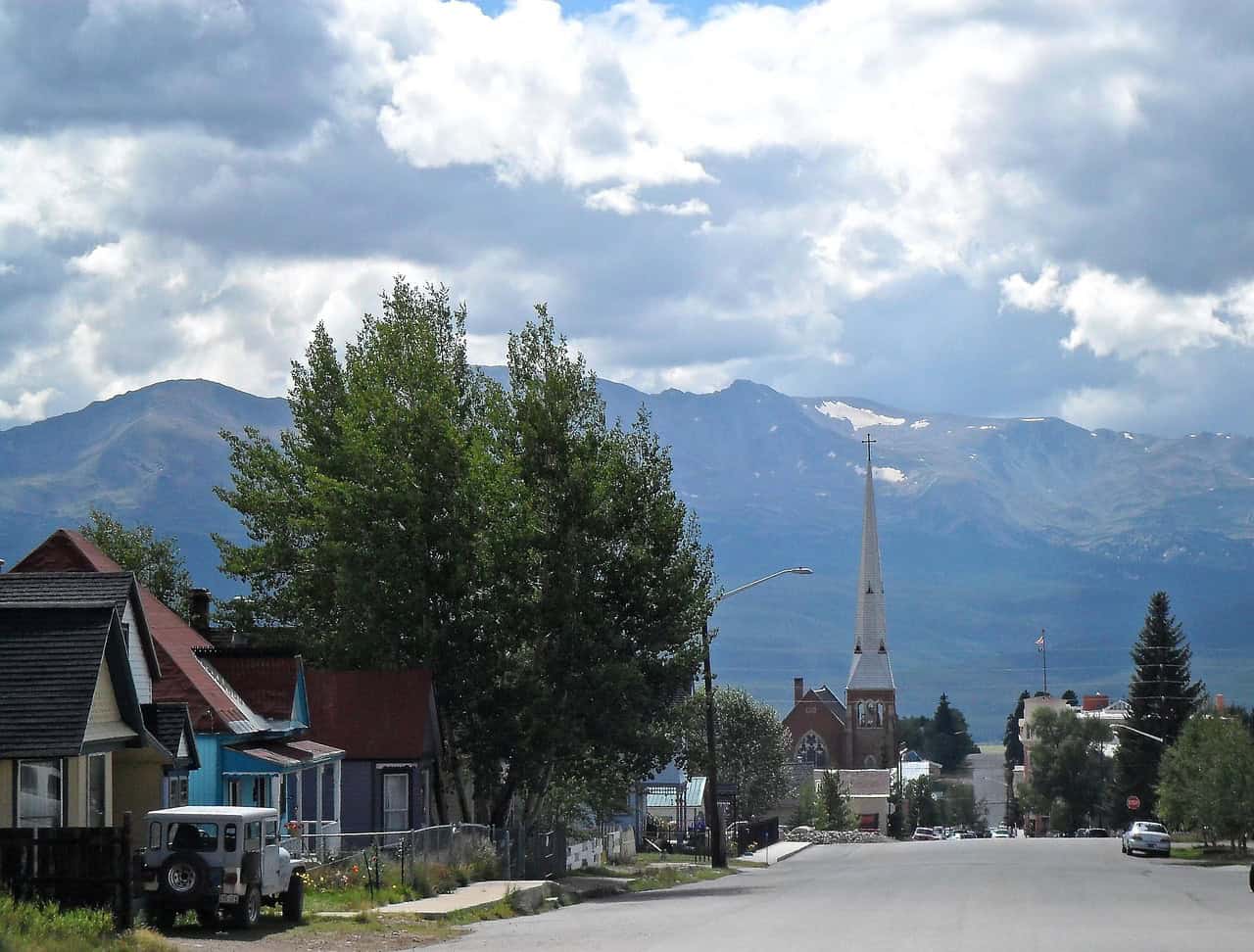
Leadville rises at over 10,000 feet, and its Victorian buildings lean into the drama of that elevation. Harrison Avenue runs straight through town, lined with brick blocks, false fronts, and the kind of detailed cornices that once signaled serious money. Silver fortunes came fast and left just as quickly, which froze a surprising amount of architecture in place when the boom ended. Modern businesses operate behind those original facades, but the basic outlines have barely moved. Even simple errands here take place against a backdrop that looks like it stepped out of an old photograph.
Jim Thorpe, Pennsylvania
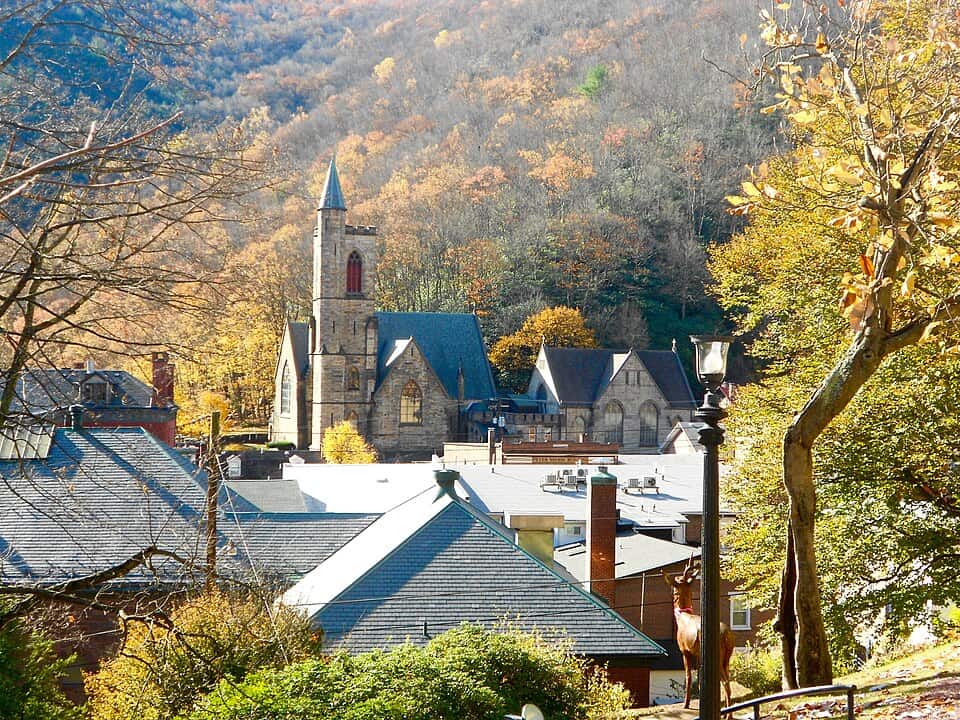
Jim Thorpe’s Victorian heart beats strongest along the slope where former mansion homes look down on the rail line and the river. Painted brick, pointed gables, and deep porches call back to an era when coal and canal money ran hot. Today, those same structures house inns, museums, and family homes, so the history never sits too far from regular routines. Down in the compact downtown, ornate commercial buildings lean into the curve of the street. The town feels cohesive not because it is preserved in amber, but because change has been filtered instead of rushed.
Bisbee, Arizona
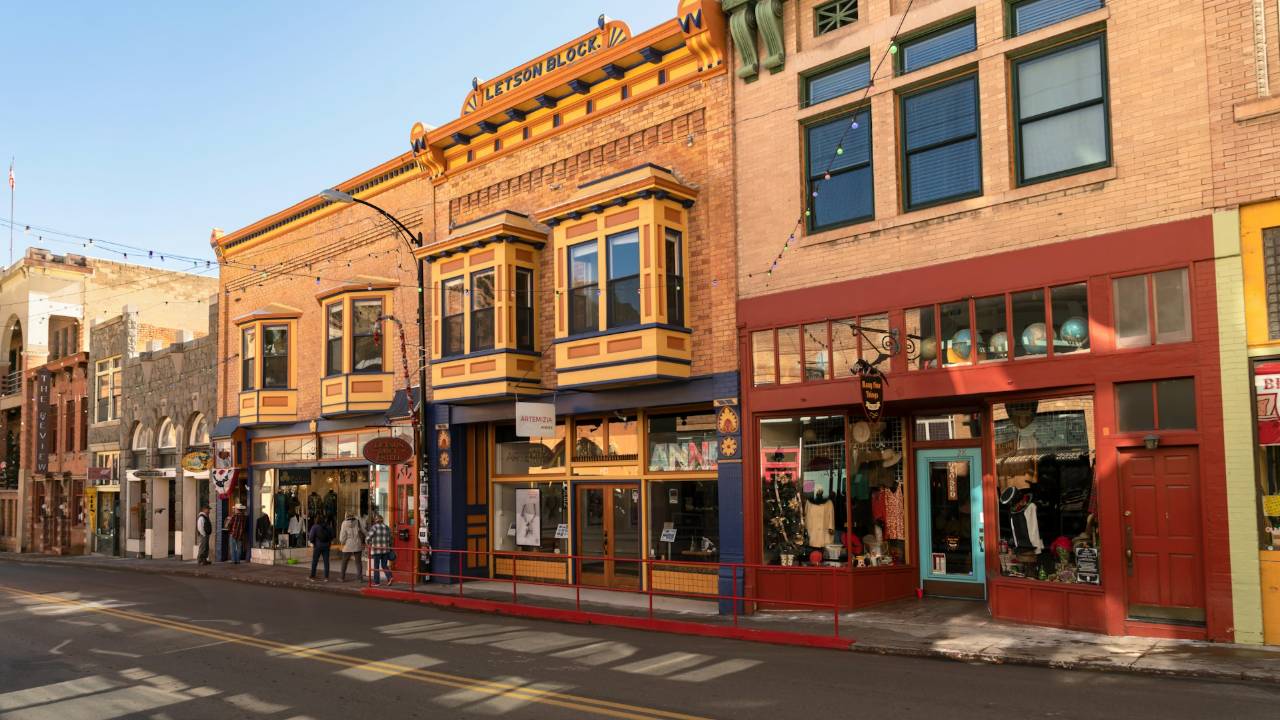
Bisbee climbs its canyon in a series of staircases and tight streets, and its Victorian-era buildings adapt to that terrain with surprising grace. Hotels and storefronts show off brick and stone detailing at street level, while above them, rows of houses cling to the hillsides with porches and tall windows. The mining legacy is visible in headframes and industrial relics, but the architectural layer feels unexpectedly refined. Artists and independent shop owners moved in as the mines quieted, filling those spaces without sanding off their character. The result is a town that feels both tough and ornate at once.
Nevada City, California
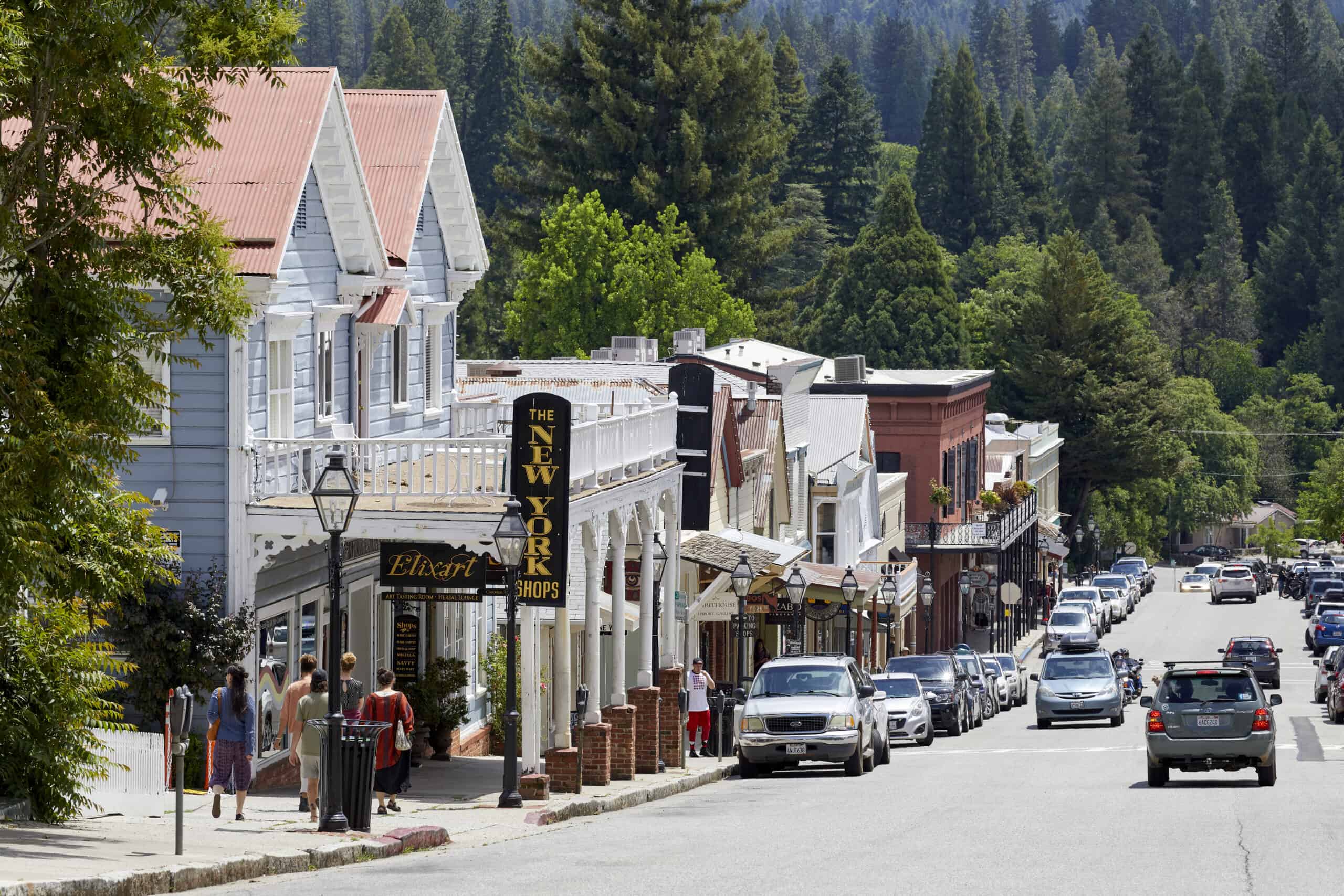
Nevada City’s downtown pulls together Gold Rush history and Victorian refinement in a way that still shapes daily life. Narrow streets weave past brick buildings with tall openings, wooden balconies, and shopfronts that keep their proportions even when interiors change. Just beyond, neighborhoods of gabled houses and bay windows sit under heavy trees, giving evenings a soft, almost theatrical quality. The town has long been a magnet for people who like old buildings and active arts scenes, which means preservation is not just policy; it is part of why residents choose to stay.
Bay View, Michigan
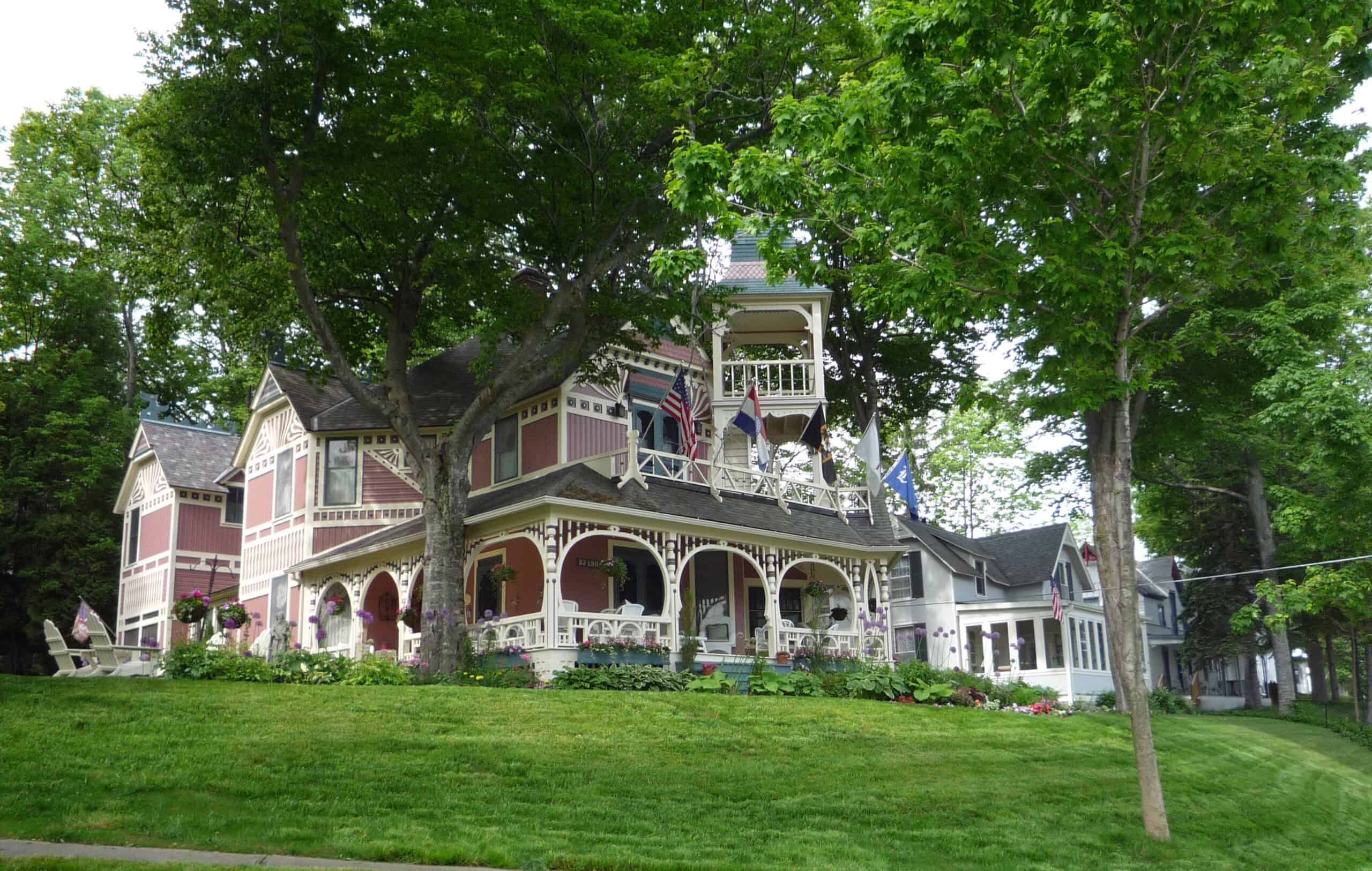
Bay View feels different from the others because it was born as a summer community and still follows that rhythm. Rows of Victorian cottages, many with bright paint and intricate trim, look out over Little Traverse Bay or cluster around commons and paths. Wraparound porches serve as living rooms as much as the spaces inside. A shared program of lectures, music, and gatherings runs each season, helping the architecture feel populated rather than frozen. When families return year after year to the same cottage, the continuity becomes both physical and emotional.