We may earn money or products from the companies mentioned in this post. This means if you click on the link and purchase the item, I will receive a small commission at no extra cost to you ... you're just helping re-supply our family's travel fund.
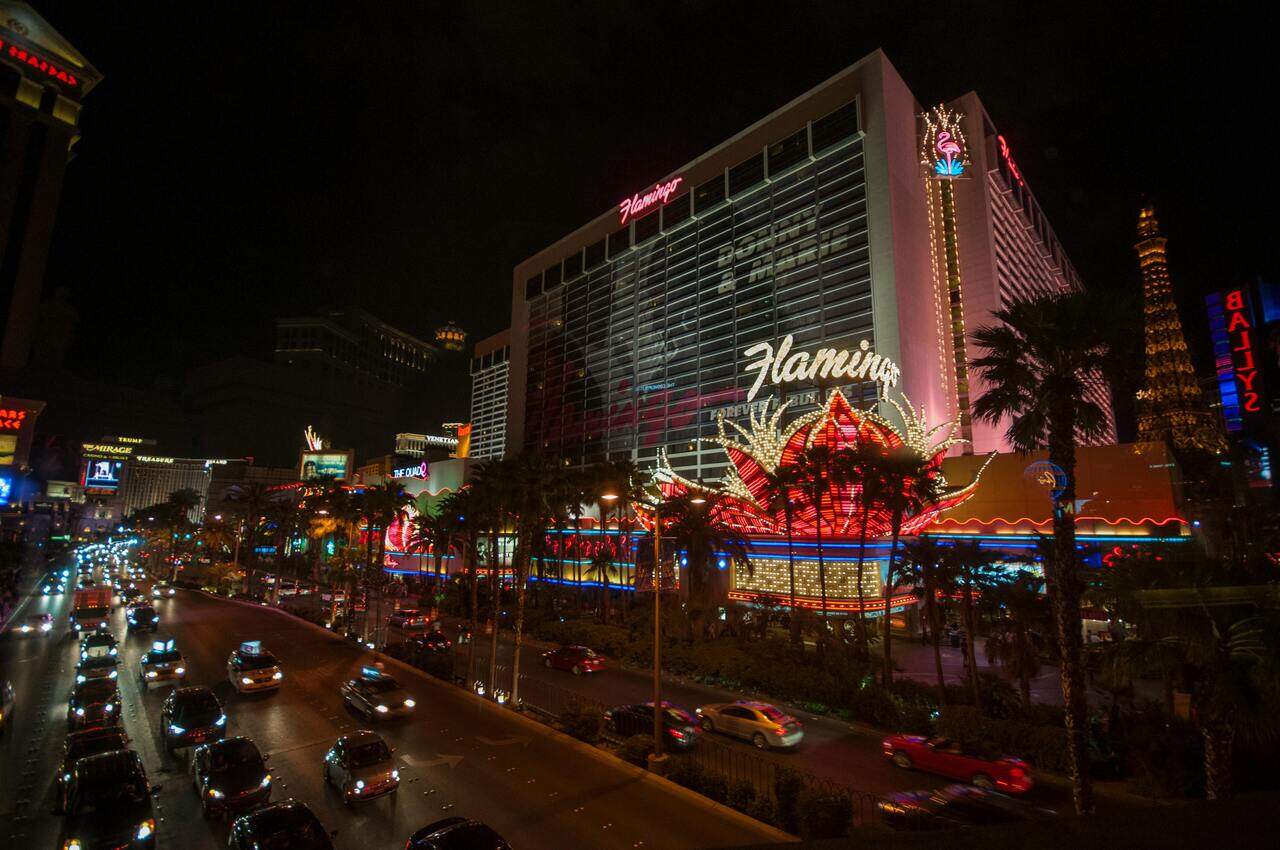
Las Vegas still sells the idea of limitless freedom, but the reality has shifted quietly over the past decade. As visitor numbers passed 40 million annually, city officials, resorts, and law enforcement introduced tighter rules to control crowds, protect revenue, and reduce liability. Many activities that once felt normal or were casually ignored are now restricted, fined, or actively enforced. Travelers who rely on outdated Vegas stereotypes often learn this the hard way. These are 11 things you truly can’t do in Las Vegas anymore, explained in detail so you know exactly where the lines are now drawn.
1. Drink Alcohol Anywhere on the Strip

Public drinking still exists, but it is no longer unlimited or careless. Clark County regulations now prohibit glass containers entirely on the Strip corridor, covering sidewalks, pedestrian bridges, and event zones. Security teams confiscate bottles daily, especially after 6 p.m., when enforcement spikes. Open alcohol must be in plastic cups, and certain high-traffic stretches temporarily ban drinking during events attracting 100,000+ visitors, such as New Year’s Eve. Ignoring this rule can result in citations exceeding $250, something rarely enforced a decade ago.
2. Smoke Freely Inside Every Casino
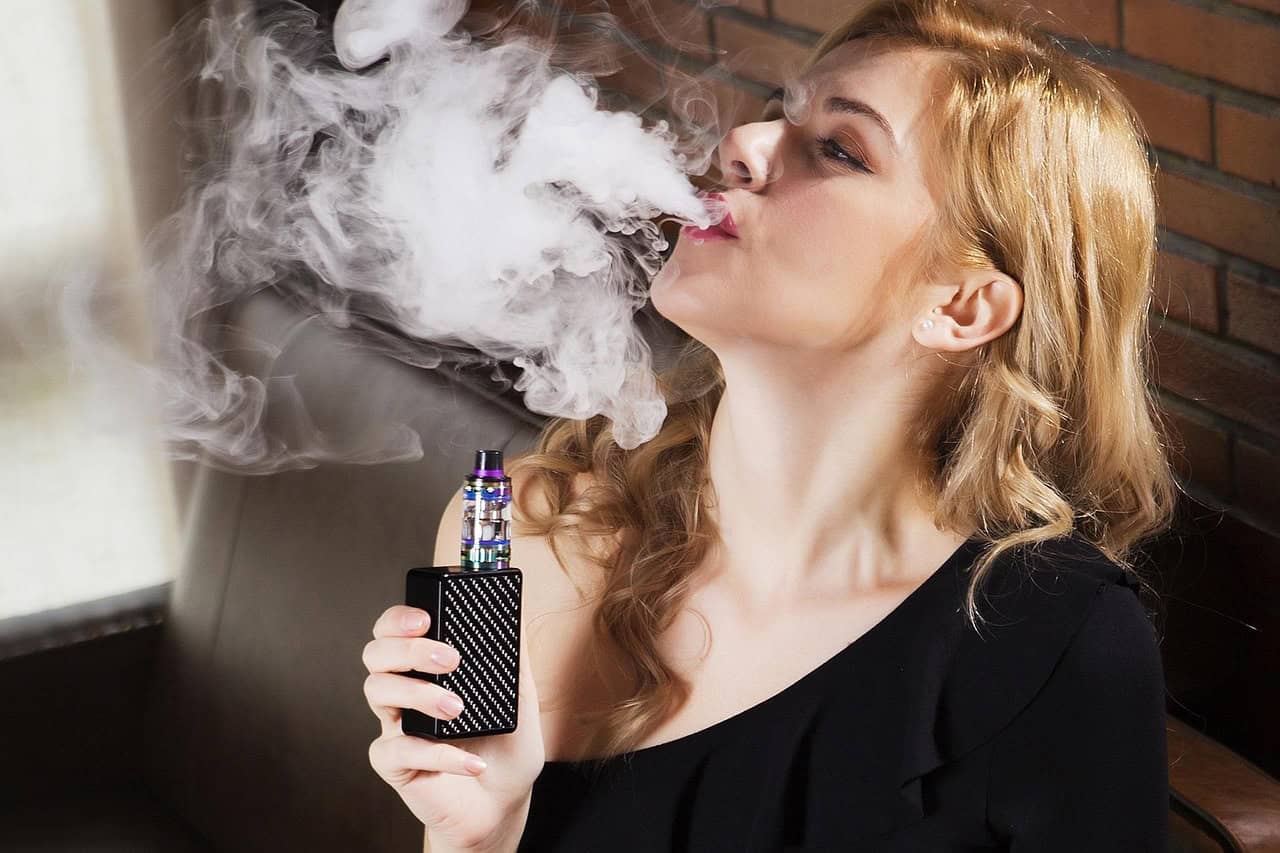
Smoking used to be inseparable from casino culture, but that era is fading fast. As of recent years, more than 35% of Strip casinos now operate partial or full non-smoking gaming floors. Several resorts removed smoking from hotel rooms entirely, citing health complaints and cleaning costs that average $300 per room. Lighting up outside designated zones can trigger security intervention within minutes. Visitor surveys show smoking complaints dropped over 40%, explaining why enforcement has tightened rather than relaxed.
3. Use Marijuana in Public Spaces
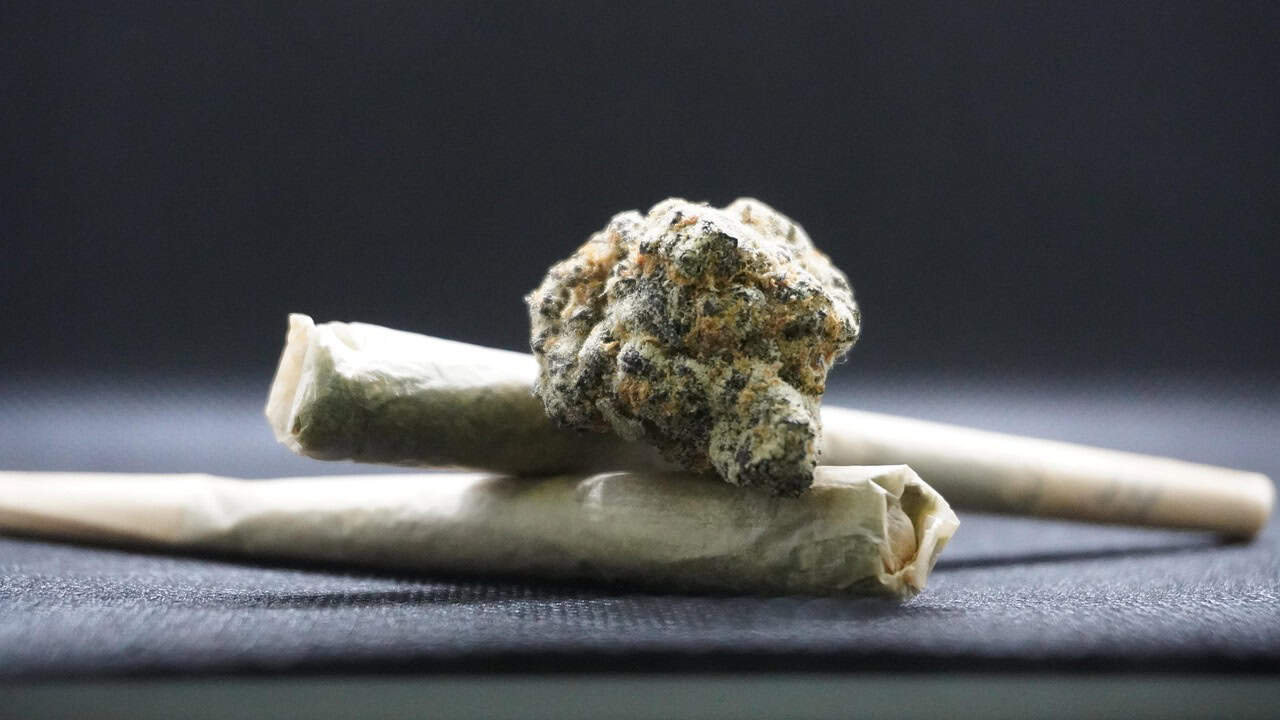
Nevada legalized recreational marijuana in 2017, but public consumption remains illegal statewide. That includes sidewalks, hotel balconies, parking garages, and casino entrances. Police issue thousands of citations annually, with fines starting around $600. Despite dispensaries operating legally, none are allowed to permit on-site consumption without special licensing. Tourists make this mistake daily, assuming legality equals freedom. Surveillance cameras and foot patrols now make enforcement far more consistent than it was even five years ago.
4. Take Photos With Performers Without Paying

Costumed showgirls and street performers are no longer informal attractions. Most operate under informal licensing and expect payment for photographs, typically $20–$40 per image. Taking pictures without tipping often escalates into disputes, and Metro Police receive regular complaints. Refusing payment after posing can lead to citations for disorderly conduct. With pedestrian density exceeding 200,000 people per mile on peak nights, authorities treat these interactions as commercial exchanges, not casual tourist moments.
5. Sleep Overnight in Your Car
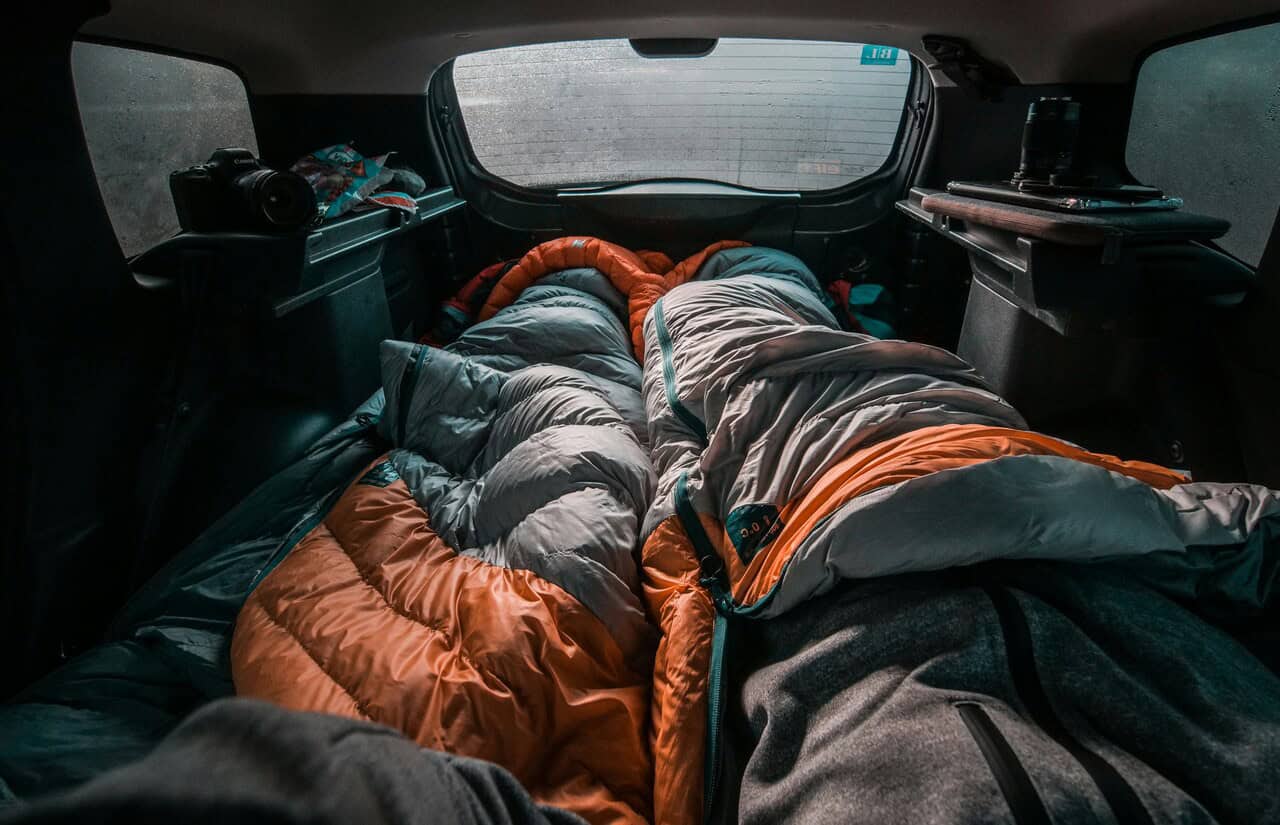
Sleeping in vehicles was once quietly tolerated, but rising homelessness numbers forced stricter action. Most casino garages now deploy overnight security patrols every 60–90 minutes. Vehicles showing signs of habitation, covered windows or repeated overnight presence are flagged. Towing fees often exceed $400, and citations can follow. City data shows vehicle-sleeping complaints rose nearly 30% in five years, pushing resorts to aggressively enforce no-sleep policies across private and semi-public property.
6. Hand Out Flyers or Escort Cards
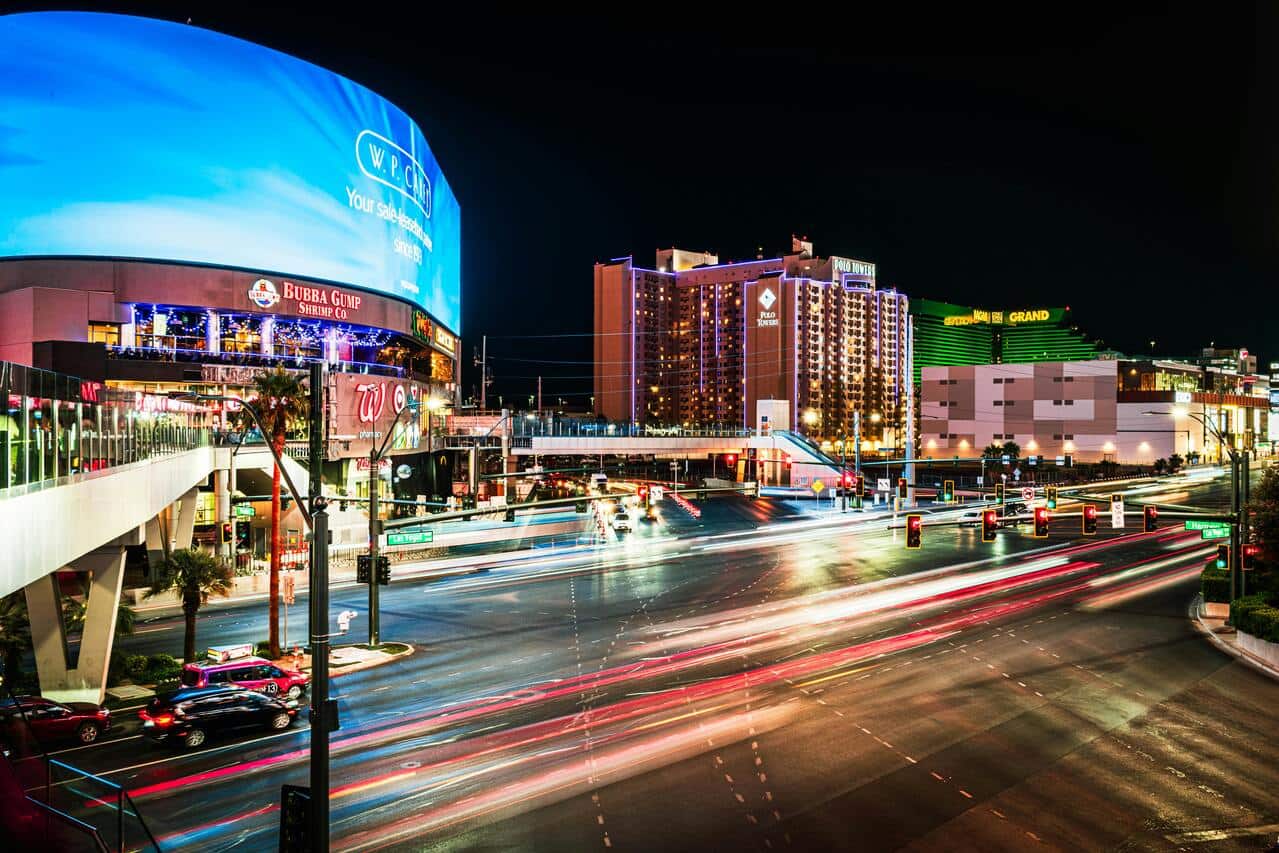
The iconic sidewalk flyer scene is largely gone. Clark County banned unpermitted handbill distribution, with fines reaching $1,000 per violation. Enforcement increased after pedestrian congestion studies showed flyers caused 15–20% slower foot traffic during peak hours. Only licensed promoters with designated zones can operate legally. Security teams confiscate materials immediately, and repeat offenders face arrest. What once felt like harmless chaos is now treated as a public obstruction issue.
7. Assume Parking Is Always Free
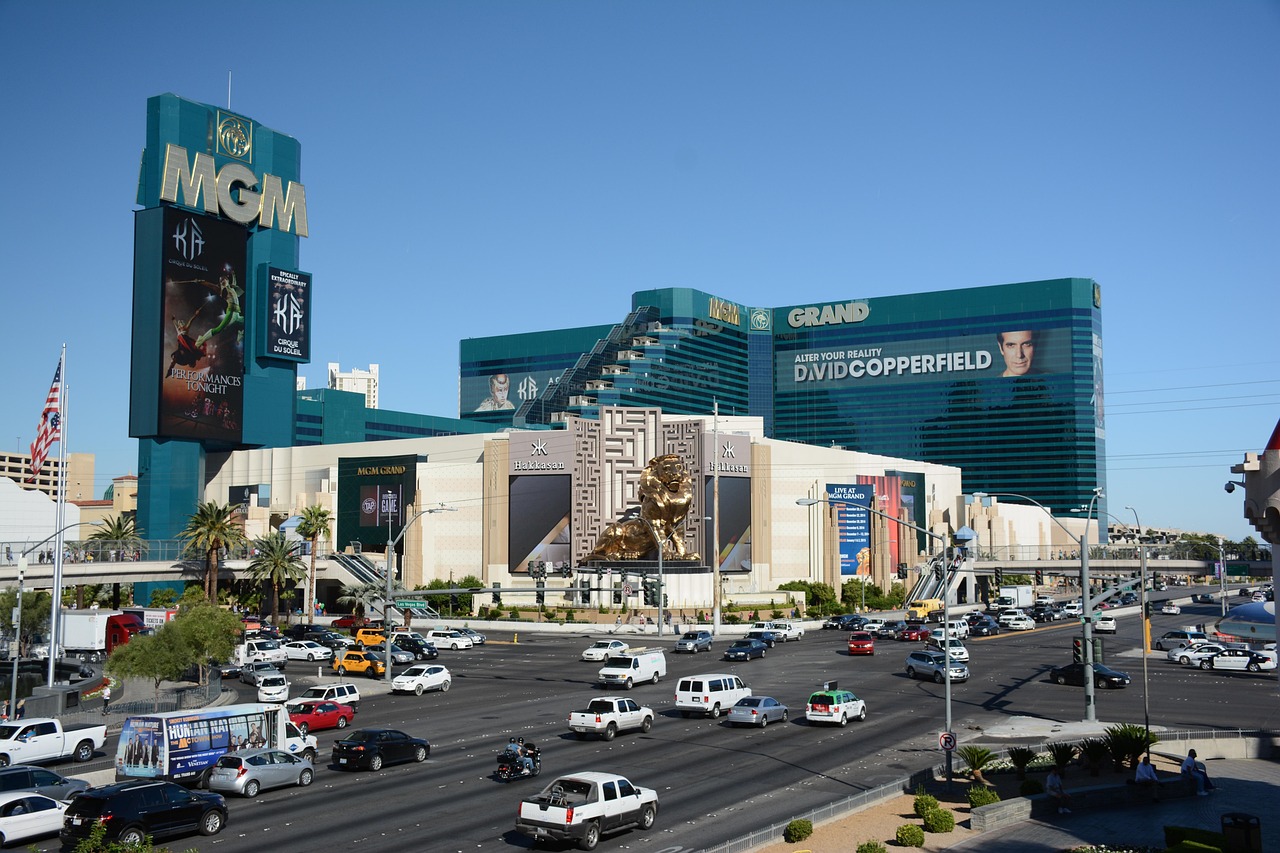
Free parking used to be universal, but today over 70% of Strip resorts charge for self-parking or valet. Rates commonly range from $15 to $25 per day, spiking during major events. Some properties adjust pricing dynamically based on occupancy and convention schedules. Locals and hotel guests may receive limited exemptions, but casual visitors hopping between casinos now pay repeatedly. Parking revenue now contributes tens of millions annually to resort operating budgets.
8. Party Loudly on Hotel Balconies
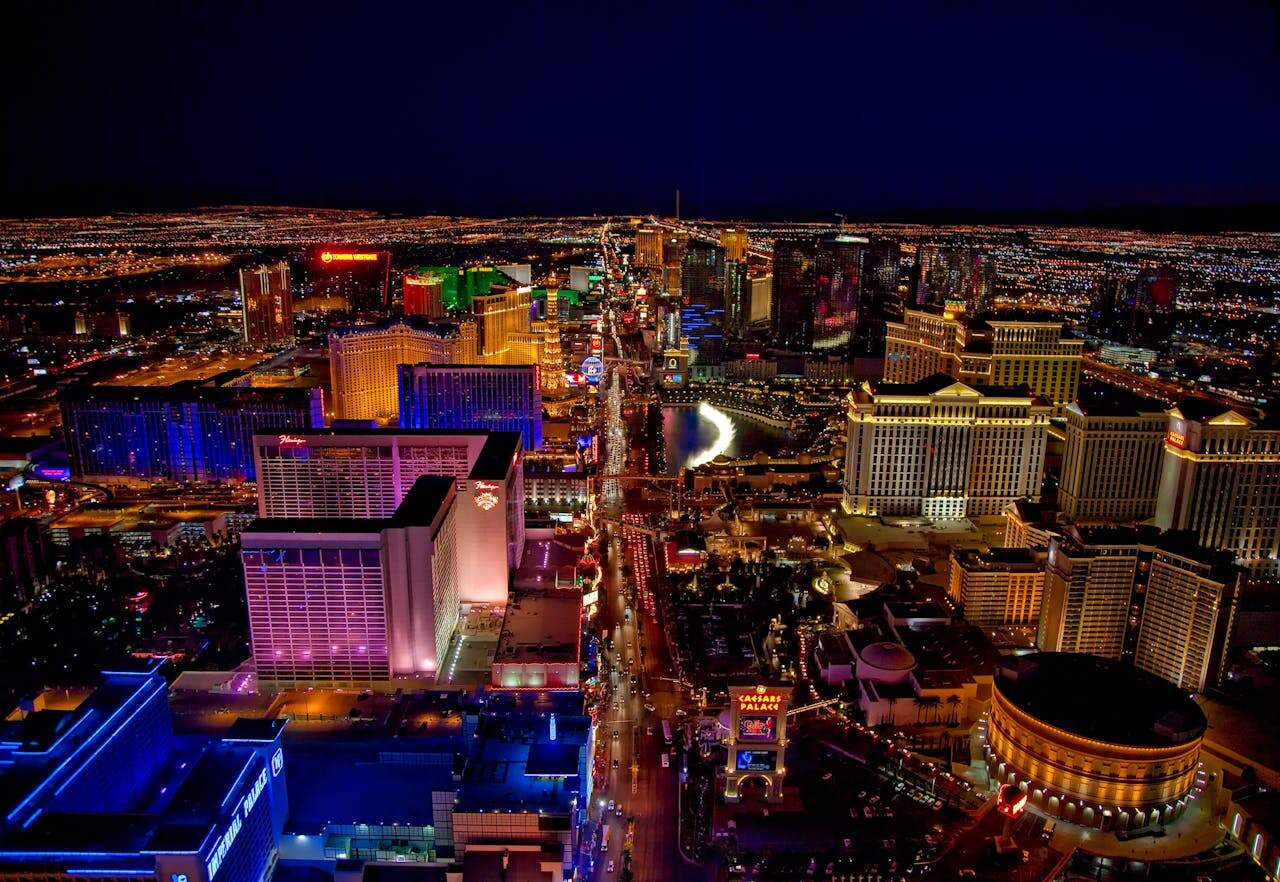
Balcony behavior is tightly regulated due to safety and liability concerns. Noise complaints now trigger warnings within one documented incident, not multiple. Fines often exceed $500, and eviction without refund is common for repeat violations. Some resorts have removed balcony access entirely after objects were thrown, leading to injuries and lawsuits costing millions. Security monitoring intensified after occupancy returned to 90%+ levels, leaving little tolerance for disturbances.
9. Record Video Freely Inside Casinos

Casinos are private property, and filming policies are strictly enforced. Recording near gaming tables, security desks, or cashier areas is prohibited. Surveillance teams often spot phones within seconds, especially in high-limit areas handling $100,000+ nightly action. Visitors filming social content are frequently stopped and asked to delete footage. Repeat violations can result in removal or bans. The rule protects both patron privacy and casino security operations.
10. Get Married Instantly at Any Hour

Vegas still processes tens of thousands of weddings annually, but spontaneity has limits. Marriage licenses are only issued during specific hours, typically 8 a.m. to midnight, and valid identification is mandatory. Late-night chapel ceremonies still require pre-issued licenses. Clark County processes roughly 70,000 licenses per year, and tighter documentation rules reduced errors by over 25%. The “walk in at 3 a.m.” myth no longer matches reality.
11. Ignore Temporary Event Laws
Major events now trigger temporary legal frameworks. During Formula 1, New Year’s Eve, and large conventions, pedestrian zones close, drones are banned, and alcohol rules tighten. Police presence increases by 30–40%, and violations that might earn warnings on normal days result in immediate citations. With single events drawing 300,000+ visitors, the city prioritizes crowd control over spontaneity. Old-school Vegas flexibility disappears during these high-impact periods.