We may earn money or products from the companies mentioned in this post. This means if you click on the link and purchase the item, I will receive a small commission at no extra cost to you ... you're just helping re-supply our family's travel fund.
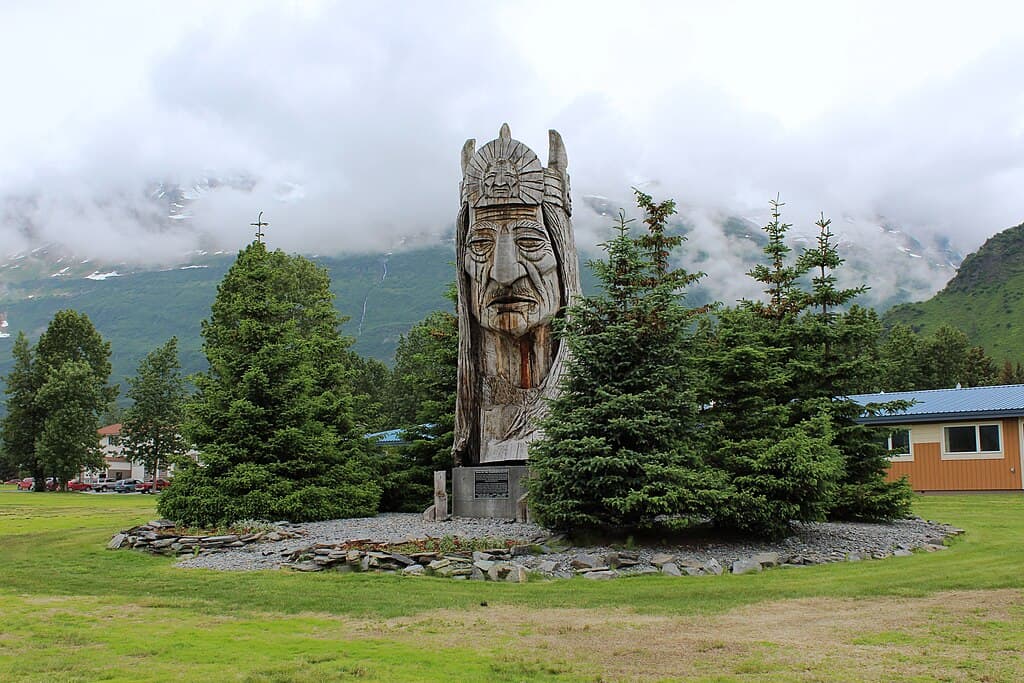
For decades, oversized roadside statues often called roadside giants, have loomed beside highways, diners, and rest stops, serving as eye-catching landmarks and marketing tools. Most were erected between the 1950s and 1980s, when traffic volumes were lower and safety setbacks were minimal. Today, higher travel speeds, stricter right-of-way laws, and aging construction materials have changed how these structures are evaluated. Many now sit too close to fast-moving traffic or suffer from structural decline. As a result, transportation agencies increasingly remove or relocate these giants, prioritizing public safety over nostalgia.
1. Frank-N-Stein : Gary, Indiana

Frank-N-Stein stood about 30 feet tall and became a Midwest roadside icon after its installation in 1965. Positioned near a growing traffic corridor, the fiberglass giant endured decades of wind exposure. By the early 1980s, engineers estimated a 40% structural failure risk during severe storms. In 1982, winds exceeding 68 mph knocked the statue over, confirming long-standing safety concerns. Traffic volumes nearby had risen to approximately 38,000 vehicles per day, making reconstruction unsafe. Officials ultimately removed the remains, citing both collapse risk and increased liability tied to higher driving speeds.
2. Junípero Serra Statue : Hillsborough, California
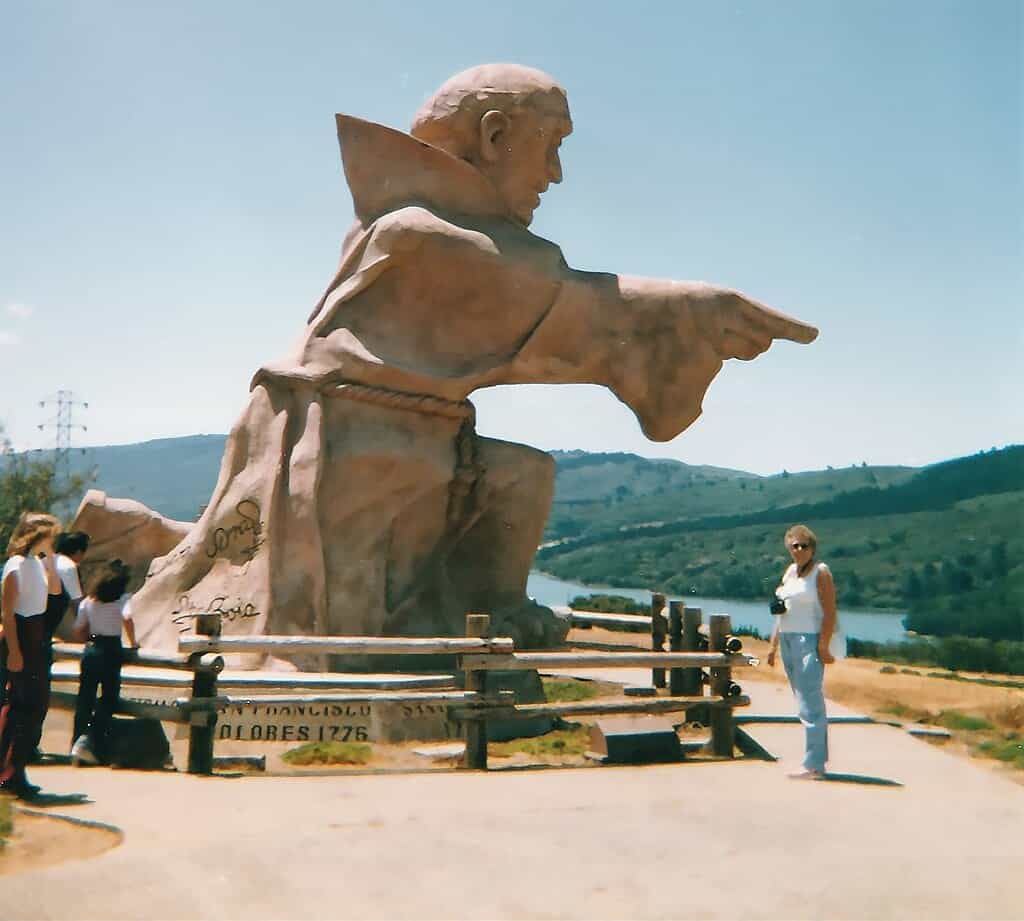
This 26-foot-tall statue stood near Interstate 280, where vehicles routinely travel at 65 mph or more. Installed in 1988, it was later found to fall short of modern seismic and anchoring standards. With over 140,000 vehicles passing daily, even small debris posed a serious roadway hazard. Repeated vandalism further weakened the structure, driving annual maintenance costs close to $70,000. Transportation officials determined that reinforcing the statue would not sufficiently reduce risk, especially given earthquake exposure and high-speed traffic, leading to its removal for safety compliance.
3. Pegasus and Cassiopeia Sculptures : Nevada State Route 488
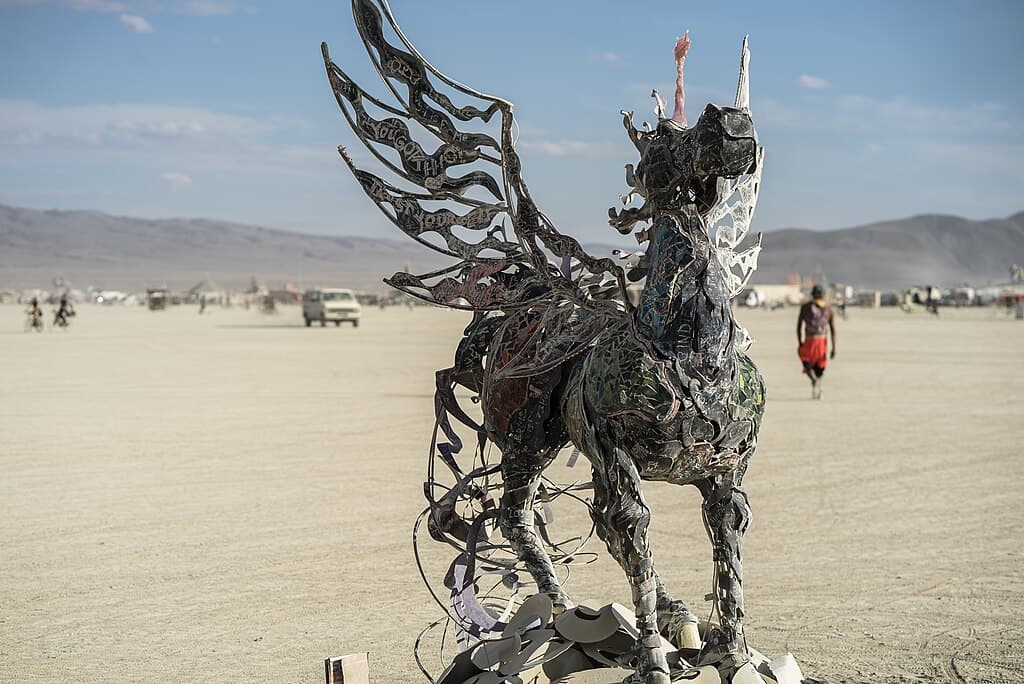
These roadside sculptures ranged from 20 to 30 feet tall and were installed in the early 2000s along a rural highway. Over time, traffic increased by 22%, with vehicles averaging speeds near 62 mph. Engineers found the sculptures violated Nevada’s required 30-foot clear zone, placing them directly in potential impact paths. At highway speeds, even a single vehicle departure could have catastrophic results. Despite public support for the art, officials ordered removal, concluding that visibility distractions and proximity to fast-moving traffic created unacceptable safety risks.
4. Whispering Giant Sculpture : Akron, Ohio
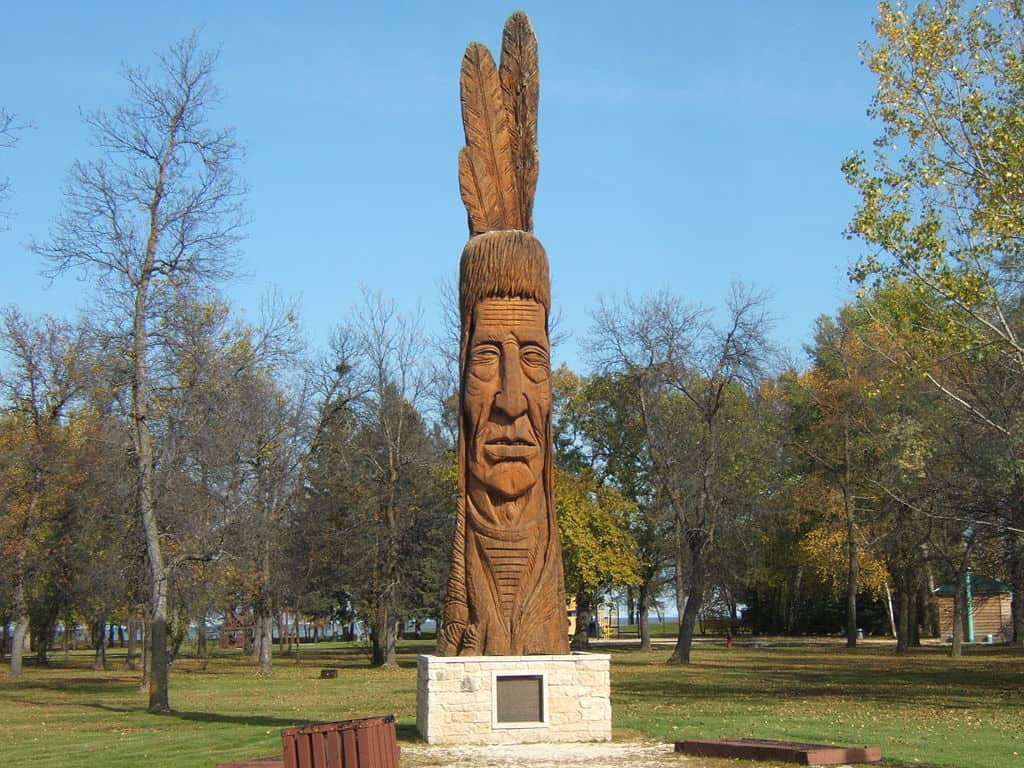
Carved from a single cottonwood tree, this 25-foot wooden giant was installed in 1984 as part of a national sculpture series. After more than three decades outdoors, internal decay compromised roughly 35% of its core. Structural testing showed the statue could fail in winds above 40 mph. Located near a pedestrian-accessible roadside area receiving about 500 visitors per week, the risk of sudden collapse was deemed too high. In 2018, officials dismantled the sculpture, preserving select portions while removing the unstable structure from public space.
5. Muffler Man (Native American Figure) : Bemidji, Minnesota
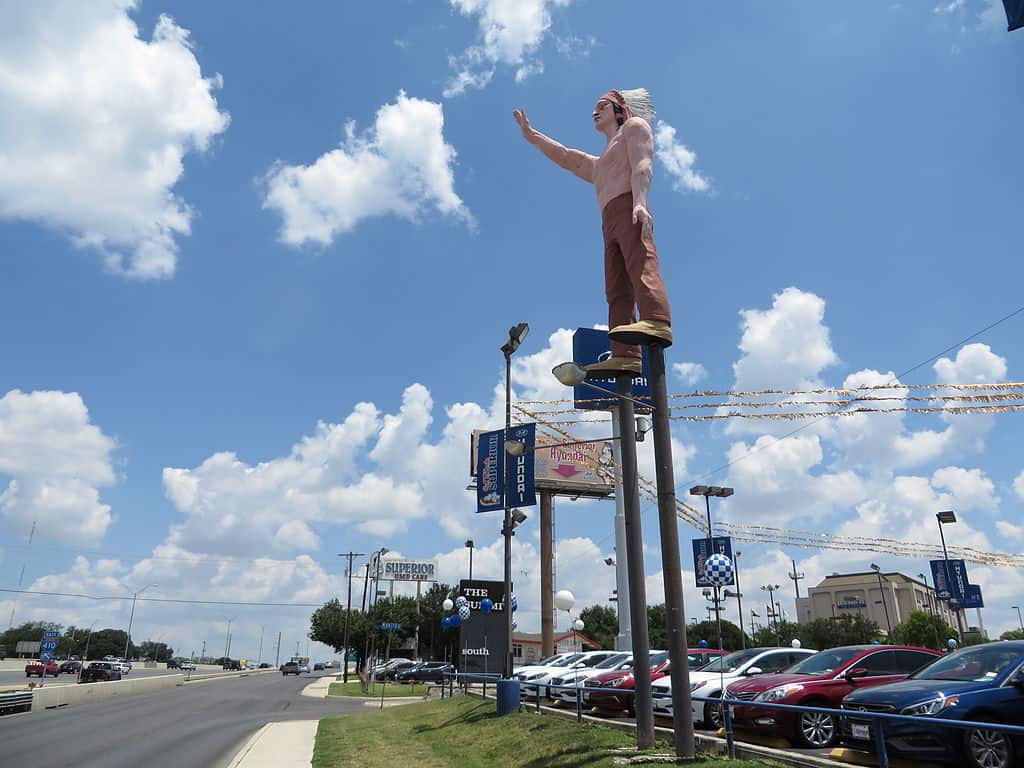
Standing 22 feet tall and weighing approximately 4,000 pounds, this Muffler Man was installed in 1969 beside a road carrying about 21,000 vehicles daily. Over time, foundation settling of nearly 5 inches caused visible leaning. Fiberglass degradation increased wind sensitivity, and nearby traffic routinely traveled near 55 mph. Insurance costs rose by 45%over ten years as risk assessments worsened. Rather than reinforce the aging structure near a busy roadway, the city relocated it indoors, eliminating roadside exposure while preserving the statue’s historical value.
6. Ore Obelisk : Perth, Australia

The Ore Obelisk reached 49 feet in height and was installed in 2009 near a major intersection handling roughly 60,000 vehicles per day. Inspections revealed corrosion at key joints, reducing load tolerance during storms where winds commonly reach 47 mph. Engineers estimated repair costs at $1.3 million, far exceeding available budgets. Given the structure’s proximity to traffic and the risk of falling debris, officials chose dismantling over reinforcement. The obelisk was placed into storage, removing a potential hazard from a high-speed urban roadway.
7. Paul Bunyan Statue : Near Klamath, California
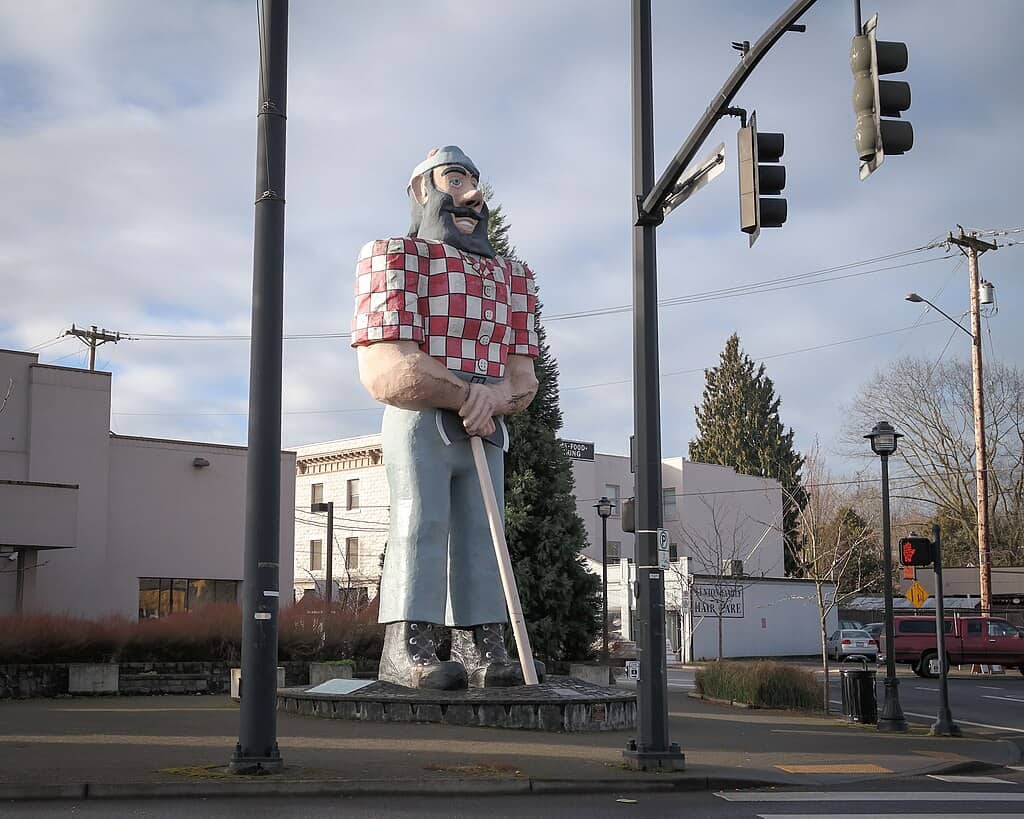
This towering Paul Bunyan figure stood about 33 feet tall and weighed over 8,000 pounds. Installed in 1957, it sat just 13 feet from a highway lane now governed by stricter setback laws requiring nearly 30 feet. Traffic volumes grew to 27,000 vehicles per day, with speeds commonly reaching 60 mph. Engineers documented a 50% increase in metal fatiguewithin the internal supports. Rather than risk collapse or vehicle impact, officials removed the statue, concluding it could not be safely retrofitted for modern traffic conditions.
8. Roadside Dinosaur : Southern Arizona
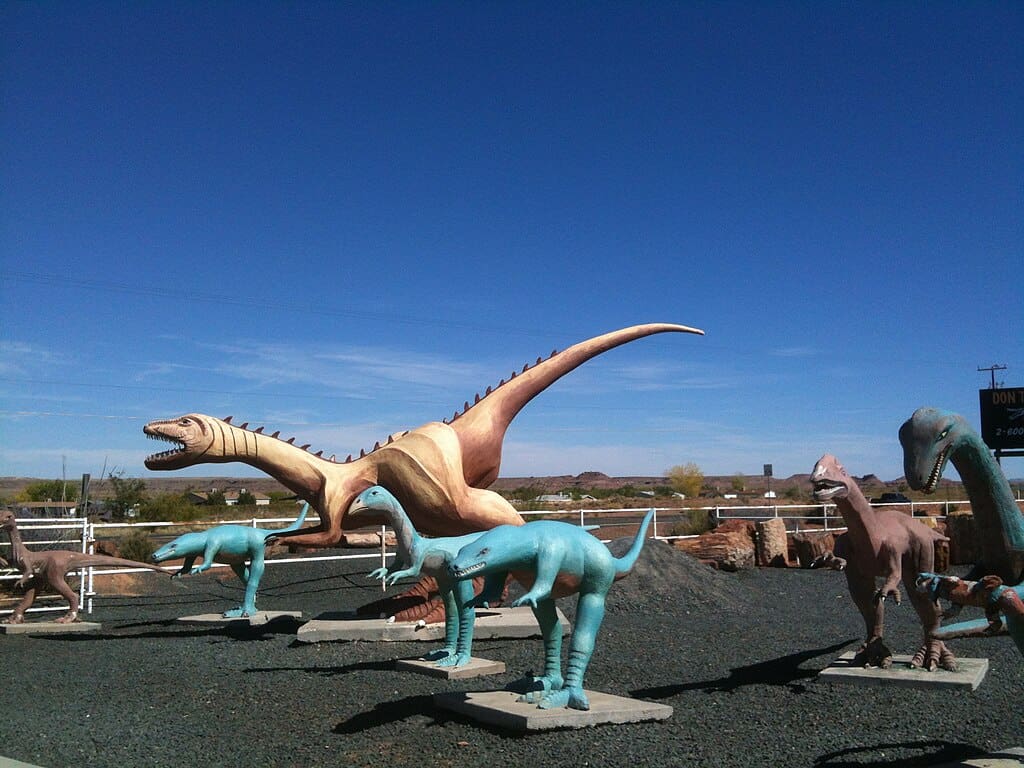
This concrete dinosaur measured 20 feet tall and weighed nearly 5,500 pounds. Built in 1974, it sat just 16 feet from the pavement edge of a highway now carrying triple its original traffic volume. Structural cracks widened to 0.6 inches, and stability tests showed it failed modern codes. Vehicles regularly pass at 62 mph, meaning a single roadway departure could trigger severe secondary collisions. Given the combined risks of age, proximity, and speed, officials removed the dinosaur to meet updated safety standards.