We may earn money or products from the companies mentioned in this post. This means if you click on the link and purchase the item, I will receive a small commission at no extra cost to you ... you're just helping re-supply our family's travel fund.
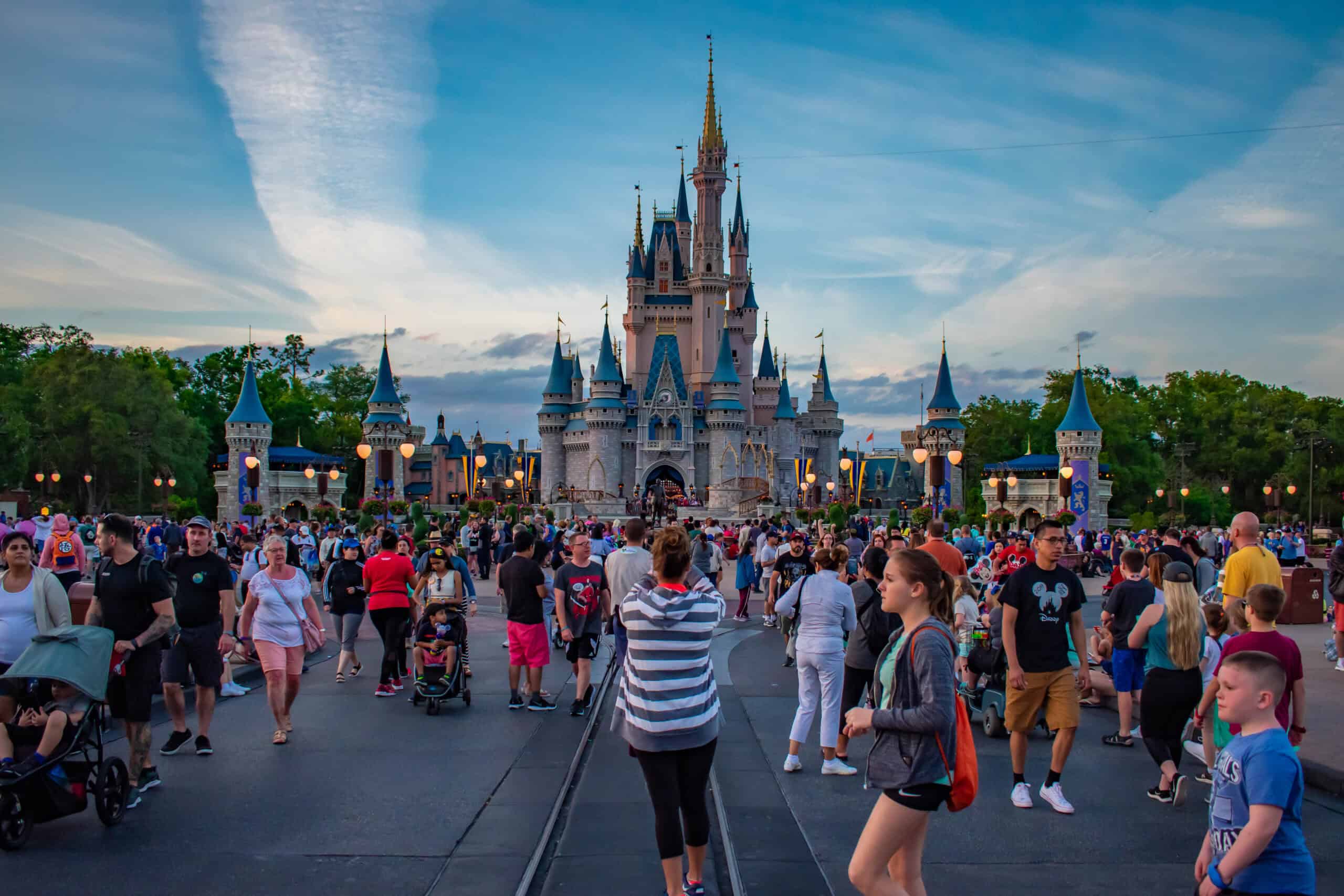
For many Americans, Disney World still carries real emotional weight, but the old promise of easy joy feels harder to reach. The parks remain imaginative, polished, and full of iconic moments, yet the trip now asks more from families than it once did. Rising prices, app-heavy planning, weather interruptions, and a growing menu of paid upgrades can make the experience feel less spontaneous. The frustration is rarely about one bad ride or one bad day. It is the feeling that the magic now comes with more friction.
Ticket Prices Keep Pushing The Trip Out Of Reach
The biggest complaint is still the simplest one: the cost of getting in. Disney’s official ticket page currently shows standard date-based one-day tickets starting at $119 for ages 10 and older, and Disney’s admissions page lists the Walt Disney World Annual Pass at $1,629 before tax. Reuters also reported that one-day Walt Disney World tickets on peak holiday dates in 2026 will move above the old $199 ceiling. For many households, the emotional math changed before the vacation even started.
The Add-Ons Make The Base Price Feel Misleading
Many guests feel the posted ticket price is only the beginning. Disney now layers in optional paid tools like Lightning Lane passes, and the official Lightning Lane page shows how much pre-selection and purchasing happens before or during park days. On top of that, Disney After Hours events in 2026 are separately ticketed, with official pricing ranges from $155 to $199 plus tax depending on park and date. Americans who remember a simpler one-ticket trip often see the new model as pay-more-to-enjoy-more.
Families Are Taking On Debt To Make The Trip Happen

The money pressure is not just a feeling. LendingTree’s 2024 survey of over 2,000 U.S. consumers found that 24% of Disney-goers said they had gone into debt for a trip, and that figure rose to 45% among parents with children under 18. The same survey notes that many of those debts were taken on recently, which lines up with broader inflation-era travel strain. Once a vacation starts showing up on a credit card statement for months, resentment can replace nostalgia fast.
Food, Hotels, And Transportation Blow Up Budgets

lightfieldstudios/123rf
Even when families save for tickets, the rest of the trip can still spiral. LendingTree found that among Disney-goers who took on debt, 65% said in-park food and beverages cost far more than expected, 48% pointed to transportation, and 47% pointed to accommodations. Disney’s own systems also reflect how much spending now happens through in-app ordering and planning tools, which makes every snack, meal, and add-on highly visible in real time. For many Americans, the budget stress follows them all day.
The Trip Now Feels Like A Phone-Based Workflow

A major shift is how much of Disney World runs through a screen. Disney’s official app pages promote mobile planning, digital passes, Lightning Lane management, and mobile food ordering, while the App Store listing highlights real-time wait times, dining reservations, maps, and in-app purchases as core features. That convenience works for some travelers, but it also changes the mood of the day. Americans who wanted a break from phones often feel they are spending premium money to stare at one even more.
Planning Starts Too Early And Feels Too Detailed

Disney vacations now reward people who plan aggressively. The dining FAQ shows that most reservations open 60 days in advance, and Disney’s Lightning Lane system asks guests to choose parks, passes, and return windows as part of the process. That structure helps highly organized travelers, but it can drain the fun for everyone else. Many Americans miss the older version of the trip, when a family could show up, wander, and still feel like the best parts of the day were not already spoken for.
Reservations Are Better Than Before, But Still Not Fully Simple
Disney has reduced some of the old reservation friction, but not all of it. The official park reservation page says date-based tickets no longer need theme park reservations, which was a meaningful improvement. At the same time, the same page states that several other admission types, including Annual Passes and some special tickets, may still require reservations and are subject to availability rules. For returning guests, that partial simplification still feels like complexity, just with fewer steps than before.
Florida Weather Can Turn A High-Cost Day Into A Washout
Even a well-planned Disney day can be undone by heat and storms. The National Weather Service notes that heat index guidance is based on shade conditions and that full sunshine can raise the apparent temperature by up to 15°F, which matters in Central Florida lines and open walkways. NWS lightning guidance is just as blunt: if thunder is heard, people should move indoors and stay there for 30 minutes after the last clap. When weather eats hours from an expensive ticket, frustration lingers.
Refurbishments Can Make A Carefully Planned Trip Feel Incomplete
Disney World is constantly updating rides and infrastructure, which is good long term but frustrating in the moment. Disney’s own FAQ tells guests to check the park hours calendar for attractions scheduled for refurbishment, which is a polite way of saying favorite rides may be down during a visit. For families planning around one signature attraction or a child’s must-do list, even one closure can reshape the day. Americans do not usually mind maintenance. They mind paying top dollar and missing the headliner.
Long Lines Still Wear People Down Despite Better Tools
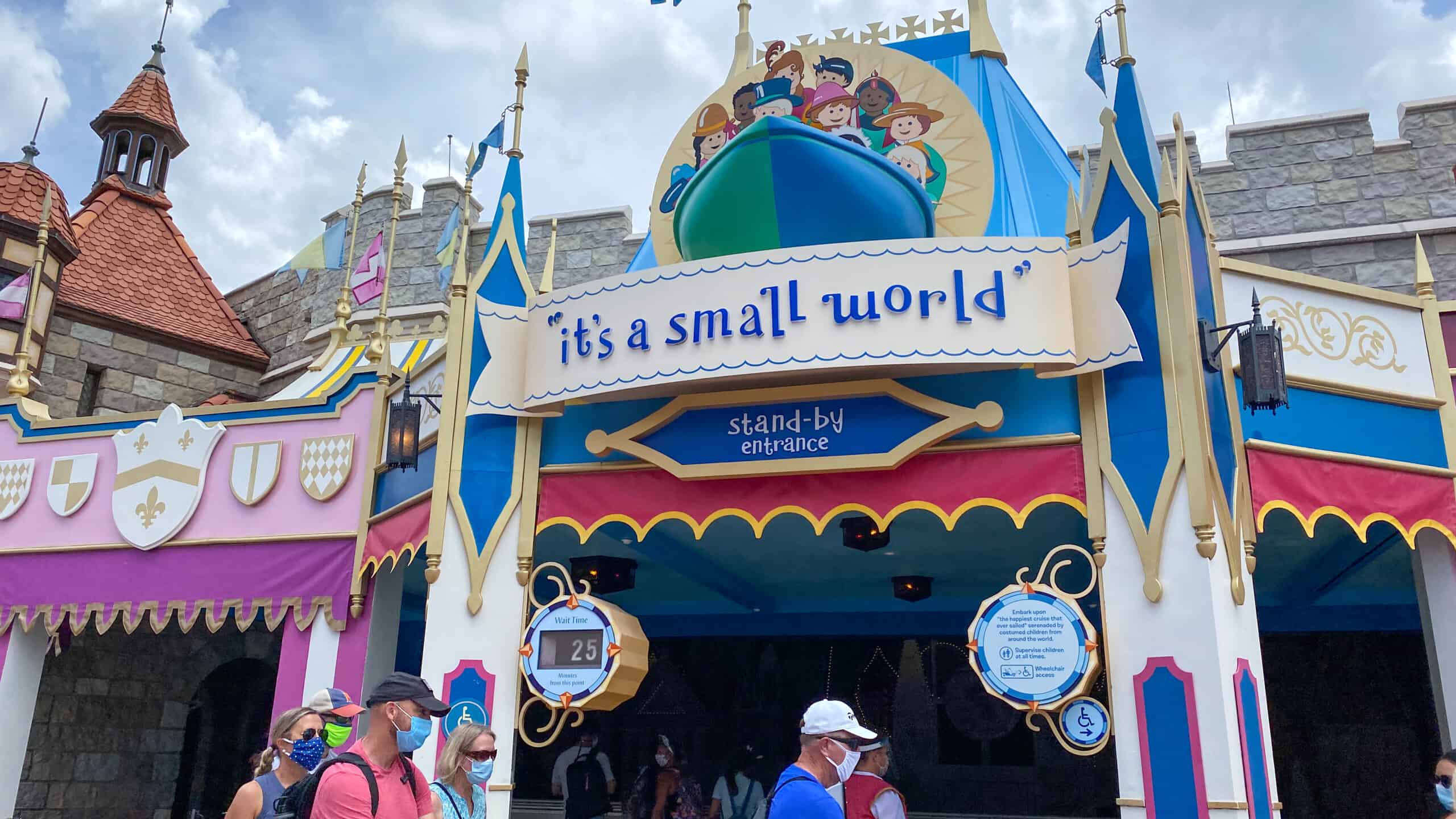
Digital tools can help manage lines, but they do not erase the emotional fatigue of crowds. The Disney app itself is built around real-time wait times and line-reduction features, which shows how central queue management has become to the experience. LendingTree also found that among people who have never visited a theme park, 26% cited lines as a reason. For many Americans, the issue is not only wait length. It is the feeling that the day is now built around avoiding bottlenecks instead of enjoying the park.
Orlando Now Has More Competition For The Same Vacation Dollars
Disney no longer owns the same uncontested place in an Orlando trip that it once did. Reuters reported that Comcast’s Epic Universe in Orlando represents an estimated $7 billion investment and a major expansion for Universal, with analysts calling it a stronger competitive threat to Walt Disney World than before. Reuters also noted that Disney still dominates Orlando attendance, but competition is getting sharper. For Americans comparing price, novelty, and effort, Disney now has to win the trip, not just inherit it.