We may earn money or products from the companies mentioned in this post. This means if you click on the link and purchase the item, I will receive a small commission at no extra cost to you ... you're just helping re-supply our family's travel fund.

Exploring Black-history museums means stepping into places where memory is protected, voices are honored, and history breathes with emotion and truth. These museums do not simply hold artifacts; they protect centuries of resilience, courage, art, trauma, brilliance, and cultural legacy. Whether standing before memorial walls, walking through powerful galleries, or hearing the echo of recorded testimonies, visitors find themselves learning, reflecting, and understanding how deeply African American history has shaped nations and human progress.
1. National Museum of African American History and Culture : Washington, D.C.
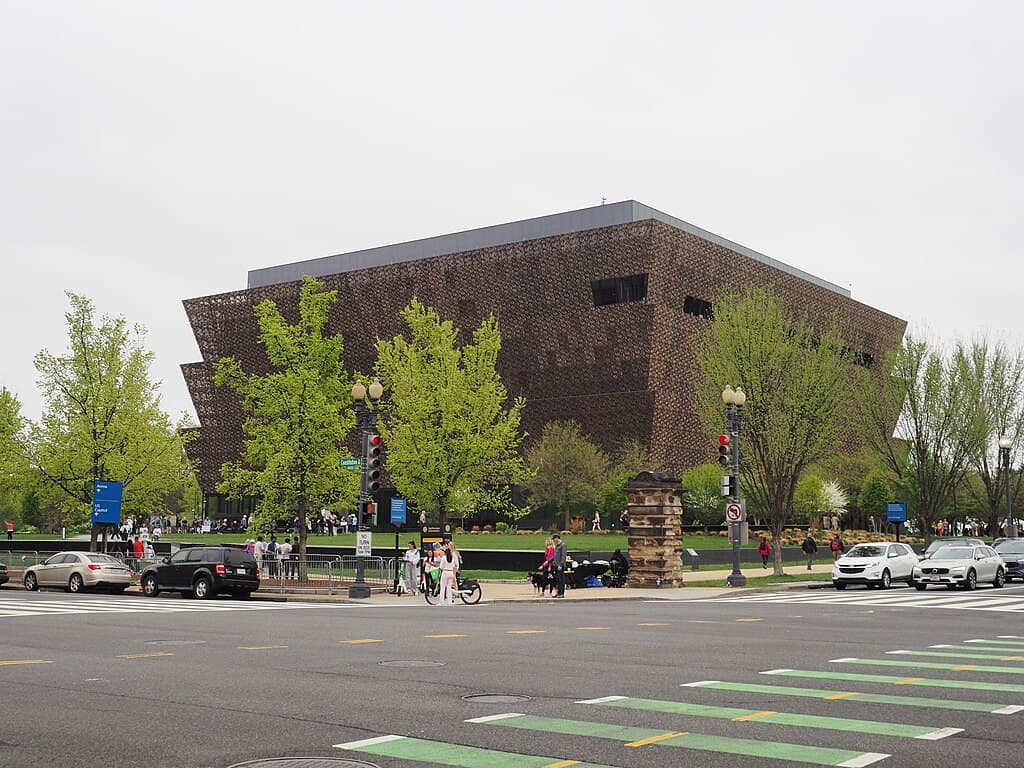
This Smithsonian museum opened in 2016 and spans over 400,000 square feet, holding more than 40,000 artifacts, with at least 3,500 items displayed at any given time. Every year, nearly 2 million visitors walk through its layered floors, beginning underground with the painful history of enslavement and rising toward exhibits of culture, sports, and music. Interactive timelines, archival documents, and powerful installations make it not only America’s best-known Black-history museum but also one of the most emotionally unforgettable cultural spaces in the world.
2. National Civil Rights Museum at the Lorraine Motel : Memphis, Tennessee

Built around the very motel where Dr. Martin Luther King Jr. was assassinated on April 4, 1968, this museum opened in 1991 and attracts more than 300,000 visitors each year. Covering decades of history across over 260 artifacts, films, recordings, and life-sized exhibits, it traces the fight for justice from the 1600s through the modern era. Visitors can view Room 306, preserved as it was on the day of King’s death, making the experience deeply personal and historically grounding while reminding people how movements are built by ordinary citizens.
3. Legacy Museum & National Memorial for Peace and Justice : Montgomery, Alabama
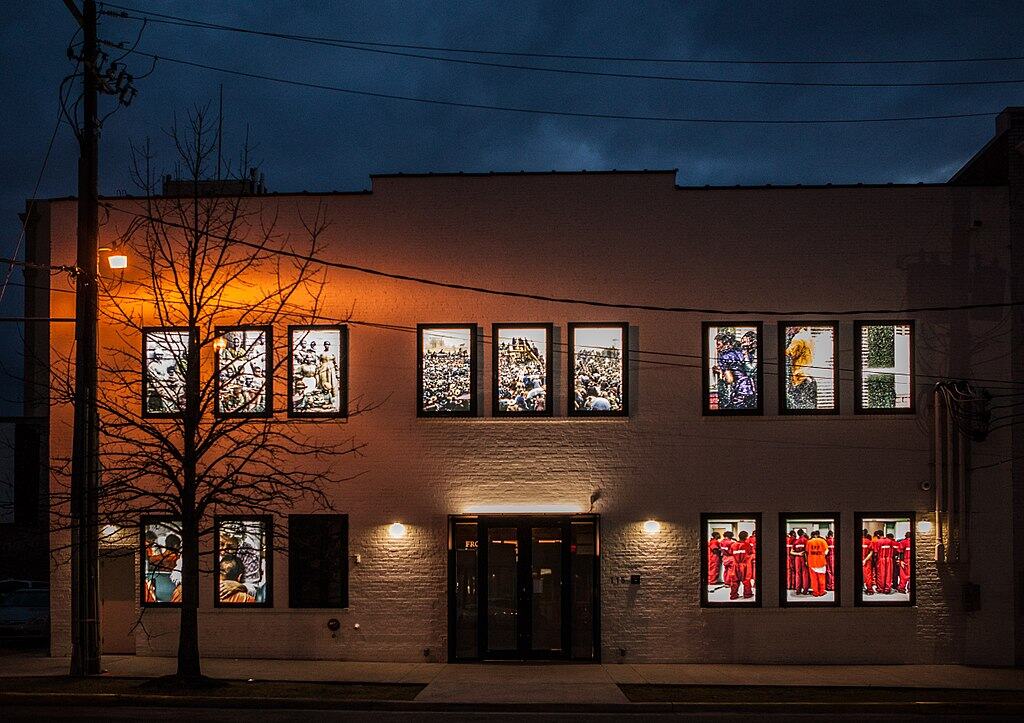
Established by the Equal Justice Initiative in 2018, this museum documents the journey from enslavement to mass incarceration across thoughtfully designed exhibits spread over tens of thousands of square feet. The adjacent memorial honors over 4,400 documented lynching victims across 800 counties, represented through suspended steel monuments that create a haunting silence. More than 1 million visitors have already come, and each leaves with a deeper understanding of historical injustice and the continued need for human rights, dignity, and remembrance in modern society.
4. Birmingham Civil Rights Institute : Birmingham, Alabama
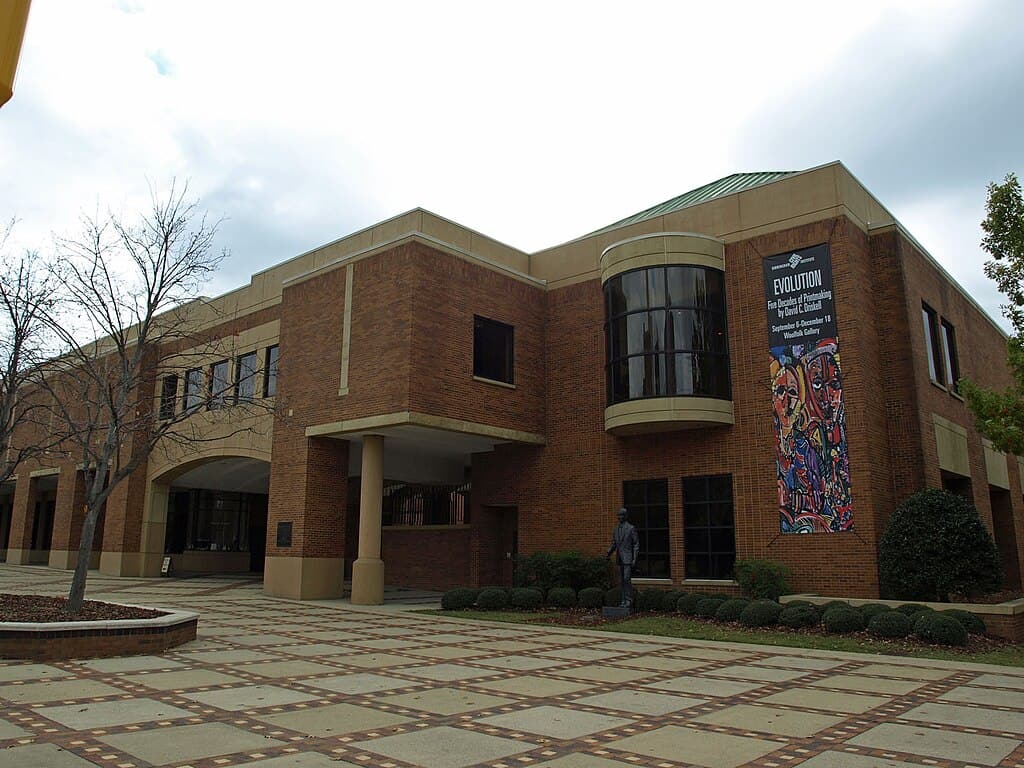
Opened in 1992 and welcoming around 150,000 visitors annually, this museum stands across from the historic 16th Street Baptist Church, linking memory directly to place. Inside its 58,000 square feet of galleries, detailed exhibits tell the story of segregation laws, student protests, bombings, marches, and courage. Through more than 500 photographs, documents, and interactive installations, visitors understand how Birmingham became a central battlefield of the Civil Rights Movement and how determination, strategic leadership, and sacrifice pushed national laws toward equality and conscience.
5. Charles H. Wright Museum of African American History : Detroit, Michigan
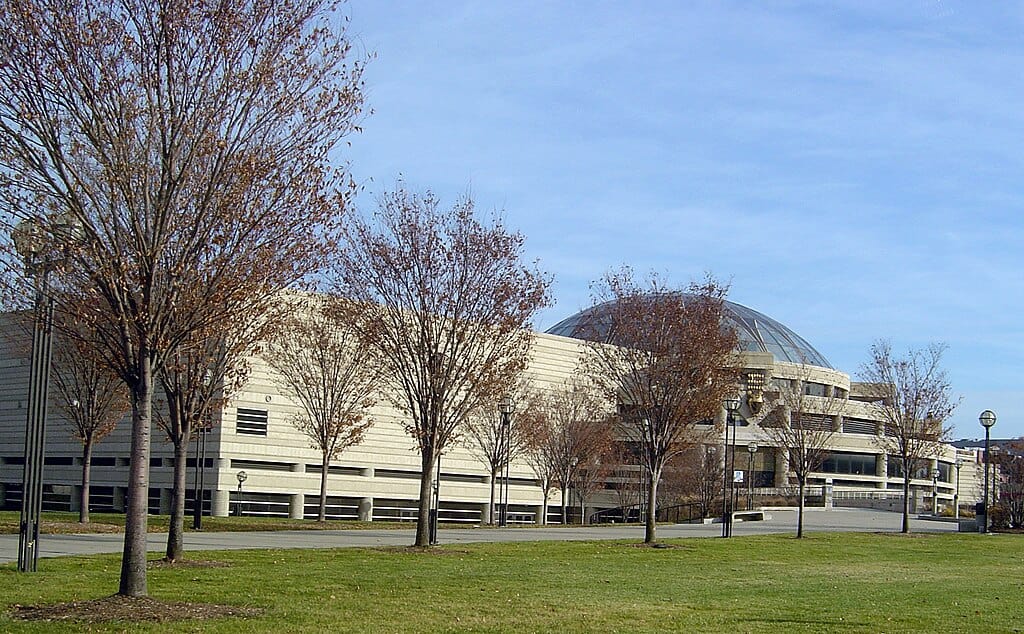
Founded in 1965, this museum is one of the oldest and largest of its kind, offering more than 120,000 square feet of exhibition space and an impressive collection exceeding 35,000 historical items. It welcomes over 300,000 visitors yearly who come to experience immersive galleries documenting African kingdoms, the Middle Passage, cultural achievements, and powerful leadership figures. Community programming, children’s education events, and rotating exhibits ensure the museum remains not just a historic institution, but a living cultural pillar in Detroit’s identity and learning landscape.
6. DuSable Black History Museum and Education Center : Chicago, Illinois
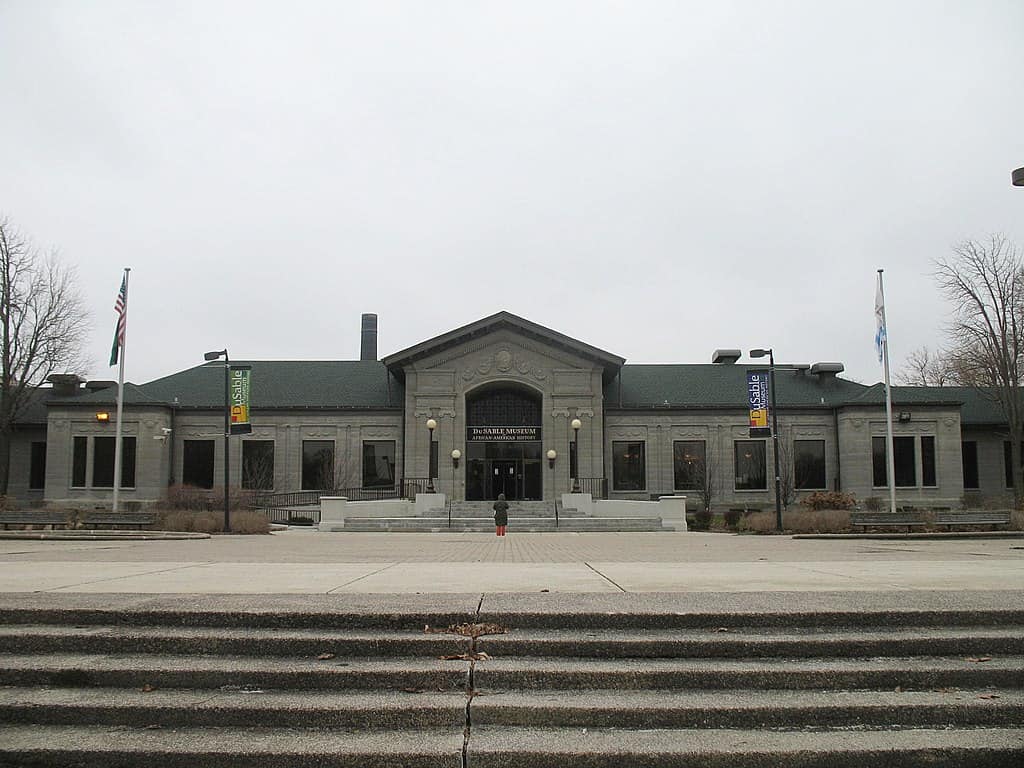
Founded in 1961, this institution is recognized as the nation’s oldest independent African American history museum, housing over 15,000 artifacts, artworks, and archival pieces across multiple galleries. Hosting more than 200,000 visitors annually, it focuses strongly on Chicago’s Black communities, the Great Migration, social justice movements, and global diaspora narratives. Educational programs, lectures, and community partnerships keep the museum relevant and future-focused, ensuring history is not just preserved in glass cases but remains connected to living cultural voices and evolving identity.
7. International African American Museum : Charleston, South Carolina
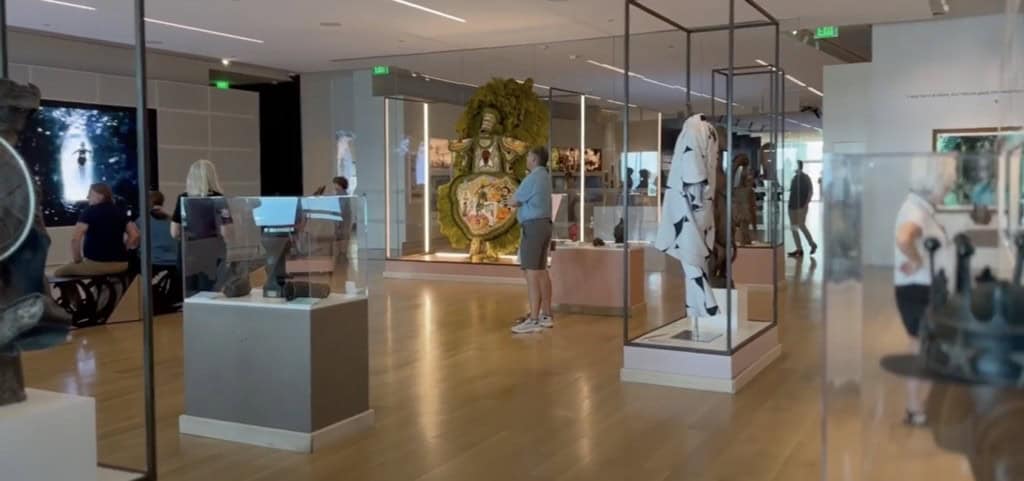
Located on Gadsden’s Wharf, where an estimated 40 percent of enslaved Africans first arrived in America, this museum finally opened in 2023 after nearly 23 years of planning. Covering tens of thousands of square feet, it blends genealogy labs, multimedia exhibits, and outdoor remembrance spaces overlooking the water. The museum documents African diaspora journeys, resilience, culture, and survival through carefully curated collections. Already drawing hundreds of thousands of visitors, it serves as both an educational institution and a deeply emotional place of recognition, healing, and ancestral acknowledgment.
8. Schomburg Center for Research in Black Culture : New York, New York

Established in 1925 and holding over 11 million items including manuscripts, photographs, artworks, recordings, and rare historical papers, the Schomburg Center serves as both a museum and world-renowned research institution. Located in Harlem, it attracts scholars, students, and roughly 150,000 visitors yearly who come for exhibitions, talks, and archival exploration. Its influence stretches beyond display galleries by actively shaping academic study, cultural awareness, and preservation of global Black history, while honoring the intellectual legacy first championed by Afro-Puerto Rican historian Arturo Schomburg himself.
9. Museum of the African Diaspora : San Francisco, California
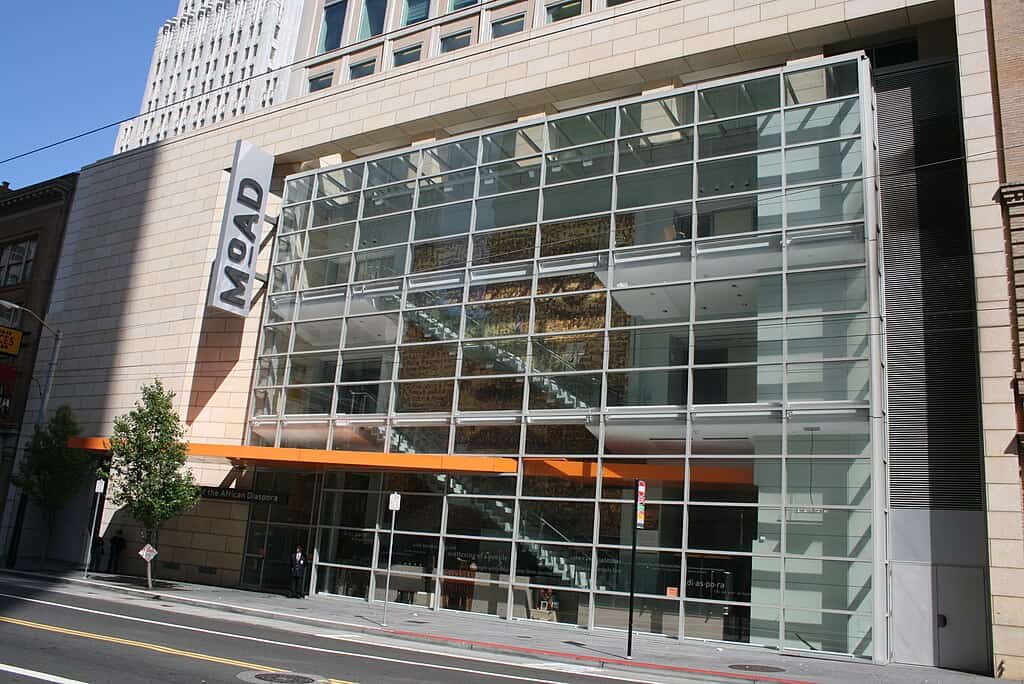
Opened in 2005 and covering around 20,000 square feet, this museum explores how African heritage spread across continents through forced migration, culture, creativity, and identity formation. Hosting approximately 100,000 annual visitors, it emphasizes art-driven interpretation alongside historical storytelling, using multimedia installations, contemporary exhibits, and community programs. Rather than focusing only on the United States, it connects Africa to the Caribbean, Latin America, Europe, and beyond, helping visitors understand the global scale of Black influence, survival, and cultural brilliance across centuries.
10. Black History Museum and Cultural Center of Virginia : Richmond, Virginia
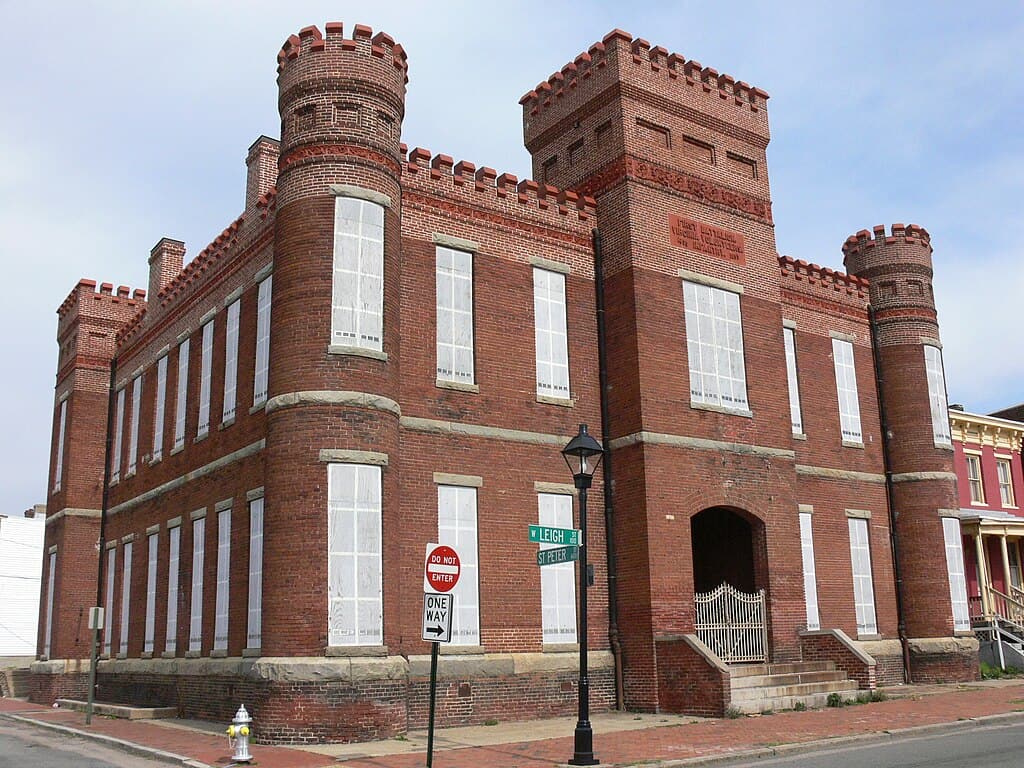
Established in 1981 and housed in a beautifully restored historic building, this museum showcases more than 5,500 artifacts documenting Virginia’s Black leaders, soldiers, artists, innovators, and everyday citizens. Welcoming tens of thousands of visitors yearly, it blends permanent collections with rotating exhibitions that highlight both painful injustice and remarkable resilience. Educational outreach programs, cultural celebrations, and interactive learning experiences ensure the museum remains a living community hub, safeguarding regional heritage while helping new generations understand their place within a larger historical narrative.
11. Northwest African American Museum : Seattle, Washington
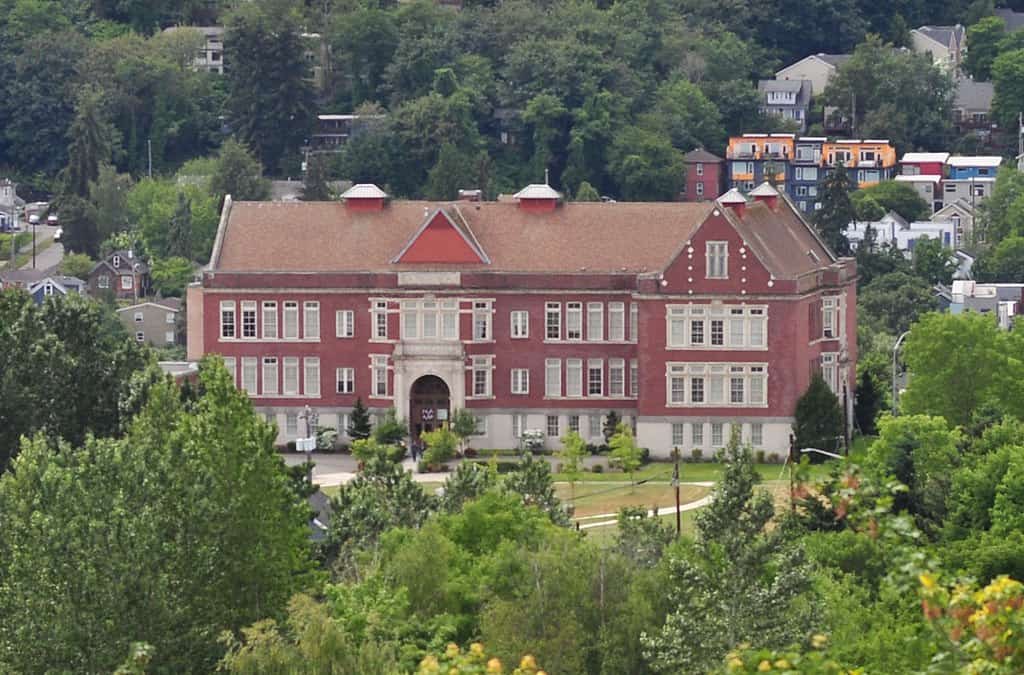
Opened in 2008 inside a restored 1909 building, this museum focuses on the Pacific Northwest’s African American communities, telling stories often missing from national narratives. It maintains collections of oral histories, photographs, artworks, and cultural archives while also operating educational programs that reach thousands of students yearly. Exhibits explore migration, social change, community building, and creativity, attracting more than 70,000 visitors annually. By highlighting regional voices with warmth and authenticity, it ensures that Black history is understood as diverse, widespread, and deeply rooted.