We may earn money or products from the companies mentioned in this post. This means if you click on the link and purchase the item, I will receive a small commission at no extra cost to you ... you're just helping re-supply our family's travel fund.
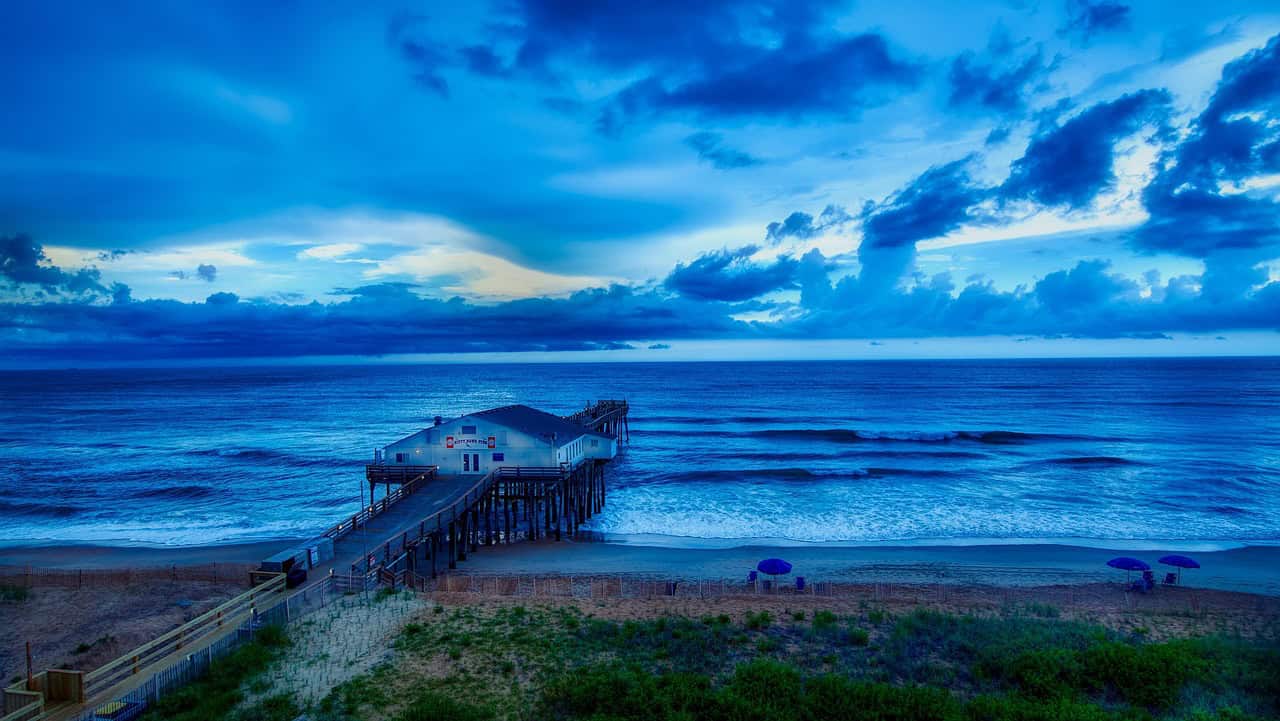
Some destinations ask travelers for flexibility more than others. A calendar can be airtight, but storms, heat waves, and sudden closures often decide the outcome. The disappointment is rarely about rain itself; it comes from the energy invested in arrival, only to find gates locked or trails washed out. In recent years, shifting climate patterns made old expectations unreliable, from coastal winds to wildfire smoke. The most resilient travelers accept a second truth: joy depends less on the original plan and more on the pivot.
Maui, Hawaii
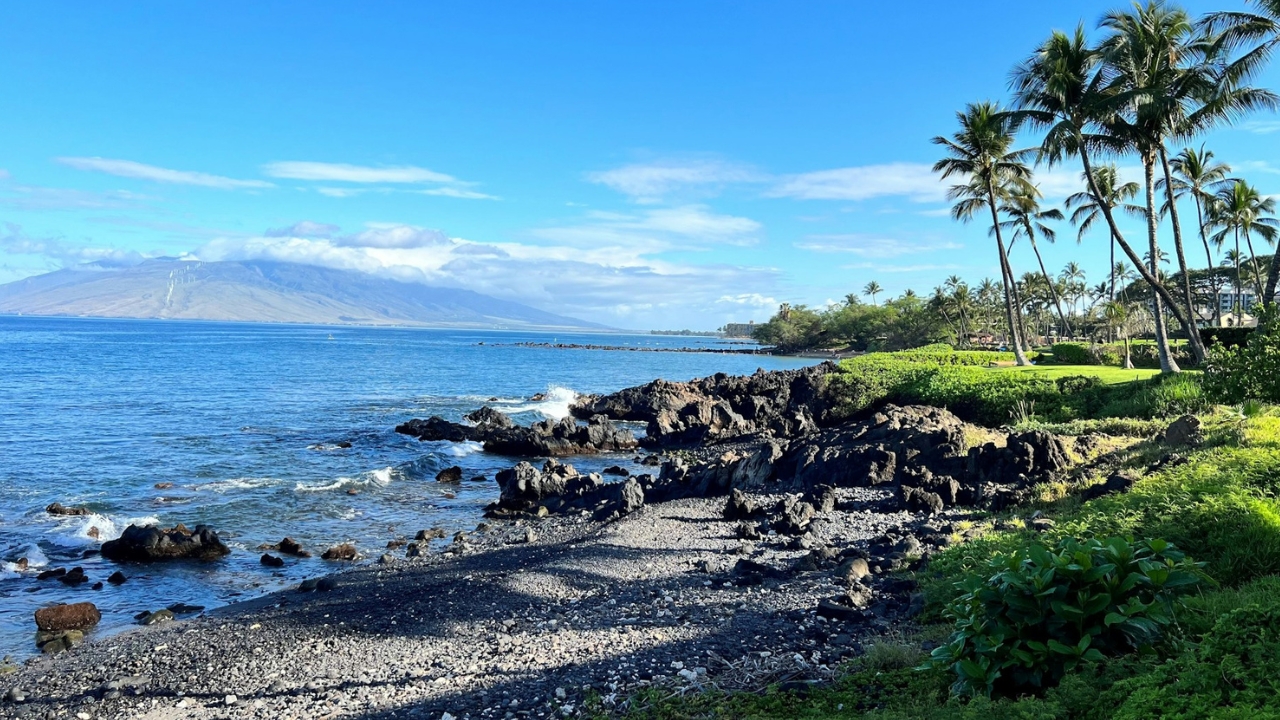
Maui’s mood can change fast, with tropical downpours, high surf, and wind that cancels snorkeling, boat tours, and even sunrise plans on Haleakalā. When the ocean goes rough or visibility drops, the best pivot is often inland, where Upcountry farms, botanical gardens, and small-town markets still feel alive. A talk with a grower, a plate lunch under banyan shade, or a slow drive through misty slopes can land harder than a rushed tour. Maui rewards the traveler who stops chasing the perfect day and starts noticing what the island is offering right now.
Outer Banks, North Carolina
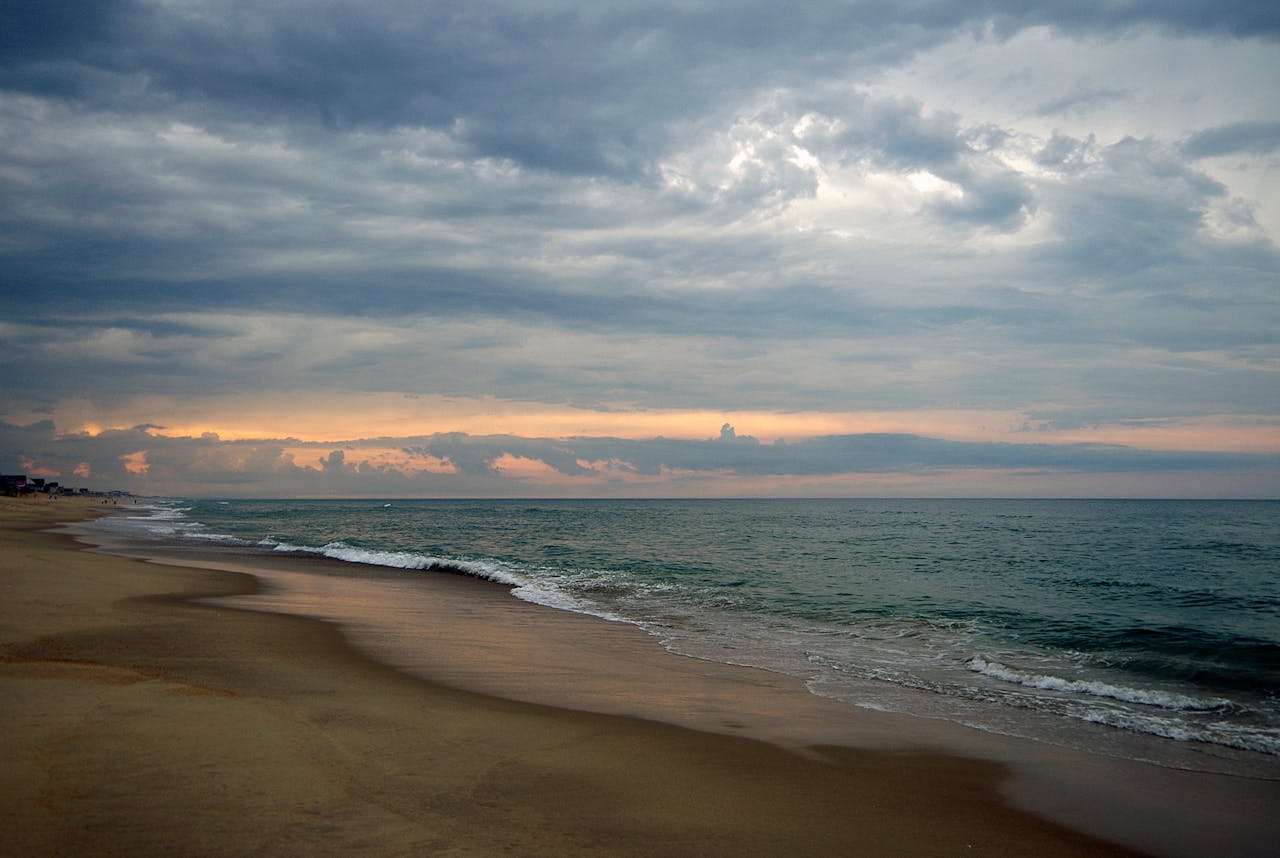
The Outer Banks can flip from beach bliss to shutdown mode with nor’easter winds or the leftover punch of a hurricane system. Red flags, rip currents, and sudden beach closures can make water time feel off-limits, but the region has strong backups that do not feel like consolation prizes. Aviation history in Kitty Hawk, a climb up the Currituck Beach Lighthouse, or a long look at shifting dunes gives the coast a deeper story than sunbathing ever does. The pivot works because it matches the place: wind-built land, resilient towns, and a coastline that sets the terms.
Jackson Hole, Wyoming
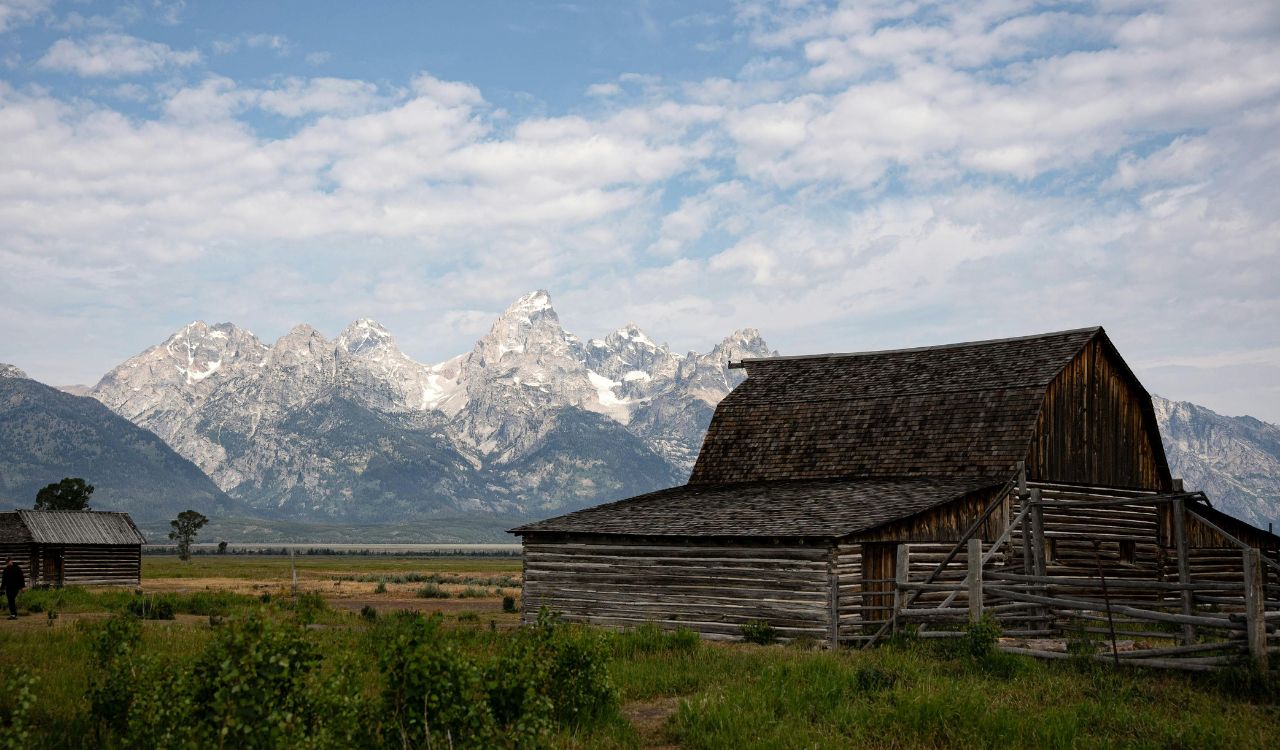
Jackson Hole can look clear at breakfast and turn smoky or stormy by lunch, especially during wildfire season or sudden mountain weather shifts. Tram access and high trails may close with little drama, but the valley still offers calm alternatives that keep the day from feeling wasted. The National Museum of Wildlife Art, a slower stretch along the Snake River, or a quiet drive through open sage can feel like a reset when the peaks hide behind haze. Jackson Hole’s real gift is space, and on restricted days that space becomes the attraction, not the obstacle.
New Orleans, Louisiana

New Orleans summers bring thunderstorms that arrive loud and fast, and tropical systems can bend outdoor music schedules, parade routes, and courtyard dining plans. The city handles this better than most because its culture is not fragile; it simply moves inside. A cooking class, a jazz museum, or an unhurried afternoon in a French Quarter bookstore can feel more intimate than chasing a wet outdoor itinerary. The pivot also cuts stress, because the point of New Orleans is not perfect weather, it is the sense of rhythm that keeps going when the sky opens up.
Lake Tahoe, California/Nevada
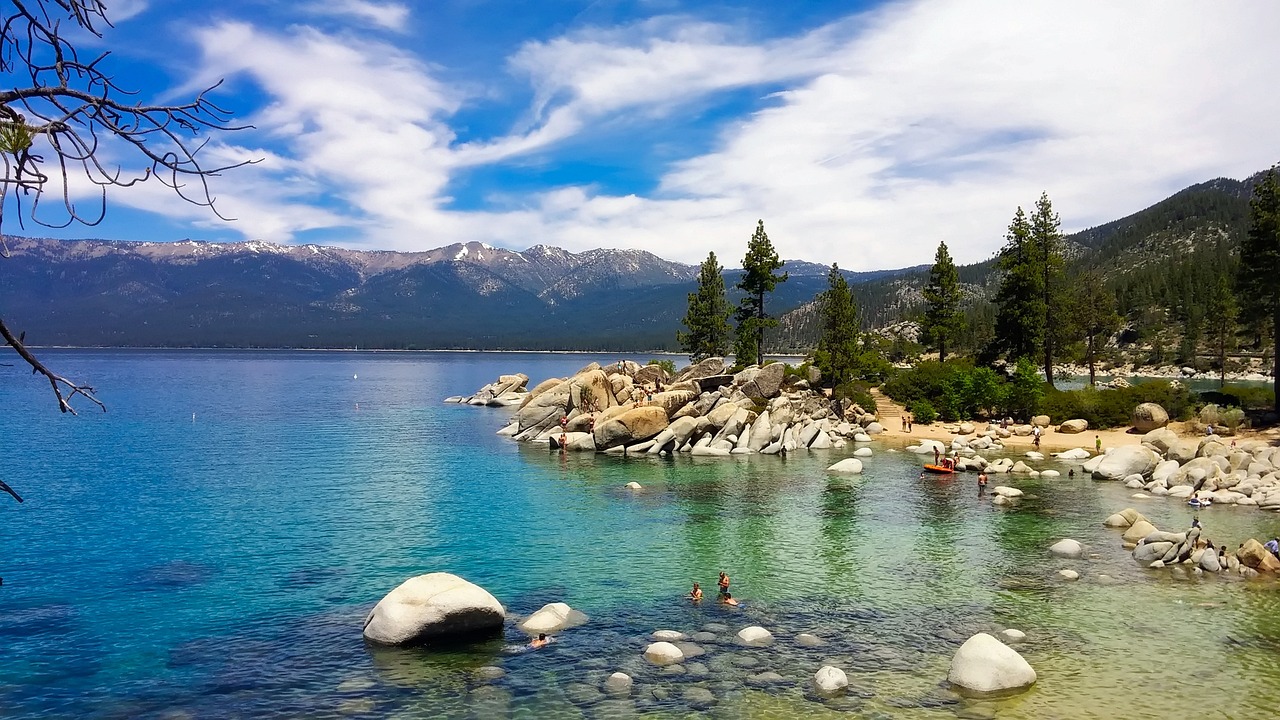
Tahoe’s weather can shut down the exact things people come for, with high winds that halt ski lifts in winter and make summer lake rentals unsafe. The smart pivot leans into slower pleasures that fit the basin’s real personality: hot springs outside Carson Valley, small galleries, a long meal in a wood-paneled tavern, or a scenic drive when the shoreline feels too chaotic. Tahoe is not only a postcard lake; it is a lived region with weather rules and local habits. When the wind takes the water away, the land offers a different kind of calm.
Glacier National Park, Montana
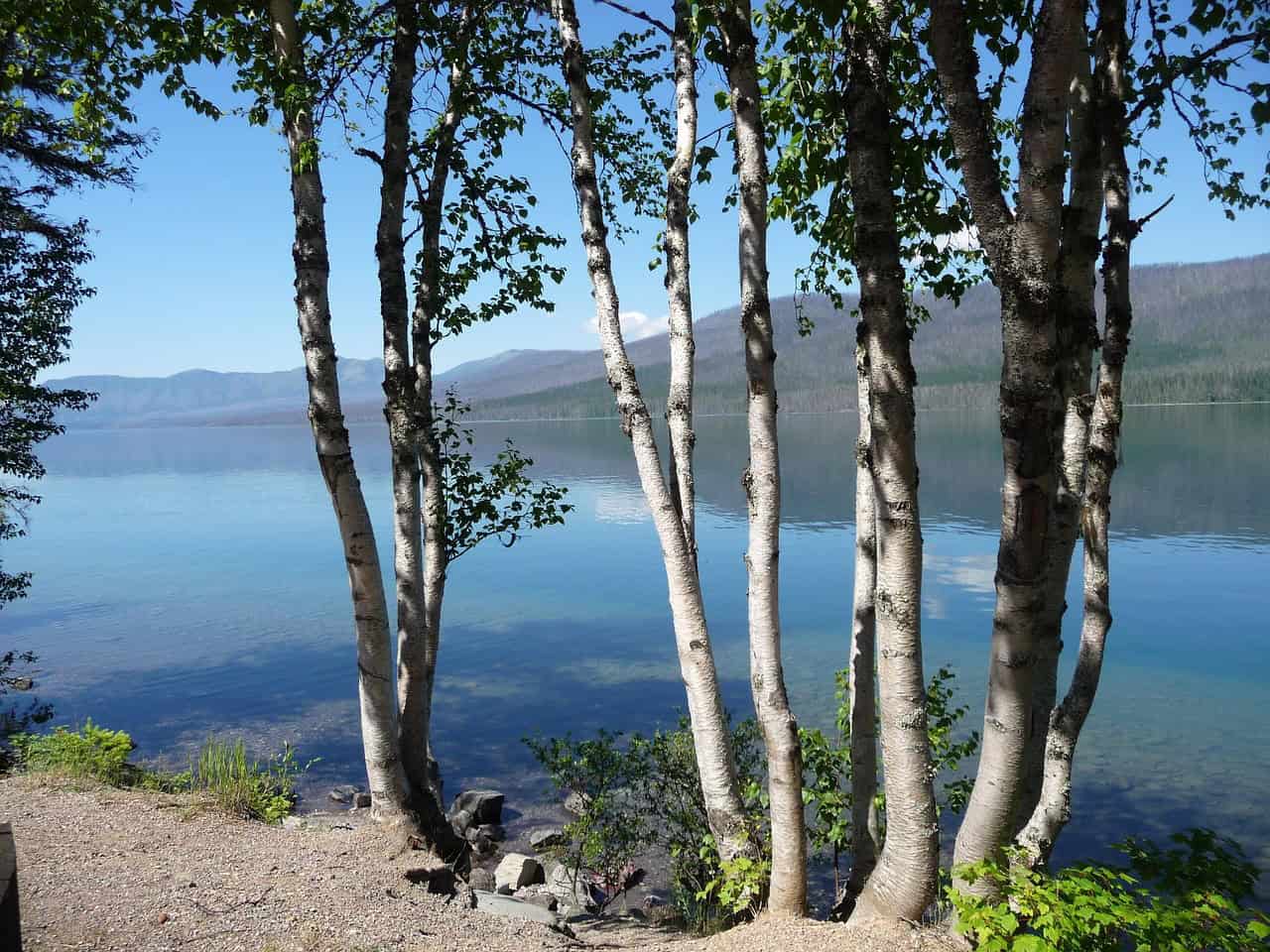
Glacier can humble even confident planners, especially when Going-to-the-Sun Road closes for snow, rockwork, or maintenance that spills into early summer. When the alpine drive fails, gateway towns like Whitefish and Columbia Falls become more than staging points. Bakeries, rail history, and small shops offer a grounded sense of place while clouds keep the peaks hidden. The pivot helps because it keeps the trip from becoming a waiting game. Glacier is still there, even when the iconic view is not, and the region’s frontier character can be felt in quieter corners that never make the postcard.
Key West, Florida
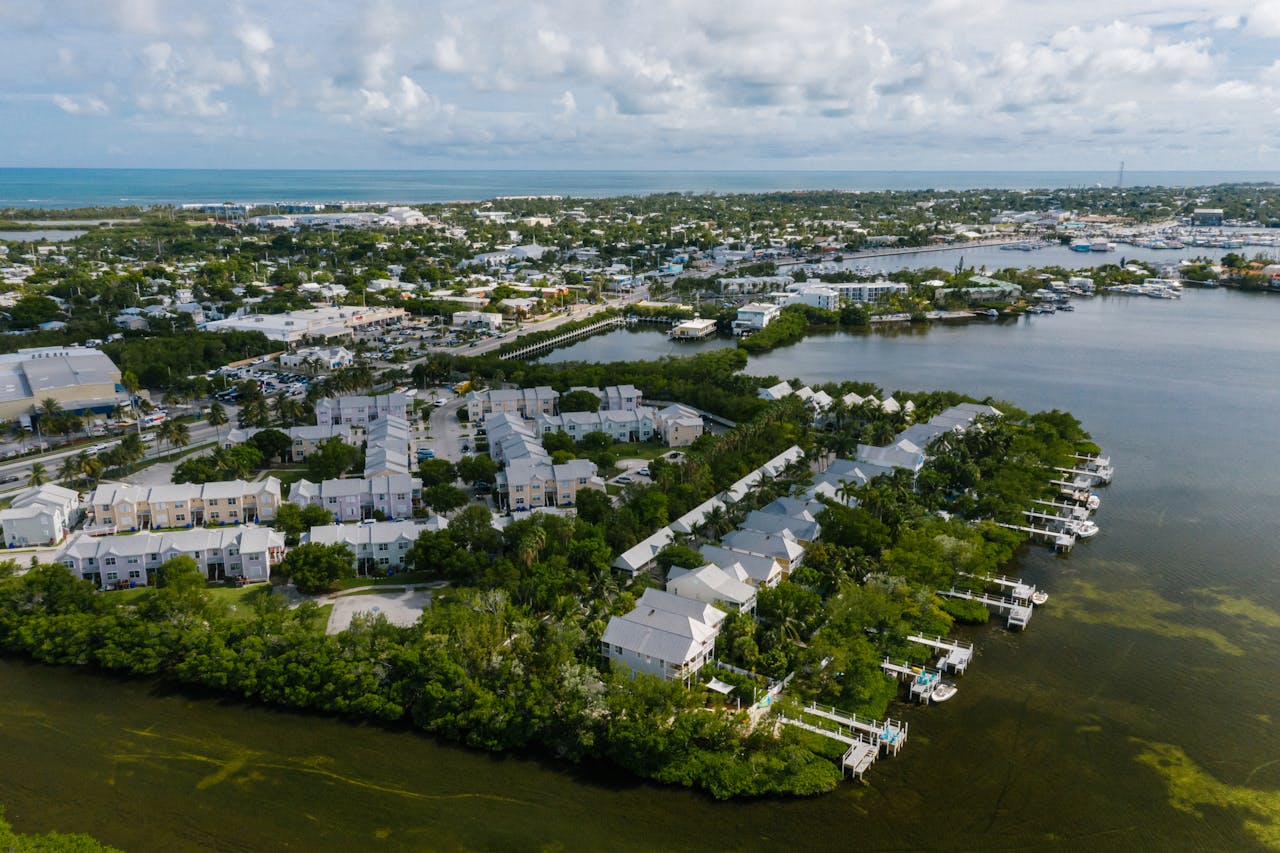
Key West storms can turn water cloudy, cancel reef trips, and force boat operators to call it early without apology. The best pivot is not frantic replacement, but a change in tempo. Hemingway’s home, a long walk under live oaks, or a shaded café where time slows can make the day feel richer than a crowded snorkeling run. Key West has a languid character that does not reward urgency, and the weather often teaches that lesson. When the sea says no, the island still offers atmosphere, history, and the kind of stillness that travelers rarely schedule.
Seattle, Washington
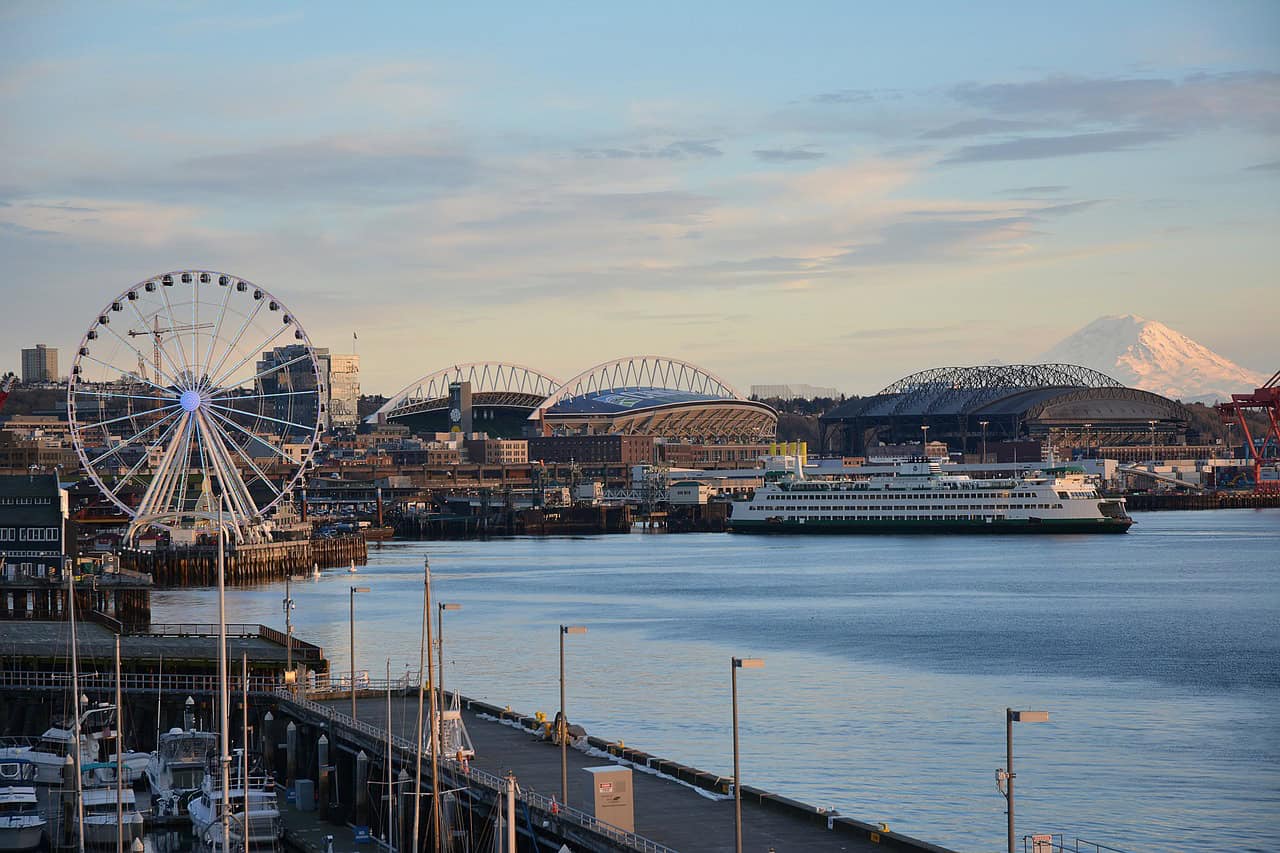
Seattle’s weather is less a surprise than a pattern, with rain that can blur rooftop views, disrupt ferries, and turn outdoor plans into damp obligations. The strong pivot is to move closer to the city’s core comforts: Pike Place tastings, bookstores, small museums, and café corners where a gray sky feels like part of the design. Locals treat drizzle as background, not a crisis, and visitors who adopt that attitude stop wasting energy fighting the forecast. The reward is a city that feels more human than scenic on rainy days, with conversations that deepen when everyone shares the same soft, wet quiet.
Sedona, Arizona
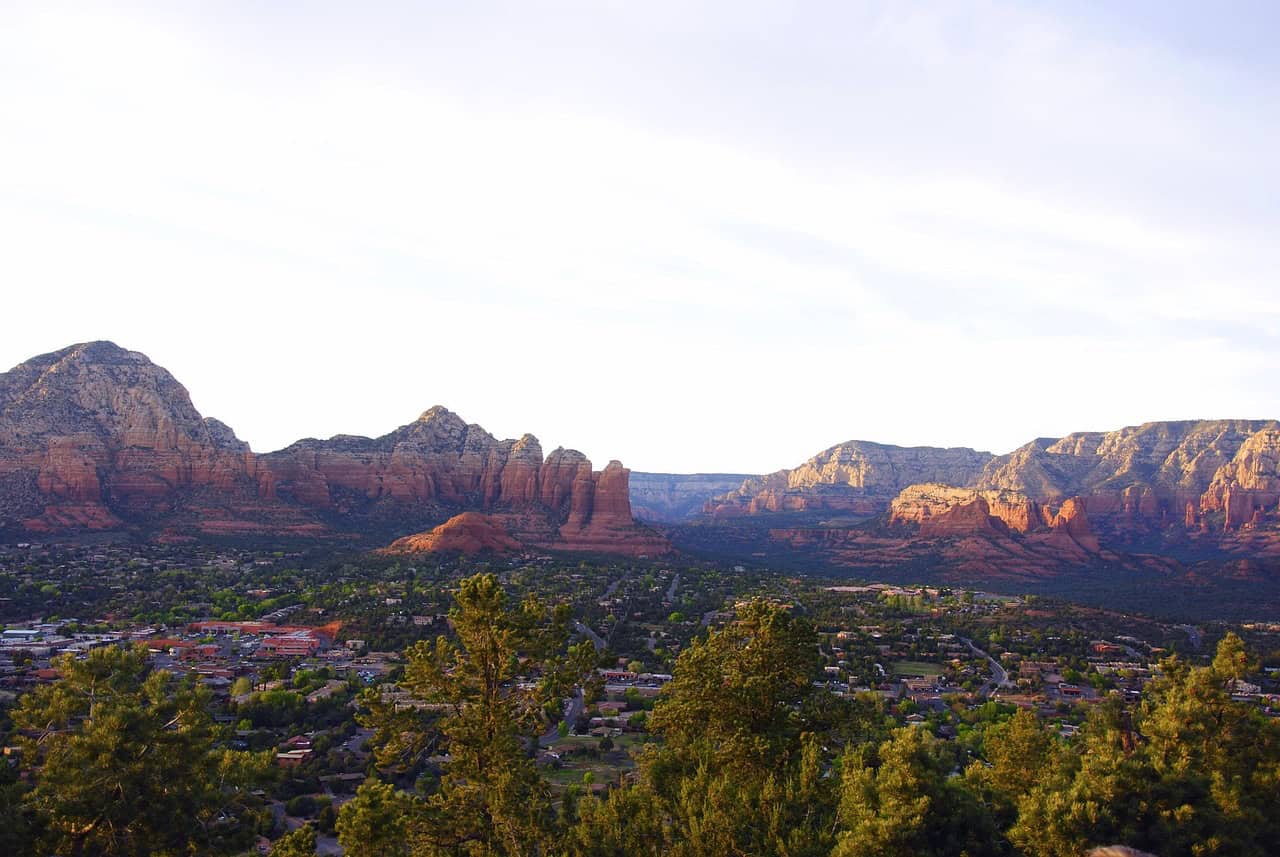
Sedona’s risk is not rain but extremes, with heat advisories and flash floods that can close canyons, creek crossings, and exposed trails. When sandstone routes are off-limits, the best pivot is to lean into what Sedona already does well: wellness studios, slow scenic drives, Indigenous art spaces, and restorative indoor experiences that match the desert’s demand for respect. The pivot can actually improve the trip, because it reduces the pressure to perform adventure in unsafe conditions. Sedona’s landscape is powerful even from a shaded patio, and the desert rhythm teaches patience better than a strained hike.
Big Sur, California
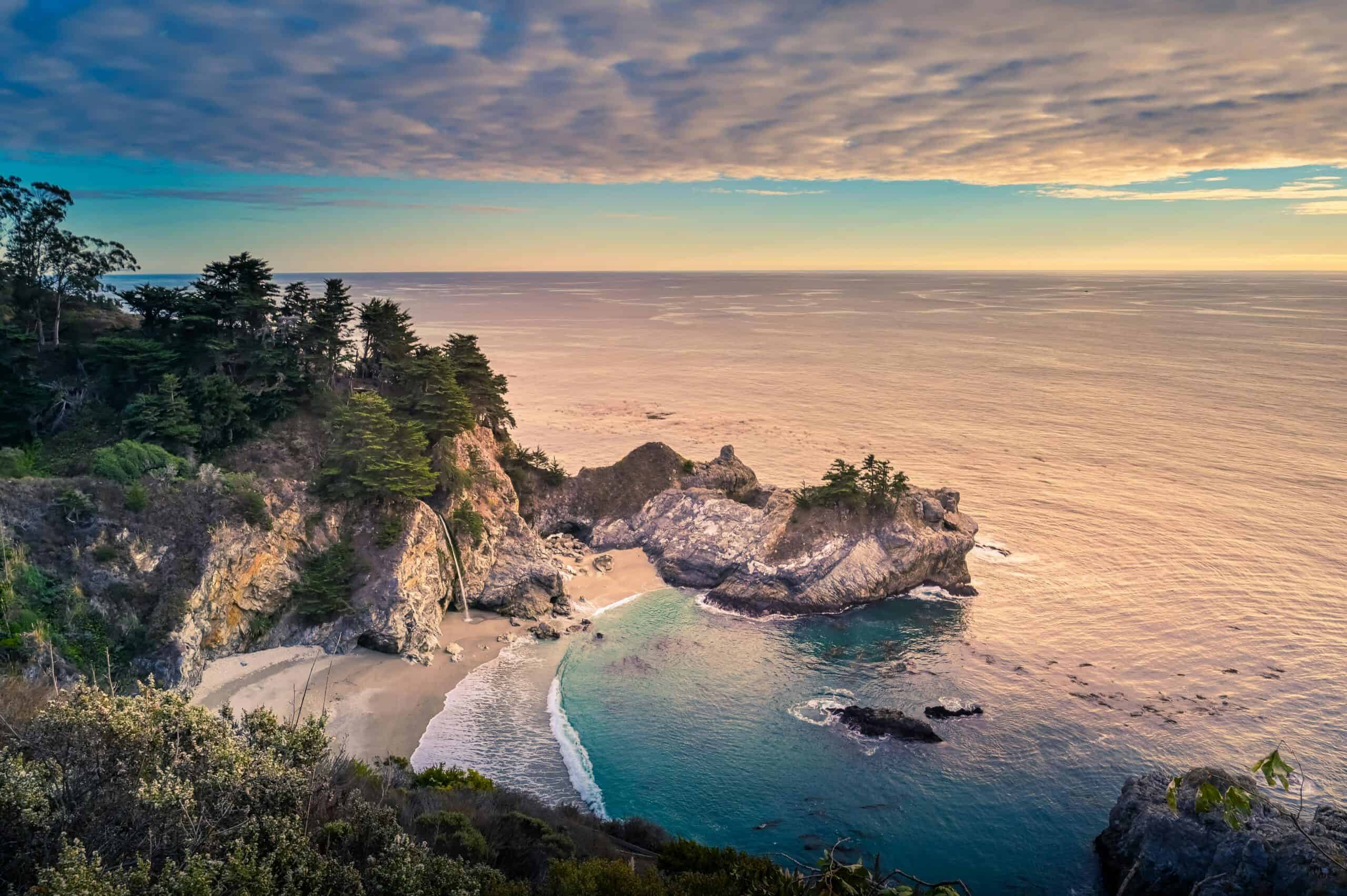
Big Sur is famous for the cliffside drive, which is exactly why rockslides and washed-out road segments can feel like heartbreak. Highway 1 closures can isolate stretches with no easy detour, but the pivot does not have to mean surrender. Carmel’s galleries, Monterey’s tide pools, and coastal viewpoints that remain open can deliver a softer version of the same Pacific mood. The trick is accepting that access is part of the story here, not a guarantee. When the road closes, the coastline is still doing its work, and nearby towns offer beauty that feels steadier and less fragile than a single route.
Orlando, Florida
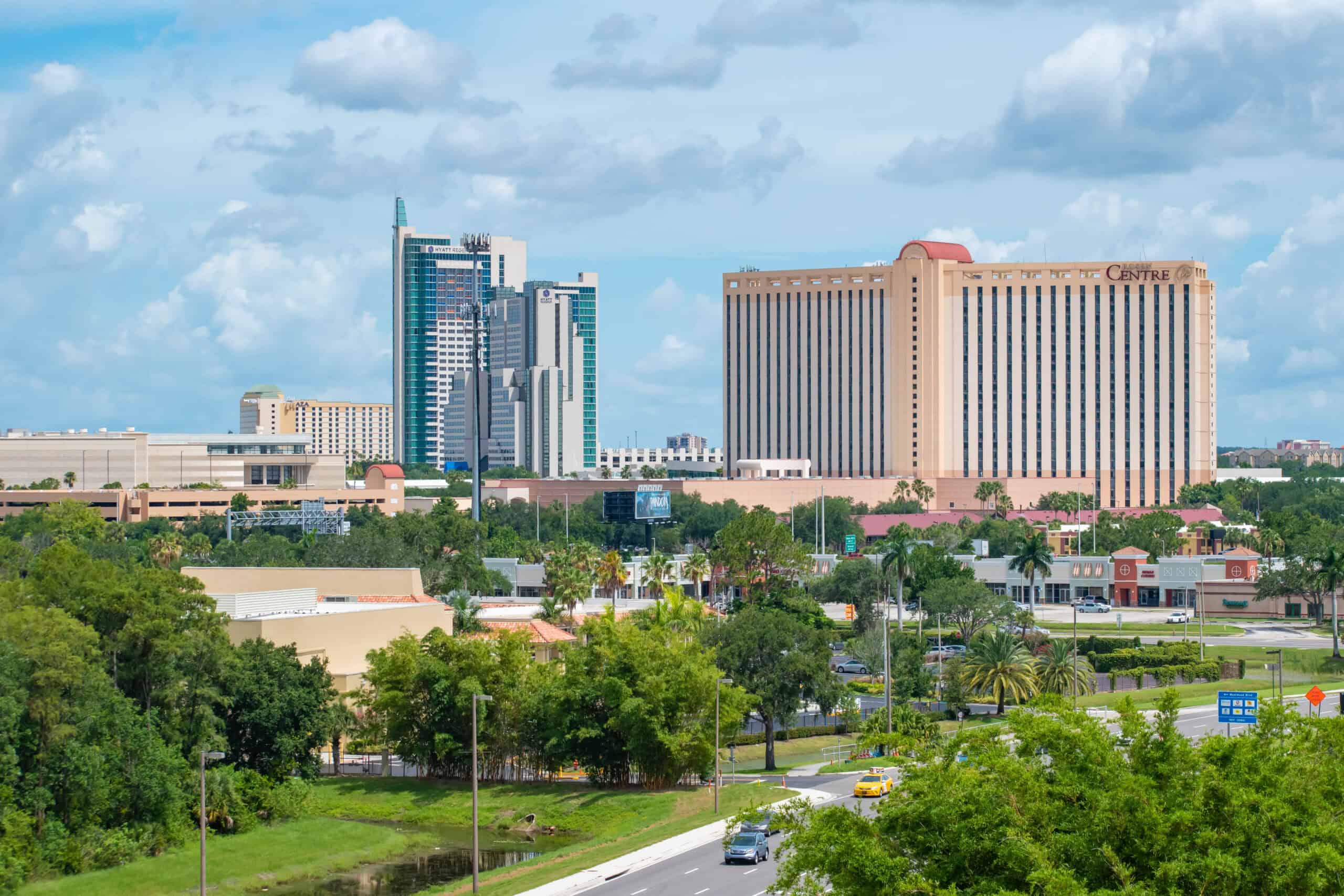
Orlando summer weather is predictable in its unpredictability, with lightning that pauses rides across theme parks almost daily. The best pivot is to treat the storm break as part of the day’s structure, not a failure. Indoor shows, aquariums, shaded dining, and slower attractions become reliable anchors while the sky clears. Families who plan for this tend to stay calmer, because there is no scramble to salvage the itinerary every time thunder rolls. Orlando is built for controlled experience, but the weather reminds visitors that a pause can still be play, especially when it leads to rest, snacks, and a calmer return to the park.