We may earn money or products from the companies mentioned in this post. This means if you click on the link and purchase the item, I will receive a small commission at no extra cost to you ... you're just helping re-supply our family's travel fund.

Retirement decisions carry long-term consequences, especially when income becomes fixed and healthcare, safety, and taxes take center stage. While no state is universally “bad,” experts consistently flag certain states as difficult places for retirees to maintain comfort and financial stability. These rankings consider cost of living, healthcare access, taxation, crime, climate stress, and infrastructure reliability. Below are eleven states frequently ranked poorly by retirement analysts, economists, and senior-focused studies explained with practical detail so future retirees know exactly what challenges to expect before choosing where to settle.
1. Louisiana
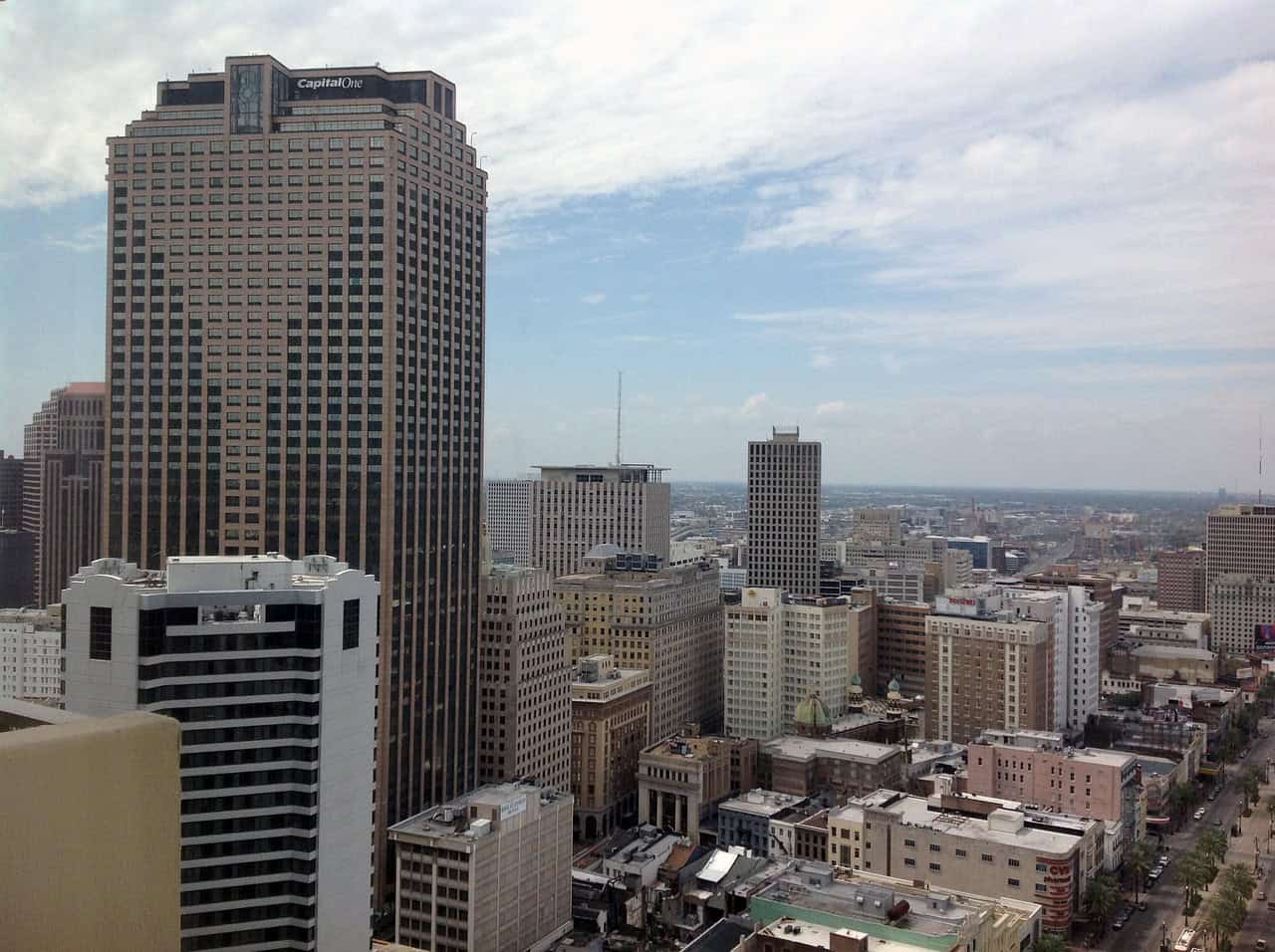
Louisiana consistently ranks near the bottom for retirees due to weak healthcare access and safety concerns. The state has only 2.6 primary care physicians per 1,000 residents, well below the national average of 3.5, creating long wait times for seniors. Violent crime rates hover around 550 incidents per 100,000 people, nearly double the U.S. median. While the cost of living is 8% below average, property insurance costs have surged more than 30% since 2021, erasing savings. Combined with frequent hurricanes and limited senior services, retirement stability here can feel unpredictable.
2. Texas
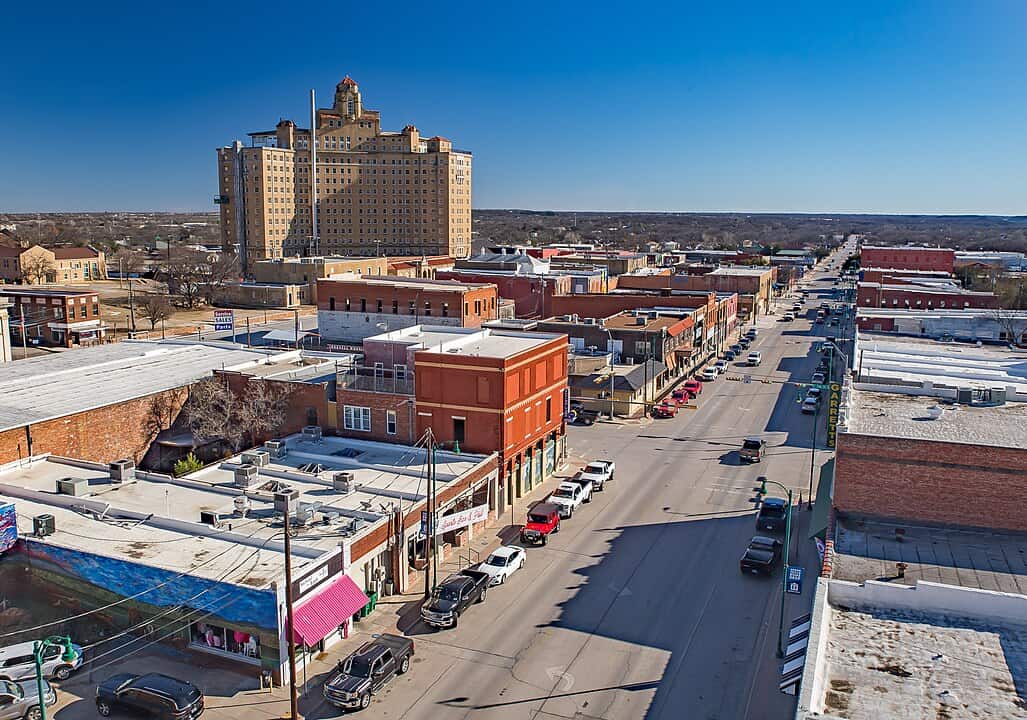
Despite having no state income tax, Texas presents costly hidden challenges for retirees. Property taxes average 1.6% of home value, among the highest in the country, meaning a $300,000 home can carry a $4,800 annual tax bill. Healthcare access is uneven, with rural areas averaging 40 miles to the nearest hospital. Summer temperatures exceed 100°F for 30–40 days annually, increasing health risks for older adults. Utilities and homeowners insurance have risen over 25% in five years, making fixed-income budgeting increasingly difficult.
3. Oklahoma

Oklahoma struggles with healthcare quality and overall senior well-being. The state ranks in the bottom ten for health outcomes, with life expectancy averaging 74.1 years, compared to the national 76.4. Only 61% of counties have sufficient geriatric services, forcing retirees to travel for specialized care. While housing is affordable, averaging $175,000, emergency response times exceed 9 minutes in many areas. Tornado risk and extreme weather further complicate aging safely, making Oklahoma a less reliable long-term retirement choice.
4. Arkansas
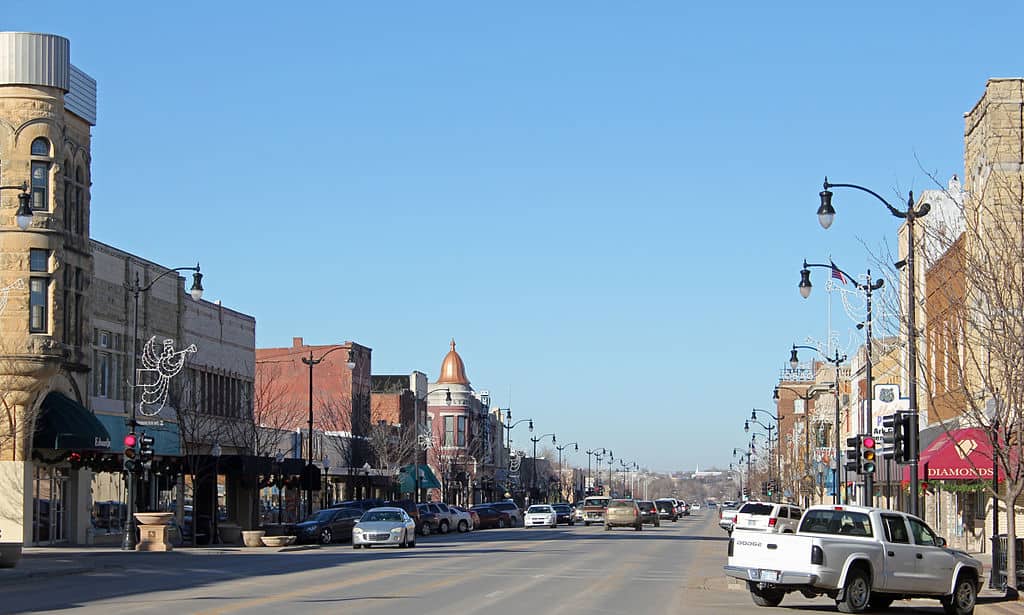
Arkansas offers low housing costs, with median home prices around $185,000, but retirees often pay elsewhere. The state ranks poorly in healthcare access, with 1 hospital per 32,000 residents, limiting emergency care options. Crime rates exceed the national average by 18%, and infrastructure investment remains low, with 22% of roads rated poor. Sales tax reaches 9.5% in some counties, impacting everyday expenses. Combined with high poverty rates, Arkansas presents affordability without the support systems retirees typically need.
5. Mississippi

Mississippi consistently ranks last or near last in retiree quality-of-life studies. Life expectancy averages just 73.6 years, and the state has the nation’s highest rate of chronic illness among adults over 65. Healthcare access is limited, with 19 rural hospitals closing since 2010. Crime rates remain elevated, while infrastructure spending per capita is 40% below the national average. Even with living costs 10% below average, poor services and limited medical resources create serious long-term risks for retirees.
6. New Mexico
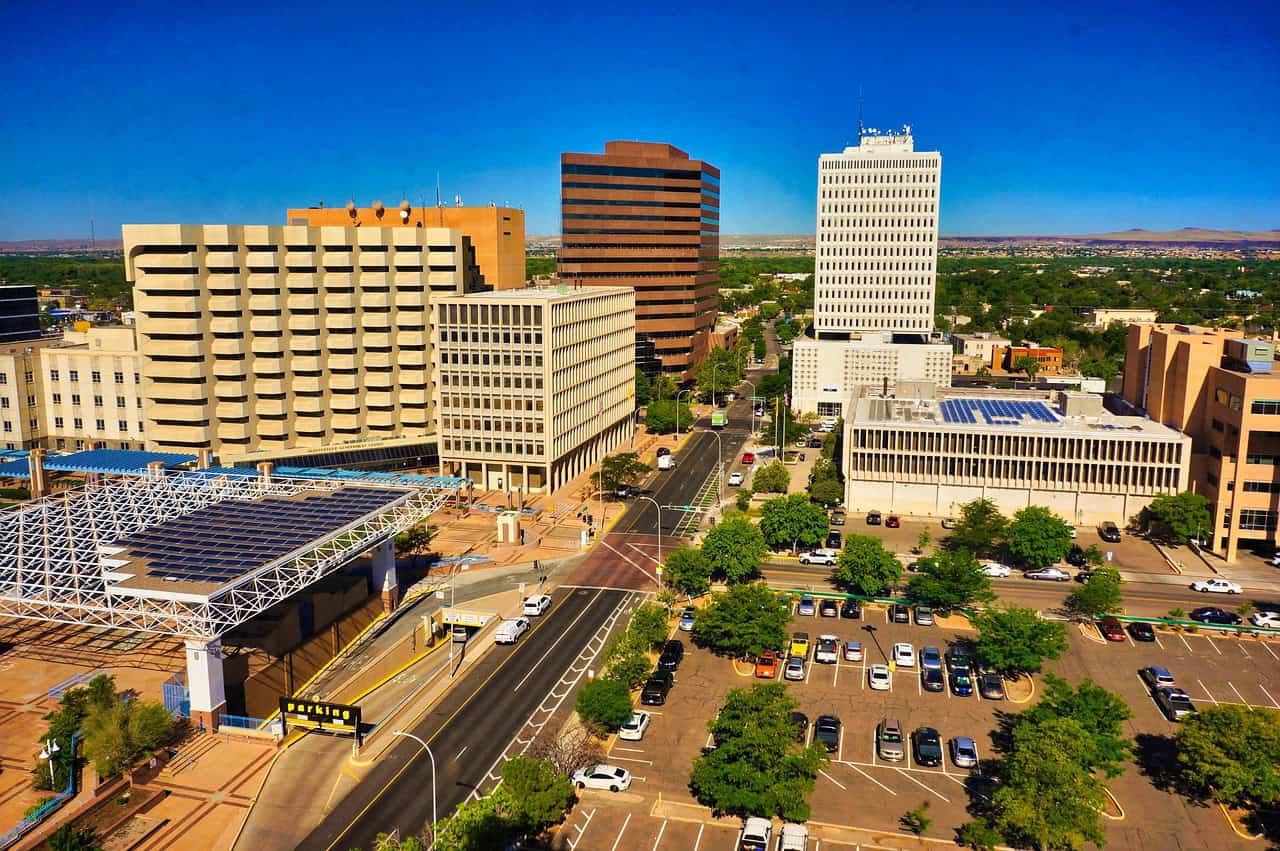
New Mexico’s natural beauty often masks retirement challenges. Healthcare access is limited, with only 2.4 physicians per 1,000 residents, and rural emergency response times exceed 15 minutes. Property crime rates reach 2,800 incidents per 100,000 people, well above national norms. While housing costs remain moderate at $260,000 median, utilities are 18% higher than average due to climate extremes. Retirees often struggle to balance scenic living with limited services and rising everyday expenses.
7. California

California’s retirement drawbacks stem primarily from cost. The median home price exceeds $760,000, pricing out most fixed-income retirees. State income tax reaches 13.3% at the top tier, and even middle-income seniors feel pressure from 9% sales taxes. Healthcare access is strong, but insurance premiums are among the highest nationwide, averaging $8,200 annually for seniors. Utility costs, wildfire insurance, and congestion further erode retirement budgets, making California financially stressful despite its amenities.
8. Nebraska

Nebraska’s challenges are often overlooked but significant for retirees. The state taxes Social Security income partially, and property taxes average 1.5%, higher than most neighboring states. Winter temperatures frequently drop below 10°F, increasing heating costs by 20% above average. Healthcare access outside major cities is limited, with 35% of counties lacking specialists. While crime is low, isolation, weather severity, and taxation combine to make Nebraska a difficult long-term retirement environment.
9. Kansas

Kansas ranks poorly due to taxation and healthcare gaps. The state taxes retirement income, including pensions, and property taxes average 1.4%. Hospital access is shrinking, with over 10 rural hospitals closing in recent years. Tornado frequency averages 55 annually, raising insurance costs. Although housing is affordable at $210,000 median, limited senior services and declining infrastructure investment make aging comfortably more challenging than many expect.
10. Alabama
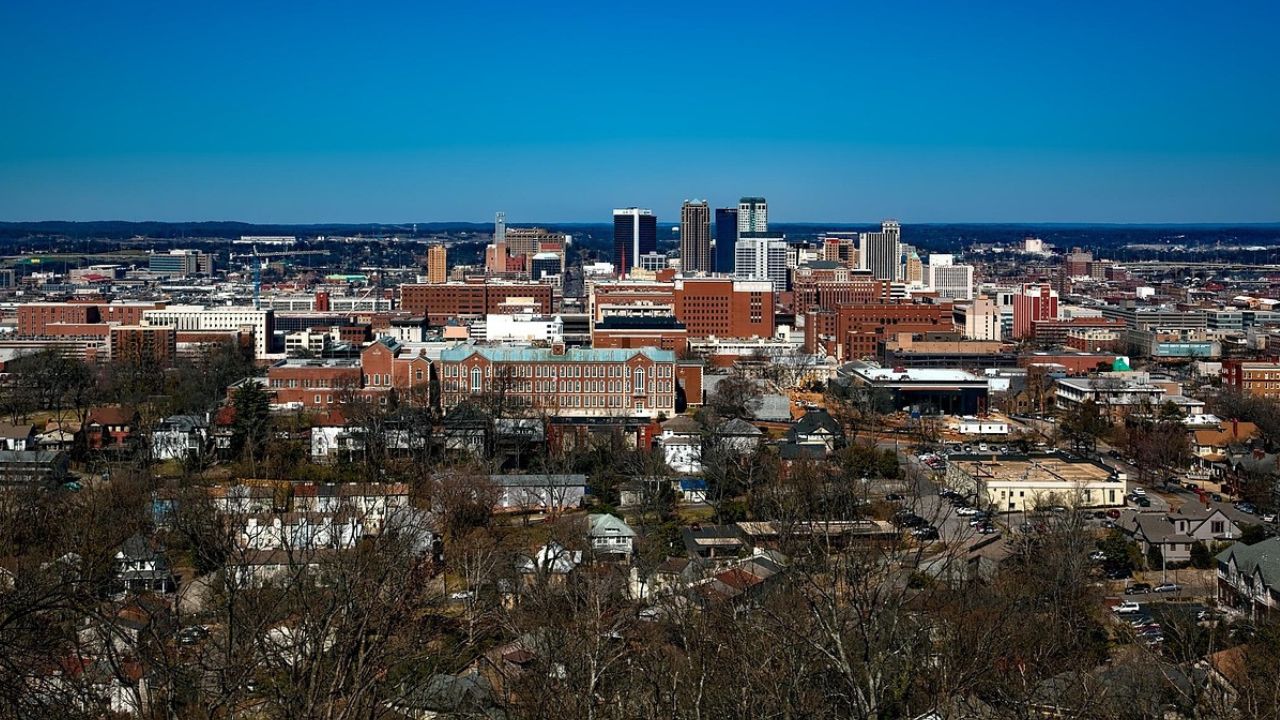
Alabama offers low housing costs, around $200,000 median, but struggles in healthcare quality and safety. The state ranks in the bottom five for public health outcomes, with 27% of seniors managing multiple chronic illnesses. Rural areas face physician shortages, averaging 1 doctor per 1,700 residents. Violent crime rates exceed the national average by 15%, and extreme summer humidity raises health risks for older adults. Affordability alone doesn’t offset the lack of support systems.
11. Florida
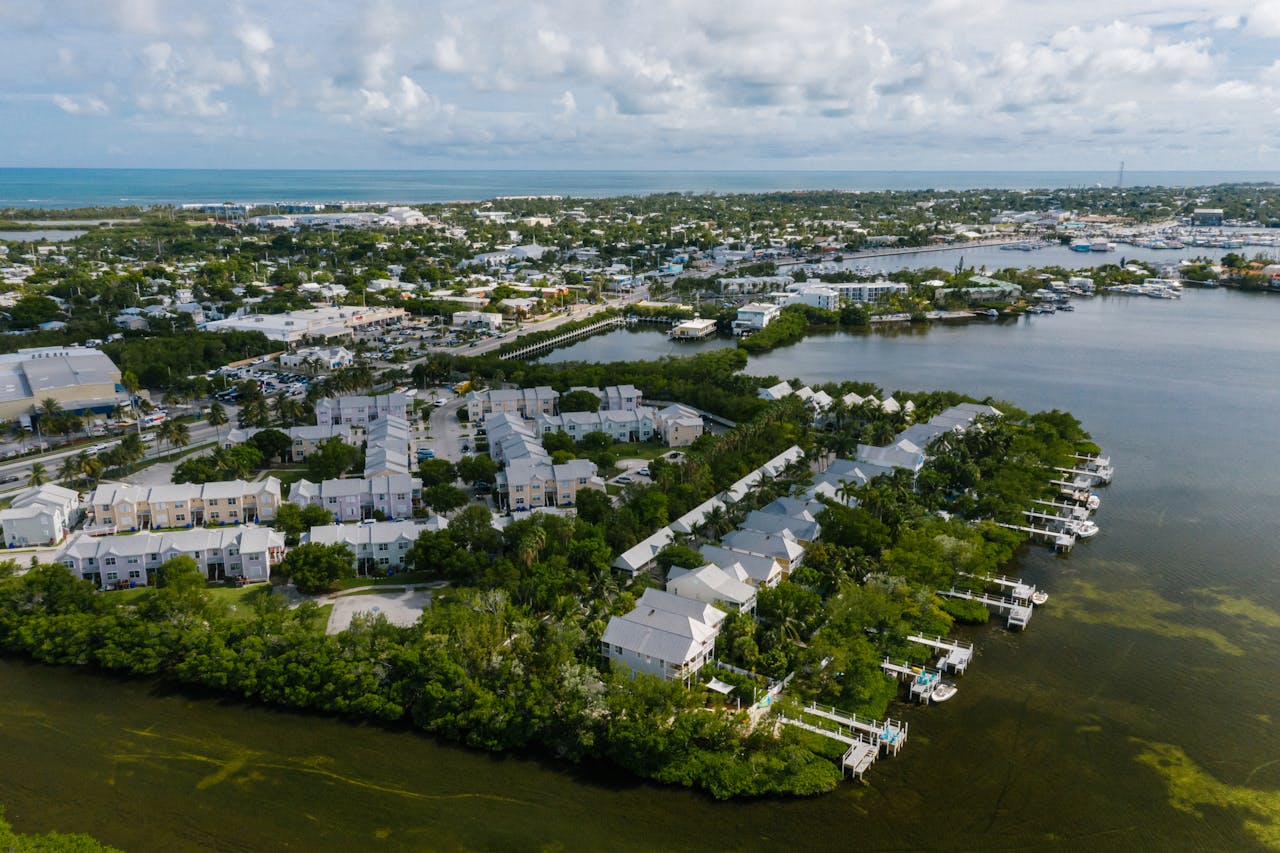
Florida’s popularity masks growing retirement problems. Housing costs surged 45% since 2020, pushing median prices to $410,000. Home insurance premiums average $6,000 annually, triple the national norm. Healthcare access varies widely by region, and hurricane evacuations strain older residents physically and financially. While there’s no state income tax, everyday expenses and disaster-related costs increasingly pressure retirees, making Florida far less forgiving than its reputation suggests.