We may earn money or products from the companies mentioned in this post. This means if you click on the link and purchase the item, I will receive a small commission at no extra cost to you ... you're just helping re-supply our family's travel fund.

Mexico’s landscapes still pull in dreamers with coral sunsets, baroque plazas, and beaches that stay warm long after summer ends. At the same time, the U.S. State Department has painted some of those same regions in deep warning colors, naming entire states as places to avoid because of crime, kidnapping, and unrest. The contrast is jarring. Towns built for cruise ships, family holidays, and road trips now appear in advisories as places where caution is not suggested but strongly urged.
Acapulco: Guerrero’s Faded Riviera
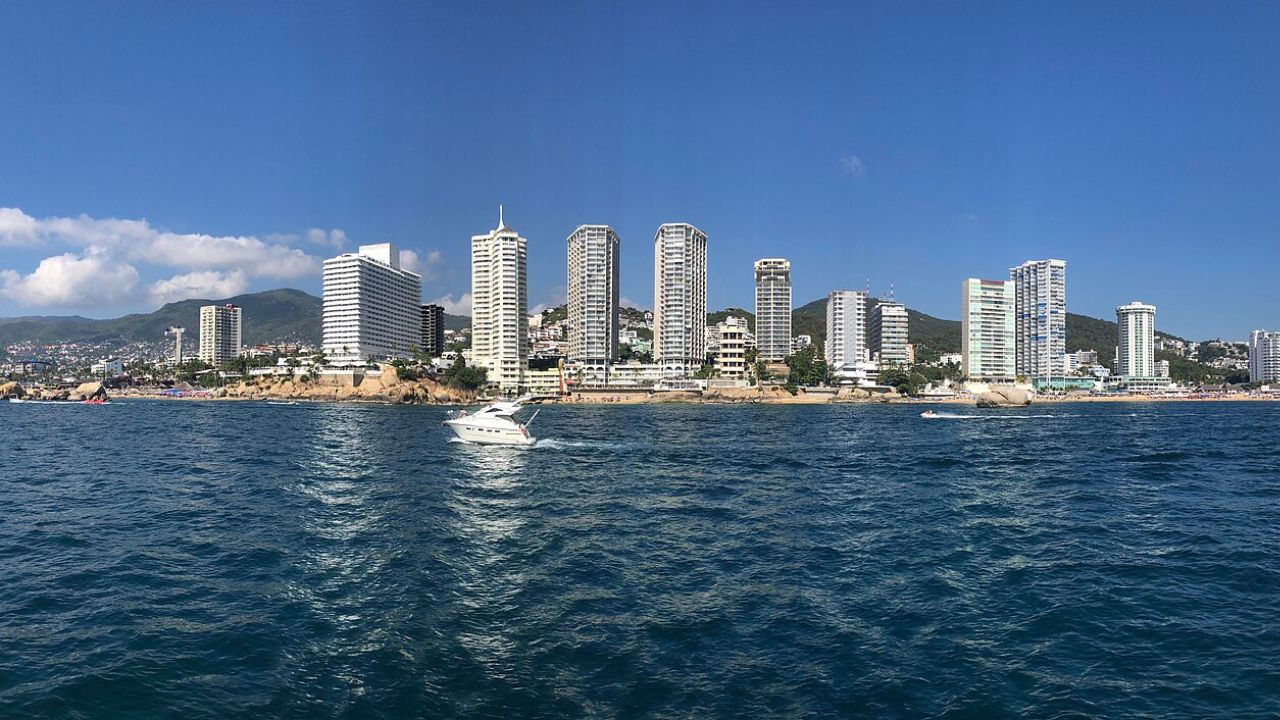
Acapulco once symbolized glamour on Mexico’s Pacific coast, with cliff divers, cruise ships, and hillside hotels framing the bay. In recent years, the city has become tangled in Guerrero’s wider security troubles, where organized crime and strained local institutions shape daily life. Official guidance now places the state in the highest risk tier, turning a former Riviera for film stars into a place travelers and tour operators approach with far more hesitation than nostalgia.
Zihuatanejo And Ixtapa: Twin Bays Under Pressure
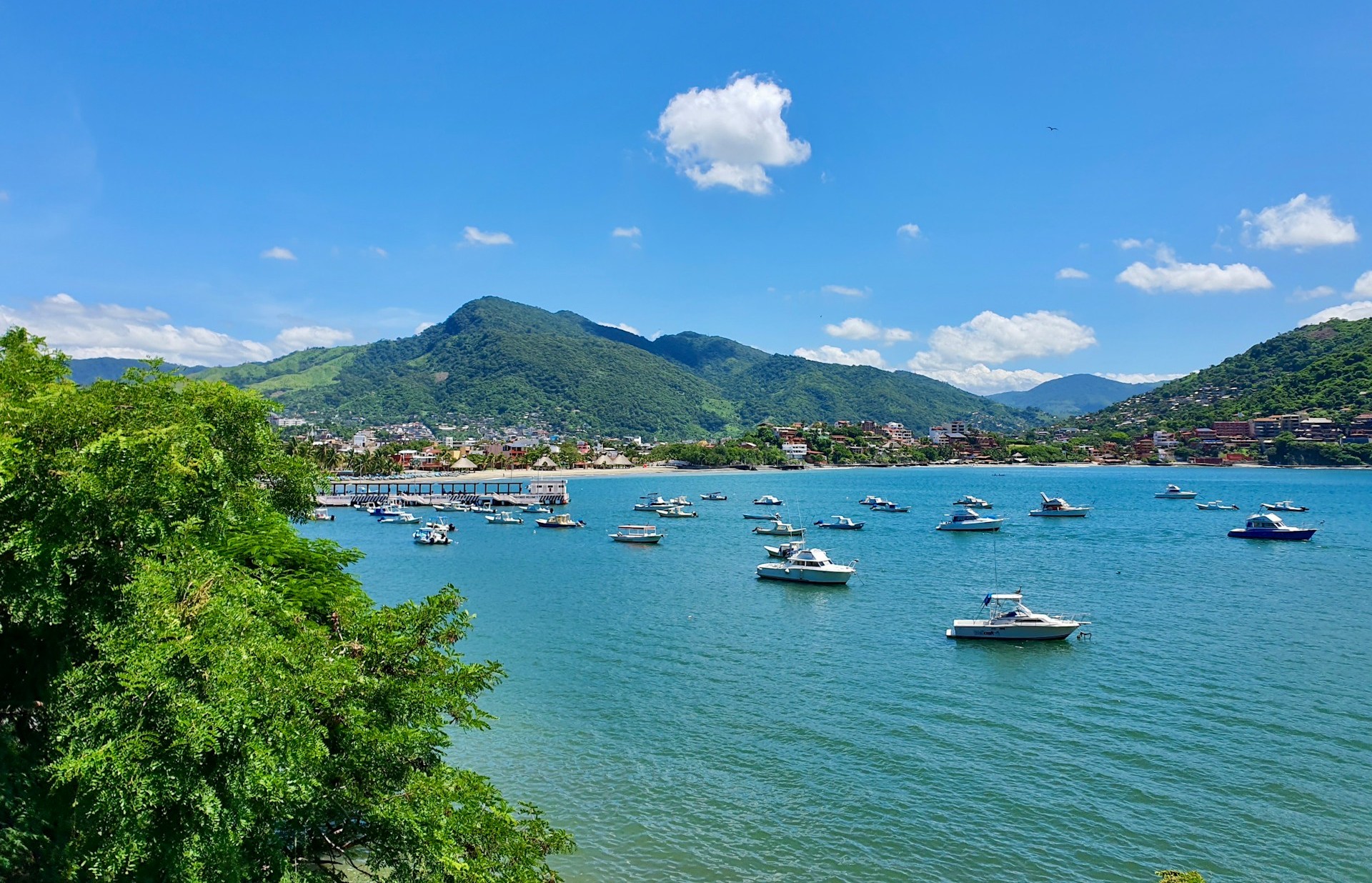
Zihuatanejo and Ixtapa were promoted as gentler, more relaxed alternatives to louder resort corridors, pairing a walkable fishing town with a purpose built hotel zone. The scenery has not changed, but the security context around Guerrero has. Advisories that cover the whole state pull these paired destinations into the same red category, no matter how many oceanfront bars and golf carts appear in brochures. For many travelers, that warning line outweighs the promise of quiet Pacific sunsets.
Taxco: Silver City In A High Risk State
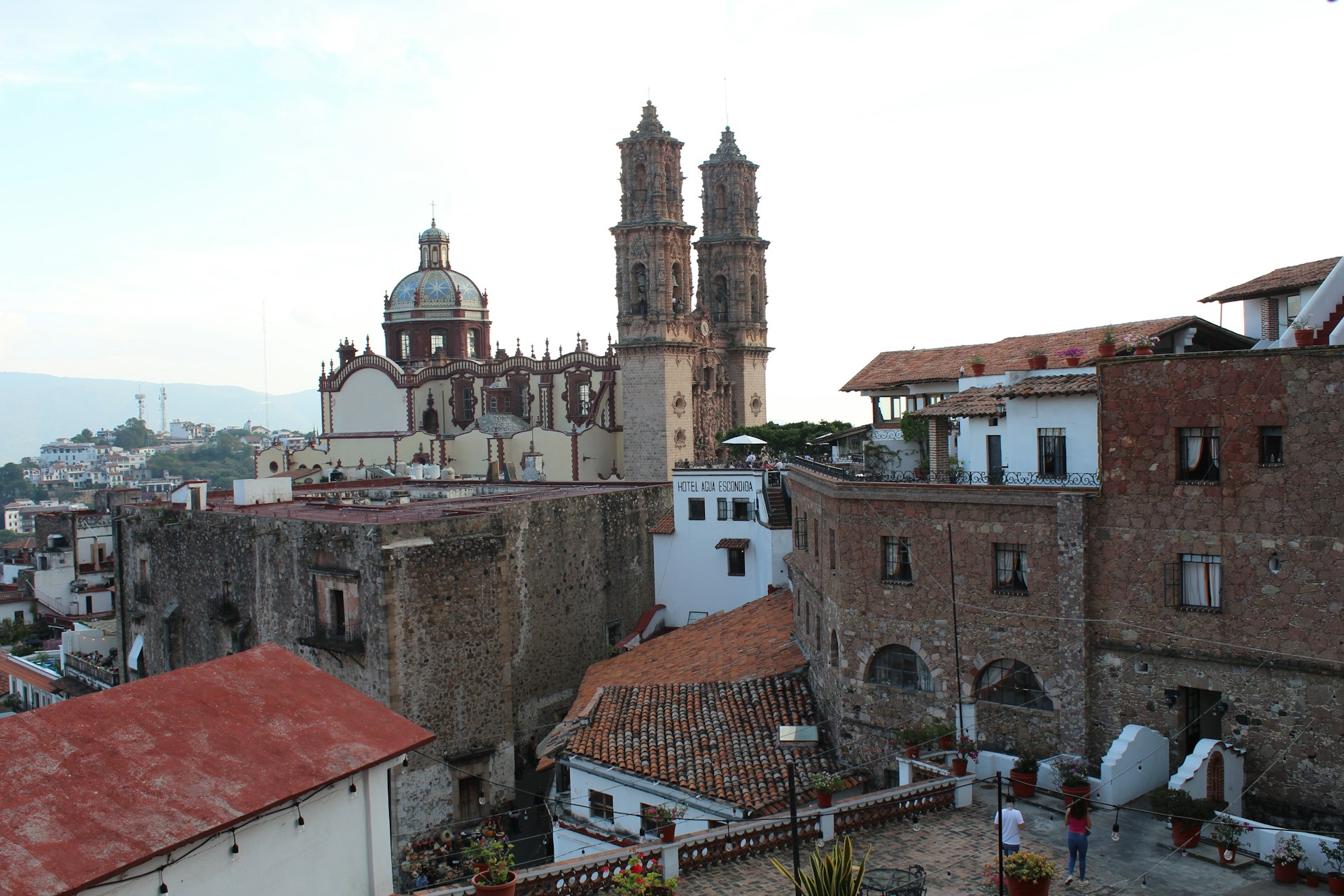
Taxco is the kind of place that stays in memory, with whitewashed walls, steep hills, and silver shops tucked under tiled roofs. Its markets and churches sell a picture of old Mexico that feels both theatrical and lived in. Yet its location inside Guerrero means it shares the state’s severe advisory, even when daily life looks calm at street level. That tension between local charm and regional risk now defines how many visitors view this hilltop city.
Manzanillo: Cruise Port With Caveats
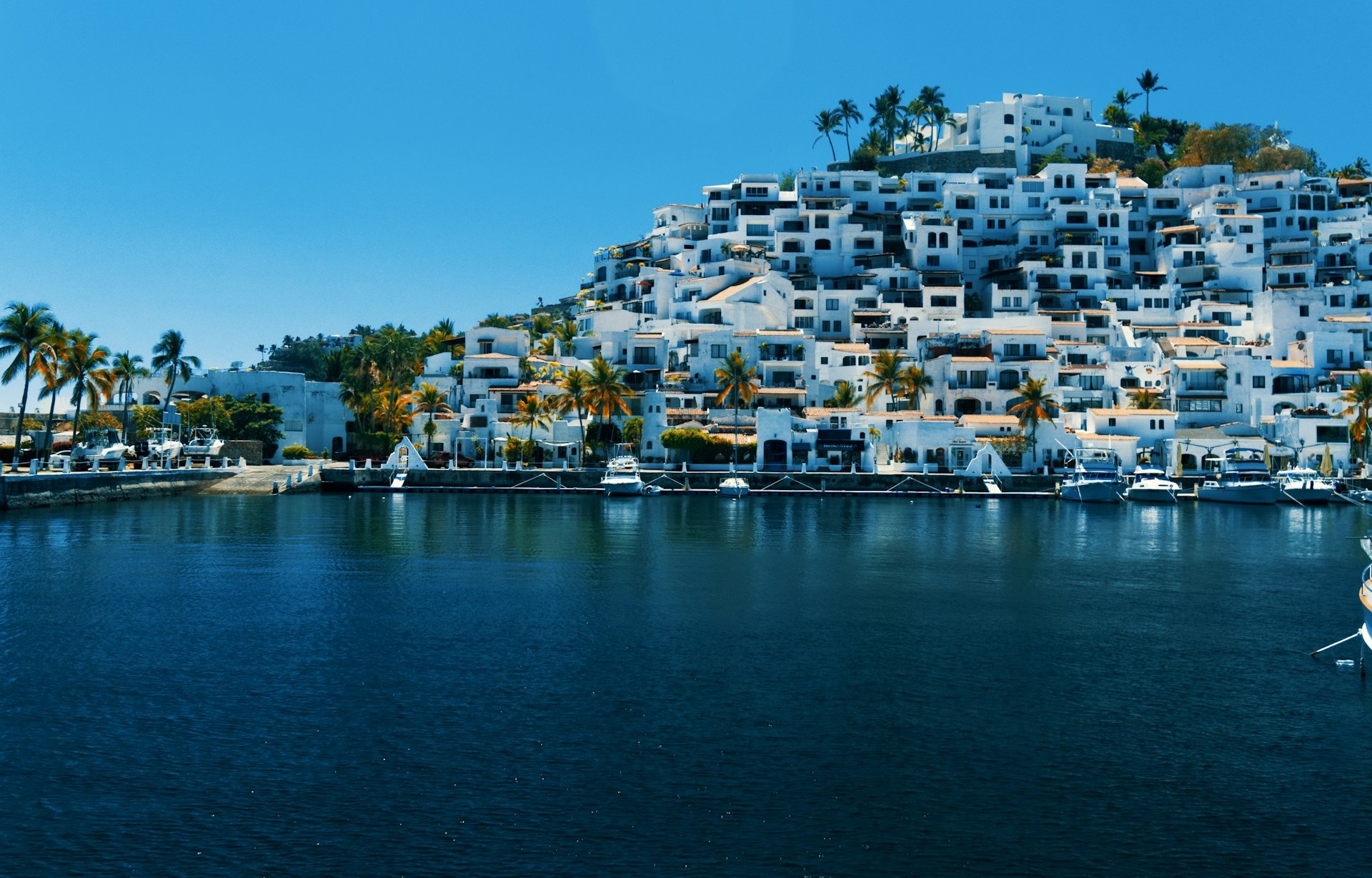
Manzanillo’s curved bay and working port once made it a straightforward beach and cruise stop, popular with sportfishers and families escaping winter. The surrounding state of Colima now appears in the top warning bracket, with crime concerns that go beyond tourist zones. Guidance often carves out narrow allowances around the resort strip and port, but the broader message is sober. Manzanillo’s palm lined roads now come packaged with a reminder that not all of Colima feels equally safe.
Colima Volcano And Coffee Country
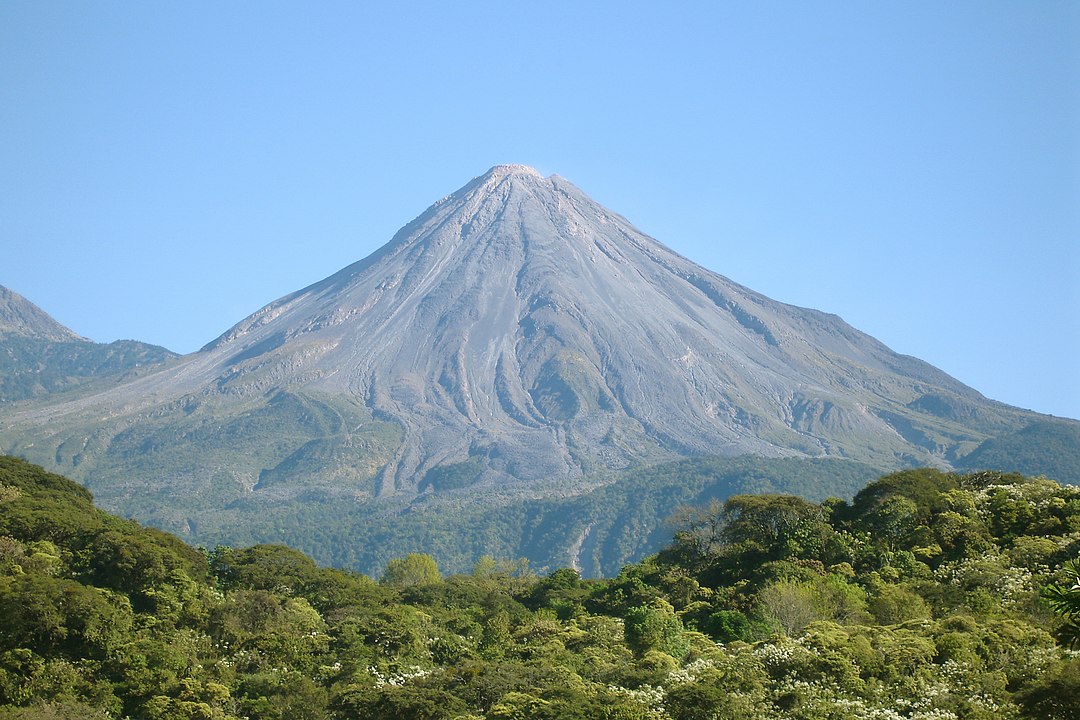
North of the coast, the volcanic highlands and coffee towns once promised cooler air, cloud forests, and quiet plazas. Road trippers sought out routes around Volcán de Colima and the white facades of Comala to trade beach heat for mountain shade. Those same areas now sit inside a state flagged for serious security concerns, which pushes many organized tours to scale back or cancel. The scenery still looks dramatic in photos, yet the risk calculus has shifted.
Morelia: Pink Stone Beauty In Michoacán
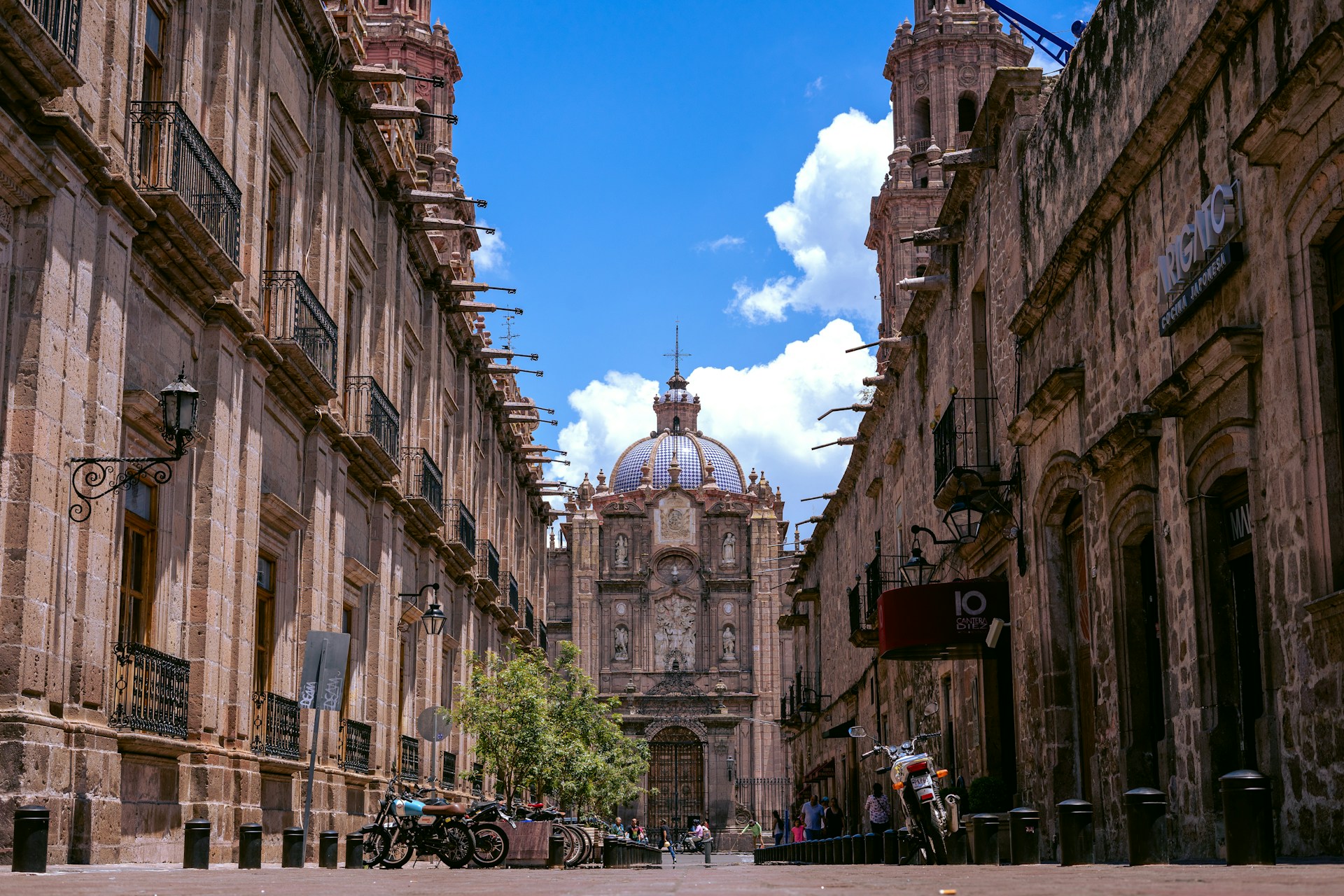
Morelia’s historic center glows with pink cantera stone, long arcades, and plazas that come alive at night with students and street vendors. It remains one of Mexico’s most architecturally impressive cities. At the same time, it lies in Michoacán, a state widely associated with cartel conflict and extortion. Official messaging tries to thread a needle by highlighting limited routes and zones, but the broader Level 4 backdrop lingers in the minds of many prospective visitors.
Monarch Sanctuaries On The Michoacán Side
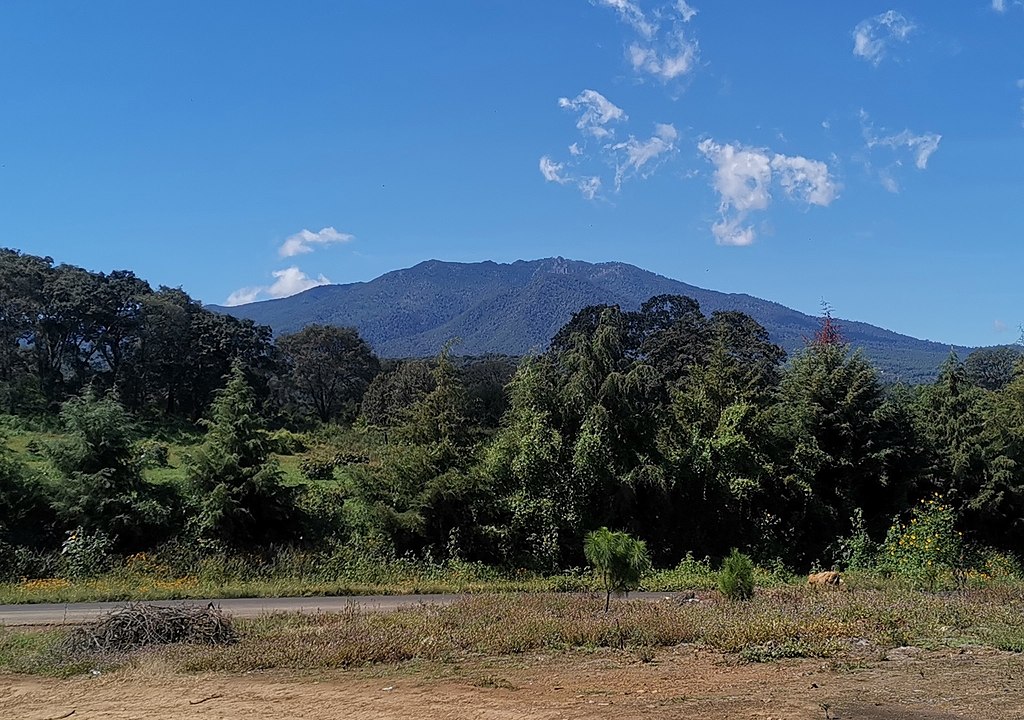
Every winter, monarch butterflies drift into the high forests that straddle Michoacán and the State of Mexico, clustering on oyamel firs in dense orange sheets. For nature lovers, walking under those branches has felt almost sacred. In recent years, though, some sanctuaries on the Michoacán side fall inside areas described as too risky for official travel. That stance does not stop the migration, but it does put real limits on how and when organized groups reach the trees.
Mazatlán: Sinaloa’s Pacific Showcase
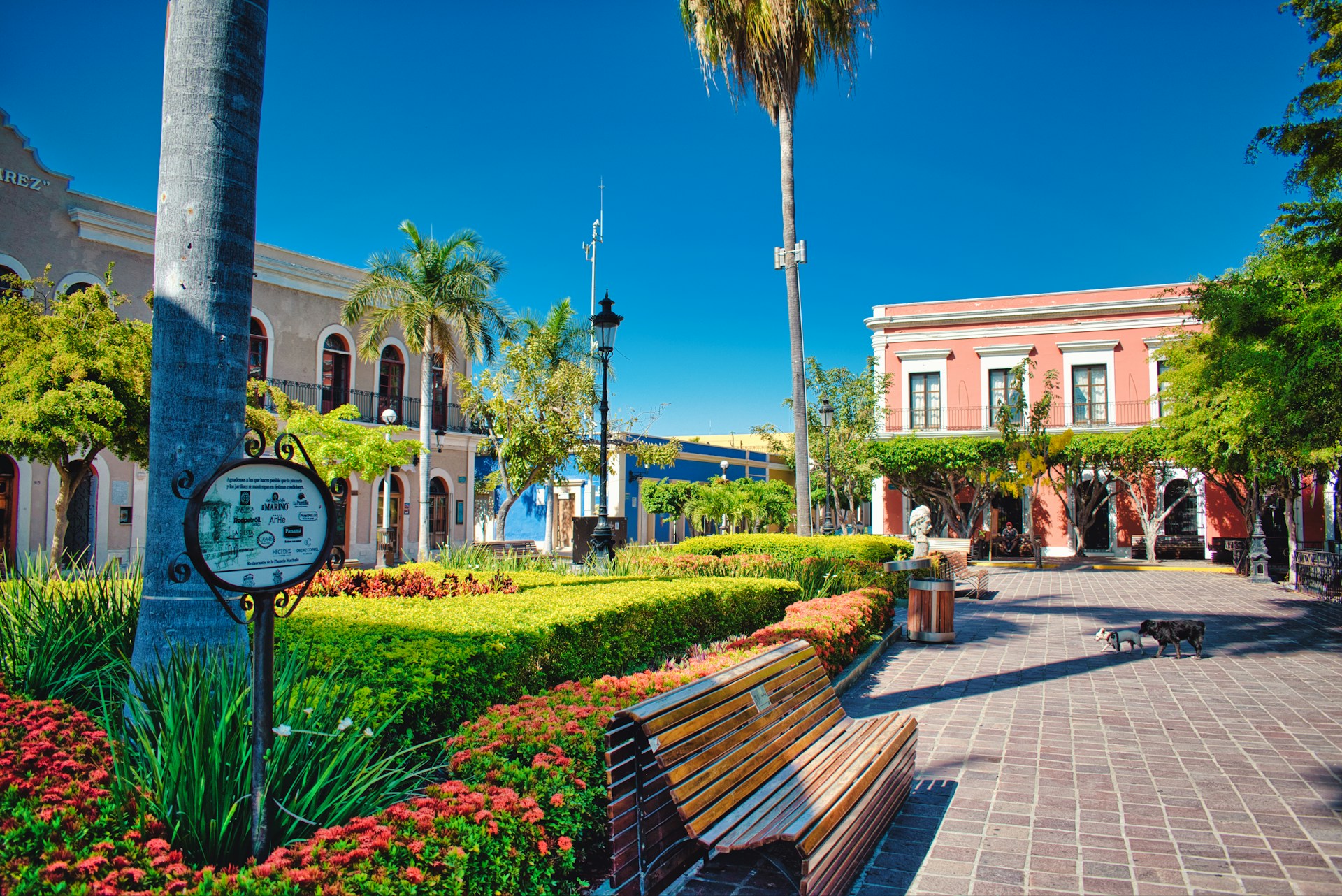
Mazatlán combines a long seafront promenade, a historic core, and a string of modern hotels that rise over the sand. For decades, it has sold itself as a balanced mix of everyday Mexico and resort comfort. Yet it sits in Sinaloa, a state name that often appears in coverage of organized crime. Guidance now focuses on very specific corridors and neighborhoods, signaling that even a popular destination can sit inside a much more complicated security story.
Los Mochis: Gateway With Strings Attached

Los Mochis serves as a key western doorway to Copper Canyon rail journeys, linking coastal plains to dramatic mountain routes. For many travelers, it has been a practical overnight stop rather than a goal in itself. Its position in Sinaloa, however, means it shares in the state’s highest level warning. Advice that once focused on trains and timetables now also addresses routes in and out of town, keeping some itineraries on paper instead of on the calendar.
Nuevo Laredo: Busy Border, Heavy Warnings

Nuevo Laredo has long been defined by trucks, commerce, and cross border shopping rather than beaches or plazas. Even so, it functions as a tourist crossing for families with deep ties on both sides of the line. Rising concerns about roadblocks, armed groups, and kidnappings in Tamaulipas have pushed official guidance toward strong discouragement. The city still hums with trade, but security notes now loom over any plan that once seemed like a routine drive.
Zacatecas City: Hilltop Jewel In A Red Zone
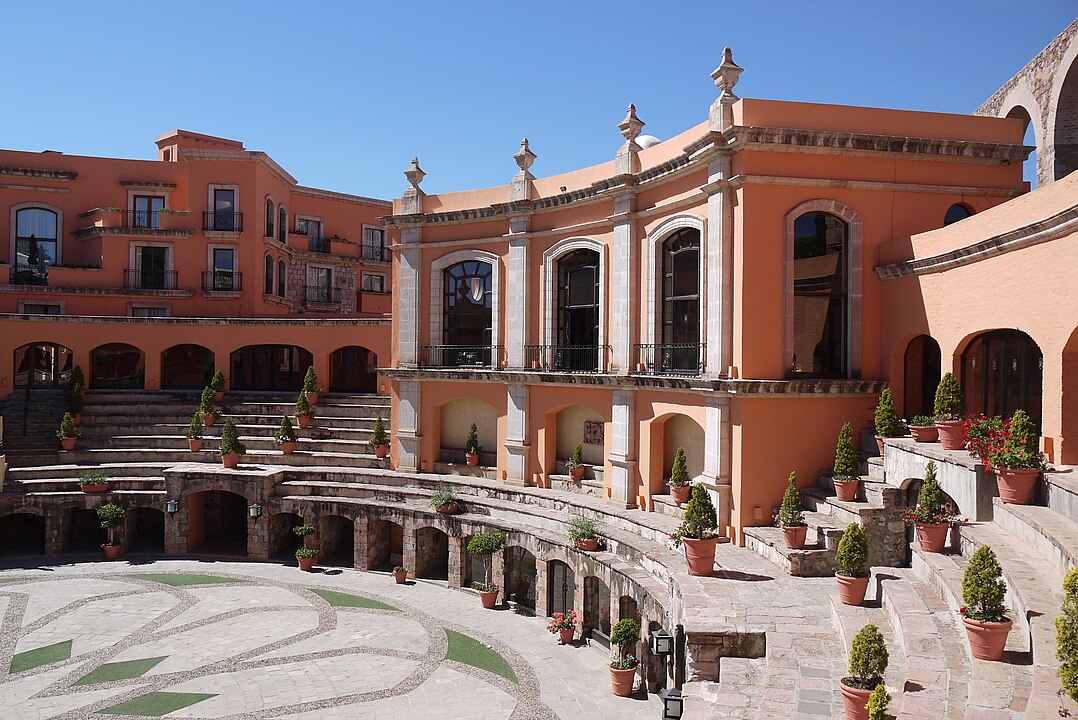
Zacatecas City offers cable car views, mine tours, and an old quarter packed with stone facades and museums. It carries UNESCO recognition for a core that reflects mining wealth and layered history. Its surroundings tell a different story, as the state of Zacatecas has faced rising violence linked to competing criminal groups. Advisories that flag the state as high risk sit uneasily next to tourism campaigns, leaving many travelers torn between curiosity and caution.