We may earn money or products from the companies mentioned in this post. This means if you click on the link and purchase the item, I will receive a small commission at no extra cost to you ... you're just helping re-supply our family's travel fund.
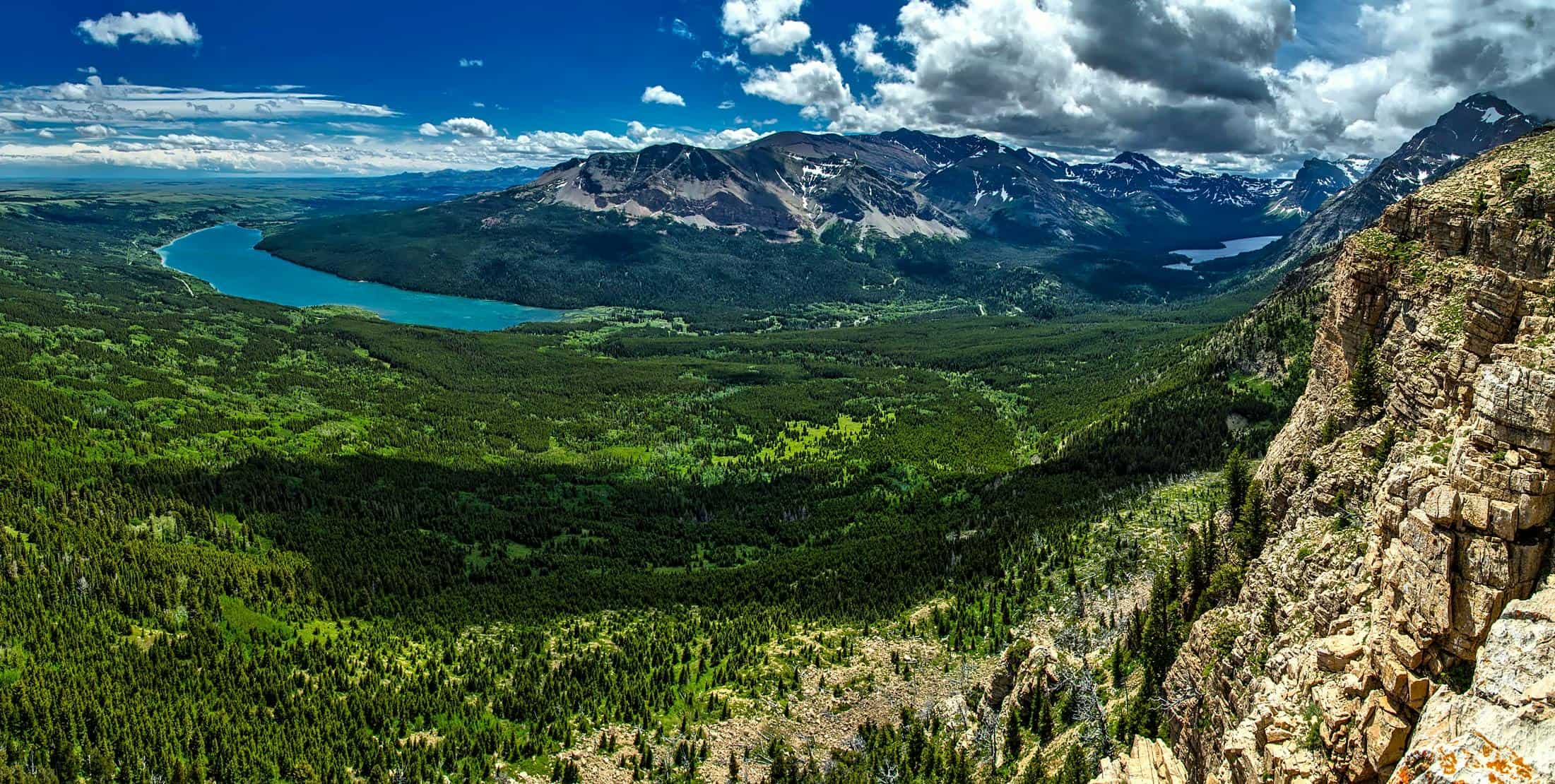
National parks are supposed to feel steady: gates open, roads plowed, trails waiting. But in many places, the most famous parts of the experience now run on a narrow window. Snow keeps high roads closed longer than they stay clear, landslides and repair projects shut down key corridors, and fire recovery can erase an entire season. The parks are still there, but access has become a moving target, and trip planning often starts with closures, not postcards. These places reward flexibility, and they also remind travelers how quickly nature, weather, and maintenance can redraw the map.
Denali National Park And Preserve
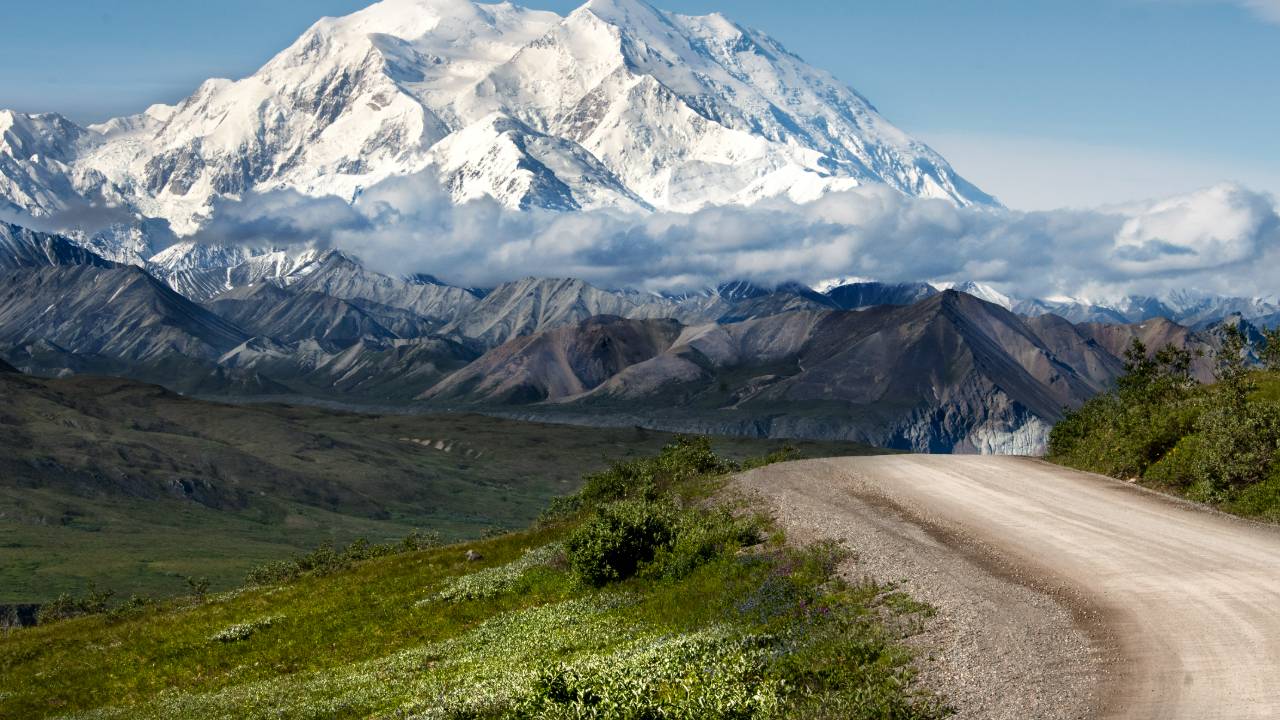
Denali’s only road into the interior still stops short of the big, wide country most people picture, so “backcountry” starts sooner than expected and the road-built narrative pauses mid-sentence. After the Pretty Rocks landslide, the Denali Park Road remains closed at Mile 43, a barrier that reshapes everything from bus routes to basic logistics and how far a day trip can reach. Shuttle buses and narrated tours turn around early, and the classic ride toward deep western valleys becomes a glimpse rather than a journey, leaving the far-west corridor reachable mainly by small aircraft, backcountry permits, and careful, weather-driven planning.
Glacier National Park
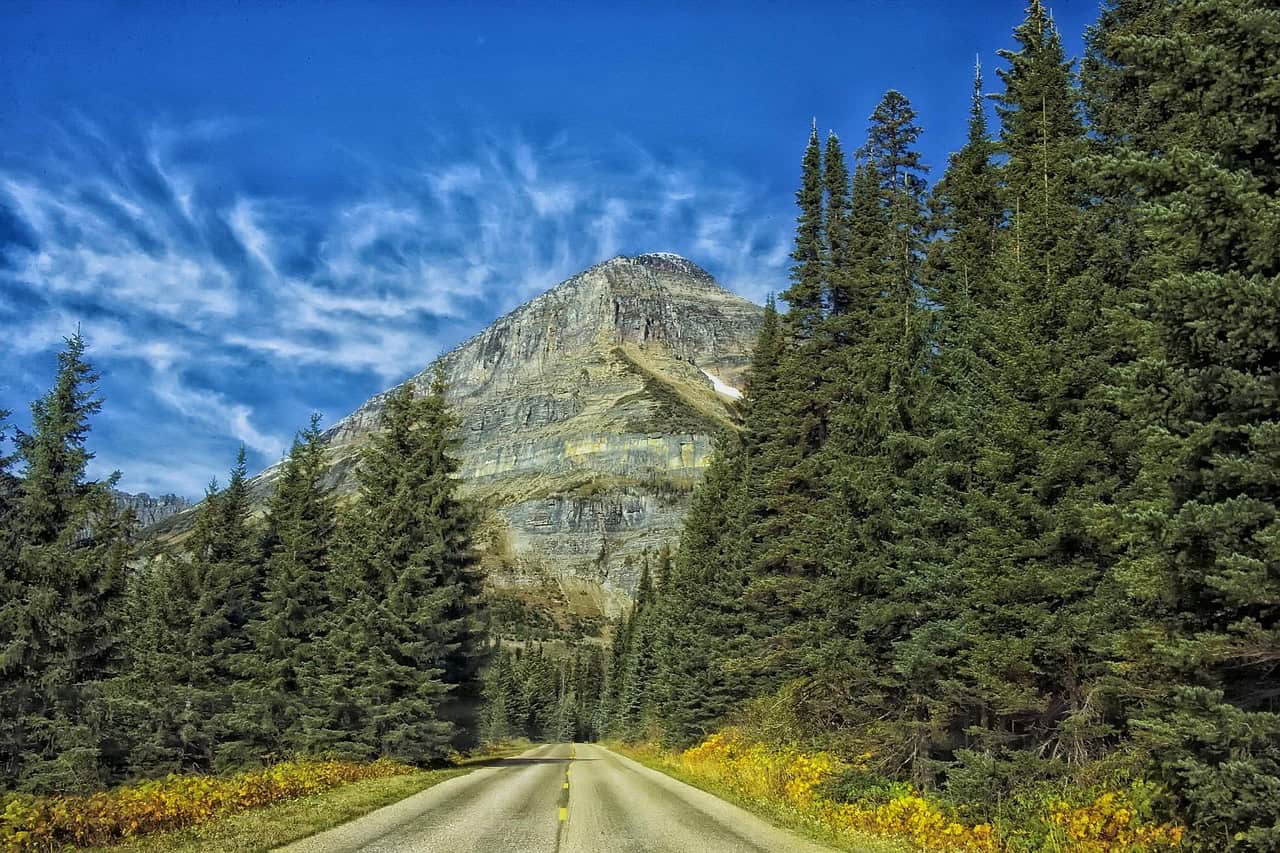
Glacier’s rhythm is set by one thin ribbon of pavement that climbs toward the Continental Divide, then disappears under snow for long stretches. The alpine sections of Going-to-the-Sun Road typically close for the winter around the third Monday of October, and that closure can come earlier when storms arrive fast and lock gates in place. For the larger share of the year, Logan Pass is off-limits to cars, and the famous overlooks, waterfalls, and stone guardwalls belong to plow crews, skiers, and hikers, while gateway communities wait for the brief stretch when the highline route finally reconnects west and east.
Rocky Mountain National Park
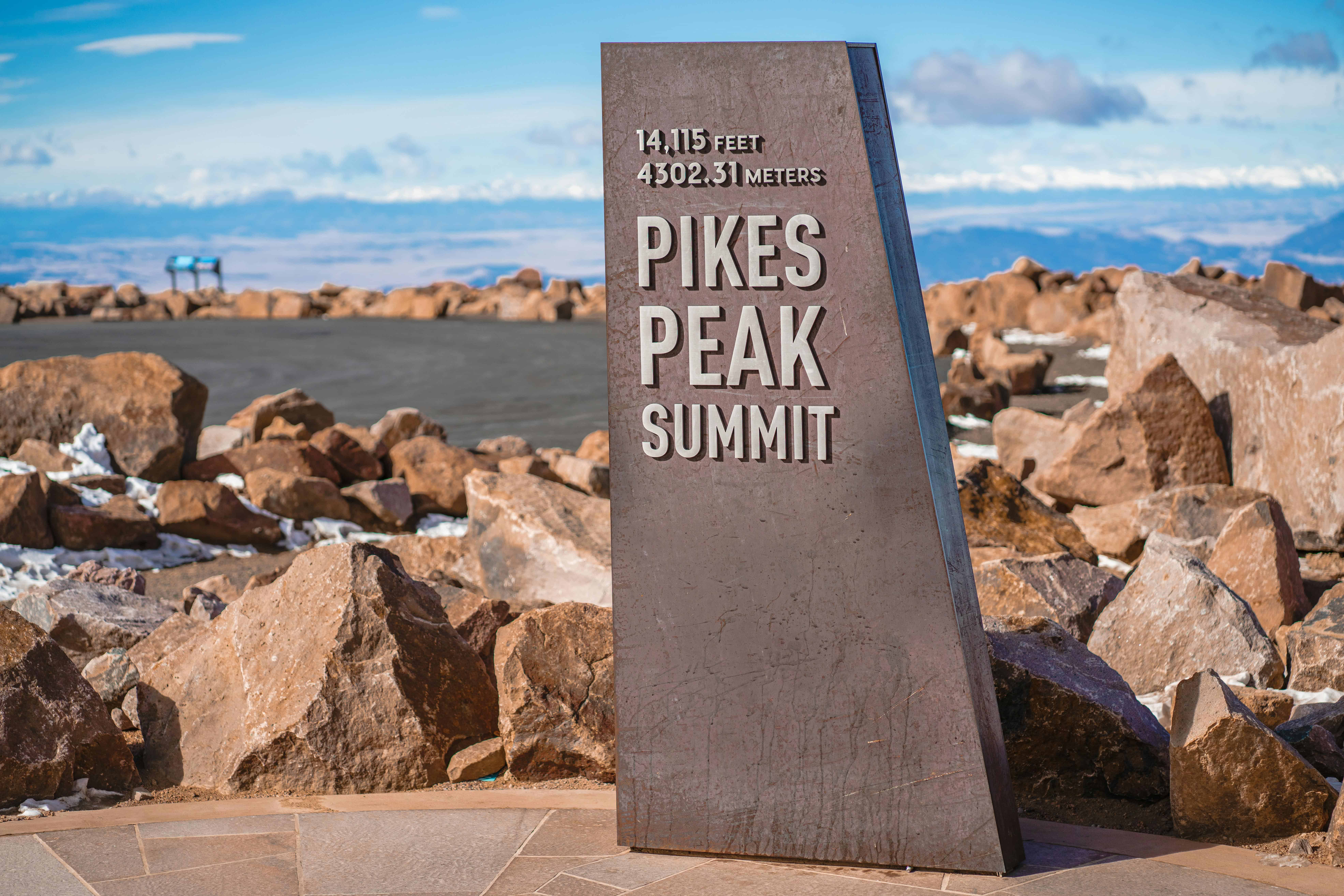
Rocky Mountain’s highest paved crossing is famous because it reaches the tundra, but that elevation comes with a long annual shutdown that resets what “driving the park” even means. Trail Ridge Road and its high-country overlooks close for extended winter months, reopening only after crews tame drifts, ice, and wind-scoured shoulders and deem travel safe. That seasonal barrier splits the park’s east and west sides into separate trip patterns, and it turns a simple drive into a short-season event, when clear mornings, quick storms, and the first dusting of snow decide whether the route belongs to traffic or silence.
Crater Lake National Park
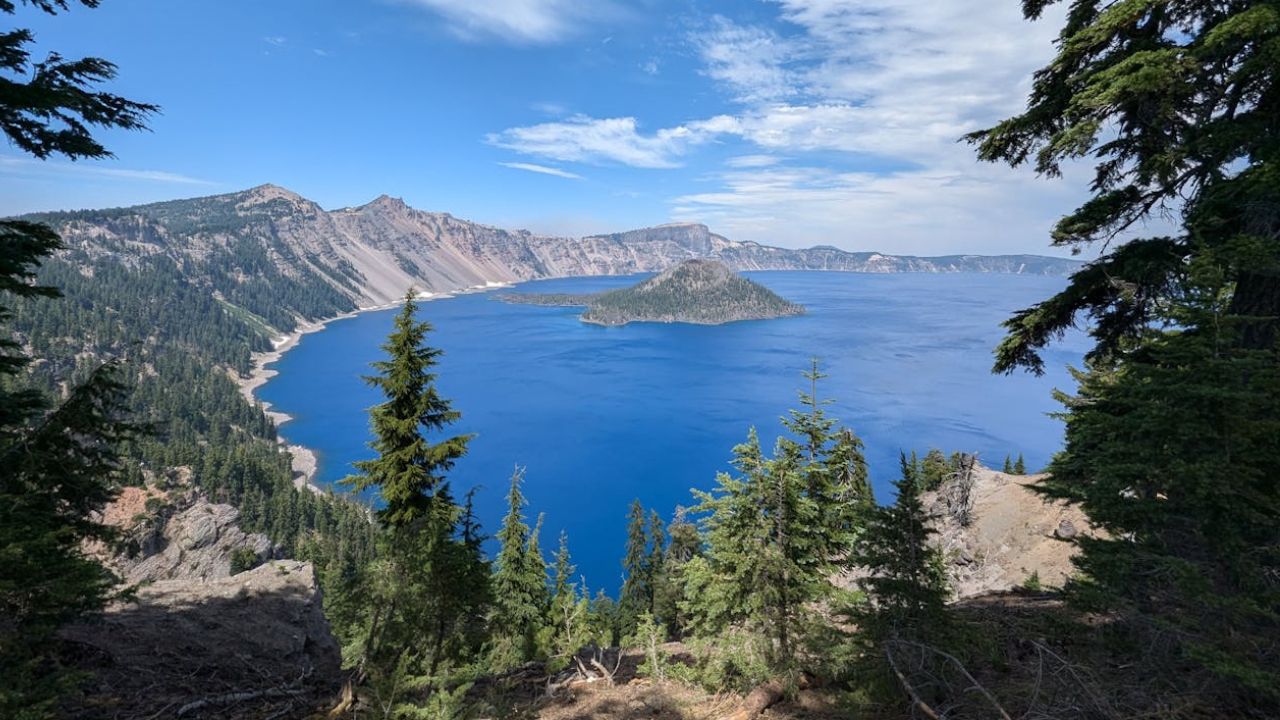
Crater Lake can feel open and quiet in winter, but its signature rim loop is locked away for months by sheer snowfall, steep grades, and difficult plowing conditions. Rim routes and north-side access close when storms stack up, shifting the rim from a windshield experience to one shaped by skis, snowshoes, and wind, with access concentrated near the main developed area. When the full circuit finally reopens in summer, the park’s classic overlook-hopping rhythm returns all at once, but it arrives after a long season of closures, deep snowbanks, and limited access that makes the lake’s blue feel even more improbable.
Mount Rainier National Park
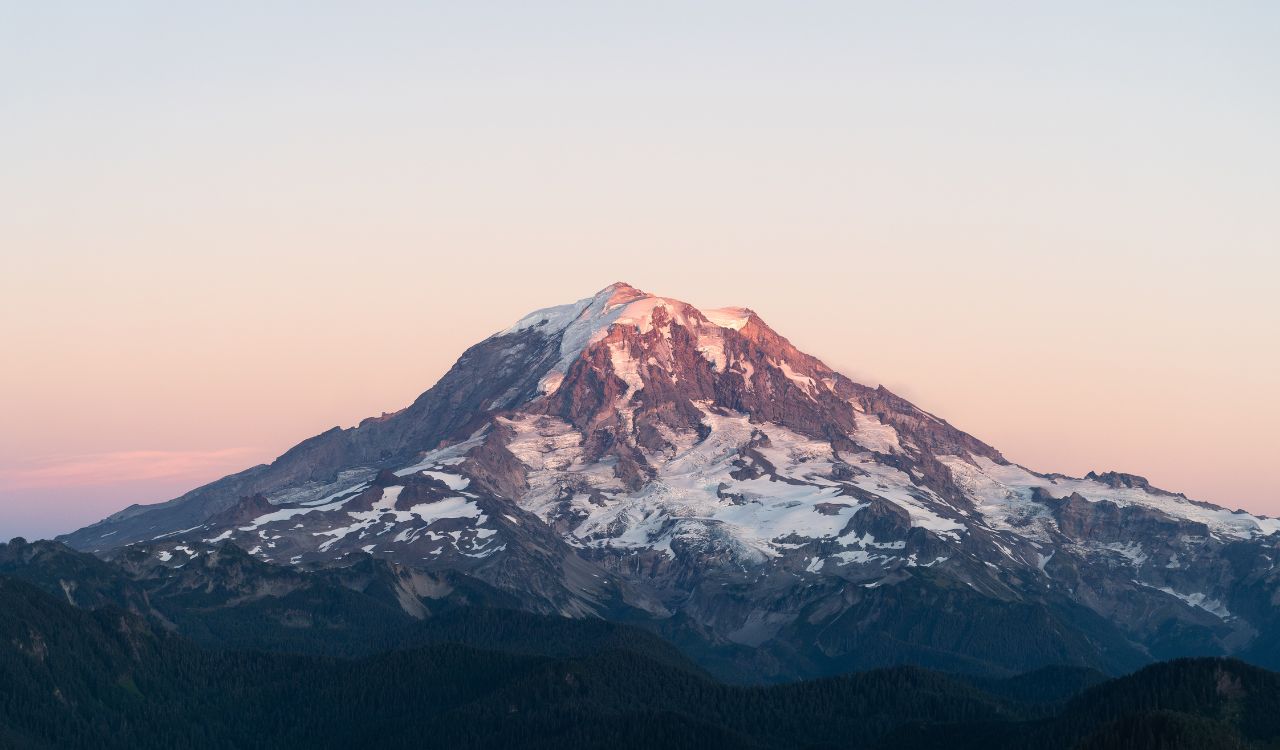
At Mount Rainier, the highest paved approach is a seasonal visitor, not a constant, and it changes how the mountain is seen from above the forests. Road access into the Sunrise area typically arrives in early summer and fades again in early fall, when storms, ice, and visibility flip the gate back to closed. Sunrise is the park’s highest vehicle-accessible area, so when the road shuts, the big views do not vanish, but they move to longer hikes and lower trailheads, and the drive-up experience shrinks to a brief, bright window framed by wildflowers, lingering snowbanks, and then early frost too.
Lassen Volcanic National Park
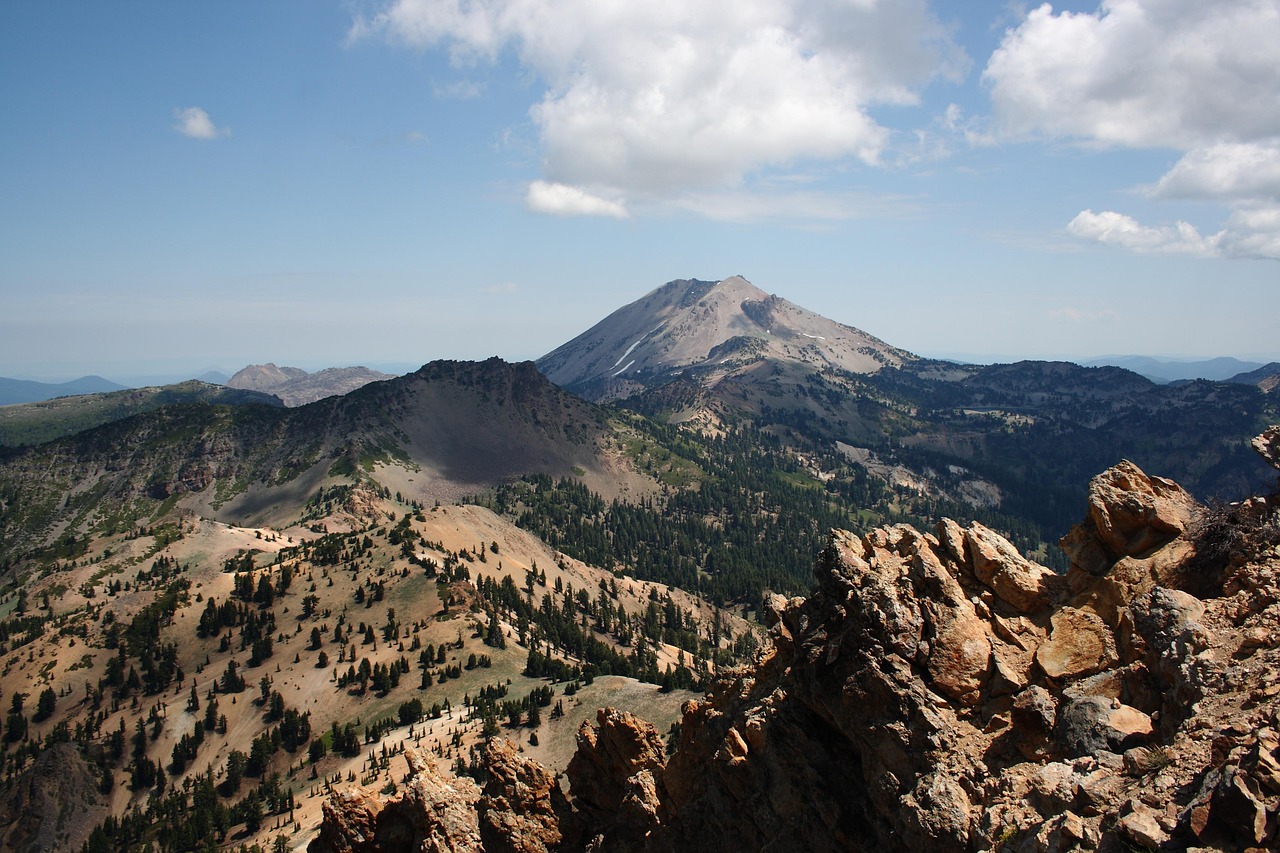
Lassen’s volcanic landscape comes with a very non-tropical reality: deep snow that turns the park’s main road into a seasonal boundary. Each winter, the main park road (Hwy 89) closes at the Kohm Yah-mah-nee Visitor Center and the Devastated Area, leaving a quieter, winter-only version of the park on either end. When spring arrives, access returns in stages, shaped by plowing progress and changing conditions, and the full driveable corridor becomes a limited-time privilege rather than a baseline expectation.
Mesa Verde National Park
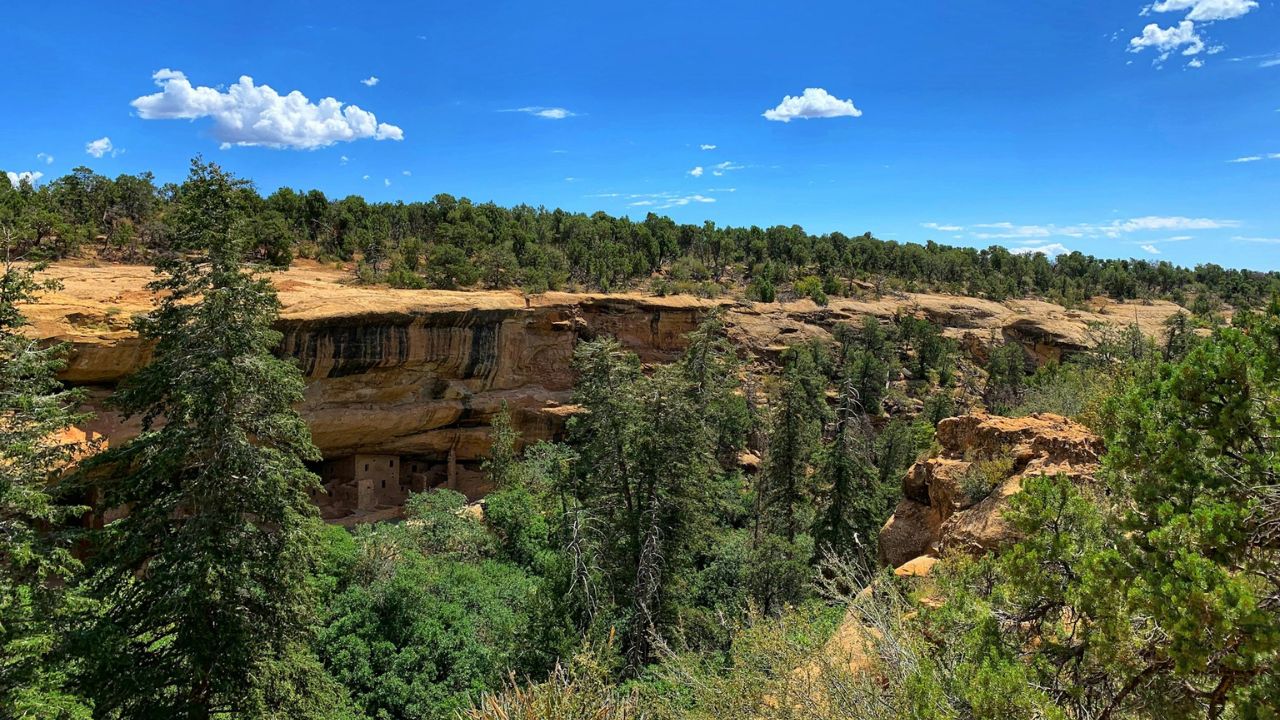
Mesa Verde’s story is told in districts, and one of the most atmospheric sits behind a gate for much of the year, waiting for a short stretch of reliable weather. Wetherill Mesa, with its paved loop, overlooks, and access to major cliff sites such as Long House, operates on a limited seasonal schedule with additional day-of-week restrictions that can catch travelers off guard. When it is closed, the western mesa becomes a quiet, unreachable chapter, and the park’s emphasis shifts to other areas that can handle winter conditions, staffing limits, and the careful preservation work that keeps fragile dwellings intact.
Grand Canyon National Park
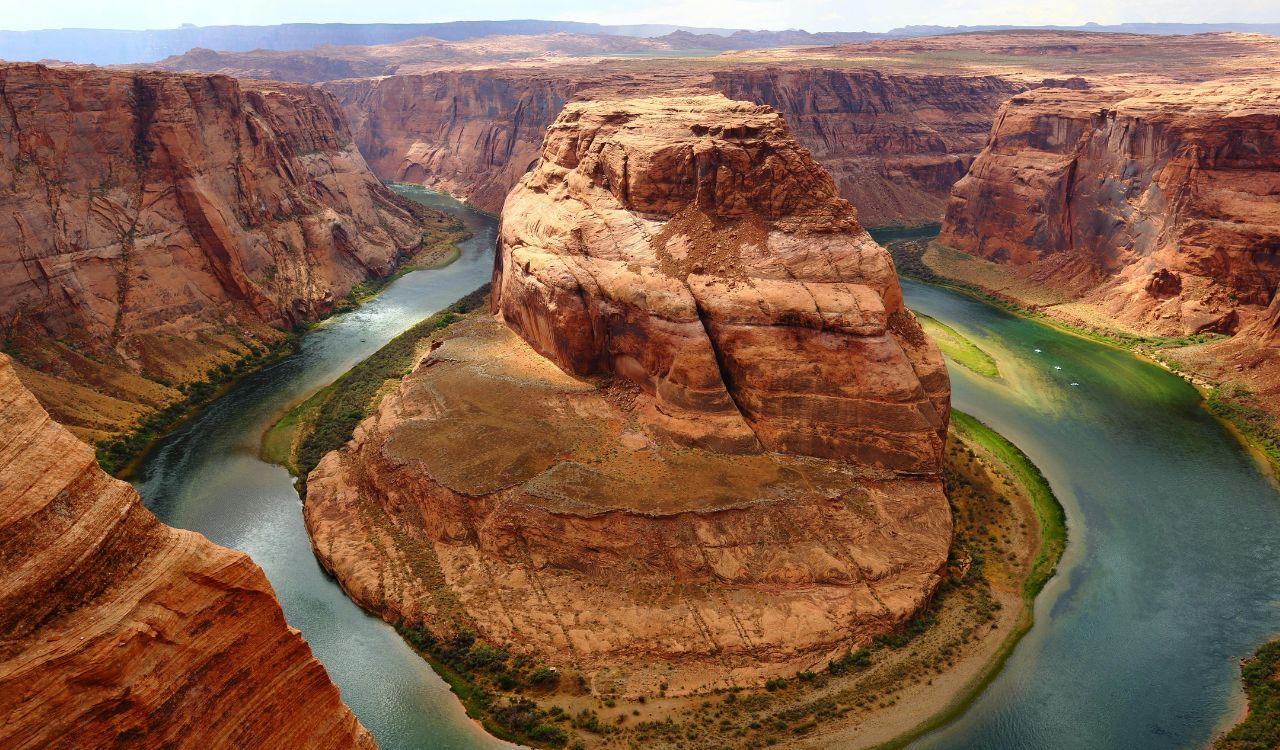
The Grand Canyon’s North Rim already runs on a short season because winter snow closes roads and services for months after the first hard freeze. When lodges, campgrounds, and the scenic drive to the rim shut down, the canyon’s quieter side becomes a place seen mostly in summer plans and old photos, not in real-time itineraries. In recent years, added hazards and recovery work have stretched that shutdown even longer, and when the gate finally swings open, the reward is a different canyon mood, but the window is brief, and a single storm system or safety concern can close the rim again with little warning.
Olympic National Park
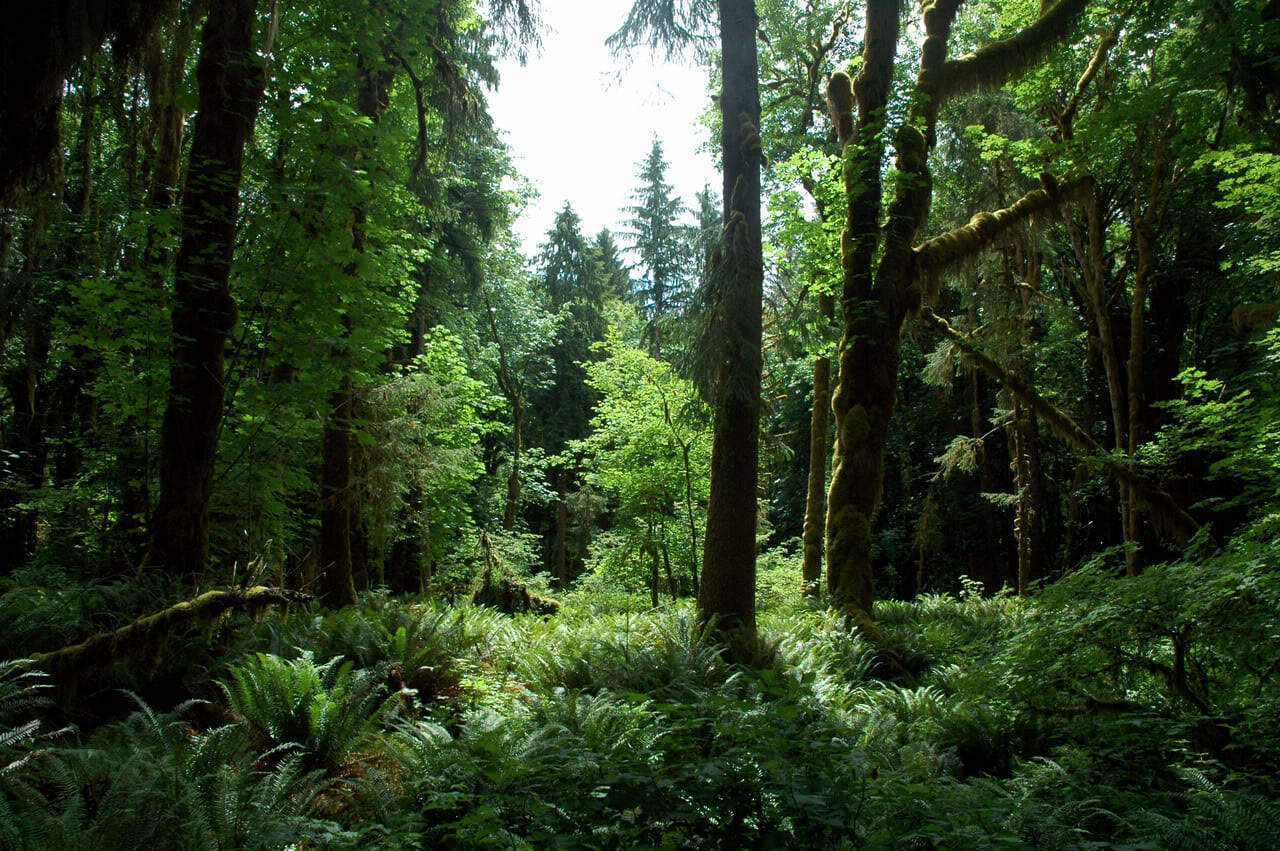
Olympic’s Hurricane Ridge can feel like it runs on a weekend schedule once winter arrives. The Park Service says Hurricane Ridge Road is typically open to uphill traffic from 9 a.m. to 4 p.m. Friday through Sunday, weather permitting, and it can open as late as noon or stay closed after storms. That turns a simple viewpoint into a moving target: plows, wind, and ice decide the day, chains become non-negotiable, and even locals treat clear access as a lucky break rather than something to assume, especially when a calm morning can turn into whiteout conditions by lunchtime.
Great Basin National Park
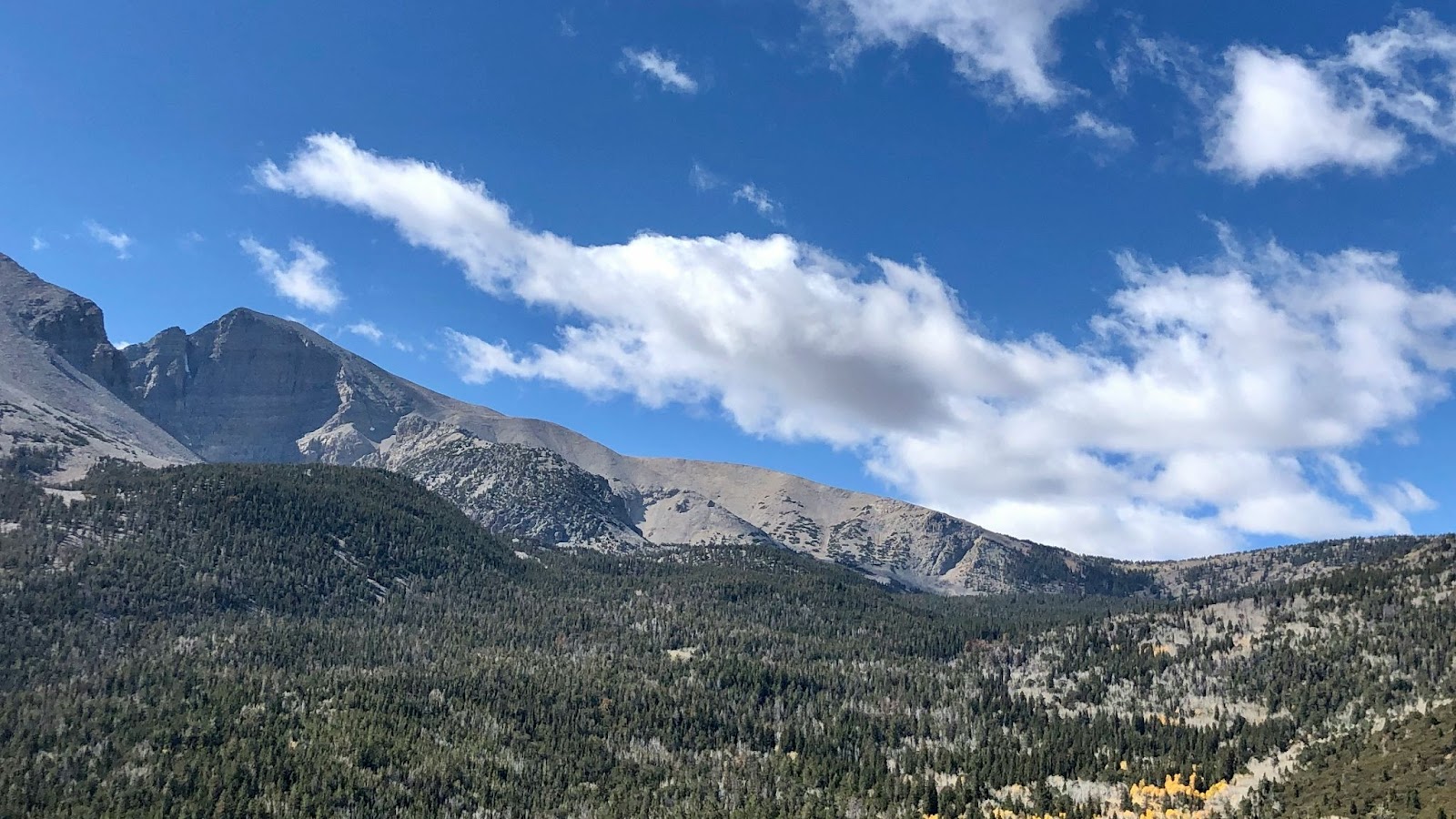
Great Basin’s headline experiences can disappear for months, turning famous stops into seasonal absences. Lehman Caves closed beginning Oct. 20, 2025 for an electrical project, with tours anticipated to return in spring 2026, even as the rest of the park remains open. At the same time, winter road closures shut the Wheeler Peak Scenic Drive at Upper Lehman Creek Campground, pushing high-elevation access into snow travel and long approaches, and stacking limitations in a way that makes open days feel especially earned.
Yosemite National Park
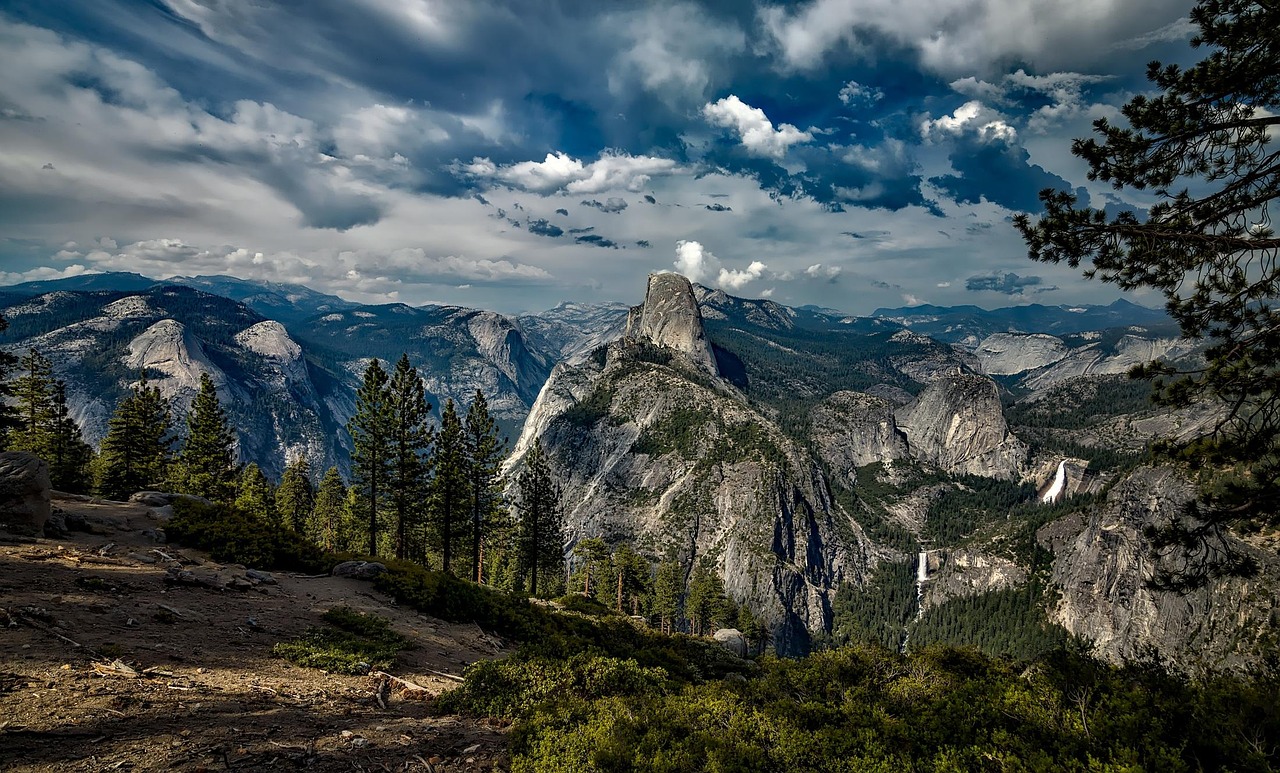
Yosemite’s high-country crossing depends on a snowpack that can linger long after spring feels settled elsewhere, and it keeps the east side on a seasonal pause. Tioga Road, the route over the Sierra crest, can remain closed for much of the year, with opening and closing dates that swing widely depending on storms, snow depth, and safety. That uncertainty turns Tuolumne Meadows into a place that feels temporarily removed from the park’s daily life, then suddenly central again, when the plows break through and the high country returns in a rush of short nights, wild light, and limited time each year.