We may earn money or products from the companies mentioned in this post. This means if you click on the link and purchase the item, I will receive a small commission at no extra cost to you ... you're just helping re-supply our family's travel fund.

For decades, these scenic roads have been celebrated for their unmatched beauty, dramatic terrain, and the sense of freedom they offer to travelers. Yet many of them are now deteriorating at a pace that outstrips the ability of engineers and local authorities to keep them safe. Landslides, extreme weather, erosion, and aging infrastructure are combining to weaken routes once considered timeless. The following eleven byways highlight how vulnerable some of the world’s most beloved drives have become, each facing its own blend of natural and structural challenges.
1. Big Sur Coast Highway (California, USA)
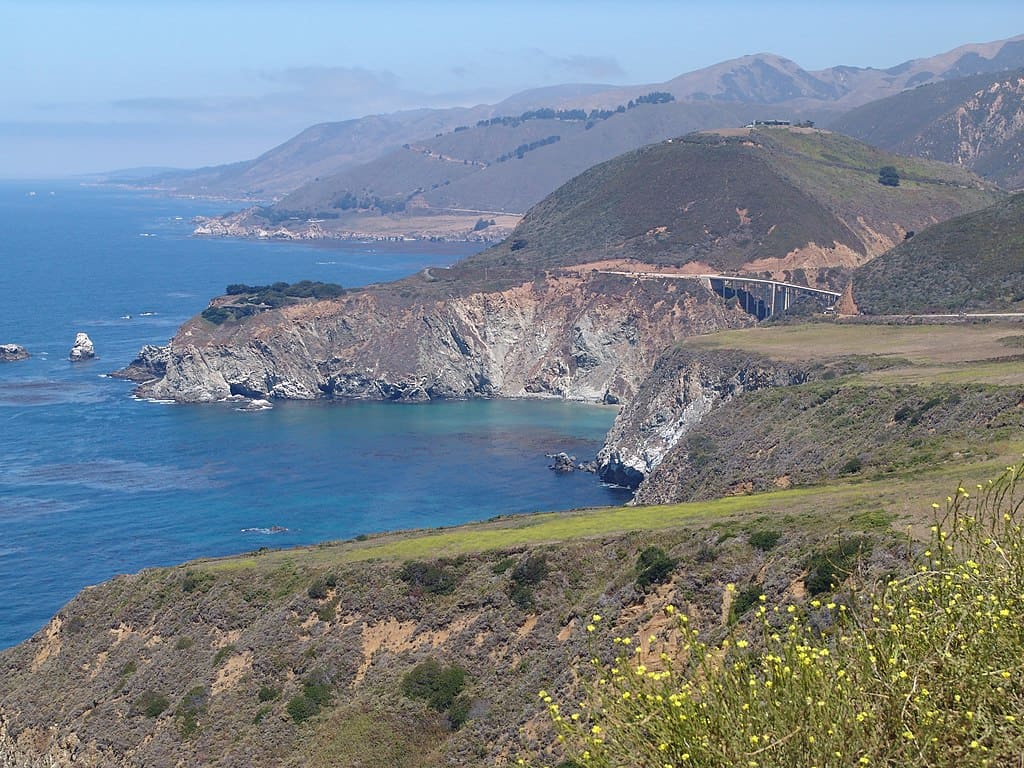
Stretching roughly 145 kilometers along steep Pacific cliffs, the Big Sur Coast Highway suffers from relentless erosion and heavy rainfall that can unleash landslides measuring hundreds of meters across. In 2023 alone, more than 30 closures occurred, many lasting weeks. Workers struggle to stabilize slopes that drop nearly 300 meters to the ocean, and each repair adds weight that further stresses the fragile terrain. As weather events intensify, this famous coastal ribbon is becoming increasingly difficult to maintain.
2. Going-to-the-Sun Road (Montana, USA)
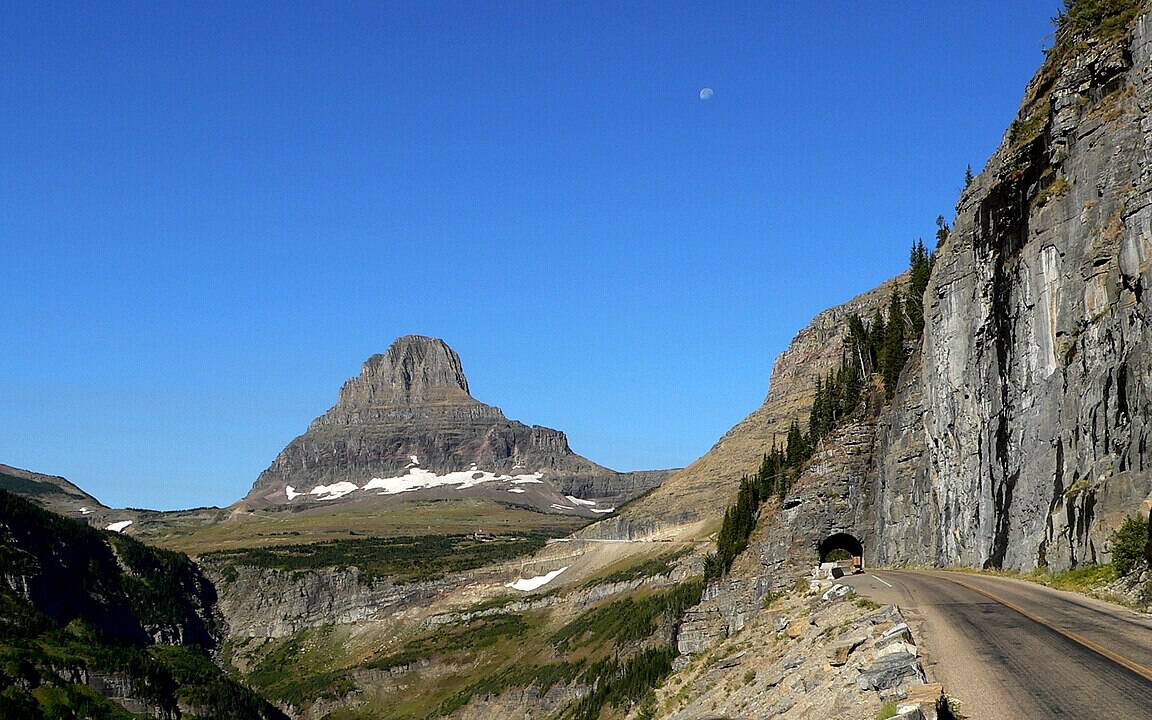
Cutting across Glacier National Park for 80 kilometers, this route endures severe freeze-thaw cycles that fracture pavement and destabilize its stone retaining walls. Snowfall in the region can exceed 25 meters per year, leaving maintenance crews only a short summer window to perform major repairs. Rockfall incidents have risen nearly 20 percent since 2010, raising costs and safety concerns. Despite ongoing reinforcement projects, the elevated sections of this historic road continue to age faster than they can be rebuilt.
3. Cabot Trail (Nova Scotia, Canada)
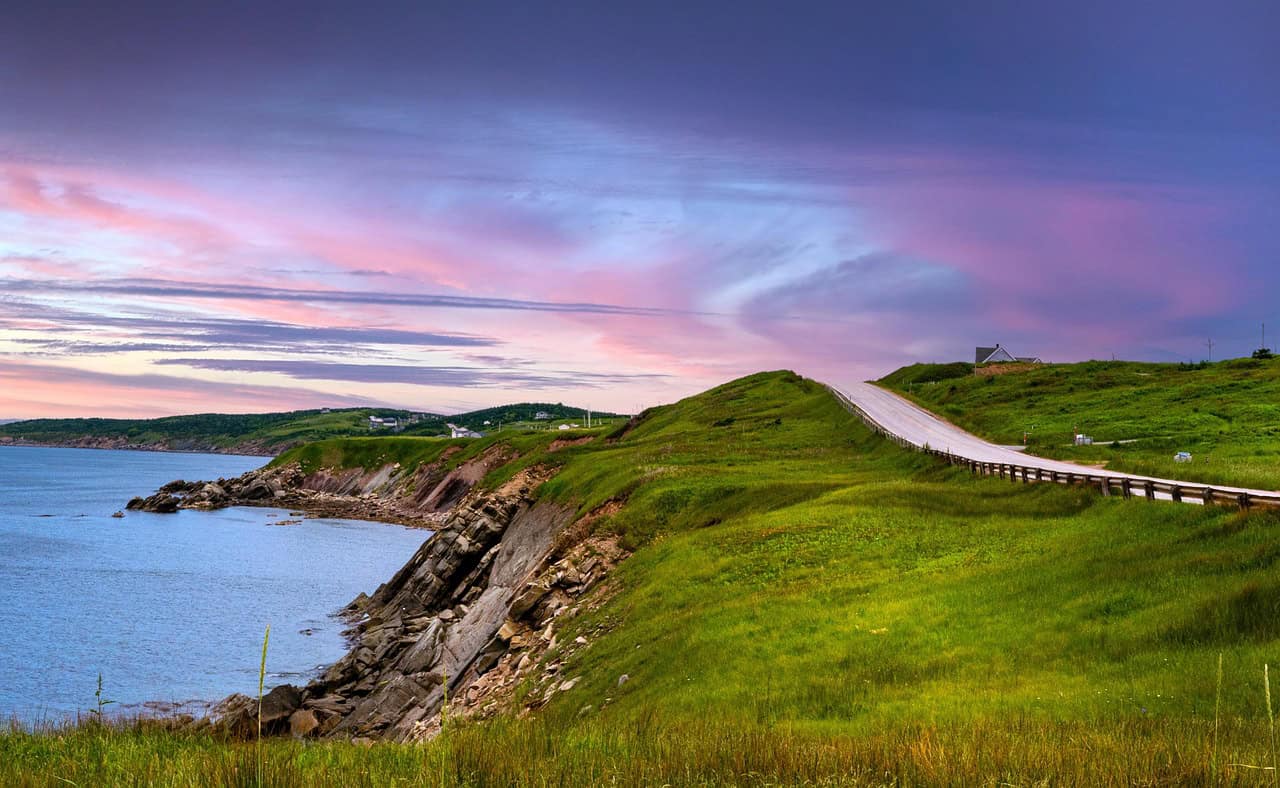
The 298-kilometer Cabot Trail loops around Cape Breton’s rugged cliffs, where constant moisture and gale-force winds wear down roadbeds at an accelerating rate. Sections perched more than 400 meters above sea level are particularly vulnerable to slope failures that can require months to stabilize. Officials report that maintenance costs have doubled since 2015, largely due to unpredictable storms. While its dramatic ocean overlooks remain breathtaking, the underlying structure increasingly struggles with the stress of heavy seasonal tourism.
4. Great Ocean Road (Victoria, Australia)

Spanning 243 kilometers, the Great Ocean Road faces rapid erosion driven by salt-laden winds and powerful coastal waves that carve away at both asphalt and cliffside foundations. Some cliff sections retreat by up to 10 centimeters per year, pushing engineers into a constant cycle of reinforcement. Storm surges in 2021 damaged more than 4 kilometers of pavement, triggering prolonged lane closures. With weather patterns shifting toward more intense coastal activity, the structural vulnerability of this iconic drive continues to grow.
5. North Coast 500 (Scotland)
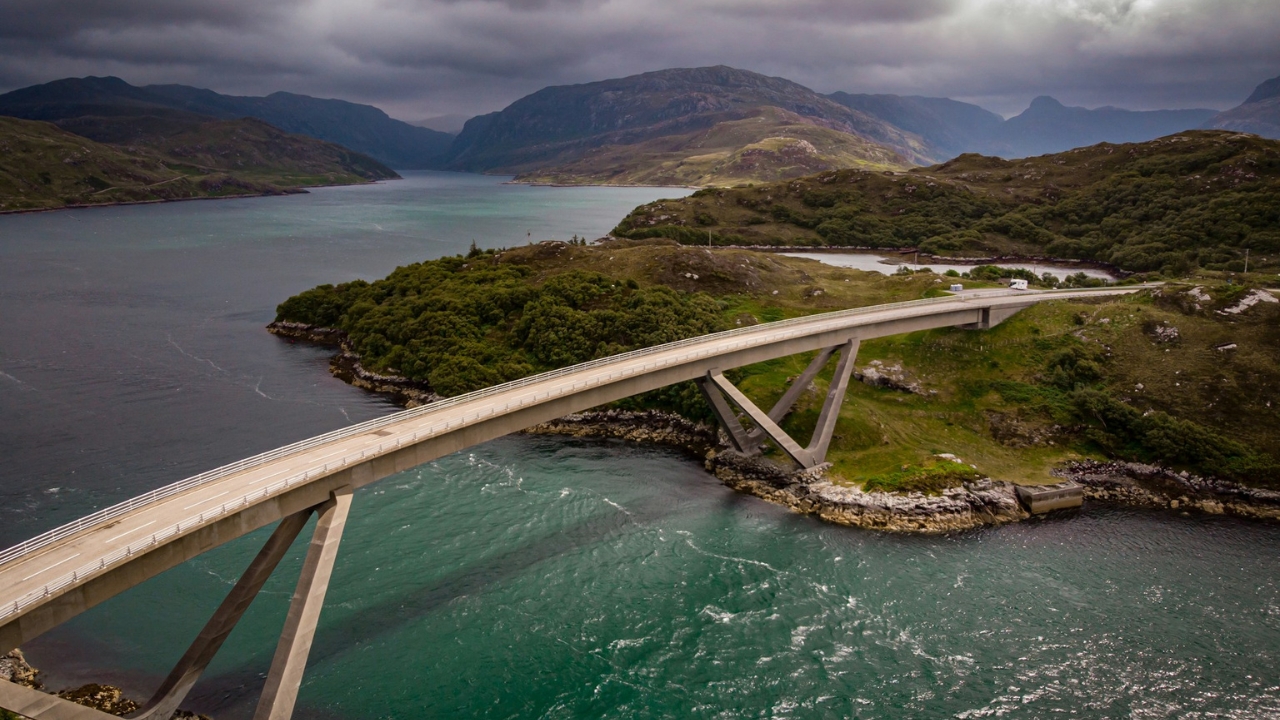
The 830-kilometer North Coast 500 may be Scotland’s most scenic route, but its narrow paths, aged bridges, and unstable peatlands make maintenance increasingly difficult. Heavy rainfall events—up nearly 15 percent in the last decade—saturate the ground and cause subsidence that can lower road sections by several centimeters in a single season. Tourism has surged past 30,000 vehicles per month in summer, placing additional strain on fragile surfaces. Repairs often lag far behind the rapid rate of wear.
6. Karakoram Highway (Pakistan–China)
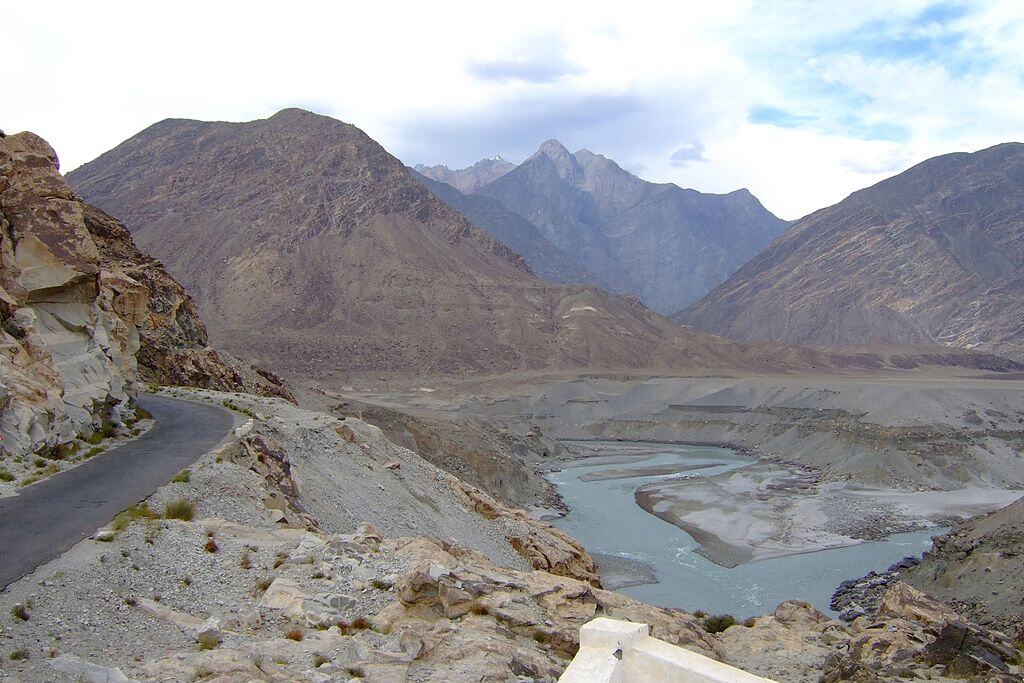
At over 1,300 kilometers, the Karakoram Highway climbs to altitudes surpassing 4,700 meters, where glacial melt, avalanches, and rockfalls frequently undo repair work. In some years, more than 100 landslides are recorded, blocking key segments for days or weeks. The shifting bedrock of the region can move several millimeters annually, creating persistent cracks. Despite major investment, the combination of extreme climate and seismic activity makes long-term stabilization an ongoing challenge for this engineering marvel.
7. Pacific Coast Scenic Byway (Oregon, USA)

Tracing 584 kilometers of rugged coastline, this byway endures powerful winter storms that erode embankments and flood low-lying segments. Wave heights regularly exceed 6 meters during peak seasons, sending spray far inland and accelerating asphalt deterioration. Several bridges along the route, some nearly 80 years old, require frequent structural assessments as corrosion spreads. Annual maintenance budgets have risen by approximately 40 percent since 2012, yet repairs still lag behind weather-related damage.
8. Transfăgărășan Highway (Romania)
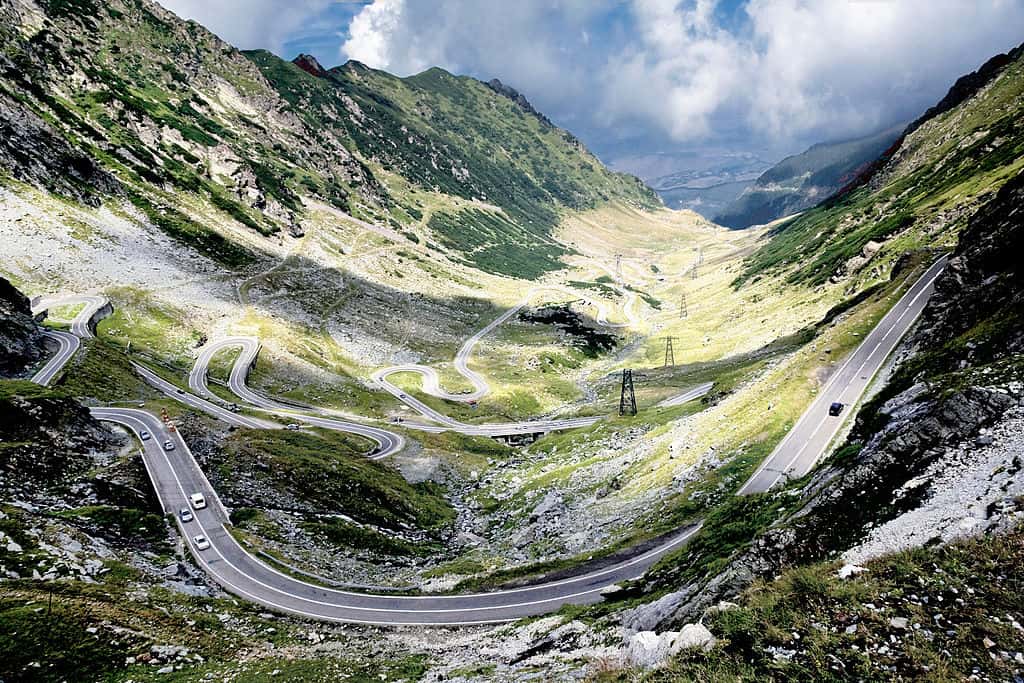
At 90 kilometers long and climbing to 2,042 meters, this route faces heavy snowfall, rapid temperature swings, and steep gradients that strain its aging surface. Engineers note that certain retaining walls shift by up to 2 centimeters per year due to soil creep. Rock tunnels built in the 1970s require regular stabilization, and stormwater channels often overflow during intense rains. The highway’s short operational season, usually less than 120 days, limits repair opportunities and compounds deterioration.
9. Milford Road (New Zealand)
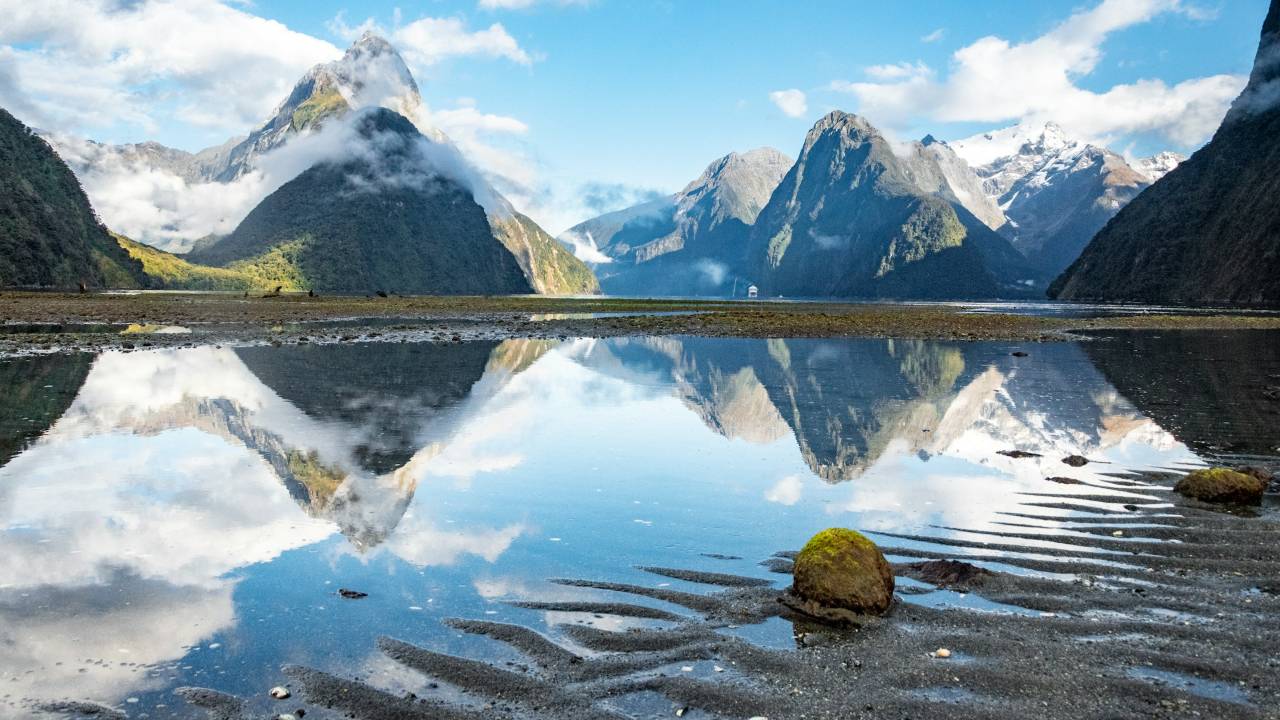
This 119-kilometer corridor leading to Milford Sound passes through one of the wettest regions on Earth, receiving more than 7,000 millimeters of rain annually. Such moisture continually weakens slopes and triggers debris flows that can bury long stretches of pavement. The Homer Tunnel, completed in 1954, requires ongoing reinforcement as seismic activity and dripping meltwater wear at its interior. Major closures now occur several times each year, highlighting the mounting difficulty of keeping the road safe.
10. Ruta de los Siete Lagos (Argentina)
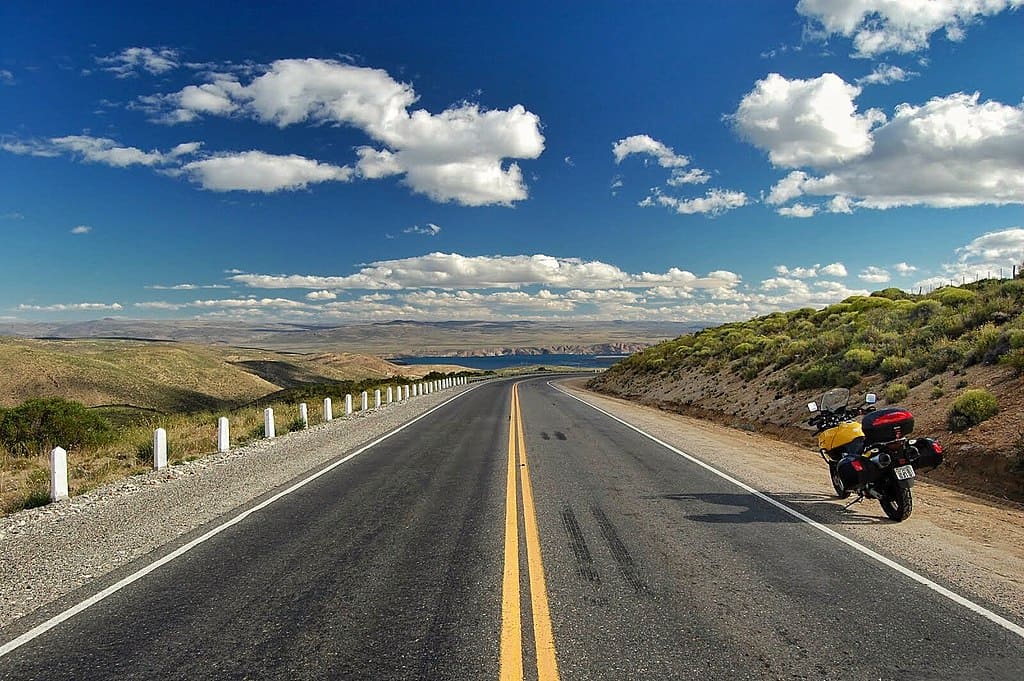
Running 107 kilometers through Patagonia, this route is battered by strong winds exceeding 80 kilometers per hour and heavy winter frost that fractures asphalt. The surrounding volcanic soil becomes unstable after prolonged rain, causing shallow landslides that can shift entire road shoulders. Since 2016, maintenance crews have reported a 30 percent increase in patching work due to temperature extremes. Despite reinforcement efforts, the combined stress of climate and geology threatens its long-term reliability.
11. Ring Road (Iceland)
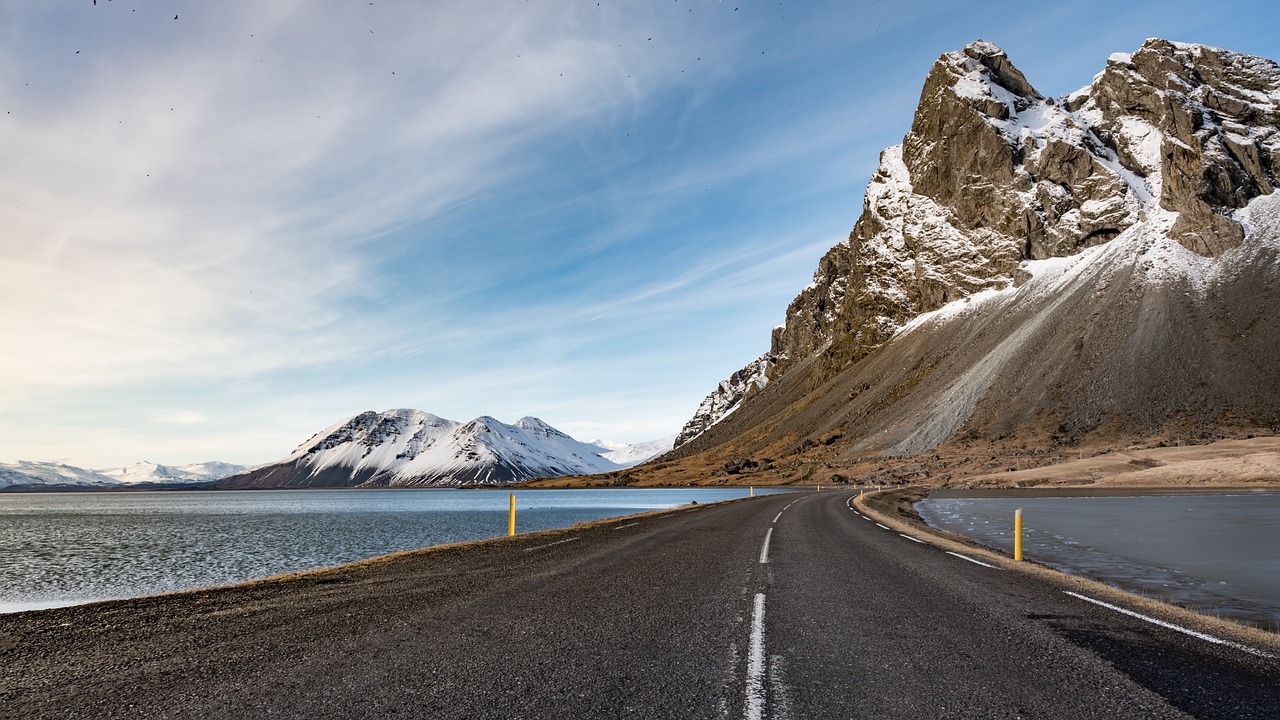
Encircling Iceland for roughly 1,332 kilometers, the Ring Road weathers dramatic temperature swings, glacial outburst floods, and shifting volcanic plains. Certain segments near glacial rivers are rebuilt nearly every decade due to meltwater surges reaching flow rates above 2,000 cubic meters per second. Wind gusts over 40 meters per second frequently damage signage and guardrails. With terrain constantly reshaped by natural forces, maintaining consistent road quality has become an increasingly demanding challenge.