We may earn money or products from the companies mentioned in this post. This means if you click on the link and purchase the item, I will receive a small commission at no extra cost to you ... you're just helping re-supply our family's travel fund.

History often looks settled on paper, with names, dates, and official records that seem final. Yet some events remain stubbornly open, even after generations of investigation. In these cases, evidence exists, timelines are mostly clear, and experts have tested serious theories, but one missing link still blocks certainty. Some mysteries involve vanished people, while others center on unusual behavior or unexplained signals. What keeps them alive is not fantasy. It is the uneasy gap between documented facts and conclusions that never fully hold.
Roanoke Colony’s Disappearance

In 1587, more than 100 English settlers were left on Roanoke Island when Governor John White sailed for supplies, and war delayed his return until 1590. He found the settlement deserted, no confirmed battle site, no bodies, and only CROATOAN carved into wood, a clue that has fueled debate for centuries. Historians have proposed relocation, famine, disease, conflict, and integration with nearby Indigenous communities, but no theory has produced decisive physical evidence that explains exactly where the colonists went.
Mary Celeste’s Empty Deck
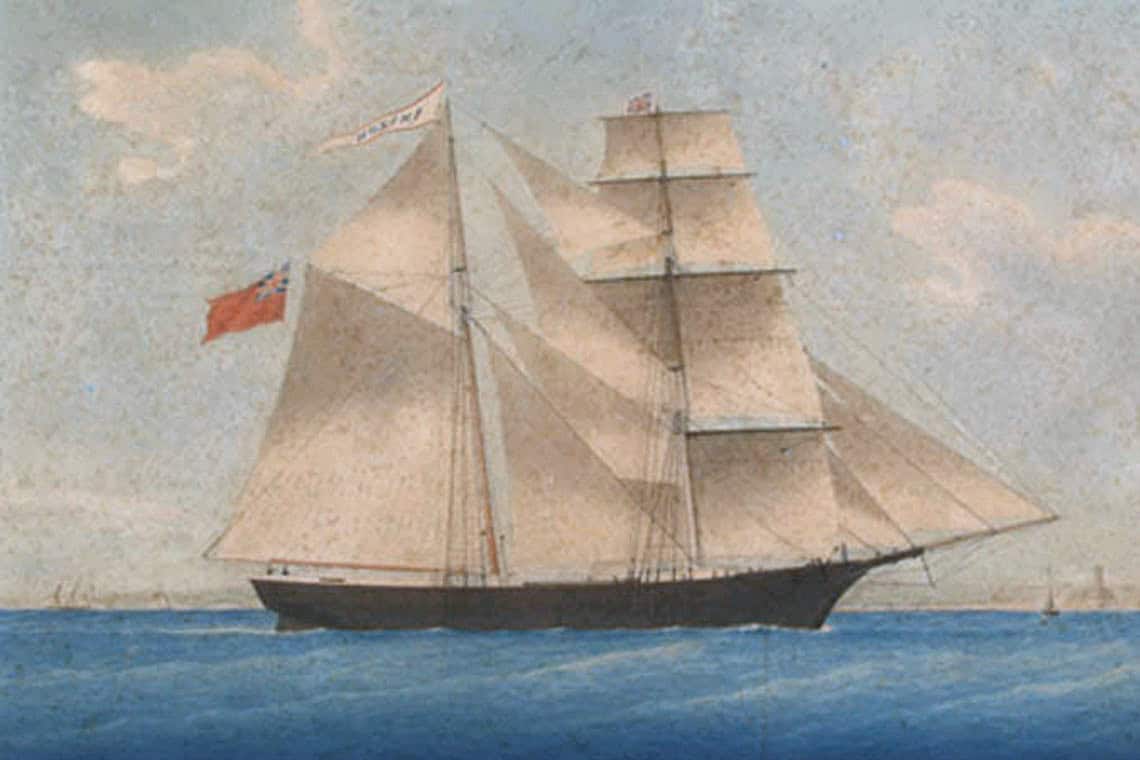
In Dec. 1872, the brig Mary Celeste was discovered drifting near the Azores in seaworthy condition, with cargo and provisions largely intact and no obvious sign of catastrophe. The captain, crew, and passengers were gone, and no verified trace of them was ever recovered, leaving investigators with a ship that looked disturbed but not destroyed. Explanations include weather panic, mutiny, piracy, and fear of alcohol-fume explosion, yet each theory leaves practical gaps in timing, motive, and sequence.
The Voynich Manuscript

The Voynich Manuscript is a genuine medieval book filled with unknown writing, unusual plant drawings, and dense astronomical imagery that does not map cleanly onto known traditions. Radiocarbon dating places its parchment in the early 15th century, but experts still disagree on whether the text is meaningful language, sophisticated cipher, or crafted deception. Linguists, cryptographers, and computer scientists have tested countless models, yet every promising interpretation fails to decode the manuscript in a way that is both complete and verifiable.
Tunguska’s Craterless Explosion
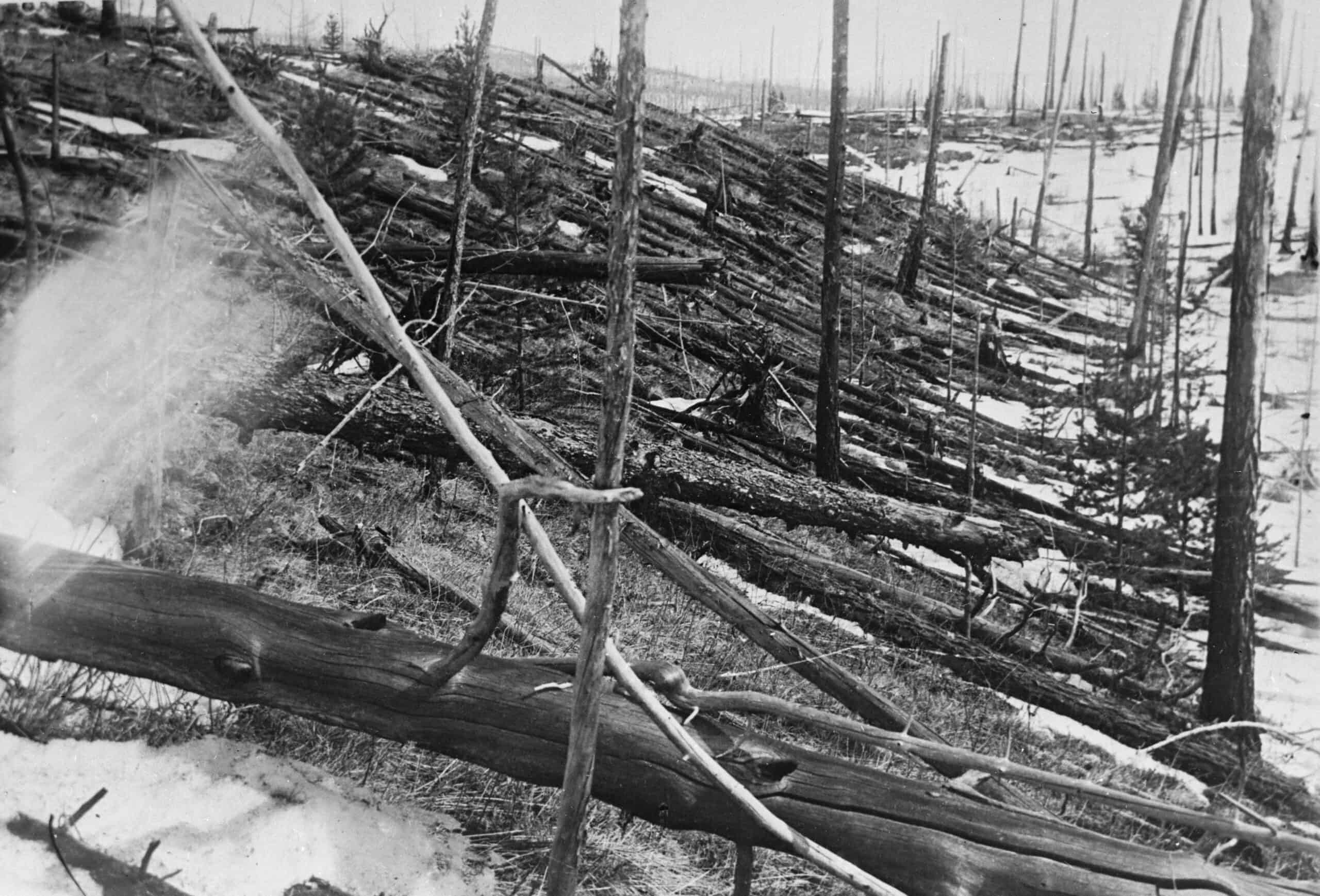
On June 30, 1908, a massive blast over Siberia flattened forests near the Tunguska River across thousands of square kilometers, yet investigators found no clear impact crater. Modern research strongly supports an atmospheric airburst from a cosmic object that fragmented before ground impact, which explains the broad shockwave pattern better than early speculation. Even with that progress, key details remain contested, including object composition, entry angle, and detonation height, so the event is partly explained but not fully reconstructed.
Dyatlov Pass
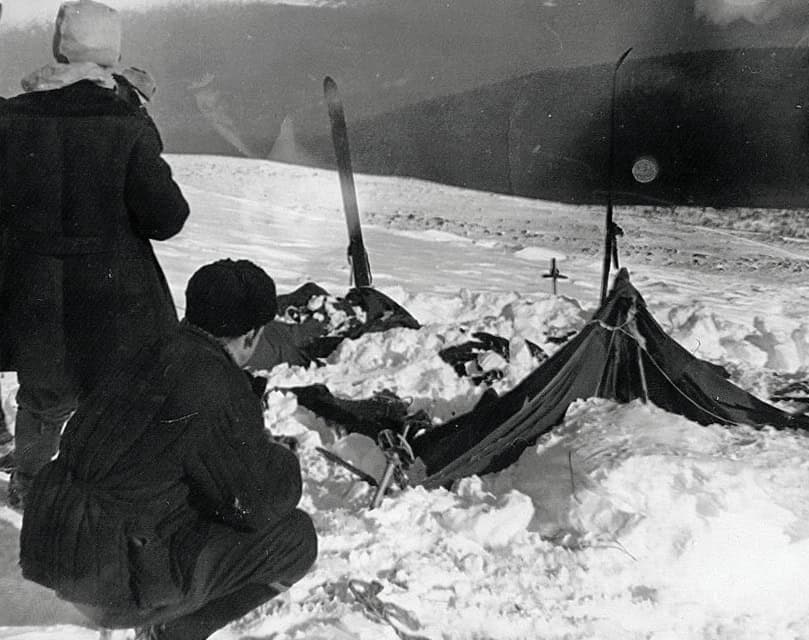
In Feb. 1959, nine experienced hikers died in the northern Ural Mountains after cutting out of their tent and moving into lethal winter conditions under unclear pressure. Early explanations drifted from military testing claims to paranormal stories, but later research shifted focus toward terrain, weather, and survival behavior grounded in physics. A modern avalanche-based model explains many injuries and choices, yet uncertainty around exact sequence, timing, and movement across the slope keeps the final narrative unresolved.
The Dancing Plague Of 1518

In 1518, records from Strasbourg describe people dancing for days with little control, some collapsing from exhaustion while authorities struggled to stop the spread. Officials responded through the medical and religious frameworks of their time, and several interventions appear to have intensified the crisis instead of containing it. Historians and clinicians have proposed mass psychogenic illness, extreme social stress, neurological factors, and contaminated food, but no single model fully explains the event’s scale, spread, and abrupt decline.
USS Cyclops
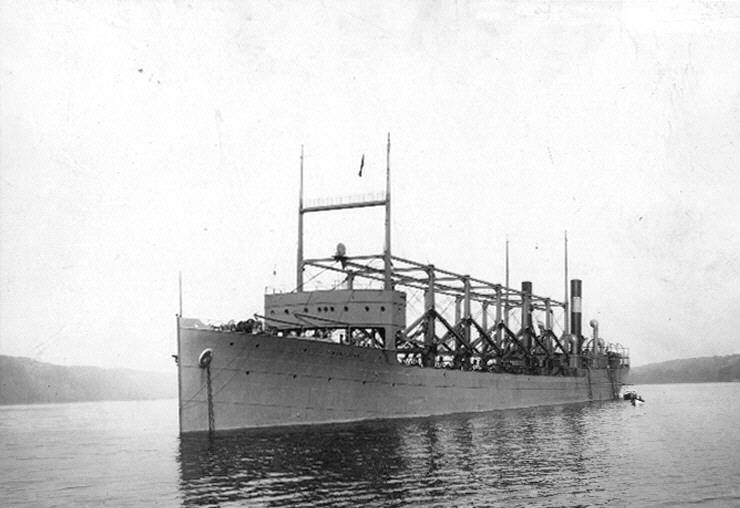
The USS Cyclops, a U.S. Navy coal ship, departed Barbados in March 1918 with 306 people aboard and disappeared en route to Baltimore without a distress call. No verified wreckage was recovered despite later searches and archival review, leaving one of the largest noncombat losses in U.S. naval history without a settled cause. Explanations include overloading, structural weakness, weather, mechanical failure, and wartime risk, but none has been confirmed, and the missing physical evidence keeps every conclusion provisional.
Flight 19

On Dec. 5, 1945, five U.S. Navy Avenger aircraft on a training mission reported navigational confusion over the Atlantic before radio contact deteriorated and ended. A rescue aircraft sent after them was also lost, deepening the tragedy and intensifying decades of speculation around the case. Investigators have long pointed to weather, compass error, disorientation, and fuel exhaustion as likely factors, but final routes were never fixed with complete certainty, so the event remains unresolved despite extensive official analysis.
Amelia Earhart’s Final Flight
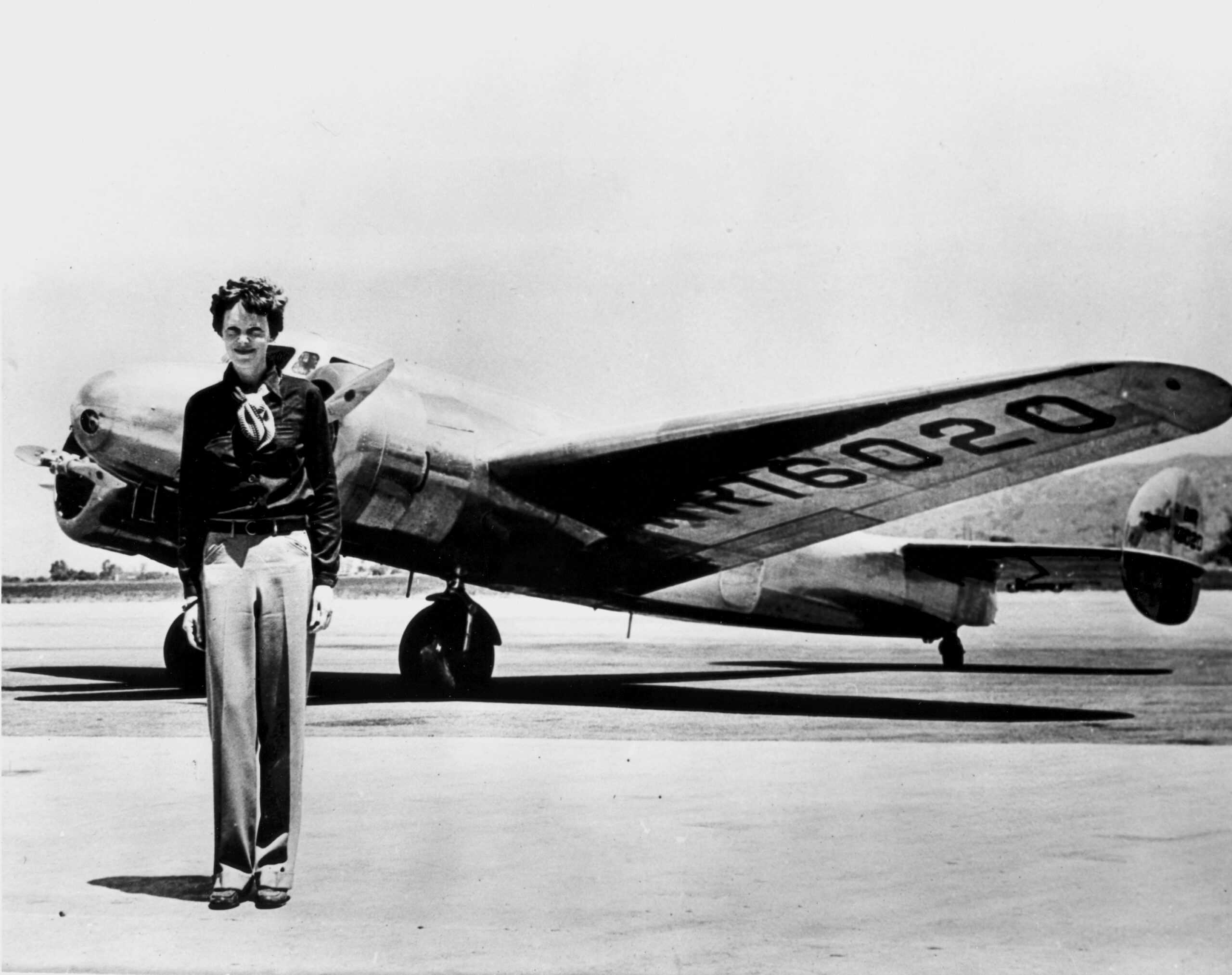
Amelia Earhart and navigator Fred Noonan disappeared in July 1937 while trying to reach Howland Island during their round-the-world flight, triggering one of aviation history’s largest searches. Decades of inquiry produced competing theories built on partial clues, from crash-and-sink scenarios to castaway claims supported by fragments and interpretation. Most researchers still consider fuel exhaustion near the intended route the strongest explanation, but no definitive aircraft recovery has delivered universal closure, and that absence keeps the debate open.
The Princes In The Tower
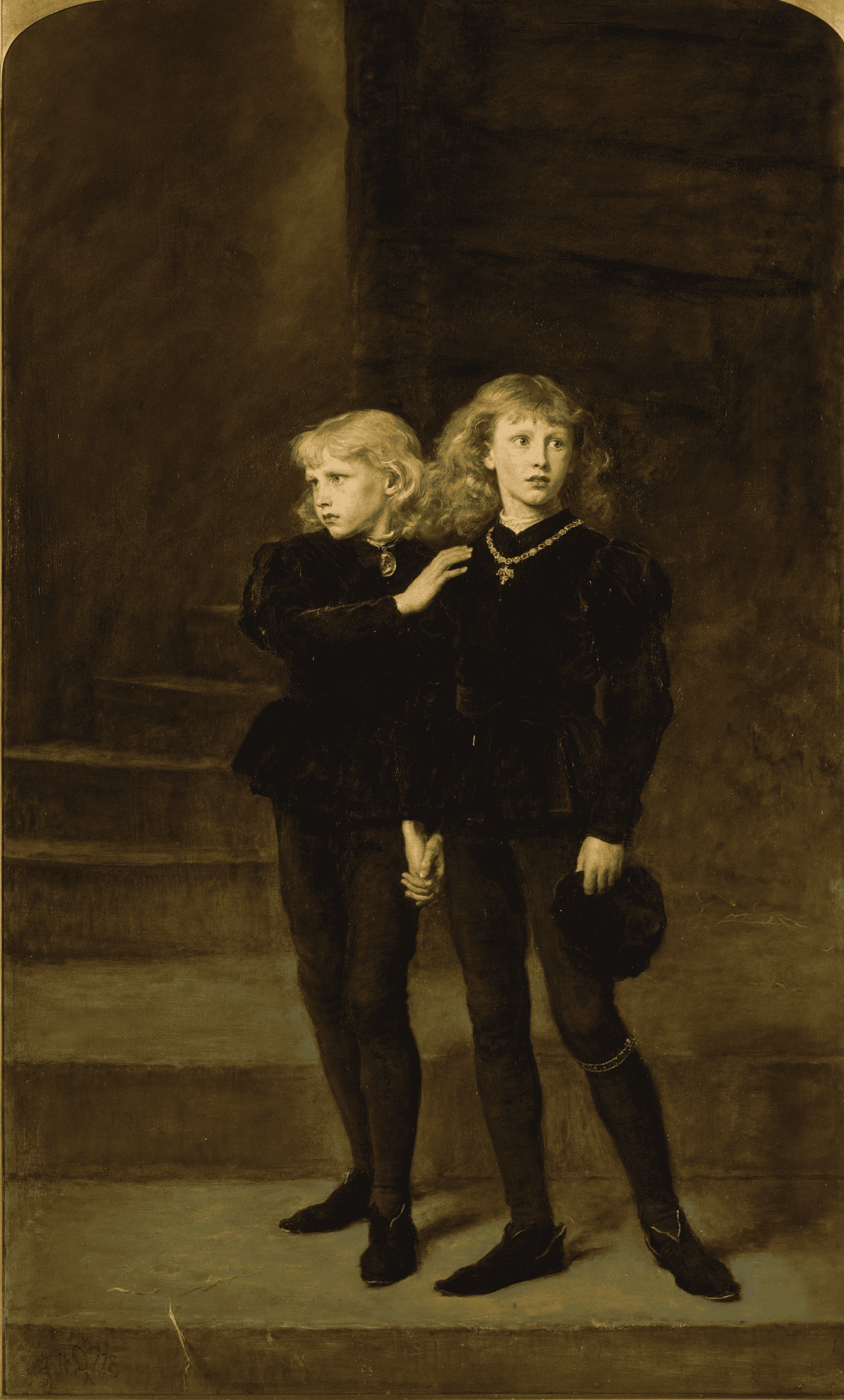
In 1483, Edward V and his younger brother Richard disappeared after being placed in the Tower of London during a violent succession struggle that reshaped English politics. Their fate became central to debates over the legitimacy of Richard III, and the case still attracts major scholarship because motive and opportunity overlap across rival factions. Theories include murder, covert removal, and survival under protection, yet none is conclusive, and later discoveries of human remains failed to settle the question beyond dispute.
The Wow! Signal
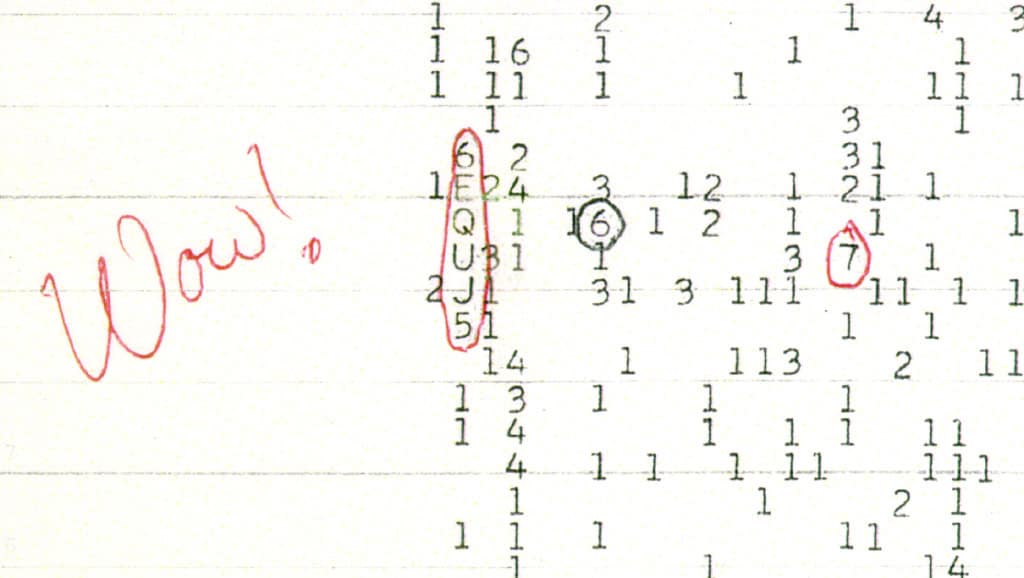
In Aug. 1977, Ohio State University’s Big Ear radio telescope detected a brief, unusually strong narrowband signal, and astronomer Jerry Ehman marked the printout with wow. The signal’s intensity pattern looked intriguing, but repeated observations never captured the same event again, leaving scientists with one striking data point and no clean replication. Proposed explanations include rare natural emissions, instrument or terrestrial interference, and transient sources, yet no interpretation has been accepted as definitive after decades of review.