We may earn money or products from the companies mentioned in this post. This means if you click on the link and purchase the item, I will receive a small commission at no extra cost to you ... you're just helping re-supply our family's travel fund.

Even traditionally warm, tourism-driven nations have begun recalibrating their entry procedures for Americans, often in response to rising visitor numbers, security updates, or reciprocal policy shifts. While these countries remain welcoming overall, their newer rules mean U.S. travelers now face more steps, additional fees, or closer scrutiny than before. The list below highlights how 11 such nations, generally considered friendly to the U.S., have recently adjusted their visitor requirements, offering clear explanations and the key figures travelers need to prepare confidently.
1. Brazil
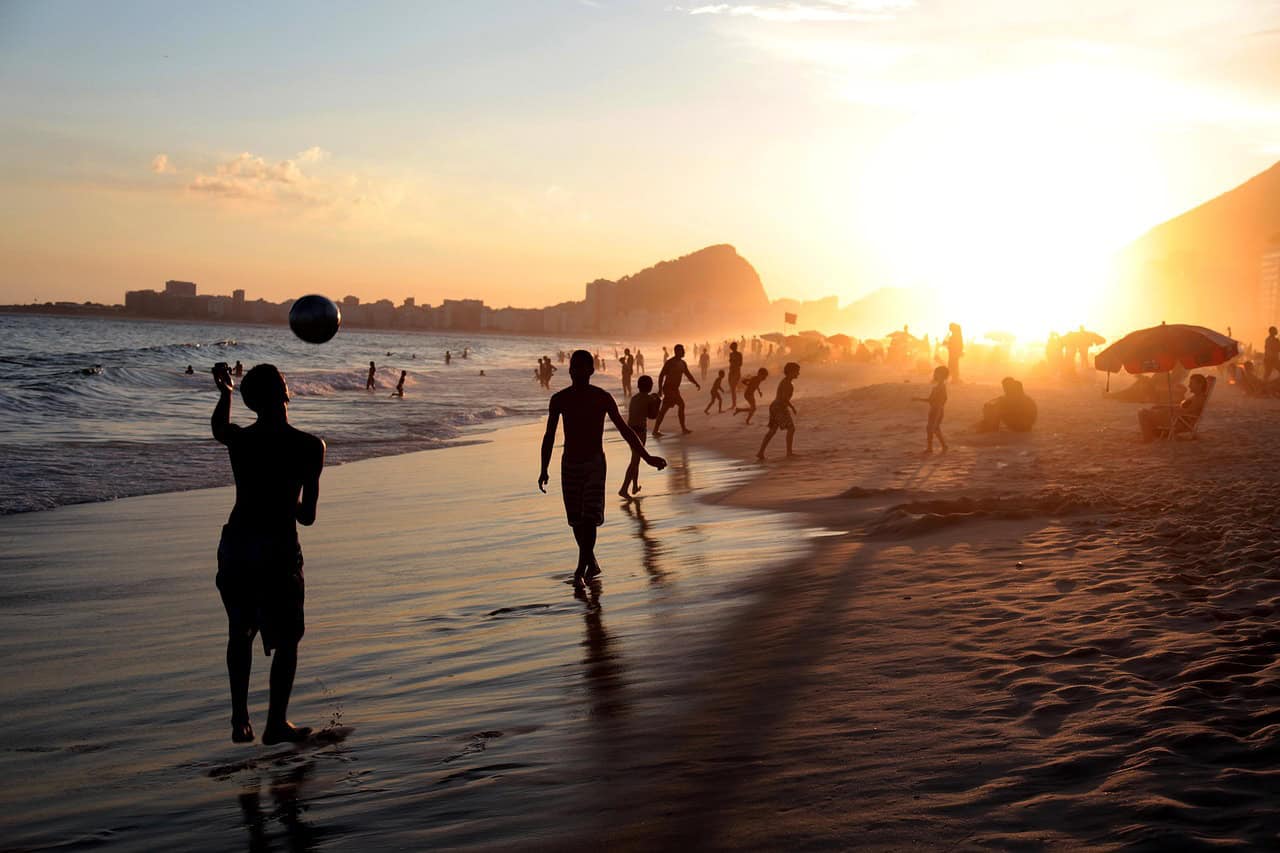
Brazil reinstated visa requirements for U.S. citizens in 2025, reversing six years of visa-free access. American travelers must now complete an online application, pay a roughly $80 fee, and upload biometric-style photos along with proof of a return ticket. Processing typically takes 5–10 days, though peak seasons may stretch this to 14. Brazil cites rising annual arrivals—over 870,000 U.S. visitors in 2024, as a reason for stronger documentation checks. While still friendly to American tourism, the new system reflects a shift toward stricter reciprocity and standardized entry oversight.
2. Jamaica
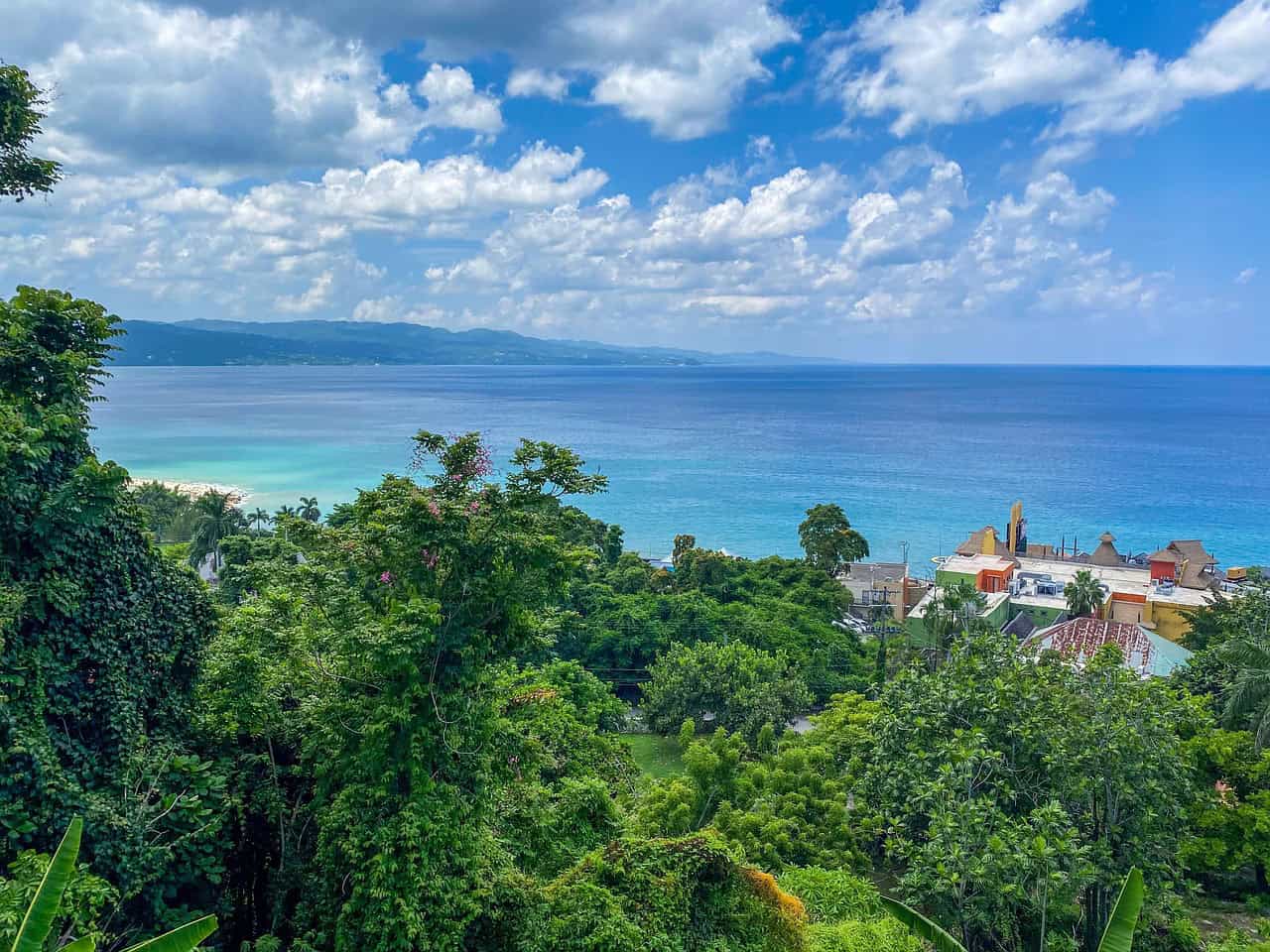
Jamaica remains visa-free for Americans, yet authorities recently tightened screening procedures after annual U.S. arrivals surpassed 1.6 million. Travelers now face more rigorous questioning at airports, especially if arriving solo or without prebooked lodging. Officials have increased random secondary inspections by nearly 40 percent, requiring proof of funds, accommodation, and return flights. These measures are not punitive but are meant to manage rising visitor flows and curb overstays, which reportedly rose by around 12 percent in the previous two years. Despite the added checks, Americans remain a core tourism base.
3. The Bahamas
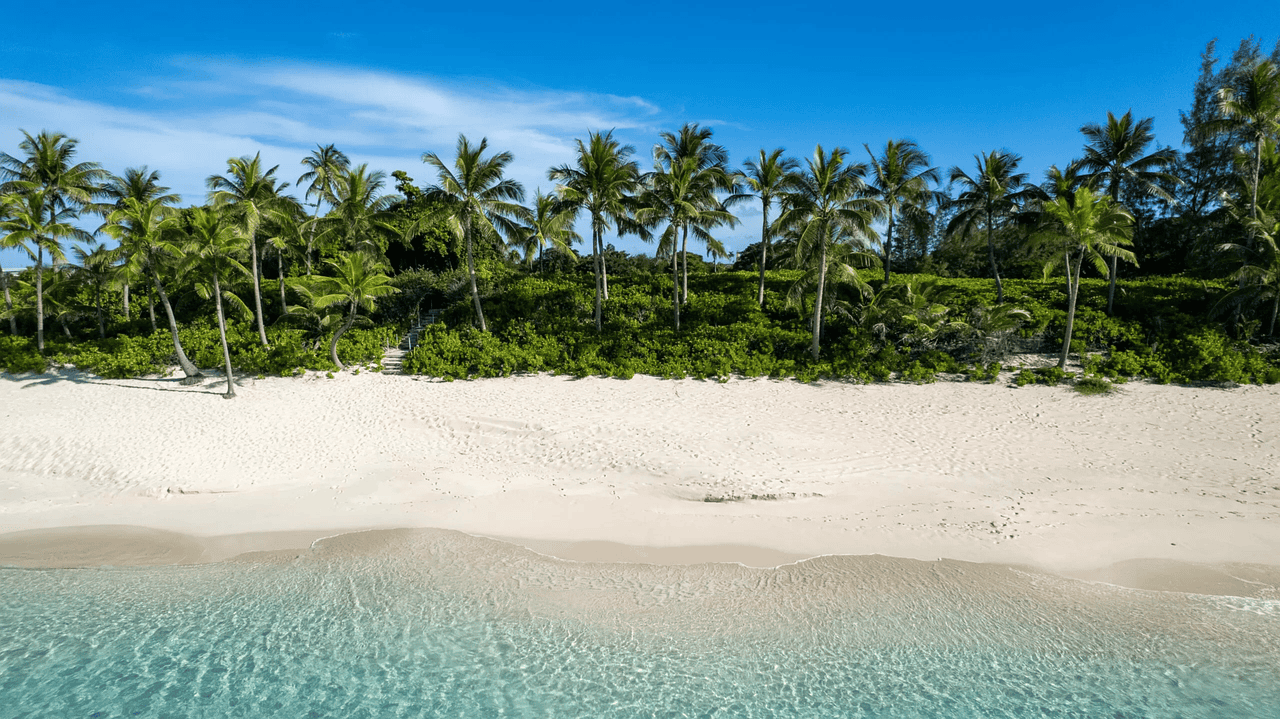
Although U.S. tourists still enter visa-free, The Bahamas has strengthened its border screening after receiving more than 5.4 million American visitors in a single year. Travelers may now be asked for detailed itineraries, financial proof, and same-day accommodation confirmations. The government also expanded biometric data collection at key airports by about 20 percent to speed up yet tighten security. These updates reflect a broader effort to manage peak-season congestion, when daily arrivals can exceed 25,000. The nation remains highly welcoming, but documentation lapses are now far less tolerated.
4. Dominican Republic
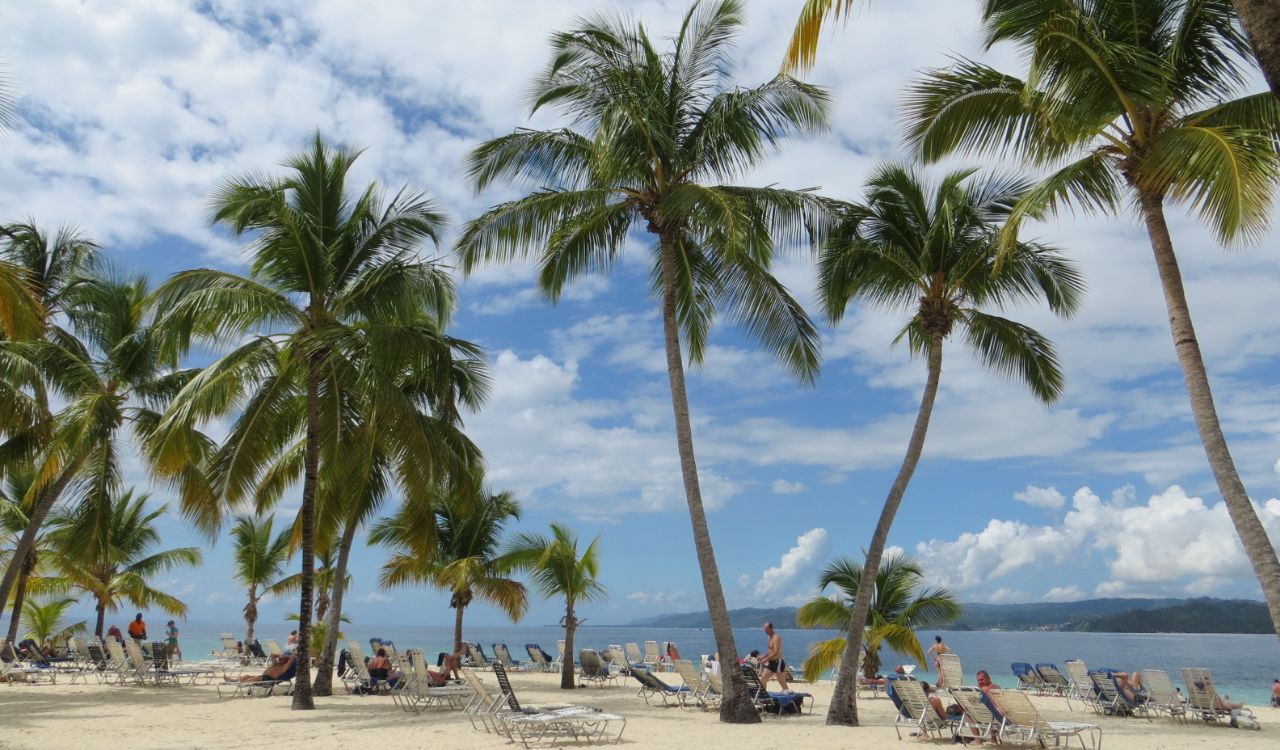
The Dominican Republic introduced stricter entry controls following a 17 percent rise in overall visitors, nearly half of them from the U.S. Americans may encounter more document checks, including proof of hotel bookings, onward travel, and digital pre-arrival forms. Authorities also implemented enhanced airline coordination, reducing undocumented landings by an estimated 30 percent. Although U.S. citizens still enjoy visa-free entry for short stays, inconsistent paperwork increasingly leads to delays or secondary inspections. The changes aim to balance booming tourism with more efficient border management.
5. Costa Rica

Costa Rica tightened rules after inbound U.S. tourism rose beyond 1.4 million travelers annually. Americans must now show proof of at least $100 per day in financial means, a confirmed departure ticket, and lodging details for the entire stay. Border agents have reported a 25 percent increase in denied entries tied to incomplete itineraries or unclear travel purposes. The country also strengthened environmental protection rules, requiring stricter compliance at national parks, which draw over two million visitors yearly. Though still highly friendly, Costa Rica emphasizes preparedness more than before.
6. Mexico
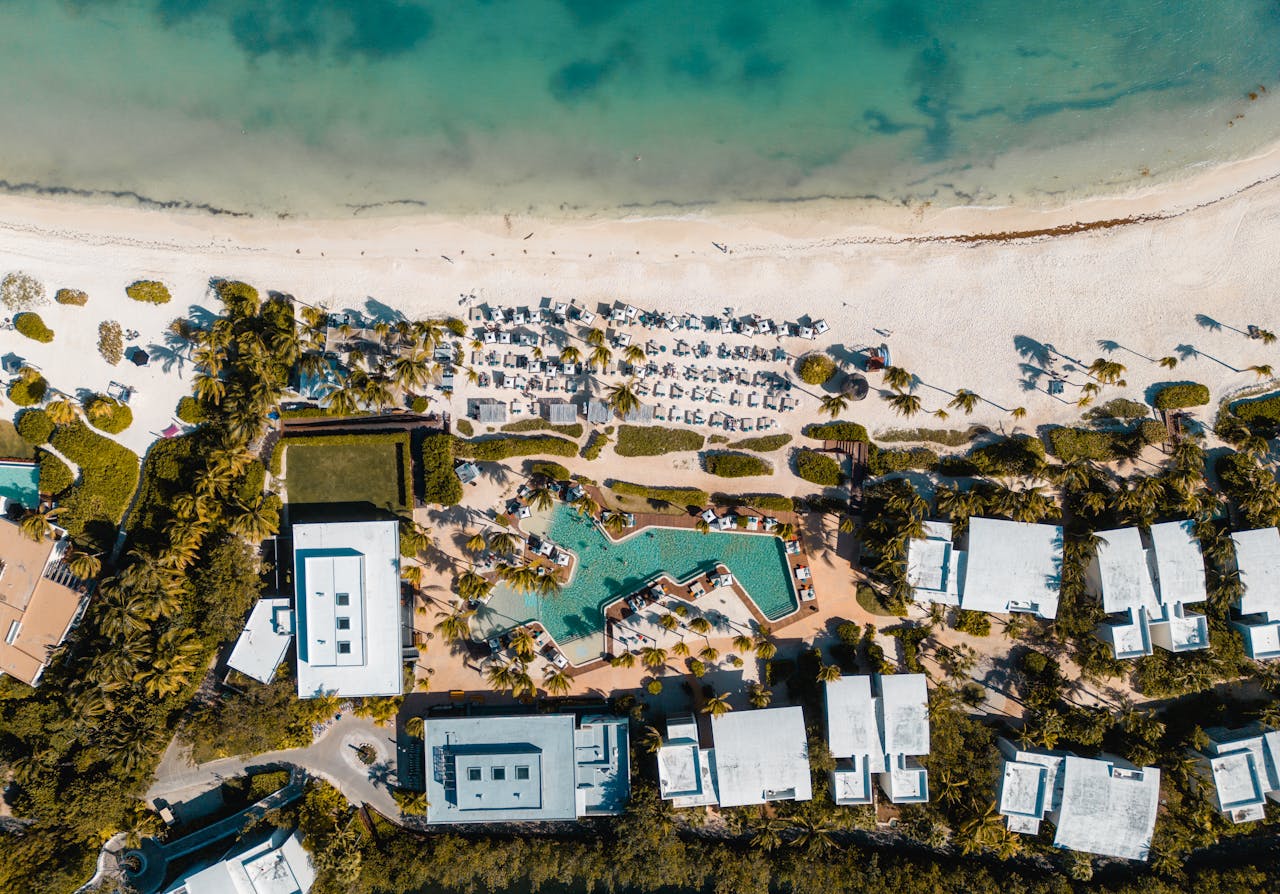
While Americans still enjoy easy entry, Mexico expanded immigration interviews and tightened paperwork checks due to rising overstays, which surpassed 300,000 cases in recent audits. Travelers may now receive shorter-than-expected FMM allowances, sometimes only 7–15 days instead of the former default 180. Authorities project that stricter enforcement has reduced improper long-term stays by nearly 18 percent. U.S. travelers must now clearly explain their trip, provide a hotel address, and show a return plan. Mexico’s approach remains welcoming but significantly more rule-conscious.
7. Aruba

Aruba revised its visitor screening after annual U.S. arrivals exceeded one million for the first time. American guests may now need to present more complete travel plans, including confirmed resort bookings and return flight details. The island also enhanced digital ED-card verification, catching documentation errors at a rate 22 percent higher than before. Immigration officers increasingly request proof of funds, especially during high-season spikes. While the process is still smooth overall, U.S. travelers face noticeably firmer scrutiny aimed at sustaining the island’s stable tourism-security balance.
8. Panama
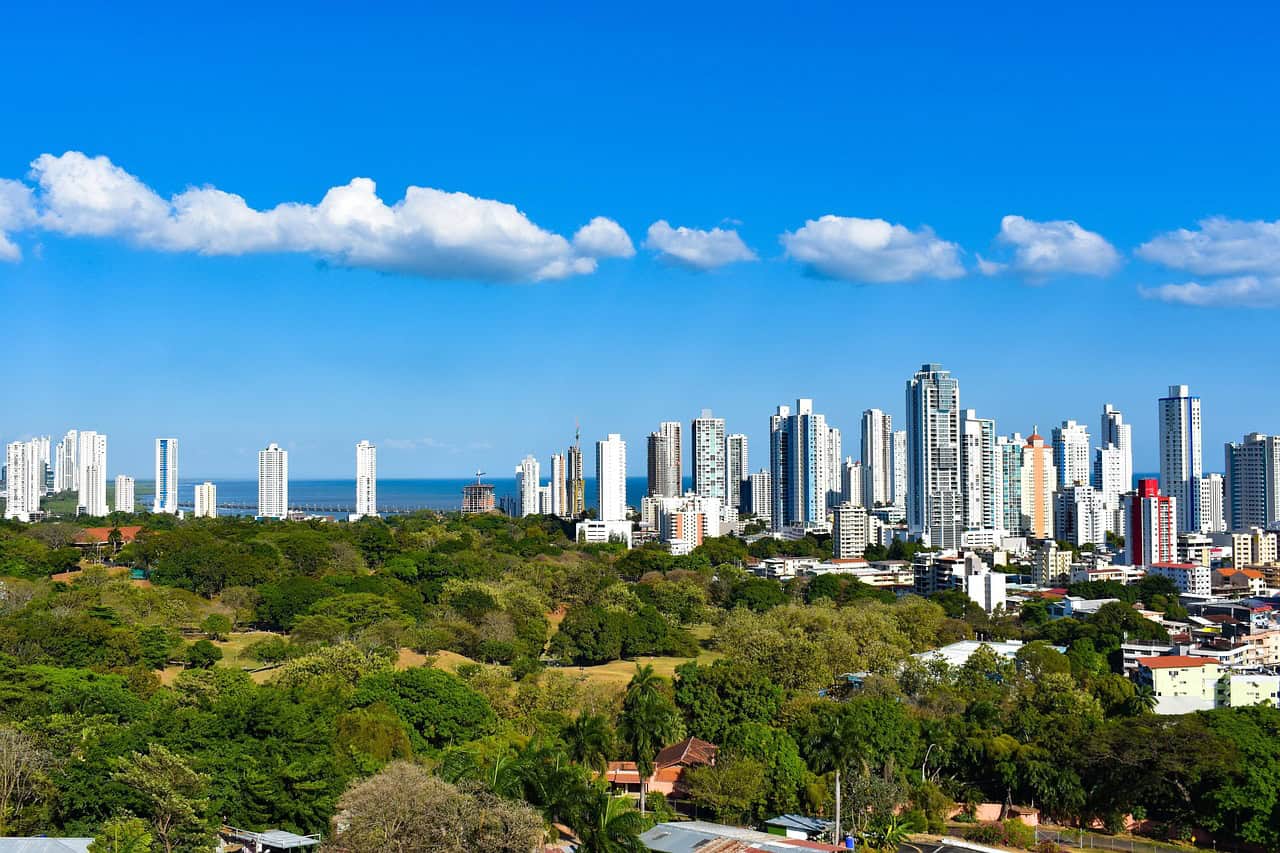
Panama tightened entry rules following a documented rise in irregular border movements, with over 500,000 crossings through the Darién Gap impacting national security planning. As a result, all foreign arrivals, Americans included face stricter verification of itineraries and stronger financial proof requirements, typically at least $500 in accessible funds. Authorities also shortened certain permissible tourist stays to 90 days unless extended through official channels. Despite the new measures, Panama continues to promote U.S. tourism, which remains a key contributor to its more than 5 percent annual travel-sector growth.
9. Antigua & Barbuda
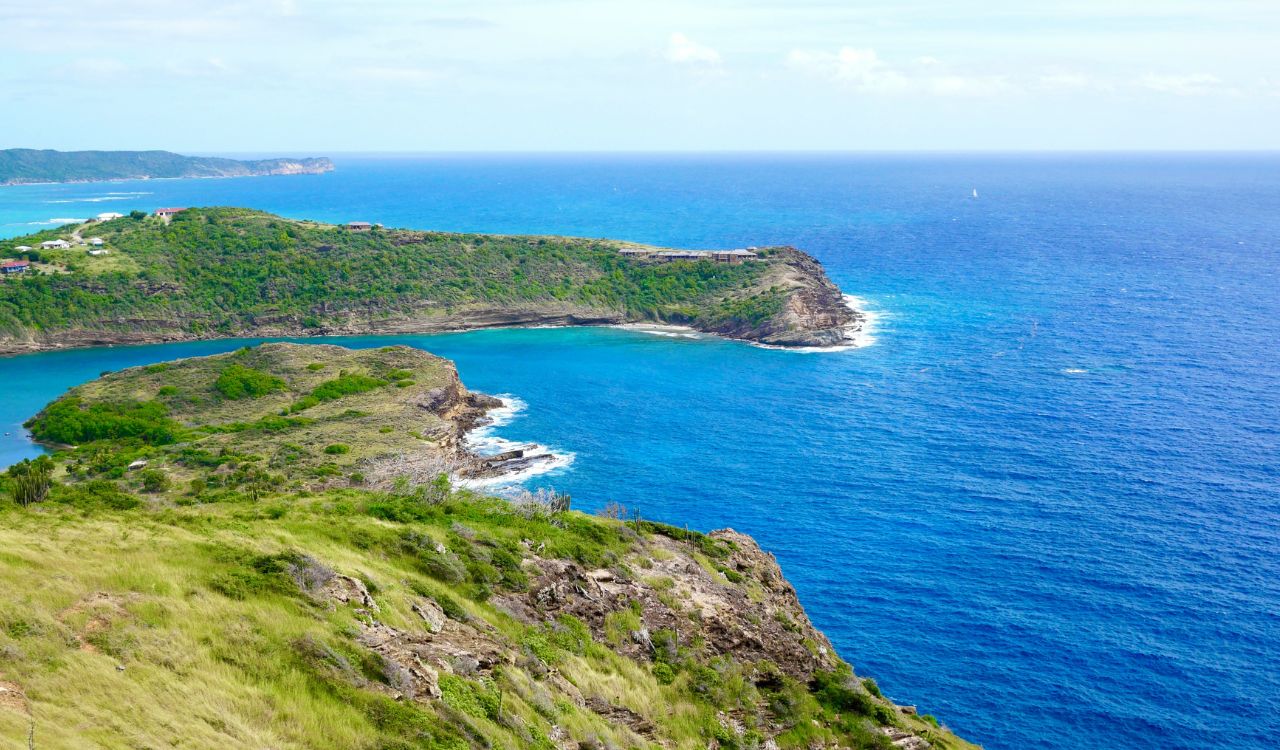
After observing a 15 percent increase in overstays across all nationalities, Antigua & Barbuda raised its screening rigor for U.S. visitors despite maintaining visa-free access. Travelers may be questioned about accommodation plans and financial capability, often needing to demonstrate at least $150 per day. The country also expanded its digital arrival system, reducing entry-processing errors by about 30 percent. While hospitality remains central to the islands’ identity, immigration officials now apply rules more consistently, ensuring compliance with regional security and tourism-integrity standards.
10. Singapore
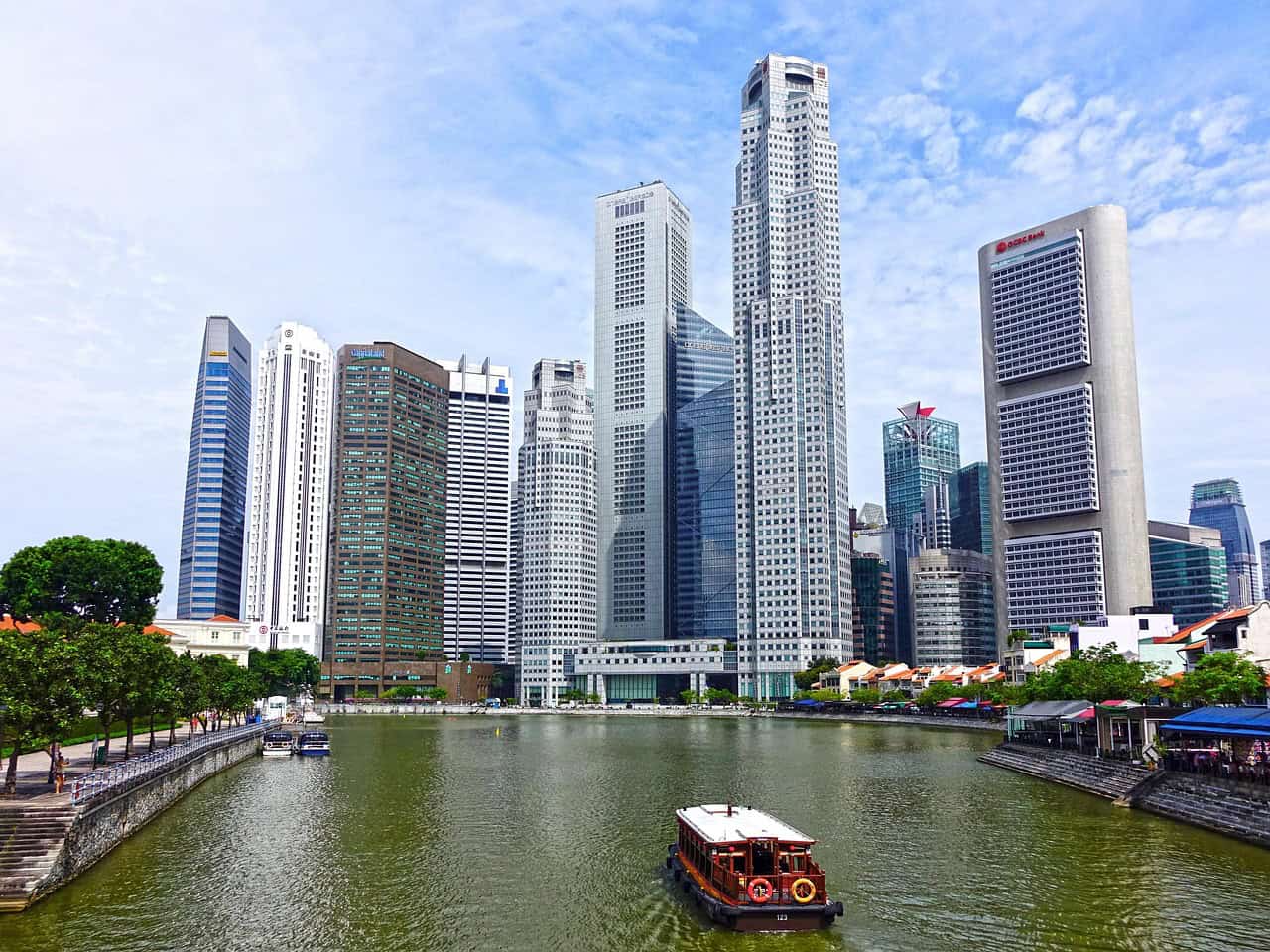
Singapore introduced tighter electronic-arrival requirements in 2023–2024, affecting Americans along with all visitors. U.S. travelers must now submit digital arrival cards up to three days before entry and ensure passport validity of at least six months. With tourism surging beyond 13 million annual arrivals, authorities increased random questioning and strengthened checks on return-ticket authenticity. A reported 20 percent rise in documentation errors led to these changes. Singapore remains one of the safest and most efficient destinations worldwide, yet now expects far more precise advance preparation from visitors.
11. Australia
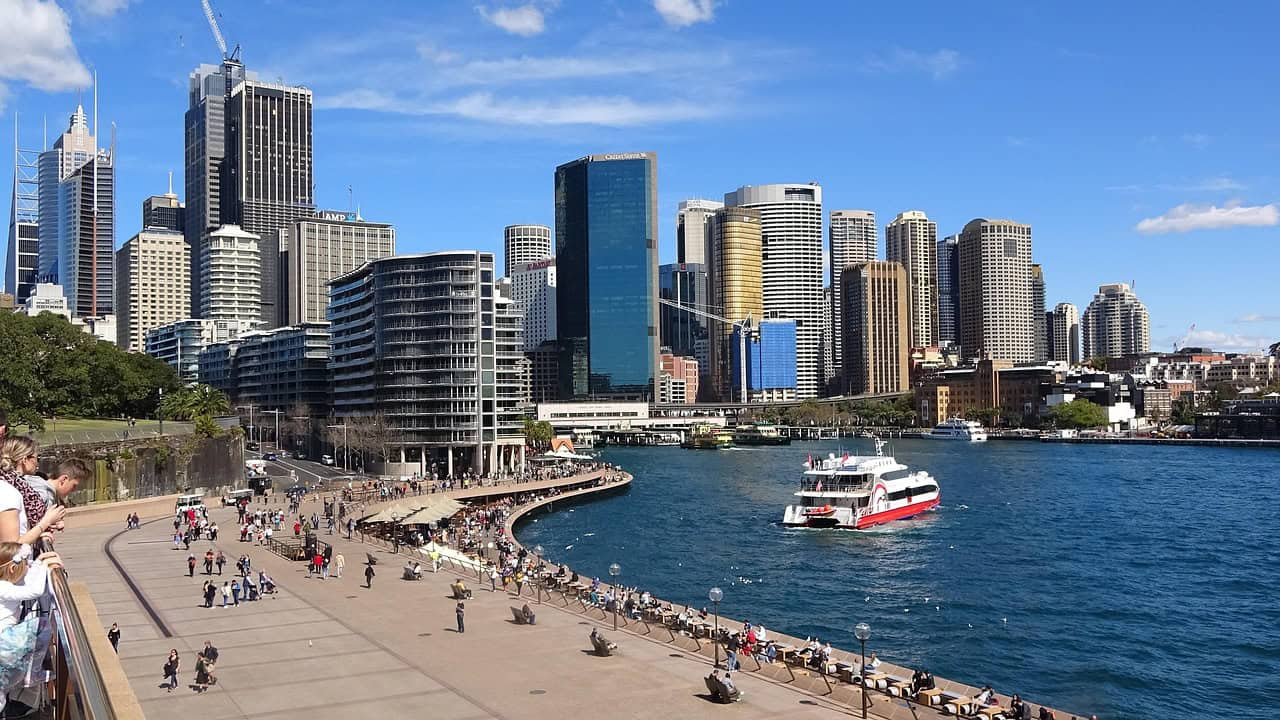
Australia updated its ETA system after annual visitor volumes rebounded past eight million, including over 850,000 Americans. The government enhanced background checks and added new data-matching protocols that reportedly flagged irregular applications at rates 28 percent higher than the prior year. U.S. travelers may now experience slightly longer ETA processing times, sometimes extending from minutes to several hours. Authorities also stress stricter biosecurity compliance, issuing more than 6,000 fines annually. Despite these adjustments, Australia continues to warmly welcome American tourists.