We may earn money or products from the companies mentioned in this post. This means if you click on the link and purchase the item, I will receive a small commission at no extra cost to you ... you're just helping re-supply our family's travel fund.
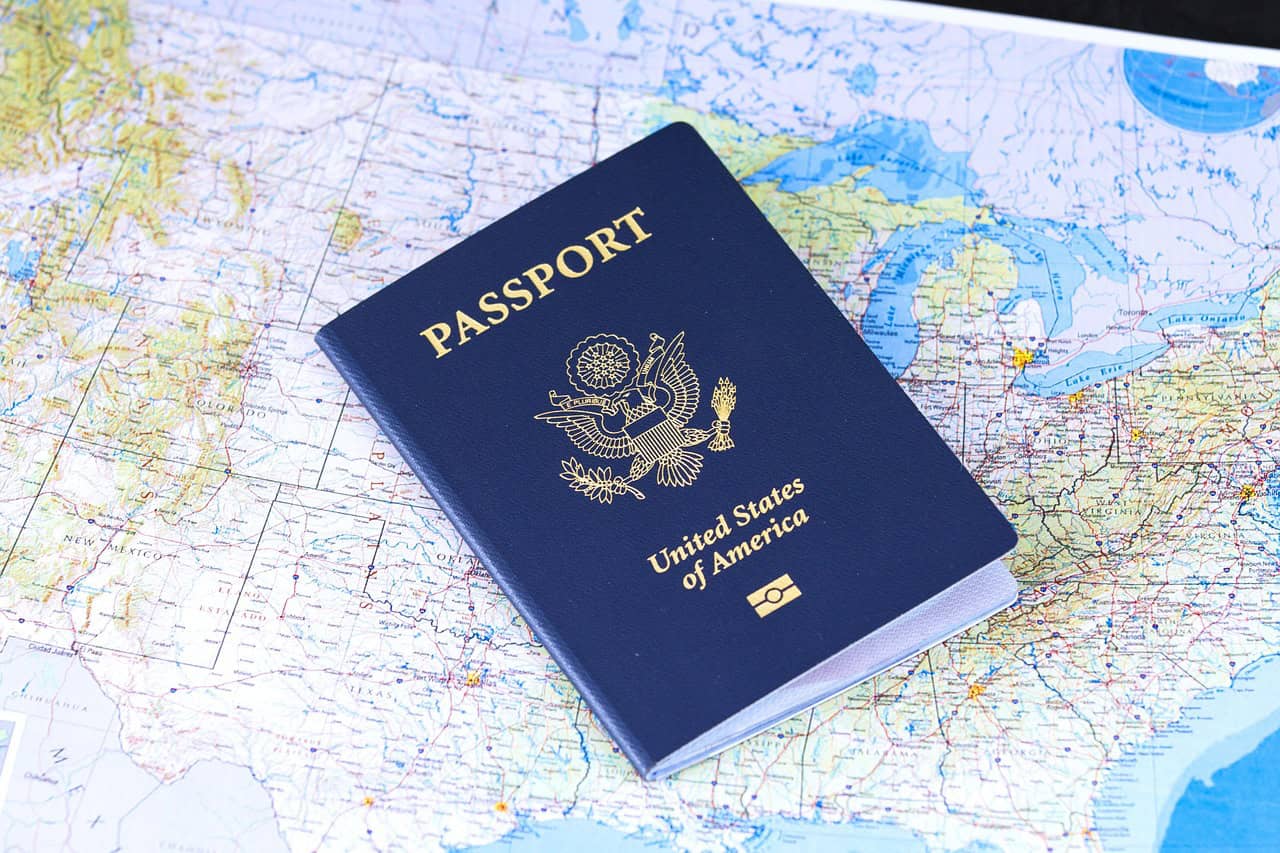
The once-mighty U.S. passport no longer guarantees the effortless global mobility it once did, and 2026 has made that reality clearer than ever. A mix of shifting geopolitics, new visa policies, rising security concerns, and reciprocal restrictions means American travelers are facing more paperwork, higher fees, and occasionally outright denials. What used to be simple now takes planning, patience, and sometimes hundreds of dollars. These 11 countries illustrate exactly where and why the U.S. passport feels noticeably weaker this year.
1. Burkina Faso

Burkina Faso tightened its entry regime in 2026, meaning U.S. travelers can no longer rely on quick approvals or smooth airport processing. Instead, most visitors are expected to secure pre-travel authorization and stricter documentation, often involving proof of detailed itineraries and hotel confirmations. Processing times that once averaged around 7 days now frequently stretch to 21 days, and fees can climb above $120 depending on processing urgency and documentation quality, reflecting the changing diplomatic reality.
2. Mali
Security conditions and political instability pushed Mali toward far tighter border controls, and Americans are now caught in those stricter filters. U.S. tourists are often required to apply well in advance through embassies rather than obtaining any form of simplified entry, and interviews are becoming noticeably common. Authorities increasingly ask for proof of finances of at least $1,000, medical insurance coverage, and security clearance verifications. What once took 5–10 days can now require more than 25 days, making travel noticeably tougher.
3. Niger
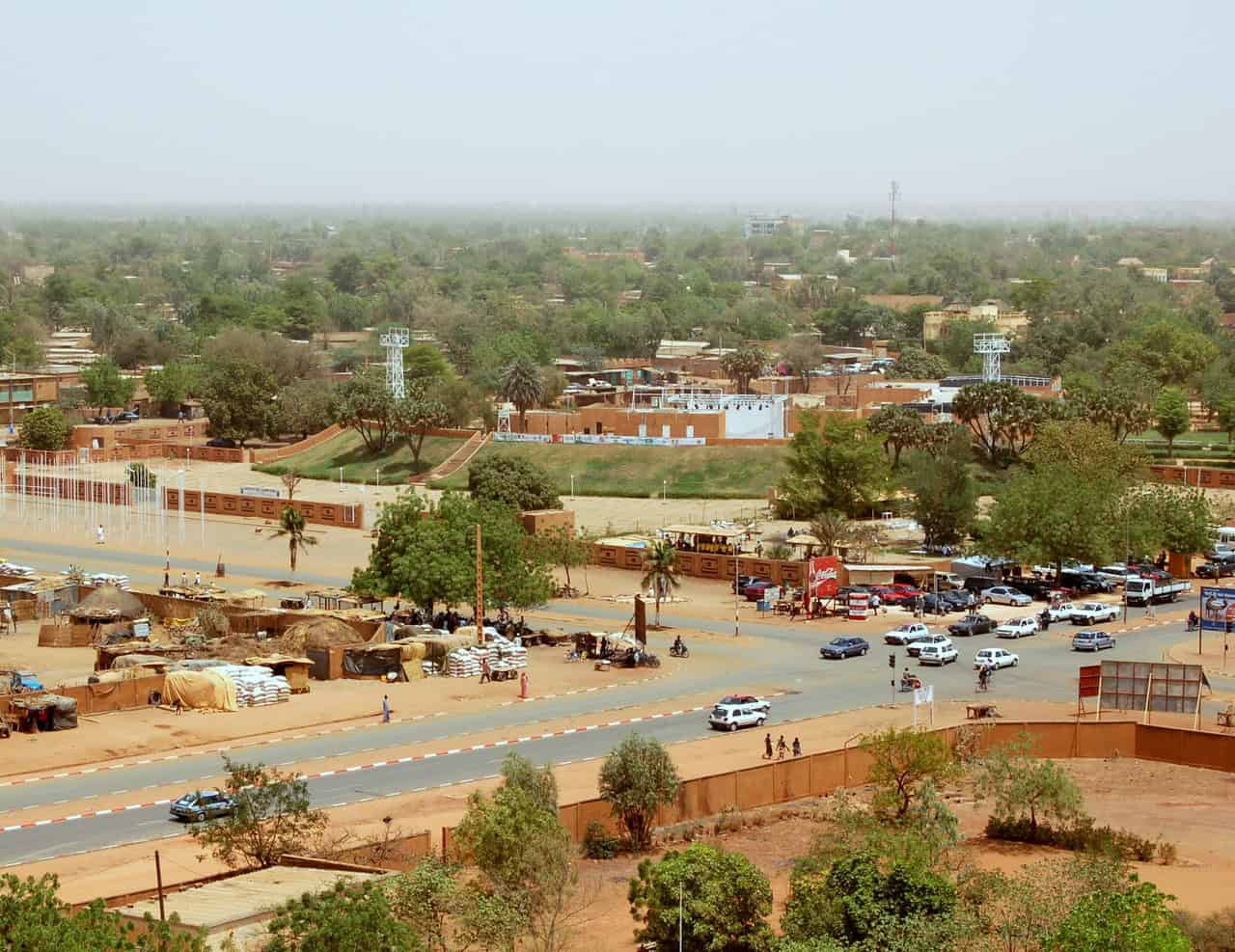
Following leadership shifts and a changing stance on Western engagement, Niger has adopted far tougher entry procedures for U.S. citizens. A visa is now practically unavoidable, and many travelers report lengthy scrutiny, especially for stays beyond 14 days. Applicants must submit employment proof, detailed travel plans, and accommodation records, with many applications routed for additional security screening. In several cases, fees have risen above $100 and processing can easily extend beyond 3 weeks, turning what used to be relatively straightforward travel into a bureaucratic hurdle.
4. South Sudan
With ongoing internal challenges and increased diplomatic caution, South Sudan has tightened how freely Americans can arrive. Instead of predictable approvals, applicants now face inconsistent outcomes and occasionally outright refusals, depending on security advisories at the time of application. Visa fees that often hover between $100 and $150 feel steep when combined with extended waiting periods that regularly pass 20 days. Travelers also frequently need proof of $2,000 in available funds, onward tickets, and formal local sponsorship, creating a noticeable barrier for casual visits.
5. Syria
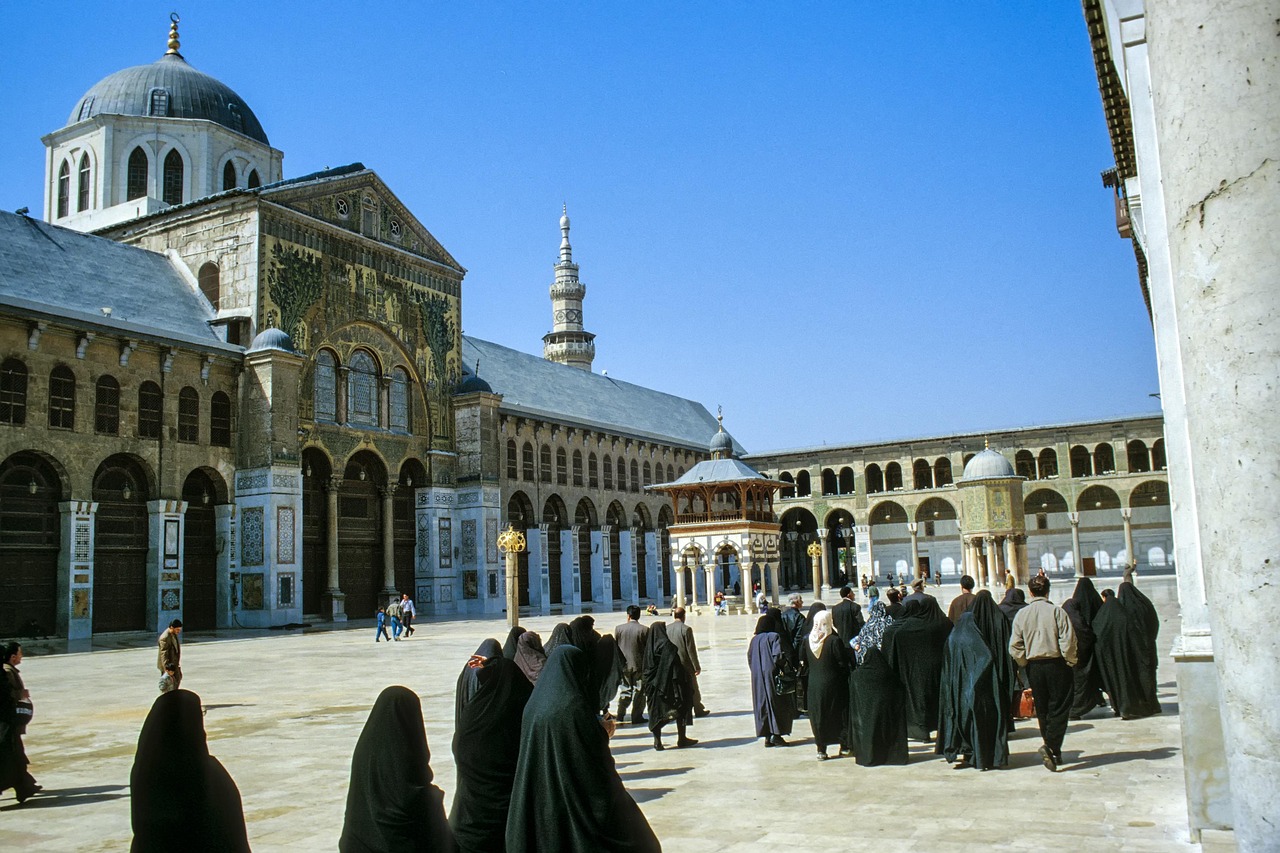
Syria has long been difficult, but 2026 has entrenched that difficulty even further. Entry for U.S. citizens is heavily restricted, often impossible without exceptional circumstances, and any approval usually demands extensive vetting and government-approved escorts. Travel advisories remain at severe levels, while documentation checks can involve multiple agencies, stretching timelines beyond 30 days or ending in denial entirely. With regional tensions still active and diplomatic relations fragile, the U.S. passport offers virtually no advantage here, and travel remains risky, expensive, and heavily monitored.
6. Laos
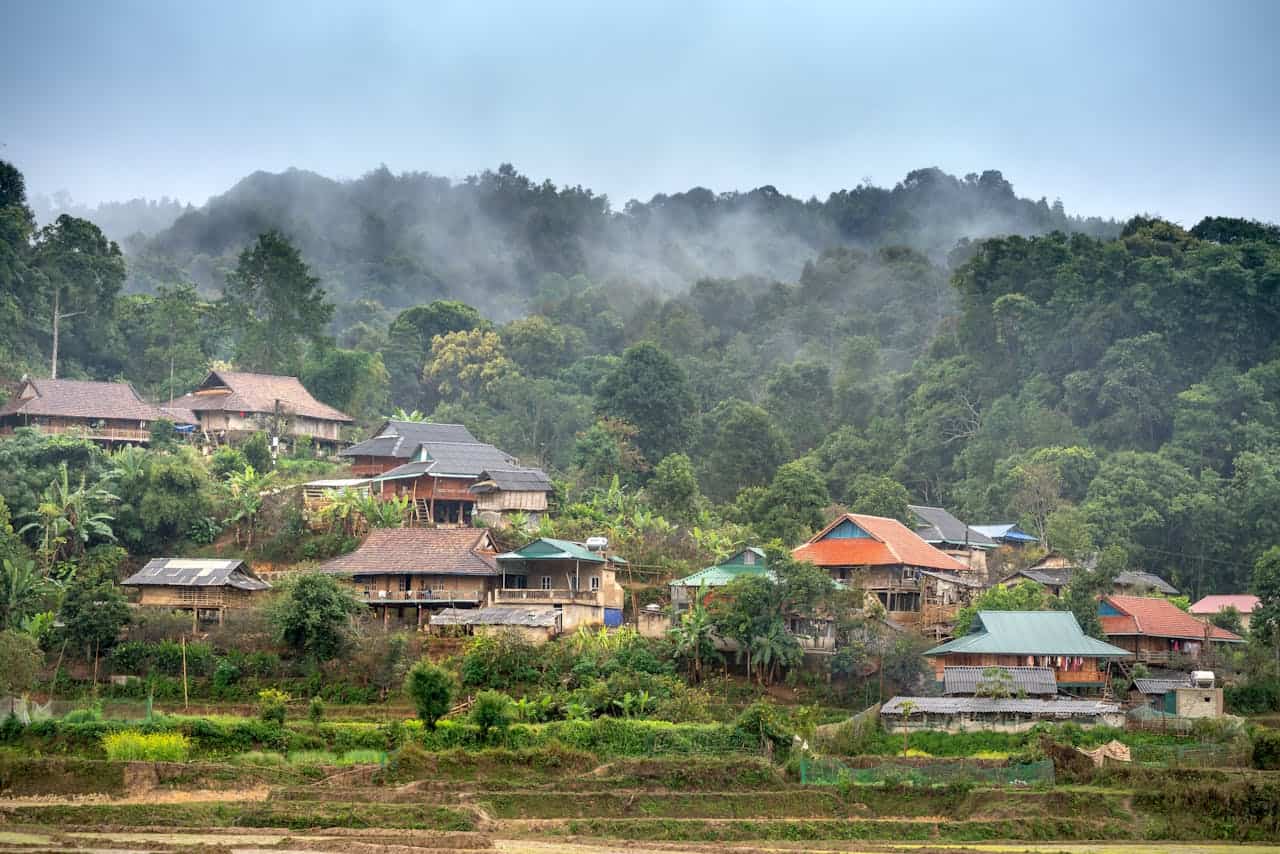
Laos, once relatively relaxed for American travelers, now demands more structured procedures due to evolving bilateral policies. Visa-on-arrival options are less reliable, pushing many travelers toward embassy applications that require hotel confirmations, flight details, and proof of at least $800 in accessible funds. Fees commonly range from $40 to $60, but the real issue is the uncertainty, as processing can vary from 5 to 18 days. The combination of paperwork, slower approvals, and changing rules has made travel less spontaneous and noticeably less convenient.
7. Sierra Leone
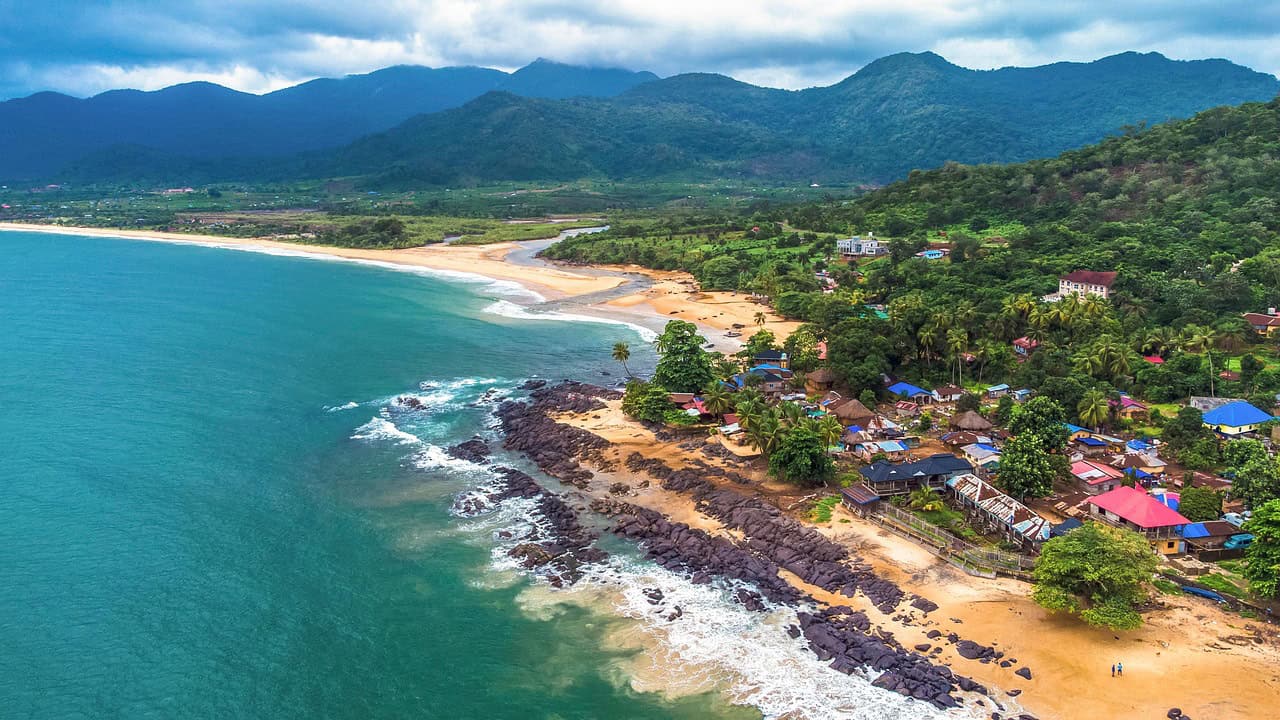
Sierra Leone has implemented stricter vetting systems partly influenced by wider global security coordination, and Americans now experience longer document reviews and tighter questioning. Applications often require vaccination proof, comprehensive itineraries, and financial evidence exceeding $1,000. Visa fees around $80 may not seem extreme, but delays ranging from 10 to 20 days can disrupt travel plans significantly. The tone of border control has clearly shifted from welcoming to cautiously selective, meaning the U.S. passport alone no longer unlocks smooth entry the way it used to.
8. Angola
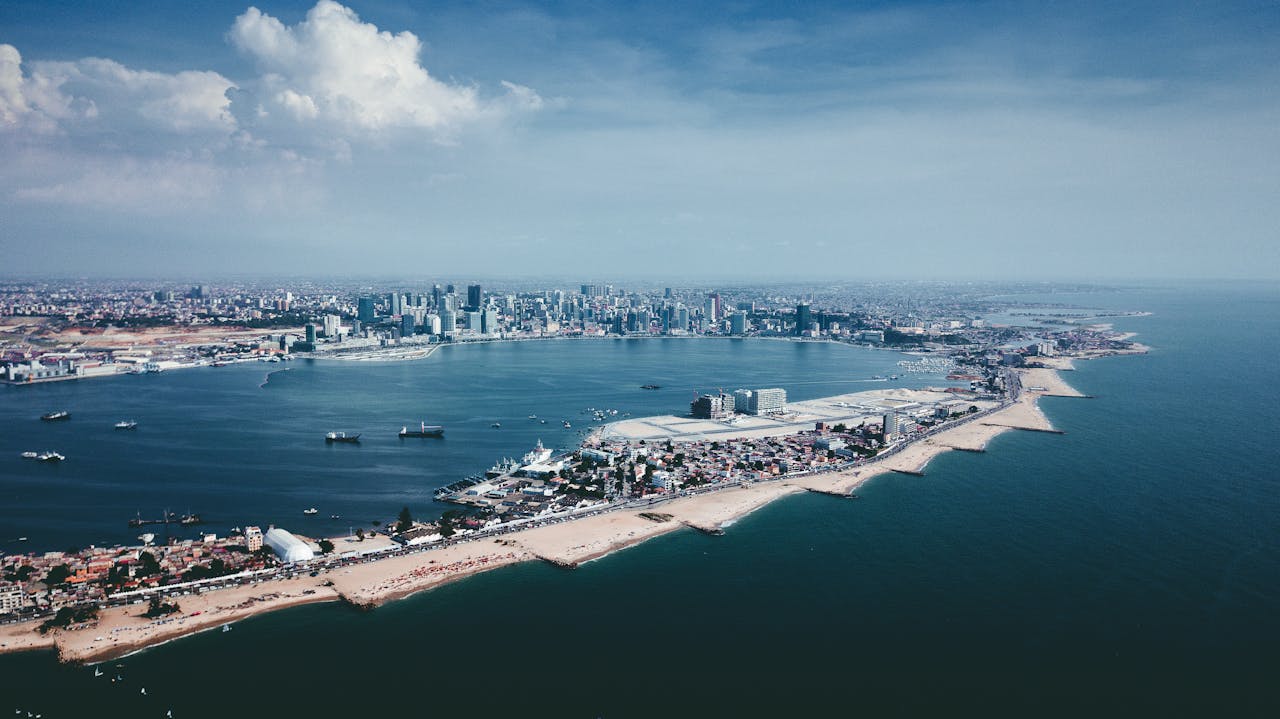
Angola’s policy adjustments in 2026 resulted in more complex entry standards for U.S. citizens, requiring pre-approved visas instead of casual arrival options. Applicants now typically must present employment verification, hotel bookings, and financial proofs sometimes above $1,500. Processing windows average 15 to 25 days, while fees can exceed $150 depending on category and urgency. Authorities closely scrutinize the purpose of travel, and business travelers face particularly detailed reviews. These shifts reflect tighter sovereignty policies, and American travelers now feel the weight of administrative controls much more directly.
9. Nigeria
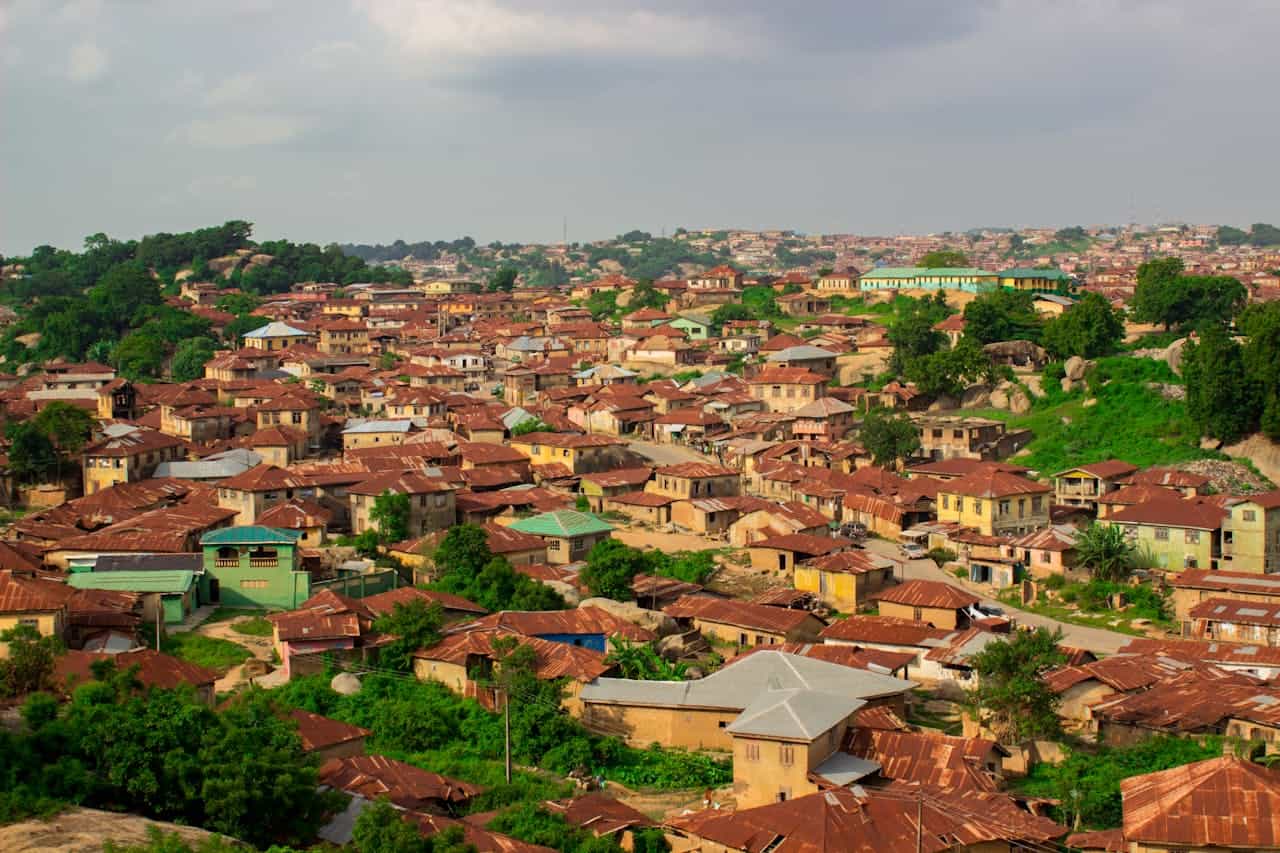
Nigeria introduced tougher documentation rules and stronger biometric checks impacting U.S. visitors significantly. Obtaining a visa now often requires embassy appointments, fingerprinting, and multiple identity verifications, raising costs to around $160 or more. Approval timelines that once averaged under 10 days now frequently extend past 20 days, and additional delays arise during heightened security periods. Travelers are also asked to supply hotel confirmations, onward travel proof, and financial support of roughly $1,000. These added requirements demonstrate how reciprocity and security considerations now outweigh previous ease.
10. Tanzania
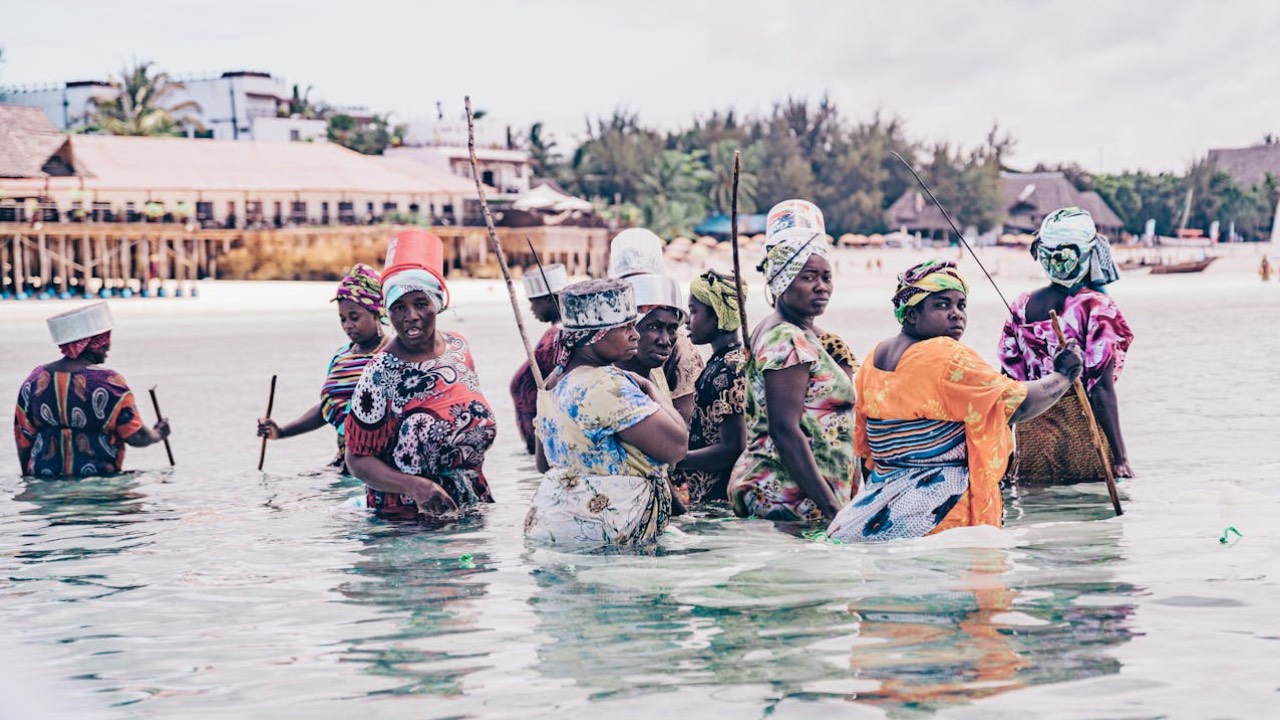
Tanzania’s tourist appeal remains strong, but access has undeniably become more rigid for Americans. Processing systems have tightened, and visa approvals now demand clearer proof of purpose, confirmed lodging, and financial capacity of at least $1,200. Fees hovering around $100 may feel manageable, but the bigger challenge is uncertainty, with approvals taking anywhere from 7 to 21 days depending on scrutiny levels. The increased administrative oversight signals a growing insistence on controlled entry, making spontaneous safari trips and casual vacation planning much harder than before.
11. Zimbabwe
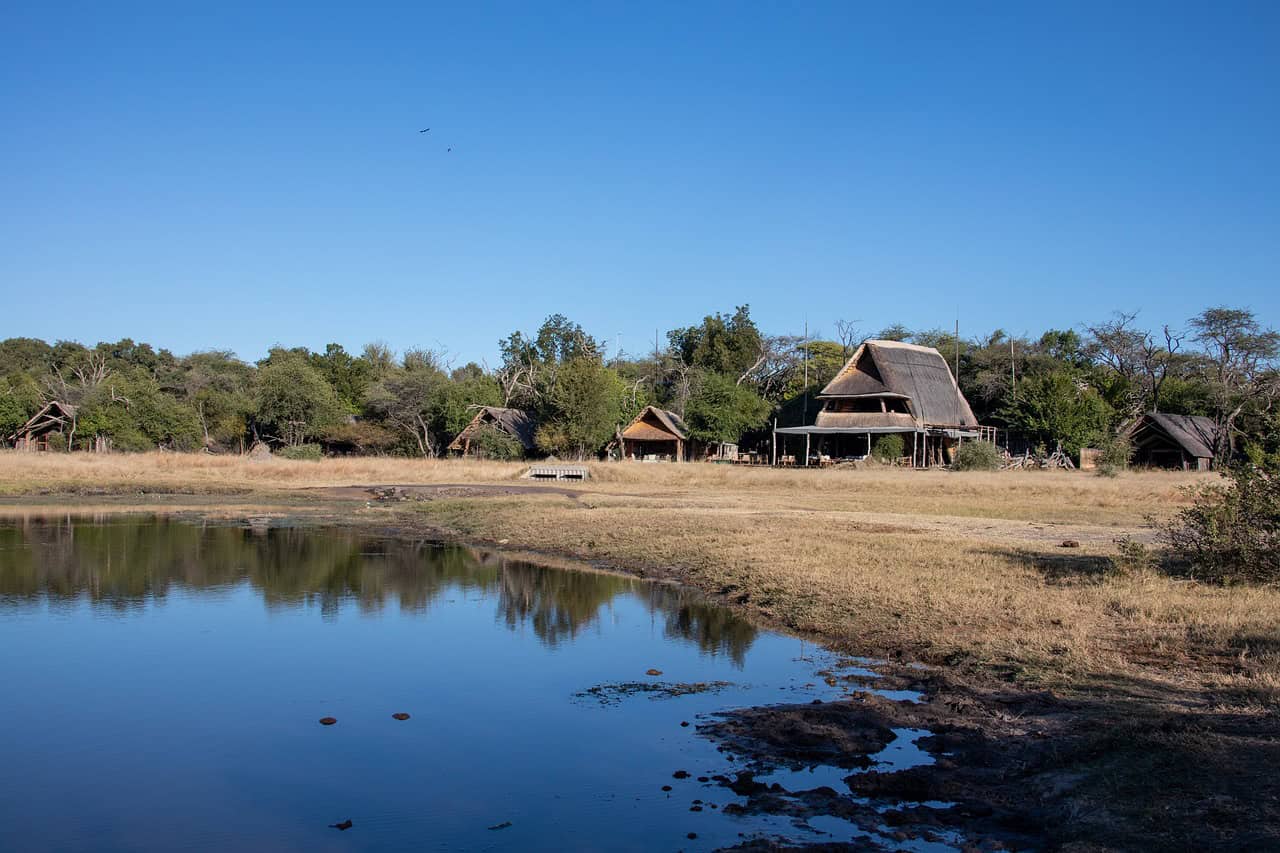
Zimbabwe has strengthened its entry review framework, and Americans now face deeper background vetting, higher scrutiny for extended stays, and rising processing fees that can approach $120. Applicants often must submit bank statements, hotel confirmations, and return flight proof, while financial thresholds sometimes exceed $1,000. Waiting periods that regularly surpass 14 days add another layer of inconvenience. The U.S. passport, once associated with easy movement, now meets a far more cautious system here, reflecting both regional policy shifts and evolving diplomatic attitudes.