We may earn money or products from the companies mentioned in this post. This means if you click on the link and purchase the item, I will receive a small commission at no extra cost to you ... you're just helping re-supply our family's travel fund.
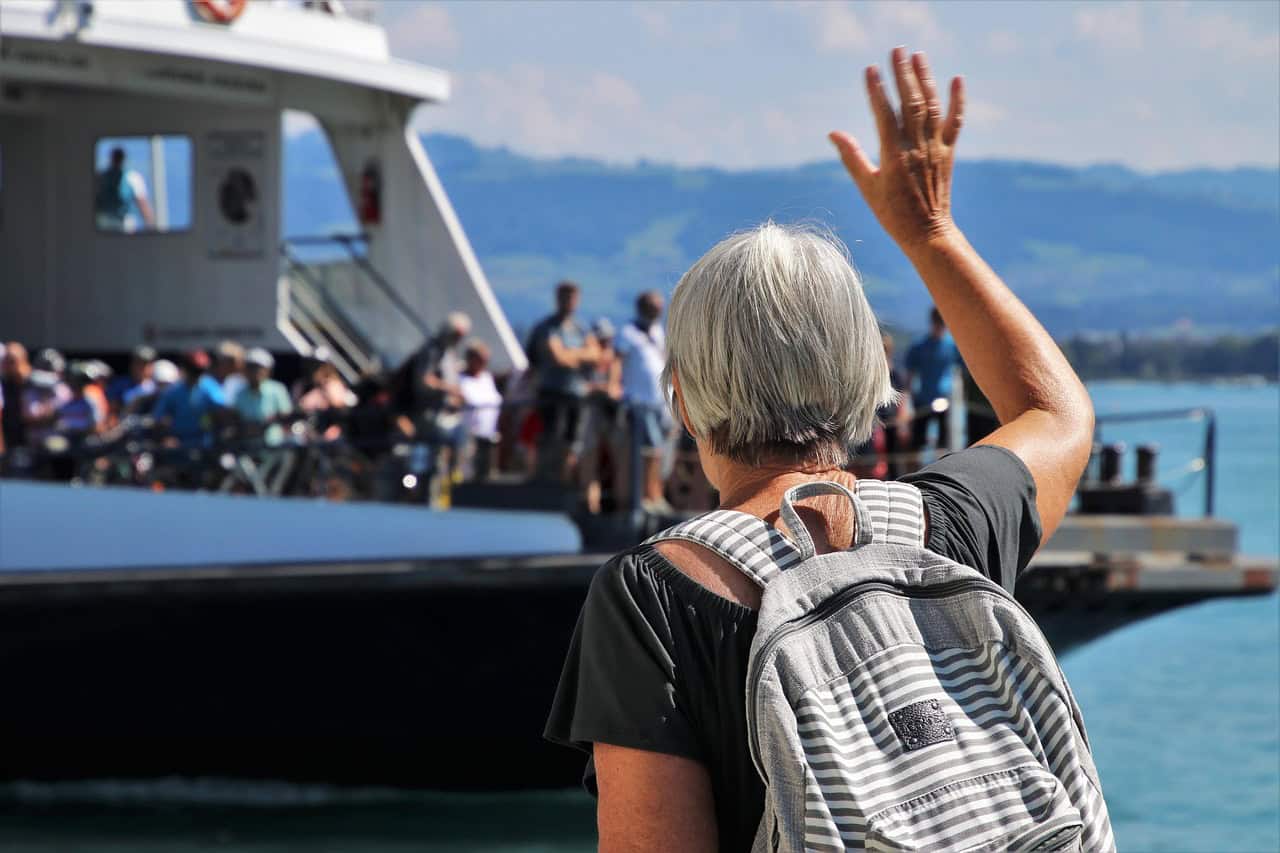
Some destinations see visitors as customers. Others treat them like honored guests whose presence truly matters. In these 11 countries, tourism is woven into culture, community, and even national identity. From airport greetings to local festivals, travelers are not simply accommodated, they are embraced. Each place below blends warmth with tangible effort, backing its hospitality with real investment, meaningful traditions, and measurable tourism impact.
1. Thailand
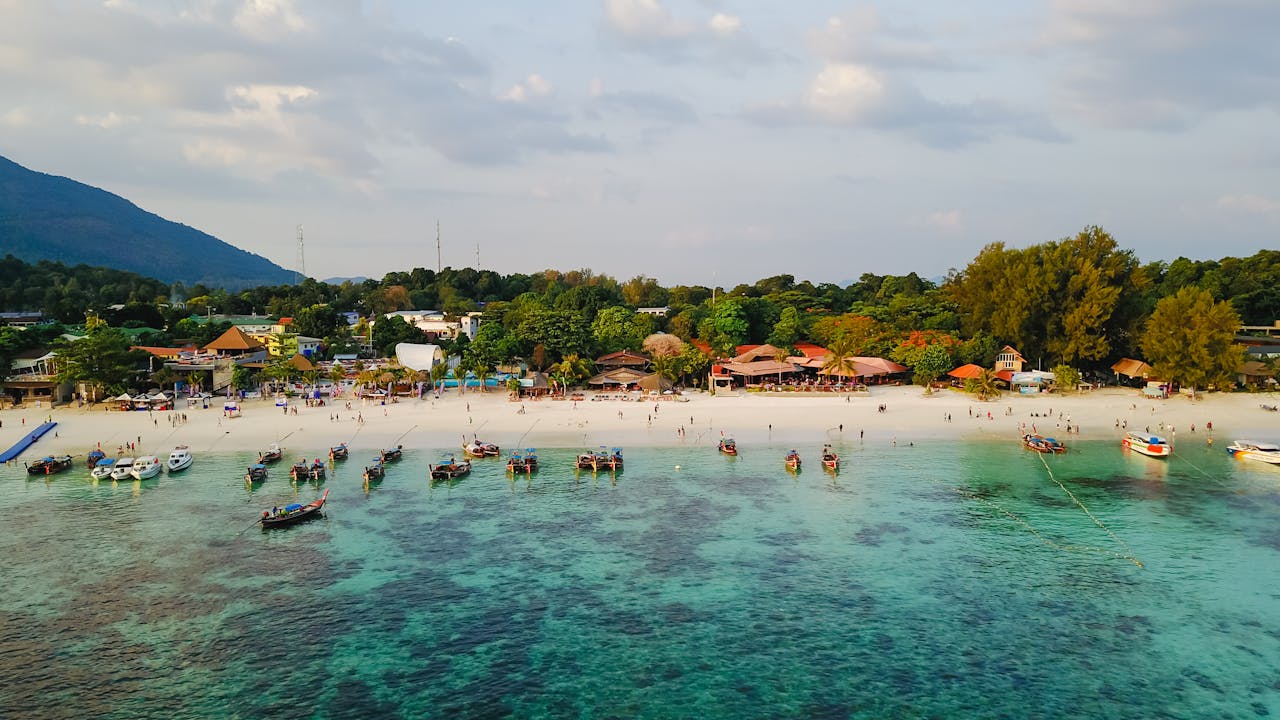
Thailand earns its “Land of Smiles” title through everyday interactions that feel sincere rather than staged. Tourism contributes roughly 12–20% of national GDP in peak years, so communities understand its importance. In 2019 alone, over 39 million visitors arrived, and infrastructure expanded accordingly, from multilingual airport signage to efficient BTS lines in Bangkok. Festivals such as Songkran in April transform entire cities into shared celebrations, where visitors are invited to participate rather than observe. Service standards in hotels and even street markets reflect pride, not pressure.
2. Japan

Japan’s hospitality philosophy, omotenashi, centers on anticipating needs before they are voiced. The country welcomed nearly 32 million travelers in 2019, prompting expanded English signage and tourist passes across rail networks covering more than 27,000 kilometers. Cleanliness standards are famously meticulous, and customer service training is rigorous. Seasonal events such as cherry blossom festivals or Gion Matsuri involve structured visitor guidance, ensuring inclusion without disruption. Even small towns maintain visitor centers staffed with volunteers eager to assist, reinforcing a culture of respectful welcome.
3. Ireland
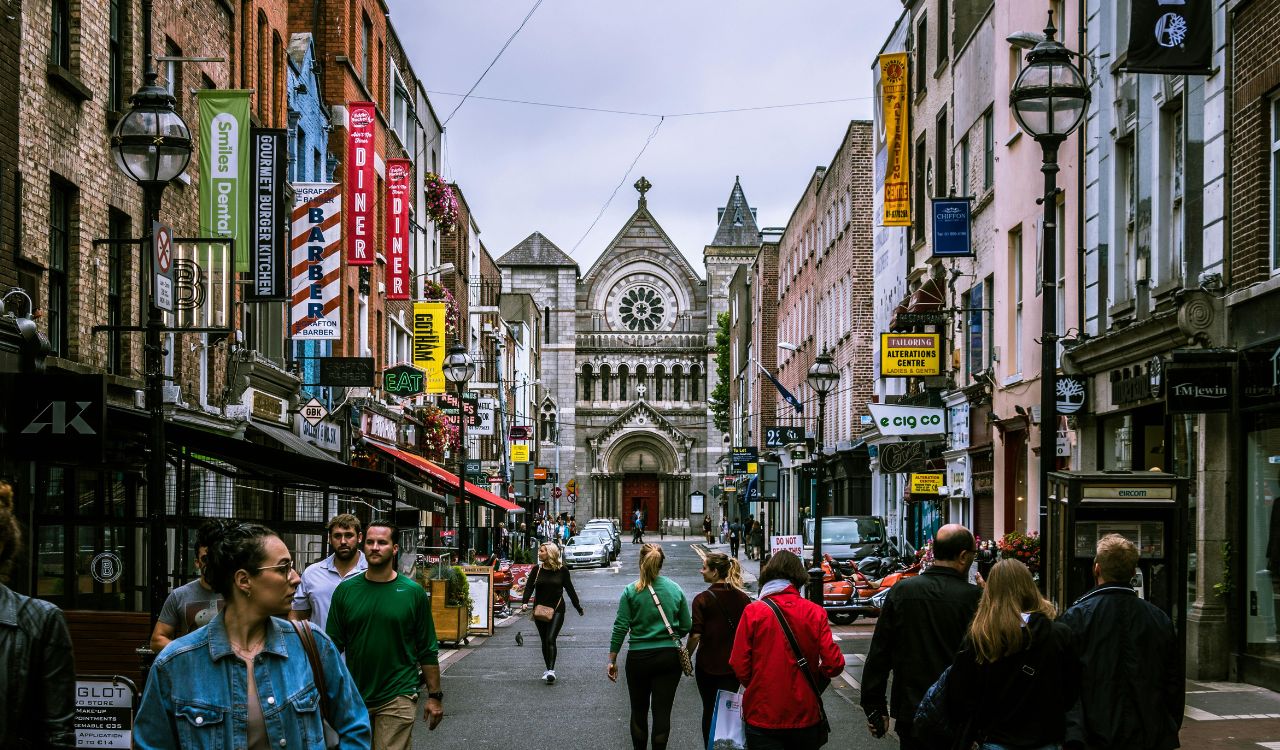
Ireland greets travelers with warmth rooted in storytelling and shared heritage. Tourism supports approximately 300,000 jobs nationwide, a substantial figure for a country of just over 5 million people. In 2019, nearly 11 million overseas visitors arrived, many tracing ancestry through dedicated heritage programs. Local pubs often host nightly traditional music sessions where visitors are encouraged to join conversation. National events like St. Patrick’s Festival attract more than 500,000 attendees annually, blending community pride with open celebration that feels inclusive rather than commercial.
4. New Zealand

New Zealand integrates Māori customs into modern tourism, creating experiences grounded in respect. Before the pandemic, about 3.9 million international visitors arrived annually, nearly matching the resident population of 5 million. Formal pōwhiri welcome ceremonies are sometimes offered at cultural centers, symbolically acknowledging guests. Tourism contributes close to 6% of GDP, driving strong sustainability commitments. National parks, covering about 30% of the country’s land area, operate under conservation-first policies while maintaining visitor access, ensuring travelers feel valued without compromising heritage or environment.
5. Portugal
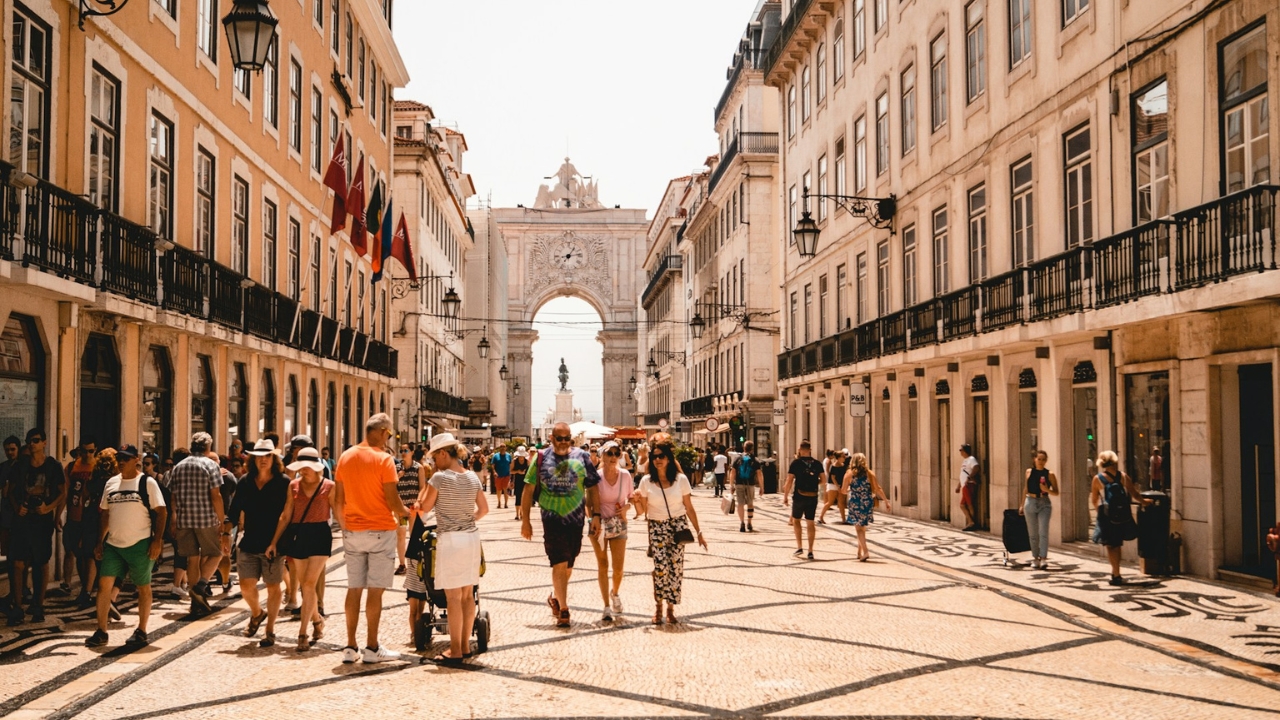
Portugal has steadily become one of Europe’s most visitor-friendly nations, welcoming over 27 million tourists in 2019. Tourism accounts for roughly 15% of GDP, encouraging nationwide investment in hospitality training and multilingual services. Lisbon’s airport ranks among Europe’s most efficient for mid-sized hubs, and public transport networks remain affordable. Festivals such as Porto’s São João draw tens of thousands into lively street celebrations where visitors are actively included. Family-run restaurants frequently offer complimentary pastries or port tastings, reflecting pride in national flavors.
6. Mexico
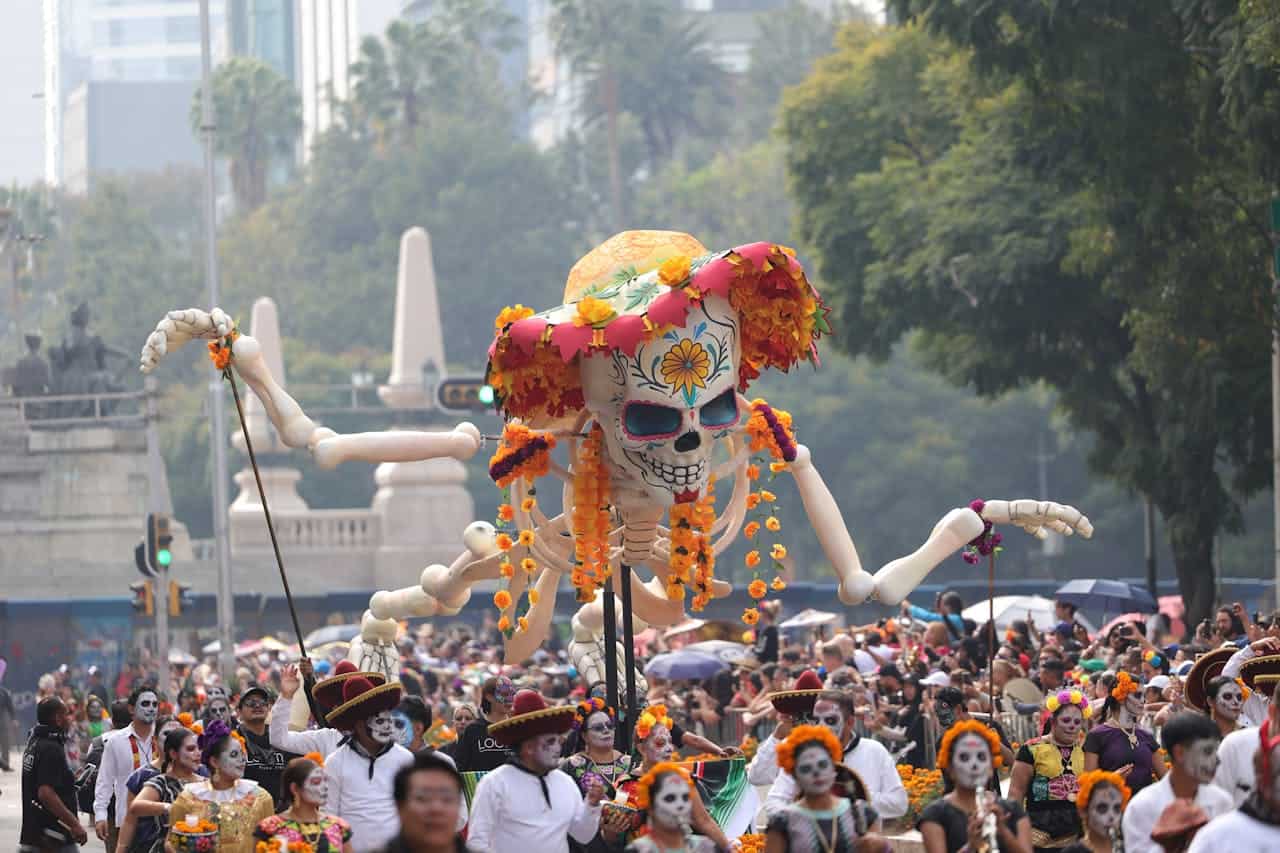
Mexico blends vibrant culture with strong economic reliance on tourism, which contributes about 8–9% of GDP. In 2019, the country welcomed nearly 45 million international visitors, placing it among the world’s most visited destinations. Celebrations like Día de los Muertos involve public altars, parades, and open exhibitions that respectfully invite traveler participation. Coastal hubs such as Cancún and Los Cabos maintain high-capacity airports handling millions annually. Yet beyond resorts, community-based tourism initiatives allow guests to learn crafts, cuisine, and traditions firsthand.
7. Indonesia
Indonesia’s 17,000-plus islands offer diverse cultural welcomes shaped by local traditions. Bali alone received over 6 million international visitors in 2019, reflecting tourism’s central role in regional income. Nationwide, tourism contributes around 5% of GDP. Visitors often witness temple ceremonies, which occur nearly daily in Balinese communities. Local guides undergo certification programs to preserve authenticity while accommodating global guests. From Komodo National Park’s regulated entry quotas to homestay programs in Yogyakarta, travelers are treated as partners in sustaining culture.
8. Greece

Greek hospitality, known as philoxenia, literally means “friend to strangers.” Tourism represents roughly 20% of Greece’s GDP, underscoring its national importance. In 2019, over 31 million visitors arrived, many heading to islands whose populations multiply during summer months. Tavernas commonly offer complimentary desserts or drinks, gestures rooted in tradition rather than marketing. Major festivals like Athens Epidaurus attract thousands with open-air performances. Infrastructure upgrades in ports and regional airports ensure visitors feel supported, even in smaller island communities.
9. Morocco

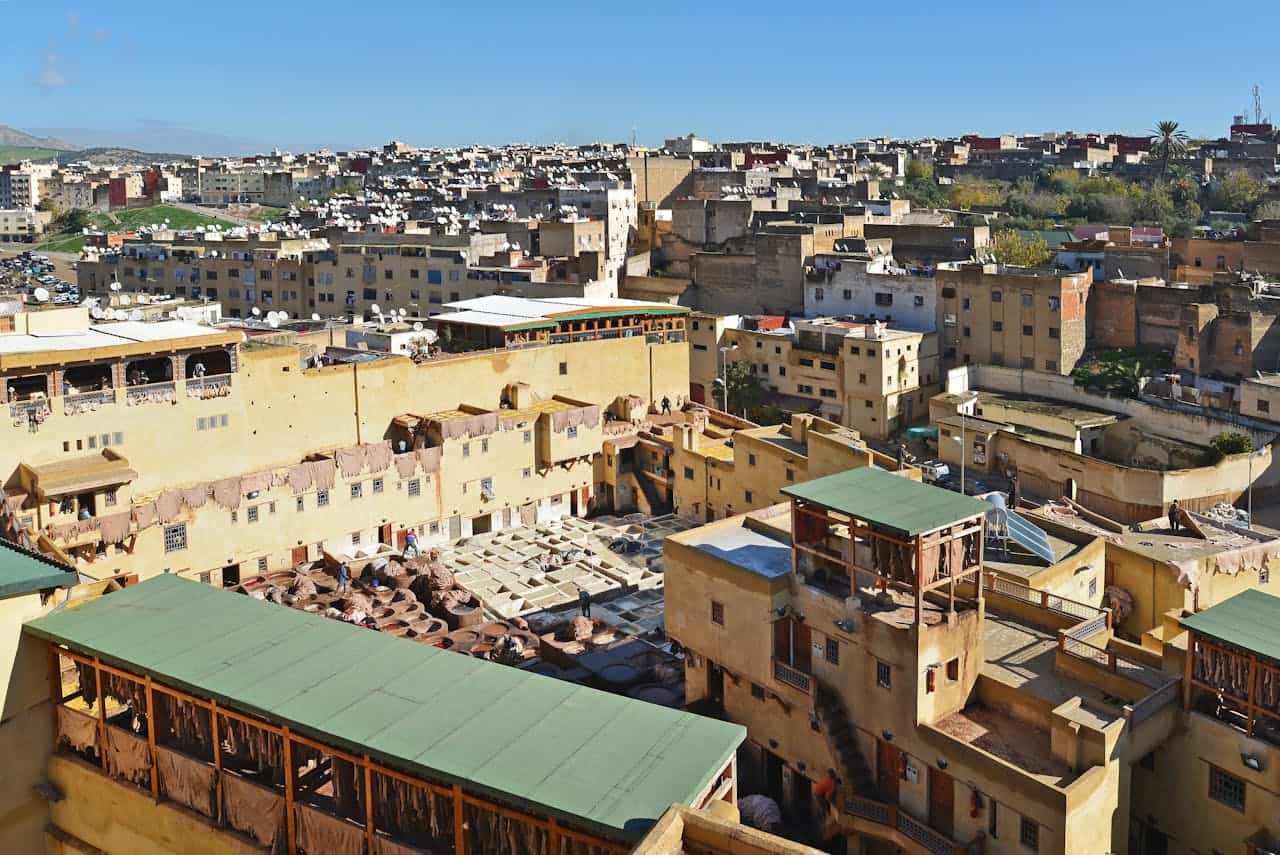
Morocco’s guest-centered culture is evident in its ceremonial mint tea service and personalized riad stays. Tourism contributes approximately 7% of GDP and supports over 500,000 jobs. In 2019, the country welcomed around 13 million international travelers. Cities like Marrakech and Fes operate licensed guide systems to protect both heritage and visitors. Annual events such as the Fes Festival of World Sacred Music attract global audiences while maintaining local authenticity. Hosts often share home-cooked meals, reflecting genuine pride in culinary heritage.
10. Canada
Canada consistently ranks high in global friendliness surveys, pairing politeness with infrastructure strength. The country welcomed about 22 million international visitors in 2019, and tourism contributes roughly 2% of GDP directly, with broader indirect impact. Multicultural cities like Toronto, where over 50% of residents were born abroad, naturally create inclusive environments. National parks spanning 450,000 square kilometers emphasize accessibility through clear signage and visitor centers. Major festivals such as Montreal’s Jazz Festival draw more than 2 million attendees annually, welcoming travelers seamlessly.
11. Spain
Spain transforms public life into shared celebration, integrating visitors into everyday vibrancy. Tourism accounts for around 12–14% of GDP, and in 2019 the country received over 83 million international arrivals, ranking among the world’s top destinations. Events like La Tomatina or Semana Santa draw tens of thousands, structured with clear visitor guidance. High-speed rail lines spanning more than 3,000 kilometers make travel efficient. Late-night tapas culture encourages social mingling, allowing travelers to feel like temporary locals rather than observers.