We may earn money or products from the companies mentioned in this post. This means if you click on the link and purchase the item, I will receive a small commission at no extra cost to you ... you're just helping re-supply our family's travel fund.
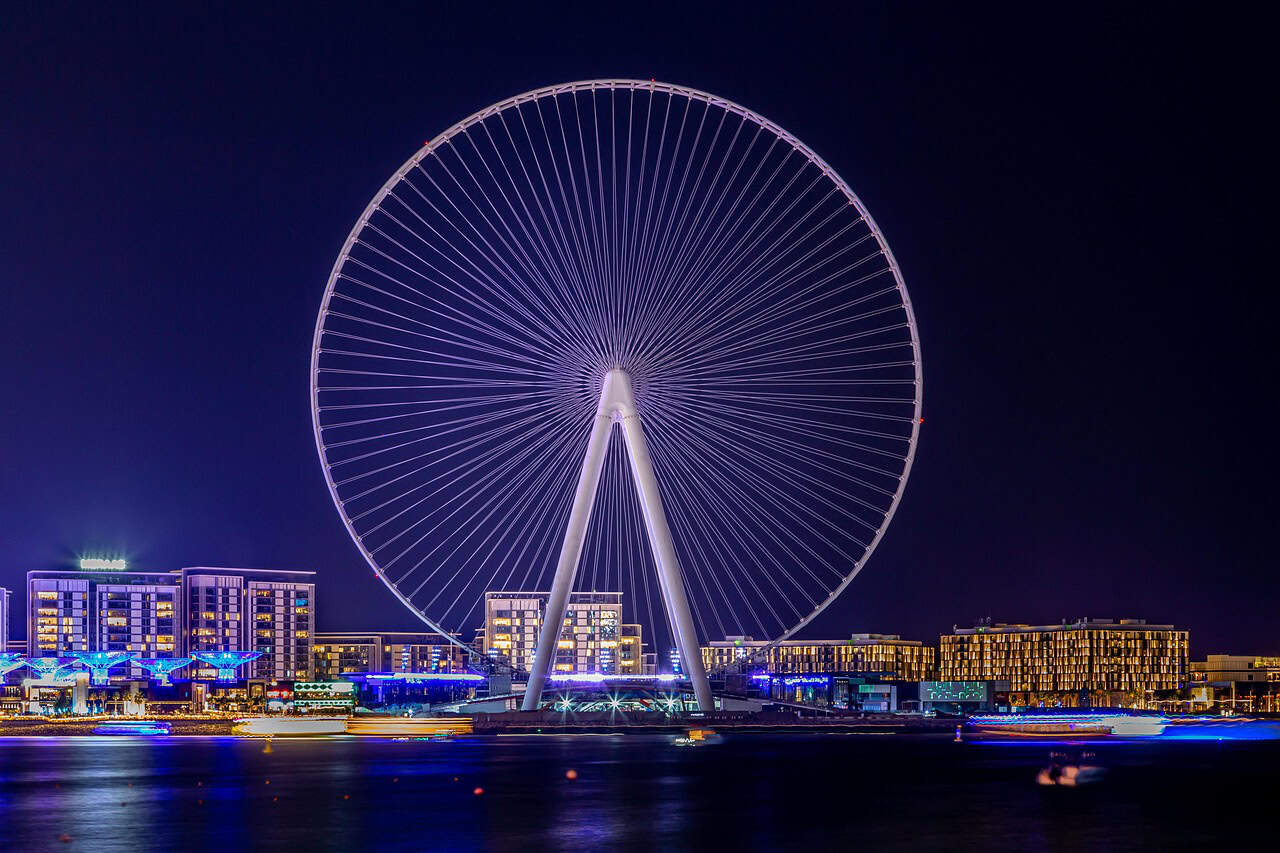
Some destinations look magical in photos yet quietly punish travelers with relentless costs. High accommodation rates, inflated tourist pricing, hidden fees, and unavoidable daily expenses can turn excitement into anxiety faster than expected. These cities aren’t bad places, many are incredible but they demand serious financial awareness. From transportation traps to overpriced essentials, the following cities often transform dream vacations into budget blowouts. Each entry breaks down where the money really goes, using real numbers and everyday scenarios travelers commonly face.
1. Paris, France
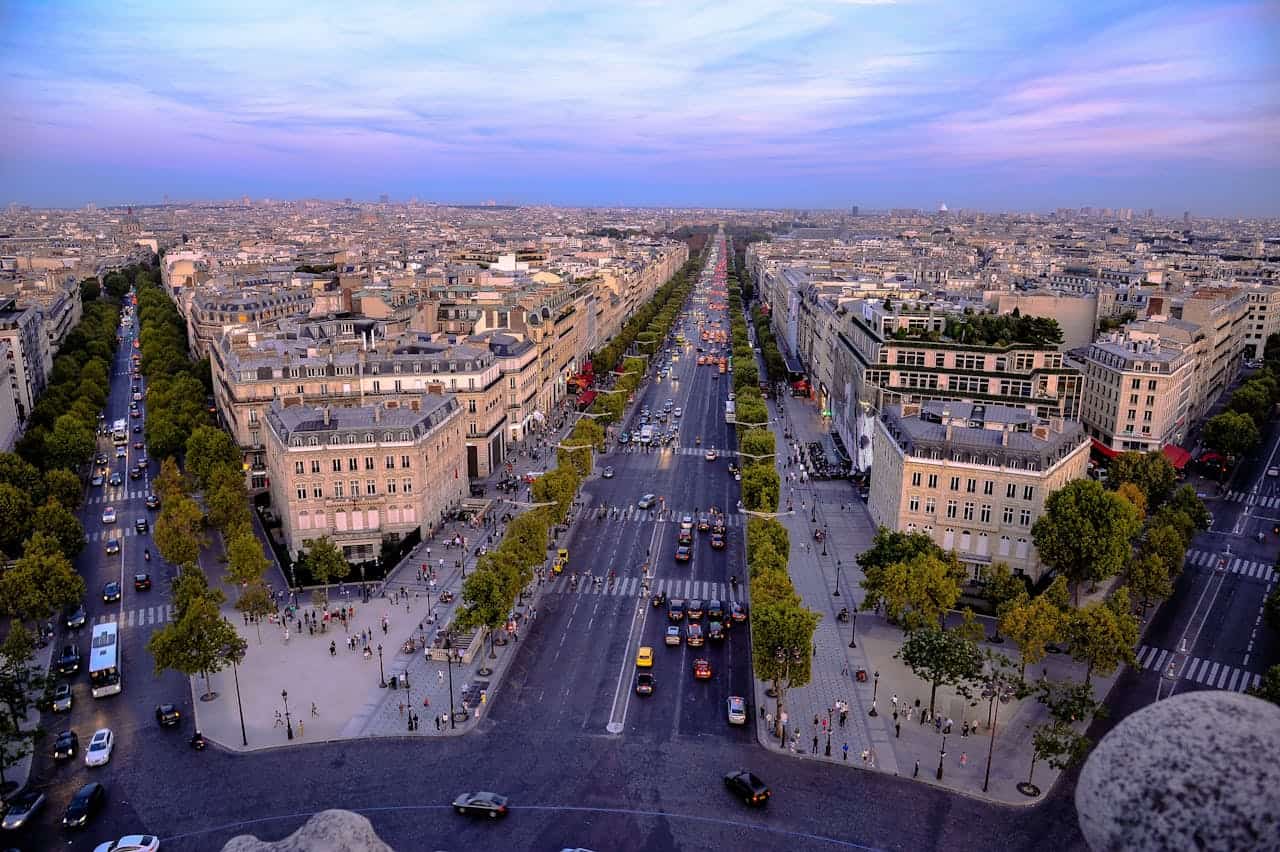
Paris feels romantic until the receipts pile up. Mid-range hotels average $250–$320 per night, excluding city taxes that add $6–$16 nightly. A simple café breakfast often costs $14–$18, while dinner in casual restaurants reaches $28–$40 per person. Museum entry averages $20–$25 each, and skipping queues usually requires paid time slots. Weekly transit passes exceed $85, and taxis regularly cross $30 for short rides. Even bottled water costs $4–$6. Short stays hurt most, as visitors rush attractions while absorbing peak pricing at every step.
2. New York City, USA
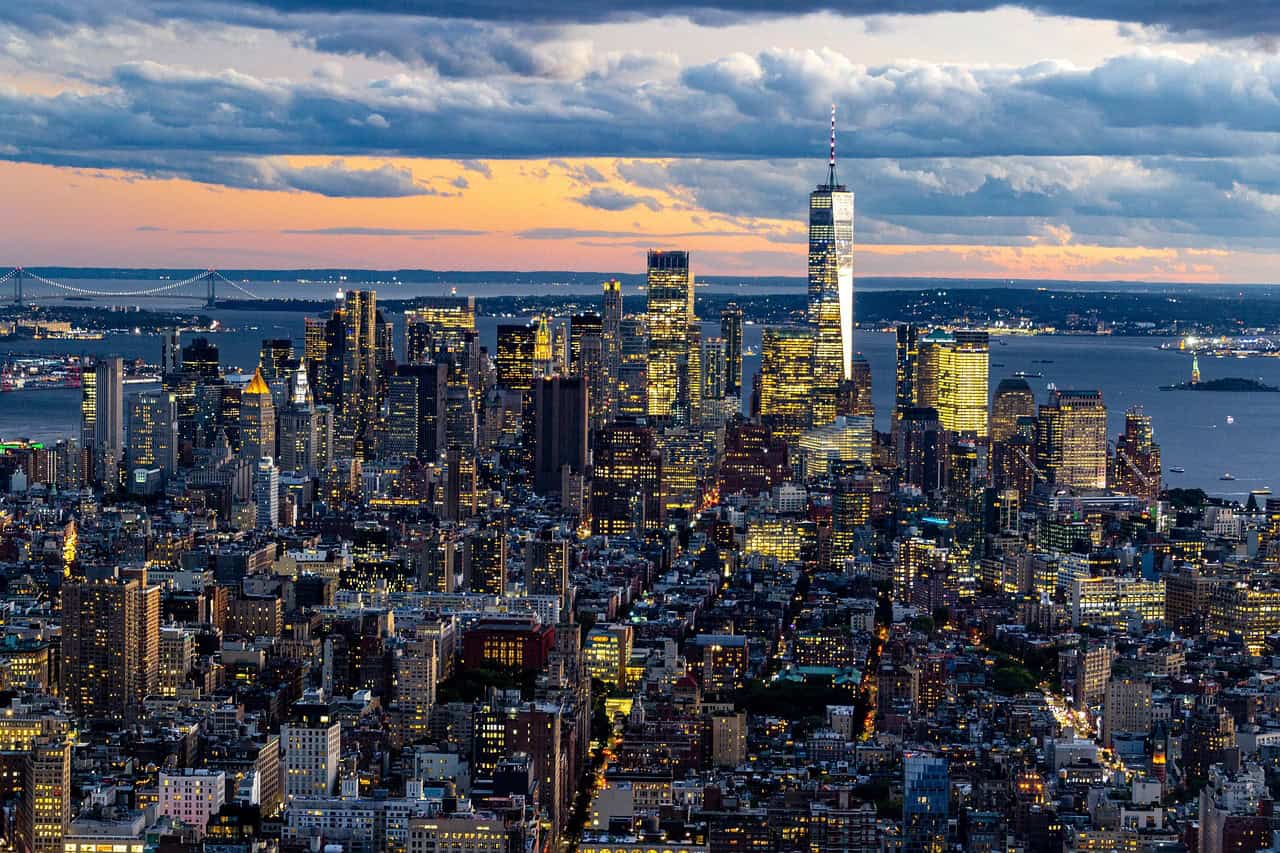
New York drains budgets quickly due to layered costs. Average hotel prices sit between $280–$360 per night, plus nearly 15% combined taxes and fees. Casual lunches hover around $22–$28, while modest dinners reach $35–$55 before tips. Broadway tickets average $110–$160, and attractions like observation decks cost $40–$45 each. Daily subway passes run $34 for seven days, yet rideshares frequently exceed $25 for short distances. Mandatory tipping adds 18–22% across meals, drinks, and services, making daily spending far higher than most travelers anticipate.
3. Tokyo, Japan
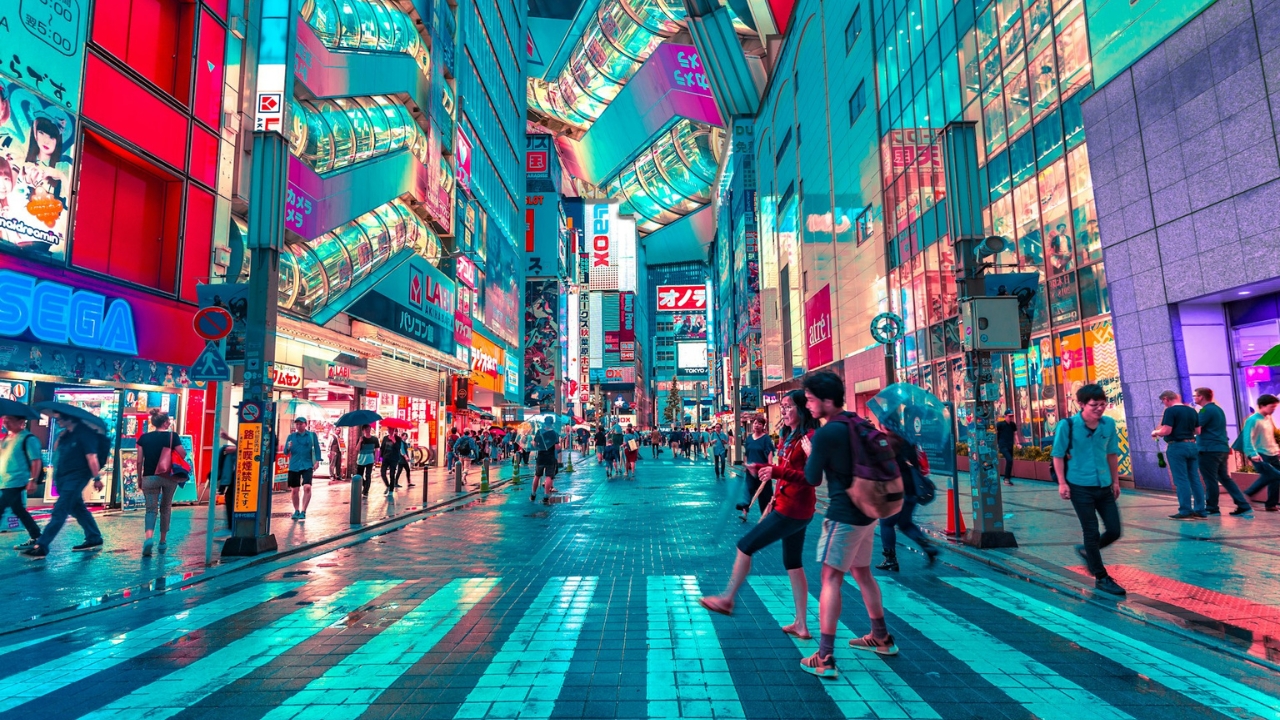
Tokyo surprises visitors with subtle but constant spending. Decent hotels average $180–$240 per night, while compact rooms dominate that price range. Meals seem affordable initially, yet daily food costs often cross $45–$65 per person once snacks, drinks, and convenience meals are included. Transit passes average $70–$90 weekly, and popular experiences like themed cafés cost $25–$40 each. Attractions cluster far apart, increasing transport use. Currency exchange fees, cash-only venues, and impulse purchases push daily budgets upward without travelers realizing how quickly totals accumulate.
4. London, United Kingdom
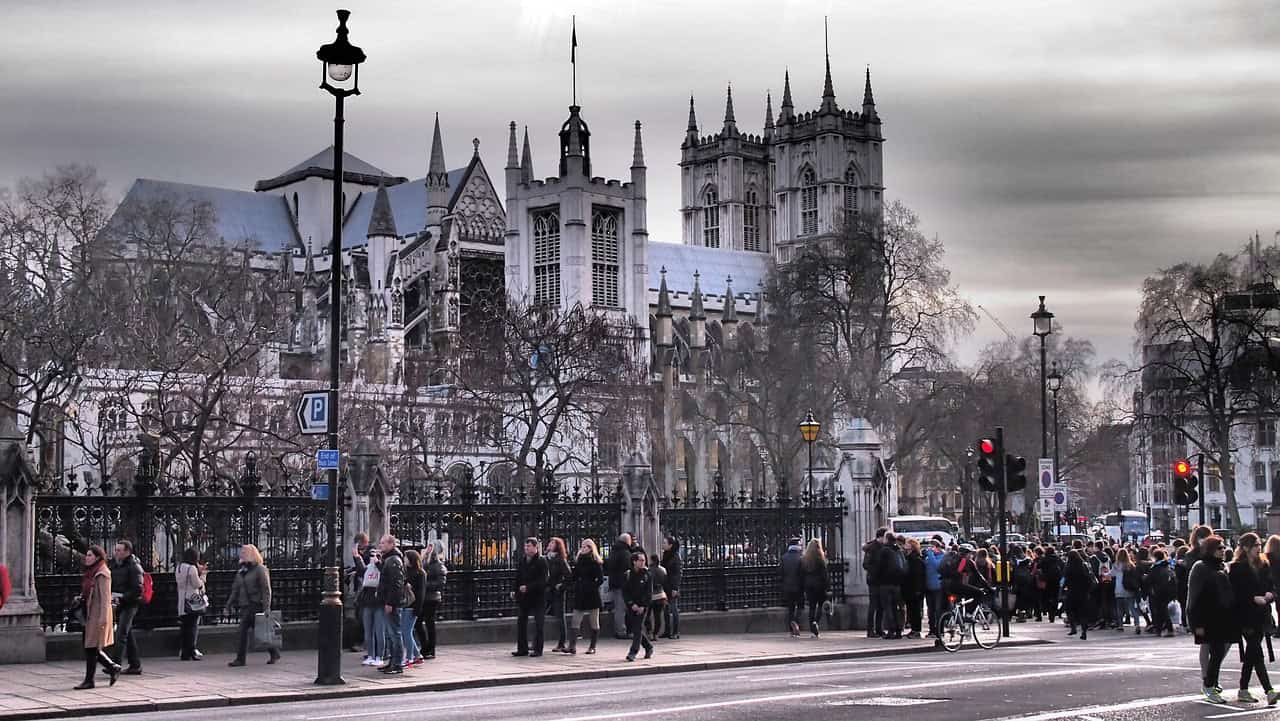
London’s charm comes at a premium. Mid-range hotels cost $220–$300 per night, with limited space to justify the price. A simple pub meal averages $22–$28, while restaurant dinners reach $40–$60 per person. Daily transport caps hit $16–$19, yet weekly passes exceed $90. Popular attractions charge $35–$45 each, and fast-track tickets add more. Coffee routinely costs $5–$6. Many museums are free, but food, lodging, and transit quickly outweigh savings, making London one of Europe’s most quietly expensive cities.
5. Dubai, United Arab Emirates
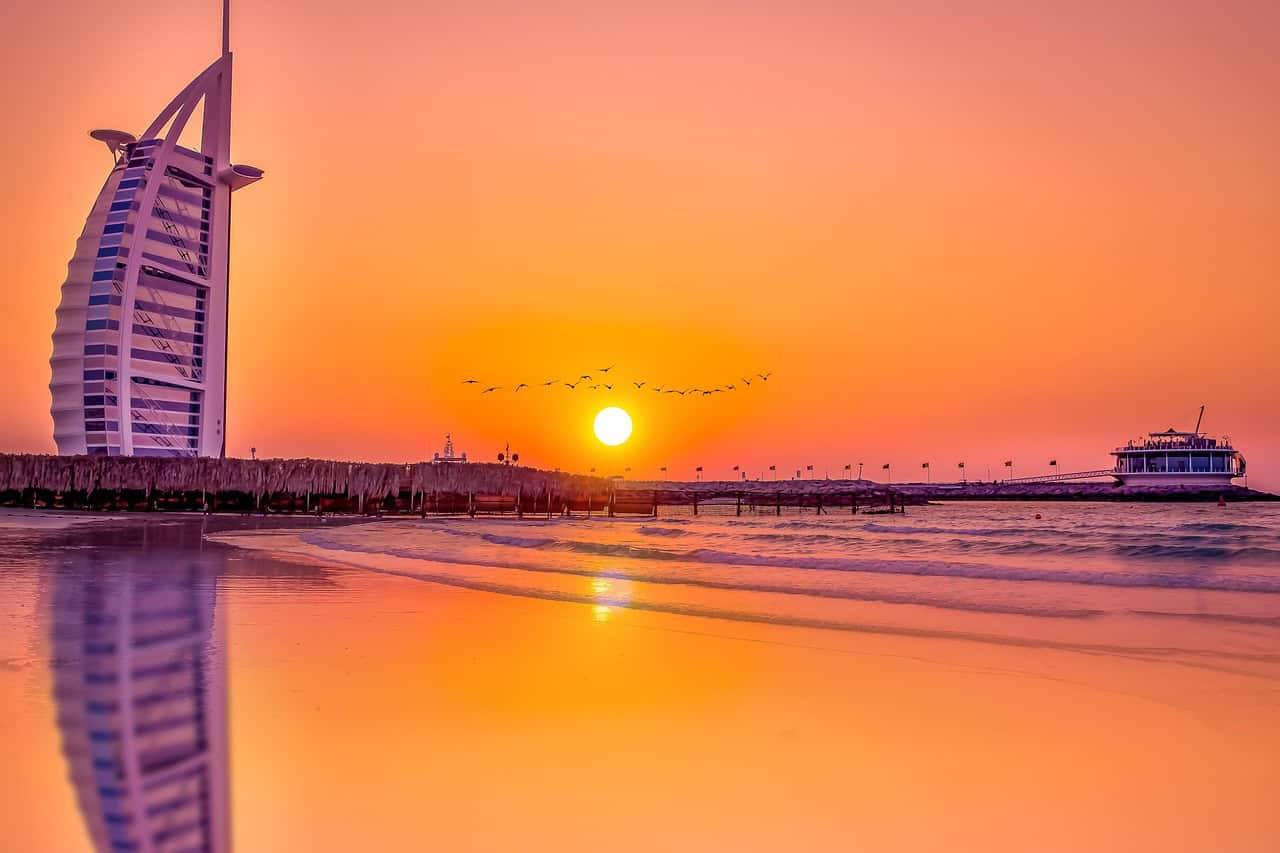
Dubai markets luxury, but even modest trips feel expensive. Hotels average $200–$280 per night, while central locations cost far more. Casual meals run $18–$25, and restaurant dinners exceed $45 per person. Attractions like observation decks charge $45–$55, while desert safaris average $75–$120. Taxis are essential, with daily transport costs hitting $30–$50. Alcohol prices soar above $15 per drink due to licensing laws. The city encourages spending through experiences, malls, and upgrades, making restraint difficult for first-time visitors.
6. Rome, Italy
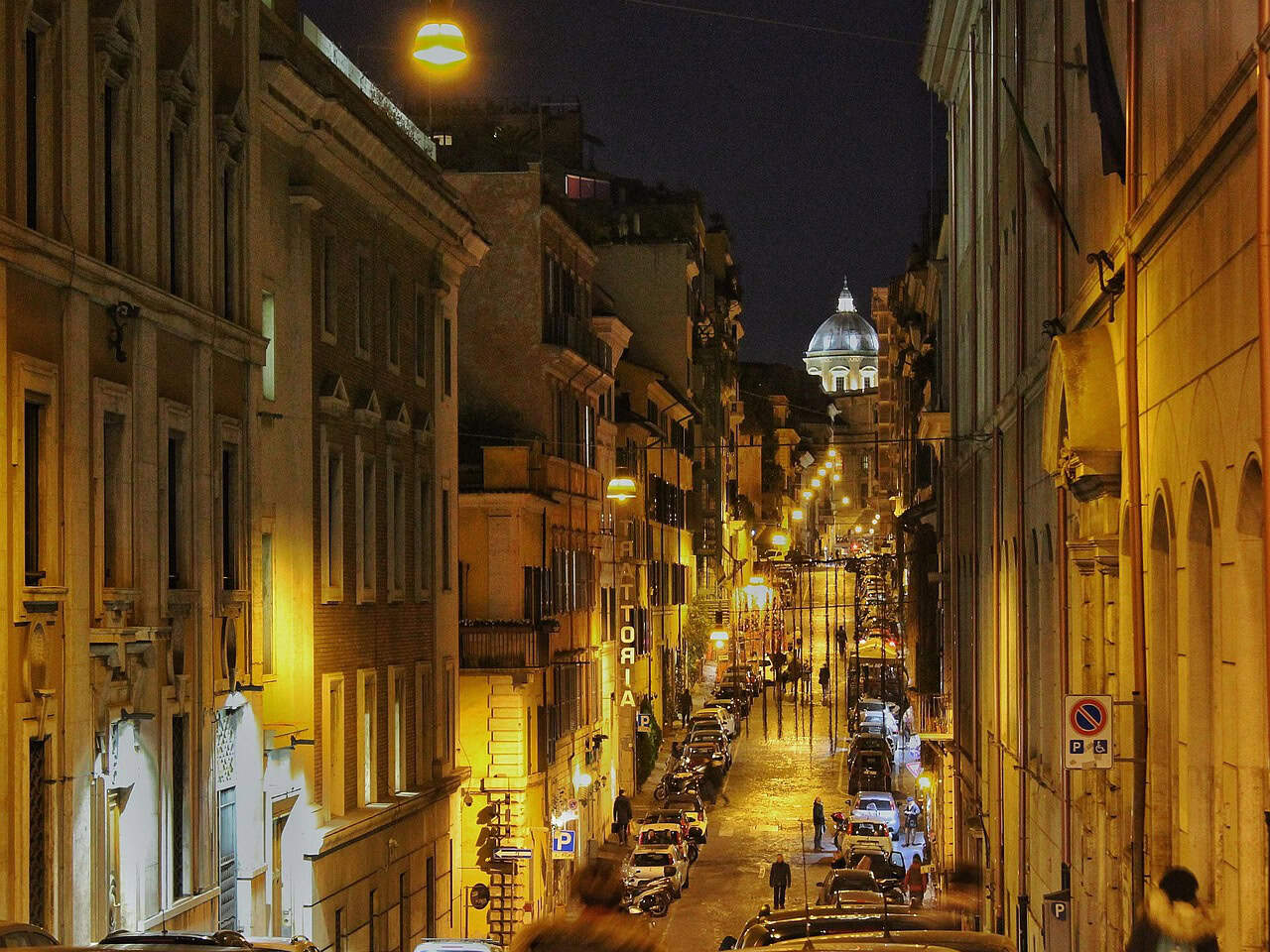
Rome’s beauty hides logistical costs. Hotels average $190–$260 nightly, often far from main attractions. Museum tickets cost $18–$25, but skipping lines adds $10–$20 per visit. Meals in tourist areas average $22–$30 for lunch and $35–$50 for dinner. Transit passes reach $45 weekly, yet walking exhaustion leads to taxis costing $20–$35 per ride. Tourist taxes add $4–$10 nightly. Add overpriced souvenirs and bottled water at $3–$5, and Rome quietly stretches budgets through constant small expenses.
7. Zurich, Switzerland
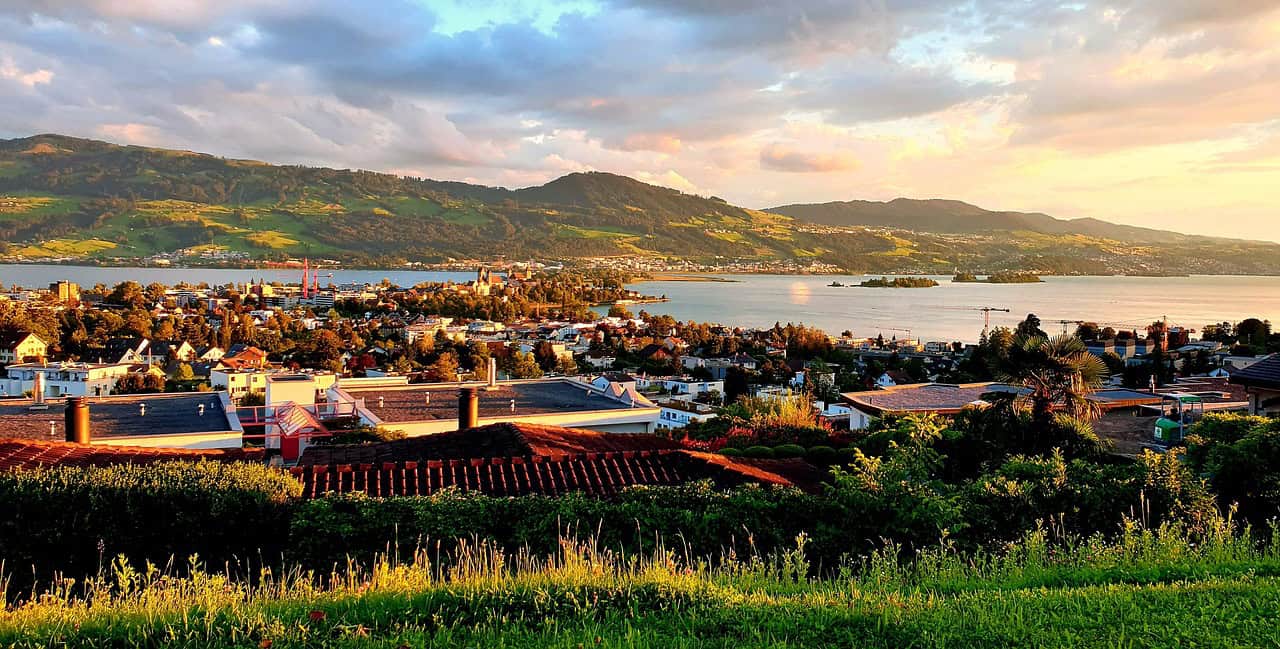
Zurich shocks travelers with immediate price inflation. Hotels rarely drop below $260 per night, while mid-range options exceed $320. Casual meals average $28–$35, and restaurant dinners cross $55–$75 per person. Public transport passes cost $85–$100 weekly, and short train rides cost $8–$12. Coffee regularly exceeds $6. Attractions may be limited, but daily living costs dominate. Even groceries feel expensive, making self-catering less effective. Zurich delivers efficiency and beauty, but it demands one of the highest daily travel budgets in Europe.
8. Singapore
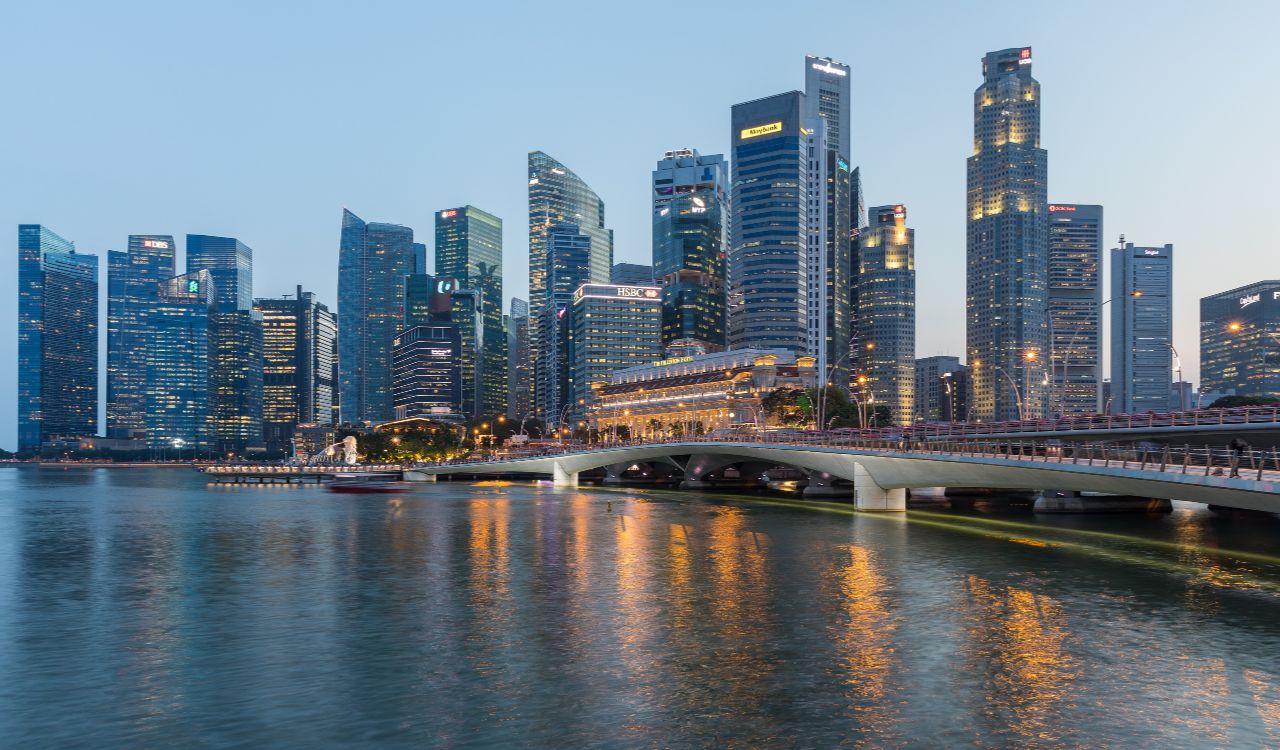
Singapore appears efficient but charges for convenience. Hotels average $210–$290 per night, even for compact rooms. Hawker meals are affordable at $6–$10, yet most visitors spend $35–$55 daily on mixed dining. Attractions like Gardens by the Bay cost $32–$40, and observation decks exceed $30. Transport is efficient but adds $25–$40 over several days. Alcohol prices reach $14–$18 per drink. Strict regulations eliminate budget shortcuts, meaning comfort and legality often come at premium prices.
9. Venice, Italy
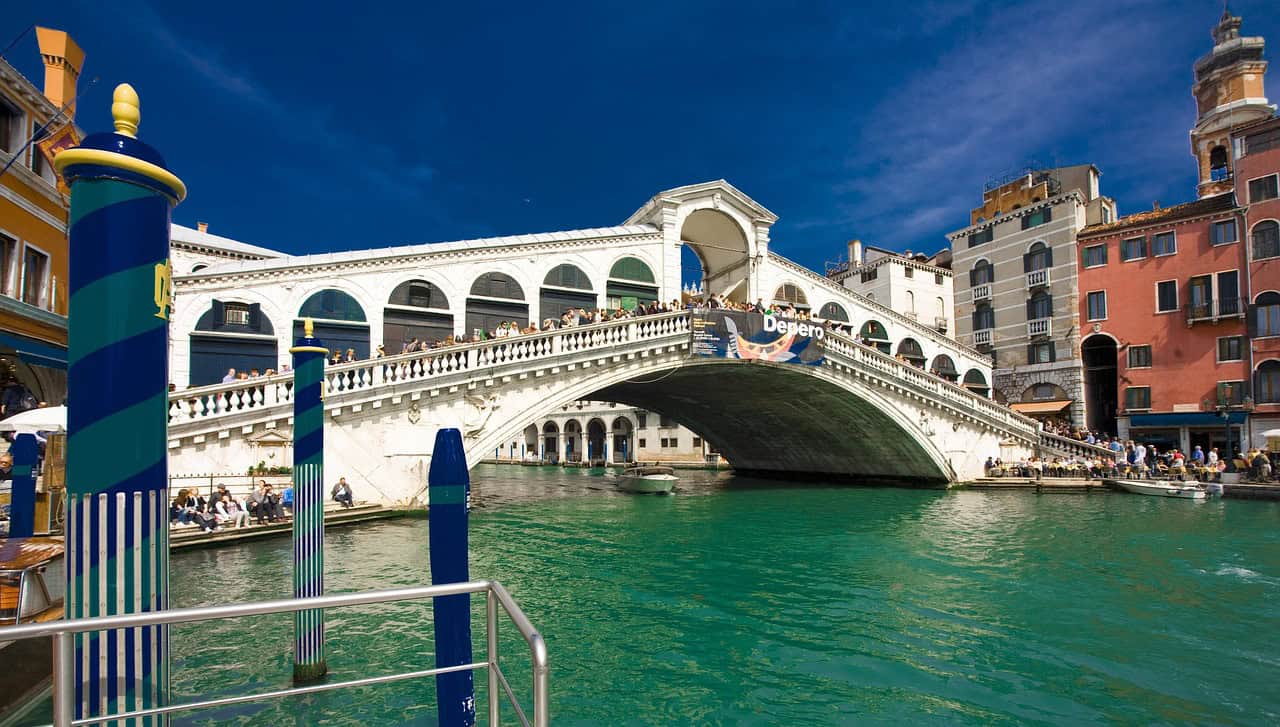
Venice’s isolation inflates everything. Hotels average $230–$310 per night, with steep tourist taxes of $5–$12 nightly. Simple meals cost $25–$35, while dinners exceed $45 per person. Vaporetto passes cost $40 for 48 hours, yet frequent usage is unavoidable. Entry fees for peak days add $5–$10 per visitor. Grocery options are limited, raising food costs further. Crowds encourage overpriced cafés and shops. Venice offers an unmatched atmosphere, but staying even briefly often costs far more than travelers expect.
10. Reykjavik, Iceland

Reykjavik’s natural beauty masks extreme prices. Hotels average $240–$330 per night, while budget options are scarce. Casual meals cost $25–$35, and dinners reach $50–$70 per person. Grocery prices are high, with basic snacks costing $4–$7. Tours dominate expenses, Golden Circle trips average $85–$120, while northern lights tours exceed $100. Transport is limited, making rentals essential at $80–$120 per day. Even short stays accumulate heavy costs due to unavoidable tour reliance.
11. Sydney, Australia
Sydney balances beauty with financial pressure. Hotels average $210–$290 per night, especially near beaches. Casual meals cost $20–$28, while dinners reach $40–$60 per person. Public transport caps hit $17 daily, yet ferries and scenic routes add extra charges. Attractions like the Opera House tours cost $30–$45. Coffee averages $5–$6. Currency exchange losses, high wages reflected in pricing, and distance between attractions increase daily spending, making Sydney rewarding but rarely budget-friendly.