We may earn money or products from the companies mentioned in this post. This means if you click on the link and purchase the item, I will receive a small commission at no extra cost to you ... you're just helping re-supply our family's travel fund.
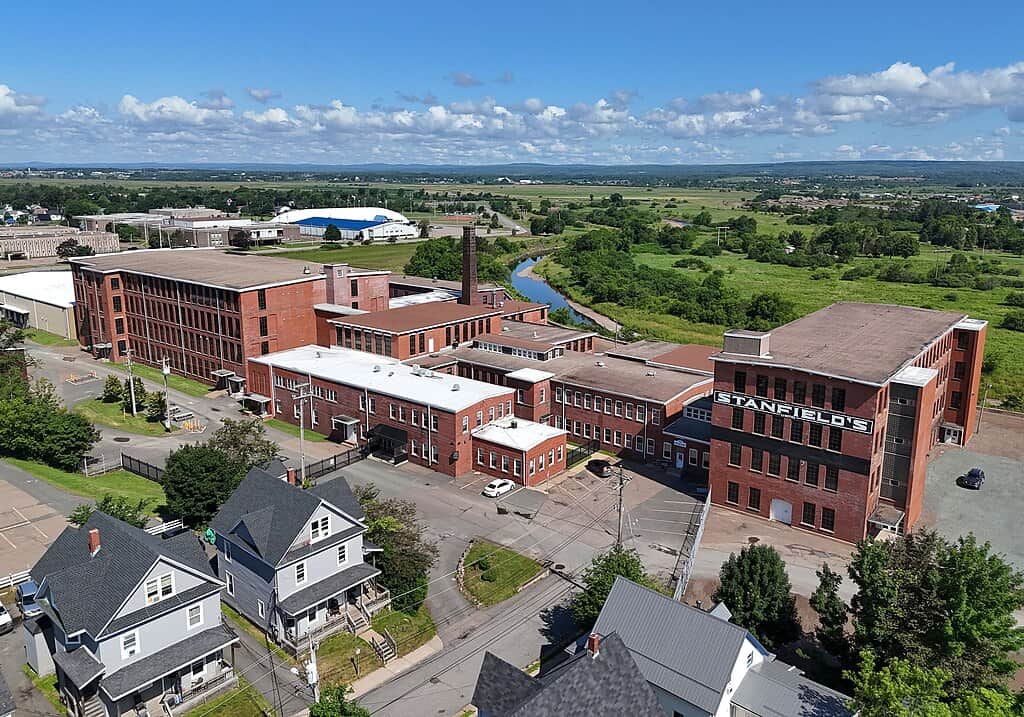
Here’s a deeper, friendlier guide for Americans looking at Canada in 2026 and wondering where their money truly stretches. With forecasts commonly suggesting 1 USD ≈ 1.33–1.40 CAD, many Canadian towns already known for reasonable costs begin to feel even more affordable once converted. Below are 11 places where daily spending, rent, and housing tend to feel lighter, yet the lifestyle doesn’t feel like a budget compromise. Each section includes helpful numbers and natural context so you can picture what living or visiting there might genuinely feel like.
1. Trois-Rivières, Québec
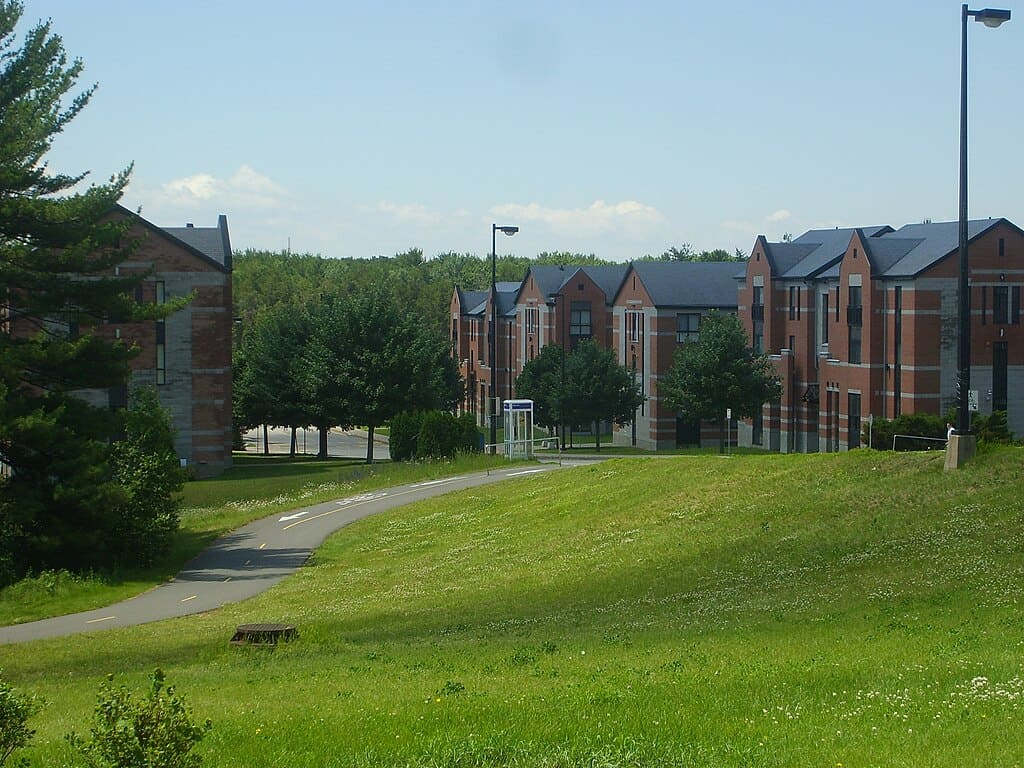
Trois-Rivières in Quebec often surprises Americans with how far their dollars stretch. With the U.S. dollar forecast to buy roughly 1.33 to 1.40 Canadian dollars in 2026, everyday expenses feel lighter, whether paying CAD 1,000 to CAD 1,200 a month for rent or enjoying a CAD 18 dinner that converts to less in USD. Average homes often list near CAD 280,000 to CAD 330,000, significantly below major-city prices. The riverfront, French culture, and student life add warmth, making value feel like part of the town’s character. It also adds character and calm, so every USD feels wisely spent.
2. Sherbrooke, Quebec
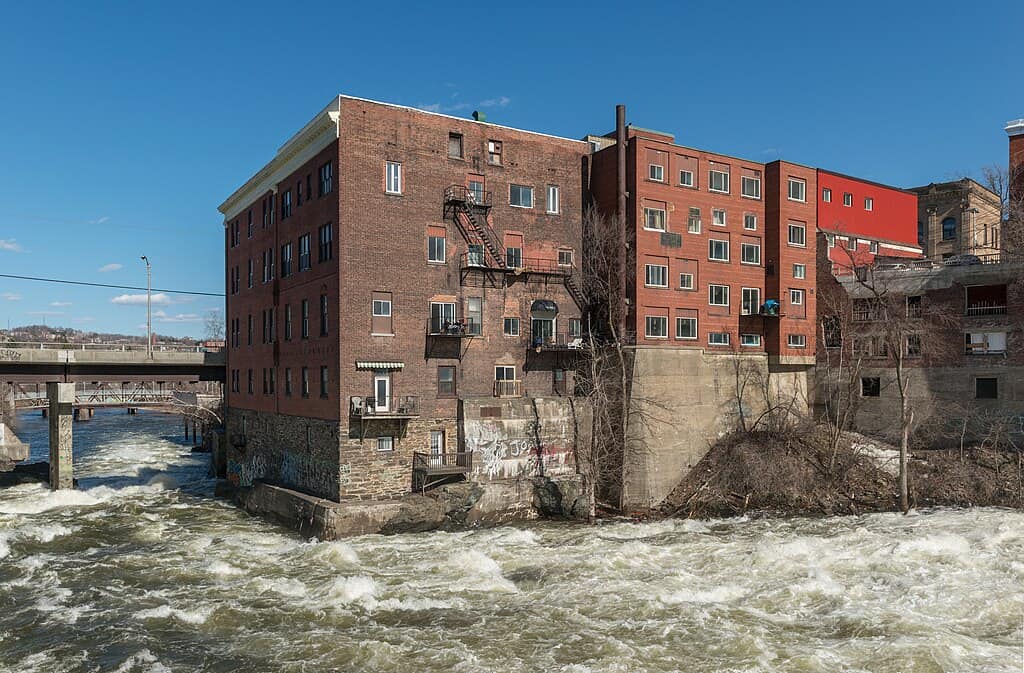
Sherbrooke delivers a similar kind of relief for Americans watching the exchange rate. A likely 2026 range of 1 USD equaling about 1.33 to 1.40 CAD means groceries, cafés, and transit already priced reasonably feel softer on the wallet. Typical one-bedroom rents often sit around CAD 950 to CAD 1,150, while many family homes fall between CAD 320,000 and CAD 380,000. The city’s university scene, bilingual atmosphere, and green hills create a lived-in comfort rather than tourist gloss, helping visitors feel they’re getting real life value instead of short-term bargains. Those savings, paired with atmosphere and pace, make it feel like a place where money truly goes further.
3. Saint John, New Brunswick

Saint John in New Brunswick combines port-city scenery with some of Canada’s most approachable costs, which only feel better when converted to USD. With exchange expectations again around 1 USD to roughly 1.33–1.40 CAD in 2026, Americans notice savings in daily life and housing. Many apartments range near CAD 900 to CAD 1,100 monthly, and detached homes frequently sell between CAD 300,000 and CAD 360,000. Add coastal views, heritage streets, and a growing food scene, and the affordability feels less like compromise and more like a pleasant upgrade over pricier cities. Those savings, paired with atmosphere and pace, make it feel like a place where money truly goes further.
4. Moncton, New Brunswick

Moncton has grown in popularity because it keeps a friendly pace while staying financially comfortable. When each U.S. dollar is expected to convert to about 1.33 to 1.40 Canadian in 2026, meals, services, and rent feel naturally kinder to visiting budgets. Rents for many apartments fall roughly between CAD 950 and CAD 1,200, while plenty of homes can be found in the CAD 320,000 to CAD 400,000 zone. The city’s family-oriented vibe, easy commutes, and practical amenities make the savings feel useful in daily life rather than only noticeable on paper. Those savings, paired with atmosphere and pace, make it feel like a place where money truly goes further.
5. Fredericton, New Brunswick
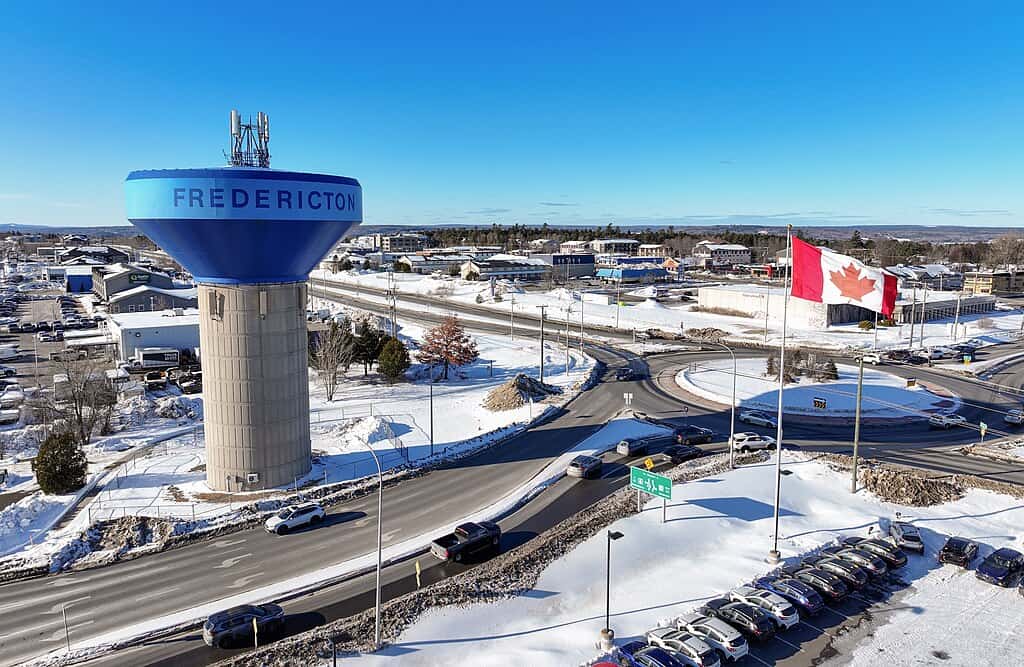
Fredericton offers capital-city conveniences without capital-city prices, which Americans particularly appreciate when converting currency. With 1 USD projected to bring in about 1.33 to 1.40 CAD, restaurant meals at CAD 20 to CAD 25, monthly rents around CAD 1,000 to CAD 1,250, and many homes between CAD 340,000 and CAD 410,000 translate to friendlier-than-expected USD equivalents. The city mixes government steadiness with college-town creativity, leafy neighborhoods, and river scenery, so the financial relief pairs with a comfortable lifestyle rhythm rather than feeling like a purely budget-driven choice. Those financial perks pair with a calm, cultured pace that feels genuinely livable.
6. Brandon, Manitoba
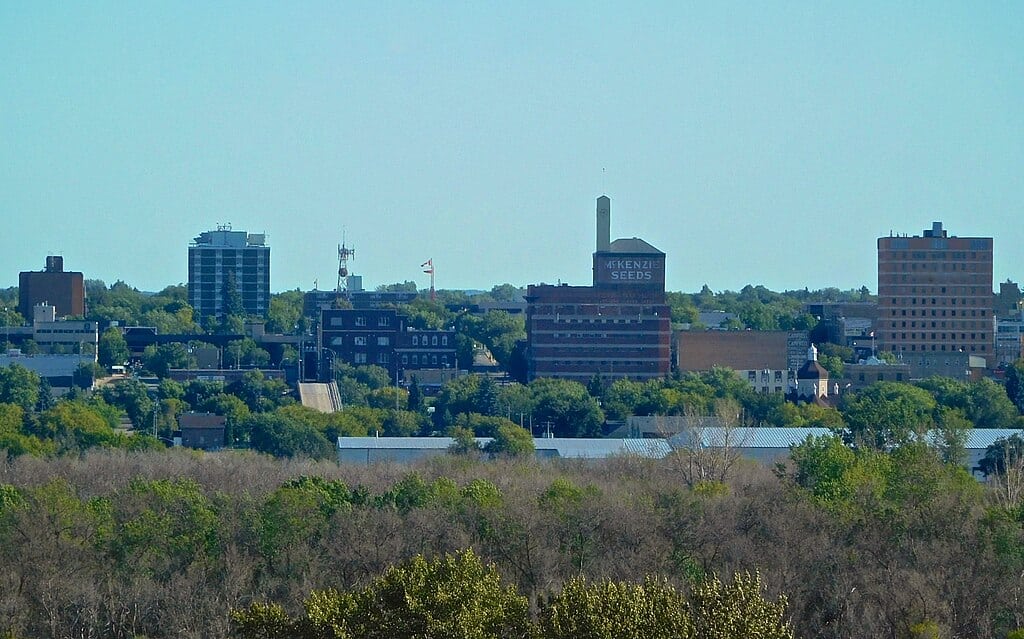
Brandon in Manitoba is often highlighted by Canadians themselves as a sensible, affordable place to live, and that impression is strengthened for Americans under a favorable exchange rate. With 1 USD potentially equal to about 1.33 to 1.40 CAD in 2026, rent commonly ranging CAD 900 to CAD 1,150, and many homes priced around CAD 300,000 to CAD 360,000 look even better in converted terms. Add a practical Prairie lifestyle, dependable services, and a grounded community culture, and the town feels like a place where money stretches quietly rather than loudly. Those savings, paired with atmosphere and pace, make it feel like a place where money truly goes further.
7. Thunder Bay, Ontario
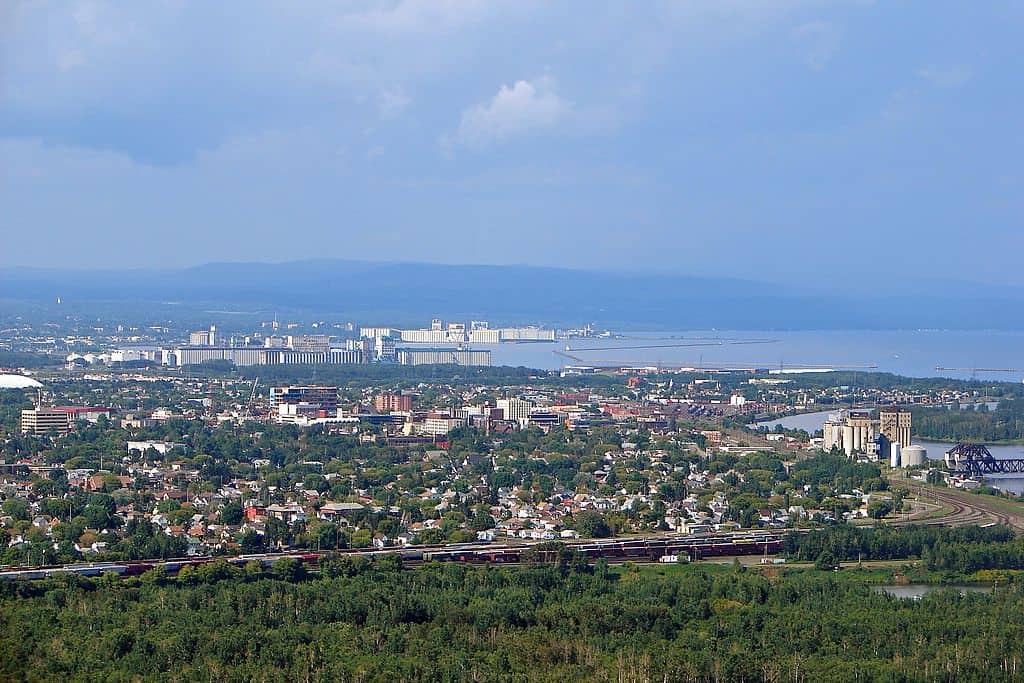
Thunder Bay on Lake Superior blends northern adventure with real-world affordability. If exchange conditions place 1 USD near 1.33 to 1.40 CAD in 2026, visitors often notice the difference immediately in dining, groceries, and housing. Typical rents hover close to CAD 1,000 to CAD 1,250, while detached homes frequently range between CAD 330,000 and CAD 400,000. The city’s waterfront, outdoor access, and sense of independence make the savings feel empowering, as though every dollar buys not only necessities but also a bit of extra breathing room and experience. Those savings, paired with atmosphere and pace, make it feel like a place where money truly goes further.
8. Sault Ste. Marie, Ontario

Sault Ste. Marie, sitting near the U.S. border, already benefits from prices lower than southern Ontario, and conversion makes them feel even better. With similar expectations of roughly 1 USD to 1.33–1.40 CAD in 2026, Americans often find apartments around CAD 950 to CAD 1,200 and homes between CAD 310,000 and CAD 380,000 remarkably reasonable. Add shoreline views, winter charm, and a quieter lifestyle pace, and the town feels both accessible and rewarding. Instead of being a bargain-only destination, it comes across as a stable, livable community that simply happens to cost less. Those savings, paired with atmosphere and pace, make it feel like a place where money truly goes further.
9. Kenora, Ontario

Kenora may be known for its lakes and summer charm, but it also delivers a noticeable financial break for Americans. If the U.S. dollar continues buying about 1.33 to 1.40 CAD in 2026, groceries, entertainment, and services already moderately priced feel easier to manage. Rents often run near CAD 950 to CAD 1,150, and many homes sit in the CAD 320,000 to CAD 380,000 band. With outdoor recreation, small-town friendliness, and scenic surroundings, the town turns affordability into part of its lifestyle appeal rather than just a temporary currency advantage. Those savings, paired with atmosphere and pace, make it feel like a place where money truly goes further.
10. Rimouski, Quebec
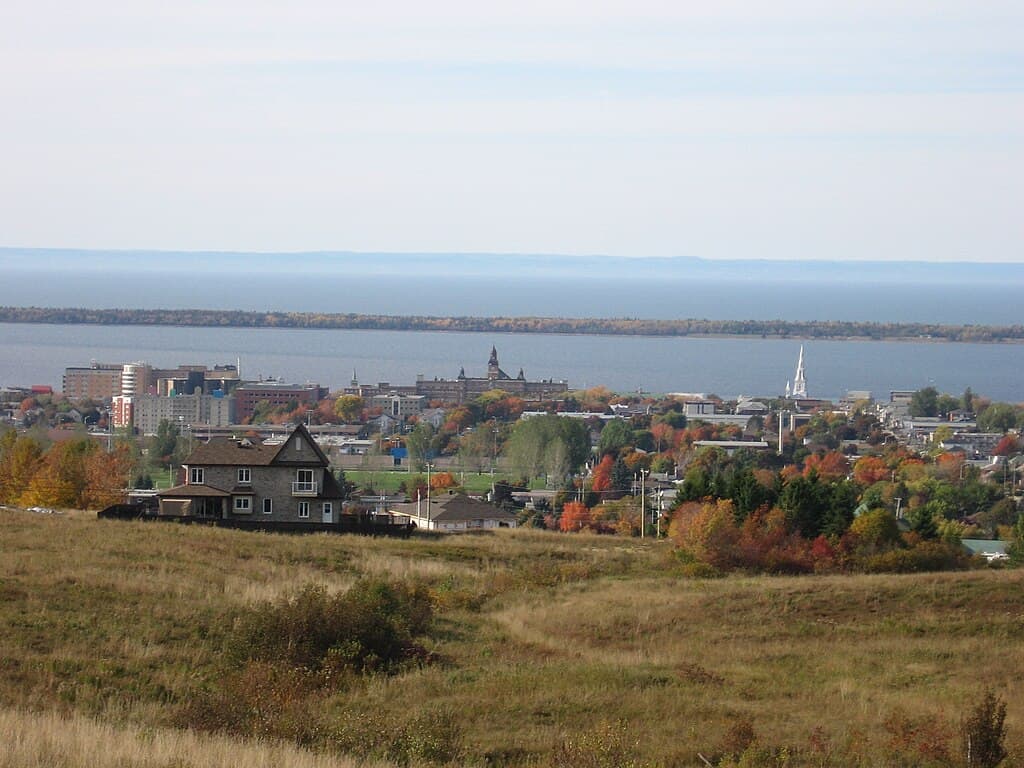
Rimouski in Quebec brings coastal character, French culture, and surprisingly attainable costs that become even more attractive after currency conversion. Assuming 1 USD equals roughly 1.33–1.40 CAD in 2026, restaurant prices, local transportation, and housing all soften for American budgets. Many rentals range around CAD 900 to CAD 1,150, while homes commonly fall between CAD 300,000 and CAD 360,000. The St. Lawrence shoreline, calm pace, and community warmth mean visitors don’t feel like they’re chasing discounts; they simply experience a fuller life for less. Those savings, paired with atmosphere and pace, make it feel like a place where money truly goes further.
11. Truro, Nova Scotia
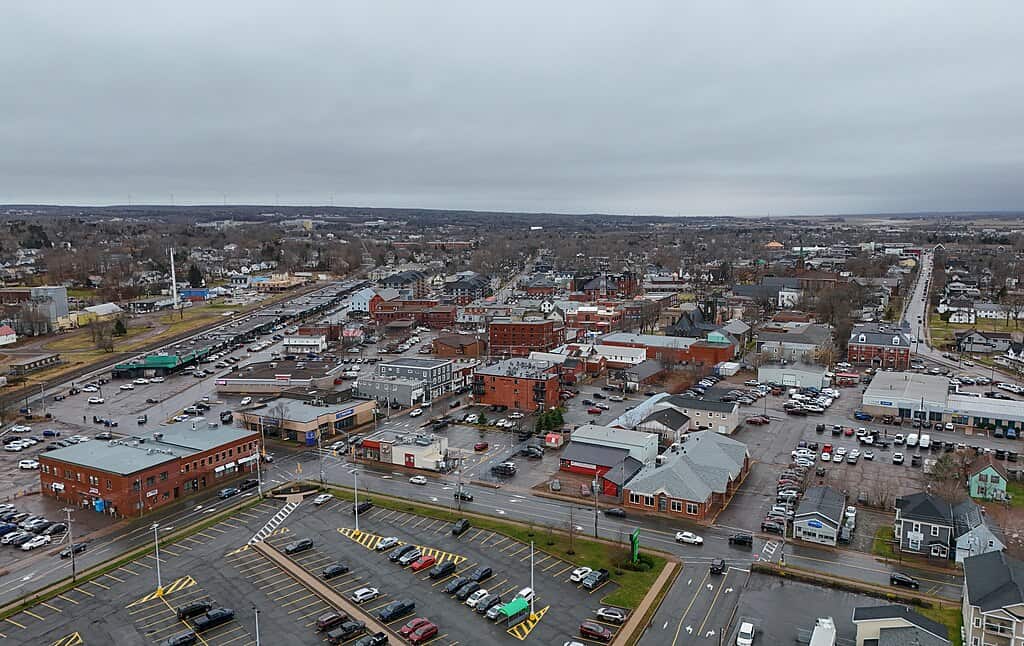
Truro in Nova Scotia rounds out the list as a small but confident community where value meets livability. With expectations again of 1 USD trading near 1.33 to 1.40 CAD, common rents between CAD 900 and CAD 1,150, average homes around CAD 300,000 to CAD 360,000, and everyday meals around CAD 18 to CAD 25 feel notably lighter once converted. The town’s central location, strong local pride, and welcoming feel make spending here more comfortable than in many tourist-centric places. Instead of stretching money anxiously, Americans often find they simply relax while saving. Those savings, paired with atmosphere and pace, make it feel like a place where money truly goes further.