We may earn money or products from the companies mentioned in this post. This means if you click on the link and purchase the item, I will receive a small commission at no extra cost to you ... you're just helping re-supply our family's travel fund.
For many Americans, driving into Canada feels deceptively easy. Roads look familiar, cities feel orderly, and English dominates most regions. Yet subtle legal, cultural, and regulatory differences often catch visitors off guard sometimes with fines, delays, or awkward misunderstandings. From stricter traffic enforcement to alcohol laws, municipal bylaws, and even shopping habits, these surprises tend to surface most clearly in popular borders and tourist destinations. Below are 11 Canadian places Americans frequently drive to, only to discover that “almost the same” doesn’t always mean “the same at all.”
1. Vancouver, British Columbia
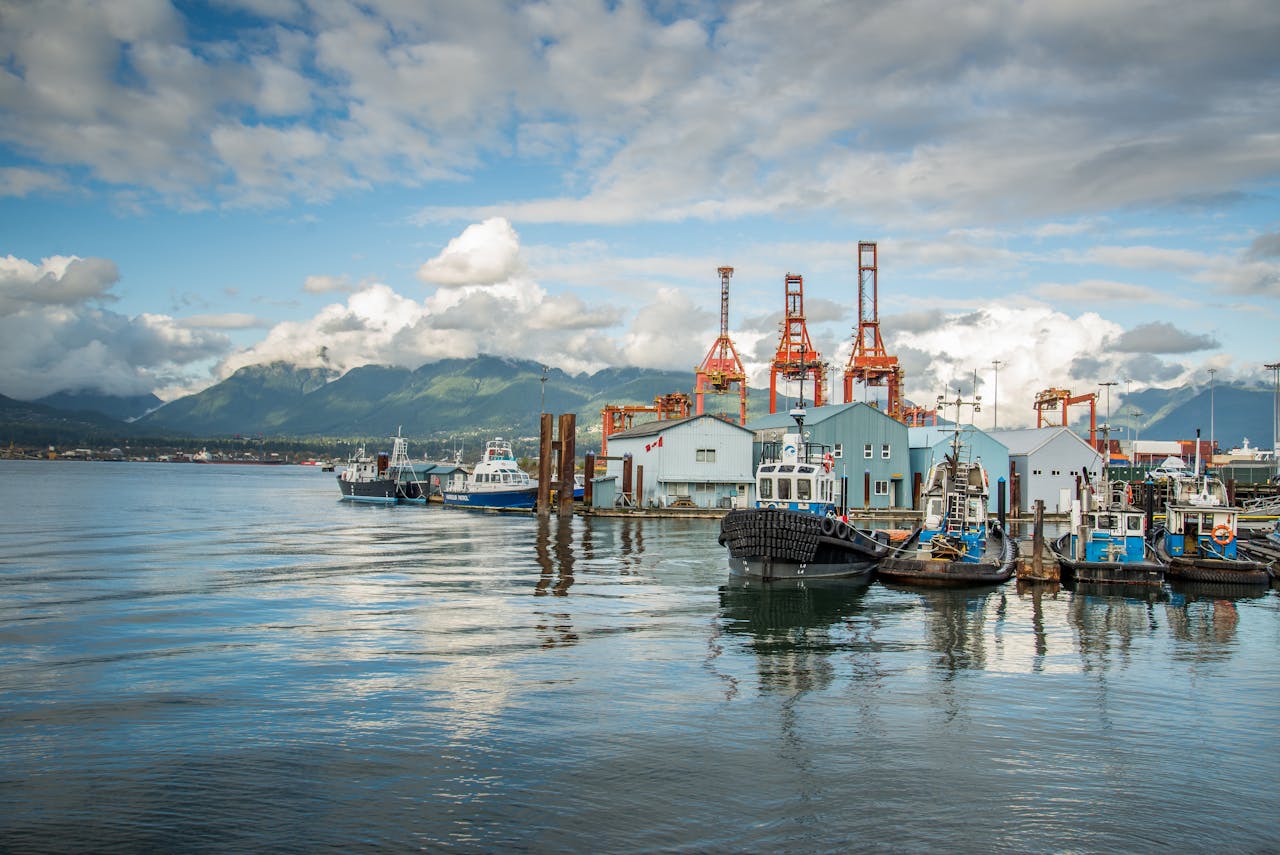
Americans driving into Vancouver are often surprised by how strictly everyday rules are enforced. Speed limits are lower than many U.S. cities, with residential areas capped at 30 km/h (18.6 mph), and fines can exceed CAD 196 for minor violations. Right turns on red are legal but heavily monitored by cameras. Parking bylaws are complex, with time limits enforced down to the minute. Additionally, liquor sales stop early—private stores usually close by 11 p.m. Despite a metro population of 2.6 million, Vancouver prioritizes pedestrian safety, issuing over 400,000 traffic tickets annually, which shocks visitors used to more relaxed enforcement.
2. Toronto, Ontario
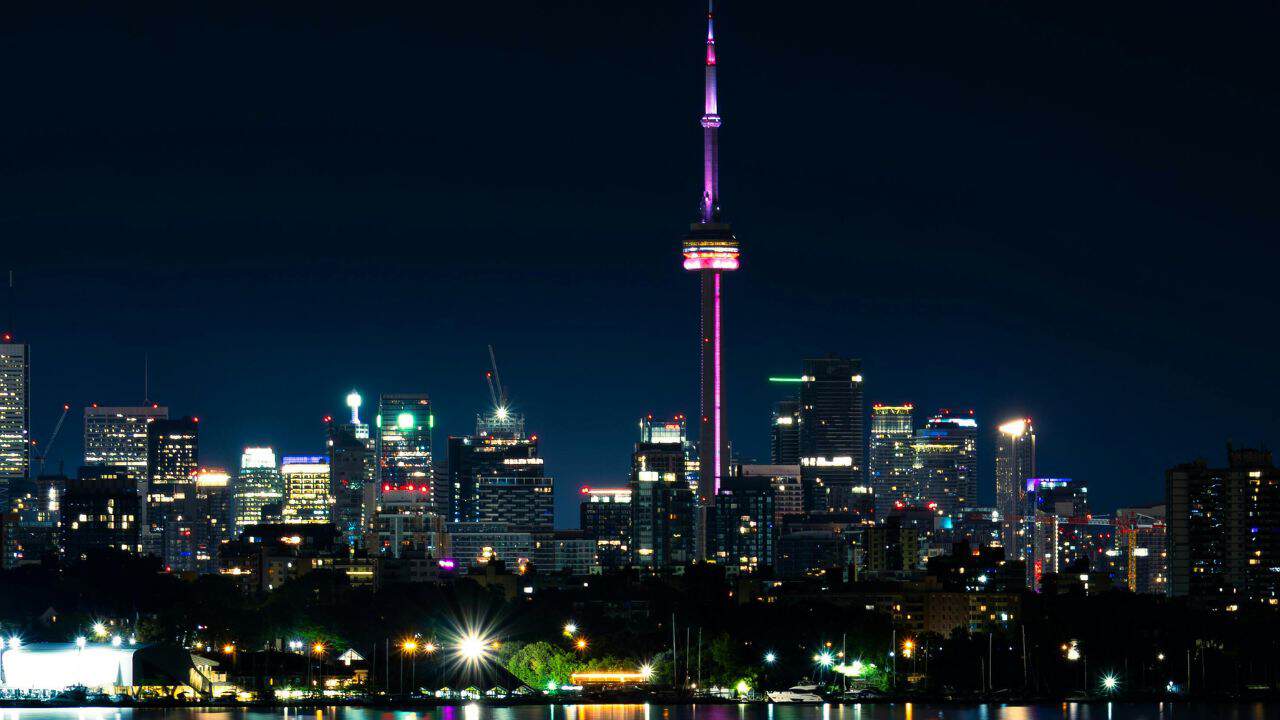
Toronto feels familiar to Americans, yet its local rules often surprise first-time drivers. Speed cameras operate across more than 150 school zones, issuing automatic tickets regardless of intent. Street parking requires close attention to signage, as violations can cost CAD 30–100 instantly. Alcohol laws are stricter: drinking in public spaces is illegal, with fines up to CAD 200. Toronto’s population of 6.4 million supports dense bylaws, including noise restrictions after 11 p.m. and strict smoking limits within 9 meters of building entrances. These rules are actively enforced, catching many U.S. visitors off guard.
3. Montreal, Quebec
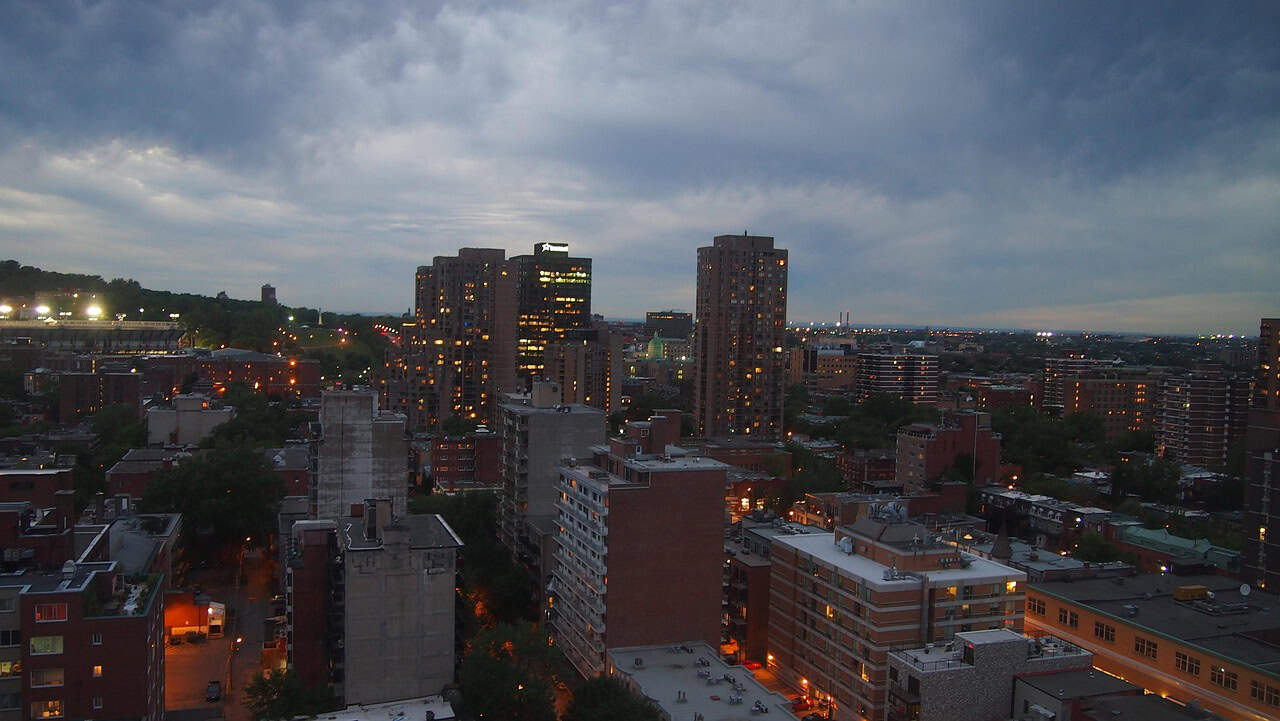
Montreal surprises American drivers both linguistically and legally. French is the primary language, and many official signs, tickets, and parking instructions appear only in French. Traffic fines are steep—speeding just 11 km/h over the limit can cost CAD 80 or more. Right turns on red are prohibited on the Island of Montreal, a rule many Americans miss. The city, home to 4.3 million metro residents, also enforces strict winter parking bans, with over 1 million tickets issued annually. Even basic interactions, like ordering food or reading bylaws, feel unexpectedly different.
4. Niagara Falls, Ontario
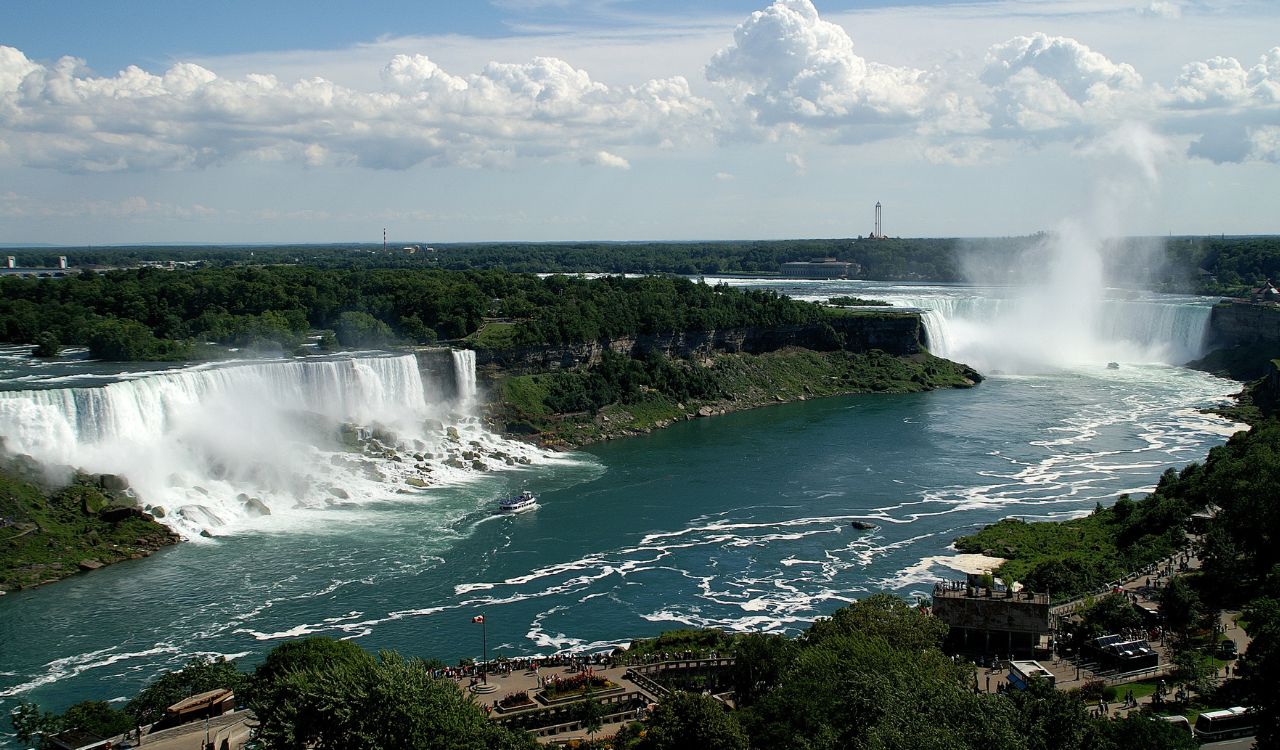
Many Americans drive to Niagara Falls expecting a relaxed tourist zone, but local regulations are surprisingly firm. Speed limits drop sharply near attractions, and fines double in designated community safety zones. Parking near the falls is tightly regulated, with private lots charging CAD 20–40 per day. Alcohol consumption outdoors is illegal, even near viewpoints. The city receives over 14 million visitors annually, yet maintains strict bylaws to manage congestion. Americans are often surprised that jaywalking tickets and public intoxication fines are regularly issued, even in peak tourist seasons.
5. Banff, Alberta
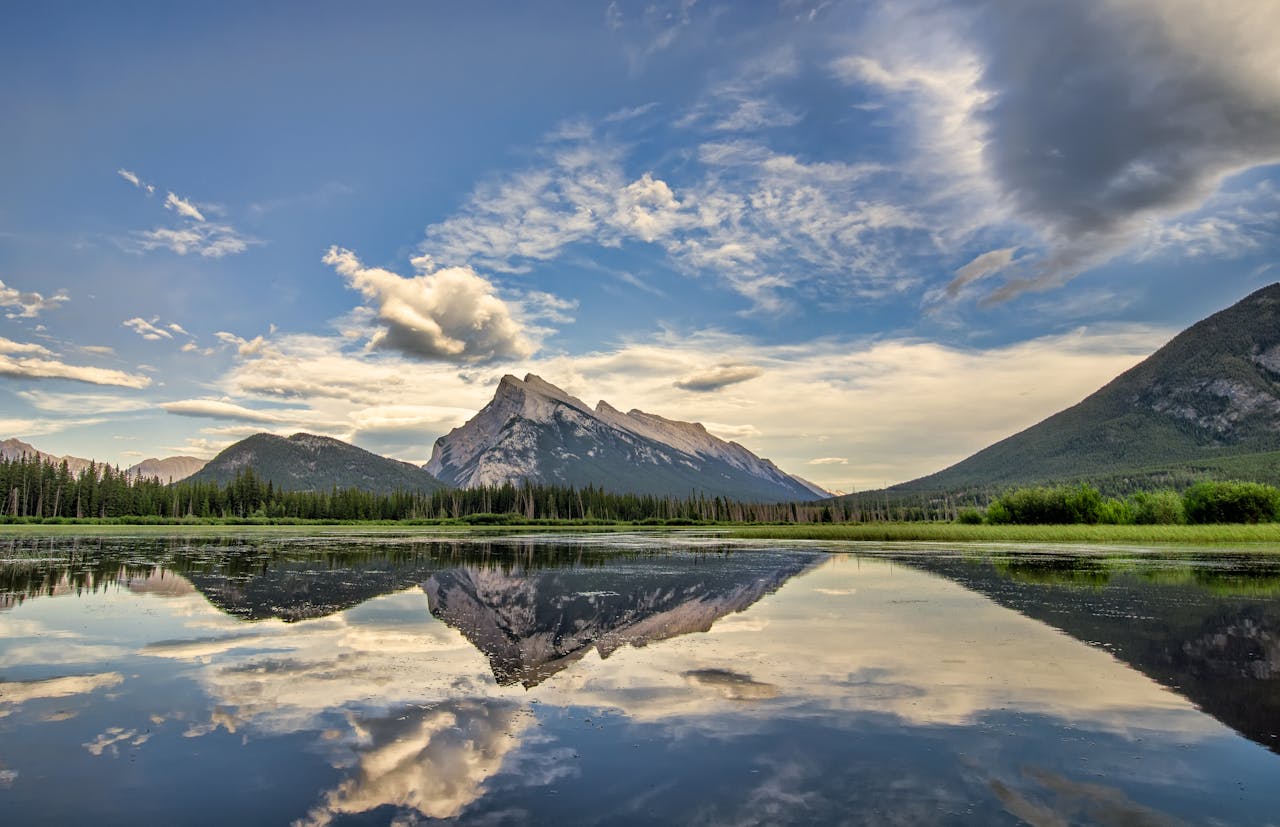
Banff’s mountain setting masks some of Canada’s strictest environmental rules. As part of Banff National Park, speeding fines are higher, and wildlife-related violations can exceed CAD 25,000. Feeding animals, even squirrels, is illegal. The town itself has just 8,000 residents but hosts over 4 million visitors annually. Americans are often surprised that overnight street parking is restricted year-round and that alcohol consumption in public spaces is prohibited. Additionally, winter tire recommendations are strongly enforced, with road closures common. The emphasis on conservation over convenience feels stricter than many U.S. national parks.
6. Victoria, British Columbia
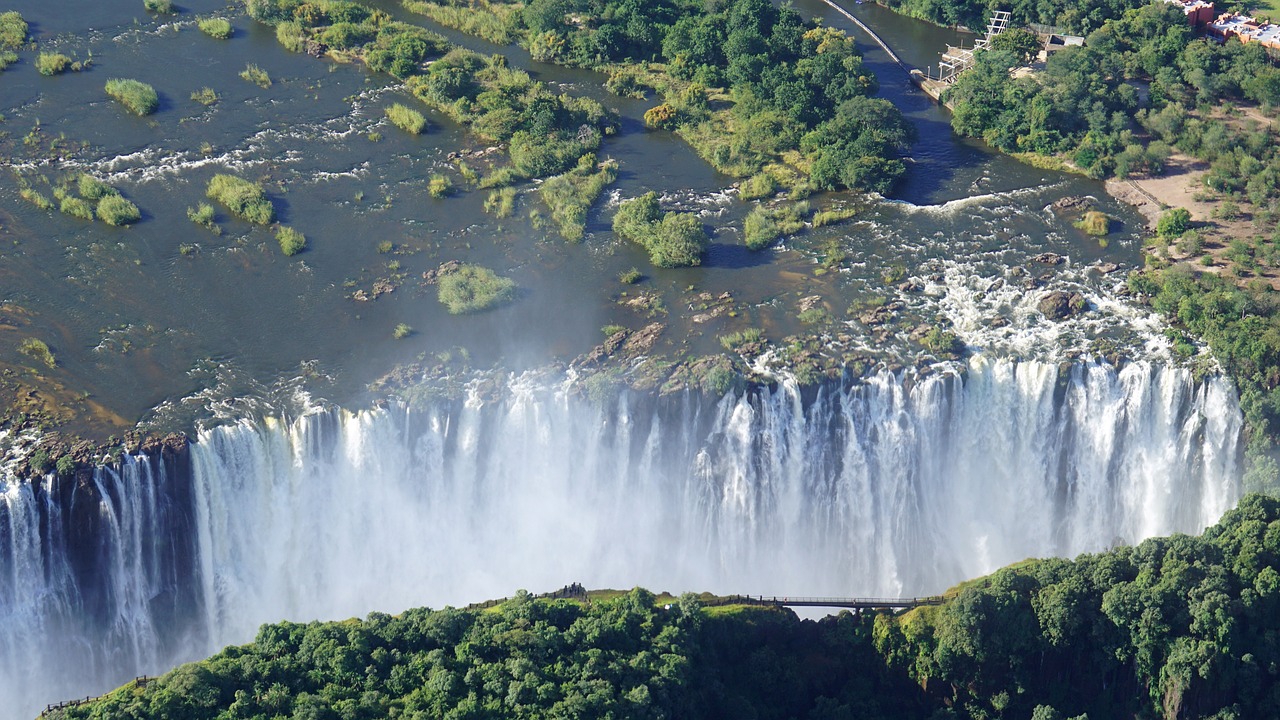
Victoria’s calm appearance often hides its firm municipal bylaws. Speed limits rarely exceed 40 km/h (24.8 mph), and enforcement is consistent. Parking infractions can cost CAD 40–80, even for short overstays. The city enforces strict noise bylaws after 10 p.m., surprising visitors expecting nightlife flexibility. With a metro population of 415,000, Victoria also restricts smoking in parks and beaches. Alcohol sales are controlled by provincial regulations, with fewer late-night options. Americans often comment on how “quiet rules” are taken seriously here compared to similarly sized U.S. cities.
7. Whistler, British Columbia
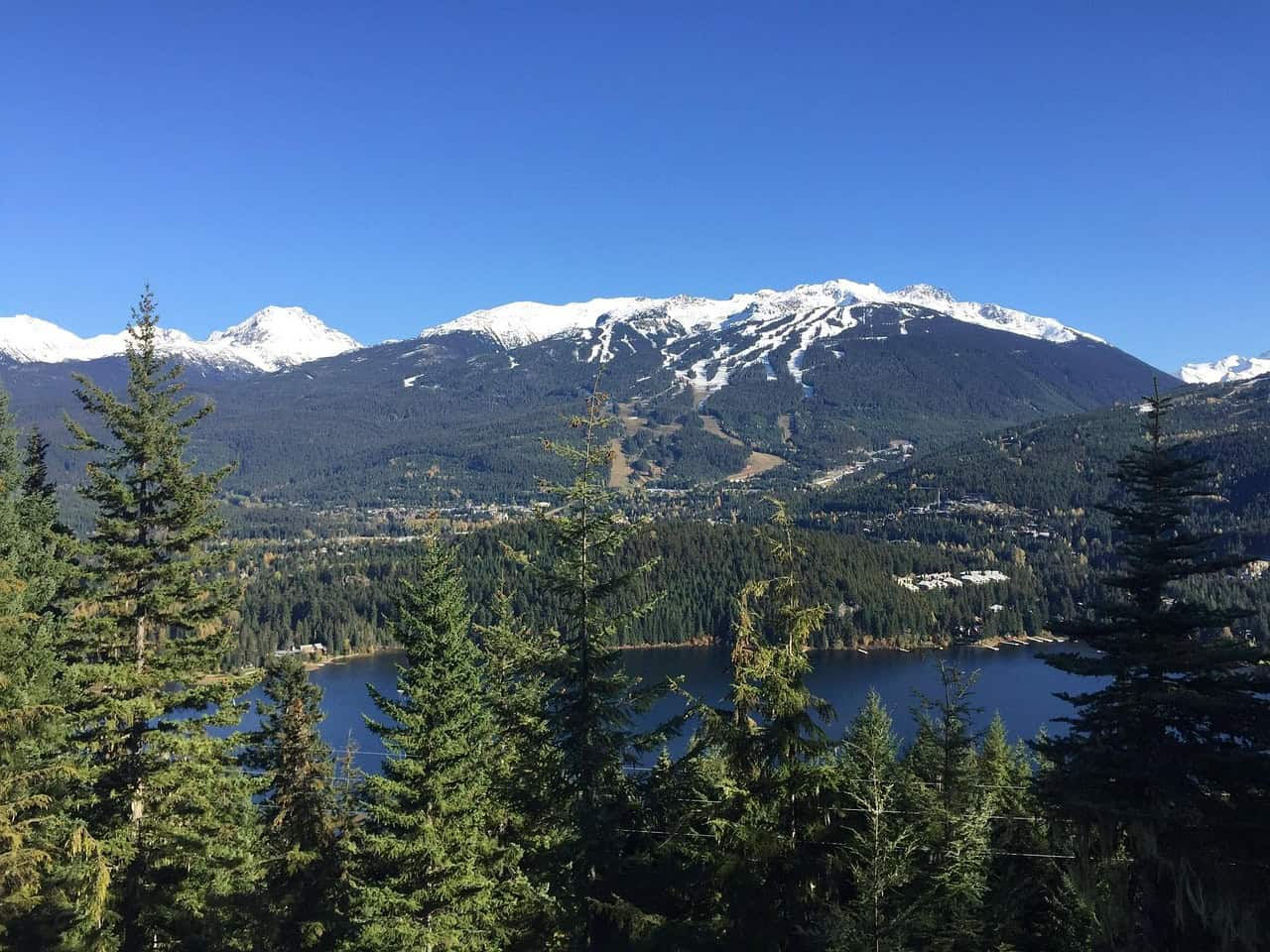
Whistler draws American drivers year-round, yet local rules can be unexpectedly strict. Winter driving laws require proper tires, and failure to comply can result in fines over CAD 121 or being turned back entirely. Public drinking is illegal despite the resort atmosphere. Parking enforcement is aggressive, with average fines of CAD 50–75. The resort welcomes about 3 million visitors annually but has a permanent population under 14,000, leading to tight crowd-control bylaws. Americans are often surprised that ski-town culture doesn’t mean relaxed enforcement, especially regarding alcohol and traffic.
8. Ottawa, Ontario
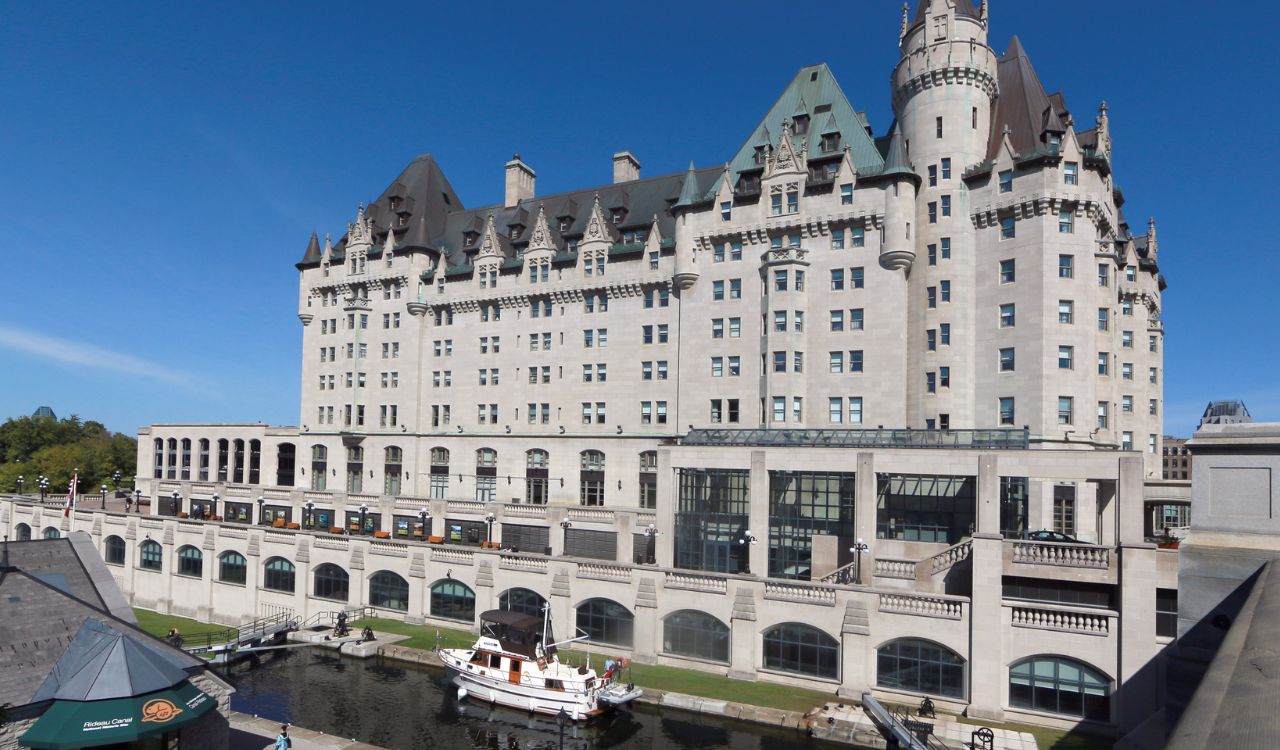
As Canada’s capital, Ottawa enforces rules with bureaucratic precision. Speed cameras and red-light cameras are widespread, issuing tickets automatically. Public drinking is illegal, even near major events. The city’s 1.1 million residents follow strict parking schedules, especially during snow season, when violations lead to immediate towing. Americans are often surprised by how quiet downtown areas become after business hours due to noise bylaws. Smoking restrictions extend to patios and transit stops. Ottawa’s orderly atmosphere reflects federal influence, making rule-breaking more noticeable than in comparable U.S. capitals.
9. Quebec City, Quebec
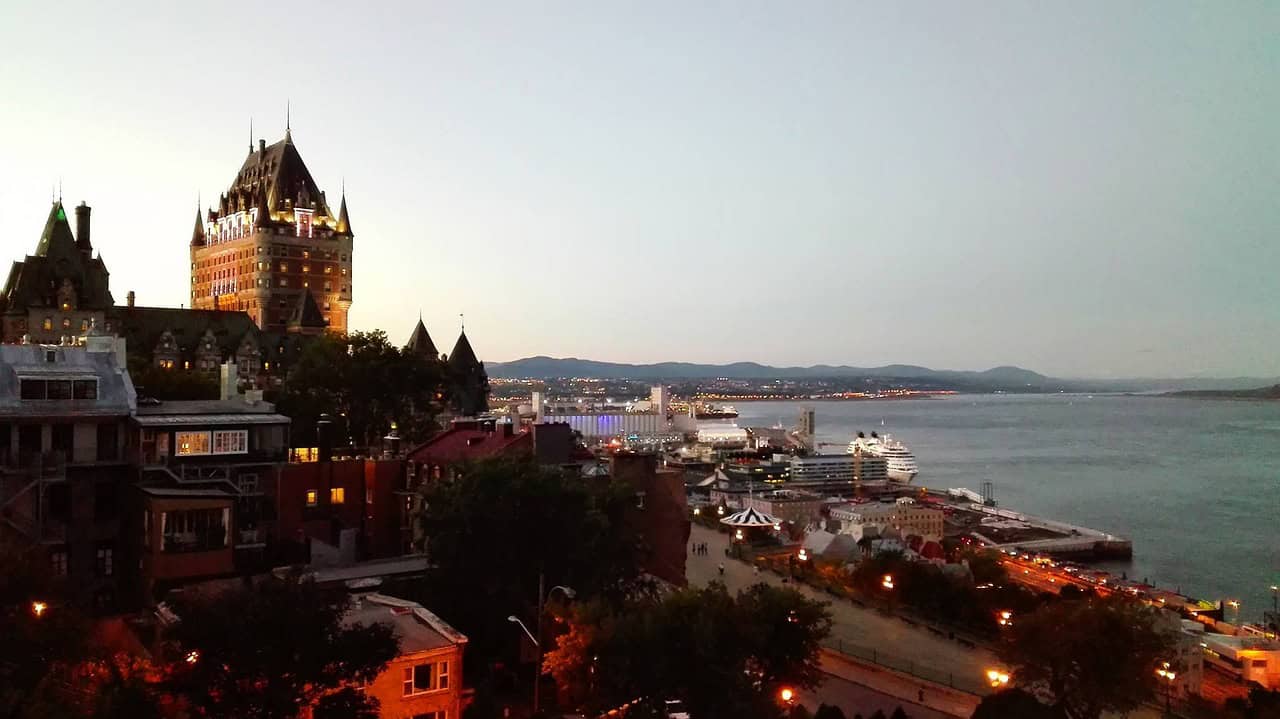
Quebec City feels historic and charming, but its rules can surprise American drivers. Streets are narrow, speed limits are low, and fines are high, minor speeding can exceed CAD 90. French-only signage is common, complicating navigation. The city enforces strict parking zones, especially in Old Quebec, where violations lead to towing within minutes. With a metro population of 840,000 and over 4.6 million tourists annually, public drinking and noise are tightly controlled. Americans often underestimate how actively bylaws are enforced in this seemingly relaxed, old-world setting.
10. Windsor, Ontario
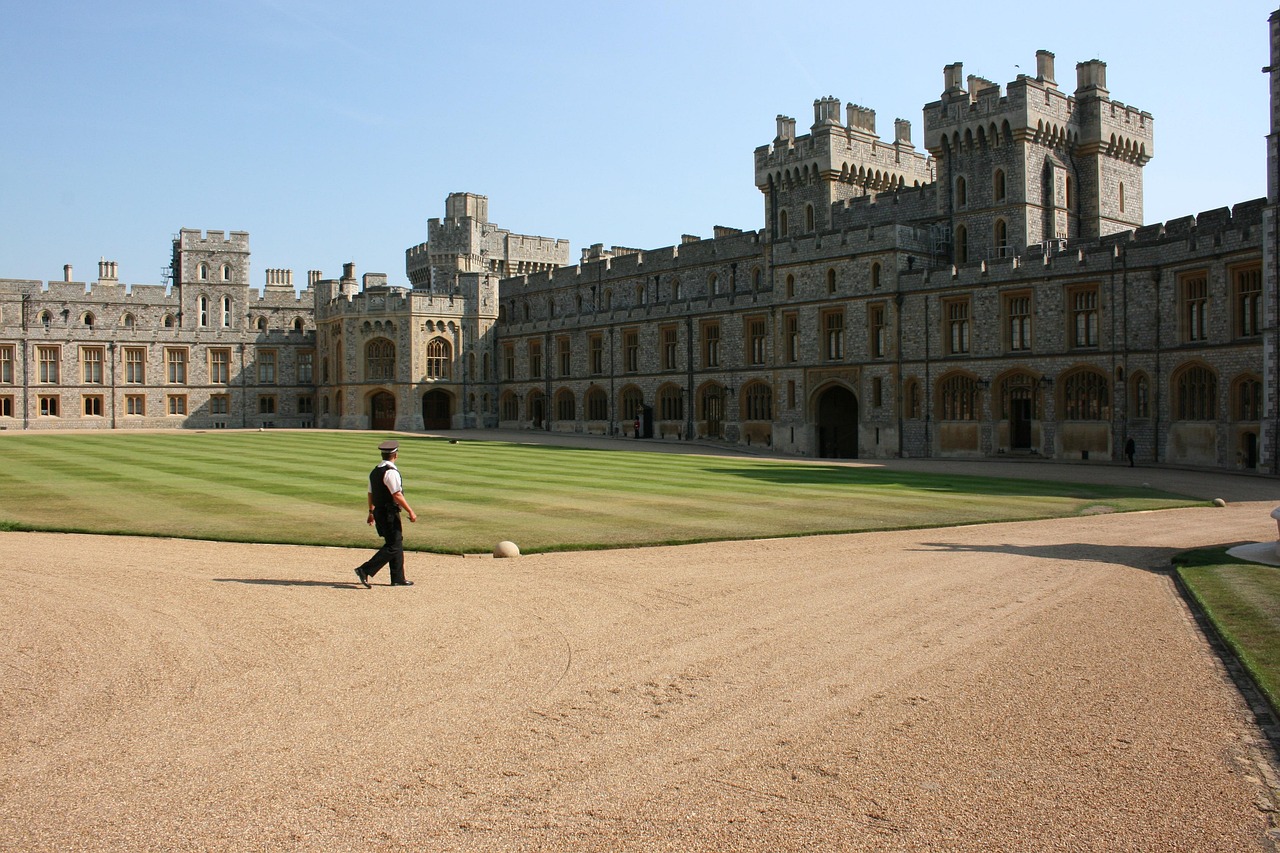
Windsor’s proximity to Detroit makes it feel familiar, but Canadian rules apply quickly. Speed limits drop sharply after border crossings, and enforcement is immediate. Ontario’s impaired driving laws are stricter, with roadside suspensions issued even below criminal thresholds. Public alcohol consumption is illegal, and smoking bans extend to many outdoor areas. Windsor’s population of 230,000 supports active parking enforcement, especially downtown. Americans often assume cross-border leniency due to cultural overlap, only to face fines that start at CAD 200 for relatively minor violations.
11. Calgary, Alberta

Calgary’s wide roads give Americans a false sense of flexibility, but enforcement is firm. Speed cameras operate throughout the city, issuing tens of thousands of tickets annually. Alcohol consumption in public parks is illegal, despite the city’s festival culture. Winter driving laws and parking bans during snow events are strictly enforced. With a metro population of 1.6 million, Calgary emphasizes order and safety, reflected in fines ranging from CAD 100 to 300 for common infractions. Americans are often surprised by how quickly penalties add up for everyday assumptions.