We may earn money or products from the companies mentioned in this post. This means if you click on the link and purchase the item, I will receive a small commission at no extra cost to you ... you're just helping re-supply our family's travel fund.

The border between the United States and Canada often looks calm on a map, just a straight line across lakes, forests, and small towns. Up close, it tells a stranger story, full of tiny parks, misplaced peninsulas, shared buildings, and streets where mailboxes face different governments. Travelers chasing odd corners of geography find spots where customs rules bend, plaques honor friendship, and daily life quietly crosses an invisible line. These places feel both ordinary and slightly surreal at the same time.
Peace Arch Park, Washington–British Columbia

At Peace Arch Park between Blaine and Surrey, a white monument rises from clipped lawns while the international boundary runs quietly through the grass. Families spread blankets, snap photos, and wander through flower beds that are technically shared by two countries. Everyone knows customs booths wait at each end of the access roads, ready to turn a lazy picnic into a formal crossing if rules are ignored. On busy weekends, the mix of passports, plates, and languages makes the lawns feel like a small neutral zone built for everyday life, not politics.
International Peace Garden, North Dakota,Manitoba
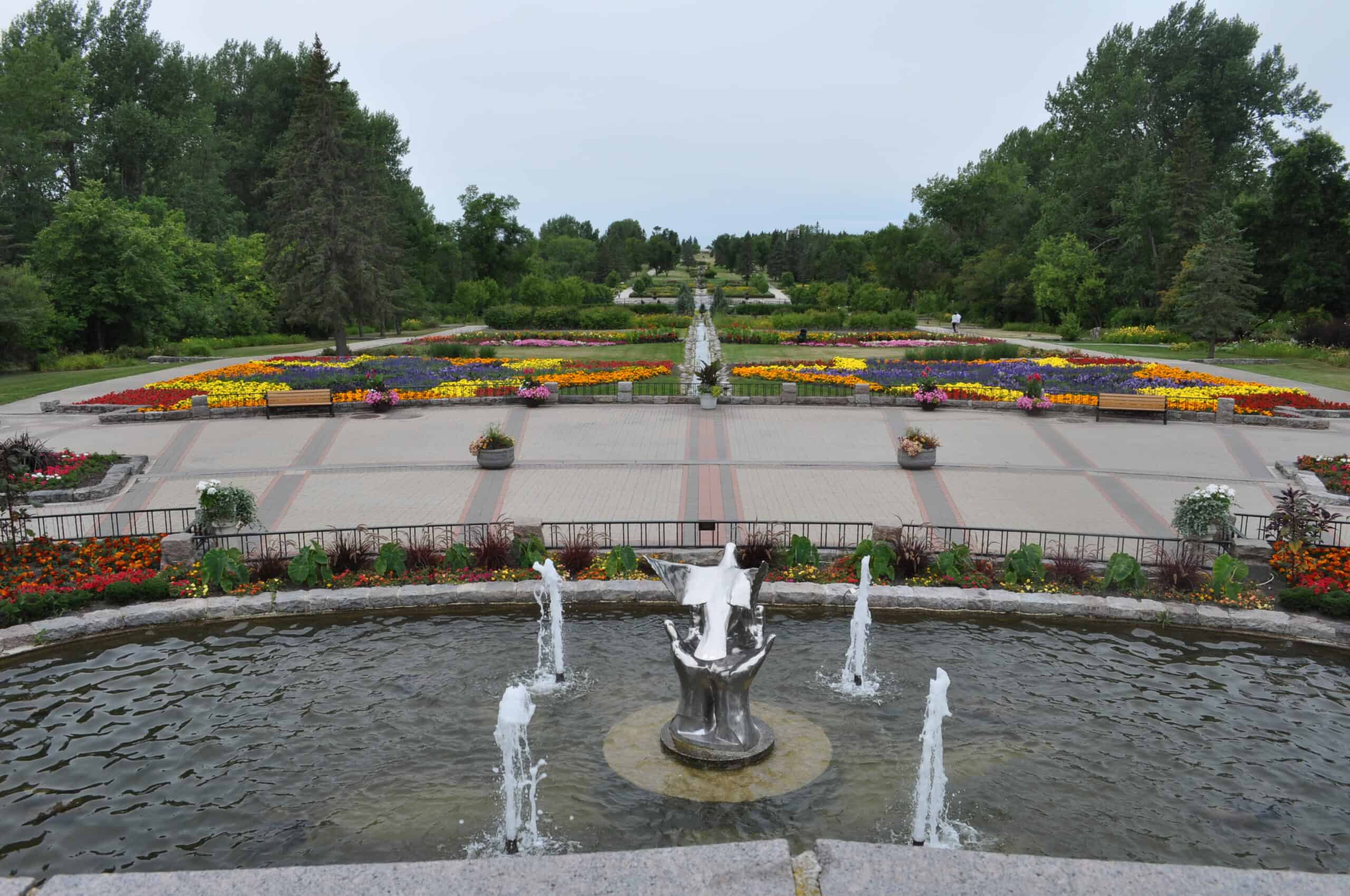
In the Turtle Mountains, the International Peace Garden spreads across ponds, spruce groves, and geometric flowerbeds that sit directly on the frontier. Memorials, a carillon tower, and fragments from the World Trade Center turn the open landscape into a place where cross border friendship and shared grief meet quietly. Visitors roam the grounds much like any other park, pausing at markers that rarely show up in standard guidebooks. The need to clear customs when leaving adds a soft edge of formality to a space designed for calm reflection and shared memory.
Haskell Free Library and Opera House, Vermont,Quebec
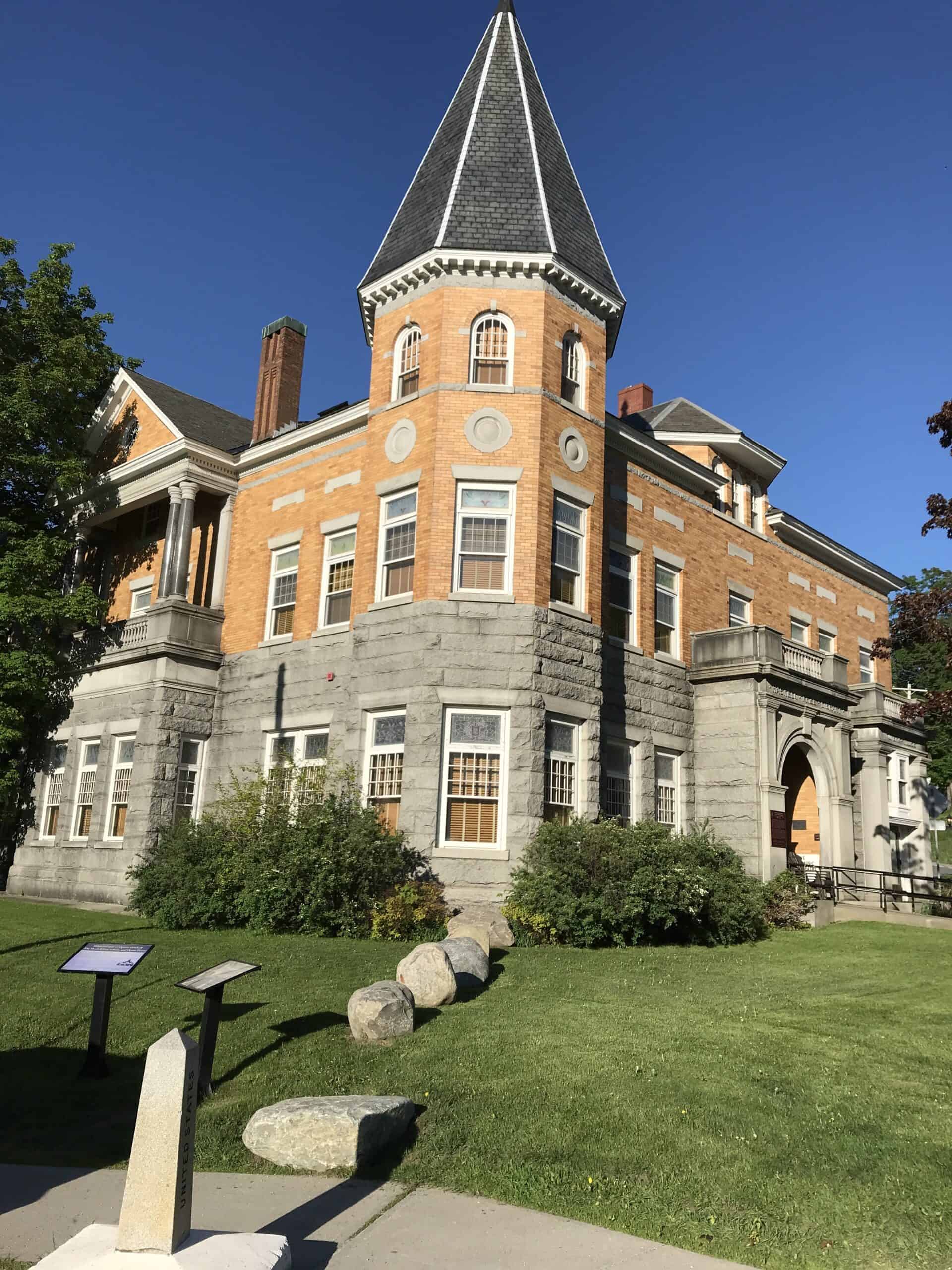
In Derby Line and Stanstead, the Haskell Free Library and Opera House lets people read and watch performances while sitting on opposite sides of a border painted on the floor. A black line runs through the reading room and under velvet seats, with one door in Vermont and another in Quebec, and two flags sharing the facade. Tighter security rules have changed how Canadians enter, but the building still feels like a working handshake. Regular patrons say the best part is how ordinary it seems to share shelves and stage lights across a boundary.
Canusa Street, Vermont,Quebec
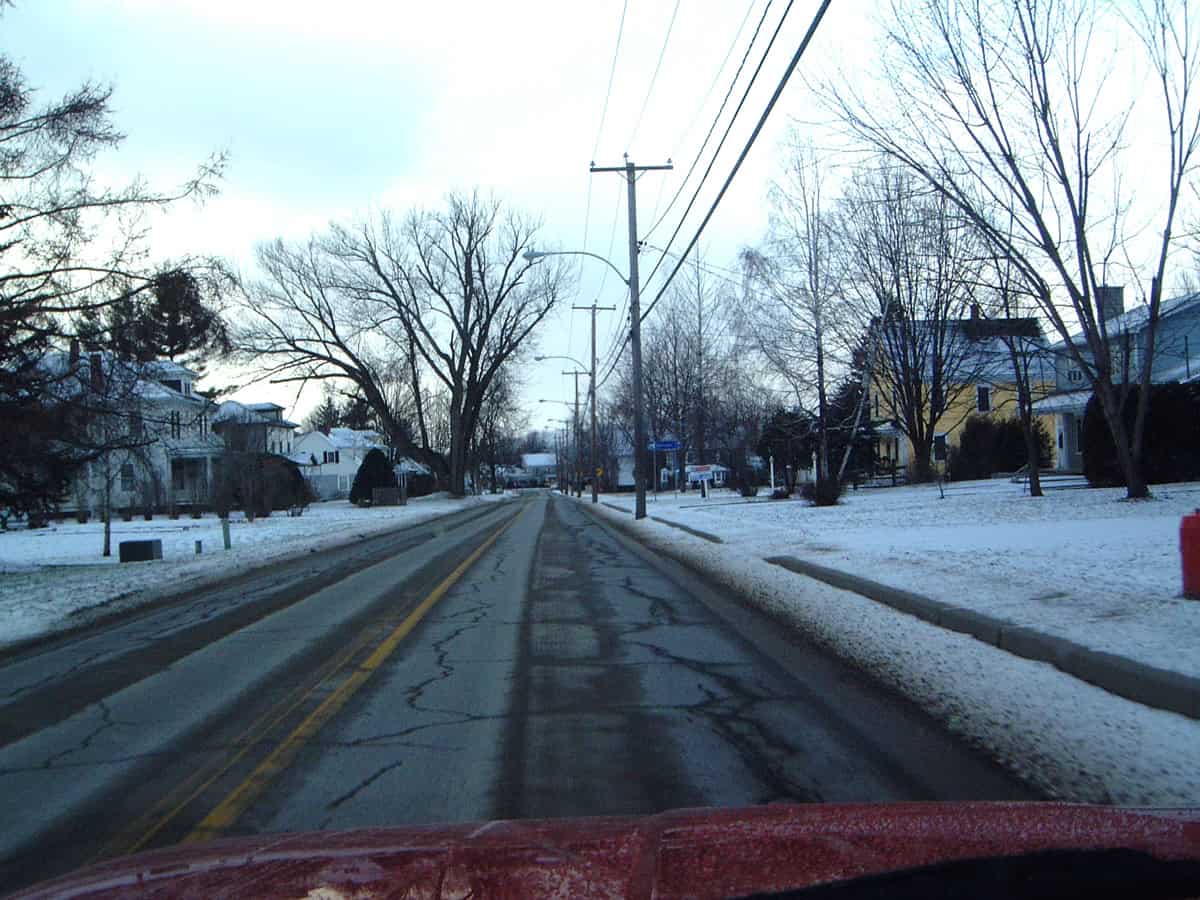
Canusa Street looks ordinary at first glance, a narrow road lined with modest houses and pickup trucks. Look closer and the yellow center line doubles as the US Canada border, with porches in Vermont facing front doors in Quebec. Residents live with the quiet fact that turning into a neighbor’s driveway can count as an international movement, complete with reporting rules. The scene stays domestic and low key, yet every mailbox and garden bed sits inside a lesson on how casually lines can slice through daily life.
Northwest Angle, Minnesota
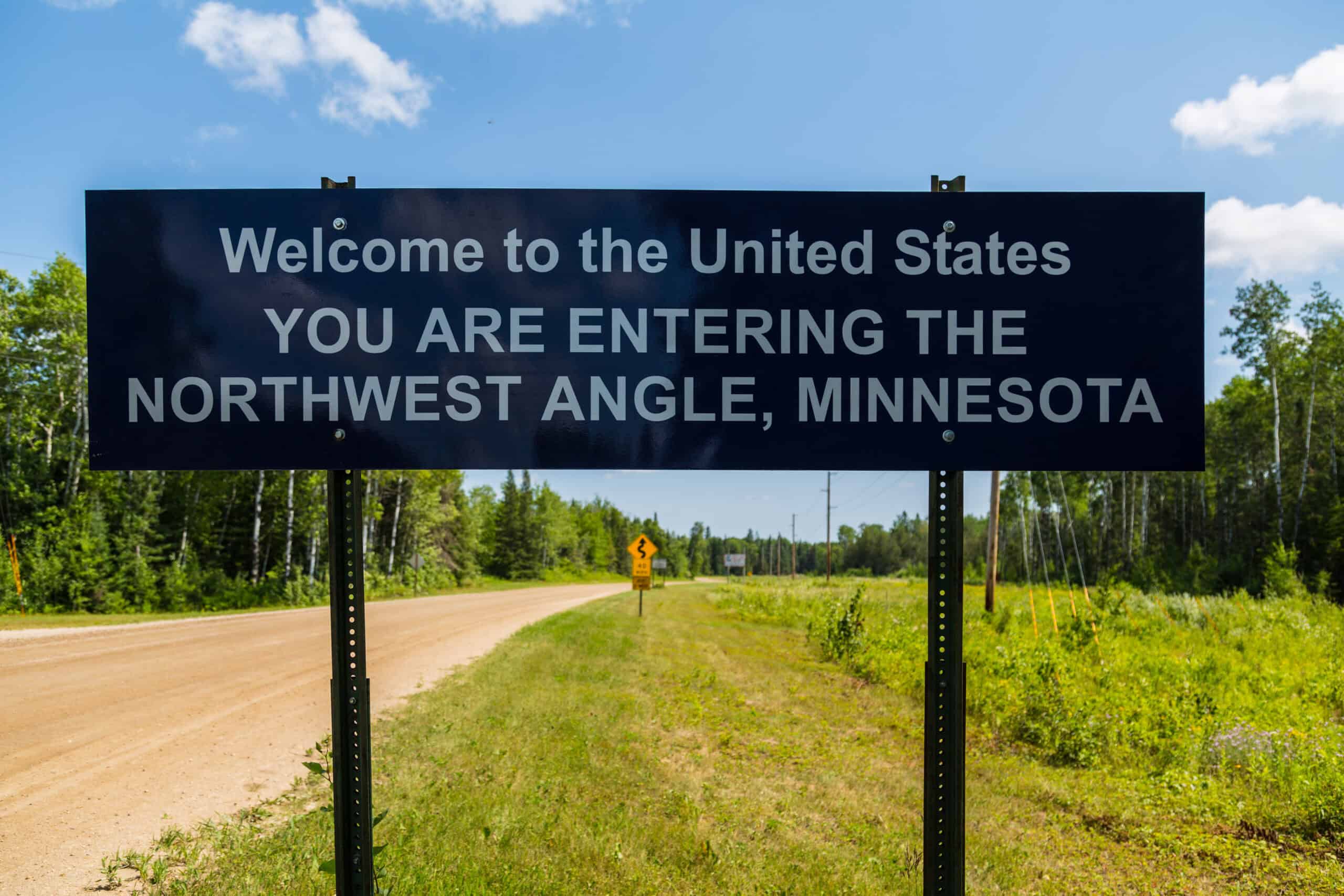
The Northwest Angle dangles from the top of Minnesota like a crooked thumb, separated from the rest of the state by Lake of the Woods and a historical survey quirk. To reach it by land from the US, travelers must dip into Manitoba and then cross back, while winter often brings ice roads and snowmobile routes. Cabins and fishing resorts lean into the odd geography, selling the idea of reaching the northernmost point of the lower states as part of the adventure. For locals, customs calls and long detours are simply the price of going to town.
Point Roberts, Washington
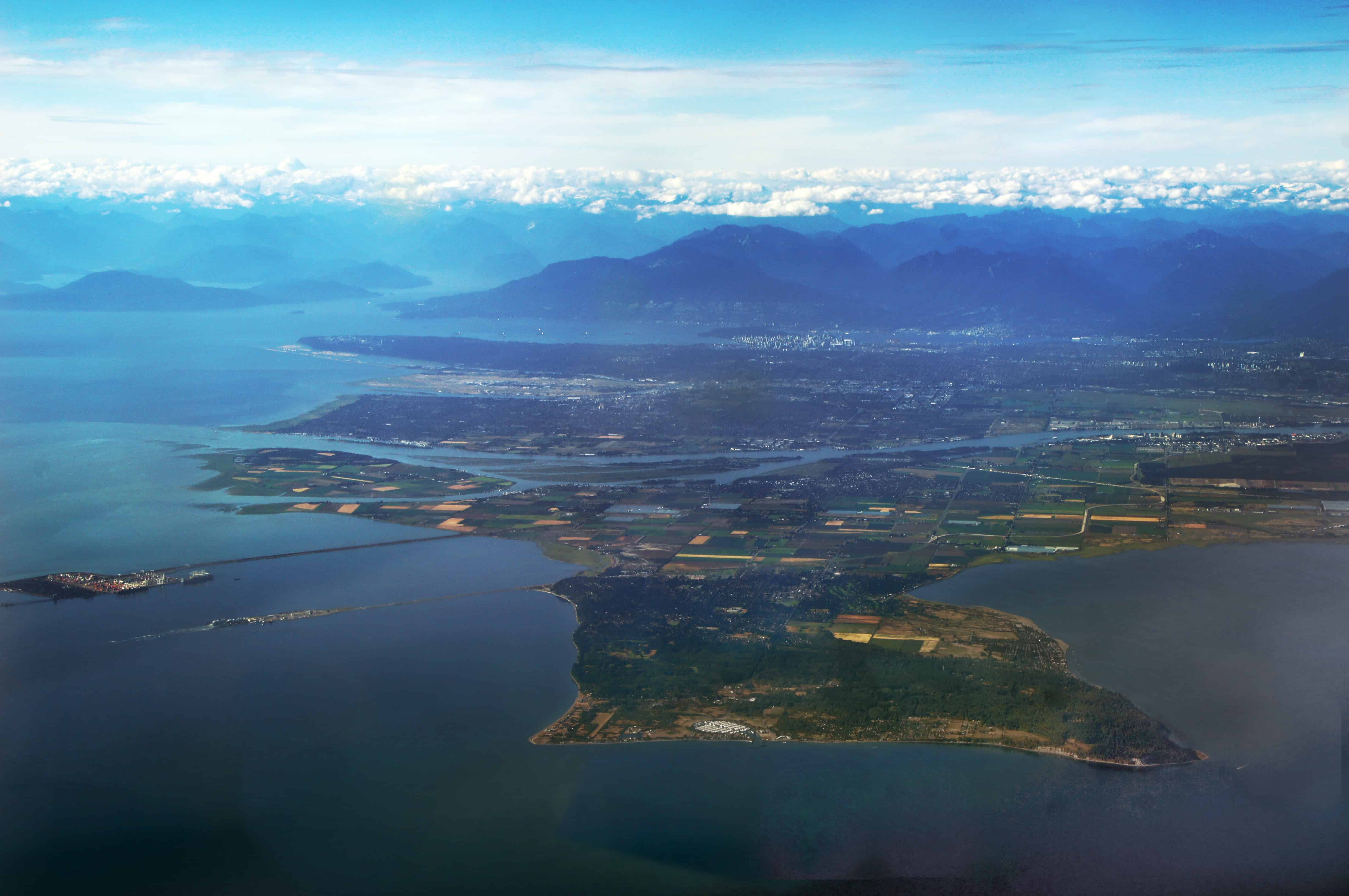
Point Roberts sits at the tip of a Canadian peninsula but belongs to Washington, a compact community that can only be reached by land through British Columbia. Residents rely on nearby Delta and Vancouver for work, school, and shopping, turning border crossings into something as routine as a commute. When travel rules tighten, supply chains and social lives feel it quickly, and the town’s isolation becomes more obvious. On a quiet day, though, it feels like a small coastal neighborhood that just happens to answer to a different flag than the farmland behind it.
Roosevelt Campobello International Park, Maine,New Brunswick
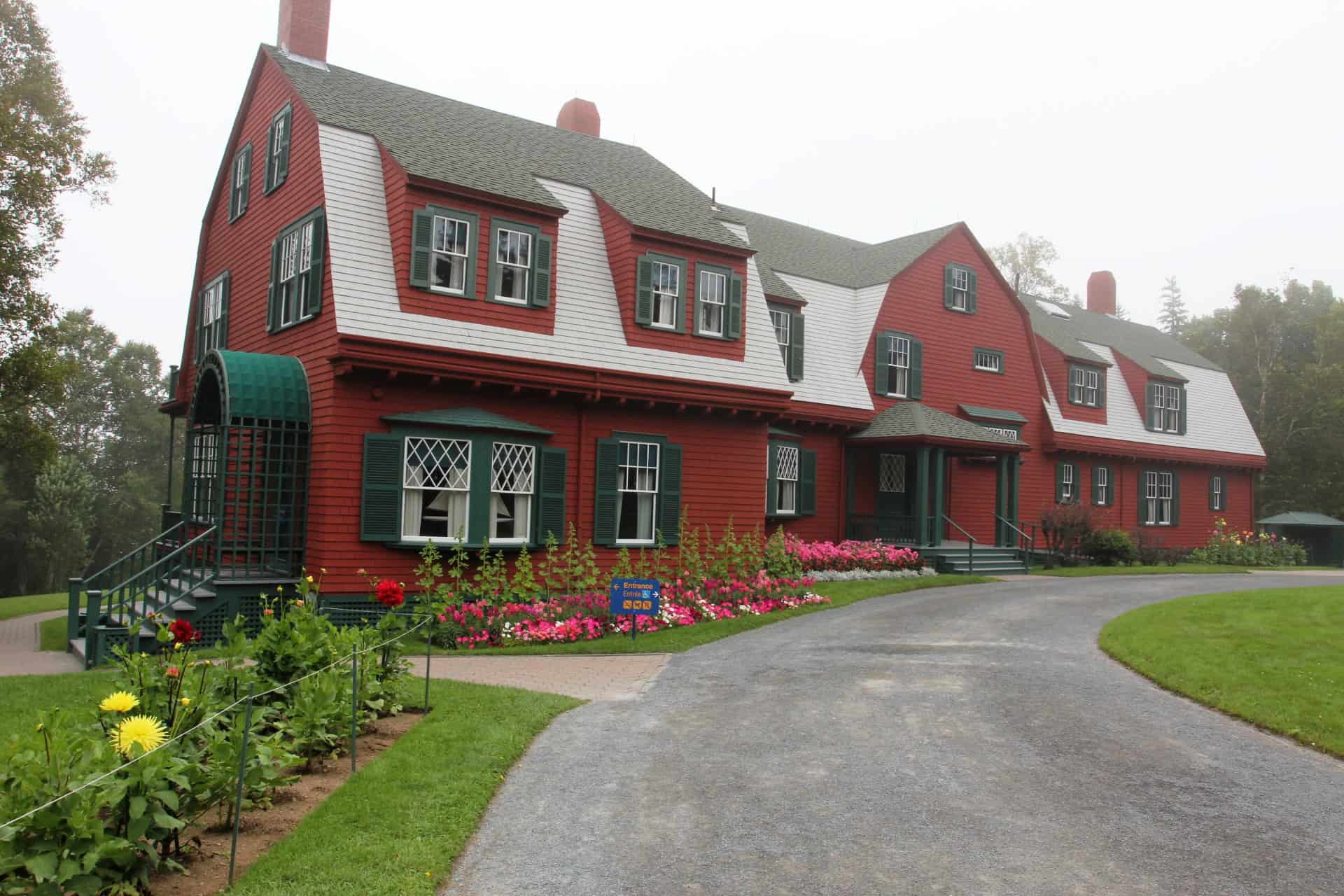
Roosevelt Campobello International Park preserves Franklin and Eleanor Roosevelt’s summer retreat on spruce lined Campobello Island, a place they reached by boat long before bridges and border stations. The cottages, trails, and rocky viewpoints lie on Canadian soil, yet the site is funded and managed jointly by both governments under a special treaty. Guides talk about family life, polio, and political turning points while visitors wander through rooms filled with books and wicker chairs. It feels like a domestic historic home that quietly carries a diplomatic passport.
Hyder,Stewart, Alaska,British Columbia
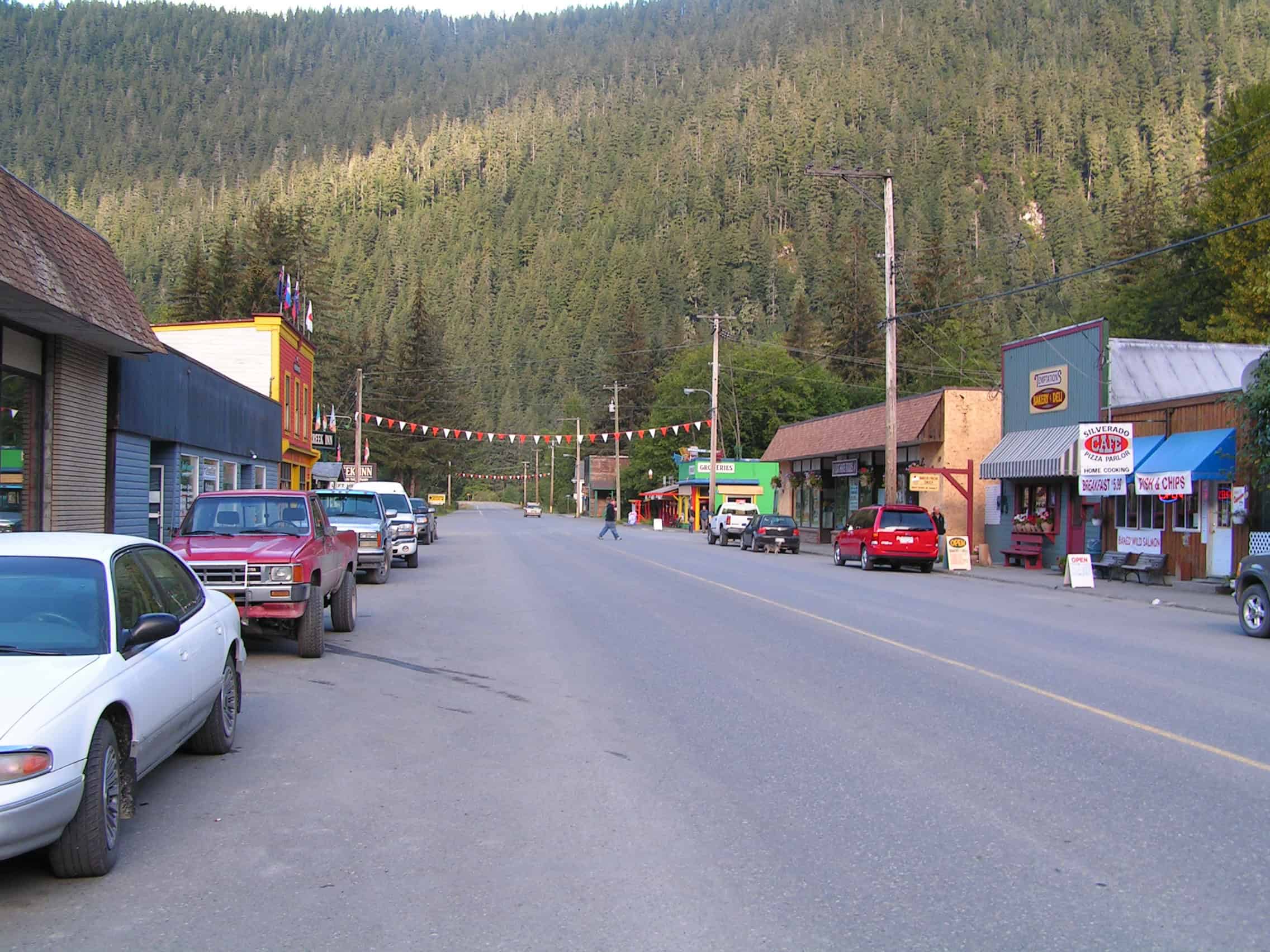
Hyder, Alaska and Stewart, British Columbia sit at the end of a long inlet, separated by a short stretch of pavement and a small border arch. Entering Hyder, travelers roll past shops and bear viewing signs without encountering a US customs booth, an odd reversal of the usual sequence. The only formal check comes when heading back into Canada, where officers or a remote phone box handle the paperwork. The social and economic ties lean north, so daily life often feels more connected to British Columbia than to distant Alaskan roads and cities.
Aroostook Valley Country Club, Maine,New Brunswick
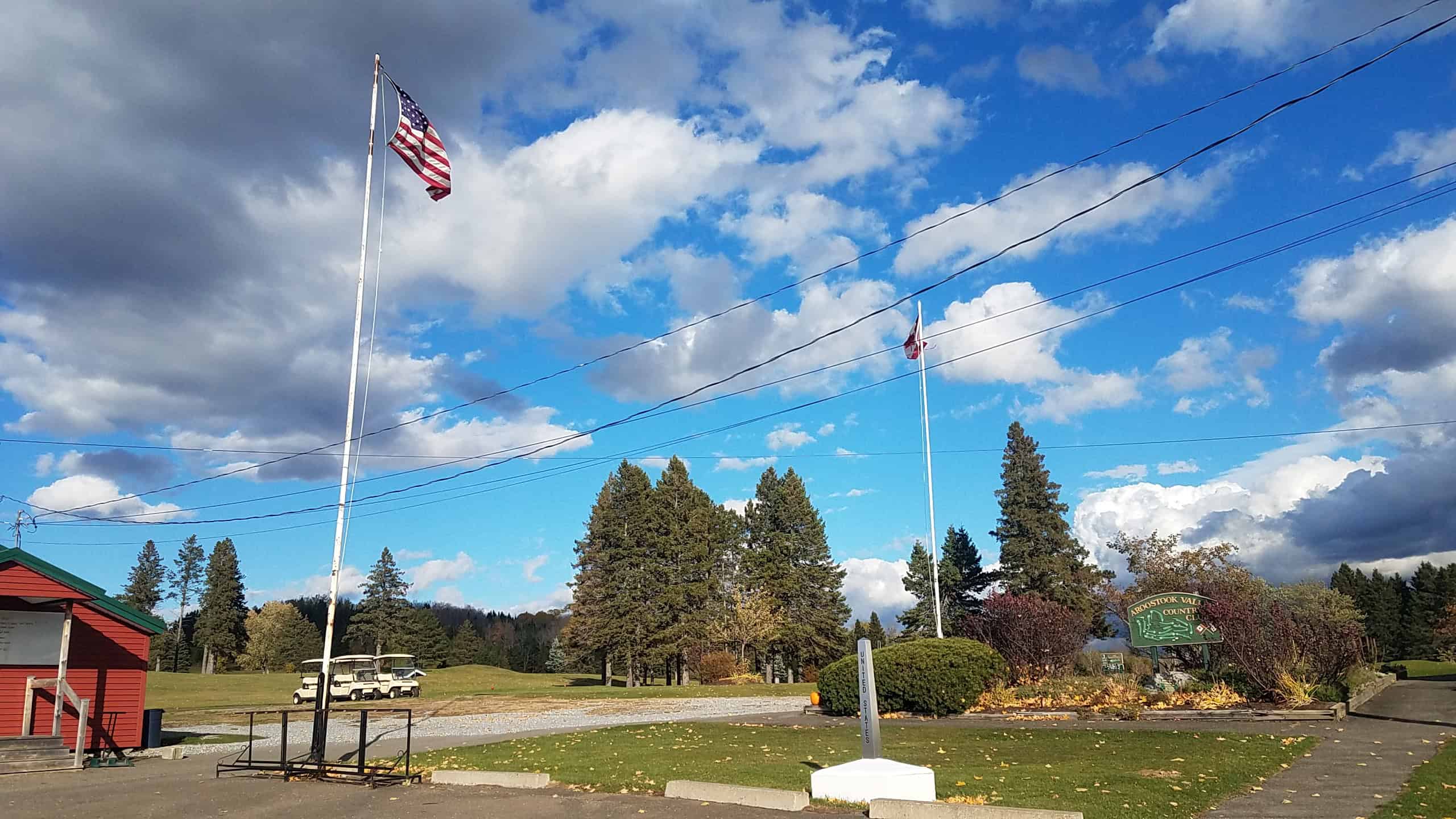
At Aroostook Valley Country Club, golfers chase birdies while quietly crossing the border multiple times during a single round. The parking lot and pro shop sit in Maine, but fairways and the clubhouse unfurl across the line into New Brunswick, stitching two jurisdictions into one course. Older members still tell stories about Americans legally enjoying drinks here during Prohibition, thanks to Canadian liquor laws. Today the main novelty is stepping onto a tee box in one country and sinking a putt in another without ever seeing a customs booth.
Zavikon Island Bridge, Thousand Islands
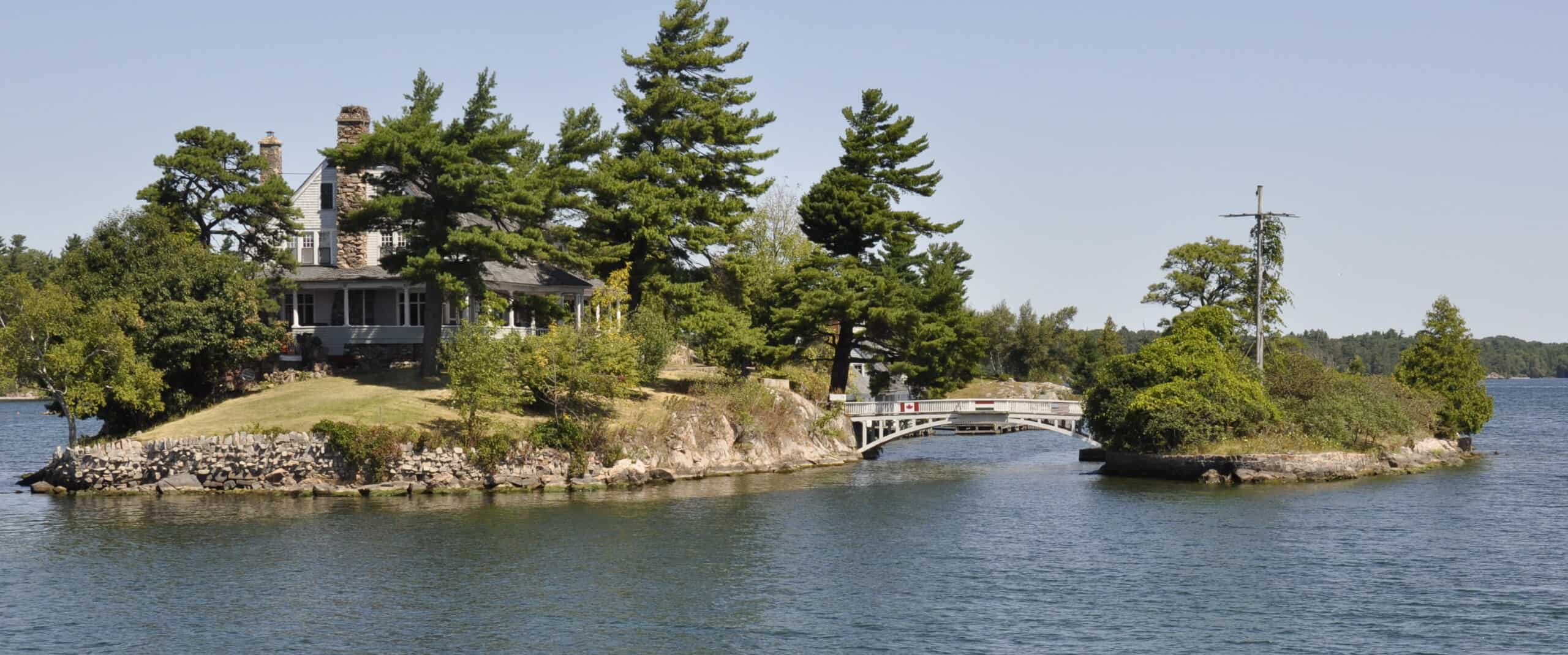
In the Thousand Islands, boat captains love to point at a tiny footbridge linking two green islets called Zavikon and repeat the story of the world’s shortest international bridge. The legend claims one island is in Canada and the other in the United States, joined by just a few paces of concrete. Maps say otherwise, placing both firmly in Ontario, but the tale survives every correction. It captures how this maze of channels and rocks invites myth making, turning a simple private bridge into a symbol of how blurry the river border can feel.
Alburgh Tongue, Vermont
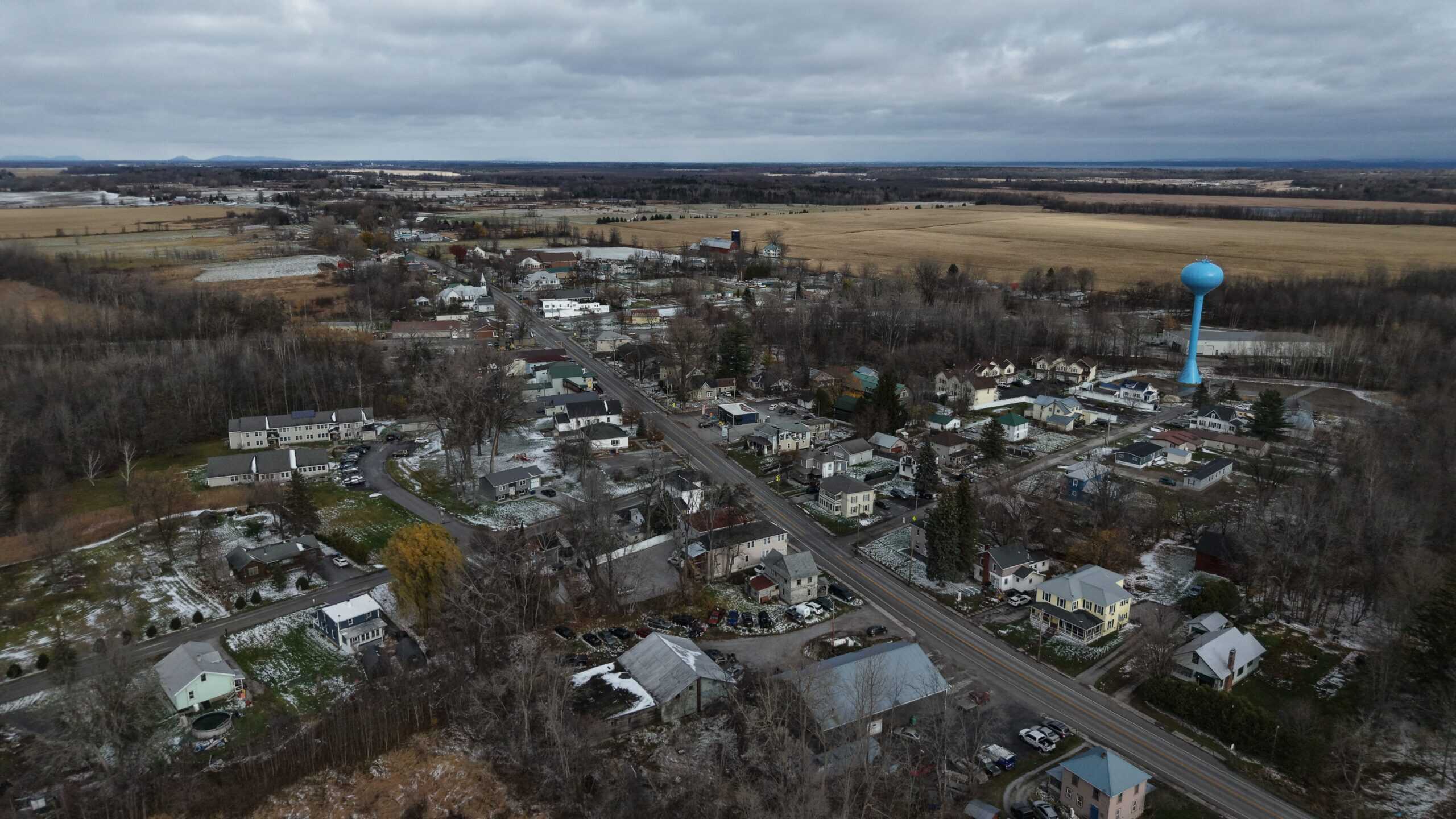
Alburgh juts into Lake Champlain like a misplaced finger of Vermont, wrapped by water and only loosely connected to the rest of the state. Driven bridges link it to New York and mainland Vermont, yet the geography still makes the town feel almost like an island caught between regions. Farm fields, marinas, and small villages sit within an easy drive of Montreal as well as Burlington. That mix of cross border influences gives the area an in between character, where the international line nearby feels present but not harsh or heavily fortified.