We may earn money or products from the companies mentioned in this post. This means if you click on the link and purchase the item, I will receive a small commission at no extra cost to you ... you're just helping re-supply our family's travel fund.
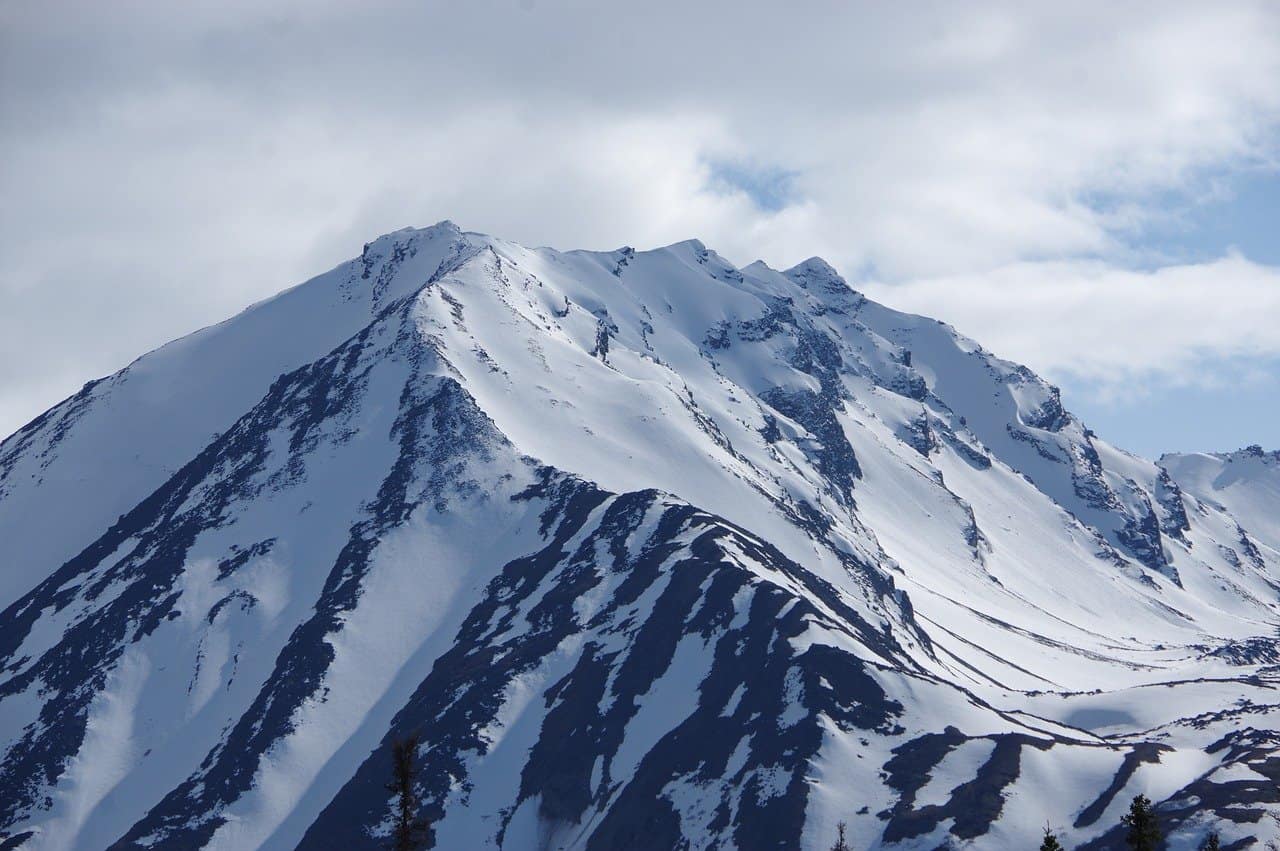
Across the United States, certain mountains have earned reputations that go far beyond scenic beauty. These are peaks where altitude, weather, terrain, and isolation combine into serious tests of judgment and endurance. Even seasoned climbers with years of experience sometimes retreat short of the summit. Below are eleven American mountains known not just for their height, but for the unforgiving realities they impose on anyone bold enough to attempt them.
1. Denali
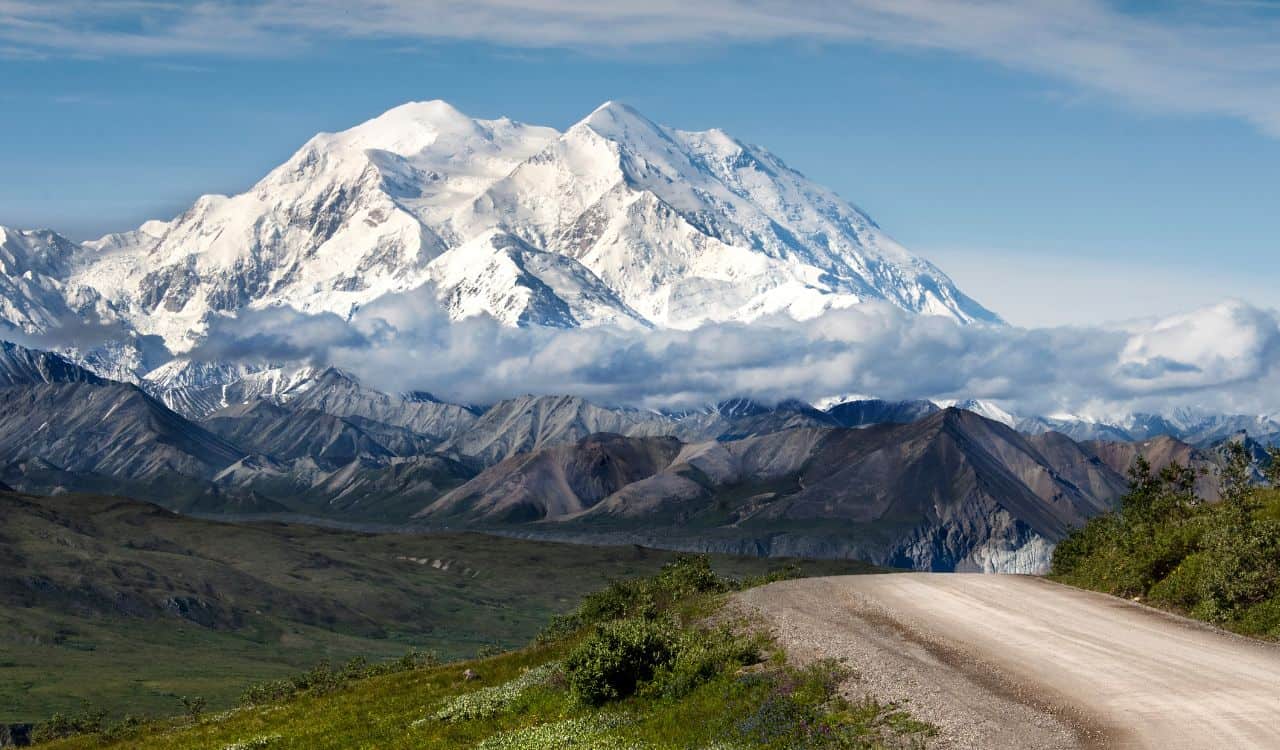
Rising 6,190 meters above sea level, Denali dominates the Alaskan interior with staggering vertical relief of over 5,500 meters from base to summit. Its high latitude makes the air feel thinner than comparable Himalayan elevations, and temperatures regularly fall below –40°C.
Climbers haul sleds weighing 45 to 60 kilograms across crevassed glaciers before confronting the steep 50-degree Headwall. Winds can exceed 100 km/h, and summit success rates often hover near 50 percent. Storm systems frequently pin teams down for days, forcing even elite mountaineers to abandon their push.
2. Mount Washington
Standing at 1,917 meters, Mount Washington appears modest, yet it hosts some of Earth’s most violent weather. In 1934, a wind speed of 372 km/h was recorded near its summit, once a world record.
Temperatures can plunge from mild to subzero within hours, and annual snowfall averages over 7 meters. Visibility often drops to near zero in whiteout conditions. Each year, dozens of rescues occur due to hypothermia or disorientation. Experienced hikers frequently retreat when forecasts shift, recognizing how quickly this mountain turns hostile.
3. Mount Rainier
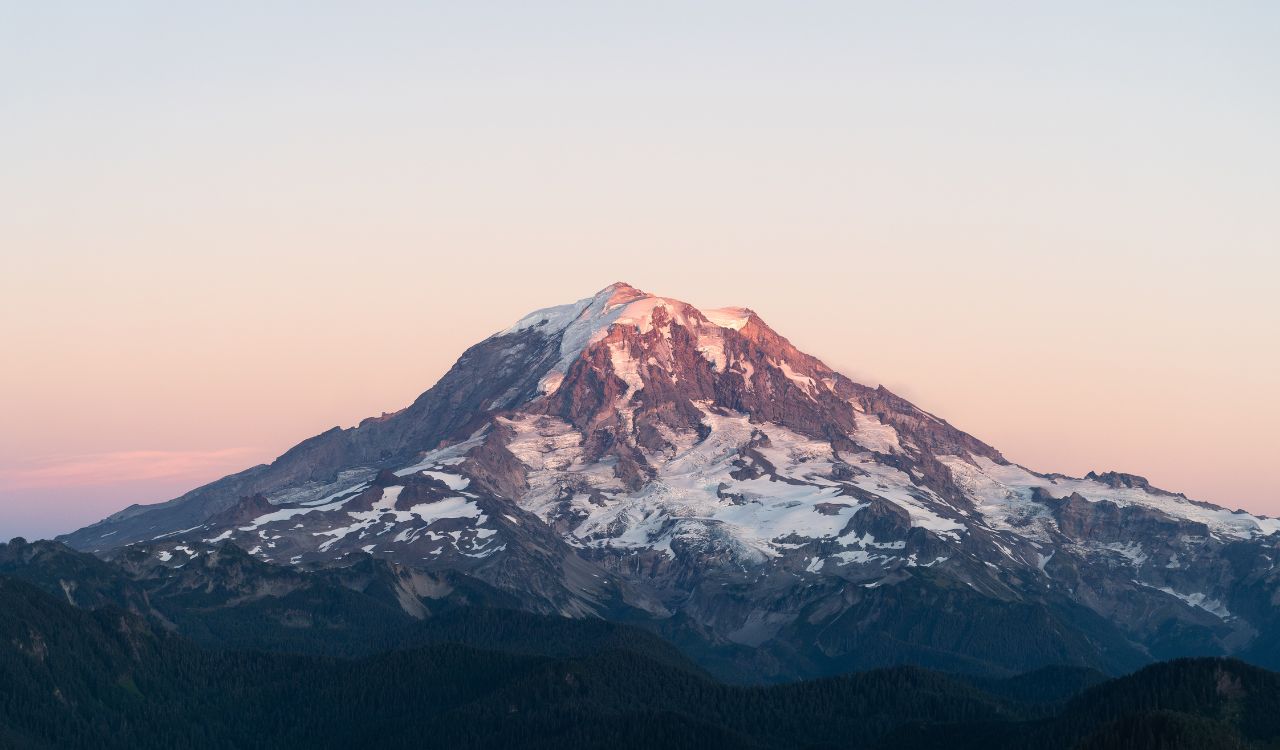
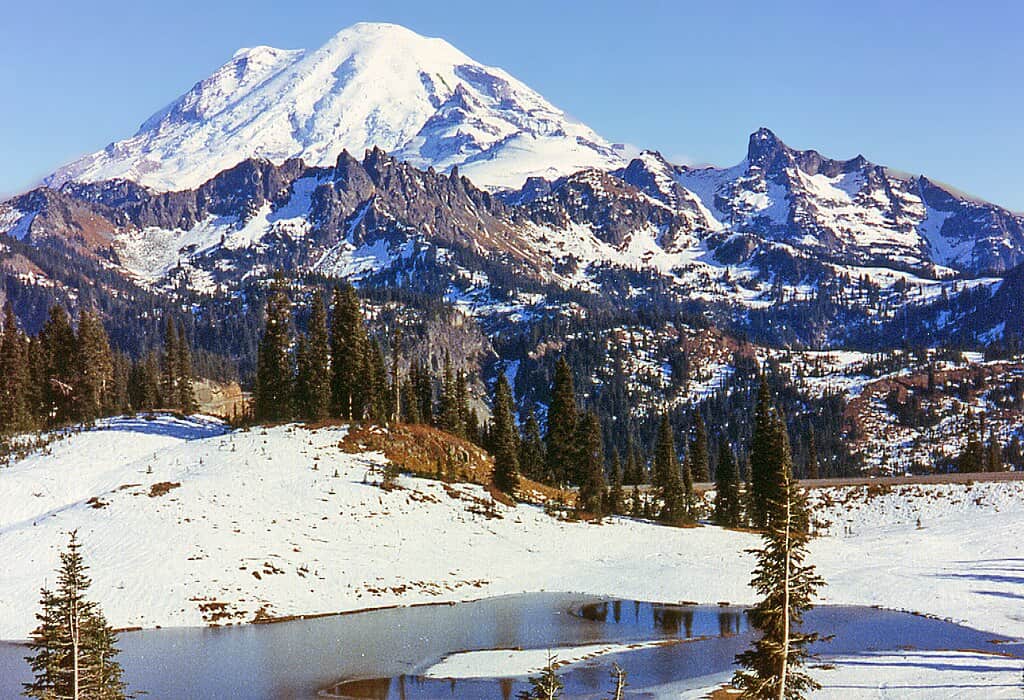
Mount Rainier rises 4,392 meters and supports 26 major glaciers, making it the most heavily glaciated peak in the contiguous United States. Crevasses can open without warning, some plunging over 30 meters deep.
Standard routes like Disappointment Cleaver require rope teams, crampons, and glacier travel skills. Avalanche risk increases sharply during late spring and early summer. Roughly 10,000 climbers attempt Rainier annually, yet many turn back due to sudden Pacific storms or altitude sickness, which can strike above 3,000 meters with little warning.
4. Mount Saint Elias
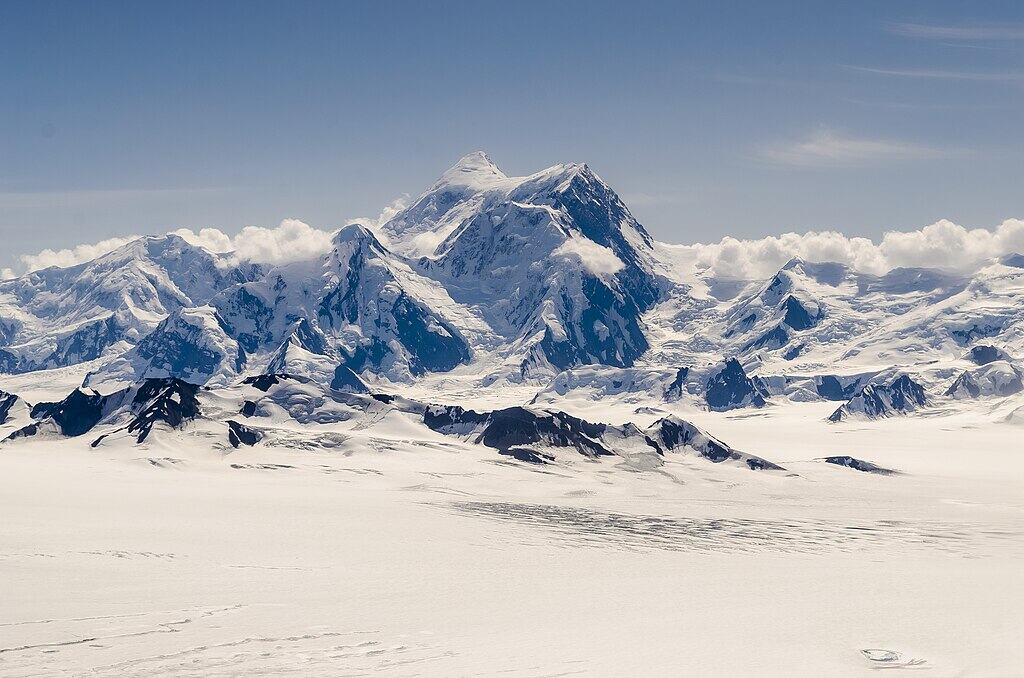
Towering 5,489 meters near the Alaska–Canada border, Mount Saint Elias presents nearly 5,500 meters of vertical gain from sea level. Few mountains on the continent demand such sustained effort.
Storms sweep in from the Gulf of Alaska with fierce intensity, bringing heavy snowfall and hurricane-force winds. Temperatures can drop below –30°C even in climbing season. Its steep ice faces and avalanche-prone slopes deter all but highly trained alpinists. Retreat is common when narrow weather windows close abruptly.
5. Mount Whitney
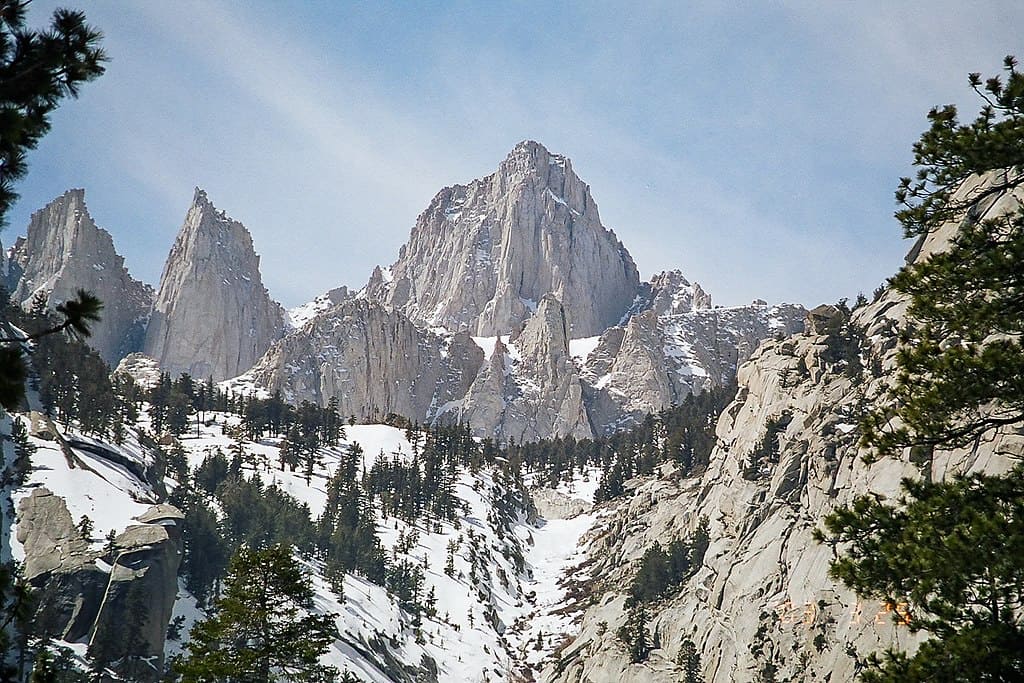
At 4,421 meters, Mount Whitney is the tallest summit in the contiguous United States. The main trail spans 35 kilometers round trip and gains over 1,900 meters in elevation.
Though technically non-technical in summer, altitude sickness affects many hikers above 3,500 meters. Snowfields can linger into June, increasing slip hazards. Permits strictly limit daily access, yet exhaustion and dehydration remain frequent issues. Even experienced trekkers often turn around near the final 3-kilometer push when headaches and nausea intensify.
6. Mount Hood

Mount Hood rises 3,429 meters and attracts thousands of climbers annually, yet its upper slopes demand serious mountaineering skill. The final 300 meters steepen to angles exceeding 45 degrees.
Rockfall and icefall are persistent dangers, particularly near the Pearly Gates. Freeze-thaw cycles destabilize snow bridges, while winds above 80 km/h are not uncommon. Despite its accessibility from Portland, Hood records multiple fatalities in some seasons. Experienced climbers often descend early when conditions deteriorate rapidly near the summit ridge.
7. Grand Teton
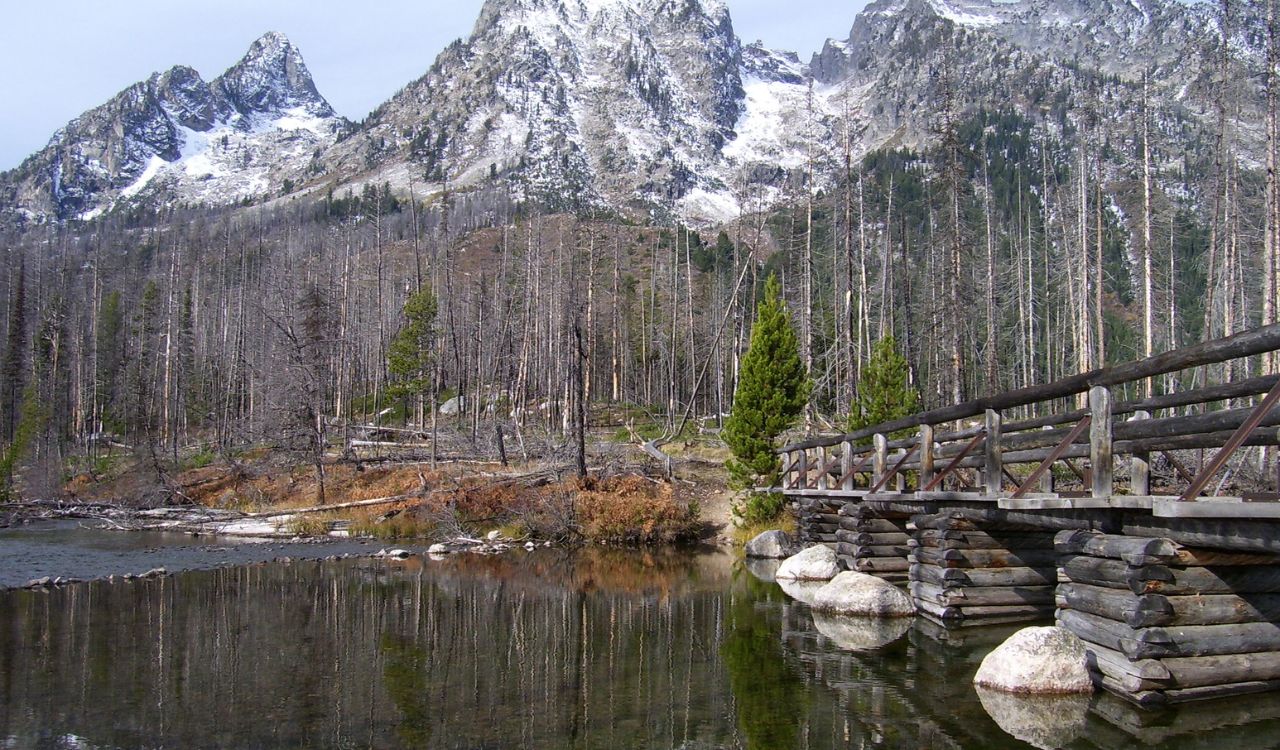
The Grand Teton reaches 4,199 meters and demands technical climbing rather than simple hiking. The popular Owen-Spalding route includes exposed sections requiring rope protection and precise footwork.
Afternoon thunderstorms develop quickly during summer, bringing lightning above the tree line. Temperatures can shift 15°C within hours. Though shorter than many western giants, its steep granite faces leave little margin for error. Even confident climbers retreat when clouds gather or route-finding becomes uncertain on its airy ridgelines.
8. Mount Shasta
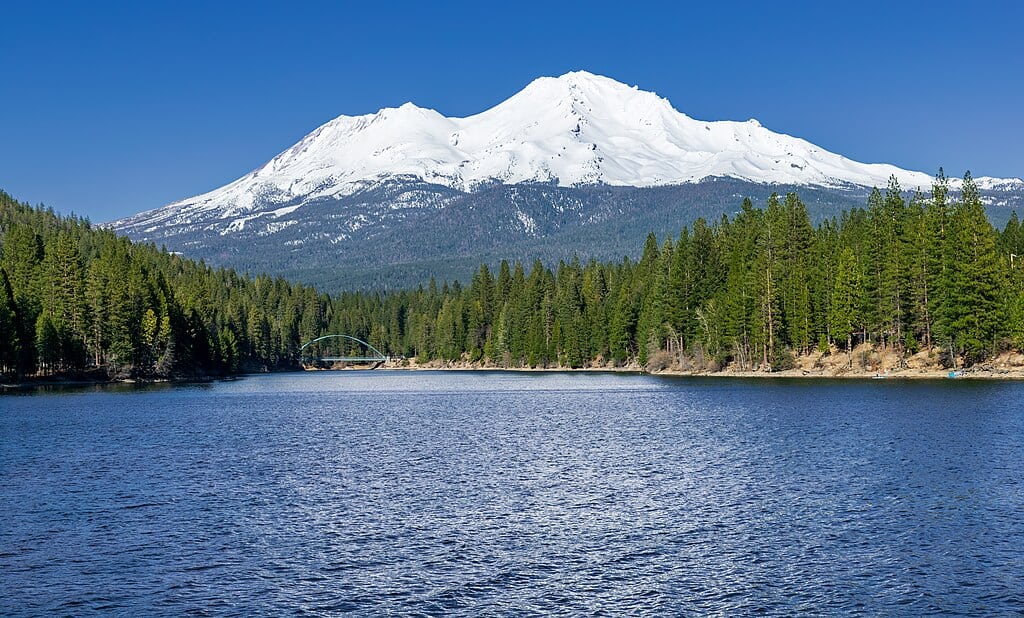
Mount Shasta stands 4,322 meters tall and rises dramatically from Northern California’s landscape. Climbers typically ascend via Avalanche Gulch, gaining nearly 2,200 meters in a single push.
Snow and ice dominate much of the route, and avalanche risk peaks between April and June. Summit winds can exceed 110 km/h, producing severe wind chill. Although thousands attempt Shasta annually, fatigue and altitude above 3,600 meters often force retreat before the final Misery Hill stretch.
9. Longs Peak
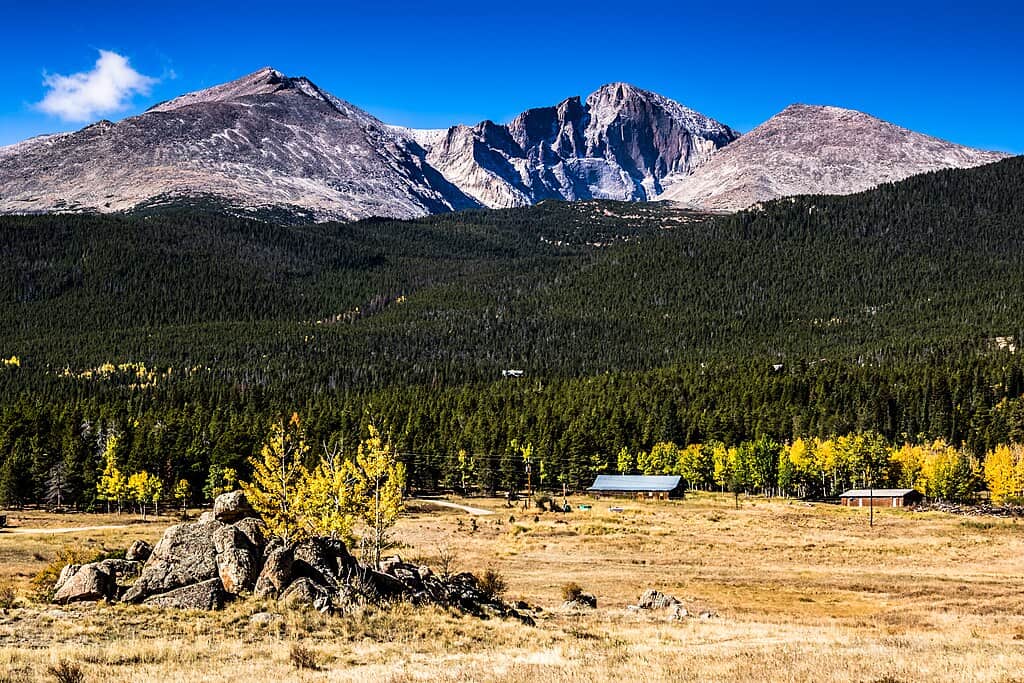
Longs Peak reaches 4,346 meters and is famed for its Keyhole Route, a 24-kilometer round trip involving steep scrambling. What begins as a hike transitions into exposed ledges and narrow traverses.
Afternoon thunderstorms are common in summer, with lightning strikes posing serious threats above 3,000 meters. Snow can linger well into July. Roughly half of all summit attempts fail due to weather or exhaustion. Many hikers turn back at the Keyhole after confronting the steep Homestretch beyond.
10. Mount Katahdin
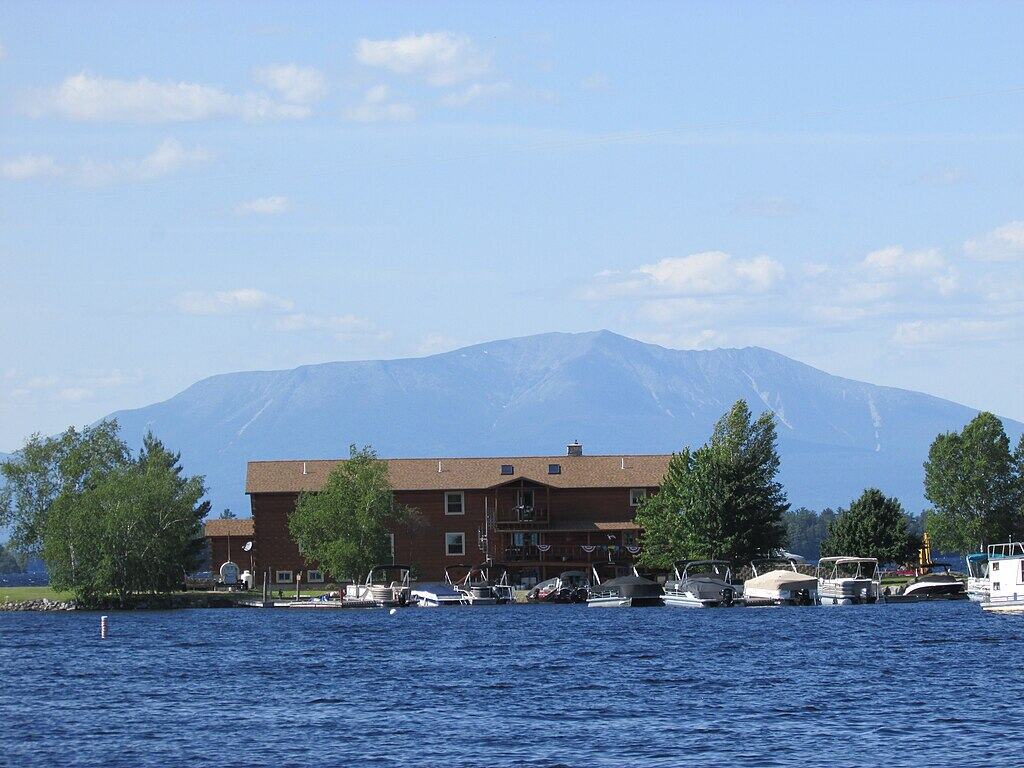
Mount Katahdin rises 1,606 meters and marks the northern terminus of the Appalachian Trail. Its Knife Edge ridge stretches nearly 1.6 kilometers, with dramatic drops on both sides.
Wind gusts frequently exceed 80 km/h, and dense fog can erase visibility in minutes. The elevation gain on popular routes surpasses 1,200 meters over rugged terrain. Even experienced hikers feel exposed crossing its narrow spine. Slippery granite and sudden storms often convince climbers to turn back short of Baxter Peak.
11. K2
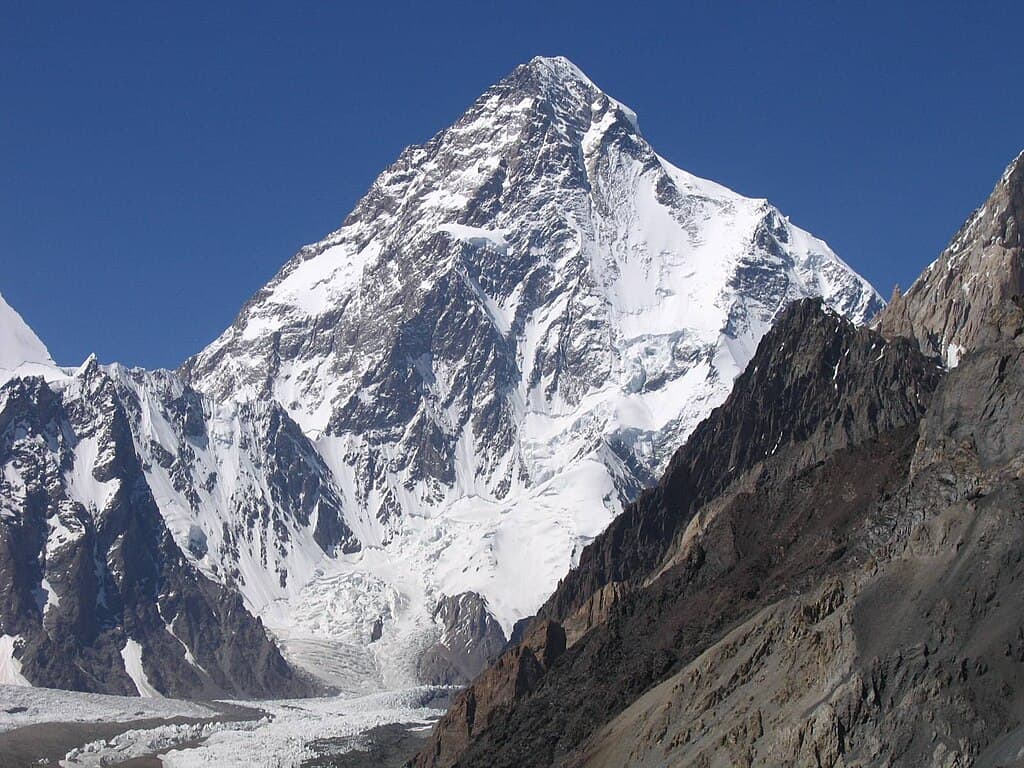
Alaska’s K2, located in the remote Saint Elias Range, is far less known than its Pakistani namesake but no less intimidating. Its steep ice faces and mixed terrain demand advanced alpine technique.
Access requires lengthy glacier travel, and rescue operations are exceptionally difficult due to isolation. Temperatures regularly drop below –25°C, even during prime season. Avalanche risk and unstable weather patterns cause many expeditions to retreat before committing to upper slopes. Only highly skilled climbers attempt this demanding objective.