We may earn money or products from the companies mentioned in this post. This means if you click on the link and purchase the item, I will receive a small commission at no extra cost to you ... you're just helping re-supply our family's travel fund.
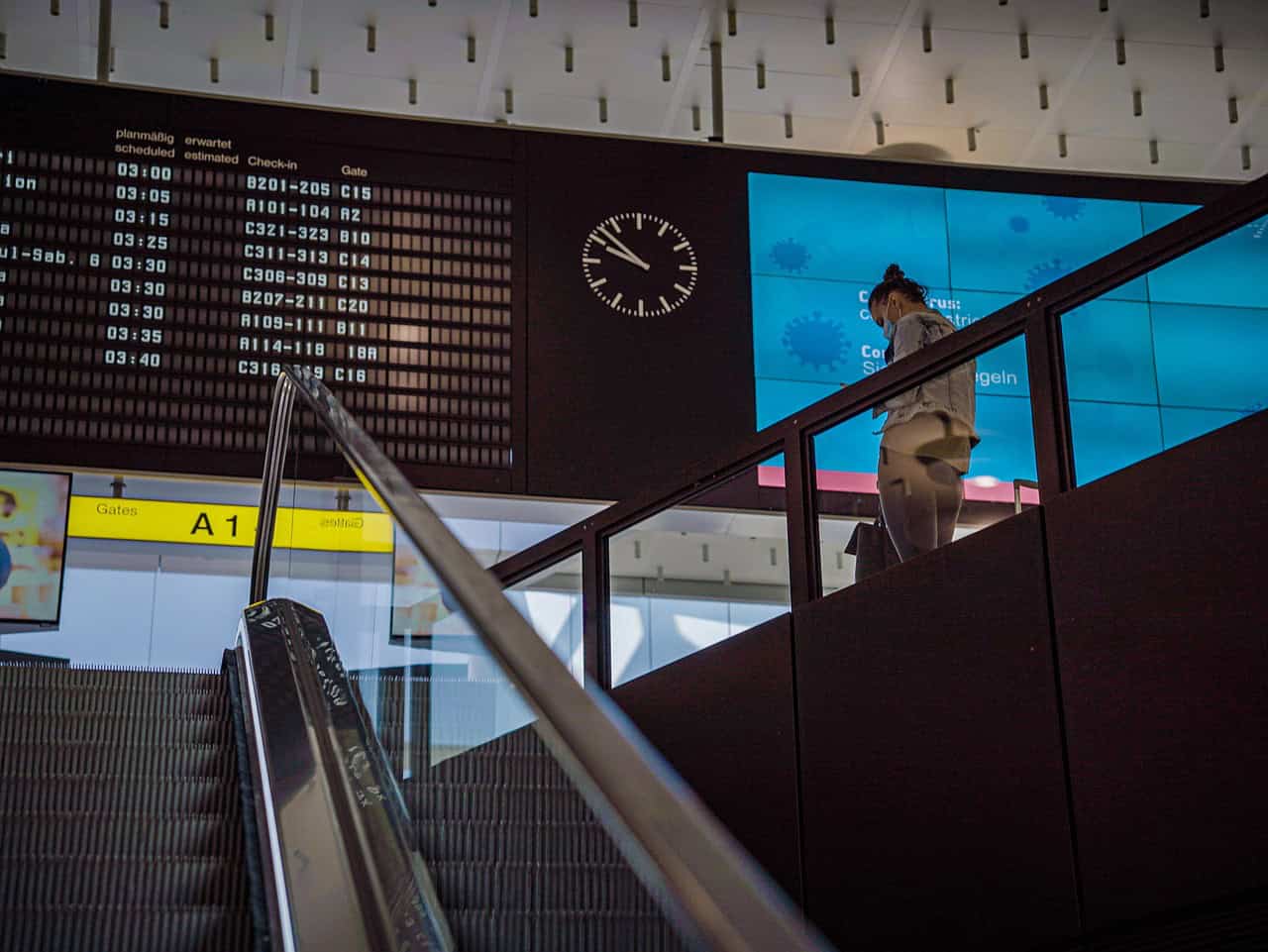
As U.S. airports accelerate the rollout of facial-recognition systems across departure gates and border checkpoints, international travelers are already experiencing a noticeable shift in how identity verification works. What once relied almost entirely on manual passport checks is increasingly handled by cameras scanning each passenger in under 2–4 seconds, matching them against government databases. While this system aims to process more than 100 million travelers annually, it also introduces new steps and expectations that can feel unfamiliar. These 11 tips break down exactly what to know so you can move confidently through the new biometric era.
1. Understand How Mandatory Facial Scans Work for Non-U.S. Travelers
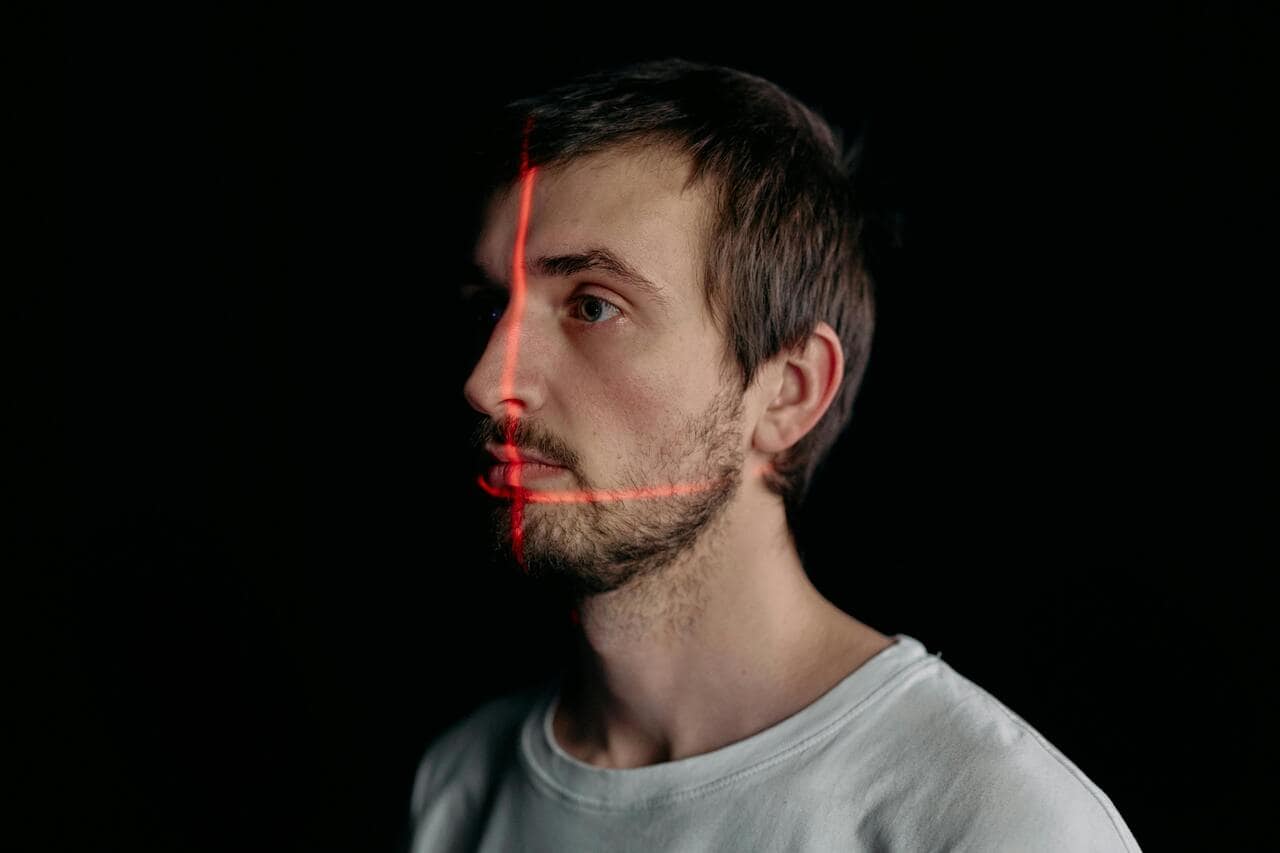
Facial scans have become a mandatory part of the entry-exit process for non-U.S. citizens across most major airports, covering over 80% of international terminals. The system captures a live image and compares it to visa or passport photos using algorithms that operate with accuracy rates reported above 97%. While the scan itself takes only 2–3 seconds, manual inspection may occur if the match fails. Because biometric verification now forms a key layer of immigration control, non-citizens should expect it at both arrival and departure, regardless of airline or airport staffing levels.
2. Know When U.S. Citizens Can Opt Out and How to Request It

Although U.S. citizens are generally exempt from mandatory facial-scan requirements, many find themselves automatically queued into the biometric line, especially at boarding gates using automated systems. Opting out is allowed, but it must be requested verbally before the camera completes the image capture, which often occurs in under 2 seconds. Officers will then switch to manual passport verification, which takes roughly 15–40 seconds depending on traffic. Understanding your right to opt out prevents confusion, especially at airports handling over 10 million international departures per year.
3. Add Extra Time for Biometrics-Related Delays at Peak Hours

While the government promotes facial scanning as a faster alternative, early deployment means lines can still slow down, particularly if 5–10% of travelers experience mismatches requiring secondary checks. During peak hours—often between 6 a.m. and 10 a.m., it’s common for queues to grow by 10–20 minutes compared to pre-biometric operations. Travelers should build in this buffer, especially at high-volume ports like JFK, LAX, or Miami, where daily international throughput exceeds 60,000 passengers. Planning ahead reduces the chance of missed connections or last-minute rushes.
4. Prepare for Departure-Gate Scans That Didn’t Exist Before
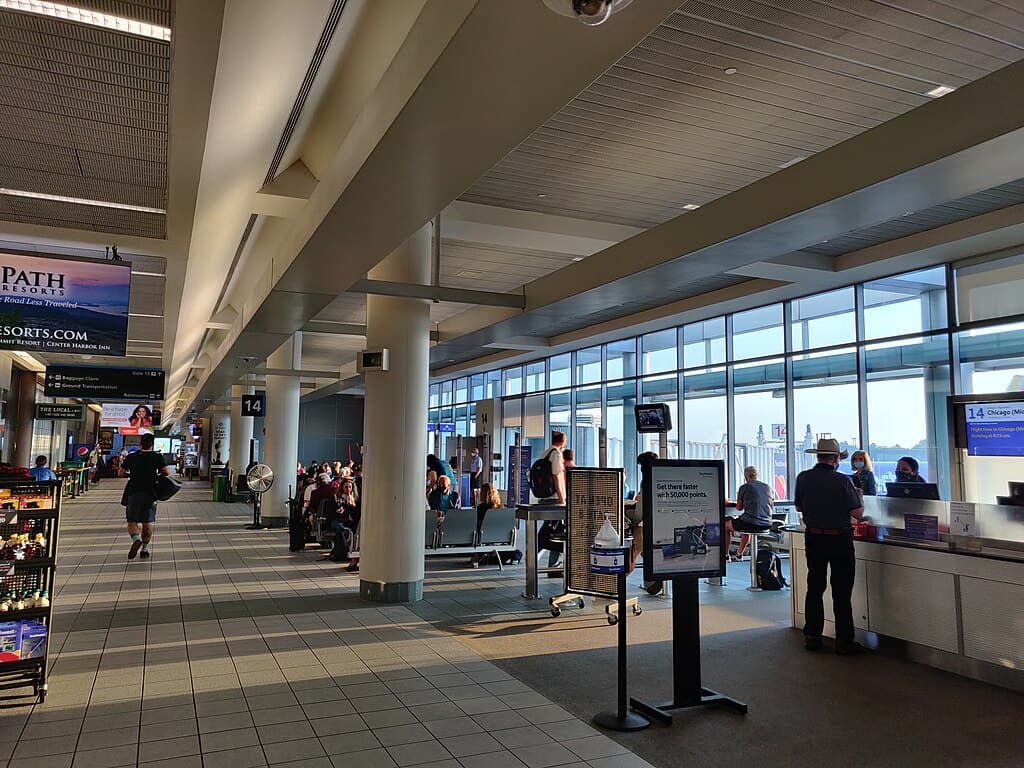
Because the exit-scan requirement is new for many travelers, people are often surprised to encounter facial recognition right at the boarding gate. Airlines now integrate these systems into jet-bridge lanes, allowing a camera to verify each passenger in under 3 seconds before boarding proceeds. This gate-level biometric check aims to confirm foreign nationals’ departures, improving compliance tracking that historically showed 1–2% overstays annually. Travelers should keep passports accessible, as officers may still perform manual overrides for the roughly 3–5% of scans that trigger mismatches.
5. Keep Your Face Visible to Prevent Repeated Scans or Errors
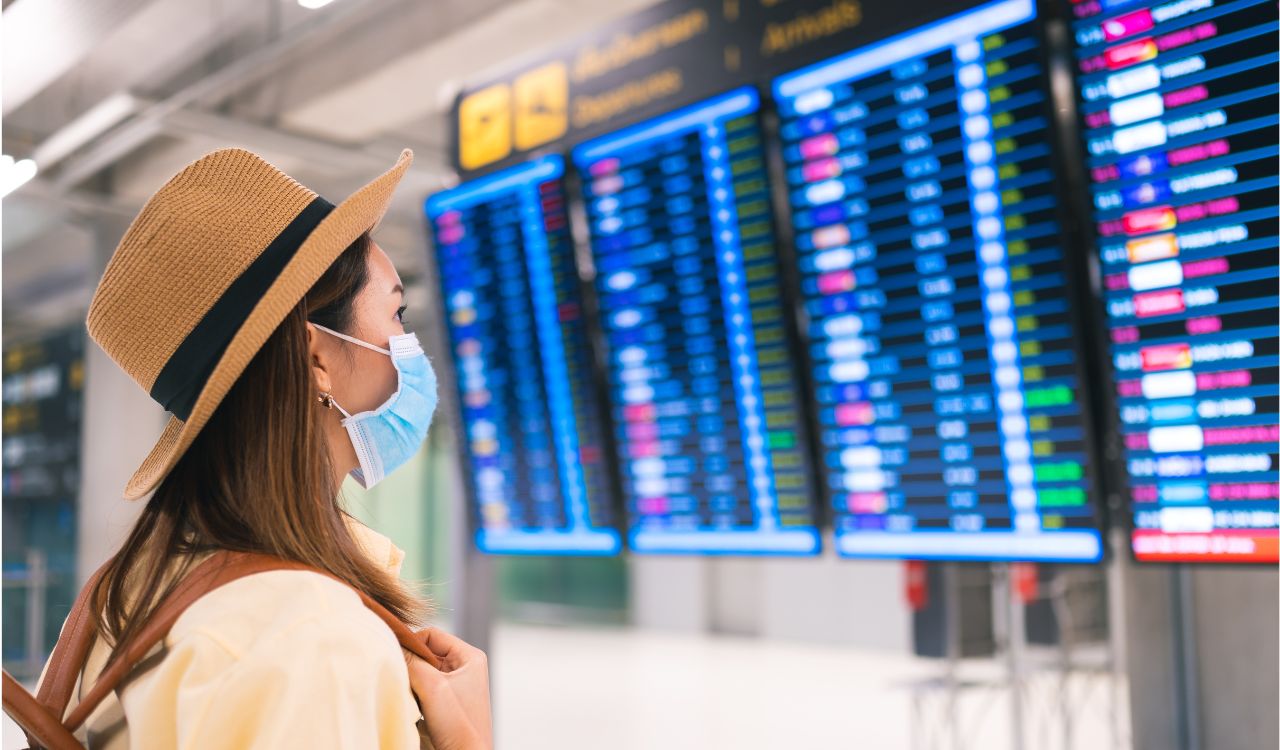
Facial recognition systems require a clear view of the traveler’s face, and small obstructions—such as sunglasses, thick masks, or reflective surfaces can lower match accuracy by 15–30%, leading to repeat scans. Removing accessories and ensuring good lighting speeds the process, especially since each attempt takes only a few seconds but failures create slow-downs affecting hundreds of passengers per hour. The cameras used typically operate at 720p–1080p resolution, making clarity crucial for proper identification. A quick moment of adjustment reduces the chance of being redirected into manual processing lines.
6. Understand What Happens When a Biometric Scan Fails
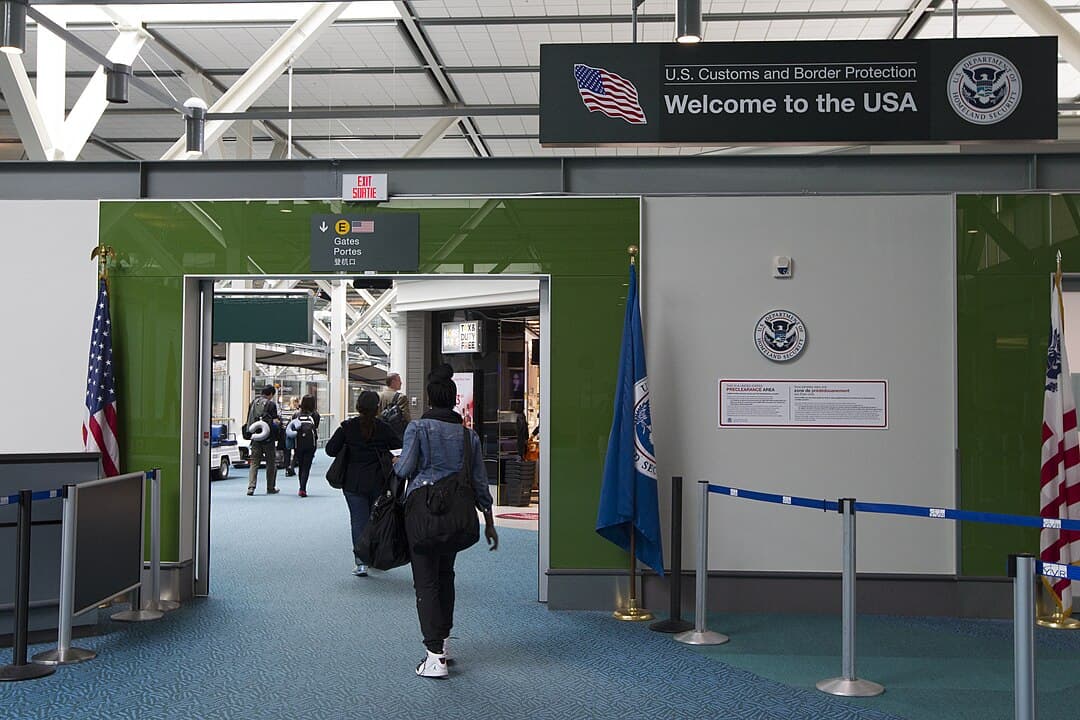
Scan mismatches occur in roughly 3–8% of cases depending on lighting, camera quality, or older passport photos. When this happens, officers may take a secondary photo, ask brief identity questions, or conduct a manual passport review lasting 30–60 seconds. If discrepancies persist—usually less than 0.1% of travelers, additional verification rooms may be used for security and immigration checks. These procedures aren’t punitive; they simply ensure the identity match is accurate. Staying calm and cooperative helps resolve the process more smoothly and avoids unnecessary delays for both the traveler and the queue behind them.
7. Know When Facial Scans Are Legally Required and When They Aren’t
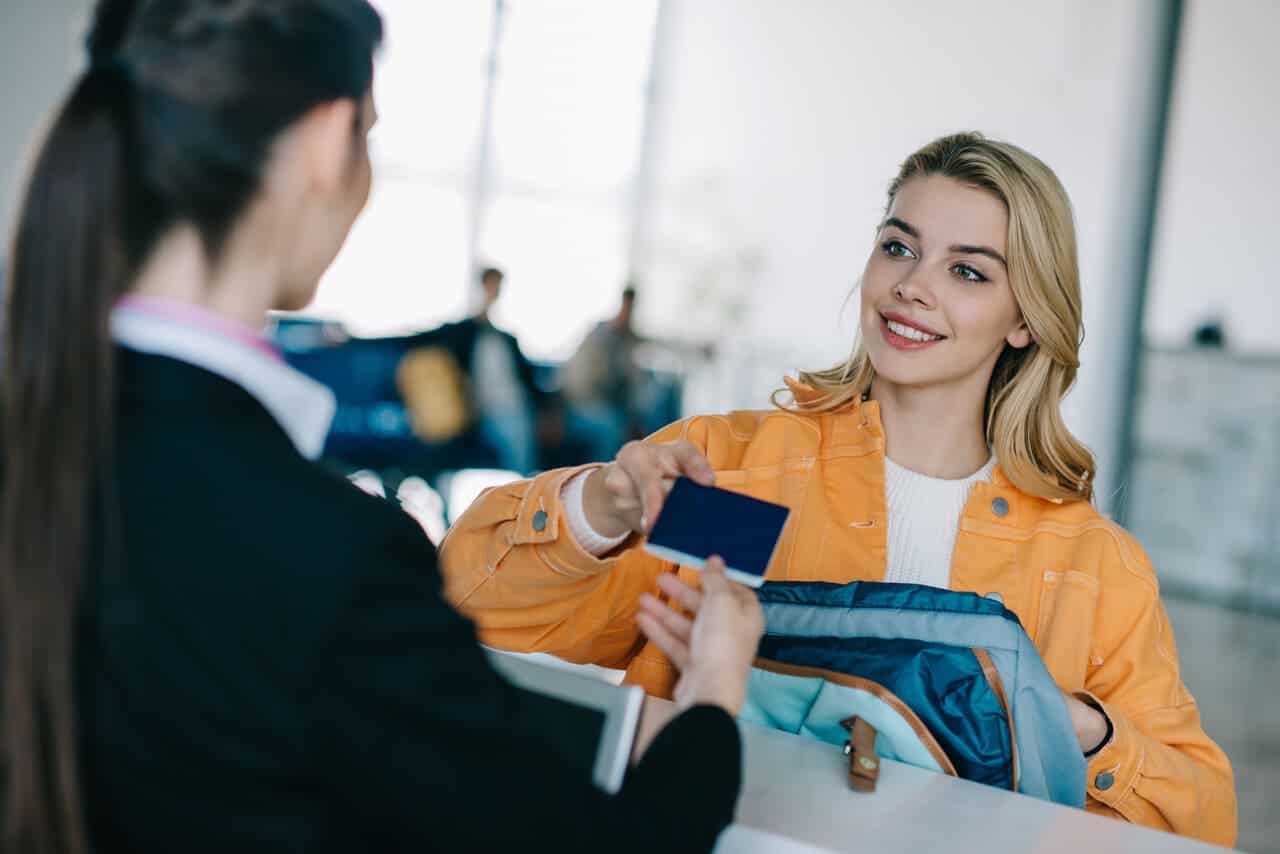
For non-U.S. citizens, biometric scans are mandated under updated DHS rules covering more than 200 ports of entry, including major airports and land crossings. Estimates suggest that over 97% of foreign travelers will now encounter biometric checkpoints during their trip. U.S. citizens, however, are not legally compelled to participate under current regulations, though systems may default to scanning unless a traveler opts out. Understanding this distinction prevents confusion at gates and ensures you don’t inadvertently consent to scanning when a manual passport check would suffice.
8. Expect Your Data to Be Stored Differently Depending on Citizenship

Data retention for facial scans varies sharply: non-citizens’ images can be kept for several years as part of immigration records, while U.S. citizens’ photos are typically deleted within 12 hours after identity confirmation. Systems process millions of images annually over 80 million in some years, prompting ongoing debates around privacy and surveillance. Travelers concerned about data use should review CBP’s published retention timelines, which outline how long images remain in secure databases. Understanding these storage rules helps travelers make informed decisions about opting in or choosing manual verification.
9. Use Trusted Traveler Programs for Faster, Streamlined Processing

Enrollment in programs like Global Entry, TSA PreCheck, or CLEAR can reduce wait times significantly, sometimes by 40–60% during peak travel windows. These programs already rely on biometrics, meaning the transition to facial recognition is more seamless for members. Global Entry kiosks, for example, process most travelers in under 30 seconds, compared to standard immigration lines that can stretch beyond 30–45 minutes. Although there’s an enrollment fee—Global Entry currently costs around $100 for five years, frequent travelers often save hours across multiple international trips each year.
10. Protect Your Travel Documents Even with Biometric Verification
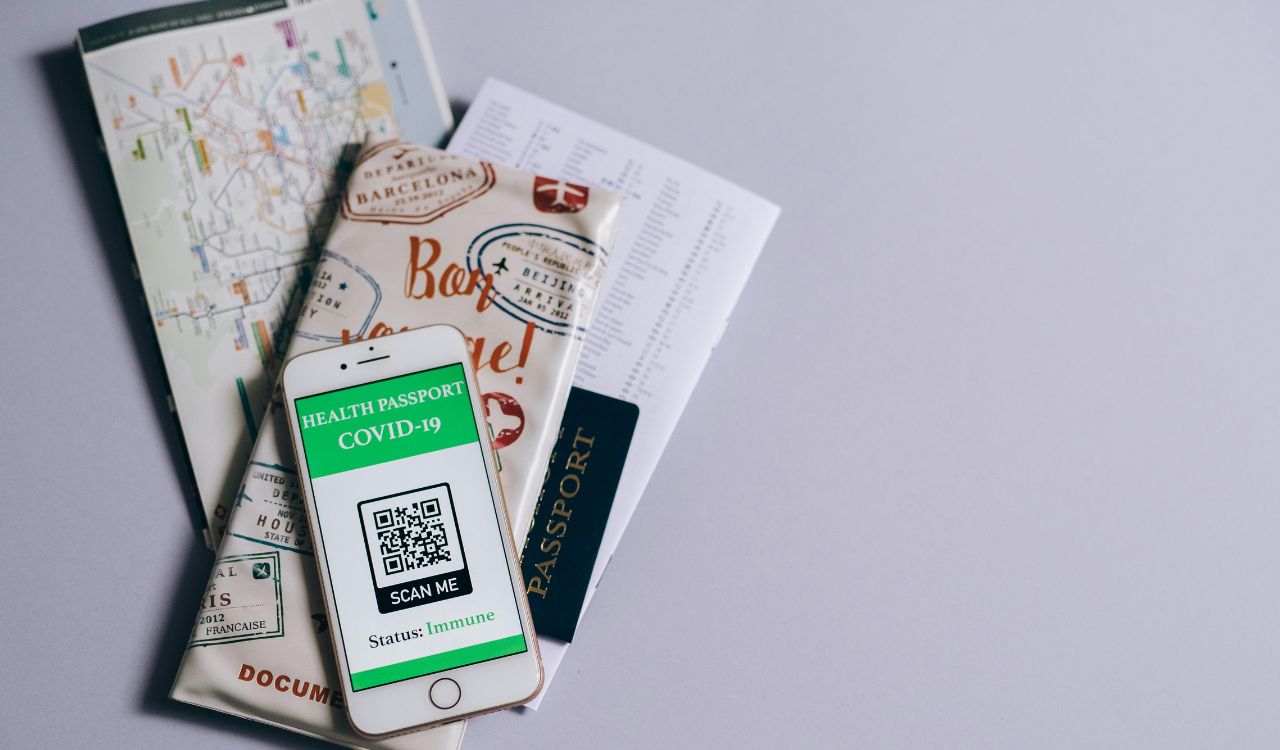
Despite increased reliance on facial recognition, passports remain the primary legal identification document, and travelers must still keep them accessible at key checkpoints. Officers may ask for physical passports during mismatches, random checks, or system outages, which occur at a rate of roughly 1–3% in high-traffic terminals. Keeping your passport ready ensures a smooth fallback process and avoids disruptions. With more than 150 countries issuing biometrically enabled passports, systems are designed to complement, not replace, traditional documentation, making physical passports essential for every leg of travel.
11. Stay Informed as Biometric Systems Expand Across U.S. Airports
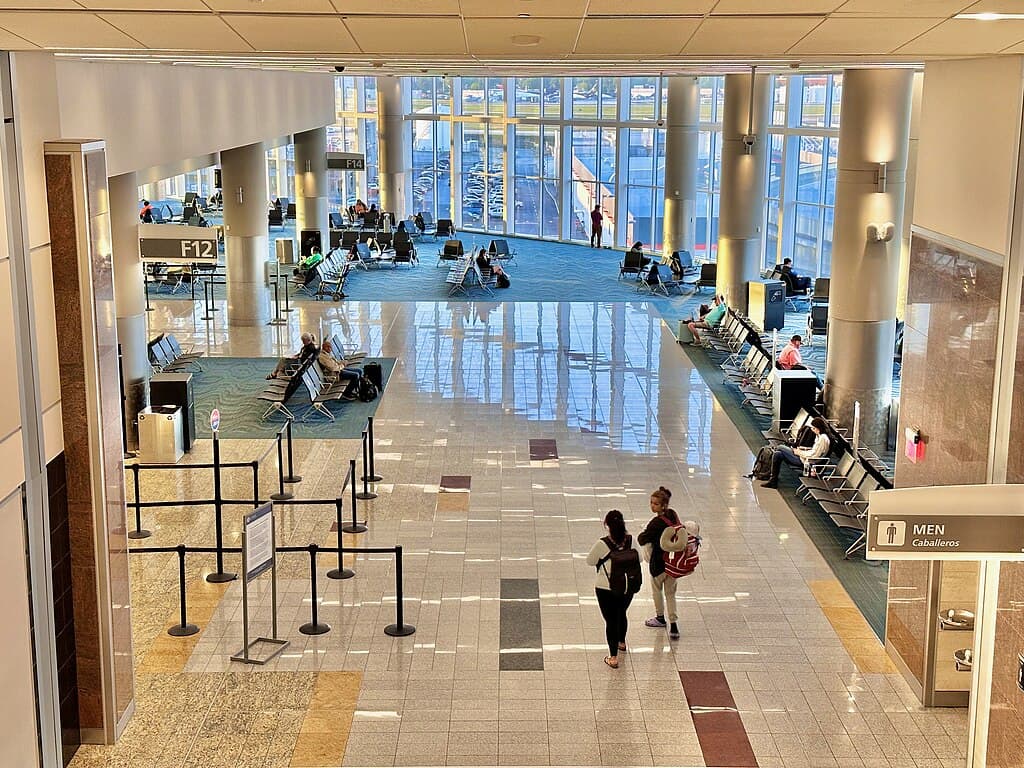
Biometric coverage across U.S. airports has grown rapidly, increasing from fewer than 20 airports in 2019 to over 120 airports implementing some form of facial verification today. As expansion continues, improvements in processing speeds, accuracy, and data handling standards are expected, particularly as systems are optimized for more than 2 million travelers per day. Staying updated on airport-specific policies often posted on airline websites or CBP announcements helps travelers anticipate where facial scans will be required. Awareness reduces confusion and ensures smoother navigation through changing airport environments.