We may earn money or products from the companies mentioned in this post. This means if you click on the link and purchase the item, I will receive a small commission at no extra cost to you ... you're just helping re-supply our family's travel fund.
Traveling alone can be empowering, but safety realities differ widely across the world. For solo female travelers, risks often extend beyond common crime to include gender-based violence, weak legal protections, social restrictions, and limited emergency support. The countries listed below are not universally dangerous, and many women visit parts of them safely every year. However, consistent data, traveler reports, and crime statistics indicate higher-than-average risks. This list focuses on places where solo female travelers should be especially cautious, well-prepared, or consider alternative destinations if safety is a top priority.
1. South Africa
South Africa consistently ranks among the most challenging destinations for solo female travelers due to extremely high violent crime levels. The country reports over 36 murders per 100,000 people annually, one of the highest global rates. Sexual assault statistics are particularly alarming, with police recording over 40,000 rape cases per year, widely believed to be underreported. While cities like Cape Town attract tourists, street crime, carjackings, and assaults can occur even in busy areas. Limited police response times and low conviction rates further complicate safety. Solo women often report feeling unsafe walking alone after dark, even in central districts. Transportation risks, especially informal taxis, add another layer of concern for independent travelers.
2. Brazil
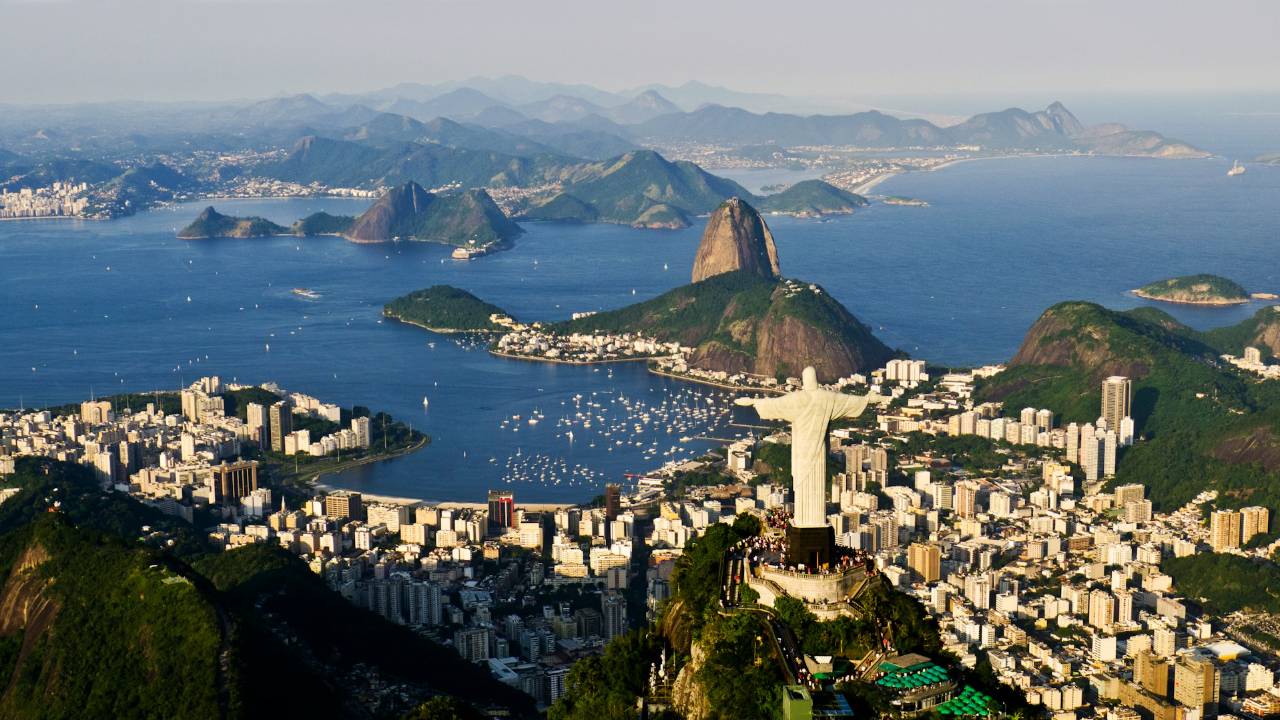
Brazil combines vibrant culture with serious safety challenges for women traveling alone. The country records approximately 23 homicides per 100,000 people, with higher concentrations in major urban areas. Gender-based violence remains widespread, with over 1,400 femicides reported annually. Solo female travelers frequently cite harassment, theft, and robbery as common issues, particularly in cities like Rio de Janeiro and São Paulo. Tourist zones can feel safe by day but change quickly at night. Police presence is inconsistent, and language barriers can hinder help. While millions visit Brazil safely, navigating neighborhoods requires constant vigilance, making solo travel mentally exhausting for many women.
3. Mexico
Mexico’s popularity as a tourist destination often masks its deeper safety issues for women. The country reports over 10 femicides per day, placing it among the highest globally for gender-based killings. Organized crime contributes to instability in several regions, and violence can spill into public spaces without warning. Solo female travelers commonly report feeling unsafe using public transport or walking alone after sunset. While destinations like Cancún and Playa del Carmen have strong tourism infrastructure, surrounding areas may not. Emergency response times vary widely by region, and legal processes can be slow, leaving travelers vulnerable if incidents occur.
4. India
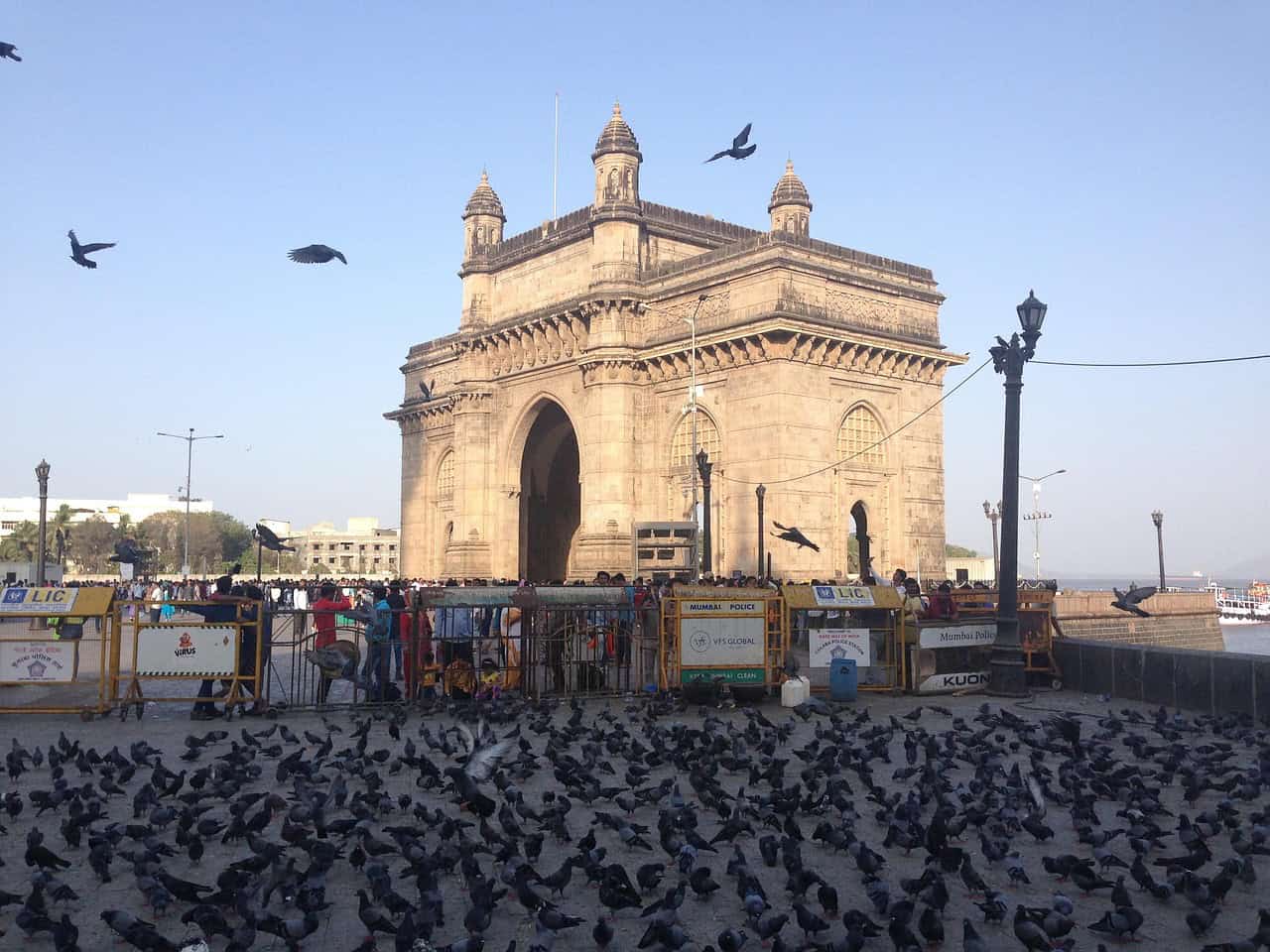
India offers immense cultural richness but presents complex challenges for solo female travelers. The country reports over 445,000 crimes against women annually, including harassment and assault. While safety varies greatly by city, many women experience persistent staring, verbal harassment, and unwanted attention. Public transport can be crowded and difficult to navigate safely, particularly at night. Conviction rates for sexual crimes remain below 30 percent, discouraging reporting. Tourist hubs may feel manageable with precautions, but rural areas and smaller cities often lack infrastructure and support. The constant need for situational awareness can make solo travel emotionally taxing.
5. Egypt

Egypt is frequently cited by solo female travelers for its intense street harassment. Surveys suggest over 90 percent of women in urban areas experience some form of harassment. While violent crime against tourists is less common, daily verbal and physical harassment can be relentless, especially in Cairo and Alexandria. Cultural norms place heavy restrictions on women’s behavior and dress, and ignoring them can escalate unwanted attention. Law enforcement responses to harassment are inconsistent, and reporting incidents can be difficult. Although historic sites are heavily policed, moving independently between them often proves stressful for solo female visitors.
6. Morocco
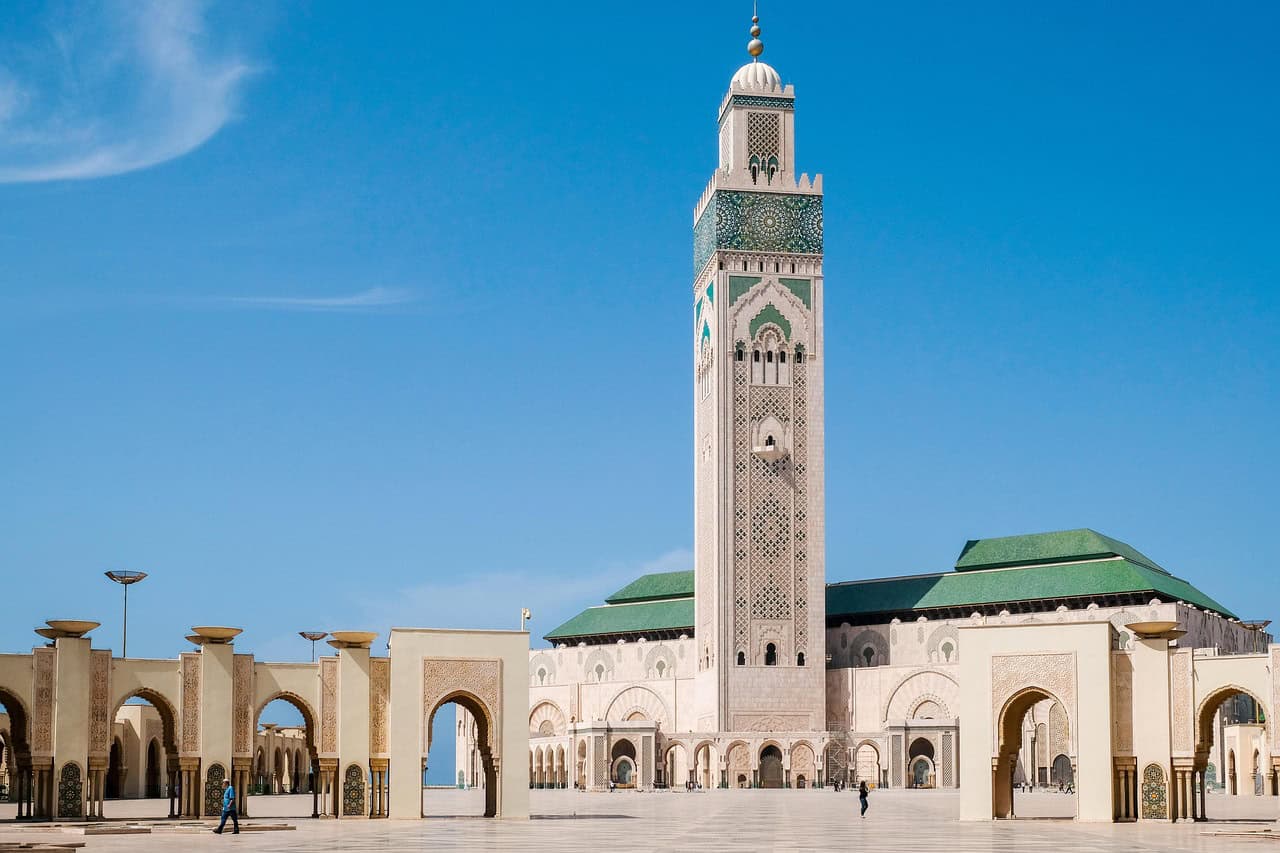
Morocco attracts travelers with its markets and landscapes, yet solo female travelers frequently report discomfort. Studies indicate more than 60 percent of women experience harassment in public spaces. Incidents often include persistent following, verbal abuse, and aggressive sales tactics that cross personal boundaries. While violent crime rates are lower than in some countries, the psychological toll of constant attention is significant. Legal protections for women are improving but remain unevenly enforced. In medinas and rural areas, limited police presence can heighten vulnerability. Traveling alone requires firm boundaries and constant alertness, which many find exhausting.
7. Dominican Republic
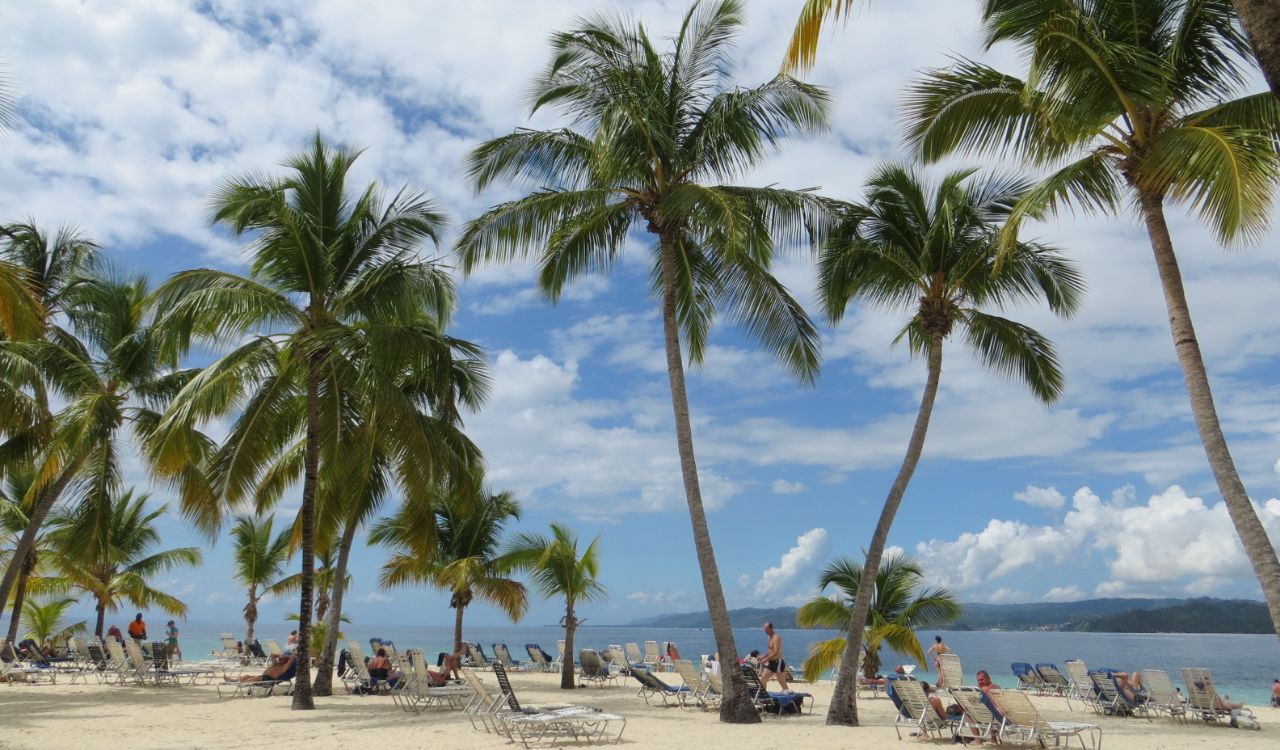
The Dominican Republic faces notable challenges related to violent crime and sexual assault. The country records approximately 10 homicides per 100,000 people, with higher rates in urban zones. Female travelers report harassment in tourist areas and safety concerns when using local transport. Sexual violence cases are frequently underreported, and support systems for victims are limited. While resort areas are well-guarded, independent travel outside these zones can feel unsafe. Police response quality varies, and language barriers may complicate assistance. Solo female travelers often feel restricted to controlled environments to maintain safety.
8. Russia
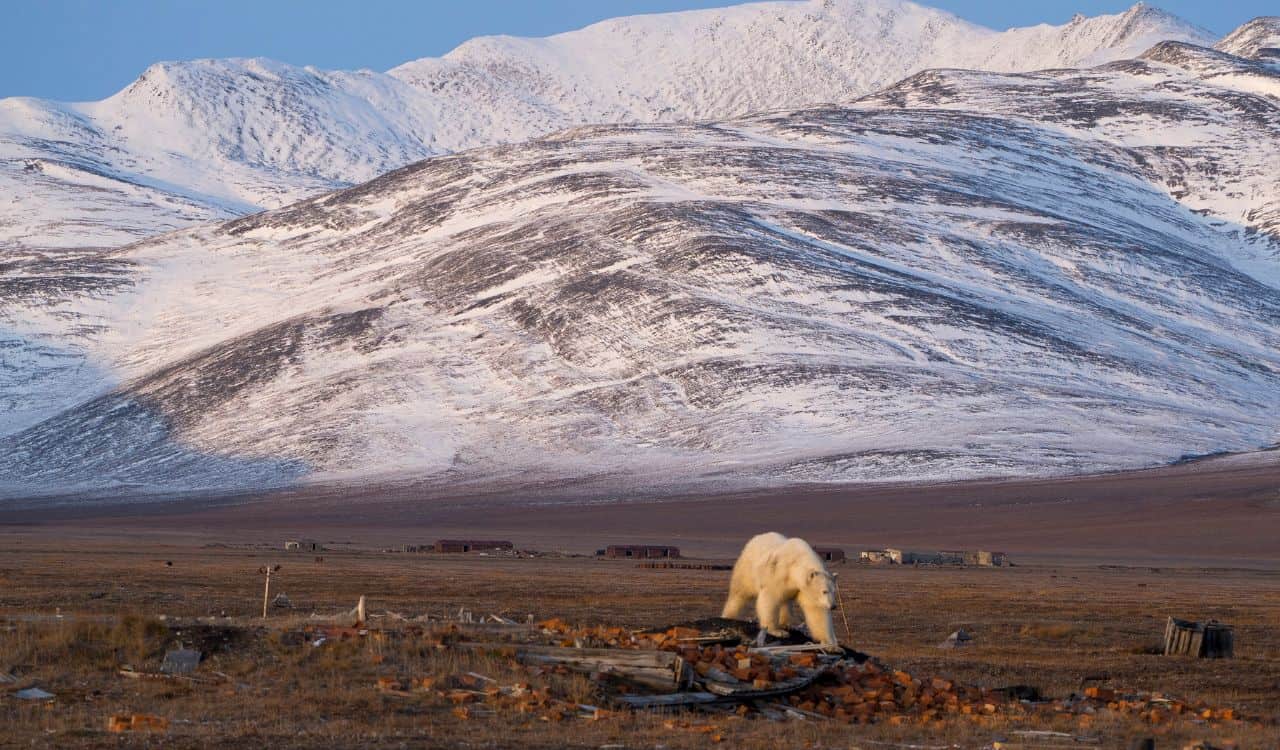
Russia presents unique risks tied to legal and social factors. Domestic violence was partially decriminalized in 2017, weakening protections for women. Surveys show less than 40 percent of women feel safe walking alone at night in major cities. Language barriers, limited English-speaking authorities, and strict laws can complicate emergencies for travelers. Outside Moscow and Saint Petersburg, infrastructure and policing standards decline sharply. While violent crime against tourists is not widespread, gender norms and legal limitations can leave solo female travelers with few options if problems arise.
9. Turkey
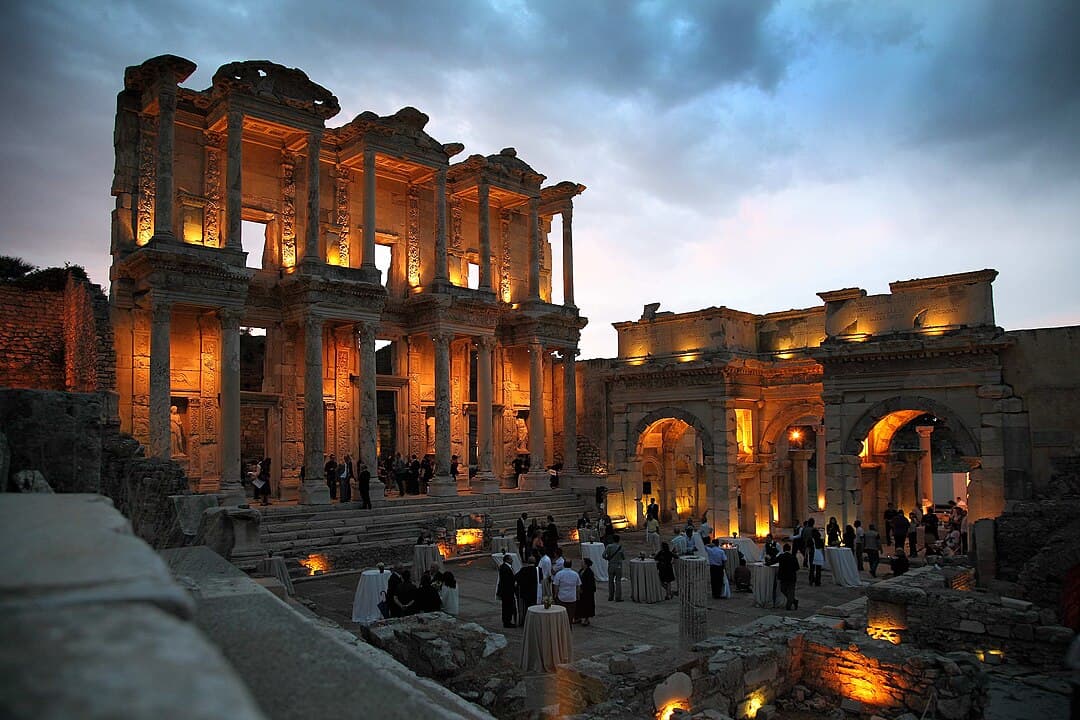
Turkey sits at the intersection of modern tourism and conservative social norms. Reports indicate over 300 femicides annually, highlighting persistent gender-based violence issues. Solo female travelers often encounter harassment, particularly in crowded urban areas and on public transport. While tourist districts in Istanbul and coastal regions are generally safe, attitudes can shift quickly outside these zones. Legal protections exist but enforcement varies. Cultural expectations around dress and behavior can increase scrutiny. Navigating these contrasts requires constant adjustment, which can make solo travel more demanding than expected.
10. Iran

Iran poses significant challenges due to strict legal restrictions on women. Mandatory dress codes are enforced, with penalties including fines or detention. Women’s legal rights are limited in areas such as testimony and personal freedom. While violent crime rates are relatively low, the risk lies in legal consequences rather than street danger. Solo female travelers must comply meticulously with rules, and misunderstandings can escalate quickly. Access to consular help may be restricted, and internet limitations complicate communication. These factors make independent travel stressful despite the country’s rich cultural heritage.