We may earn money or products from the companies mentioned in this post. This means if you click on the link and purchase the item, I will receive a small commission at no extra cost to you ... you're just helping re-supply our family's travel fund.
Happiness rankings can sound abstract, but the best ones measure how people actually rate their lives, not just income or temporary mood. The latest global results keep showing a practical pattern: people report higher well-being where trust is strong, institutions work, and social support is real when trouble hits. Climate, culture, and language differ widely across top-ranked countries, yet their daily foundations often look similar. These 10 nations are not perfect places. They are places where ordinary life tends to feel more stable, more dignified, and less exhausting over time.
Finland

Finland ranks at the top because daily life is built on reliability. Public services are trusted, social safety nets are functional, and institutions are generally viewed as fair. That lowers background anxiety and gives people space to focus on family, work, and health without constant crisis management. Nature access also matters, not as tourism branding, but as a normal part of life that supports restoration. The result is not loud happiness. It is calm confidence that systems will hold when life gets difficult and that people will not be left alone in hard moments.
Denmark
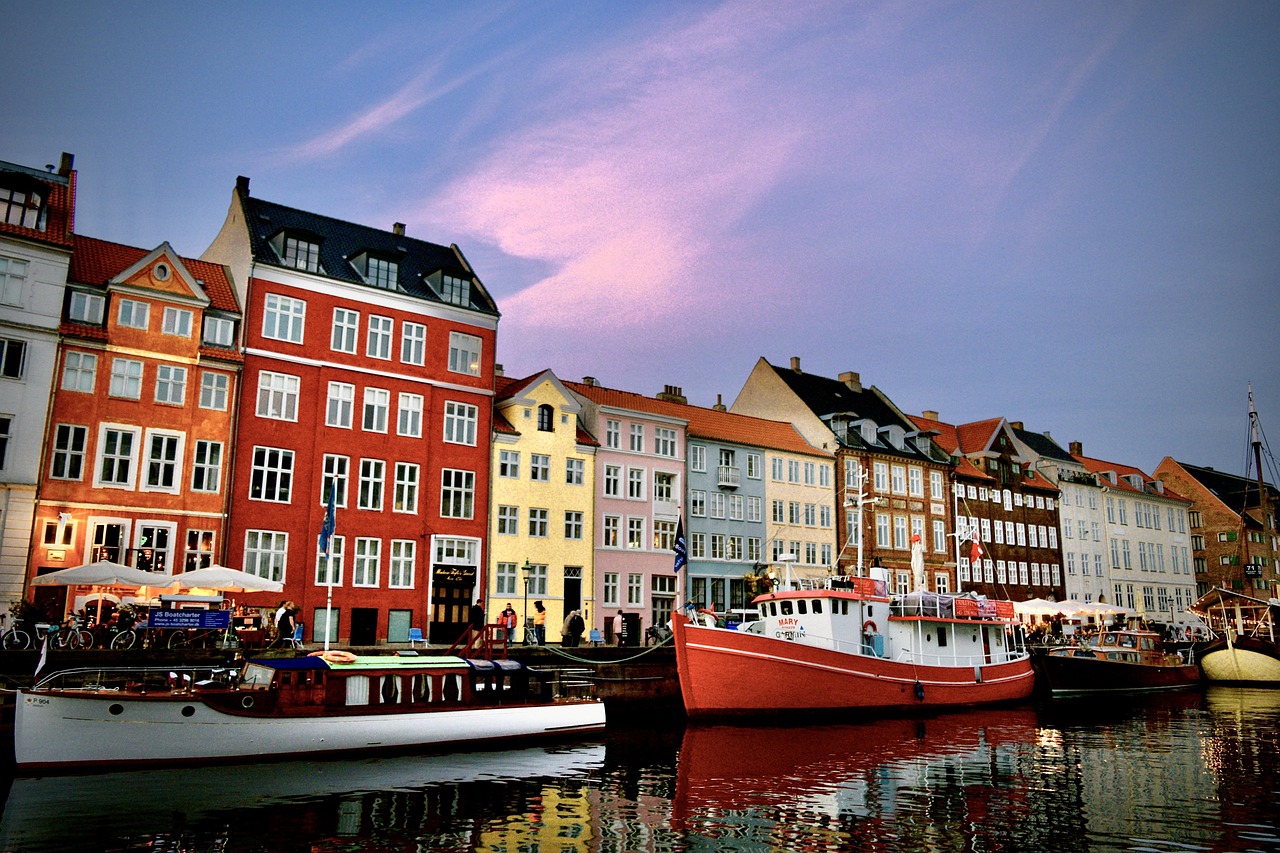
Denmark scores highly because it reduces everyday friction. Childcare, healthcare, education, and transport are structured to feel predictable, and that predictability improves life satisfaction in ways statistics often underestimate. Work culture tends to protect personal time, so relationships and rest remain part of ordinary routines rather than weekend recovery plans. Social trust is also high, both in institutions and in other people, which lowers tension in public life. Happiness here feels grounded, shaped less by extremes of success and more by a durable sense of fairness, security, and shared responsibility.
Iceland
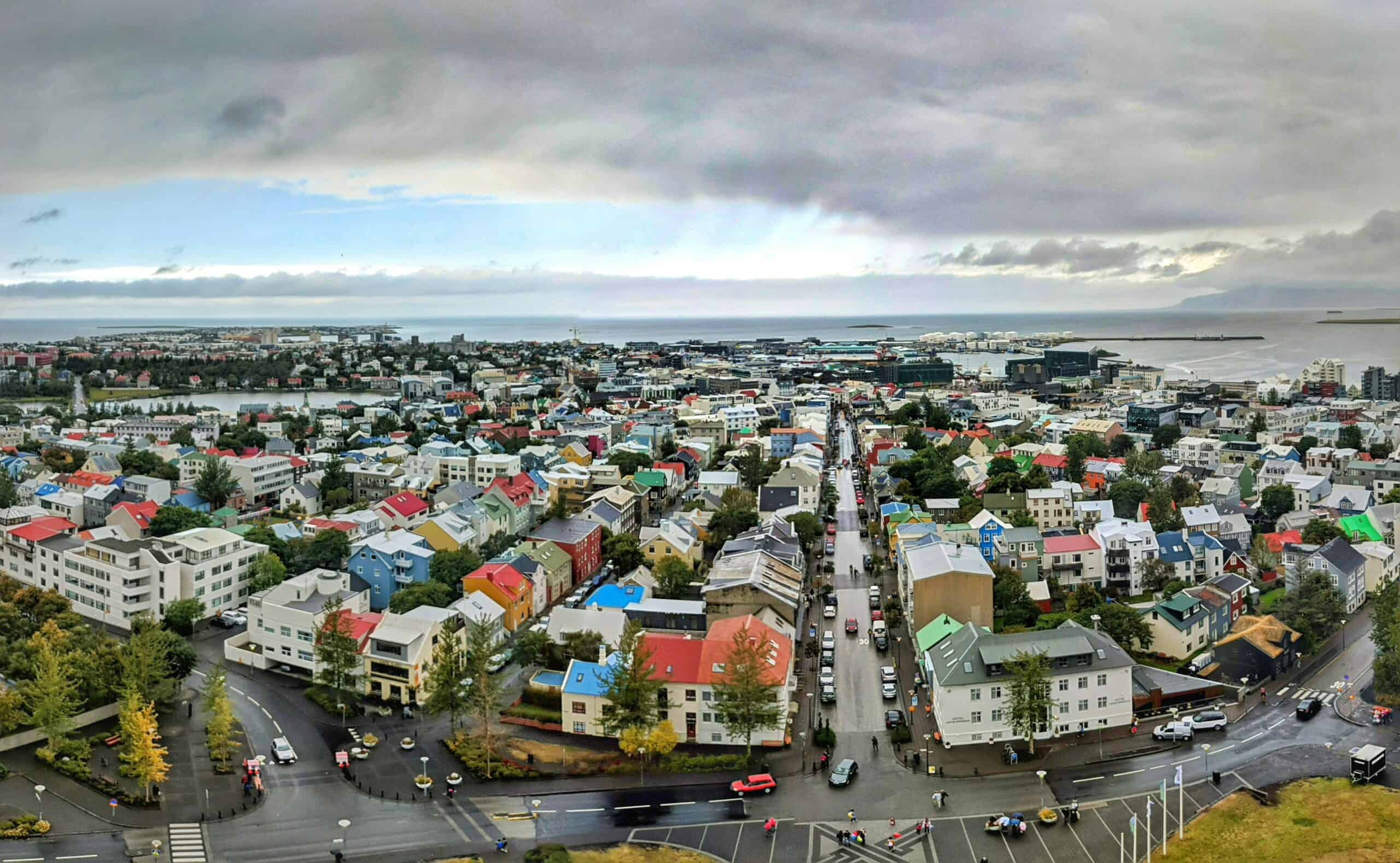
Iceland combines small-community cohesion with strong individual independence, and that balance shows up clearly in well-being outcomes. Even with long winters and demanding weather, life satisfaction remains high because people report strong social support and high trust in public systems. Community ties are active, but personal autonomy is respected, creating a social environment that feels both connected and breathable. Happiness in Iceland is less about constant positivity and more about resilience. People tend to believe they can handle setbacks because they trust both the institutions around them and the relationships closest to home.
Sweden
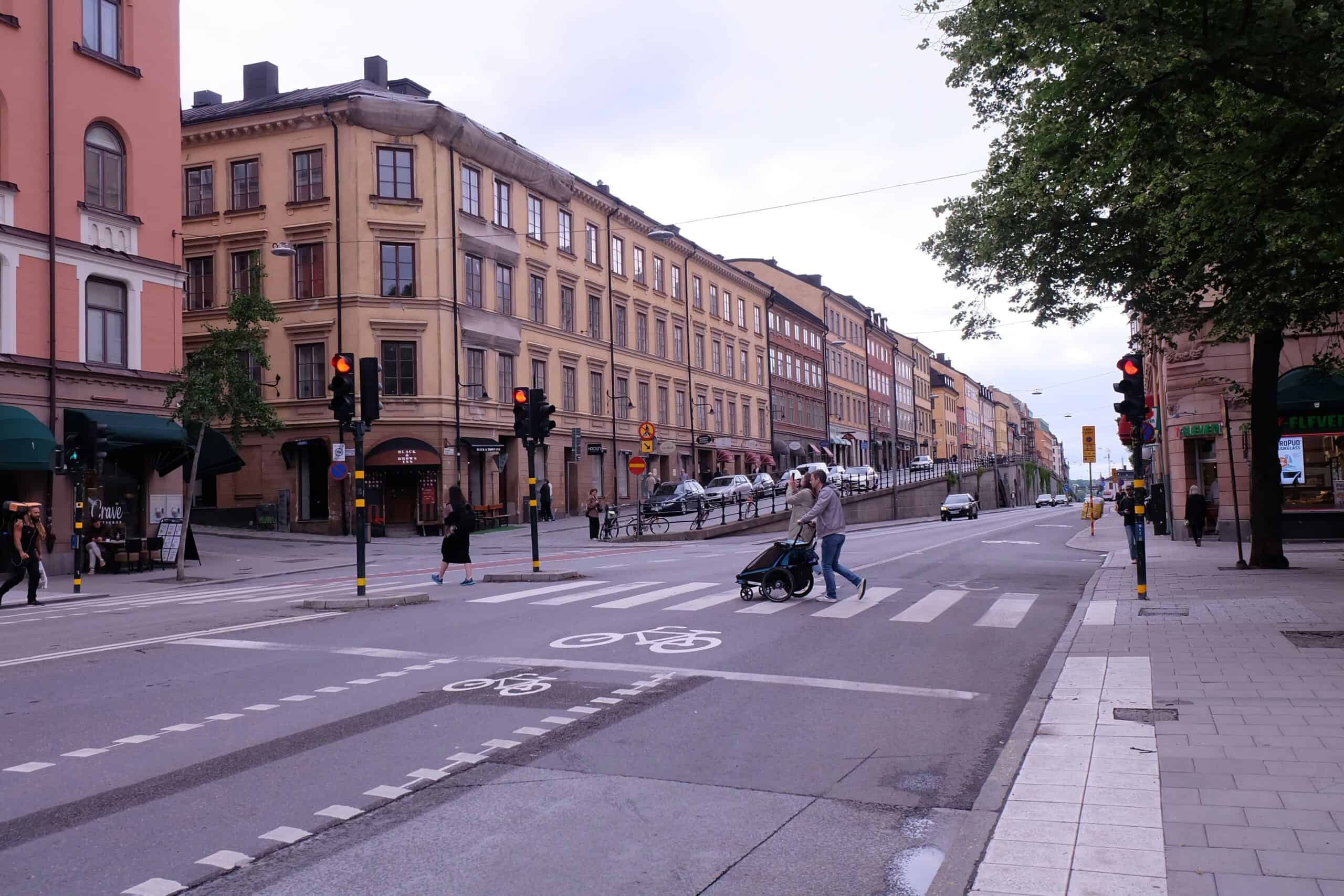
Sweden performs well because it blends personal freedom with collective reliability. Public systems are broadly trusted, neighborhoods are generally safe, and social supports reduce fear around illness, job transitions, and family change. Cultural norms also favor moderation and cooperation, which can lower social conflict and make everyday interactions smoother. The overall effect is subtle but powerful: less uncertainty, less status pressure, and more room for long-term planning. Sweden’s happiness profile is not built on spectacle. It comes from steady, low-drama conditions that help people protect energy for what matters most.
Netherlands
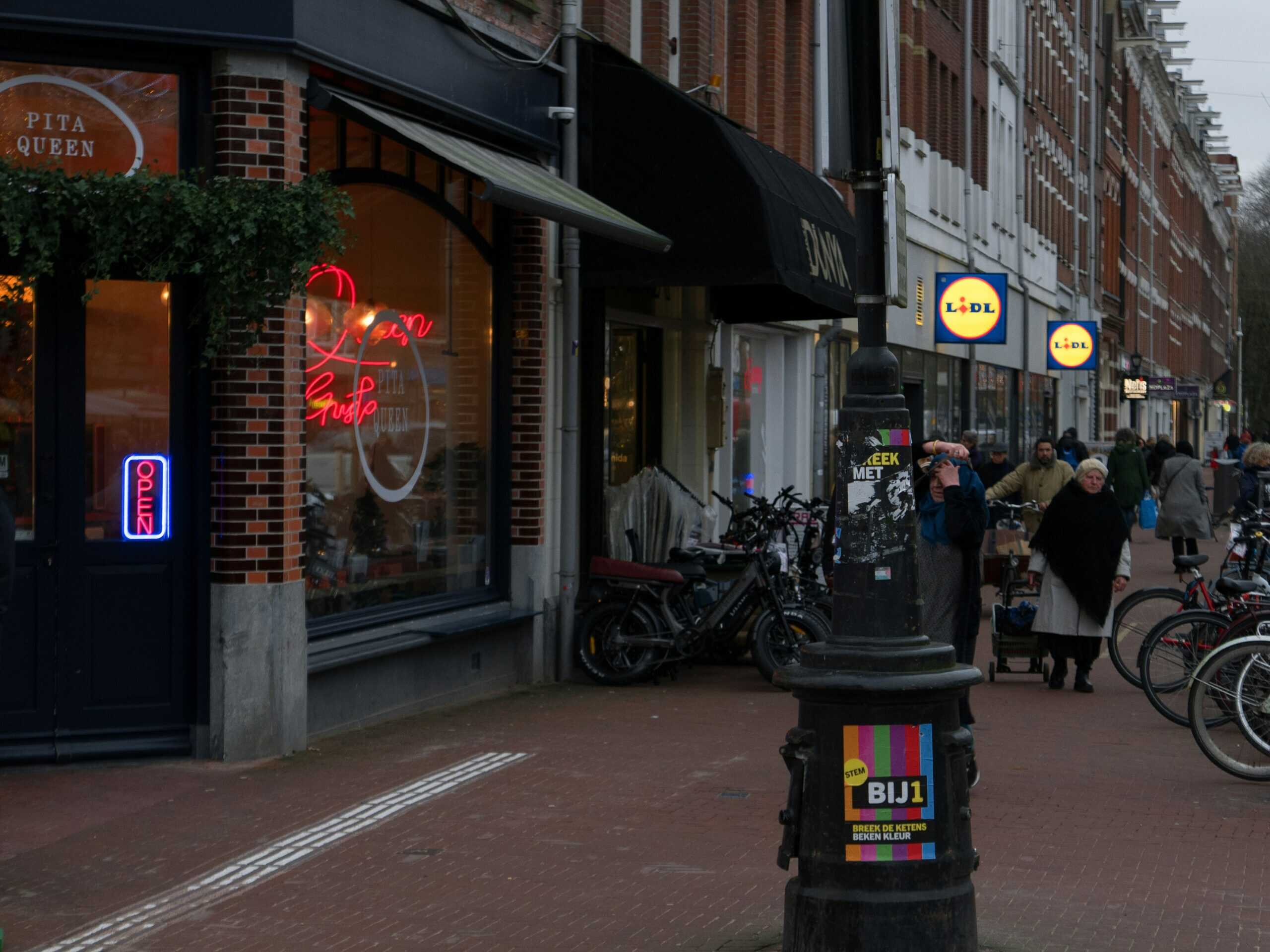
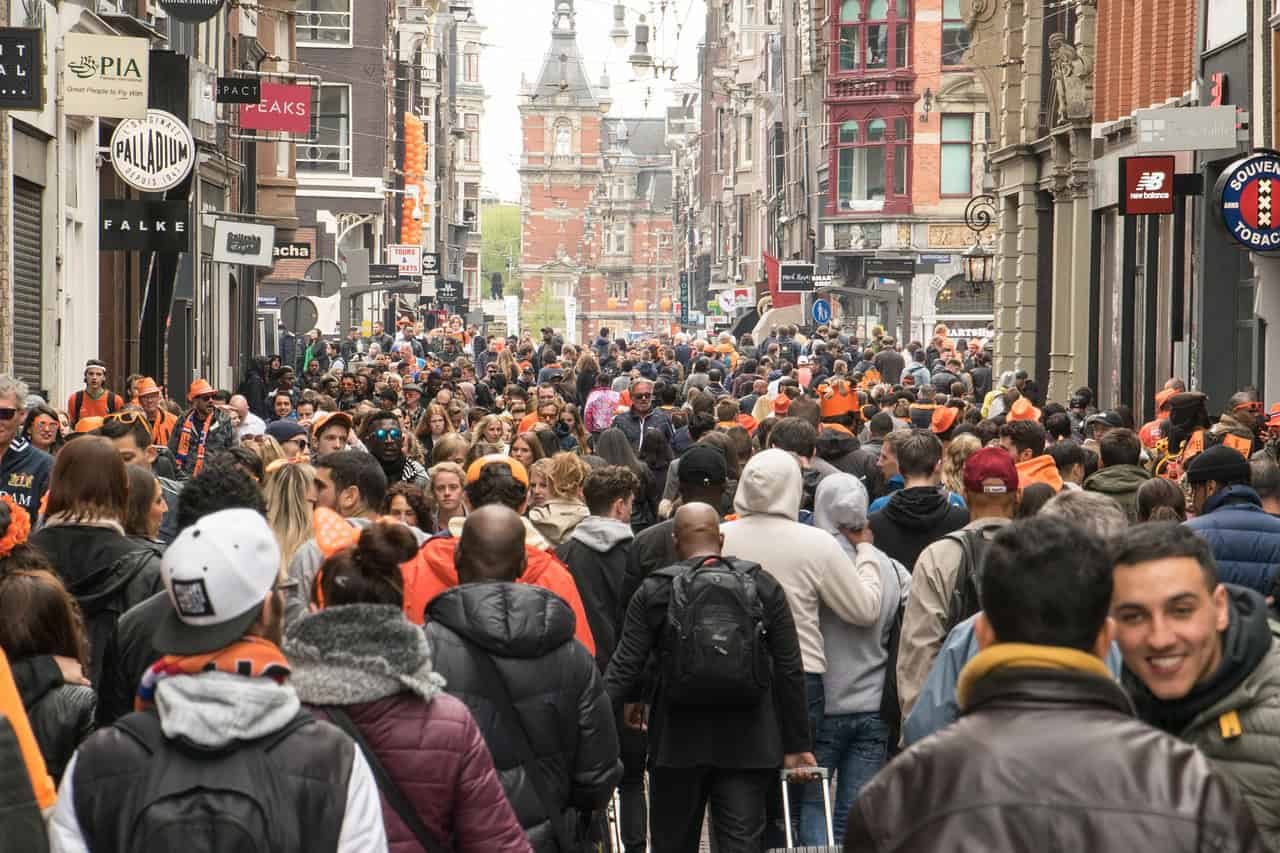
The Netherlands ranks high through practical livability. Cities are designed for daily convenience, with strong cycling infrastructure, efficient transit, and neighborhoods where essential services are accessible without constant strain. Institutional trust and social protections reduce uncertainty, while public spaces support social connection across age groups. People often describe quality of life in concrete terms: manageable commutes, reliable healthcare, and a culture that values balance between productivity and personal life. Happiness here is not abstract. It is built into routines that make ordinary days easier, healthier, and less fragmented.
Costa Rica
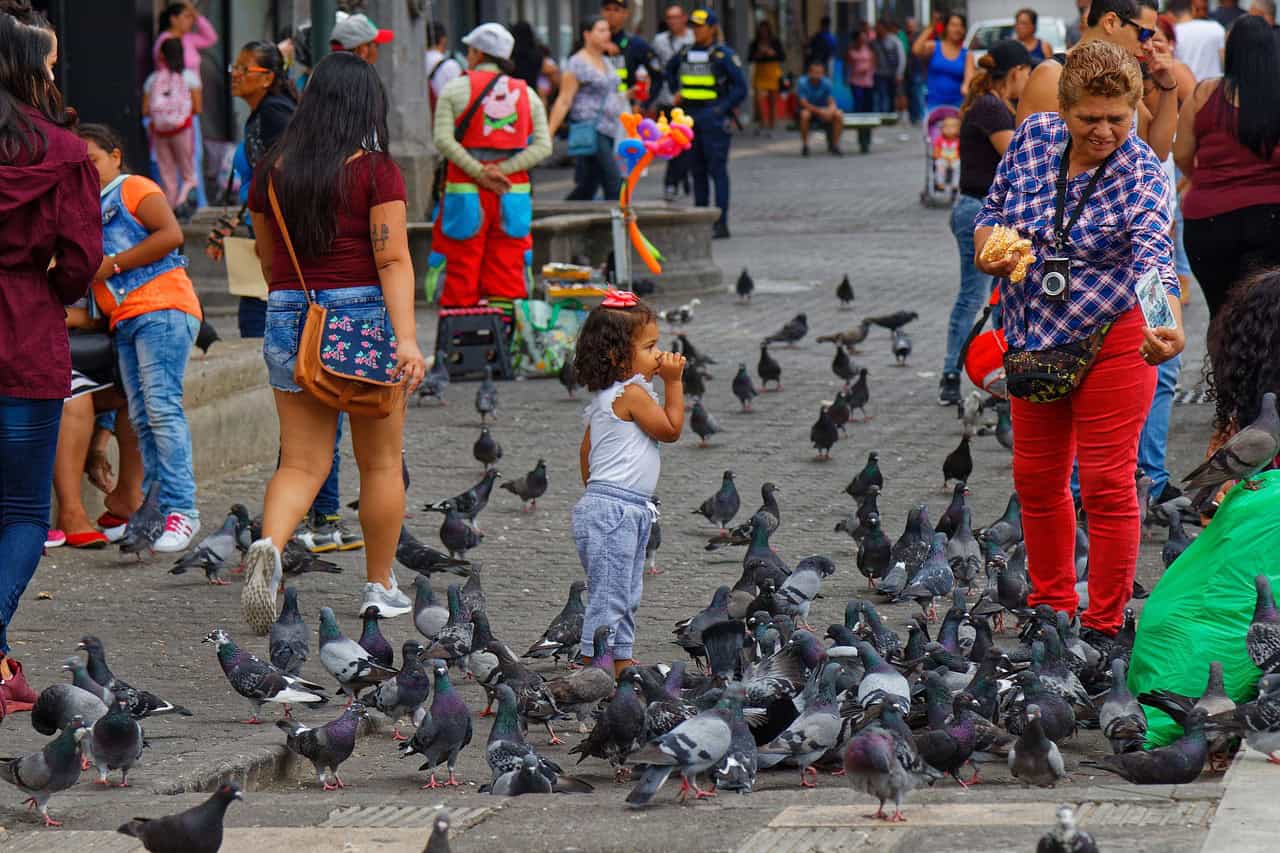
Costa Rica stands out because it proves high well-being is not only a wealth story. Social connection, family cohesion, and community participation play a major role in how people evaluate life quality. Public health progress and relative stability also strengthen confidence in the future. Daily culture places value on relationships, nature, and meaningful time, which helps buffer stress and prevent isolation. The country’s ranking broadens the happiness conversation by showing that support networks and social warmth can lift life satisfaction even when economic resources are more limited than in richer nations.
Norway
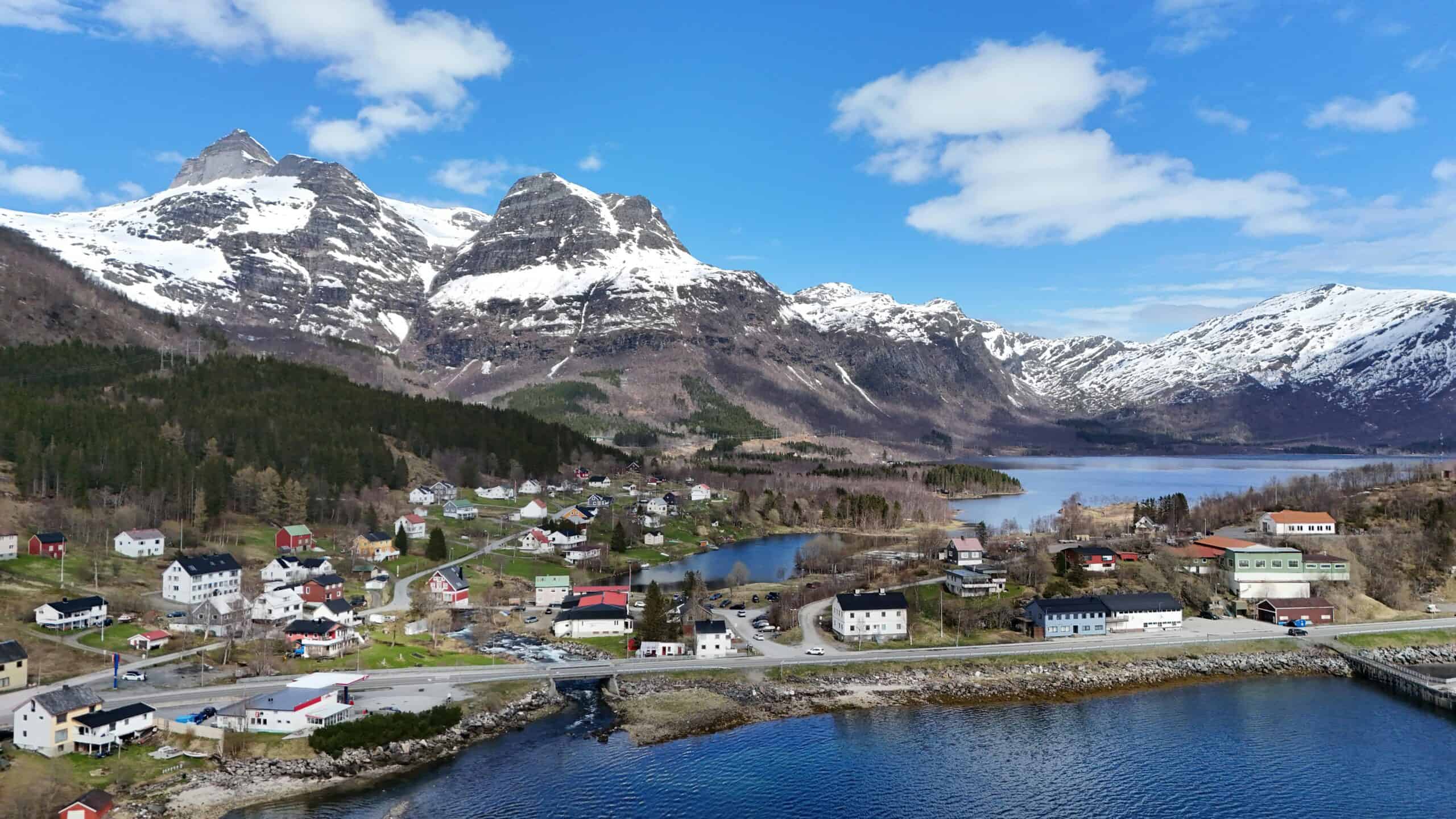
Norway’s high position reflects a strong combination of social trust, public reliability, and economic security. People generally believe institutions function well and that help is available when illness, unemployment, or family strain appears. That sense of backup reduces fear and supports long-term decision-making in ordinary life. Access to nature and outdoor routines also contribute to mental reset across seasons. Norway’s happiness pattern is steady rather than dramatic. It shows how consistent systems and cultural trust can keep well-being durable, even when individual circumstances shift.
Israel

Israel’s ranking is often discussed with nuance because external pressures can be intense, yet life evaluations remain high in many measures. Strong family ties, close social networks, and community support structures appear to play a central role in that resilience. The data suggests that meaning, belonging, and mutual support can sustain well-being even under difficult conditions. This does not erase real challenges. It shows that happiness is multidimensional and shaped by relationships as much as by stability. Social cohesion can carry significant weight when uncertainty is part of daily reality.
Luxembourg

Luxembourg scores strongly because it combines economic capacity with institutional performance that people can feel in daily life. Public services are generally efficient, social protections are substantial, and administrative systems tend to function with low friction. Those conditions reduce stress around essentials such as healthcare, education, and mobility. The country also benefits from scale, which can make governance more responsive when public trust remains high. Happiness here is not about image. It comes from practical ease, where routine tasks and long-term planning require less emotional and financial strain.
Mexico
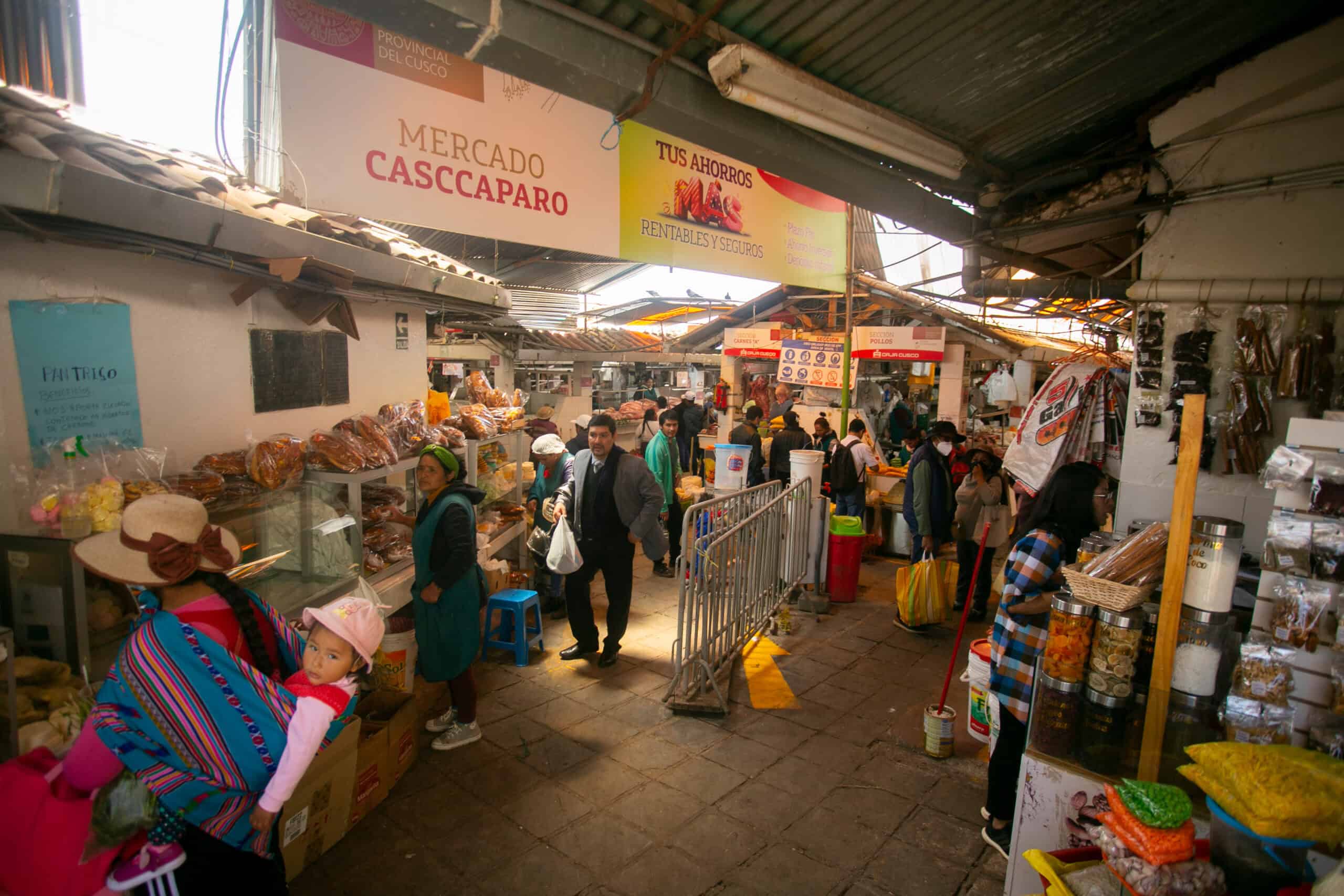
Mexico’s place among top-ranked countries challenges narrow assumptions about well-being. Strong social bonds, family structures, and community life appear to raise life evaluations in measurable ways, even alongside unresolved structural challenges. Shared routines, intergenerational support, and cultural warmth can protect people from isolation and increase daily meaning. The ranking does not claim that conditions are uniformly easy. It highlights that happiness data captures lived social experience, not only macroeconomic indicators. Mexico’s result is a reminder that belonging and human connection are central to how people judge their lives.