We may earn money or products from the companies mentioned in this post. This means if you click on the link and purchase the item, I will receive a small commission at no extra cost to you ... you're just helping re-supply our family's travel fund.
For decades, international travel from the United States benefited from open skies, relaxed entry rules, and deep global cooperation. Recently, however, more inward-focused policies have begun reshaping how Americans move across borders. These changes are not abstract political ideas; they show up in ticket prices, airport experiences, insurance fine print, and even how welcome travelers feel abroad. From longer waits to higher costs and fewer options, the ripple effects touch nearly every stage of a trip. Understanding these shifts helps travelers plan smarter, budget more accurately, and adjust expectations in a rapidly changing global travel landscape.
1. Airfare Is Rising as Route Competition Shrinks
As international air agreements tighten, airlines lose flexibility to launch or maintain routes. Over the past five years, the number of nonstop international routes from mid-sized U.S. airports has dropped by roughly 12 percent. Less competition often translates to higher prices, with average international fares rising about 18–25 percent compared to pre-restriction levels. Travelers are increasingly forced into longer connections through major hubs, adding 2–5 hours to total travel time. For families, this also raises costs for baggage, meals, and seat selection, turning once-manageable trips into major financial commitments.
2. Visa Processes Now Take Longer and Cost More
When entry rules tighten on one side, reciprocal measures usually follow. Americans now face visa requirements in about 15 percent more countries than a decade ago. Processing times that once averaged 5–7 days can stretch to 30–60 days, with fees climbing from around $50 to $160 or more. Many applications now require proof of income, travel insurance, and confirmed lodging. These added steps increase planning stress and reduce spontaneity, especially for last-minute travelers or those planning multi-country itineraries within limited vacation windows.
3. Budget International Flights Are Disappearing
Low-cost international carriers rely heavily on flexible regulations and cross-border cooperation. As restrictions grow, nearly 20 percent of ultra-low-cost transatlantic and regional routes have been cut since 2019. This reduces access to fares that once dipped below $400 round-trip. Travelers from smaller cities are hit hardest, often paying $250–$500 more to reach the same destination. Fewer budget options also push demand toward legacy airlines, reinforcing price increases and making international travel feel increasingly exclusive rather than broadly accessible.
4. Border Checks Are Slower Even for U.S. Citizens

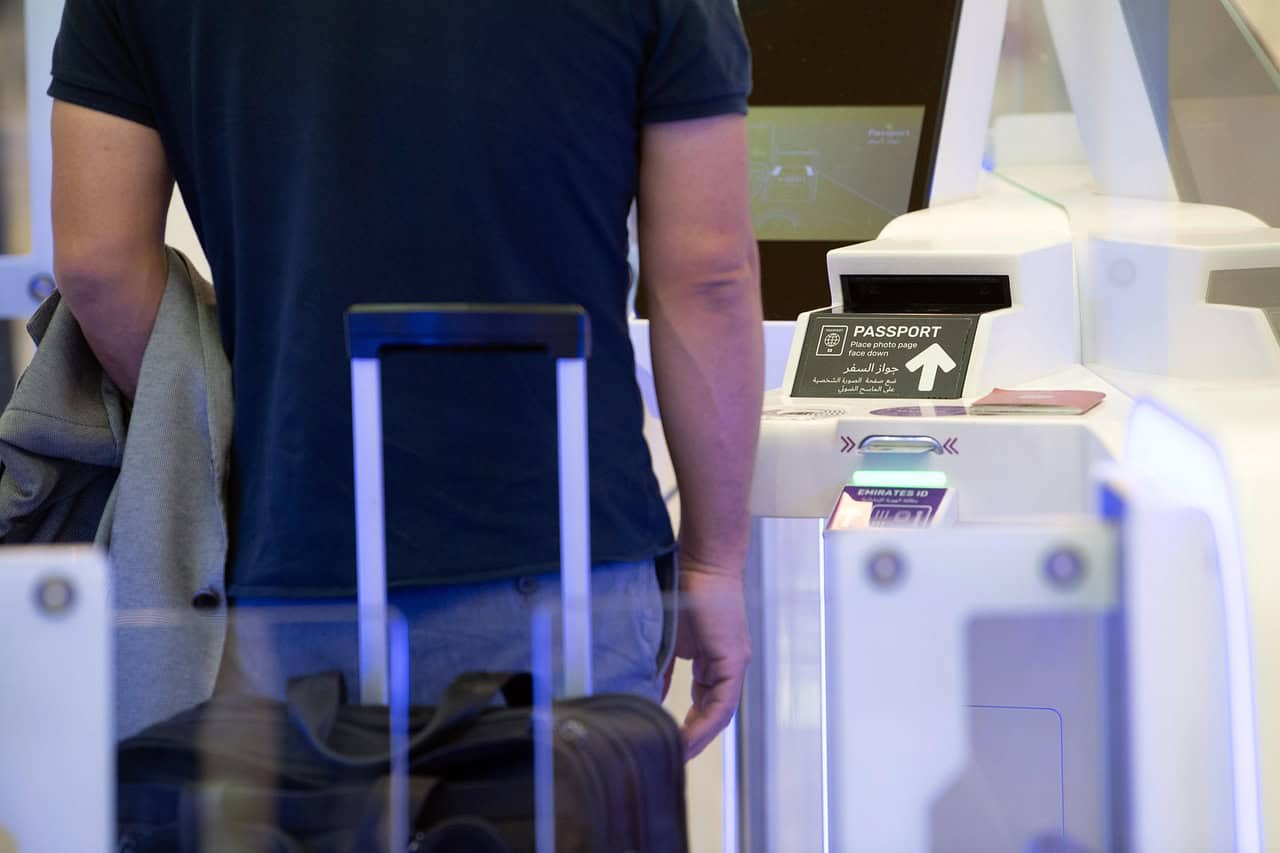
Enhanced screening measures often accompany isolation-leaning policies. Average re-entry wait times for U.S. citizens at major airports have increased by about 30–40 percent during peak hours. Lines that once moved in 20 minutes now frequently exceed 45 minutes, even with automated kiosks. Trusted traveler programs still help, but staffing shortages and stricter protocols reduce their efficiency. Missed connections, extended jet lag, and airport crowding have become common complaints, particularly for travelers returning from Europe and Asia.
5. Cultural and Educational Travel Options Are Shrinking
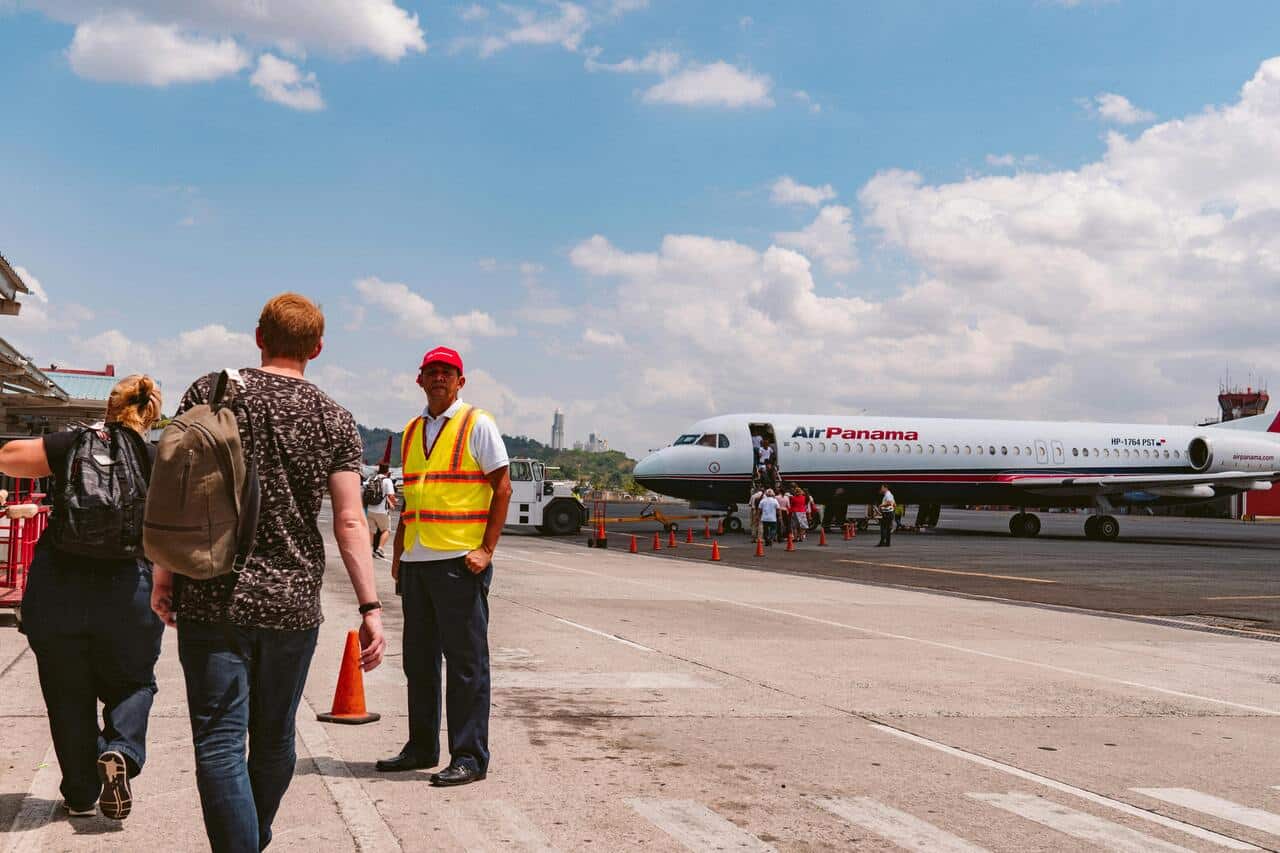
Government-supported exchange programs and bilateral travel initiatives have declined steadily, with funding reductions of roughly 25 percent over the last decade. This affects travelers indirectly by reducing language immersion tours, local homestays, and guided cultural experiences. Americans increasingly rely on commercial tour operators rather than community-based programs, which can raise costs by 30 percent or more. The result is a more transactional travel experience, offering fewer opportunities for meaningful interaction and deeper understanding of local cultures.
6. Travel Insurance Has Become More Expensive and Limited
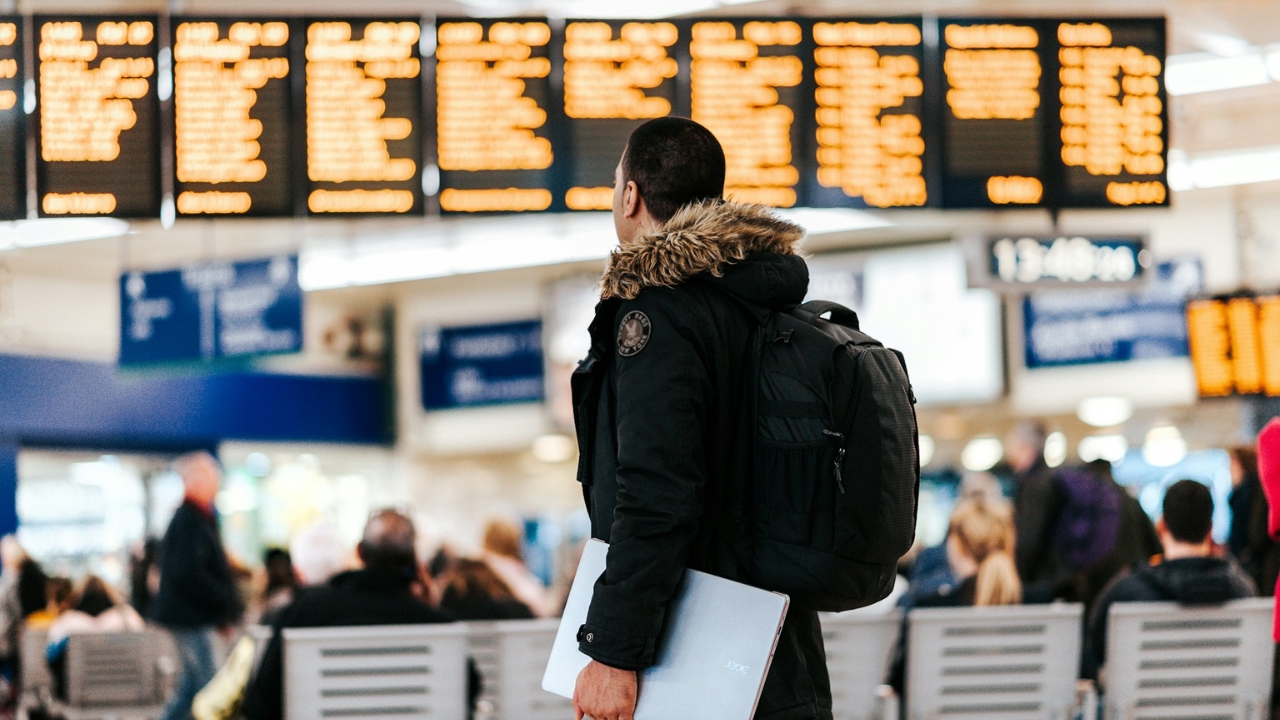
As diplomatic cooperation narrows, insurers reassess risk exposure. Premiums for international travel insurance have risen approximately 15–22 percent since 2020. Coverage exclusions are also more common, especially for medical evacuation, political disruptions, or border closures. Some policies now cap overseas medical coverage at lower limits, such as $50,000 instead of the former $100,000 standard. Travelers must spend more time comparing plans and often purchase add-ons, increasing both cost and complexity before departure.
7. Loyalty Programs Deliver Fewer Global Benefits
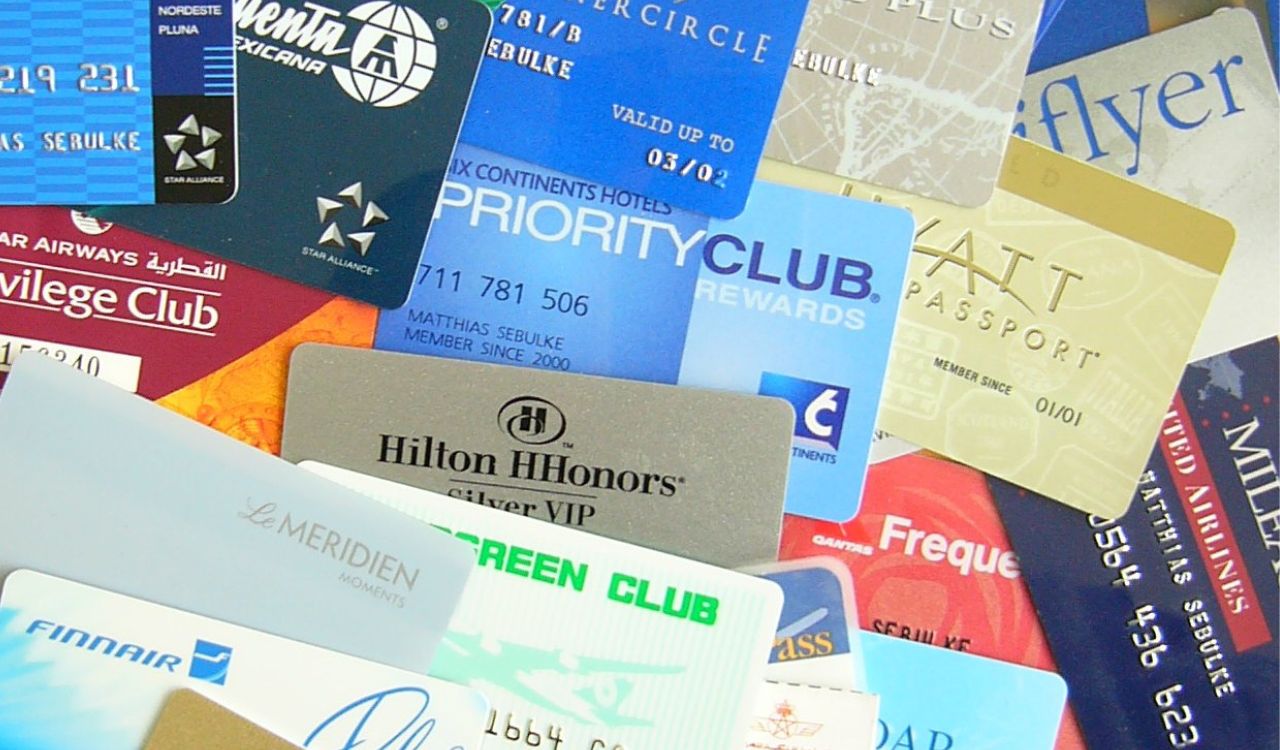
Airline alliances and hotel partnerships depend on stable international cooperation. Over the past few years, travelers have seen a reduction of roughly 20 percent in cross-brand mileage earning and redemption opportunities. Elite perks such as lounge access, upgrades, and late checkouts are less consistently honored abroad. Redemption rates have also increased, with some international flights requiring 30–40 percent more points than before. This weakens the value of long-term loyalty and makes reward travel less predictable.
8. Tourist Services Abroad Are Scaling Back for Americans

When fewer Americans travel internationally, destinations adjust. In some regions, U.S. visitor numbers have dropped by 10–18 percent, prompting reduced English-language services, fewer direct flights, and scaled-down tourism staffing. Guided tours may operate less frequently, and customer support in English can be limited. While destinations remain welcoming, the overall ease of travel declines, particularly for older travelers or first-time international visitors who rely more heavily on structured services.
9. Travel Gear and Essentials Cost More at Home
Isolation-focused trade policies often include tariffs that affect consumer goods. Prices for luggage, electronics, and travel accessories have risen an estimated 12–20 percent over recent years. A suitcase that once cost $120 may now exceed $150, while essential items like power adapters and noise-canceling headphones see similar increases. These upfront costs add hundreds of dollars to a trip budget before flights or hotels are even booked, disproportionately affecting budget-conscious travelers.
10. Fewer Americans Are Traveling Abroad Overall

Perhaps the most lasting effect is behavioral. Surveys indicate that the percentage of Americans taking at least one international trip annually has fallen from about 42 percent to closer to 35 percent. Higher costs, added friction, and administrative hurdles discourage exploration. Over time, this reduces cultural familiarity and global awareness, subtly reshaping how Americans perceive the world. Travel becomes less of a shared experience and more of a privilege reserved for those with greater financial and logistical flexibility.