We may earn money or products from the companies mentioned in this post. This means if you click on the link and purchase the item, I will receive a small commission at no extra cost to you ... you're just helping re-supply our family's travel fund.
America in 2026 still delivers the familiar mix of big skies, big portions, and big distances, but the seams of travel are shifting. Airports lean harder on identity tech, booking platforms show prices more honestly, and road trips require more digital prep than a paper map ever demanded. At the same time, cities reprice space, parks tinker with reservations, and weather pressures nudge plans toward flexibility. The differences are not dramatic on their own. Together, they change the rhythm, making the journey feel more managed, more app-driven, and occasionally more formal than visitors remember.
REAL ID Raises the Stakes for Domestic Flights
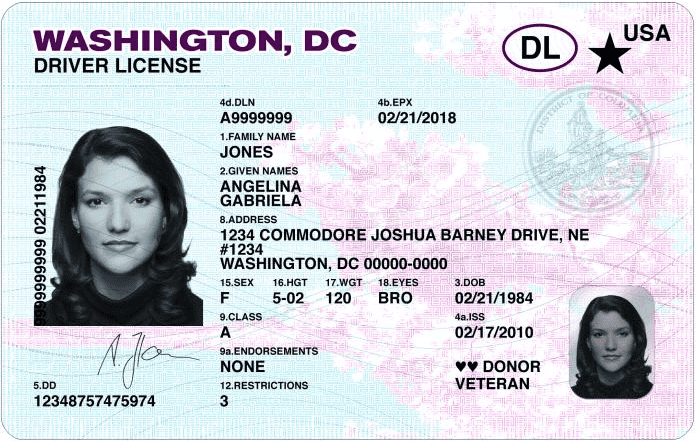
In 2026, a domestic flight starts with higher stakes at the checkpoint, because older state IDs can trigger extra friction. REAL ID is now the baseline for boarding, and travelers who arrive without an acceptable credential may be pushed into added identity verification that slows the whole line, especially at dawn when staffing is thin. Even when the ticket is cheap and the route is short, the mood feels more formal, with agents looking for the star-marked license or backups like a passport or trusted traveler card, and small mistakes turning into missed bins, missed boarding groups, and a stressful first hour of the trip for everyone near.
Touchless ID Turns Faces Into Boarding Passes
Airports in 2026 feel more like quiet labs, with cameras doing work that used to happen in human hands. TSA’s PreCheck Touchless ID uses facial comparison to confirm identity for some enrolled travelers, and the choice to opt in through a participating airline or stick with a physical ID adds a new decision point at the start of screening. As more checkpoints add bag drops, app prompts, and face-based matching, the experience becomes faster for some, yet more watchful for everyone, and it is not available everywhere, so expectations shift by terminal with reminders about privacy, opt-outs, and how long images are kept after the flight.
Border Arrivals Feel More Biometric
International arrivals in 2026 can feel more photographed than welcomed, even when the airport runs smoothly. A DHS rule that took effect late in 2025 broadened authority to collect facial images and other biometrics from non-citizens at entry and departure points, and it expanded coverage to travelers under 14 and over 79 who were once routinely exempt. For many, the change is subtle, a camera pause at a kiosk or gate, but the message is clear: identity is being verified by systems as much as by stamps, quietly and constantly in real time, with a phased expansion ahead and debates about consent, retention, and accuracy shadowing the process.
Refunds Become Less of a Fight

Flight disruptions in 2026 still happen, but the paperwork is less mysterious when plans unravel mid-connection. A DOT rule finalized in 2024 pushed airlines and ticket agents toward automatic refunds for eligible cancellations and major schedule changes, and it also targets add-ons by requiring fee refunds in cases like checked bags that arrive late. That shift changes the emotional tone at the gate: fewer desperate arguments, more requests backed by receipts, and a stronger expectation that money returns to the original form of payment without a long back-and-forth, even when the trip continues on a different flight and the app keeps proof.
Hotel Prices Look Closer to the Truth Up Front

Booking a room in 2026 is less of a treasure hunt for the real prices, because regulators have pushed harder against hidden mandatory fees. The FTC’s rule on unfair or deceptive fees requires short-term lodging sellers to display the total price, including mandatory charges, clearly and prominently, usually before taxes, so the first number seen is closer to what will actually be paid. That does not end every surprise, but it changes the feel of planning: fewer angry check-in counters, more honest comparisons between neighborhoods, and less temptation to book the cheapest headline rate that balloons later with resort fees and service charges.
National Parks Demand More Calendar Math

Road trips in 2026 come with a new kind of packing list: login details, timed-entry tickets, and screenshots that prove a reservation exists. Major parks continue to experiment with vehicle reservation systems, and the uncertainty itself becomes part of the travel feel, because some sites keep programs, others pause them, and a season’s rules can shift late. At places like Yosemite, Arches, and Rocky Mountain, planning moves from romantic spontaneity to calendar math, with entry windows, limited releases, and the quiet stress of watching a booking page refresh while sunrise drives and family schedules hang in the balance often within minutes.
Manhattan Driving Comes With a New Price Tag
Piotr Osmenda/Unsplash
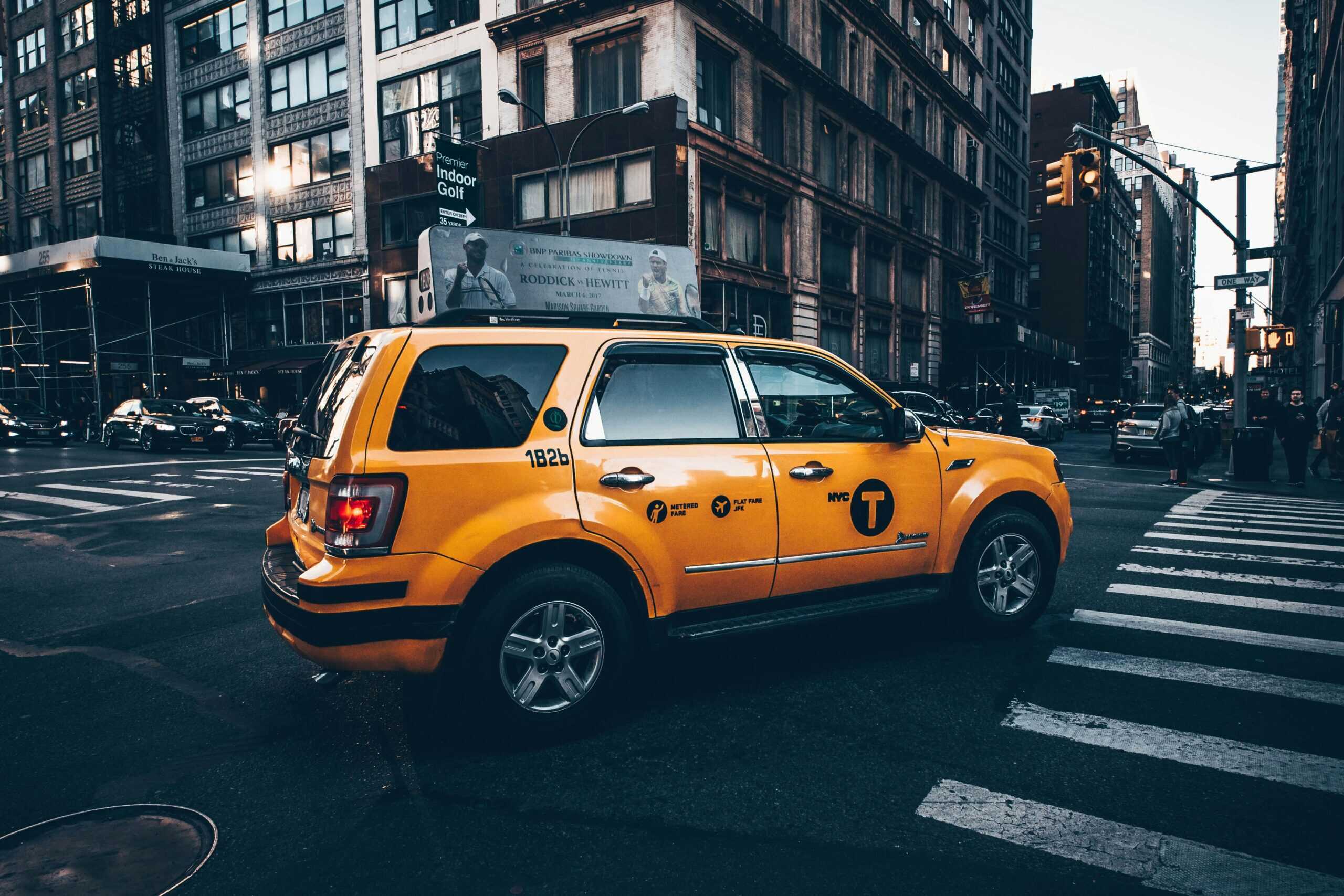
City travel in 2026 can feel more priced by geography, especially in New York, where driving into the densest core now has a metered cost. Since Jan. 5, 2025, the MTA’s Congestion Relief Zone, toll has charged vehicles entering Manhattan on streets at or below 60th Street, reshaping how visitors choose hotels, rental cars, and even airport pickups, because a wrong turn can carry a fee. The change also alters the street mood: fewer cars idling in midtown, more delivery bikes and curbside choreography, and a clearer divide between those moving by subway and those paying for the privilege of a private ride through the busiest grid in peak hours.
Passport Renewal Feels More Like an Online Task
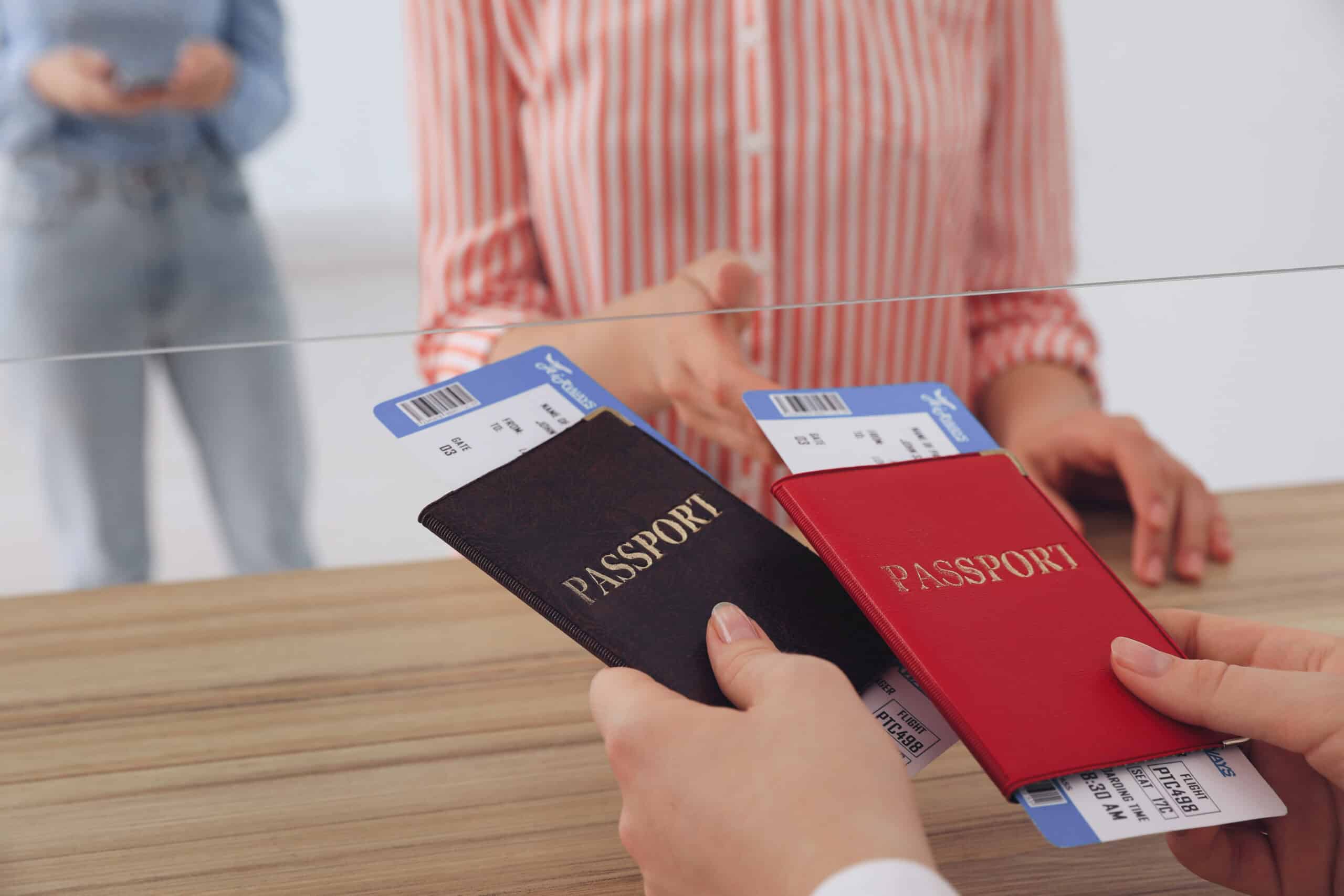
For American citizens, the paperwork side of travel in 2026 is increasingly online, which changes the tempo long before the airport more than ever. The State Department’s online passport renewal option lets eligible adults renew without a paper application, using digital payment, photo upload, email updates, and a status tracker, then mailing the old passport after the online steps are done. The convenience reshapes expectations: fewer midday trips to post offices, more late-night form filling, and a new kind of travel anxiety focused on login passwords, image requirements, and whether an approval email arrives before a flight date closes in.
Weather Becomes Part of the Itinerary
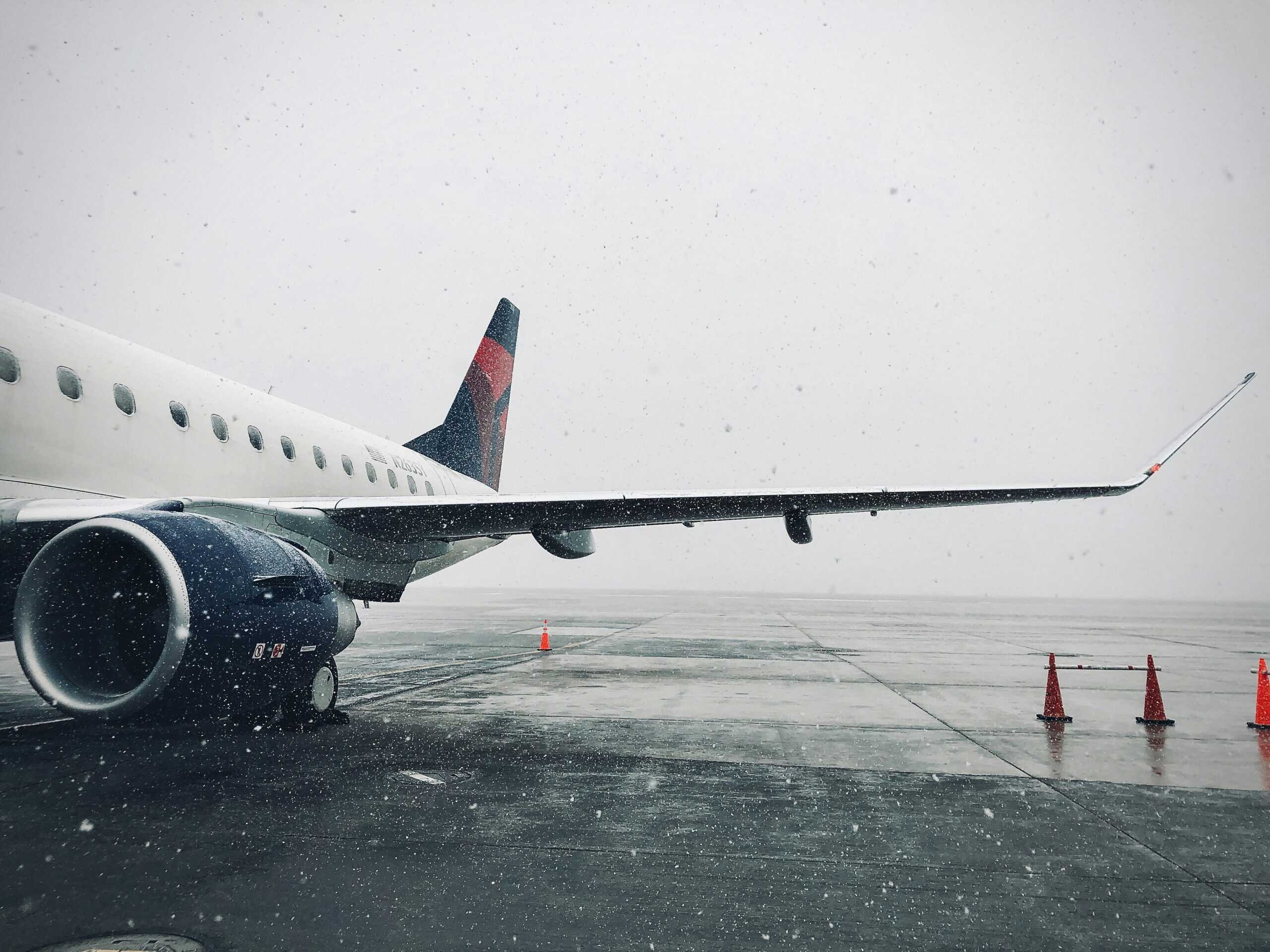
In 2026, weather feels like a recurring character in American travel, not a background detail, especially in shoulder seasons that used to be calmer. Heat waves can reshape city days, wildfire smoke can dim mountain views, and hurricane forecasts can empty coastal flights, so itineraries bend toward flexibility, early starts, and indoor backups. The difference is not only the storms themselves, but the planning culture around them: hotel policies checked twice, rental cars booked with cancelable rates, and travelers watching alerts with the same attention once reserved for restaurant reservations and museum tickets, and waivers saved in apps.
More Travel Moments Start With a Screen
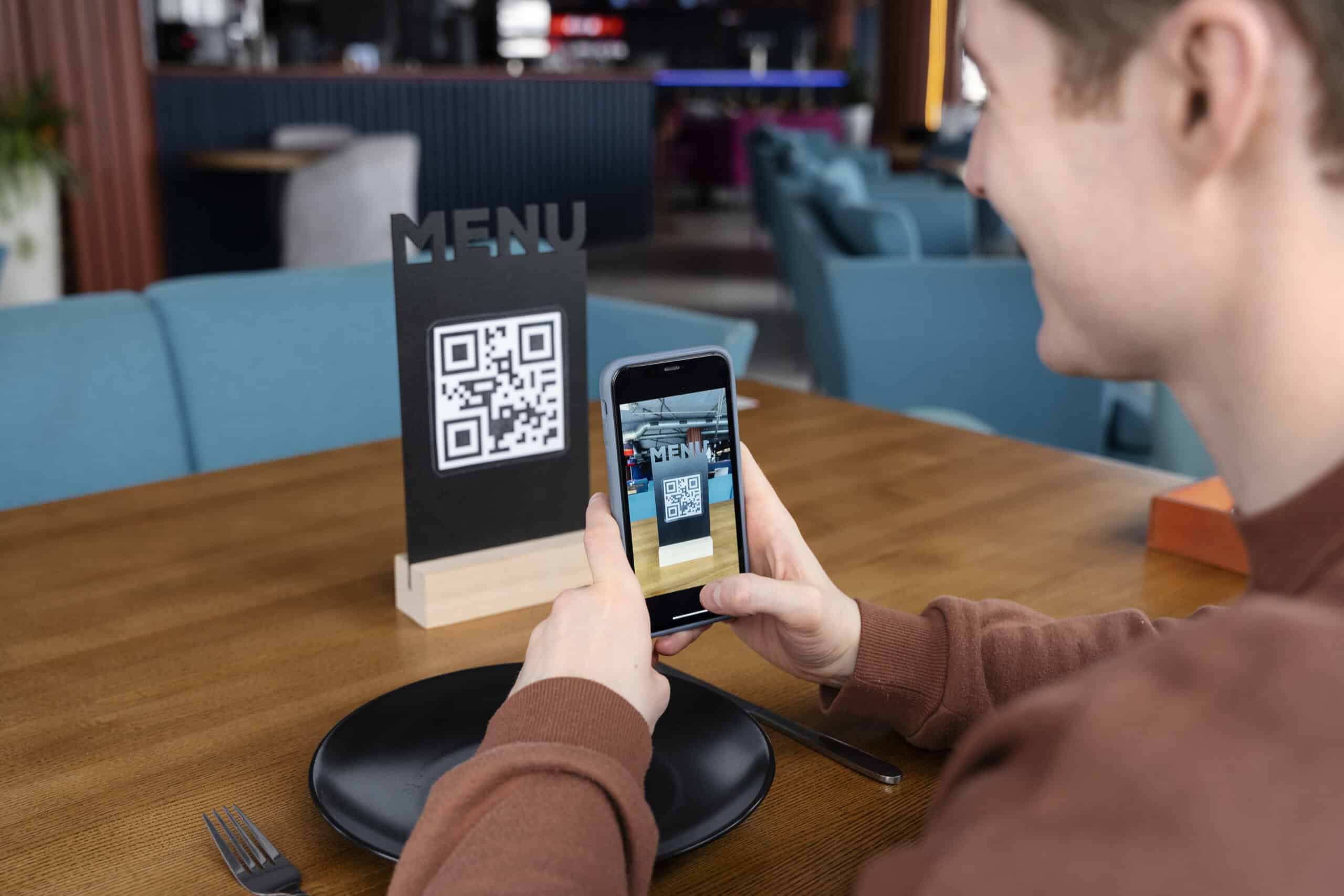
America in 2026 often speaks through screens first, even in places built on hospitality, and that shift changes how travel days feel. QR menus, app-based ordering, kiosk check-ins, and contactless payments and less cash in pockets make meals and hotel lobbies faster, but they also reduce small human cues that once guided visitors through unfamiliar routines. The most noticeable change is the constant asking, not by a person but by a tablet: tip prompts for simple transactions, sign-ups for loyalty accounts, and push notifications that follow the traveler from gate to rental counter, turning convenience into a steady stream of micro-decisions.