We may earn money or products from the companies mentioned in this post. This means if you click on the link and purchase the item, I will receive a small commission at no extra cost to you ... you're just helping re-supply our family's travel fund.
Weather can uplift a trip or upend it entirely, especially in regions where nature shifts moods quickly and dramatically. Many picturesque destinations face recurring storms, sudden temperature swings, or harsh seasonal extremes that disrupt plans without warning. Understanding these patterns helps travelers time their visits wisely, pack appropriately, and avoid situations where unpredictable skies overshadow the landscapes they hoped to enjoy.
1. Maldives : Monsoons That Shift the Mood

The Maldives faces two dominant monsoon seasons, with rainfall peaking from May to October and averaging nearly 230 mm monthly. Winds regularly reach 22–28 mph, creating rough seas that slow boat transfers and cloud diving visibility. Storms form quickly, interrupting excursions and limiting access to remote sandbanks. While resorts manage conditions efficiently, visitors who plan around calmer months enjoy more dependable sunshine and smoother travel between the islands’ turquoise lagoons.
2. Iceland : Rapid Storm Cycles Challenge Travel
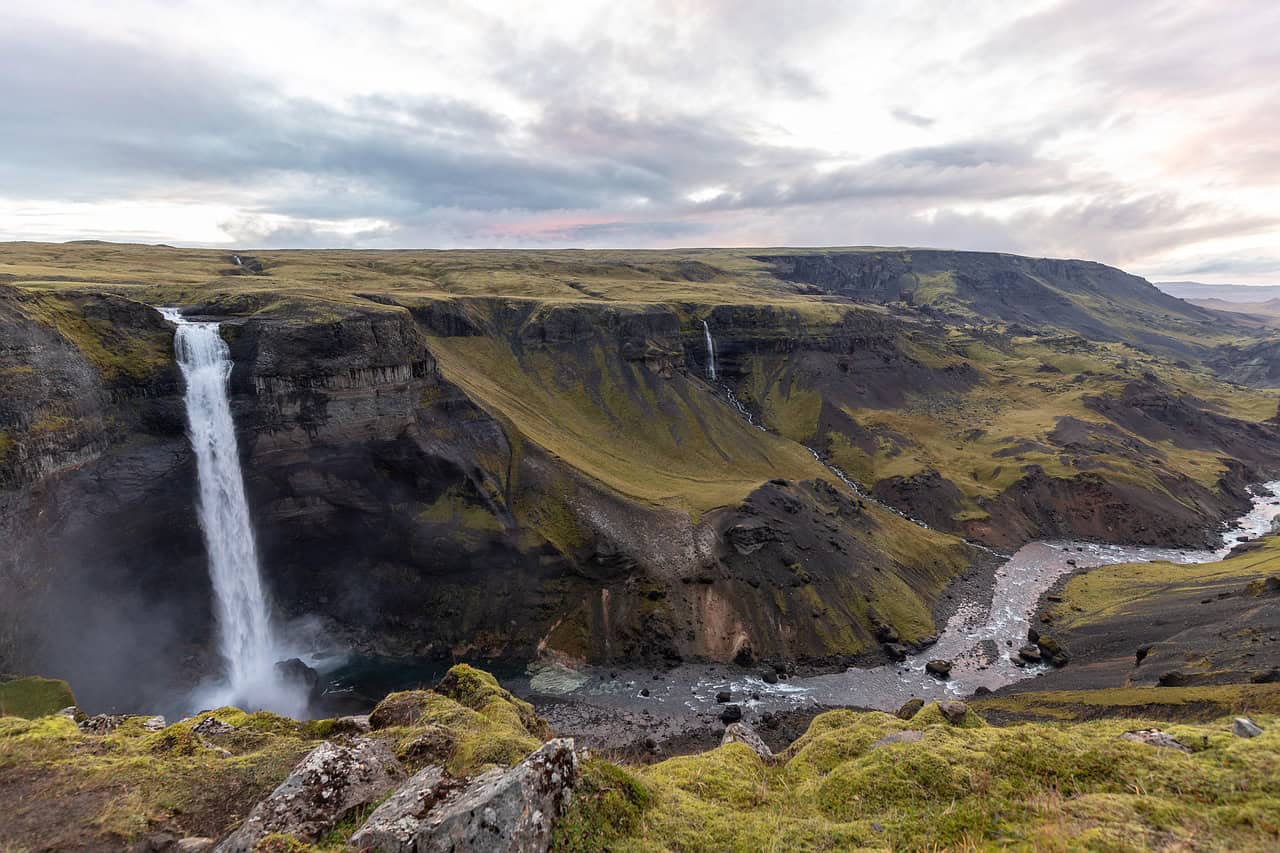
Iceland frequently battles winds exceeding 30 mph, while sudden gusts can drop visibility below 300 feet in minutes. Winter temperatures hover around –5°C, and storms often force closures along major sections of the Ring Road. Autumn rainfall averages 80–100 mm monthly, adding to road hazards. Travelers must stay flexible, as weather shifts faster than forecasts predict, often requiring last-minute route changes to explore Iceland’s dramatic landscapes safely.
3. Bali : Wet Season Downpours Redefine Plans

Bali’s wet season from November to March brings heavy rainfall above 300 mm monthly and humidity often over 85%. Afternoon storms create slick roads and cloud previously clear coastlines. Rivers swell quickly, affecting waterfall treks, while ocean currents grow unpredictable for swimmers and surfers. Although the island’s culture remains vibrant year-round, travelers seeking sun-reliable days must avoid months when torrential bursts dominate mornings and reshape activity schedules.
4. Florida Keys : Hurricanes Hold the Upper Hand
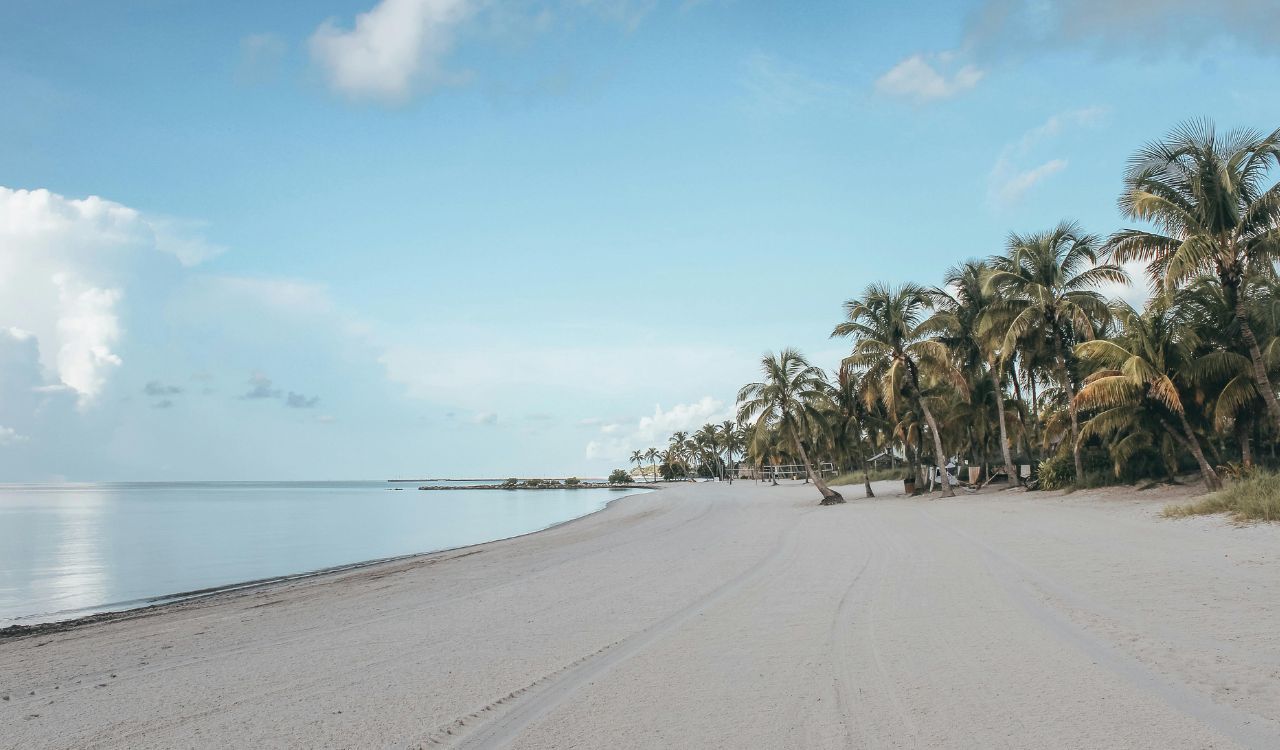
The Florida Keys sit directly in the Atlantic hurricane corridor, facing peak activity from August to October when major storms can generate winds above 90 mph. Annual rainfall surpasses 40 inches, and sudden tropical systems regularly pause boating, snorkeling, and drives along scenic U.S. Route 1. Even during calmer months, humidity above 80% triggers unpredictable showers. Monitoring weather advisories becomes essential for a smooth island experience free from storm-related delays.
5. Dubai : Extreme Heat Limits Exploration
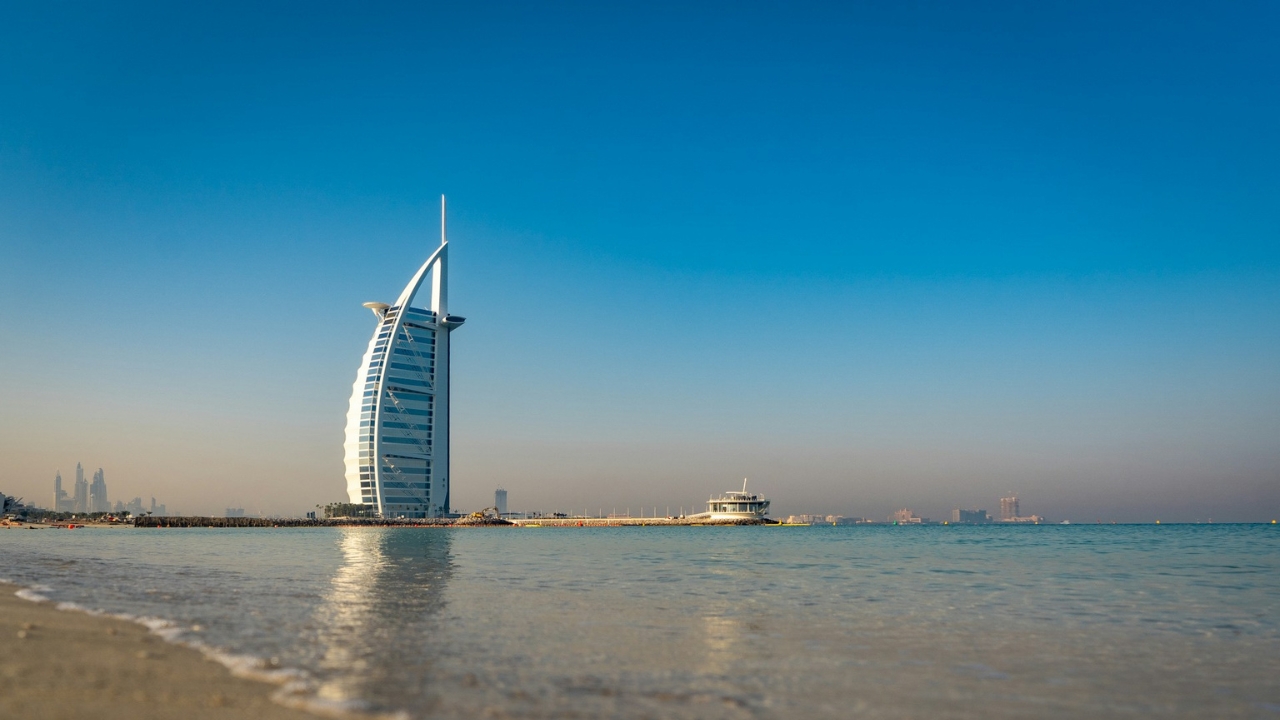
Dubai’s summers regularly push temperatures beyond 113°F, with heat indexes rising further and making outdoor sightseeing hazardous. UV levels often hit 10–11, while sandstorms occasionally reduce visibility to under 0.3 miles. These bursts slow traffic, delay flights, and coat the city in fine dust. While winter averages a comfortable 73–82°F, those visiting in hotter seasons must rely heavily on indoor attractions to avoid the desert’s intense and exhausting conditions.
6. Tokyo : Typhoons Disrupt Urban Rhythm

Tokyo encounters heavy typhoon activity from August to October, with 20–30 storms affecting the wider region annually. Single-day rainfall can exceed 6–8 inches, triggering train suspensions, flight delays, and temporary attraction closures. Winds often surge past 60 mph, making walkways hazardous and forcing residents indoors. Though the city rebounds quickly, visitors must stay alert to advisories, as fast-forming typhoons can overturn even carefully arranged sightseeing plans.
7. Santorini : Meltemi Winds Rewrite Schedules

Santorini’s Meltemi winds dominate July and August, frequently reaching 30–45 mph and causing ferry cancellations that disrupt island-hopping plans. These gusts create choppy waters, limiting boat tours and reducing comfort on exposed cliffside terraces. Rainfall remains minimal at under 0.6 inches in summer, yet wind intensity ultimately directs daily schedules. Flexibility is key, as serene mornings can transform suddenly into breezy afternoons that reshape how visitors explore the Aegean icon.
8. Patagonia : Four Seasons in a Single Day
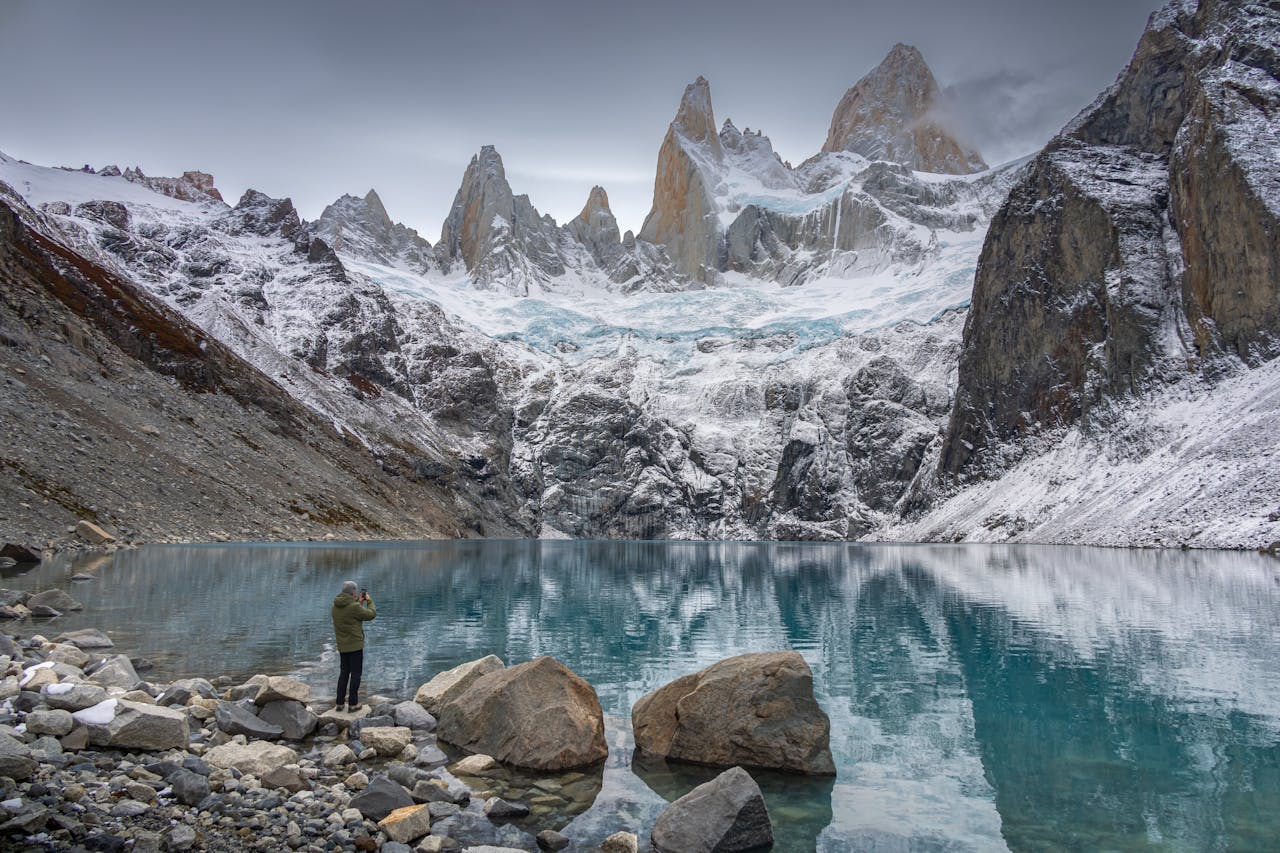
Patagonia’s notorious winds often exceed 50 mph, especially near open valleys and glacial viewpoints. Temperatures can plummet from 59°F to the mid-30s within hours, while rainfall averages 2–5 inches monthly depending on location. Sudden sleet reduces trail visibility, and boat trips across lakes rely heavily on narrow weather windows. Adventurers must prepare for rapid atmospheric changes that test endurance and reshape even well-planned trekking routes across the region’s rugged terrain.
9. Kerala Backwaters : Monsoons Redefine Calm
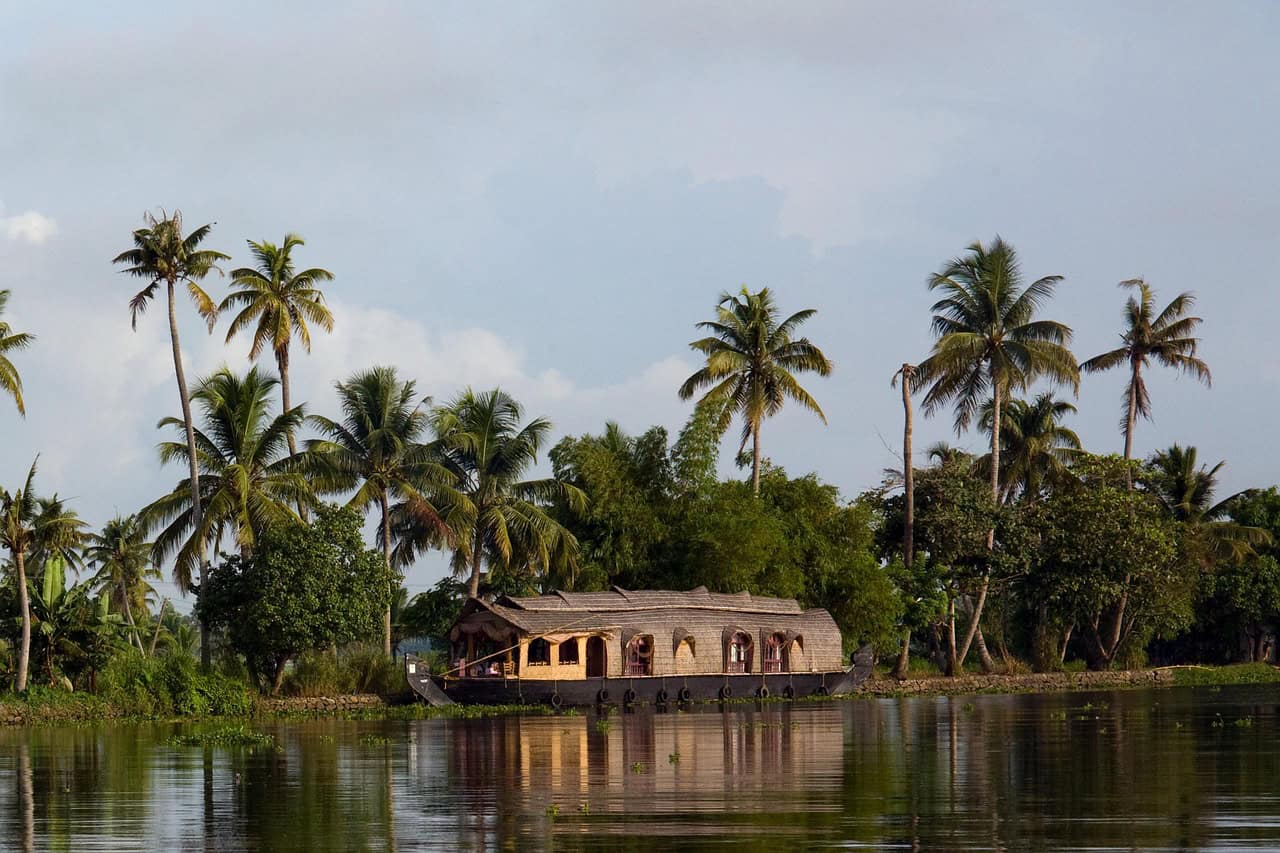
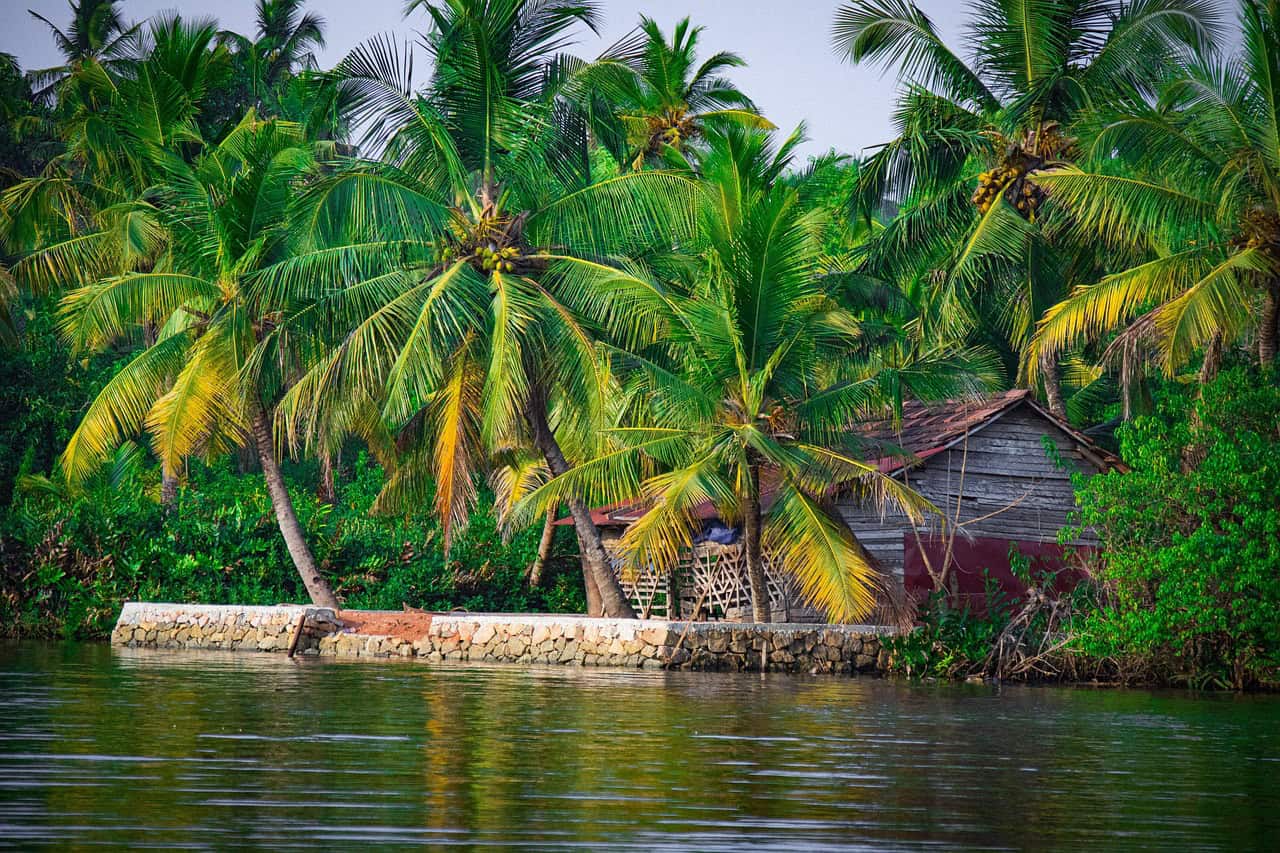
Kerala’s southwest monsoon begins in June, delivering monthly rainfall above 600 mm and raising humidity past 85%. The backwaters swell quickly, slowing houseboat routes and creating misty mornings with limited visibility. Walkways near villages become muddy, and several outdoor activities pause until rain patterns ease. Although the landscape flourishes with lush greenery, travelers seeking calm, uninterrupted cruising must choose windows outside the monsoon’s long, rain-dominated cycle.
10. Cancun : Tropical Systems Interrupt Sunshine

Cancun’s storm season from June to November brings rainfall often above 8 inches monthly, with winds during tropical systems reaching 55–85 mph. Fast-moving squalls darken the turquoise water, disrupting snorkeling and closing beaches for safety. Even milder storms produce strong currents that limit boat tours. While Cancun remains a lively destination, visitors must track forecasts closely to avoid sudden tropical disruptions that can quickly reshape coastal plans.