We may earn money or products from the companies mentioned in this post. This means if you click on the link and purchase the item, I will receive a small commission at no extra cost to you ... you're just helping re-supply our family's travel fund.

Tourists often rely on perception when deciding where to travel, but sometimes fear of crime can be misleading. Many popular destinations see rising perceived crime despite data showing that most incidents are petty theft, scams, or isolated events. Understanding the difference between perception and reality can help travelers enjoy their trips safely. Below are ten cities where crime perception has risen recently, along with real insights and statistics.
1. Bangkok, Thailand
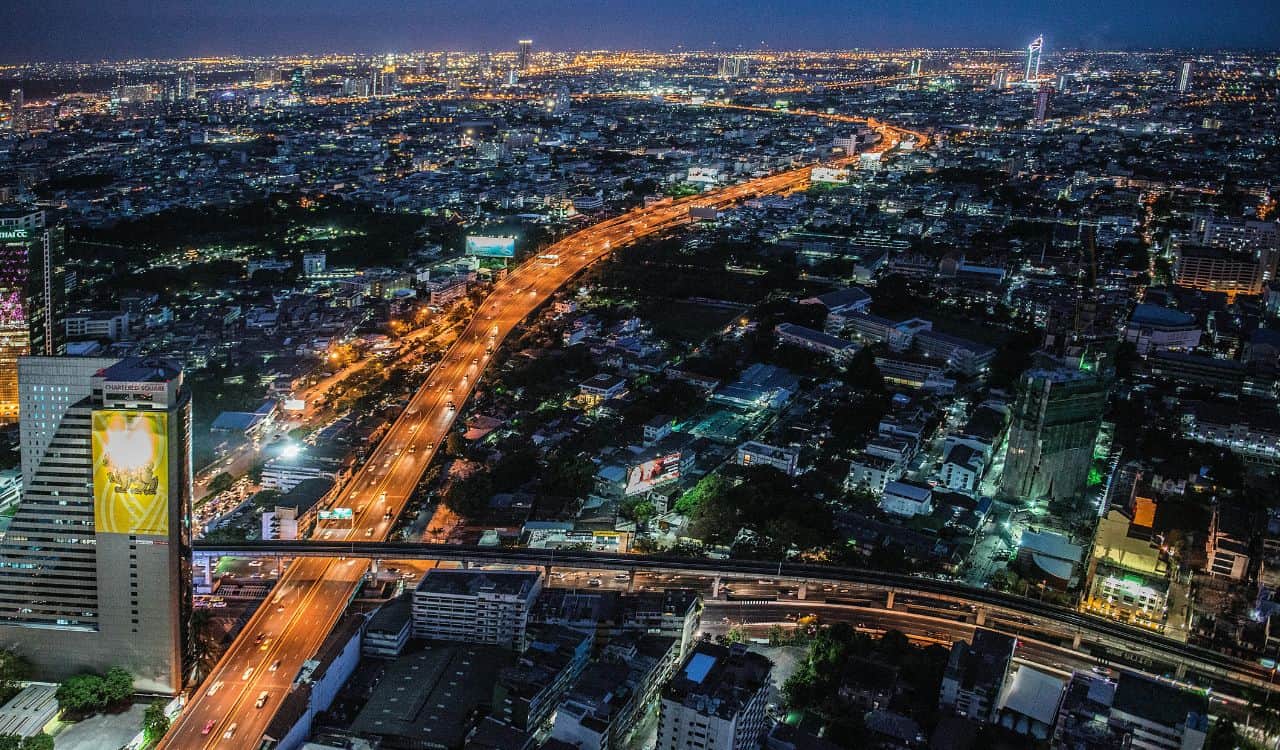
Bangkok is notorious for pickpocketing and tourist scams. In 2025, it ranked first globally in a tourist-risk survey, with over 2,400 reported theft incidents per 100,000 visitors. The perception of danger is fueled by high-profile scams in crowded areas like Khao San Road and Chatuchak Market. Reality, however, shows most incidents are petty theft, and violent crime against tourists remains extremely rare. Travelers who stay vigilant report safe experiences, especially outside tourist traps.
2. Paris, France

Paris has seen rising crime perception, particularly in high-traffic zones like the Eiffel Tower and Metro stations. In 2025, about 1,950 thefts per 100,000 tourists were reported in central districts. Despite headlines, violent crime is concentrated in specific neighborhoods. Tourists often overestimate danger due to media coverage. Locals report that avoiding poorly lit streets and keeping belongings secure minimizes risk. The city remains one of Europe’s most visited and generally safe for careful travelers.
3. Prague, Czechia

Prague frequently appears on scam and pickpocketing lists, with approximately 1,700 petty thefts per 100,000 visitors in 2025. The Old Town Square and Charles Bridge are common hotspots. While incidents can frustrate tourists, violent crime against travelers is minimal. Most problems are opportunistic, such as bag-snatching or currency scams. Tourists who remain aware of their surroundings and use secure bags usually navigate the city without serious issues, making the perception of danger higher than the statistical reality.
4. Shanghai, China

Shanghai’s dense tourist zones contribute to rising safety concerns, with 1,600 reported thefts per 100,000 visitors in 2025. High-foot-traffic areas like Nanjing Road and The Bund see most incidents. While petty crime and scams are common, violent crime remains extremely low. Tourists often perceive the city as risky due to crowded streets and urban hustle. Travelers who use licensed taxis, avoid street touts, and remain vigilant generally report positive experiences, highlighting the gap between perception and actual risk.
5. Agra, India

Home to the Taj Mahal, Agra attracts millions but is notorious for tourist scams. In 2025, there were 1,500 reported tourist-related incidents per 100,000 visitors, primarily overcharging and petty theft. Many visitors report pushy vendors or guides attempting fraudulent deals. Despite this, violent crime against tourists is rare, and travelers who negotiate carefully, stay in well-rated accommodations, and avoid isolated streets report safe experiences. Awareness, rather than avoidance, is key to enjoying Agra.
6. Rome, Italy

Rome has a perception of danger, particularly around landmarks like the Colosseum and Termini Station. In 2025, about 1,400 thefts per 100,000 tourists were reported. Most incidents involve pickpocketing and minor scams. Violent crime against visitors is uncommon and concentrated in select areas. Tourists who remain cautious in crowded spaces, use anti-theft bags, and stick to well-trafficked streets generally report safe and enjoyable visits, demonstrating that perception often exceeds statistical reality.
7. Mumbai, India
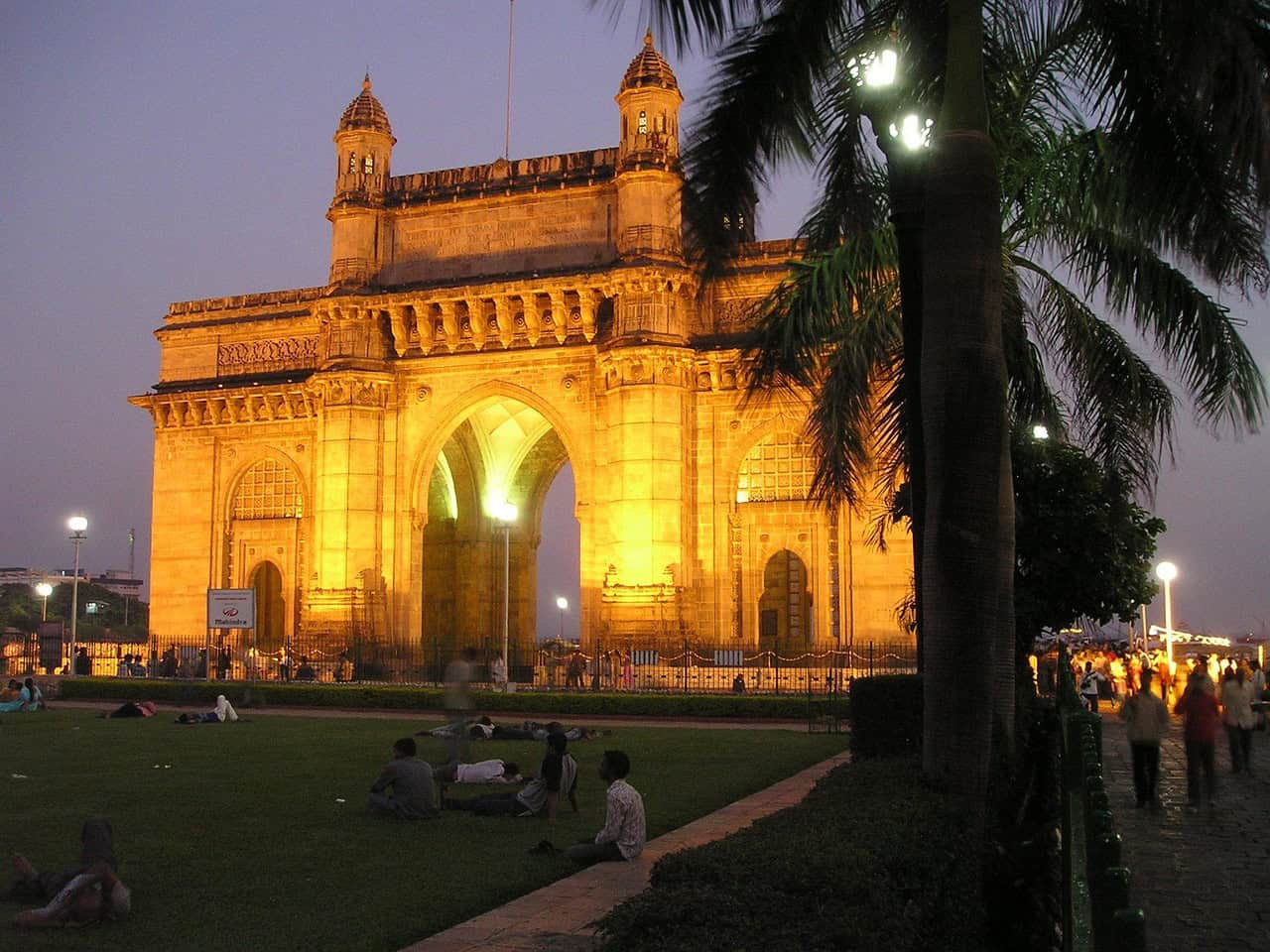
Mumbai has seen a rise in perceived tourist risk, with 1,350 incidents per 100,000 visitors in 2025, mostly petty theft and scams. Areas such as Colaba, Crawford Market, and the Gateway of India are hotspots for opportunistic crime. Violent crime targeting tourists remains extremely rare. Travelers who exercise basic precautions, avoiding poorly lit streets, not carrying large amounts of cash, and using trusted transportation, report safe visits. The perception of danger often overstates the actual statistical risk.
8. Los Angeles, USA

Los Angeles is frequently cited in U.S. travel advisories due to property crime, especially in tourist zones. In 2025, 1,200 incidents per 100,000 visitors were reported, largely thefts and car break-ins. Neighborhoods like Hollywood Boulevard and Venice Beach have higher rates. Violent crime against tourists is rare outside specific districts. Visitors who park in safe areas, avoid leaving valuables in vehicles, and stay in well-populated locations report largely safe experiences, showing perception often exceeds actual risk.
9. Charlotte, North Carolina, USA
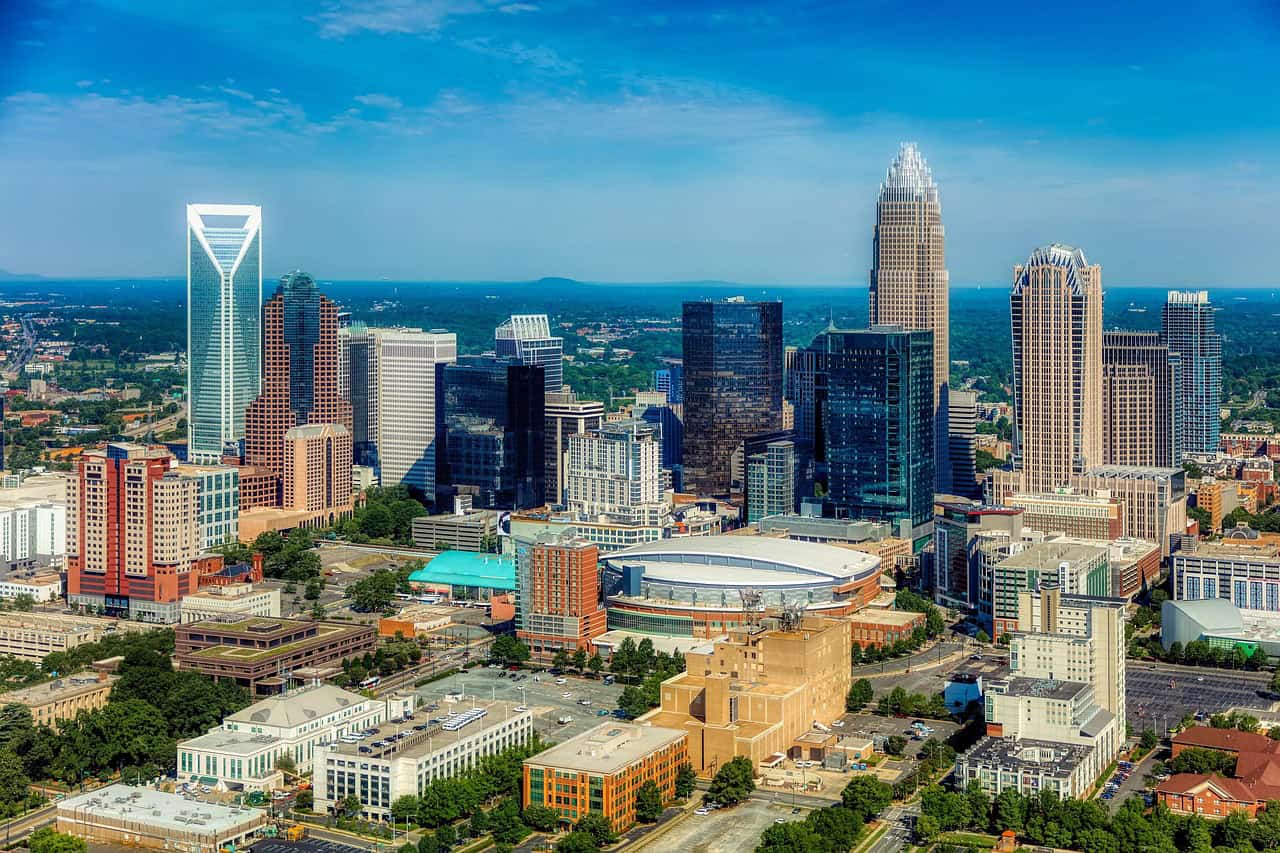
Charlotte has a rising crime perception among tourists, despite a 20% drop in violent crime in 2025. A local survey revealed that 66% of residents believe the city has become less safe, influenced by social media and local news. Tourists are rarely affected by violent crime. Most safety concerns revolve around property crime in limited neighborhoods. Visitors who follow common-sense precautions and stay in well-traveled areas find Charlotte’s actual risk lower than the perception suggests.
10. New Orleans, Louisiana, USA
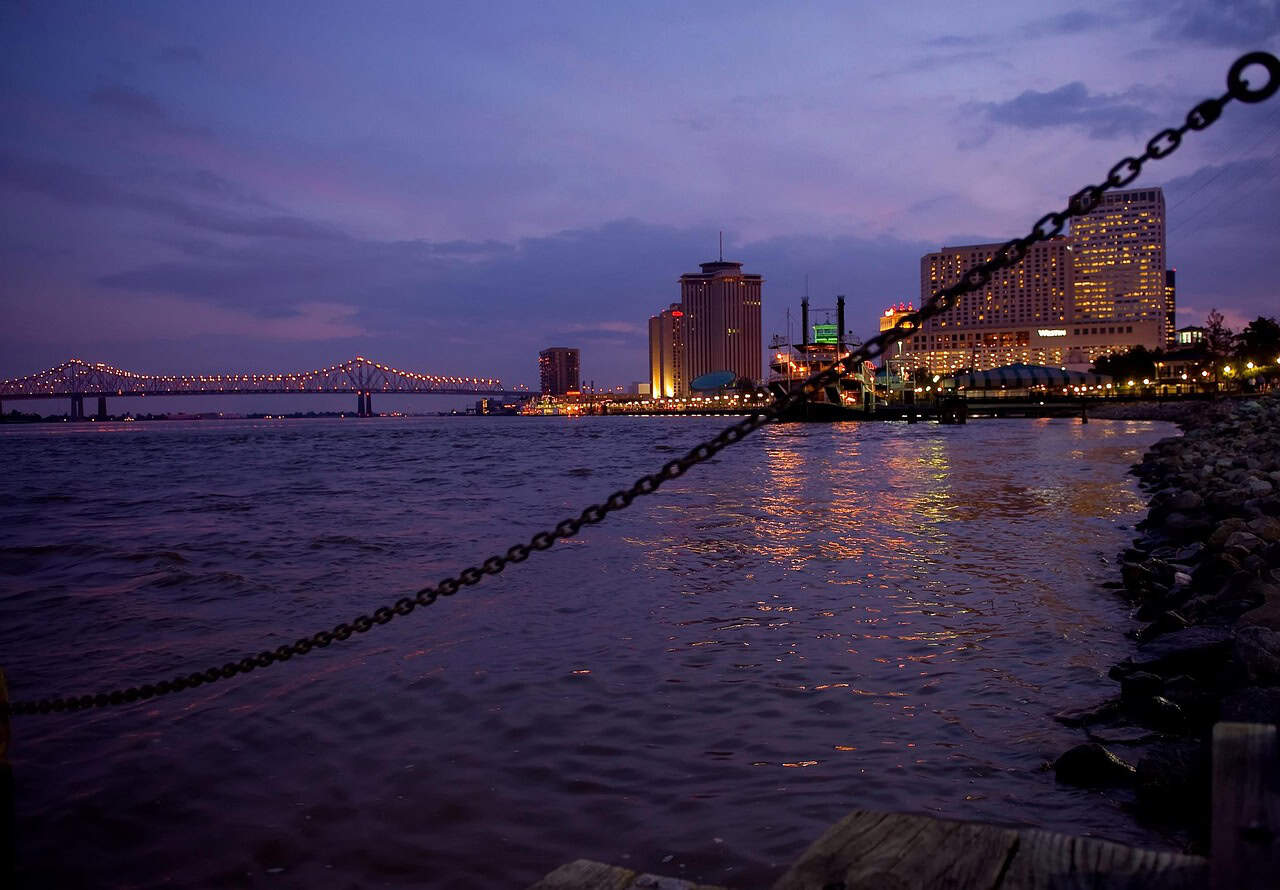
New Orleans struggles with a perception of danger despite improving crime stats. In 2025, violent crime rates dropped 45% from previous years, yet media coverage exaggerates danger for tourists. Petty theft, scams, and occasional assaults in high-tourism zones like the French Quarter contribute to perception. Visitors who stay aware of surroundings, avoid isolated streets at night, and keep belongings secure generally enjoy safe experiences. The contrast between perception and reality remains stark, emphasizing the importance of informed travel choices.