We may earn money or products from the companies mentioned in this post. This means if you click on the link and purchase the item, I will receive a small commission at no extra cost to you ... you're just helping re-supply our family's travel fund.
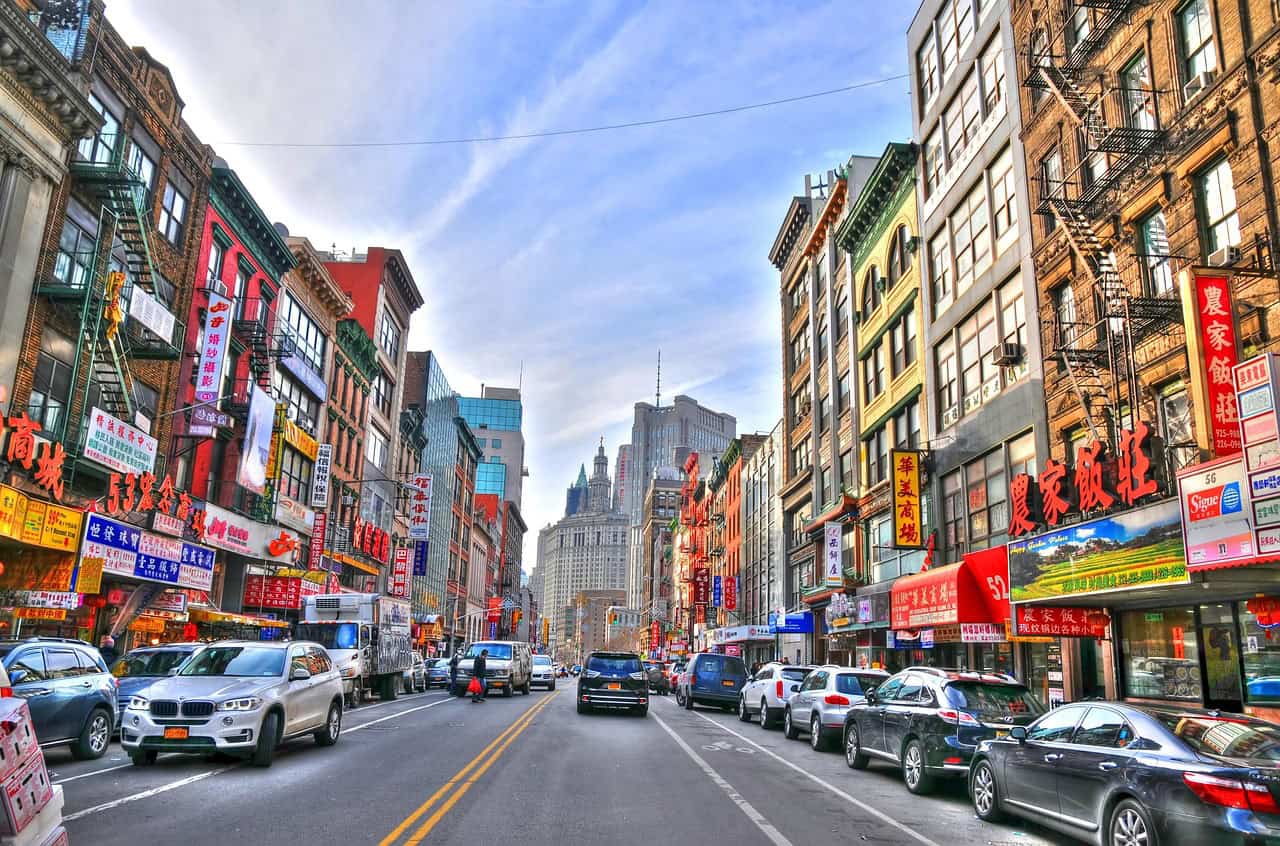
Cities change in small increments. A new restaurant opens, a school year starts, a wave of students arrives with suitcases and nervous smiles. After Presidential Proclamation 10998 took effect on Jan. 1, 2026, entry is fully suspended for nationals of 19 countries and partially restricted for 19 more, with key exceptions for people who already held valid visas on the effective date. In arrival cities, that translates into fewer short visits, fewer new enrollments, and fewer reunions that once happened almost automatically.
New York City, New York
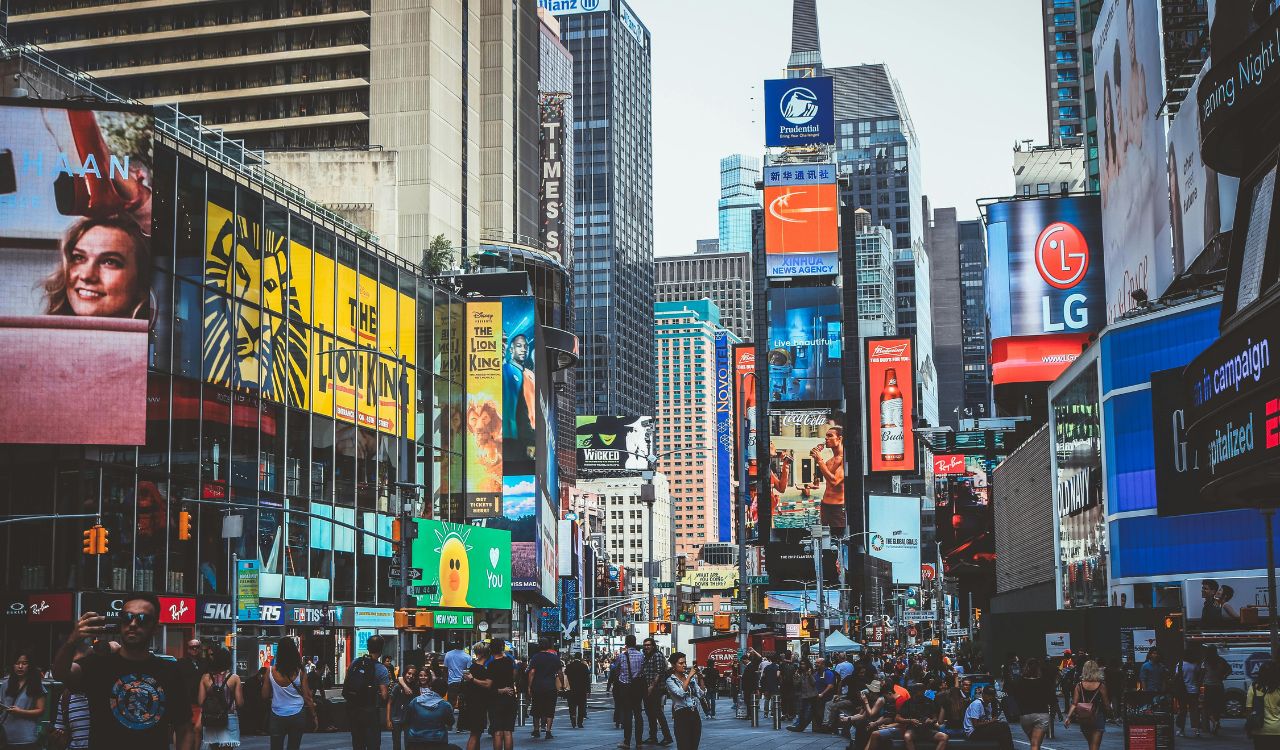
New York’s Yemeni, Haitian, and West African corridors run on arrivals: grandparents coming for a season, cousins flying in for weddings, students moving into shared apartments near a new program. Under the new restrictions, those short, frequent trips can slow, and the missing movement shows up fast in an arrival city. The change is quiet but noticeable in fewer airport pickups, fewer visiting relatives filling café tables, and more community fundraisers and legal clinics replacing what used to be simple travel planning.
Washington, D.C.
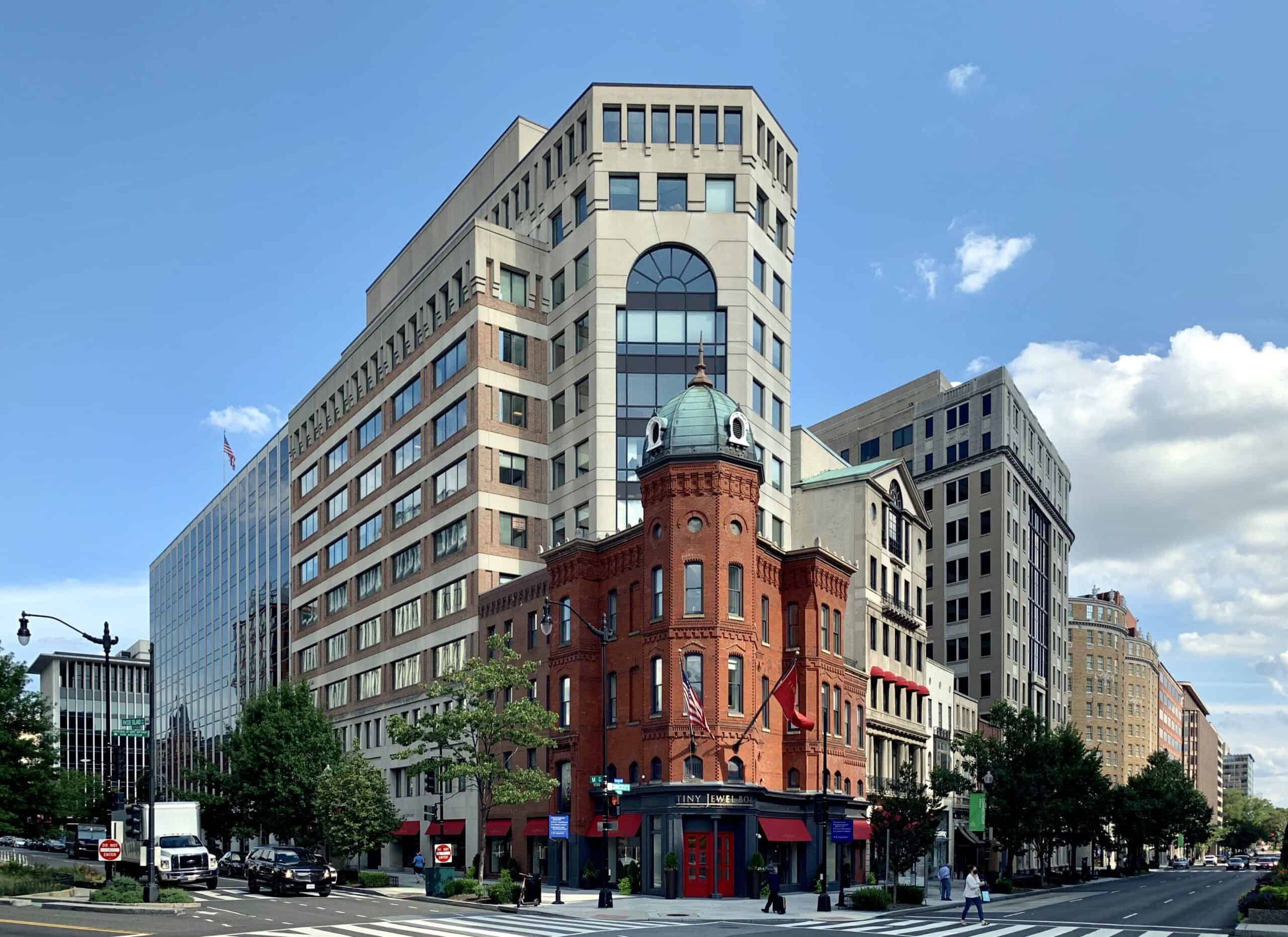
In the D.C. region, immigration policy is never abstract because lawyers, nonprofits, and federal agencies deal with its edges daily. When visits and reunification steps slow, the pressure shows up in paperwork before it shows up on a sidewalk. The practical signs are plain: more evening help sessions, more document runs, fewer new arrivals at Dulles, and busier community centers in Arlington and Alexandria. Gatherings still happen, but there is often an empty seat where a visitor was expected, and the conversation turns to timelines.
Los Angeles, California
Los Angeles has long been shaped by Iranian American life, especially around Westwood and the Valley, where culture is sustained by students, business travel, and milestone visits. When those short trips get harder, a community does not disappear, but the mix changes in small, human ways. The neighborhood stays lively, yet the texture shifts: fewer visiting parents at cafés, fewer first-time student arrivals midyear, and more family events held with a laptop at the end of the table to fill the missing seat.
Miami, Florida
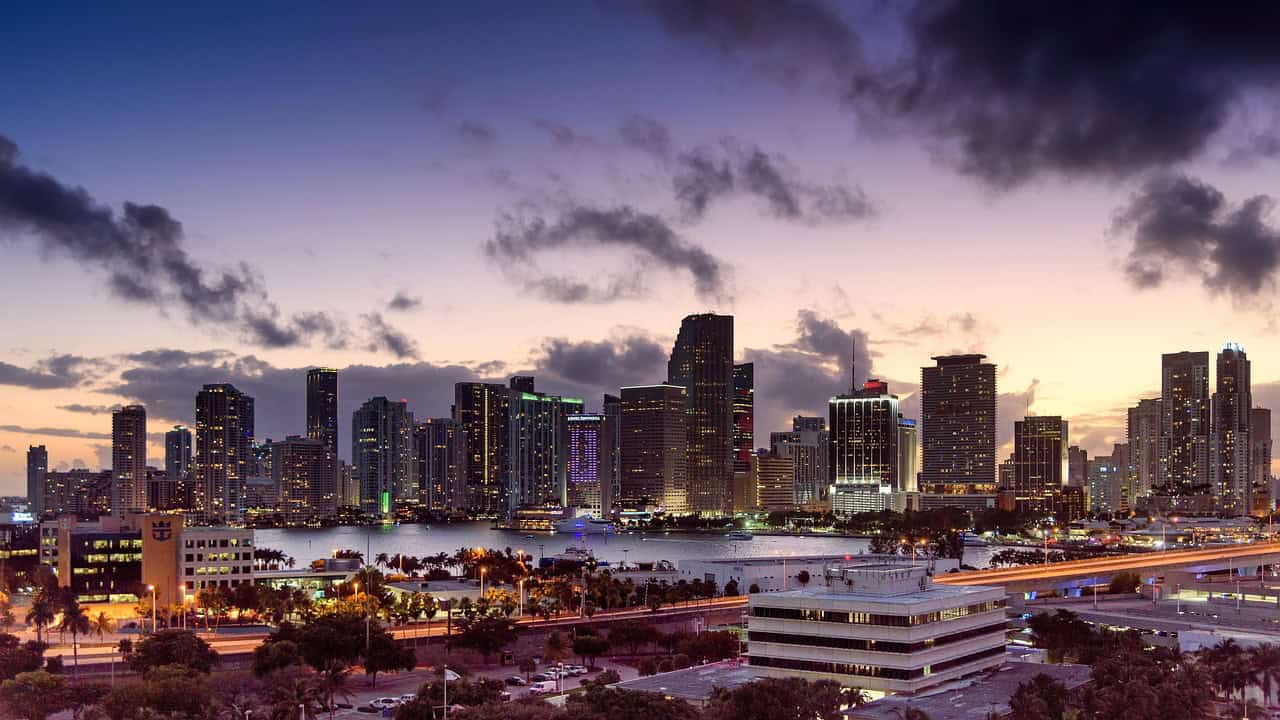
Miami feels travel rules fast because it is an arrival city by nature, and Haitian, Cuban, and Venezuelan communities keep flights and visas in daily conversation. When restrictions tighten, the flow of visitors and new entrants can shrink, and daily life adjusts around that absence. The street-level effect looks like fewer reunion crowds at arrivals, more legal-clinic appointments, and small businesses leaning harder on local staffing when seasonal family help, caregivers, and visiting cousins cannot show up. The city still buzzes, but the buzz shifts inward.
Minneapolis,St. Paul, Minnesota
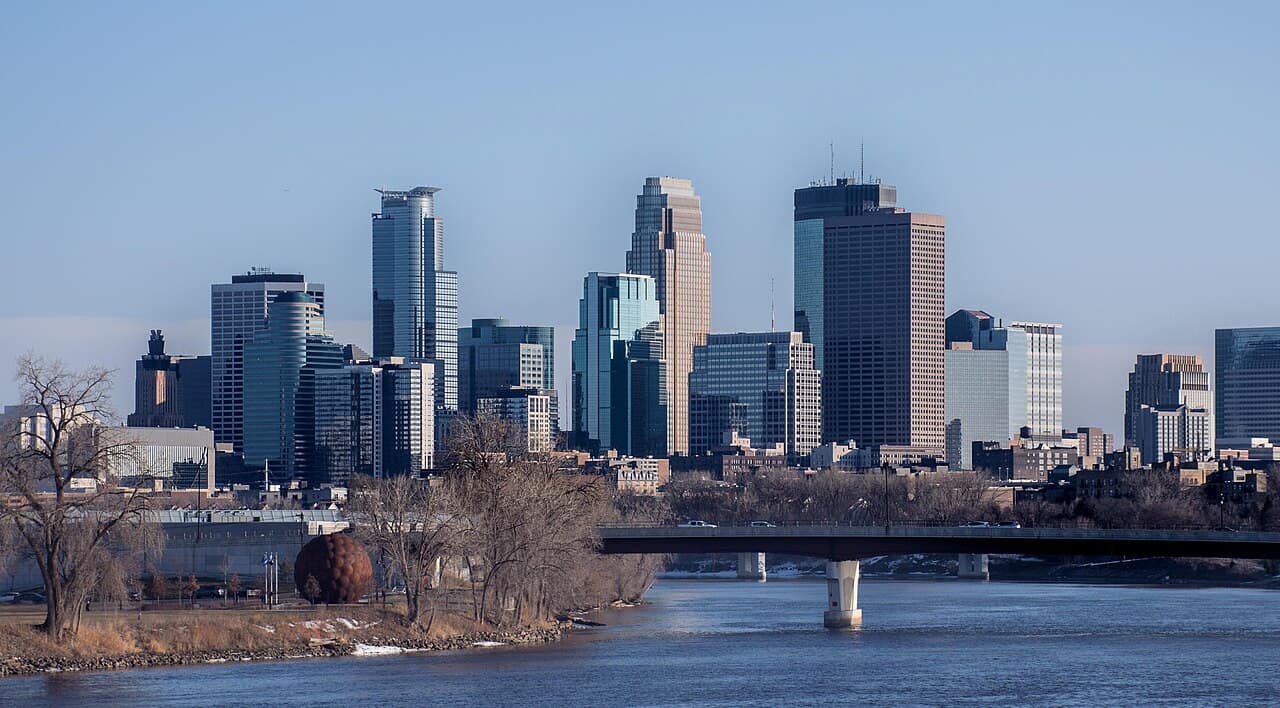
The Twin Cities’ Somali community is large enough to shape daily life, from markets and cafés to mosques and weekend soccer. When travel restrictions tighten, the change is felt as fewer visiting relatives and fewer new arrivals joining the familiar apartment clusters and community centers. It shows up in smaller welcome dinners, fewer airport pickups after evening prayers, and more local mutual aid stepping in for childcare and elder support that family visits once covered. The streets stay busy, but the cycle of renewal slows.
Columbus, Ohio
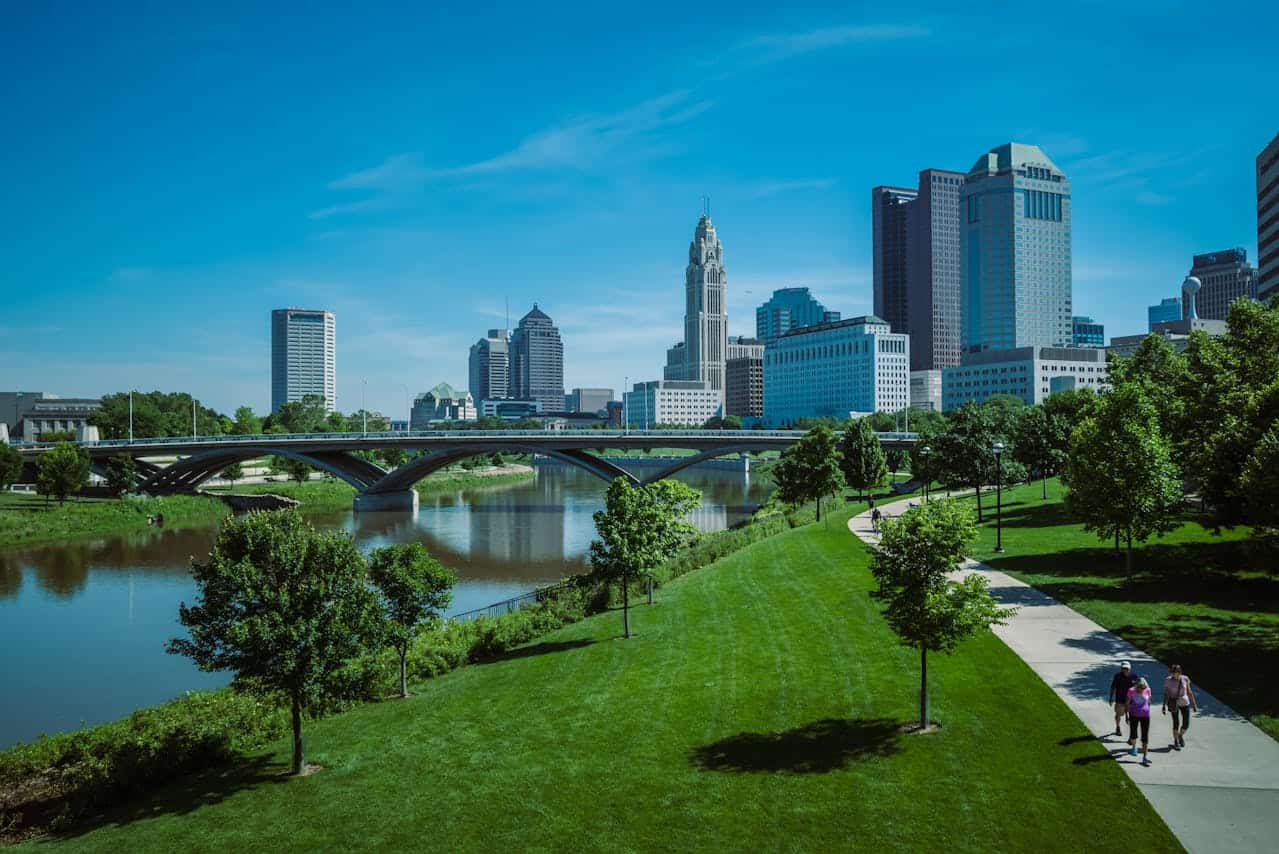
Columbus has become a Midwestern hub for Somali families because its networks help newcomers land fast, find work, and rebuild routine. When travel restrictions tighten, fewer first-time arrivals reach the same plazas, clinics, and markets that once felt like welcome corridors. The shift is subtle but cumulative: smaller wedding guest lists, fewer new shop openings, and more weekends spent translating documents instead of greeting relatives at arrivals. Travel agencies pivot from ticketing to explaining waivers, and community leaders field more questions about timelines than flights each week
Dearborn, Michigan
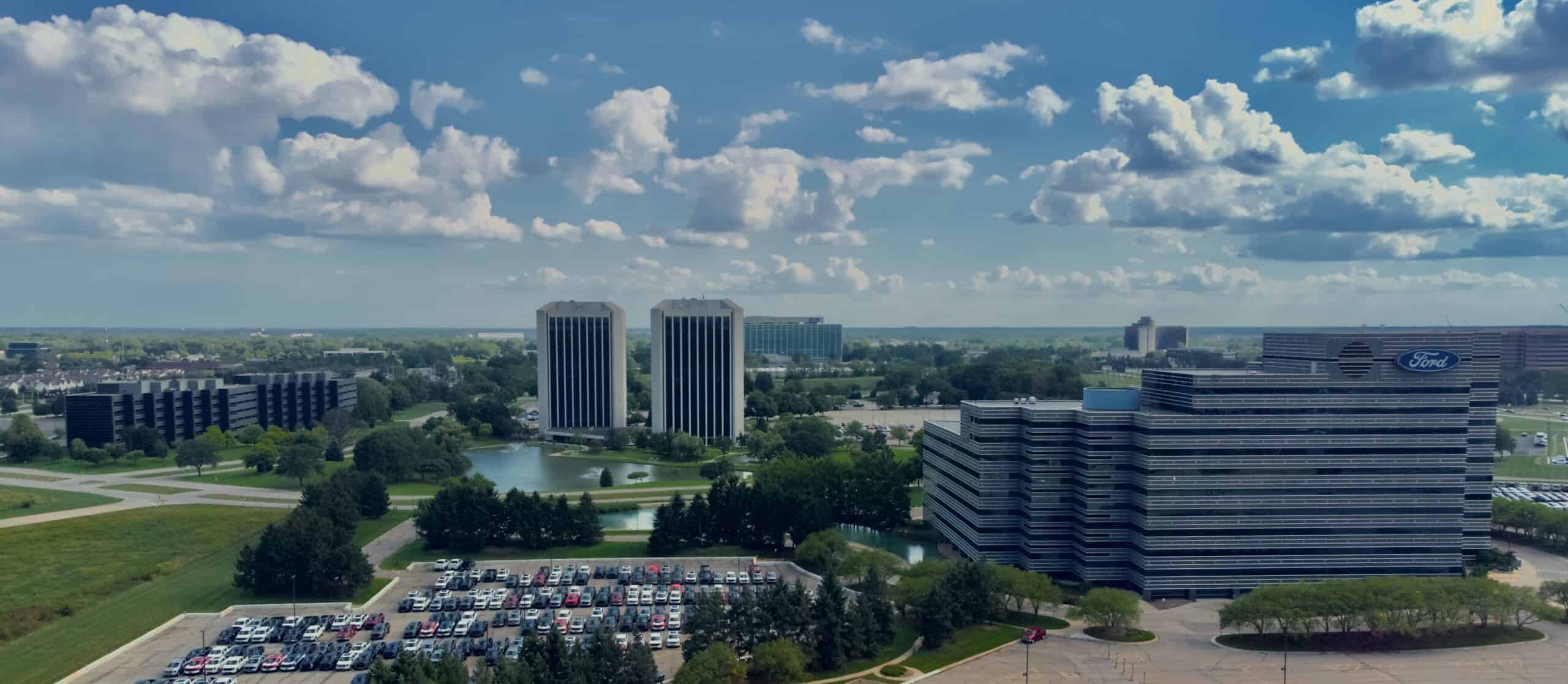
Dearborn’s Yemeni and broader Arab networks run on family movement, not just migration. Visiting parents come for births, cousins arrive for weddings, and elders fly in to steady a household for a few months. When travel approvals tighten, those ordinary trips turn into long waits and careful paperwork. The change shows up in quieter holiday weeks, fewer visiting relatives at bakeries and late-night cafés, and more community groups filling gaps that family visits used to cover. Life stays vibrant, but the city feels less replenished when arrivals slow.
San Francisco Bay Area, California
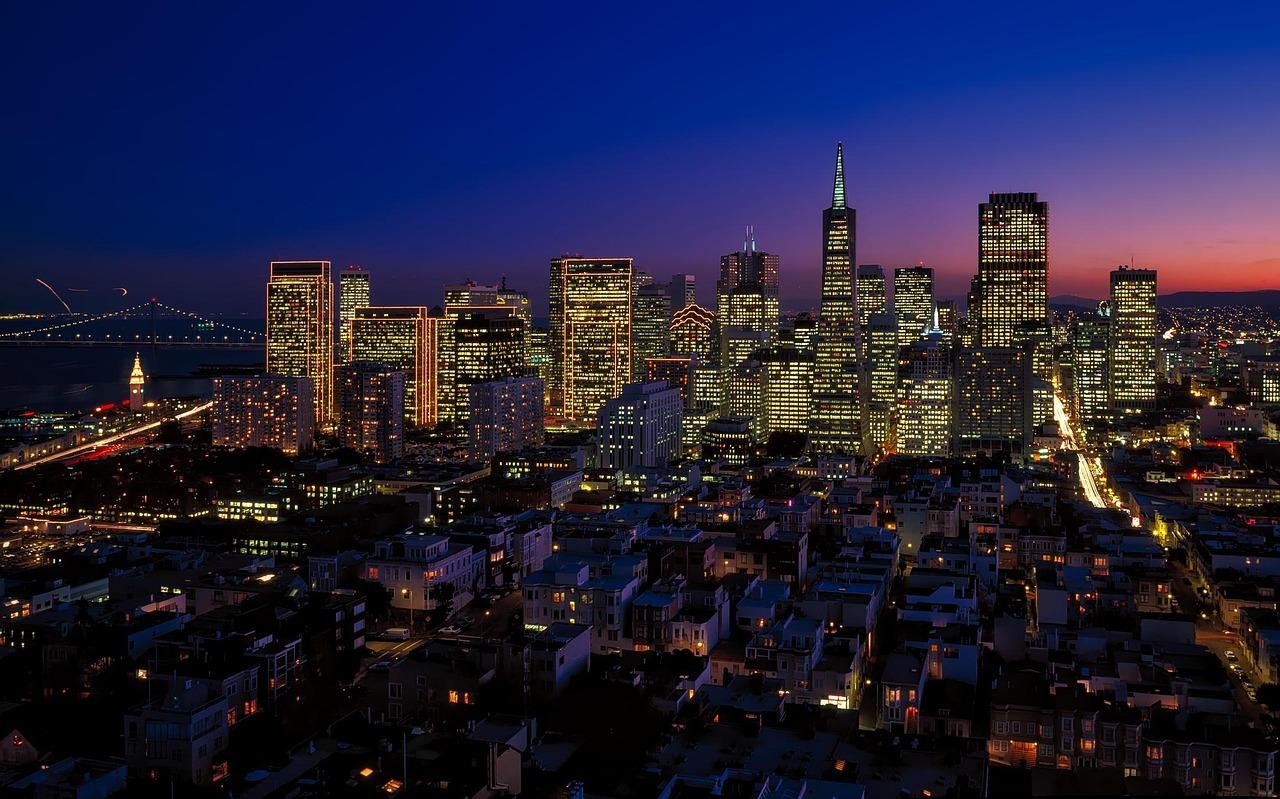
The Bay Area runs on arrivals, from family visits that stretch into months to students and professionals who refresh neighborhoods each season. When visa lanes tighten, the change shows up in small absences: fewer parents flying in for graduations, fewer visiting relatives filling spare rooms in Fremont and San Jose, and fewer new faces at community markets in Oakland and Sunnyvale. More milestones get handled through video calls, and more support shifts to local mutual aid. The region stays global, but the flow feels slower, and the streets reflect that pause.
Houston, Texas
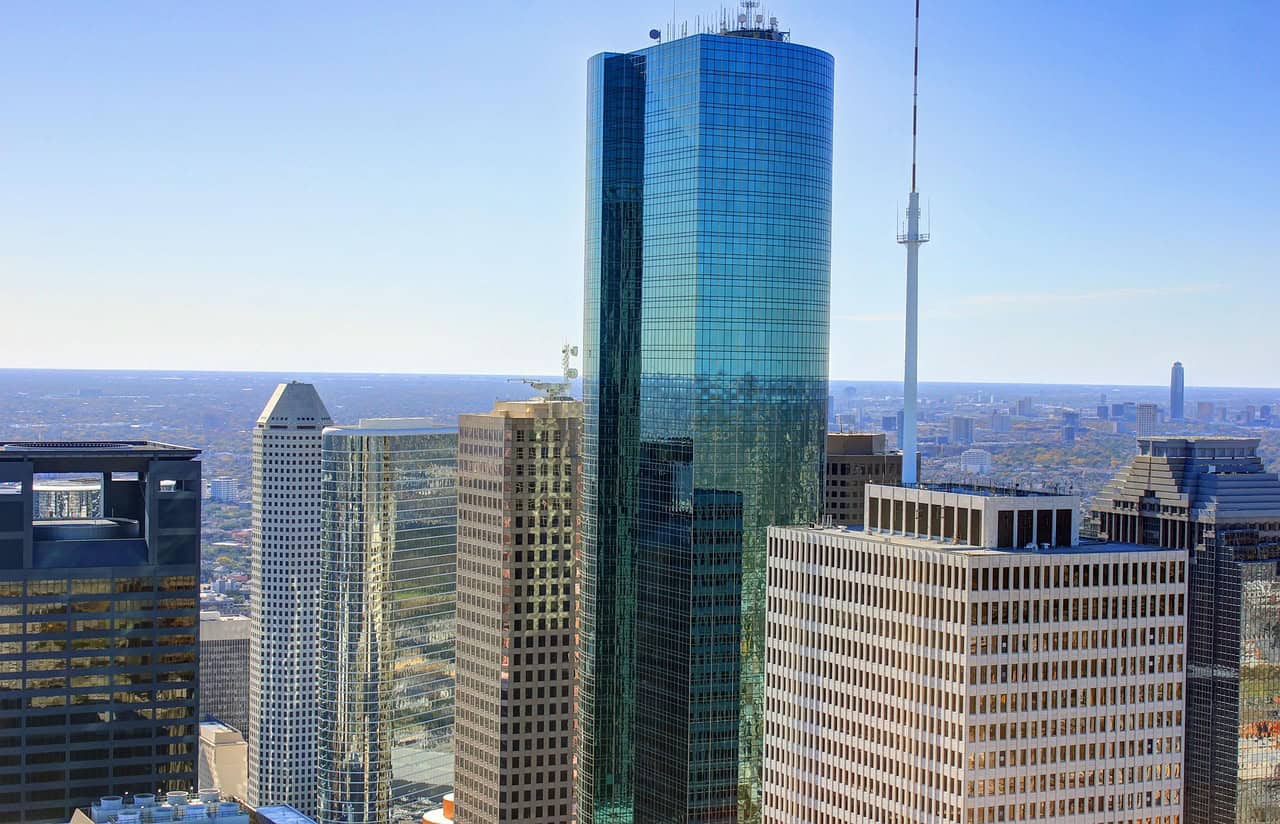
Houston’s West African presence has grown through students and professionals who arrive, study, work, and then pull more family into the city’s orbit. When common visa lanes narrow, new cohorts can thin out, and the ripple touches everything from campuses to conferences to church calendars. It shows up in smaller graduation crowds, fewer visiting relatives at conventions, and community groups shifting energy from welcome events to explaining what still qualifies, what requires waivers, and what is likely to be denied. The city remains global, just less fluid.
Omaha, Nebraska
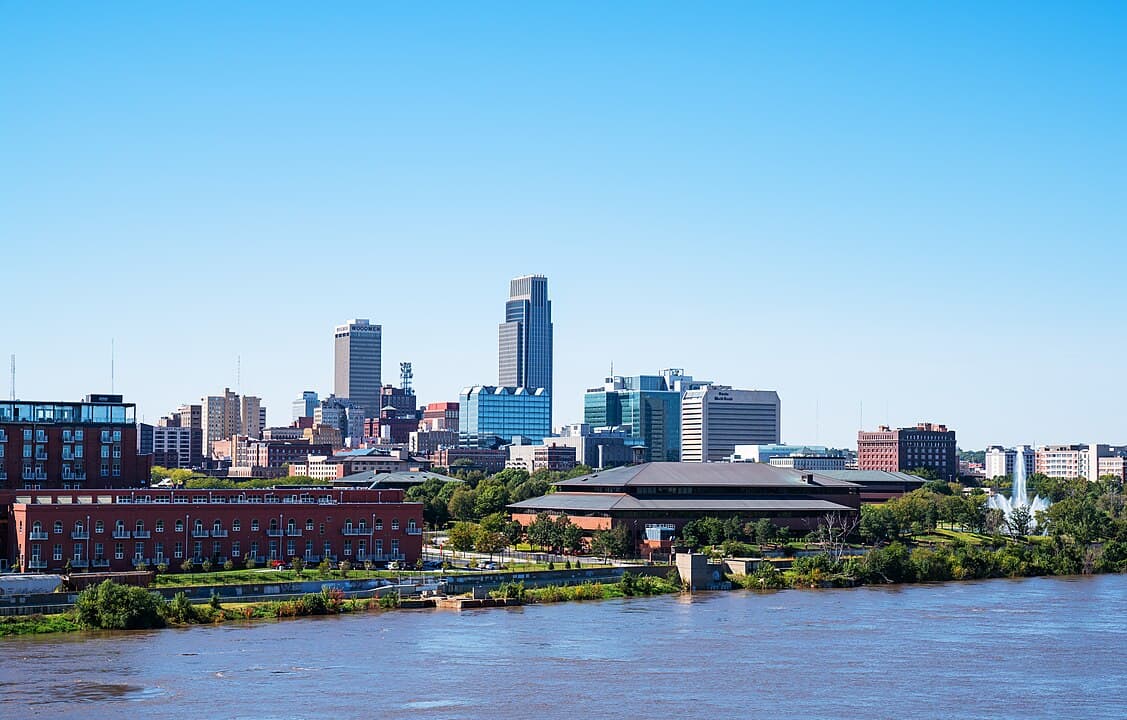
Omaha became a national center for South Sudanese resettlement, with churches and associations built around helping new families find housing, jobs, and schools. When family reunification slows, the support structure has to do more with less, and it changes who is new in the neighborhood. The city does not empty, but community life feels stretched: fewer new households forming, fewer elders arriving to support childcare, and more care handled across time zones through remittances, scanned documents, and late-night calls. The work becomes heavier and more local.