We may earn money or products from the companies mentioned in this post. This means if you click on the link and purchase the item, I will receive a small commission at no extra cost to you ... you're just helping re-supply our family's travel fund.

The longest international boundary in the world stretches more than 5,524 miles, and many travelers still assume crossing it works the same way it always did. But both nations quietly upgraded systems, tightened rules, and raised expectations for proof of purpose, especially with more than 120 land ports of entry and millions of yearly crossings. These changes are meant to improve security, control overstays, and better track movement, yet they also affect ordinary visitors, families, truckers, and workers. Below are ten naturally written, detailed sections explaining what truly changed, how it feels in real life, and the important numbers people should know.
1. Longer Visits Face More Questions
Travelers planning extended stays now deal with stricter rules, and officers often expect clearer proof when trips go beyond 30 to 60 days, even for casual seasonal stays. Authorities tightened scrutiny after years of rising overstays, which previously reached six-figure totals annually, pushing policies toward firmer documentation checks. That means visitors may need evidence of work, home ties, money, and return dates. With more than 20 million leisure trips happening across this border each year, it’s easy to understand why small policy adjustments suddenly feel much larger to regular travelers who once crossed without much worry.
2. More Biometrics and High-Tech Screening
Border agencies invested heavily in digital technology, expanding biometric scanning far beyond earlier limited use and bringing fingerprint and facial verification into routine processing. More than 1,000 upgraded kiosks now support faster identity checks, reducing fraud while also creating slightly longer inspection moments at busy crossings. Officials say this helps track entries, manage overstays, and detect false identities, and the systems can process thousands of people per hour at large ports. For ordinary travelers, it means the border feels far more digital and precise than the older, mostly paperwork-based system many people grew up with.
3. Preclearance Became a Bigger Factor
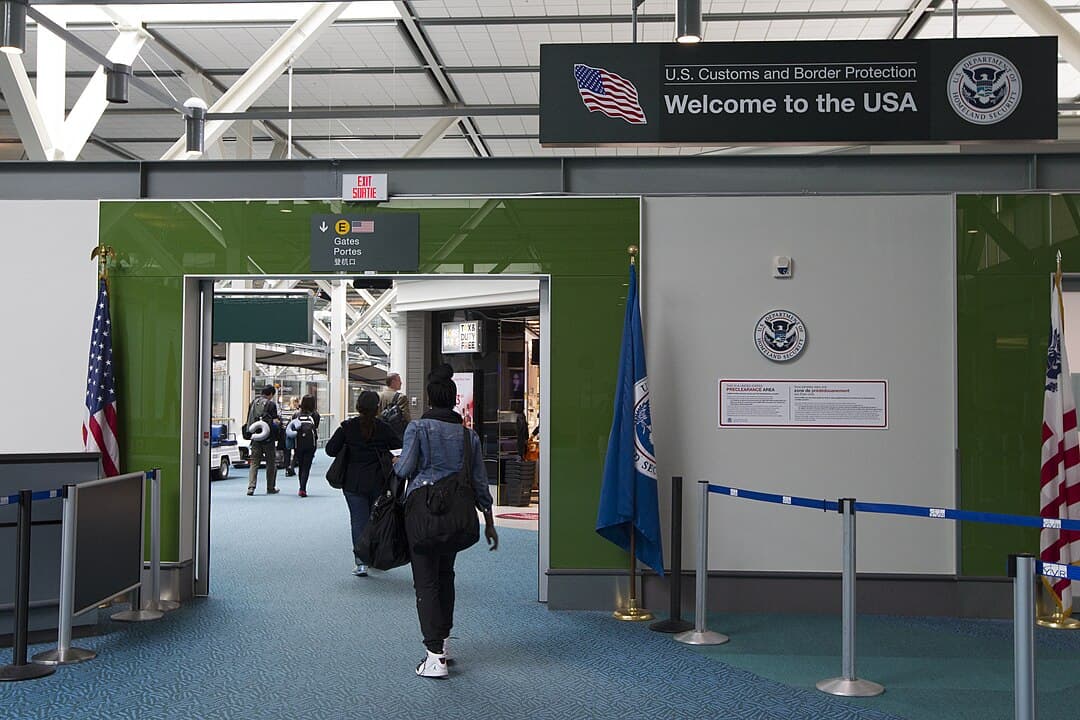
Preclearance systems, once mainly linked to airports, expanded into more places, meaning some travelers now complete screening before even reaching the physical border line. This setup helps reduce congestion at certain crossings handling tens of thousands of vehicles weekly, creating faster movement but also adding an unfamiliar extra step for people not used to it. Officials believe it improves safety, reduces pressure on inspectors, and helps identify concerns earlier. For regular travelers, it can feel unusual at first, yet many eventually appreciate shorter waits when long lines of cars stretch across approaches that can extend for miles during busy travel seasons.
4. Stricter Proof of Travel Purpose
Border questioning became noticeably more detailed, especially when a trip sounds long, loosely planned, or financially uncertain. Officers increasingly look for hotel bookings, employer letters, invitations, or proof of steady funds, partly because both countries want clear intent rather than vague “extended visits.” With more than 300,000 cross-border movements on busy travel days, tightening these checks helps manage risk while still allowing tourism to thrive. Travelers who once relied on casual conversation now benefit from carrying printed proof, since clear documentation often shortens inspection time and reduces the chances of stressful secondary review at large ports.
5. Stronger Rules for Work and Study Intent

Anyone crossing the border to work, attend school, or participate in paid activity faces stricter enforcement, even for roles that used to feel informal or borderline. Authorities now expect correct permits, clean records, and documented eligibility, because improper entry under “tourism” became a growing concern over recent years. With large student populations and thousands of workers moving across the border annually, this helps control misuse while protecting legitimate travelers. Those without proper paperwork risk delays, denial, or shorter allowed stays, which is why officers encourage travelers to prepare documents well before arriving at ports that sometimes process millions per year.
6. Entry and Exit Tracking Grew Stronger
Both countries worked on improved data sharing and exit tracking systems, allowing movement records to match more accurately and making it harder for unnoticed overstays to slip through. Digital records now log many crossings in real time, linking identity scans to official databases used by immigration and security agencies. With a border stretching 5,524 miles, coordinated technology helps manage scale where human observation alone once dominated. For travelers, it mostly feels invisible, yet it explains why officials now know more about travel history, stay lengths, and previous entries, creating a far stricter environment than a decade ago.
7. Tighter Rules on Goods and Personal Items

People carrying goods, electronics, food, or large purchases now face clearer and often stricter declaration standards, especially with growing cross-border shopping and online orders. Customs officials strengthened enforcement partly because millions of dollars in undeclared items cross borders every year, affecting taxes and consumer protections. Travelers should expect detailed questions and occasional inspections, particularly at busier ports handling thousands of vehicles daily. Declaring honestly usually speeds the experience, while guessing or hiding items risks fines or confiscation. What once felt like a relaxed shopping drive now requires a little more awareness and honest preparation from everyone crossing.
8. More Emphasis on Security Background Checks
Security screening quietly became tougher, including deeper checks for criminal history, past immigration violations, or risky travel patterns. Officers now rely heavily on shared databases linking information between both countries, improving awareness across a border that handles millions of travelers yearly. Even older records can matter, which surprises some people who have not crossed in many years. While most travelers remain unaffected, those with past issues may face questioning, delays, or denials. The goal is reducing threats while still allowing lawful travel, but the real experience simply feels like a far more informed and cautious border than before.
9. Operational Changes at Land Crossings
Some crossings experienced adjusted hours, modified staffing levels, or newly structured inspection lanes, especially at smaller locations that previously stayed open longer. These updates help shift resources toward high-traffic points, where queues can stretch for miles during holidays or summer weekends. With over 120 official land ports, authorities constantly evaluate usage patterns so busy areas receive support while quieter ones remain manageable. Travelers who relied on small rural crossings may need to check schedules in advance. Although it can feel inconvenient, the overall goal is smoother flow where daily traffic reaches tens of thousands of vehicles.
10. Travel Advisories and Guidance Updates
Both governments updated travel guidance more frequently, reminding citizens about documentation needs, technology changes, and possible delays. With enormous yearly traffic over a 5,524-mile boundary, small misunderstandings can disrupt millions of journeys, so clearer public communication became necessary. Advisories now emphasize valid passports, realistic travel plans, and awareness of inspection processes, replacing the old assumption that frequent travelers could cross casually. While many people ignore official notices, informed travelers usually experience fewer problems at inspection booths. These modern updates reflect a border that still welcomes movement but now expects preparedness, honesty, and respect for stronger security systems.