We may earn money or products from the companies mentioned in this post. This means if you click on the link and purchase the item, I will receive a small commission at no extra cost to you ... you're just helping re-supply our family's travel fund.
Some U.S. attractions run on choreography: buses arriving in waves, guides raising signs, and crowds rotating through the same photo stops. When fewer foreign tour groups show up, the landmarks do not change, but the atmosphere does. Queues loosen, vendor patios sound different, and staff adjust to smaller clusters rather than moving a hundred people at once. It can feel quieter in the obvious places and more personal in the subtle ones, where a pause becomes possible and a view can be held for a full minute.
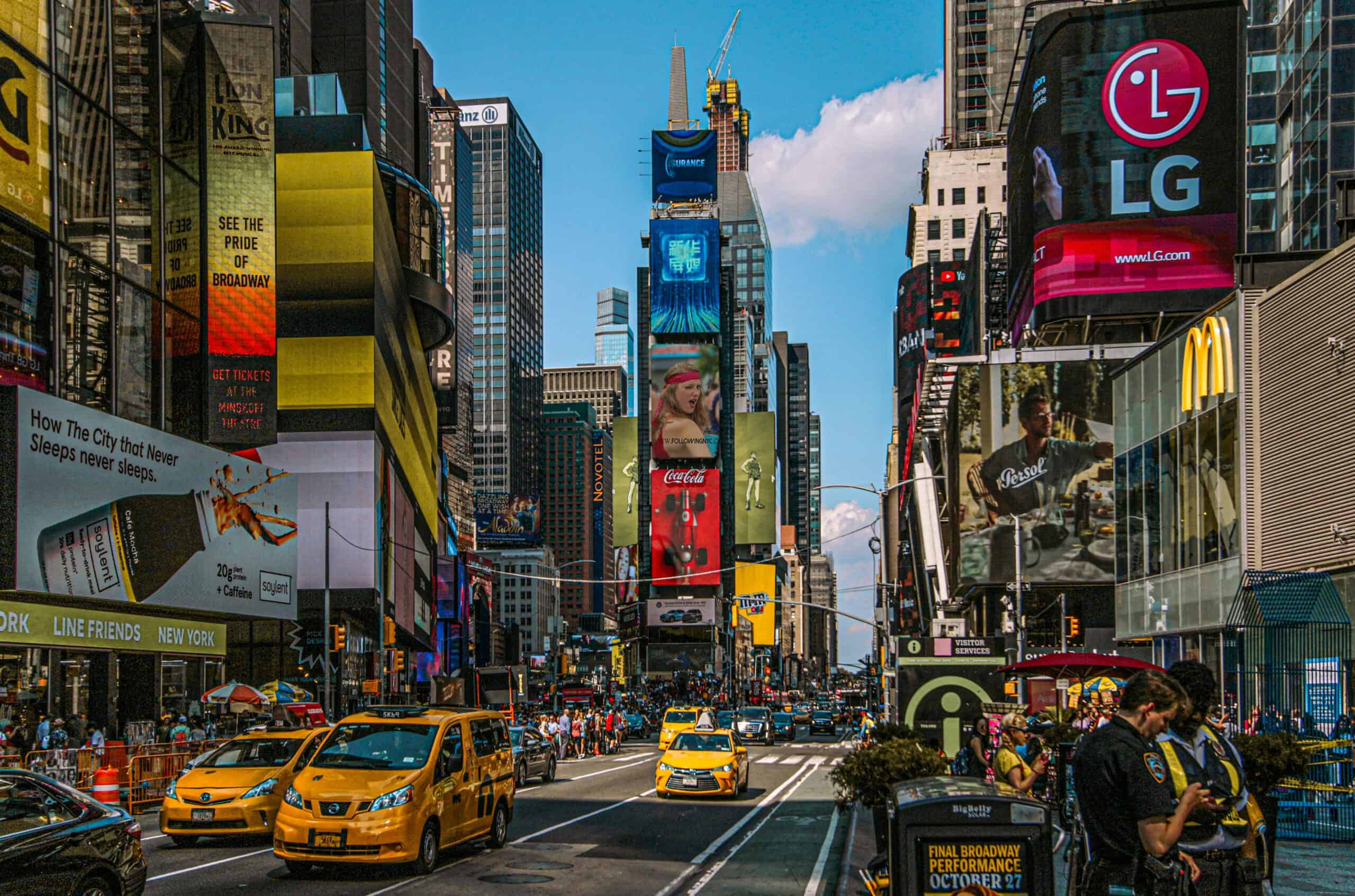
Times Square, New York City
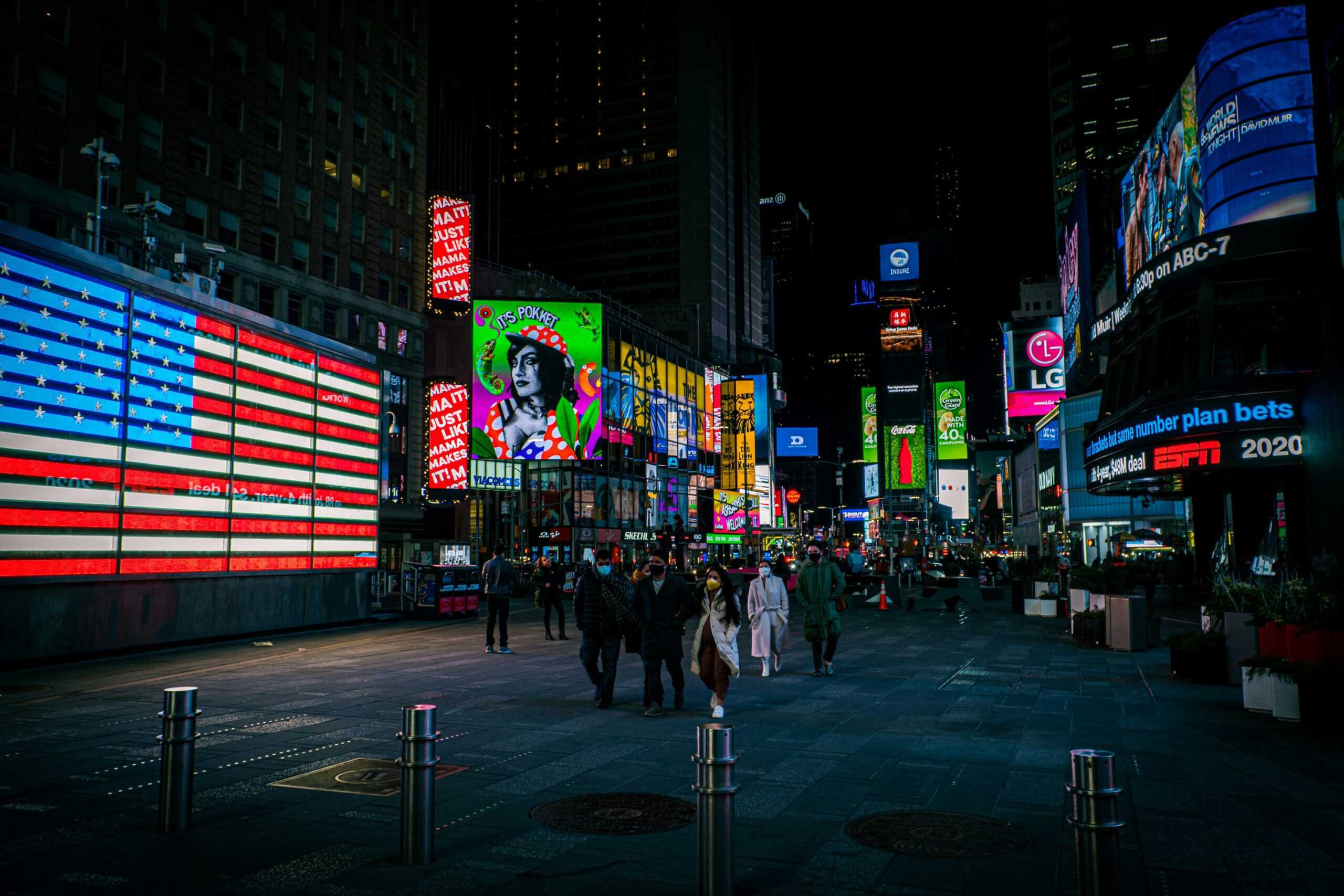
Times Square still blazes, but it can feel less like a rolling world expo than it did in peak tour-bus years, when guide flags and headset packs filled every corner and the crosswalks turned into a slow photo line. With fewer large foreign groups arriving in waves, the sidewalk energy breaks into smaller clusters, and the scene reads sharper: performers negotiating space, vendors calling out deals, and commuters threading through without constant gridlock. The billboards are just as loud, yet the ground-level rhythm feels less choreographed, giving visitors more room to linger, people-watch, and actually hear the city under the glow.
Grand Canyon South Rim, Arizona
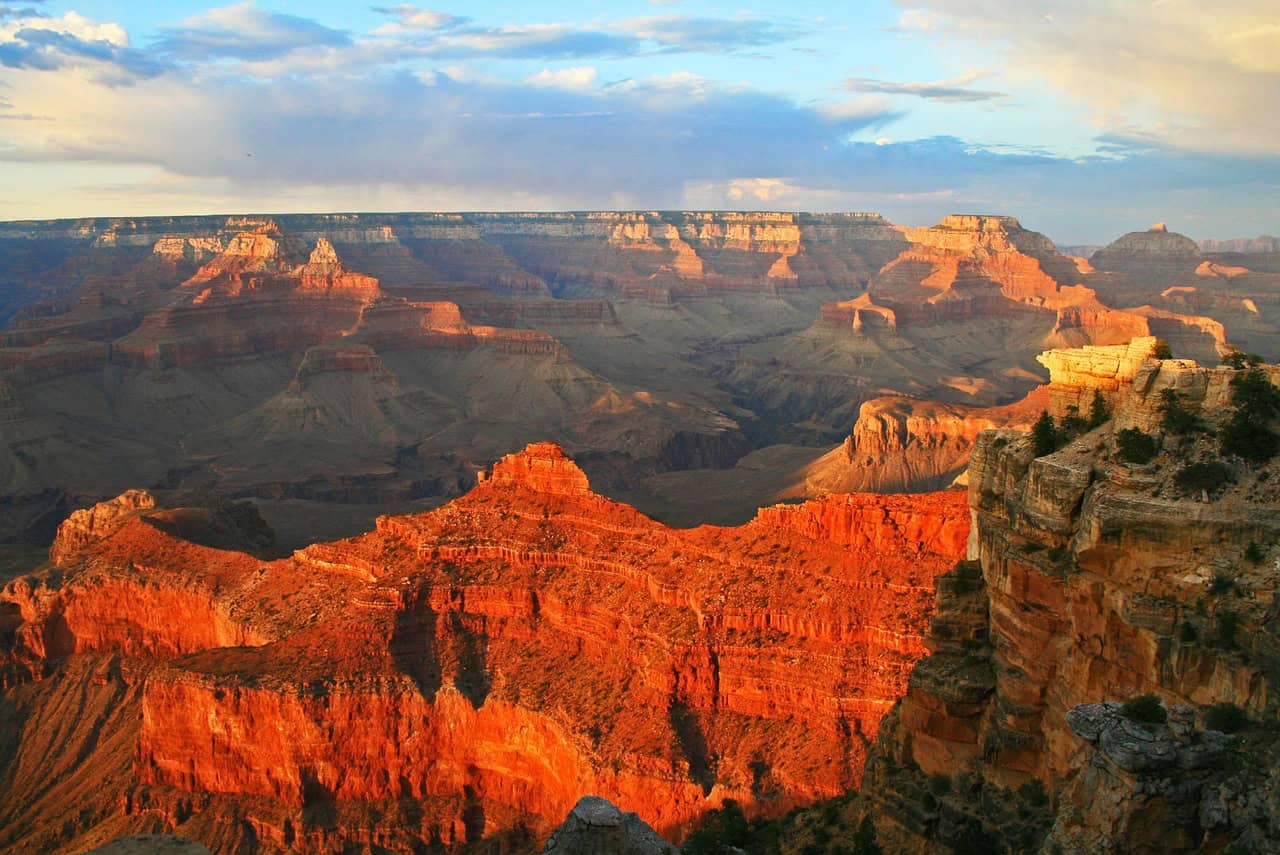
At the South Rim, overlooks once moved in tidy waves, guides steering groups through the same photo script, then back to buses on a stopwatch that left little room for silence or stray curiosity. With fewer big foreign tours, Mather Point and the Rim Trail can feel less compressed, especially in shoulder season, so people sit longer, listen to ranger talks, spot condors, and watch shadows slide across the layers instead of racing for one perfect frame. The canyon still overwhelms, but the pace is calmer, and the quiet between voices makes the scale feel even larger, like the landscape has more room to speak.
Yellowstone Old Faithful Area, Wyoming
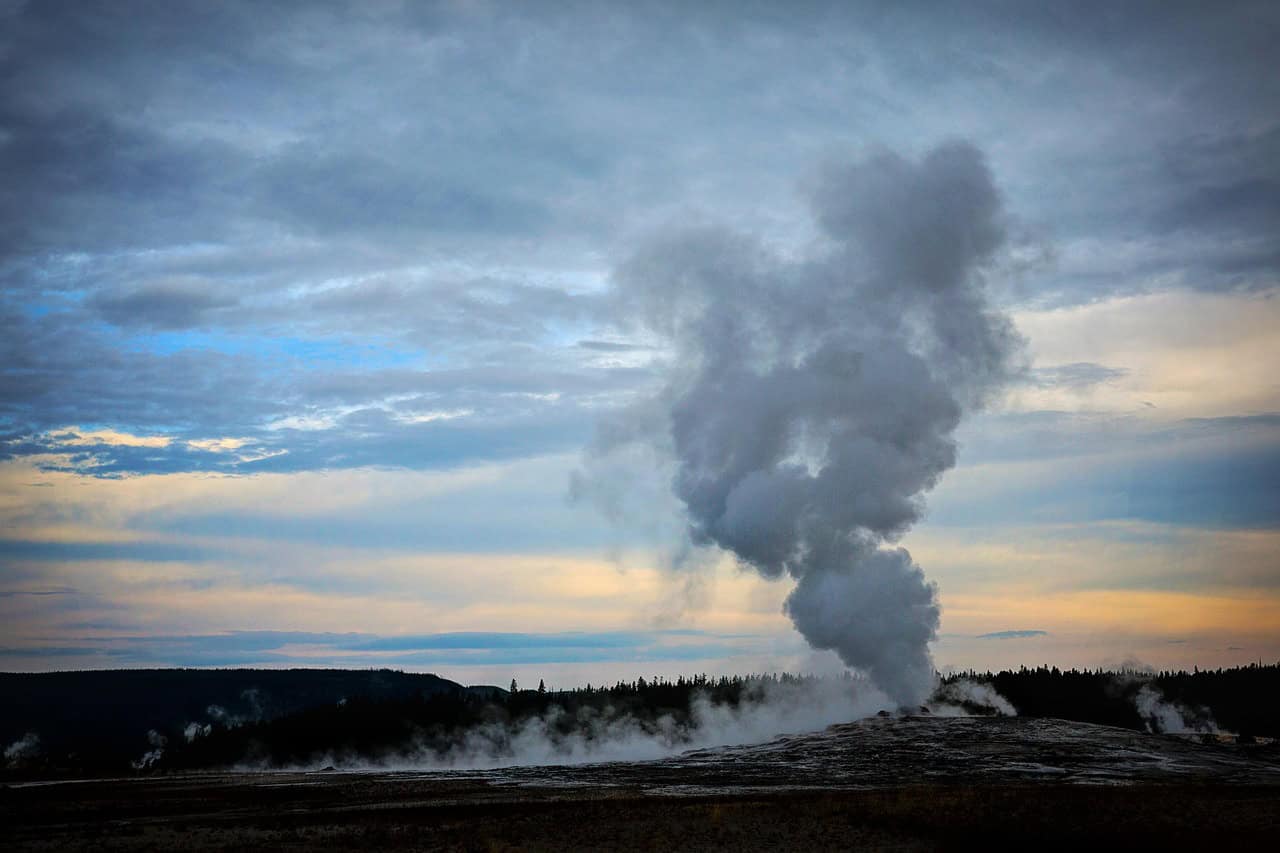
Old Faithful is still a shared appointment, with strangers reading the prediction board and waiting for the first hiss, but the approach can feel less squeezed when fewer coach groups arrive at once and fewer itineraries demand a quick exit. The boardwalk holds more breathing room, the viewing arc spreads out instead of stacking at the rail, and it becomes easier to notice the basin itself: mineral colors, drifting steam, and the steady thrum of heat underfoot. The crowd sounds different too, with less headset chatter and more slow talk about road loops, bison sightings, and which geyser surprised them last.
Niagara Falls, U.S. Side, New York
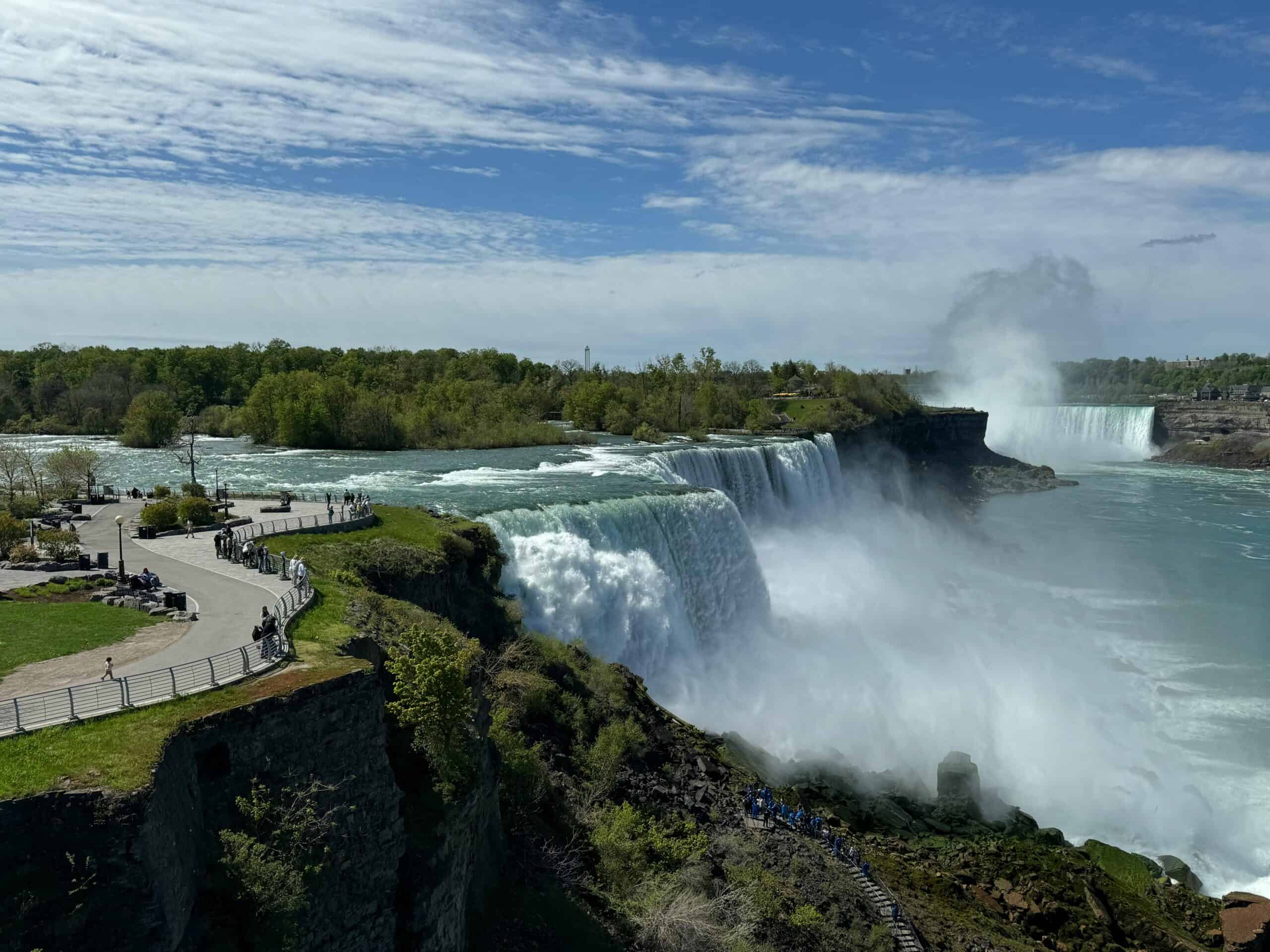
Niagara’s United States side can feel less like a timed stop when fewer foreign groups schedule it between cities and unload in synchronized bursts that turn the plaza into a countdown. Prospect Point and Goat Island still draw plenty of people, but the flow is more unhurried, with fewer rushed group photos staged in the same spots and more visitors lingering for the mist, the views, the short footpaths, and the small museum corners. On cold mornings, people stand at the rail long enough to get soaked, laugh about it, warm up with coffee or soup, and then circle back for one more look instead of sprinting back to a bus.
Smithsonian Museums, Washington, D.C.
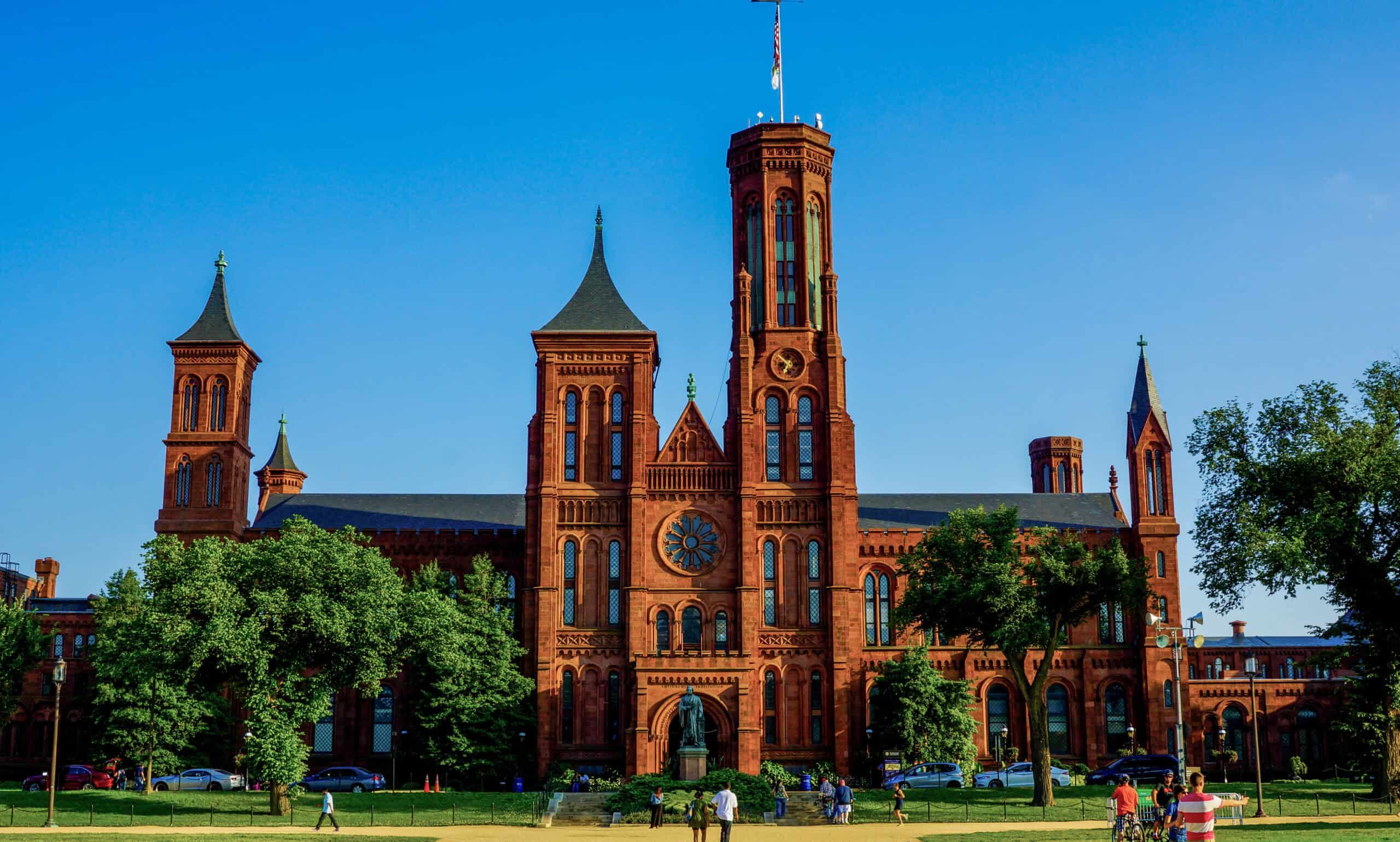
The Smithsonian still pulls crowds, yet galleries can feel calmer when fewer international tours arrive on tight itineraries and move as one unit from highlight to highlight. Hallways read less like a conveyor belt of matching badges and more like small groups pausing at labels, models, and tiny details in cases, then doubling back without guilt because the next stop is not a head-count deadline or a bus parked on 12th Street. With docents, exhibit text, and guides doing more guiding than megaphones, the museums feel more like a long browse than a checklist, and the slower pace rewards curiosity with details that used to be walked past.
Las Vegas Strip, Nevada

The Strip lives on spectacle, but its texture changes when fewer foreign package tours anchor certain hotels, outlets, and casino photo stops, reducing those sudden waves of matching lanyards and identical schedules. Lobbies feel less like mass meetups and more like a mix of conference guests, domestic weekenders, and sports travelers, which softens the sense of a single crowd moving on cue from buffet to show to souvenir shop. Sidewalks still thicken at night, yet midweek hours can feel less compressed, with more room to drift, compare menus, and choose a show without a guide urging the next head count.
Walt Disney World, Florida
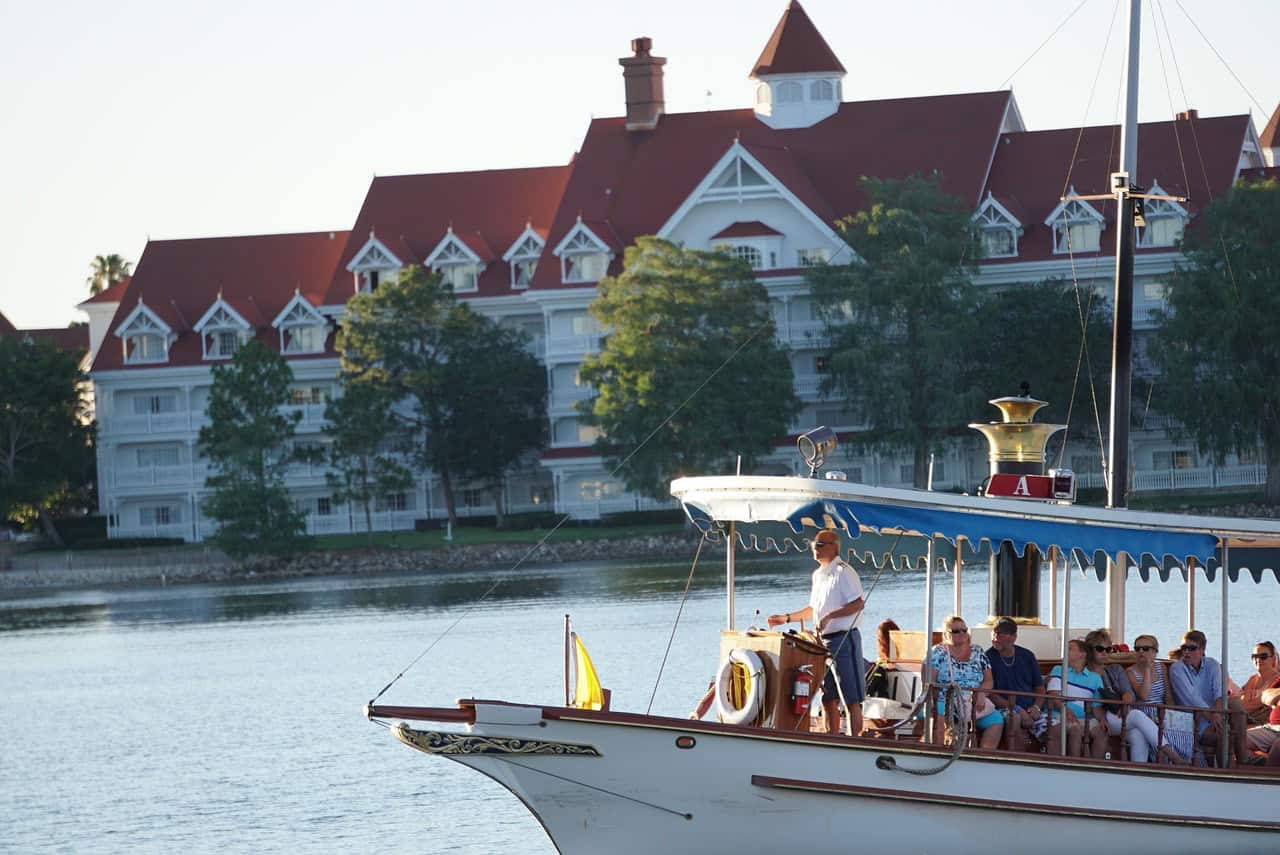
Disney World is built for scale, but it feels different when fewer overseas groups arrive in matching shirts and run the parks like a timed mission from rope drop to fireworks, with every stop mapped in advance. The crowd becomes more family-shaped, with stroller logistics, snack breaks, and mid-day rest replacing marathon circuits, and that shift changes how benches, shade, and quiet corners get used, especially around parade routes and indoor shows. Waits still spike, yet the mix in line can feel less global on some days, and the pace leans toward improvisation, repeated favorites, and slower wandering between lands.
Hollywood Walk of Fame, Los Angeles
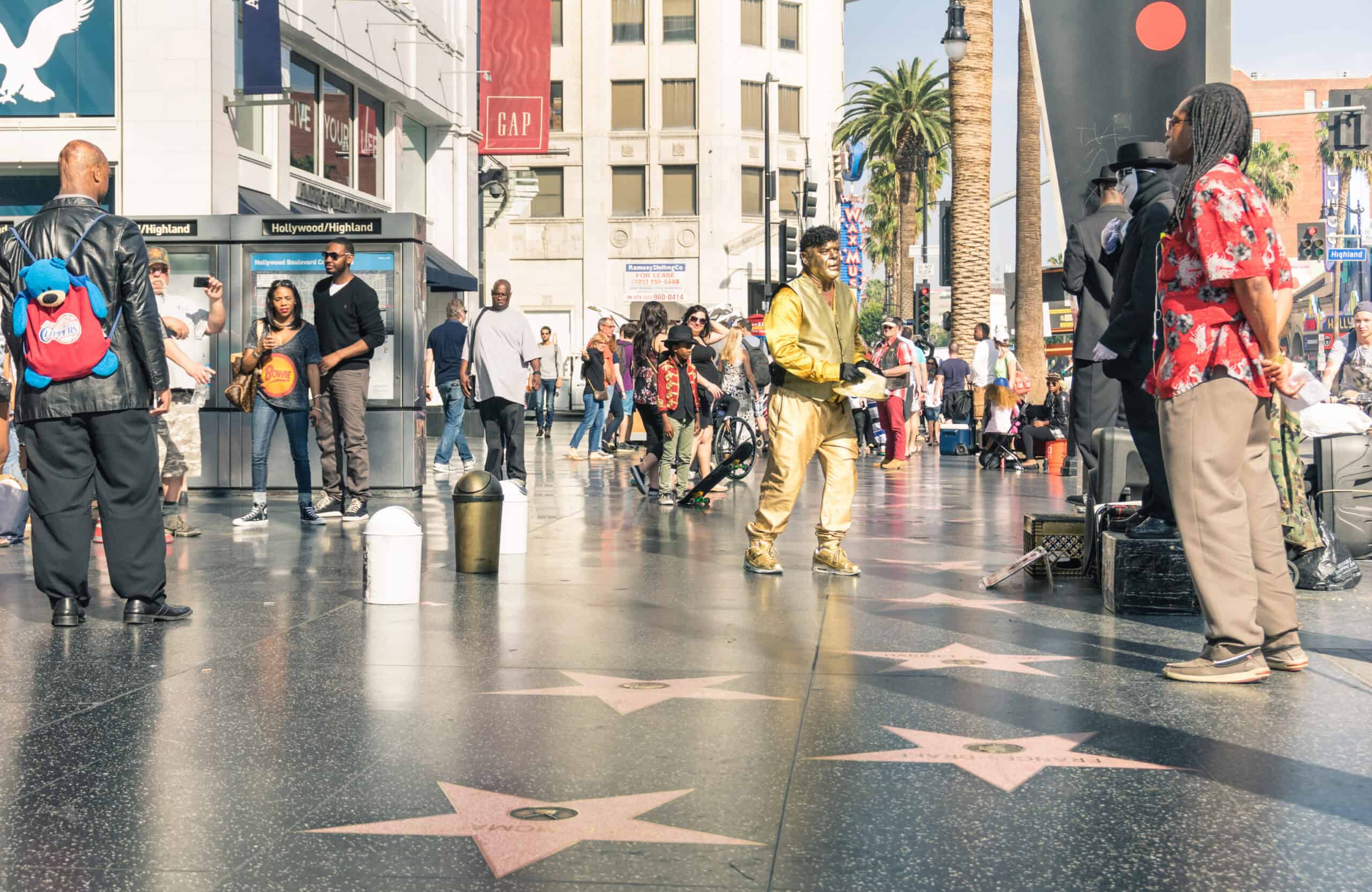
Hollywood Boulevard has always been a stop-and-go stage, but fewer foreign tour groups can make the Walk of Fame feel less like a box to tick between bus stops and more like a sidewalk people actually inhabit. There is more room to pause over a star, watch street characters work a corner, and wander into theaters and food spots without a guide pulling the group forward or a timer hanging over the block. Souvenir stalls still dominate, yet the crowd arrives more by rideshare and small parties than by buses, so the photo rhythm shifts from synchronized poses to candid moments, quick jokes, and detours.
San Francisco Waterfront and Alcatraz Area
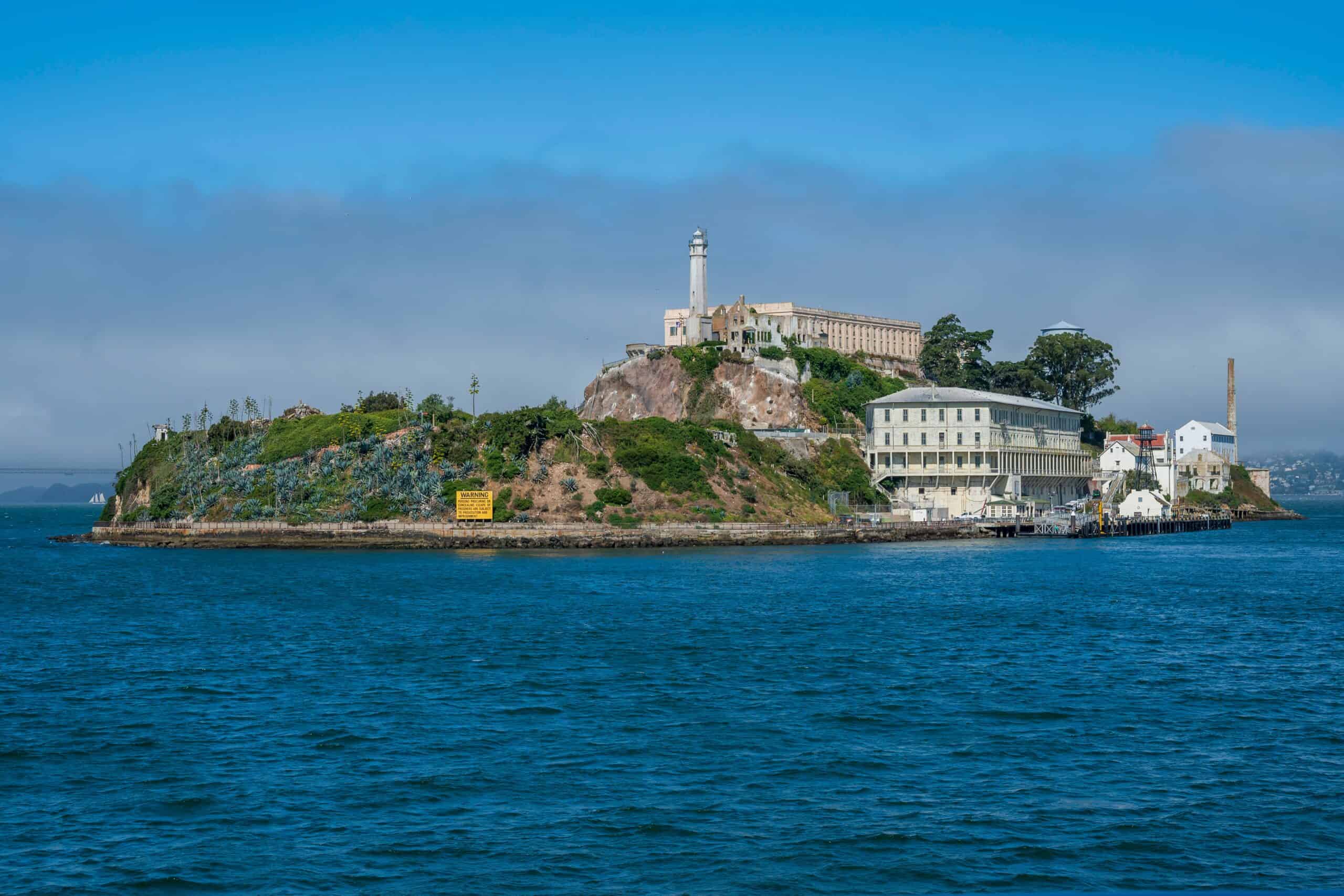
Around Fisherman’s Wharf and the Alcatraz piers, the waterfront can feel less like a global circuit when fewer large groups arrive with tight timing and matching tickets held high, ready to be counted and moved along. Movement becomes more exploratory, with sea lions, sourdough smells, crab stands, and cable-car photos holding attention longer instead of funneling everyone straight to the next scheduled stop or the next corner shop. Operators and restaurants lean into smaller bookings, and on colder days the piers feel almost neighborly, with locals mixing in, buskers drawing small crowds, and couples walking slowly into the wind.
Waikiki Beach, Oahu

Waikiki has long been a crossroads, and a dip in large foreign group travel can shift the mood from organized beach days to looser, independent rhythms along the sand and the promenade. Fewer coordinated drop-offs means fewer synchronized photo clusters near the seawall and more space for surfers, runners, locals with chairs, and small parties to settle in without feeling rotated through, hurried, or staged for the same background shot. Shops and luaus still run full, but the visitor mix can tilt toward domestic holidays and inter-island trips, making sunset feel less like a tour stop and more like a nightly habit.