We may earn money or products from the companies mentioned in this post. This means if you click on the link and purchase the item, I will receive a small commission at no extra cost to you ... you're just helping re-supply our family's travel fund.
Fame doesn’t always equal fulfillment. Some destinations survive purely on reputation, drawing millions who arrive with big expectations and leave with lighter wallets and quiet disappointment. These places aren’t scams in the legal sense, but they rely heavily on overcrowding, inflated pricing, and rushed experiences that rarely justify the hype. Understanding the real costs, conditions, and compromises behind these iconic locations can save travelers from regret. Below are ten well-known tourist traps where awareness matters more than excitement, and where disappointment often outweighs discovery.
1. Times Square, New York City
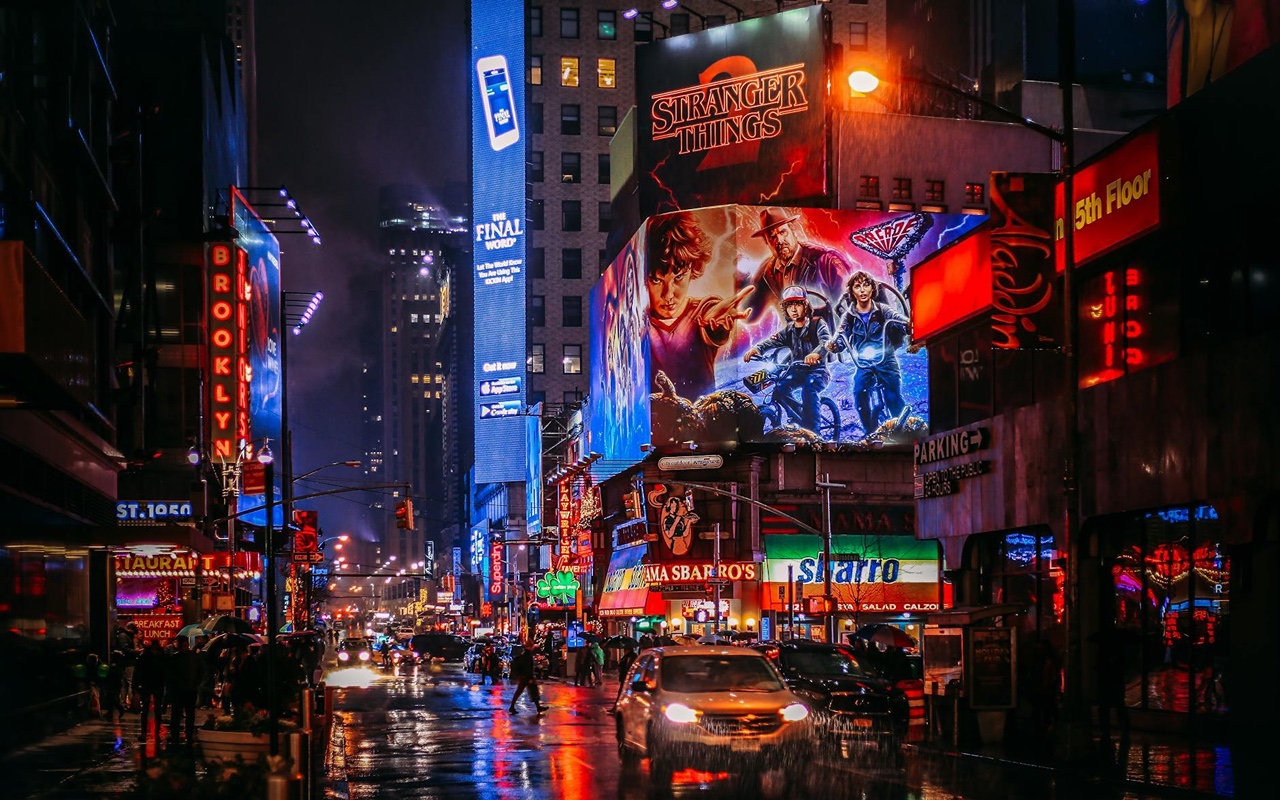
Times Square sees over 50 million visitors each year, yet most travelers stay less than 30 minutes before feeling overwhelmed. Restaurants in the area charge 40–60% more than similar spots just ten blocks away, with basic meals averaging $28–$35 per person. Costumed performers aggressively request tips ranging from $10–$25 per photo, while souvenir prices are heavily marked up. The constant noise, dense foot traffic exceeding 4,000 people per block, and lack of seating make lingering unpleasant. Visitors quickly realize the spectacle itself is the attraction, nothing deeper awaits.
2. Venice During Peak Season
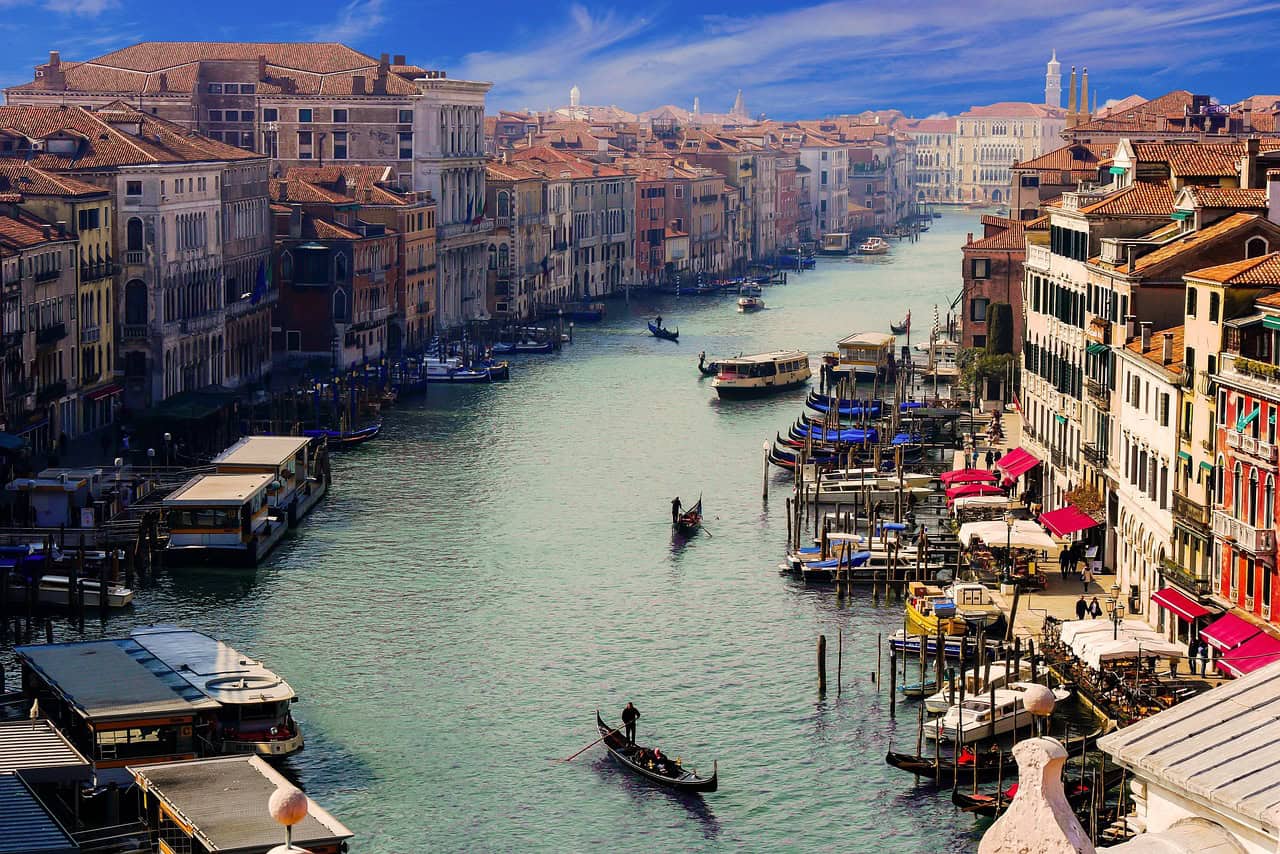
Venice attracts approximately 25 million tourists annually, with peak days funneling over 100,000 visitors into a fragile historic center. Gondola rides cost between $95–$130 for 30 minutes, often shared with strangers. Simple pasta dishes average $22–$30, while budget hotels frequently exceed $220 per night. Narrow streets clog by midmorning, and bridges become bottlenecks. Many residents have relocated, replaced by souvenir shops and short-term rentals. Visitors spend more time navigating crowds than enjoying canals, turning a romantic destination into an exhausting, overpriced obstacle course.
3. Hollywood Walk of Fame, Los Angeles
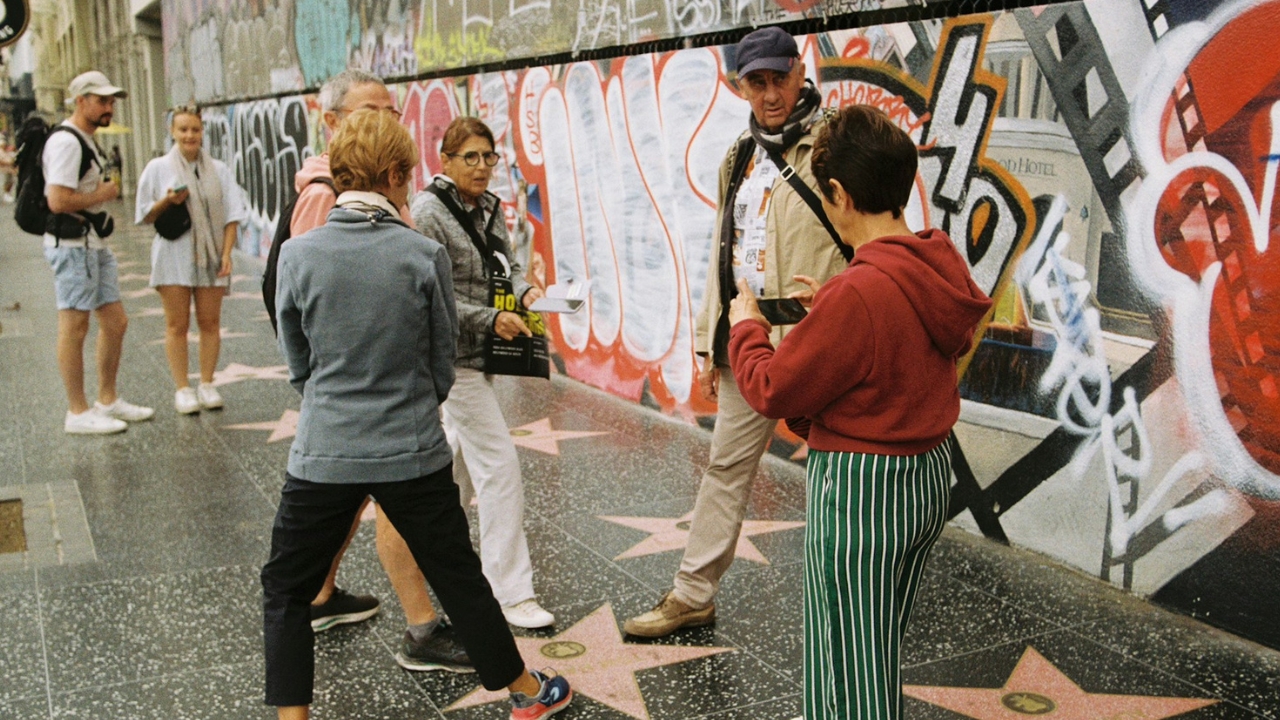
Despite welcoming nearly 10 million visitors yearly, the Walk of Fame often disappoints within minutes. Stretching only 1.3 miles, it’s packed with souvenir stores, street vendors, and aggressive tour sellers. Guided bus tours start around $40–$55 per person, yet offer limited insight. Food prices average $25–$35 per meal, while cleanliness and safety concerns are common. Most stars commemorate names unfamiliar to international travelers, and celebrity sightings are extremely rare. Many visitors leave within 20 minutes, realizing Hollywood’s magic exists far beyond this overcrowded sidewalk.
4. Patong Beach, Phuket
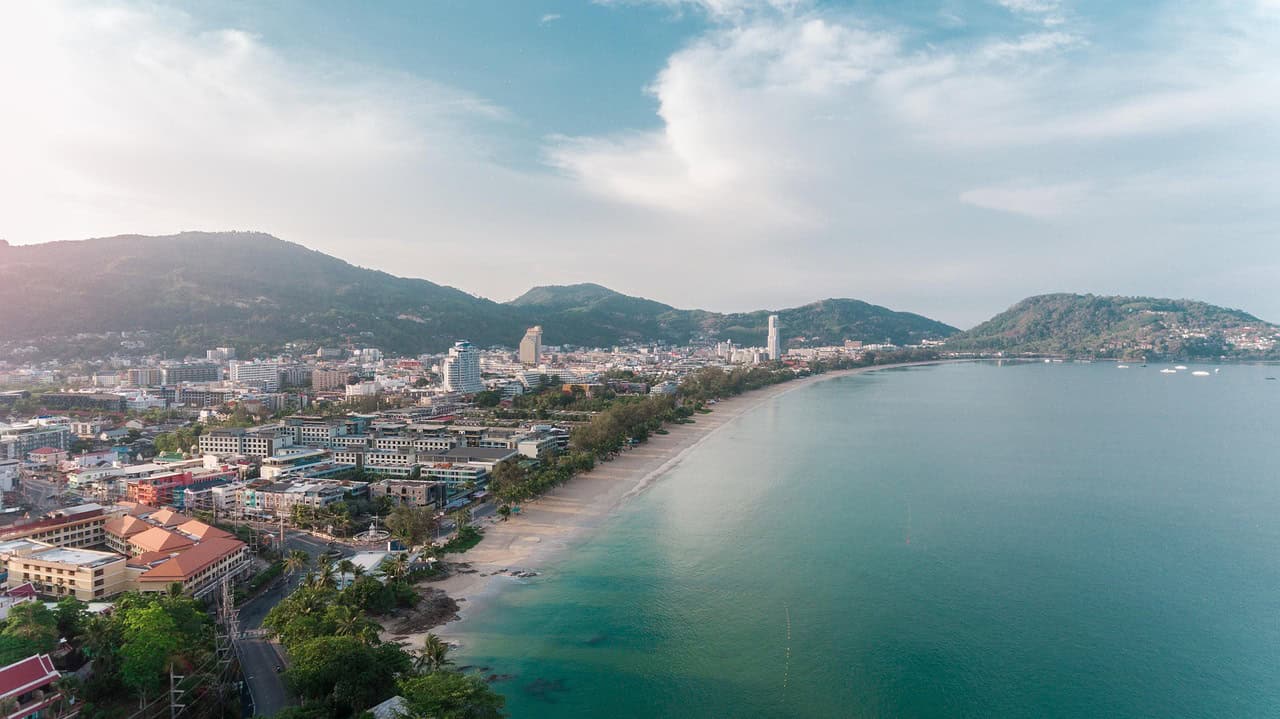
Patong Beach receives more than 8 million visitors annually, making it one of Thailand’s most commercialized areas. Beach chairs and rentals cost $10–$15 per day, while jet ski rides average $45 for 30 minutes. Meals that cost $5–$7 elsewhere in Thailand often reach $15–$20 here. Taxi fares are inflated, nightlife drinks exceed $12 each, and scams involving rentals are frequent. Overcrowding impacts water quality and atmosphere. Travelers expecting serene beaches instead encounter loud streets, dense crowds, and prices comparable to Western resort towns.
5. Leaning Tower of Pisa Area, Italy
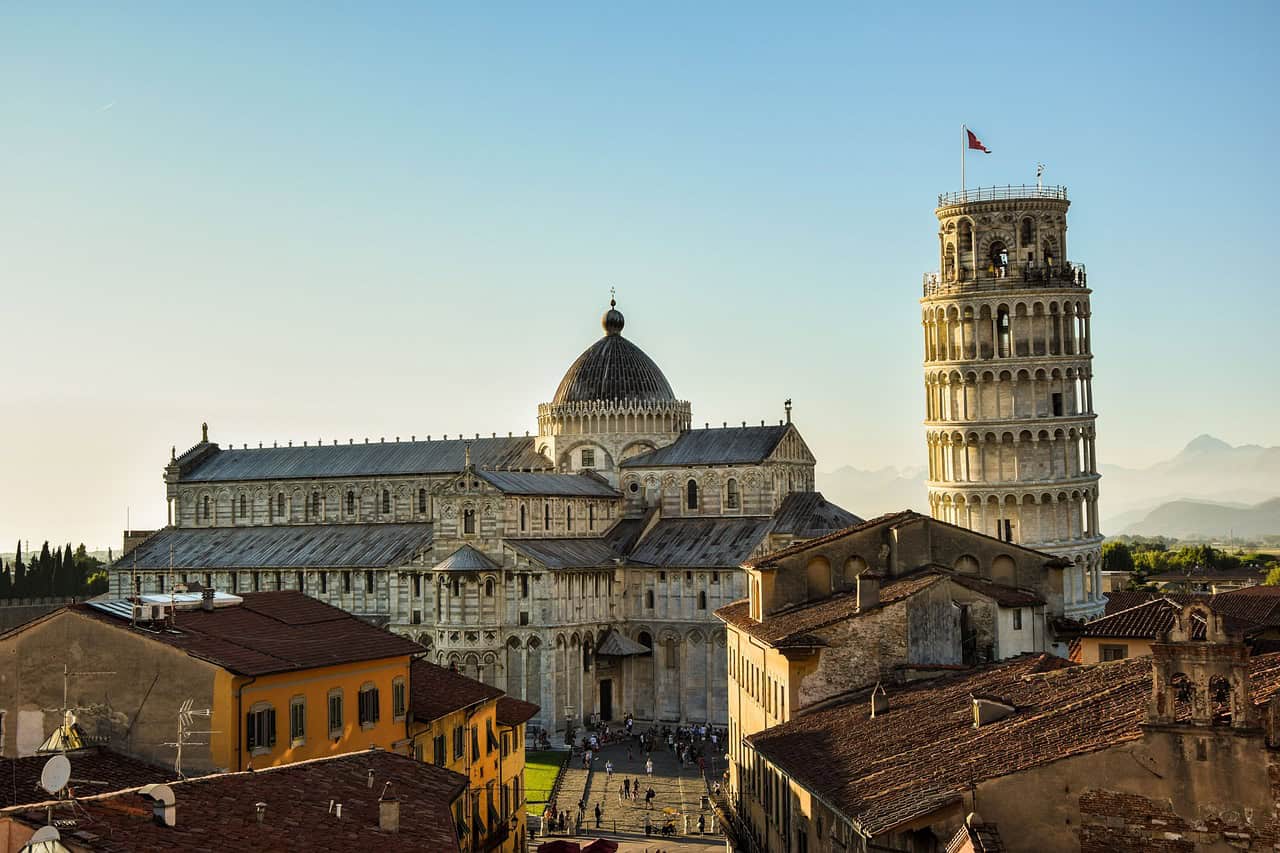
The Leaning Tower draws over 5 million visitors per year, yet most spend under 40 minutes in the surrounding area. Entry tickets cost $22–$27, while nearby cafes charge $6–$8 for coffee and $20+ for basic meals. Streets are packed with vendors selling identical souvenirs at inflated prices. Once the iconic photo is taken, there’s little else to explore. Many travelers later realize they dedicated half a day and significant expense to a single visual moment already replicated endlessly online.
6. Cancun Hotel Zone, Mexico
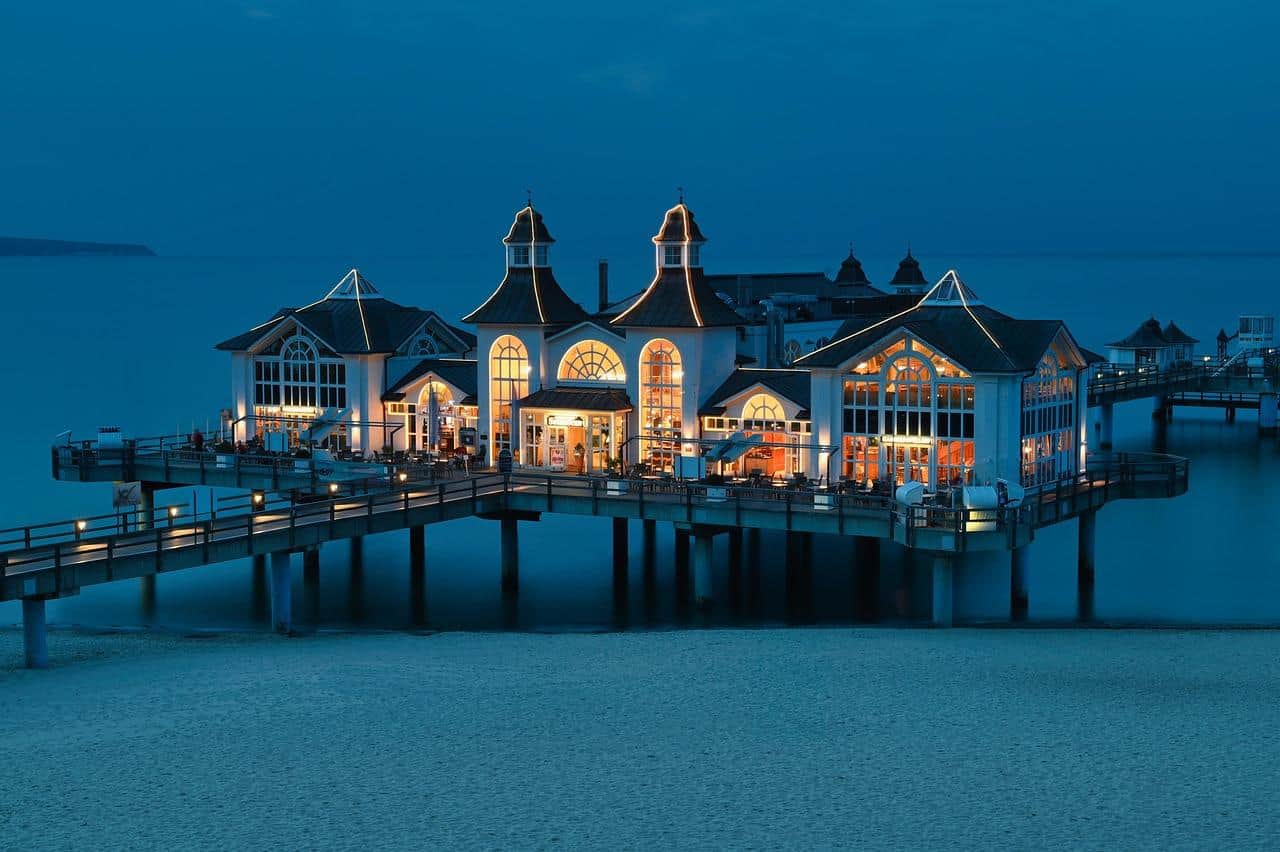
The Cancun Hotel Zone hosts over 6 million tourists annually, many staying within all-inclusive resorts costing $250–$450 per night. Outside the resorts, food prices rise sharply, averaging $20–$30 per meal, while excursions often exceed $120 per person. Beaches are crowded, nightlife is aggressively commercial, and interaction with local culture is minimal. Transportation scams and inflated taxi fares are common. Visitors frequently report feeling isolated inside tourist bubbles, realizing their experience could have occurred anywhere tropical, without truly experiencing Mexico itself.
7. Santorini at Sunset, Greece
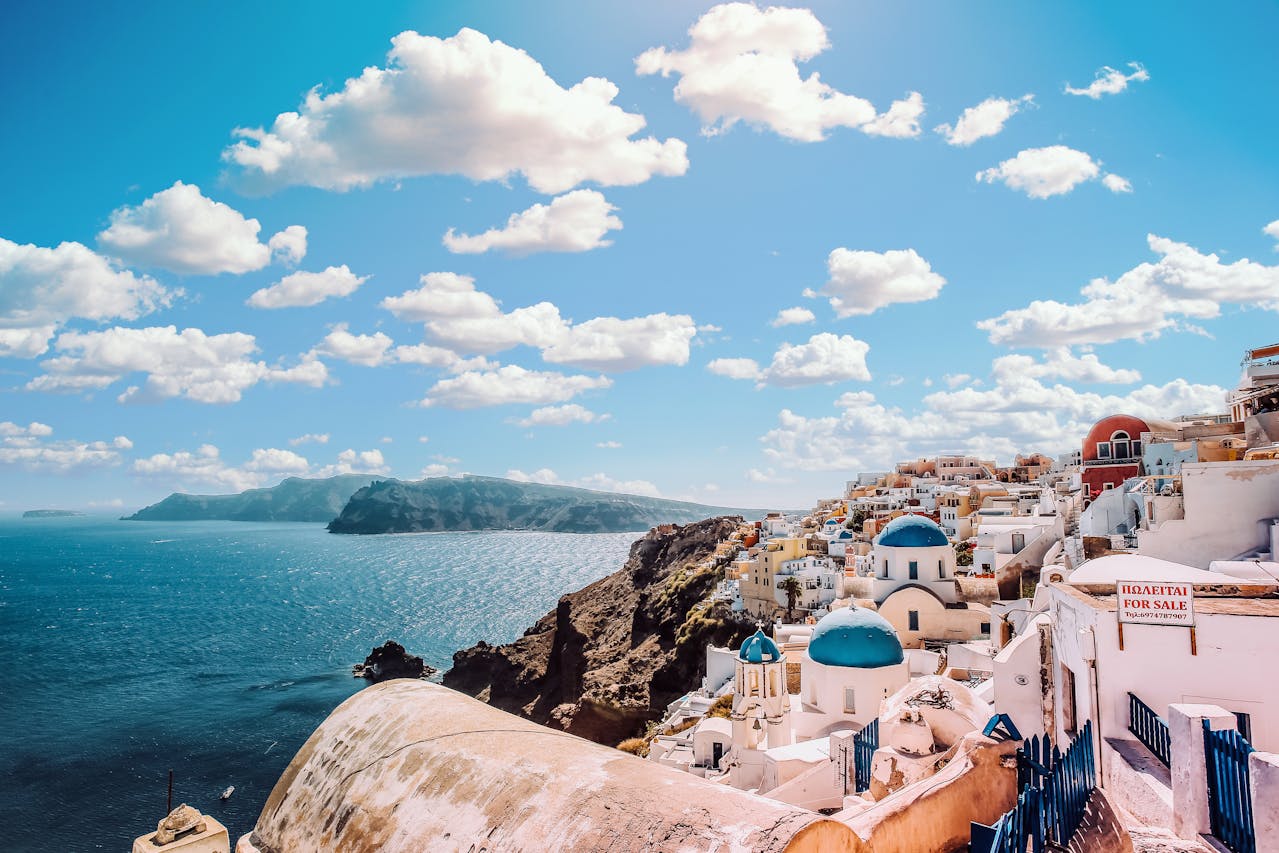
Santorini welcomes around 3 million visitors yearly, with sunset hours drawing massive crowds into Oia. Restaurants with sunset views charge $60–$90 per person, often with rushed service. Hotel prices during peak season exceed $400 per night, even for modest rooms. Narrow streets become gridlocked hours before sunset, forcing visitors to stand shoulder-to-shoulder. The moment itself lasts minutes, but the stress lasts hours. Many travelers admit the pressure, cost, and crowding drained the romance they expected from this iconic experience.
8. Niagara Falls Tourist Strip
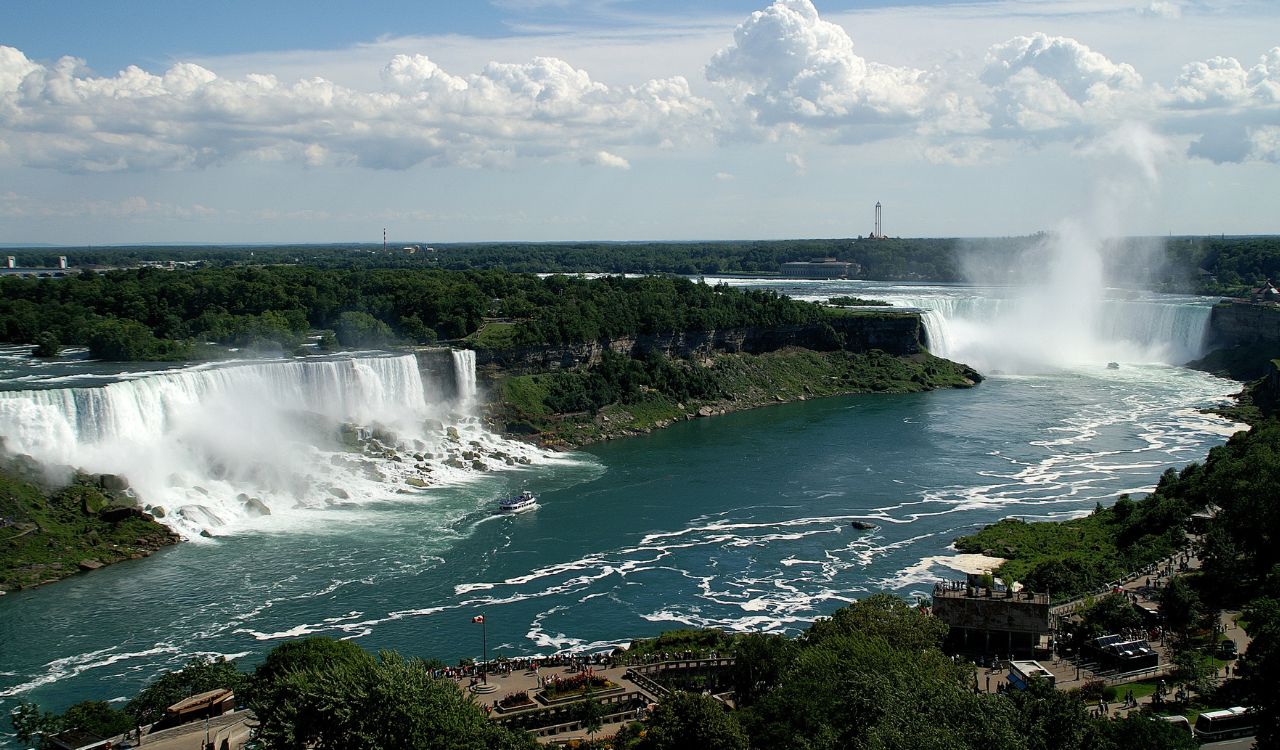
Niagara Falls attracts roughly 12 million visitors each year, but the surrounding tourist strip feels overly commercial. Hotels with partial views average $220–$350 per night, while attractions charge $30–$50 per person for brief experiences. Restaurants inflate prices by 30–40%, offering chain-level quality. The falls themselves are breathtaking, yet many visitors feel pressured into unnecessary paid attractions. Staying too long in the strip often leaves travelers feeling exploited rather than inspired by the natural wonder nearby.
9. Dubai Gold and Spice Souks
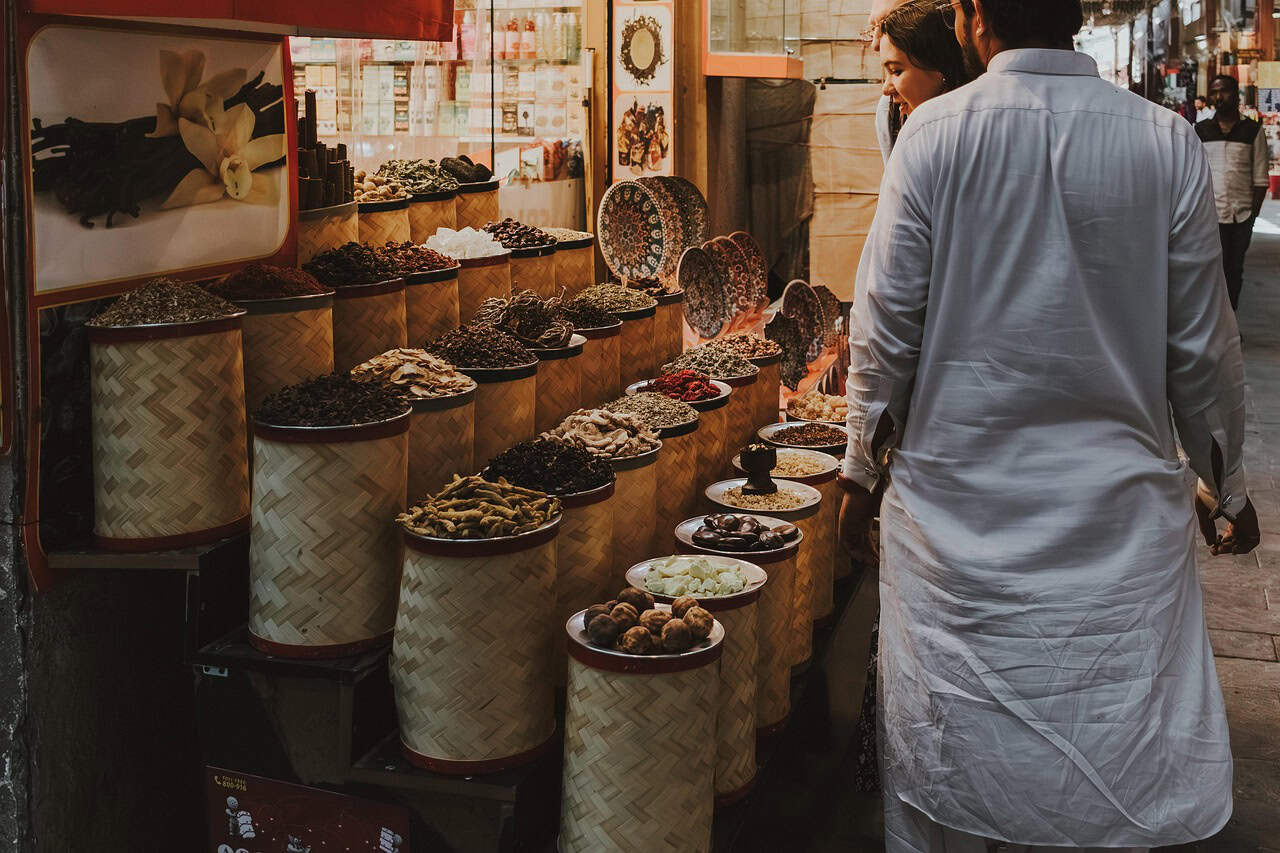
Dubai’s souks are heavily marketed as authentic, yet many tourists face inflated pricing and intense sales pressure. Jewelry prices are often marked up 20–40% for visitors, while spices and souvenirs are sold well above local value. Guided shopping tours typically cost $45–$70, steering travelers to commission-based stores. Bargaining fatigue is common, especially for newcomers. Without local knowledge, visitors frequently overpay, leaving the markets feeling less cultural and more transactional than expected.
10. Bali’s Instagram Hotspots

Bali receives over 5 million international tourists annually, many flocking to viral photo locations. Popular swings and viewpoints charge $10–$30 per entry, with waits exceeding 1–2 hours for a single photo. Traffic between hotspots can consume 3–4 hours daily. Photos rarely match reality due to heavy editing and staging. Visitors often leave exhausted, realizing quieter villages and lesser-known beaches offer richer experiences—without crowds, queues, or constant fees for curated moments.