We may earn money or products from the companies mentioned in this post. This means if you click on the link and purchase the item, I will receive a small commission at no extra cost to you ... you're just helping re-supply our family's travel fund.
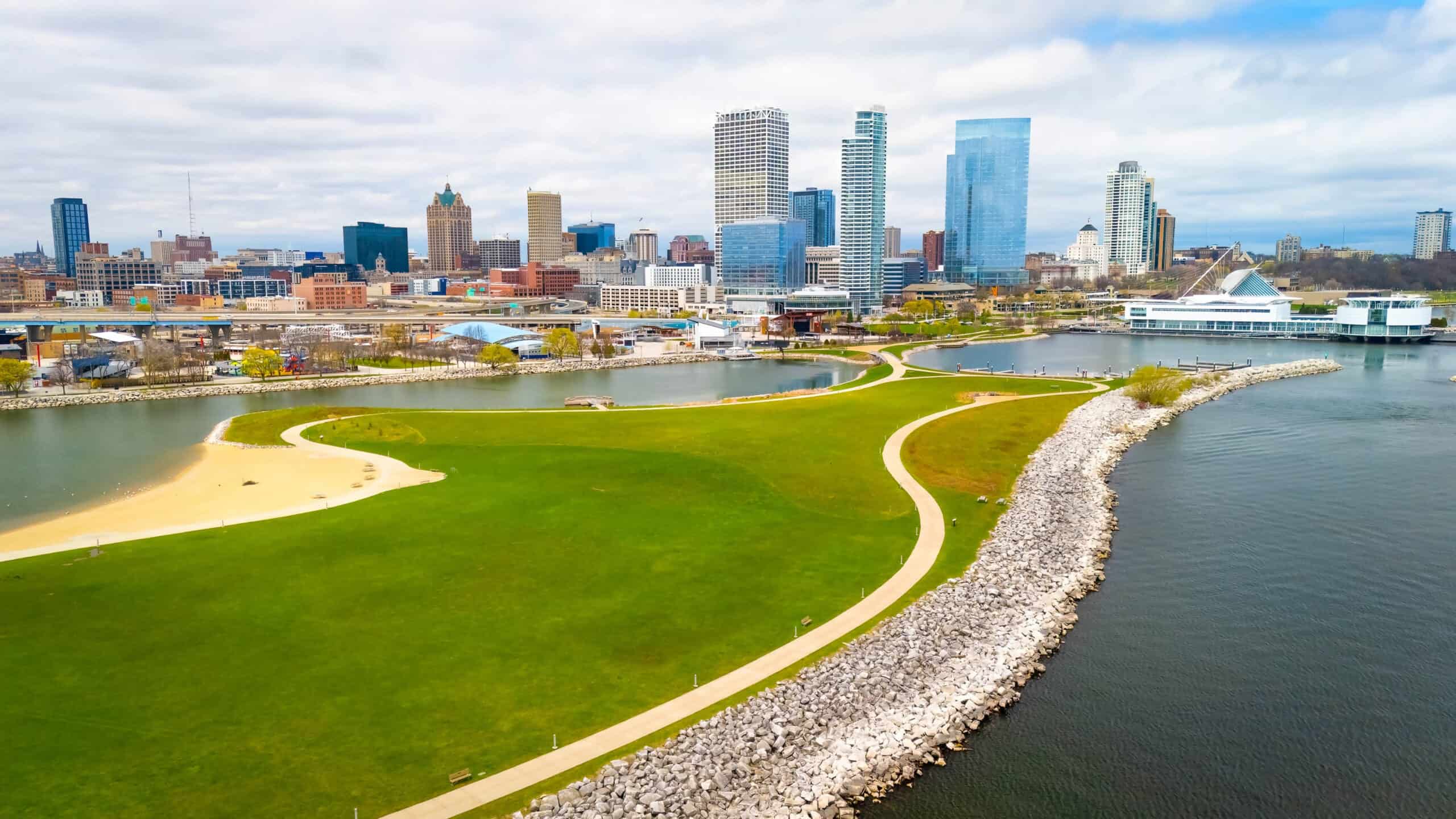
New York and Los Angeles tend to dominate conversations about American travel, culture, and city life, but they are far from the only places worth exploring. Across the country, smaller cities are building their own identities through local food, walkable neighborhoods, art scenes, and strong community energy. These places often feel more approachable, less expensive, and easier to experience without the pressure that comes with bigger destinations. They offer character without the crowds, giving travelers a chance to see a different side of urban America.
Savannah, Georgia
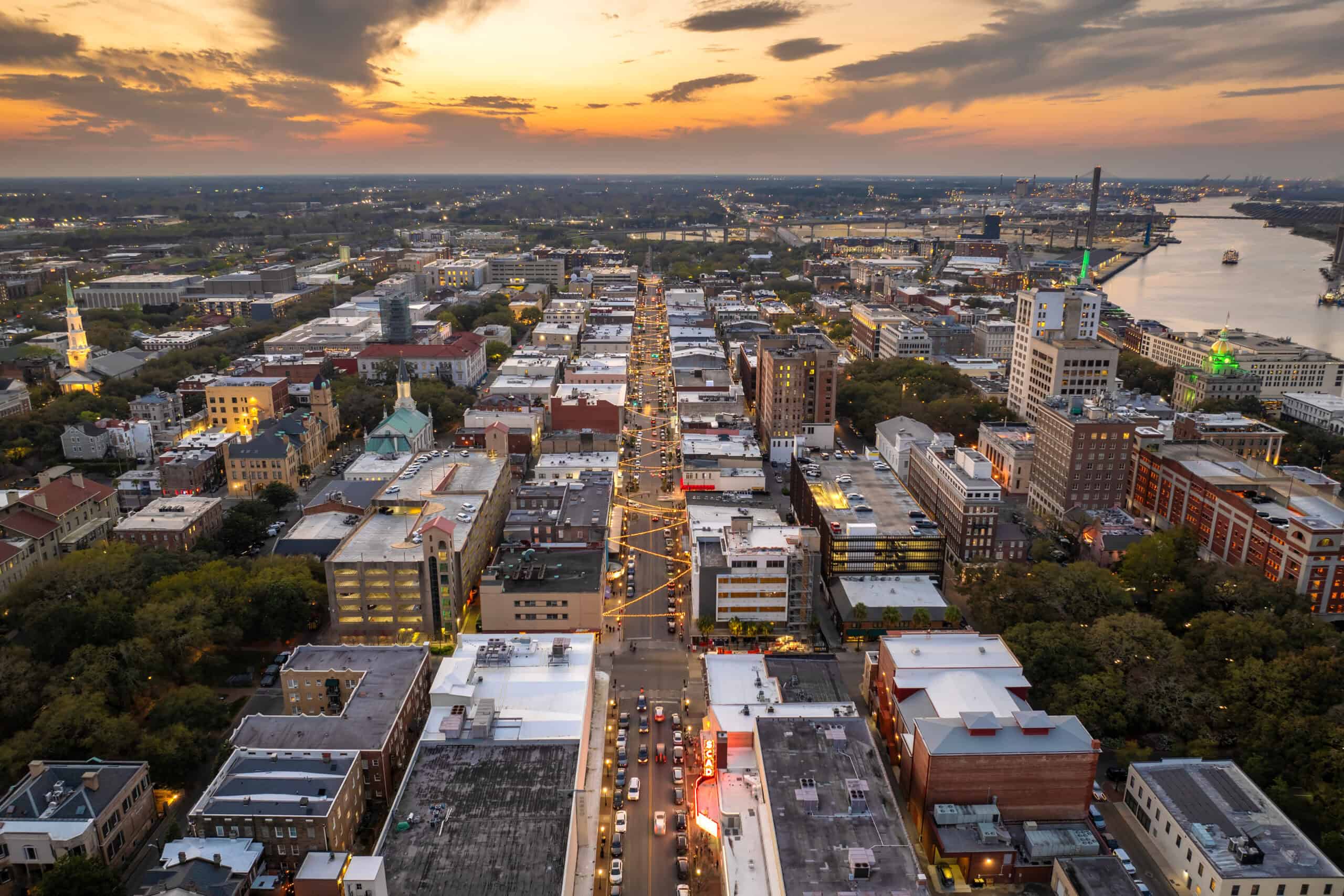
Savannah has a slower rhythm than most cities, but that is exactly what makes it memorable. Tree-lined streets, historic squares, and old homes covered in Spanish moss create a feeling that is hard to find anywhere else in the country. The city feels especially alive in spring and fall, when outdoor cafes fill up and people linger in the parks well into the evening. Its historic district has charm, but Savannah also has a growing food scene, creative community, and riverfront that give the city far more depth than many visitors expect.
Santa Fe, New Mexico
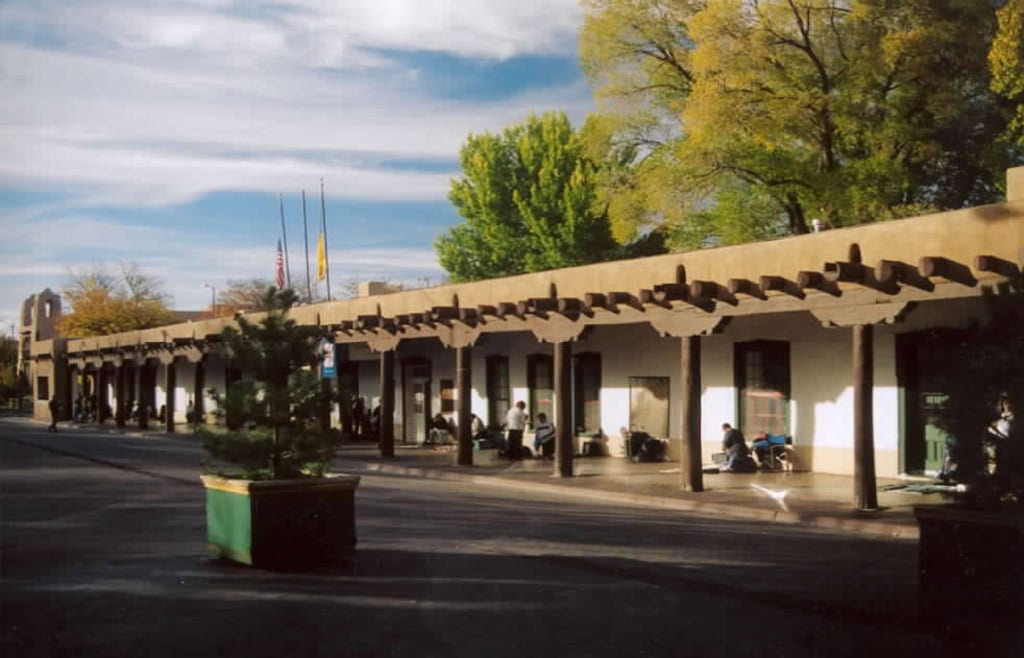
Santa Fe stands apart because it feels unlike anywhere else in the United States. The city blends Native American, Spanish, and Mexican influences into its architecture, food, and art scene. Adobe buildings, mountain views, and galleries filled with local work give the city a strong sense of identity. Cooler evenings and dry air make it especially appealing during summer and early fall. Santa Fe feels thoughtful and grounded, offering culture and beauty without the rush that often comes with larger cities.
Portland, Maine
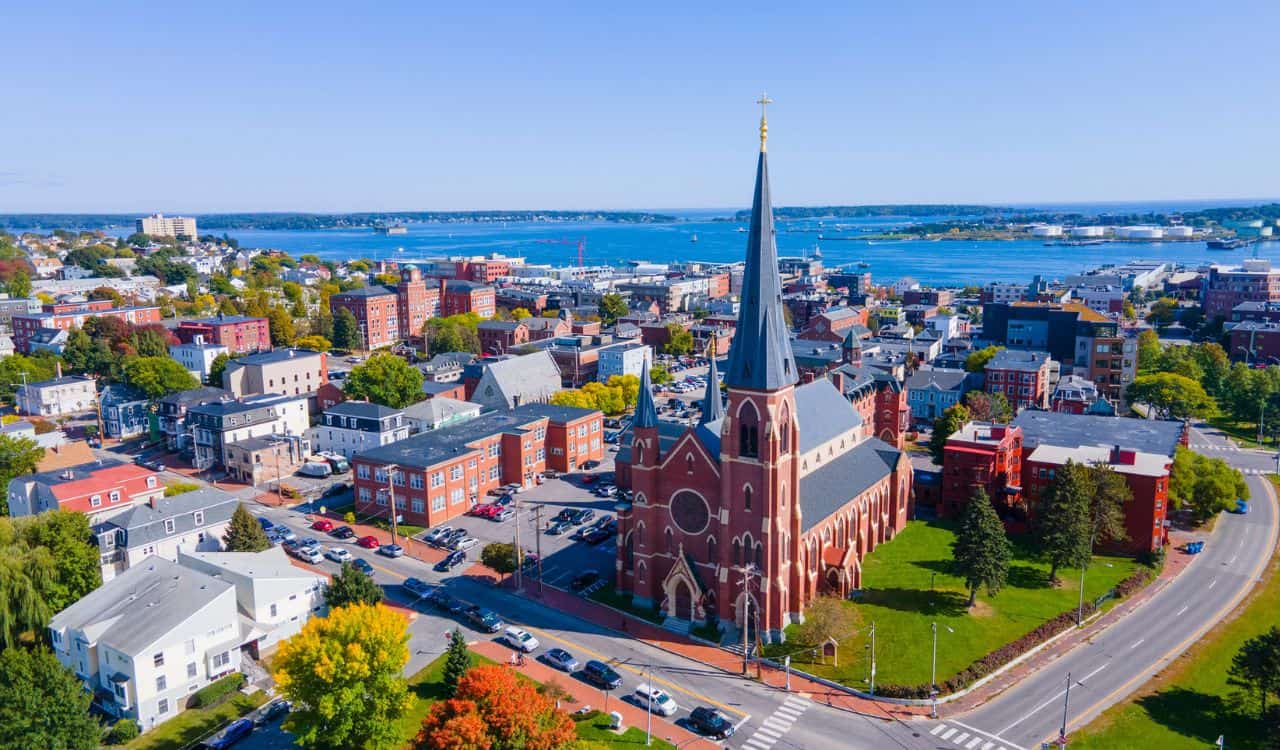
Portland delivers everything people love about coastal New England without the overwhelming crowds of larger East Coast cities. The working waterfront, historic brick buildings, and small streets filled with restaurants give it a welcoming feel. Seafood plays a huge role in daily life here, from lobster rolls to fresh oysters served steps from the harbor. Summers bring a lively atmosphere, while colder months make the city feel quieter and more intimate. Portland has enough energy to stay interesting while still feeling manageable.
Chattanooga, Tennessee
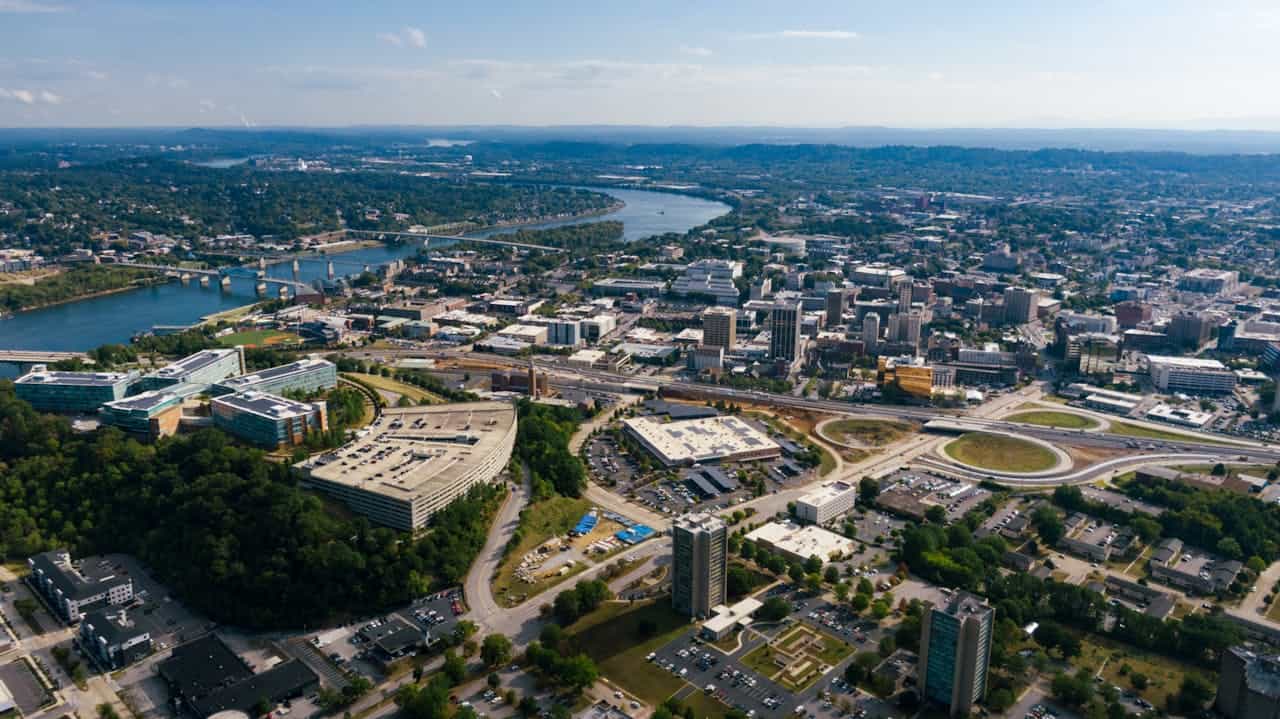
Chattanooga has quietly become one of the most appealing small cities in the South. Surrounded by mountains and split by the Tennessee River, it mixes outdoor adventure with a growing downtown filled with breweries, restaurants, and local businesses. The city is known for its riverwalk, climbing spots, and access to hiking trails, but it also has a strong arts community and historic neighborhoods. Chattanooga feels active without being overwhelming, making it appealing for both short visits and longer stays.
Milwaukee, Wisconsin
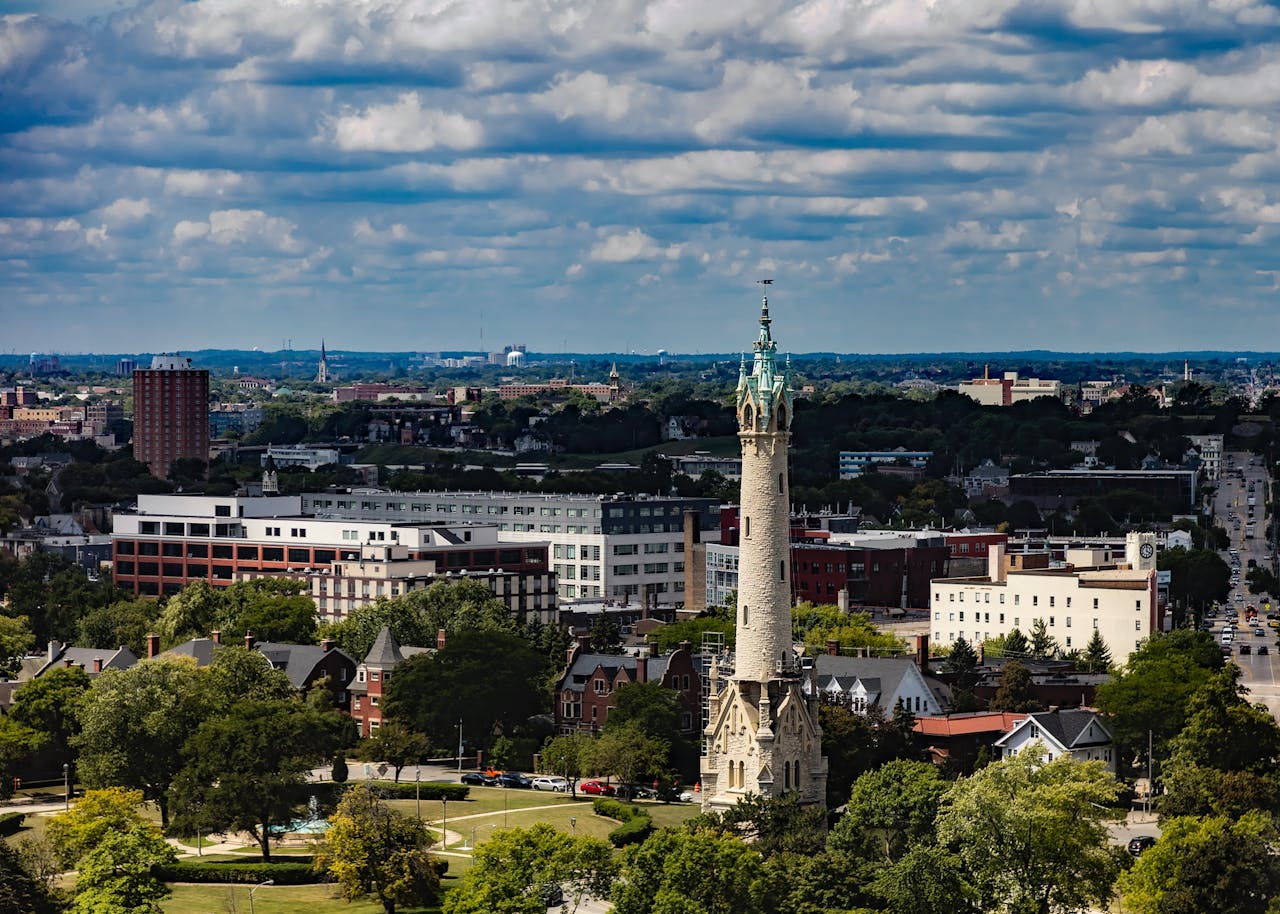
Milwaukee often gets overlooked because of nearby Chicago, but it has its own personality and appeal. The city sits along Lake Michigan, giving it waterfront views, summer festivals, and a more relaxed pace. Historic breweries, old warehouses turned into restaurants, and strong local pride shape much of its identity. Neighborhoods feel distinct without being difficult to navigate, and there is an easygoing quality to the city that stands out. Milwaukee offers culture and nightlife without the intensity of a much larger destination.
Asheville, North Carolina
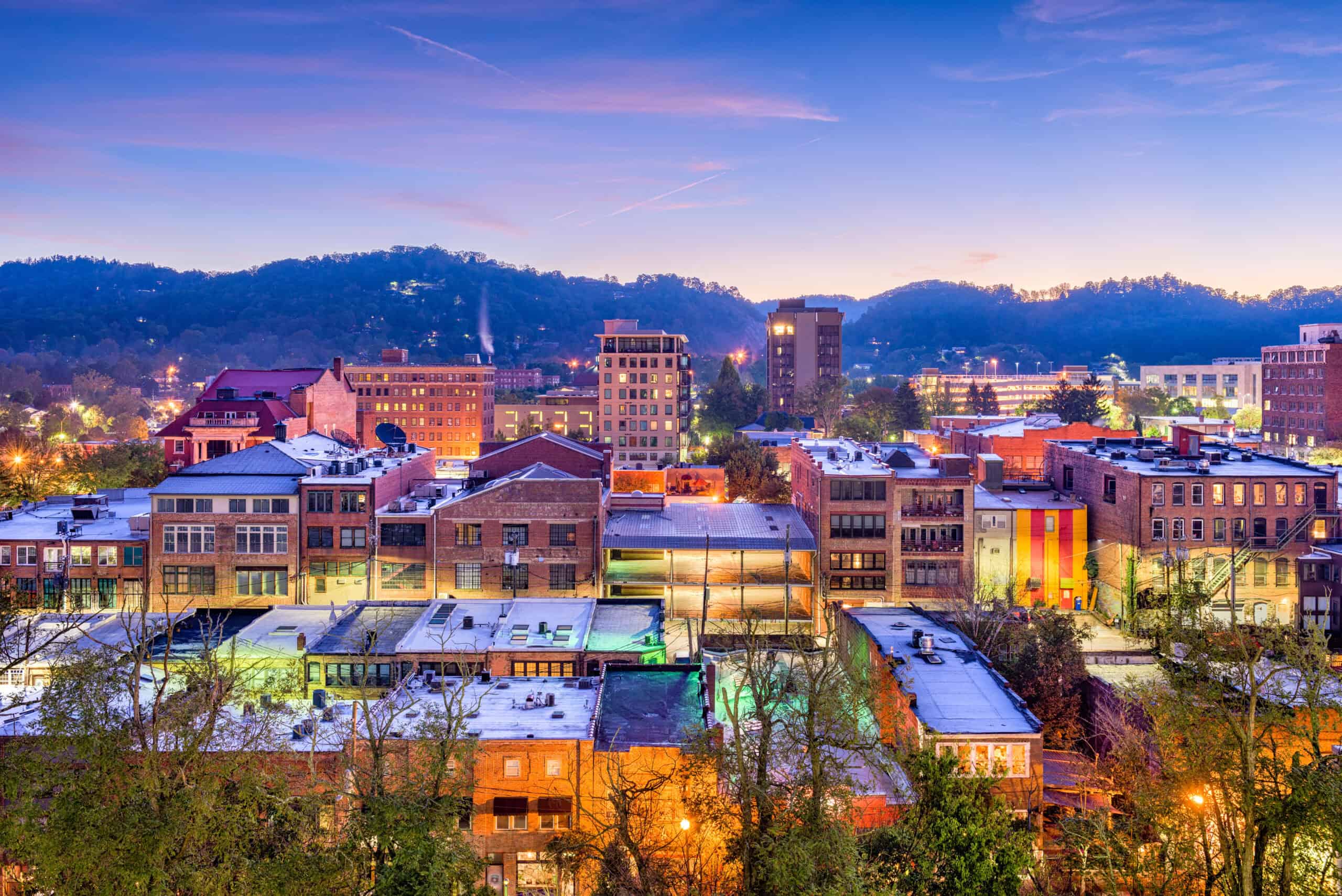
Asheville has built a reputation around creativity, mountain views, and a deep connection to local culture. The city sits near the Blue Ridge Mountains, which means outdoor activities are always close by, especially during fall when the leaves change color. Downtown is packed with independent bookstores, coffee shops, music venues, and galleries. Asheville feels relaxed, but not sleepy. There is always something happening, yet the city still holds onto a sense of calm that larger places often lose.
Tulsa, Oklahoma

Tulsa surprises many visitors because it offers far more culture and style than they expect. The city has beautiful art deco buildings, a growing music scene, and one of the strongest collections of public parks in the region. Areas like the Arts District and Gathering Place have helped give Tulsa a fresh identity in recent years. It feels affordable, creative, and easy to move around. Tulsa does not try to compete with larger cities, which is part of what makes it so appealing.
Providence, Rhode Island
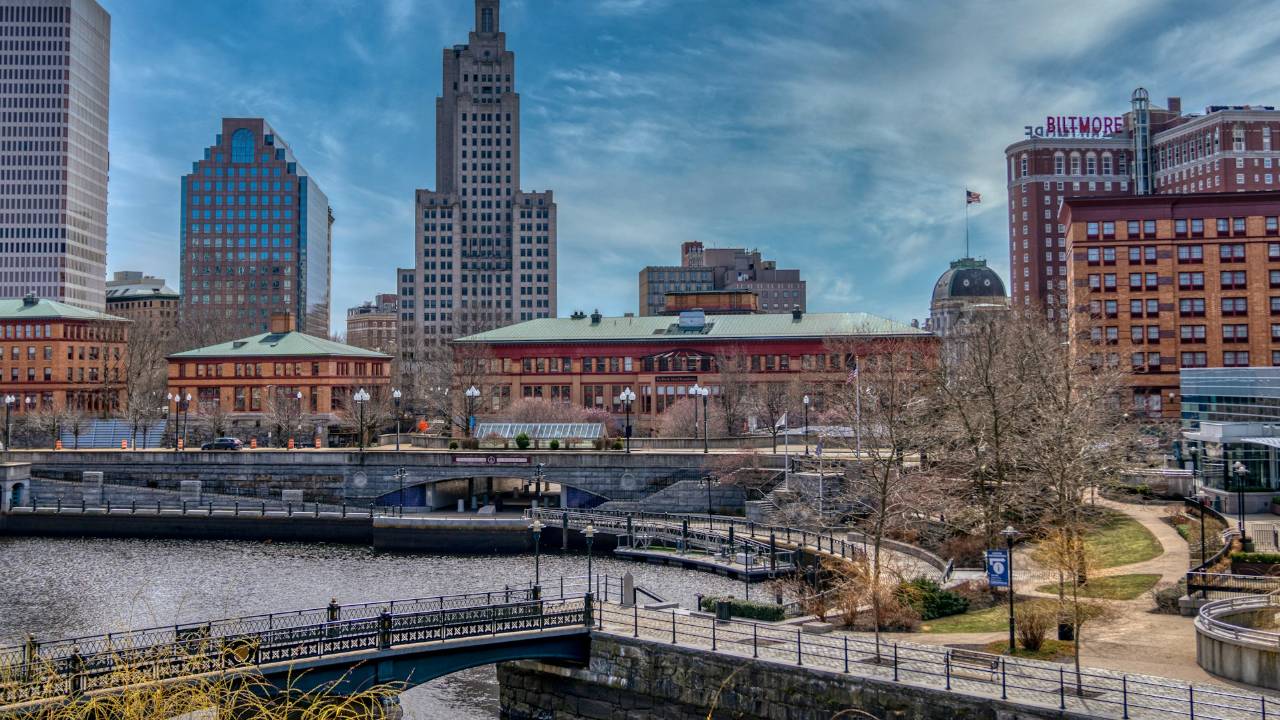
Providence combines the energy of a college town with the history of an older East Coast city. Streets lined with brick buildings, local restaurants, and independent shops give it personality without making it feel crowded. The city is home to a respected art and design community, which shapes everything from public events to neighborhood murals. Providence also has a strong food scene that reflects its Italian, Portuguese, and seafood traditions. It feels vibrant without becoming exhausting.
Boise, Idaho
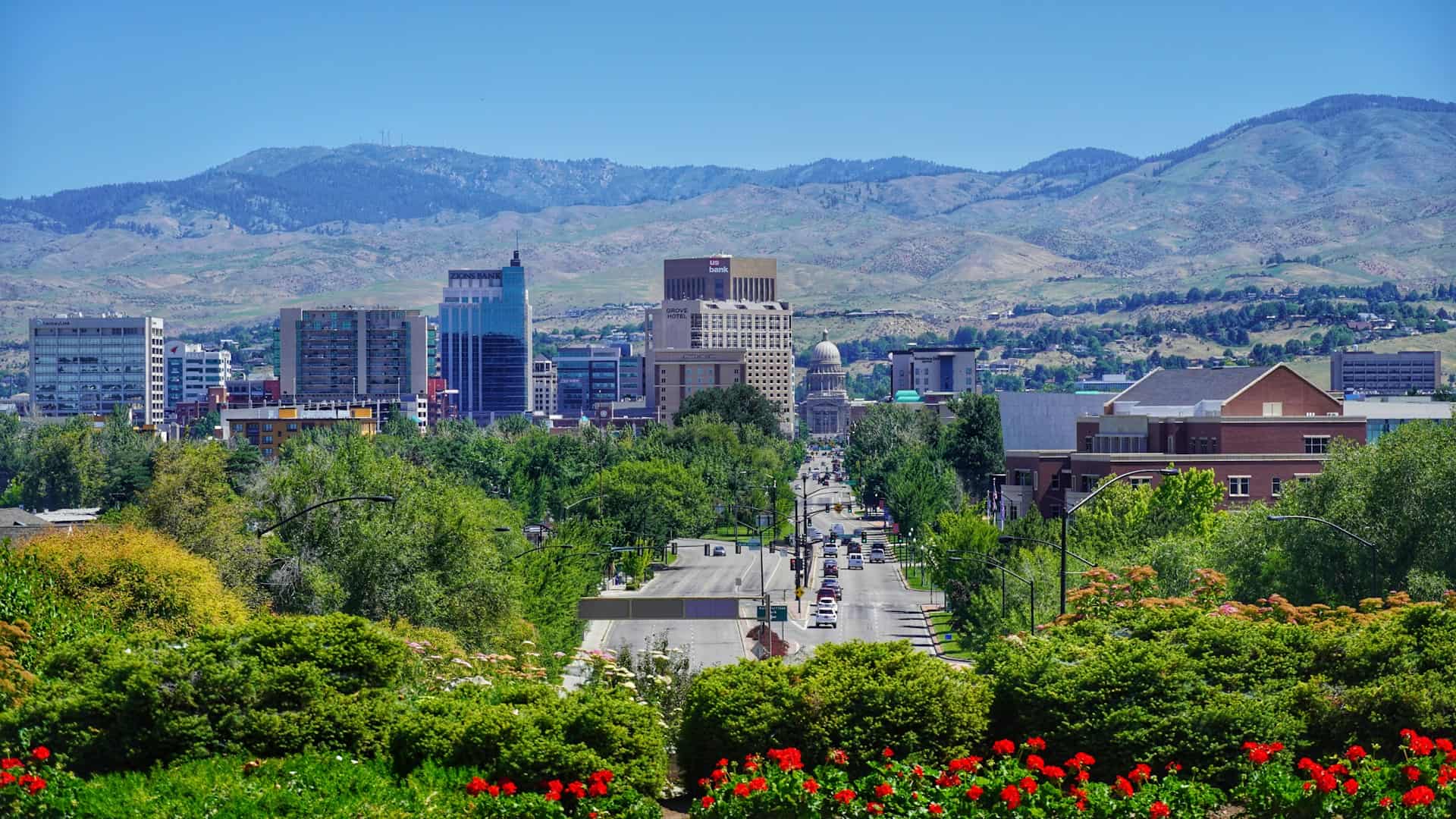
Boise has become increasingly popular, but it still feels underrated compared to bigger Western cities. The city offers easy access to rivers, trails, and mountains, while downtown remains compact and walkable. Boise balances outdoor life with a growing restaurant scene, local markets, and cultural events throughout the year. It feels clean, calm, and easy to navigate. Many people arrive expecting a quiet city and leave surprised by how much there is to do.
Pittsburgh, Pennsylvania
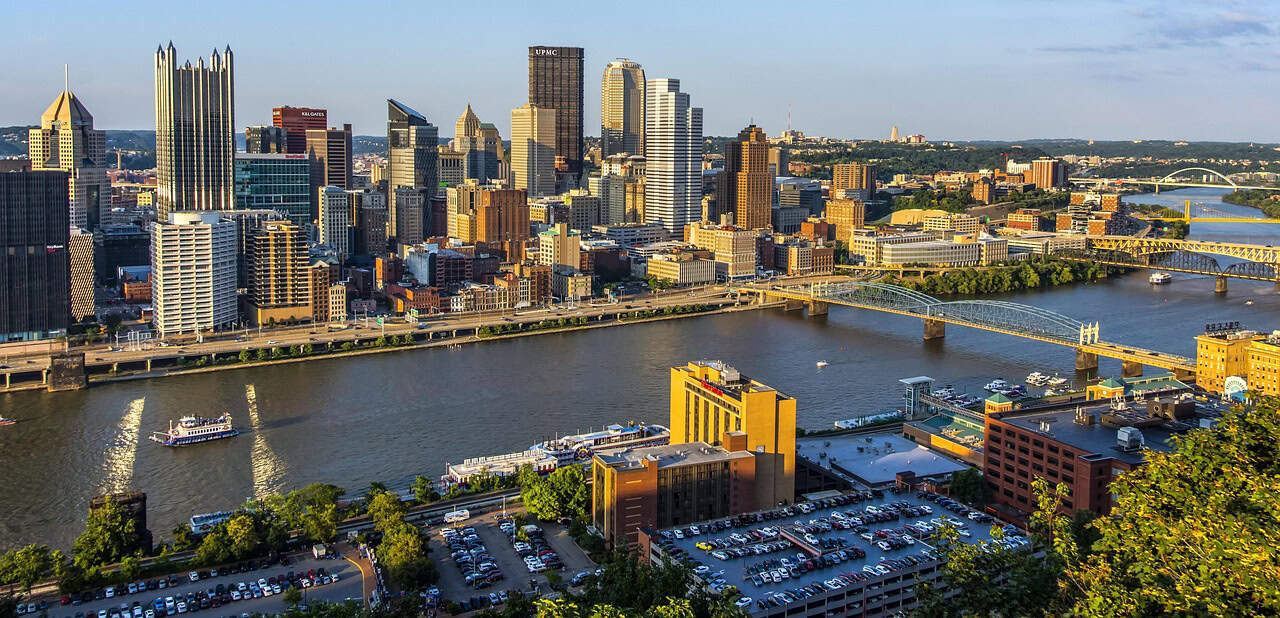
Pittsburgh has changed dramatically over the last two decades, moving far beyond its old industrial reputation. The city now has thriving neighborhoods, riverfront trails, museums, and a growing tech and food scene. Its hills, bridges, and skyline give it a look that feels completely different from most American cities. Pittsburgh still carries its working-class roots, but it also feels modern and creative. That mix gives the city a strong identity that many larger destinations struggle to match.