We may earn money or products from the companies mentioned in this post. This means if you click on the link and purchase the item, I will receive a small commission at no extra cost to you ... you're just helping re-supply our family's travel fund.
The travel world is obsessed with calling places “underrated.” It’s a powerful word that suggests authenticity, affordability, and a break from crowds. But many destinations carrying this label today are simply rebranded tourist traps, places that look untouched online yet operate almost entirely for visitors on the ground. These locations often suffer from inflated prices, staged experiences, and overcrowding hidden behind clever marketing. Below are ten destinations still promoted as hidden gems, along with the realities travelers should understand before planning a trip.
1. Hallstatt, Austria
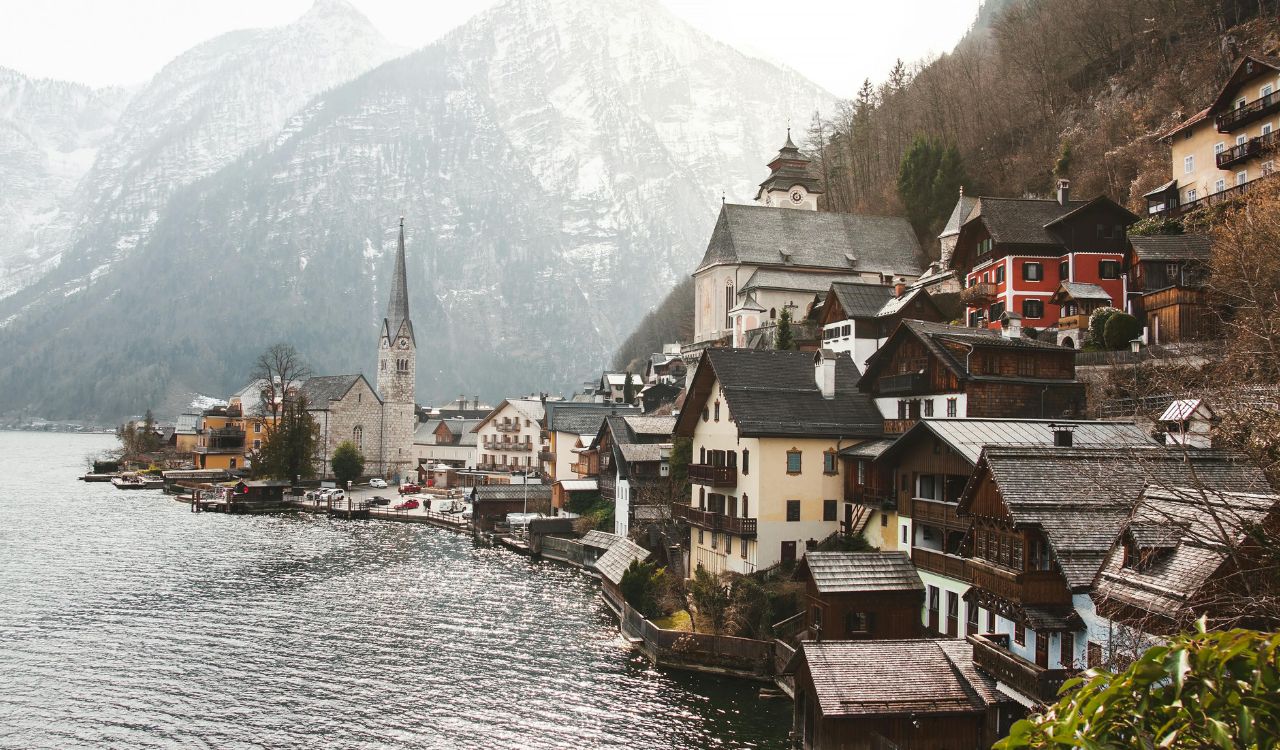
Hallstatt is frequently promoted as a peaceful Alpine village alternative to Salzburg, yet it receives roughly 10,000 visitors per day despite having fewer than 800 residents. Most tourists arrive on buses, stay under 90 minutes, and flood the same narrow viewpoints. Coffee prices often exceed $7, and souvenir items cost 30–40% more than in nearby towns. Locals report that over 70% of central properties now cater exclusively to tourism. While undeniably scenic, Hallstatt functions more like a living postcard than a genuine village, with daily life largely pushed to the margins.
2. Tulum, Mexico
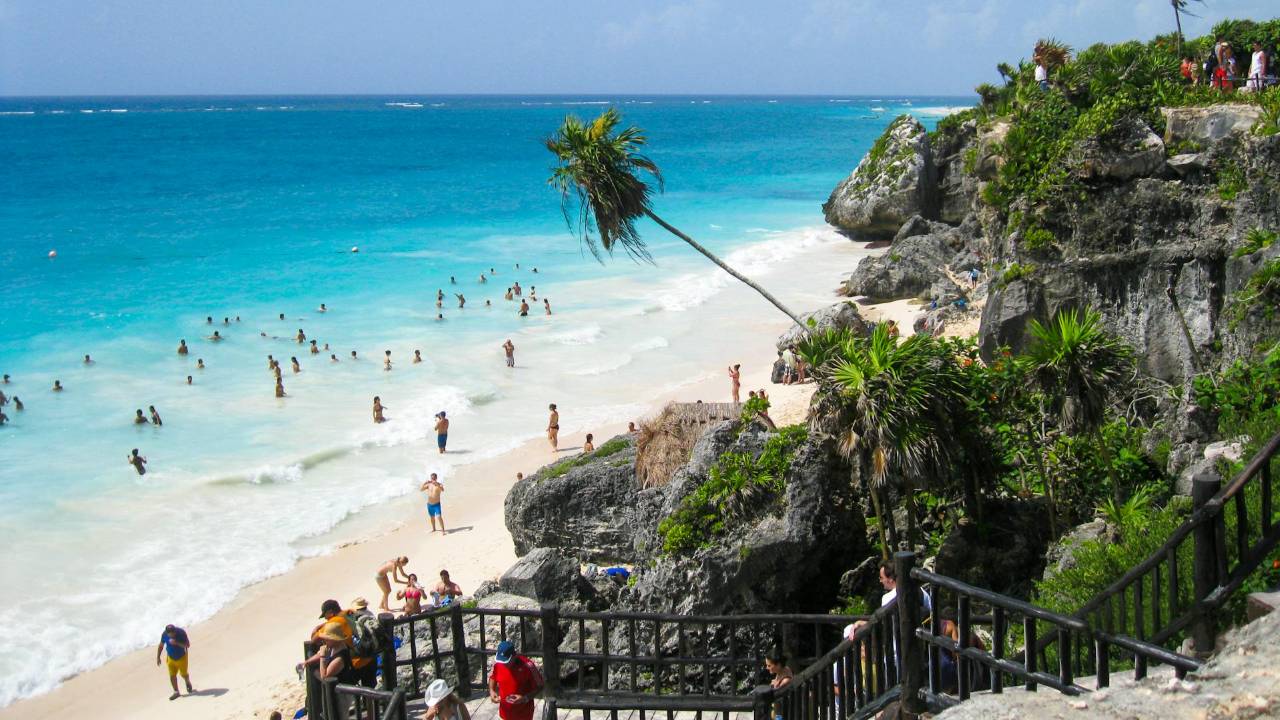
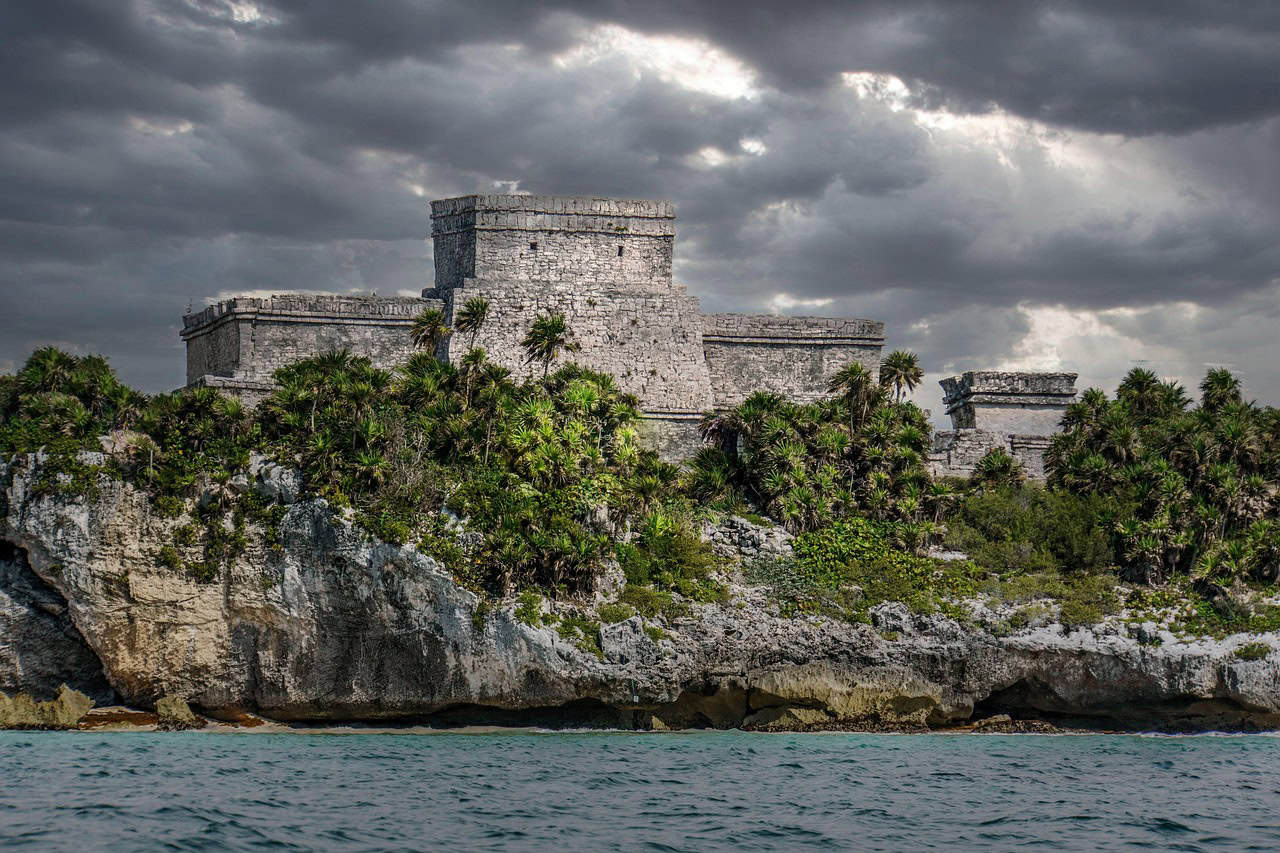
Tulum is still marketed as an “underrated” alternative to Cancún, yet hotel prices have surged by over 250% since 2018. Beachfront rooms now average $400–$600 per night, while basic taxis can cost $25 for a 10-minute ride. The town lacks proper sewage infrastructure, yet hosts millions of visitors annually. Many beaches charge entry fees through clubs with minimum spends of $50–$100 per person. What was once a relaxed coastal town now operates as a curated luxury zone built largely for social media tourism.
3. Chefchaouen, Morocco
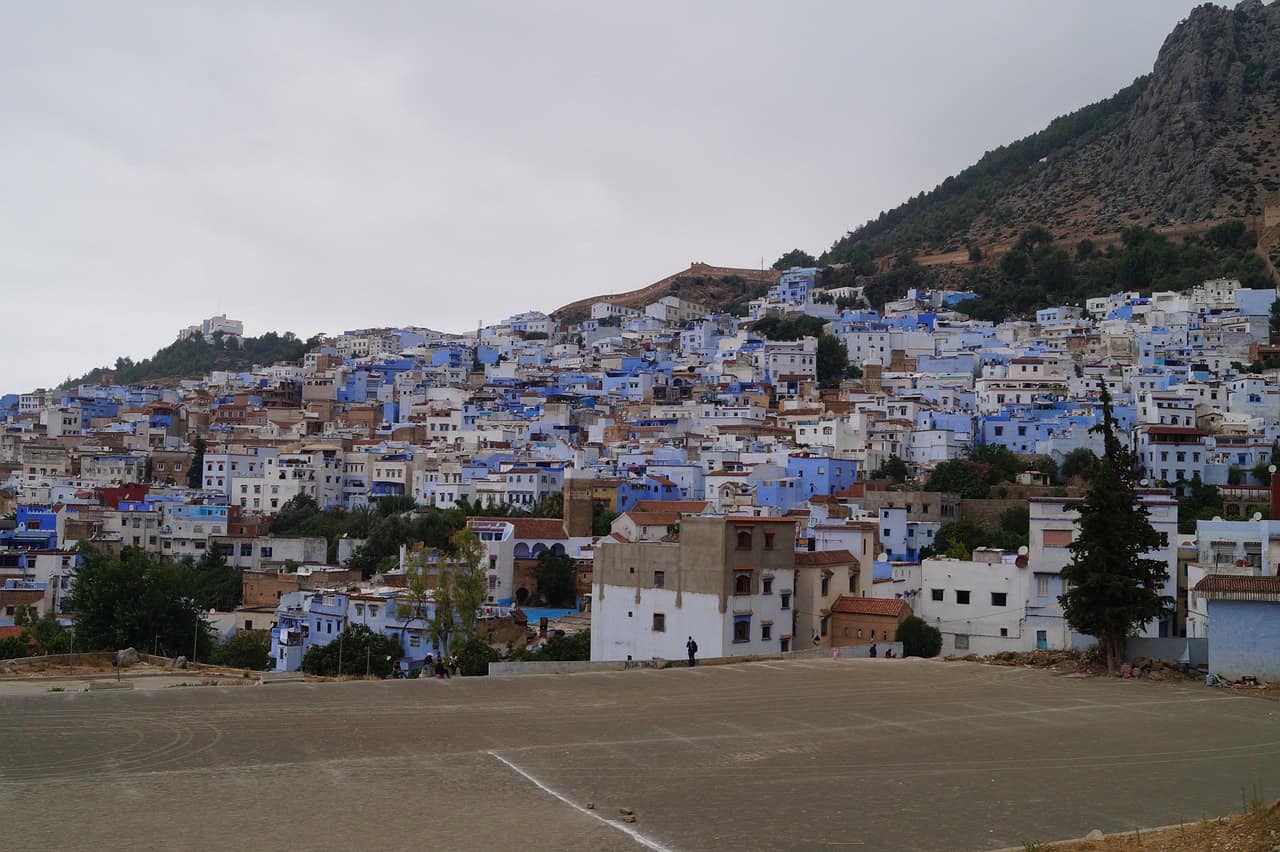
Chefchaouen is often described as Morocco’s calm, artsy secret, but tourism dominates nearly 80% of the old medina’s businesses. Popular blue streets see constant photo traffic, and some homeowners charge $1–$3 just to take pictures near their doors. Accommodation prices are nearly double those in nearby towns of similar size. While the town remains visually striking, much of its economy now revolves around short-term visitors rather than local craftsmanship, making the experience feel staged rather than spontaneous for many travelers.
4. Dubrovnik, Croatia

Despite global fame, Dubrovnik is still oddly labeled underrated in some travel guides. In reality, cruise ships bring up to 8,000 visitors per day, while the Old Town has fewer than 1,500 full-time residents. Meal prices average 25–35% higher than elsewhere in Croatia, and walking the city walls costs around $40 per person. Over 60% of historic-center housing is now short-term rental space. Dubrovnik remains breathtaking, but the experience is tightly managed, expensive, and shaped almost entirely around mass tourism.
5. Santorini, Greece
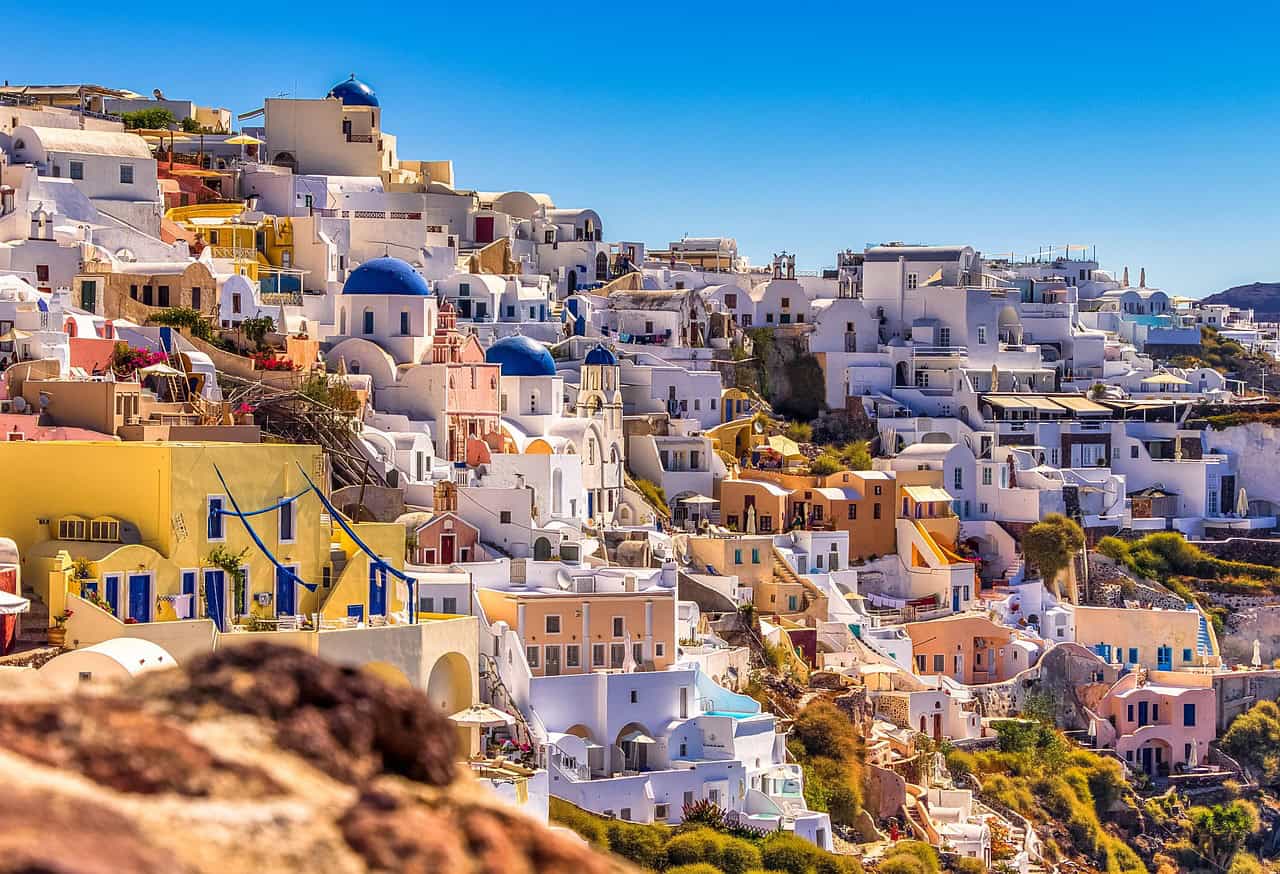
Santorini is often called underrated if visited “at the right time,” yet prices rarely reflect this claim. Even off-season hotel rates average $250 per night, and basic meals routinely exceed $30 per person. The island welcomes over 2 million visitors annually, overwhelming infrastructure built for a fraction of that number. Many villages cater almost exclusively to tourists, with limited local interaction. While sunsets remain iconic, the experience is dominated by queues, premium pricing, and businesses optimized for short stays rather than cultural depth.
6. Bali’s Southern Coast, Indonesia
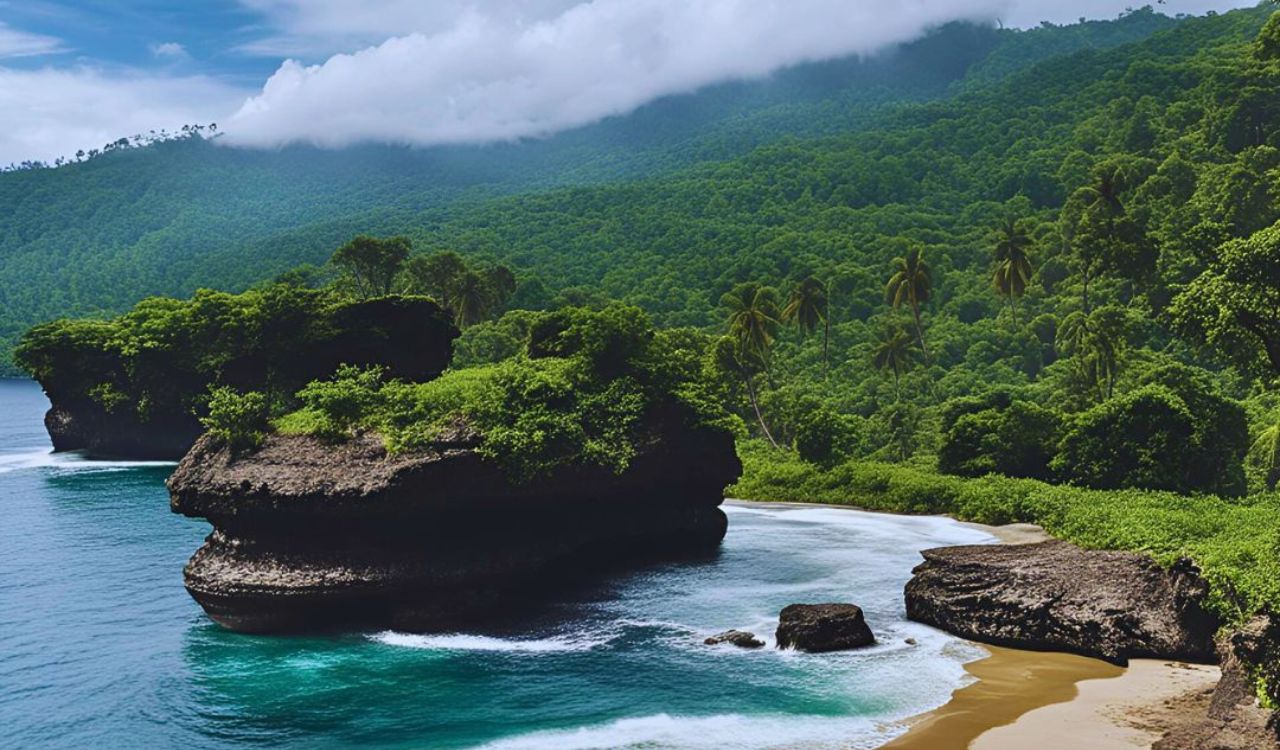
Bali is frequently marketed as full of hidden beaches, but the southern coast receives over 6 million tourists annually. Traffic congestion regularly turns 10-km drives into 90-minute delays, and beach clubs charge entry minimums of $40–$80. Traditional fishing villages have largely been replaced by luxury villas and nightlife zones. While Bali still offers beauty, much of what’s sold as “underrated” coastal life is a polished, expensive experience built to meet international expectations rather than preserve local rhythms.
7. Prague Old Town, Czech Republic
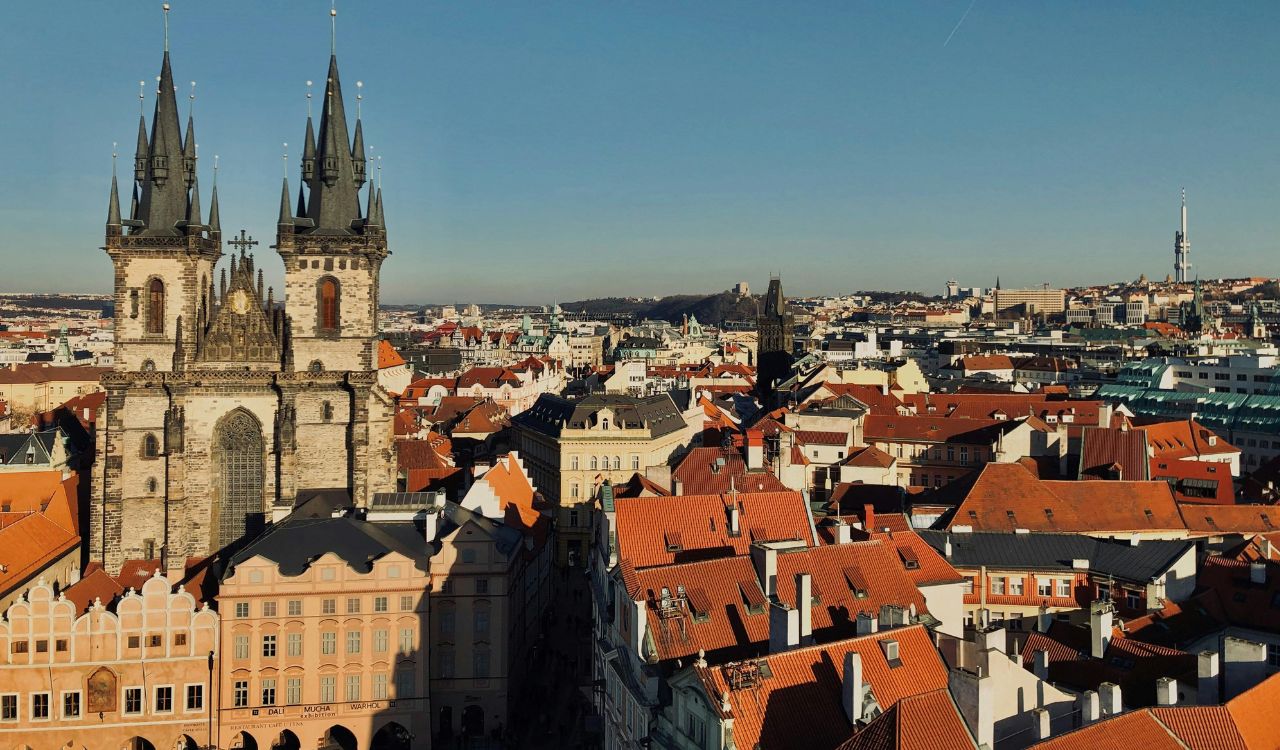
Prague is often framed as an underrated European capital, yet its Old Town is among the most tourist-dense areas on the continent. Over 75% of ground-floor businesses cater directly to visitors, with inflated menus and souvenir pricing. Currency exchange scams have been documented charging up to 30% in hidden fees. Beer prices in central squares can be double those just 2 km away. While Prague itself is rich in history, the areas most tourists see are heavily commercialized and carefully packaged.
8. Cappadocia, Turkey
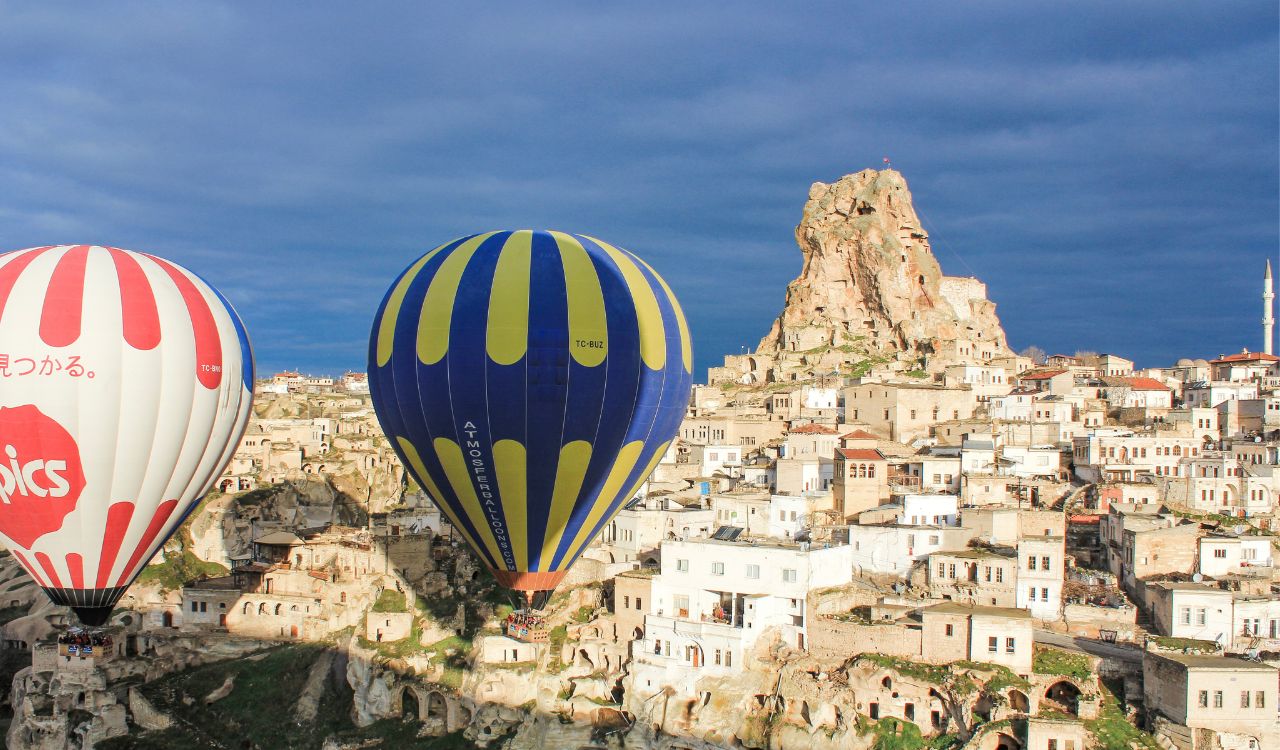
Cappadocia is regularly called an underrated wonder, but its balloon tourism is highly standardized. A single sunrise flight can cost $200–$350, with dozens of balloons launching simultaneously along similar routes. Viewpoints fill hours before dawn, and many tours are run by the same operators. While the landscape is unique, the visitor experience is repetitive and tightly scheduled. Beyond the famous visuals, opportunities for unscripted exploration are limited unless travelers deliberately venture far from promoted circuits.
9. Montmartre, Paris
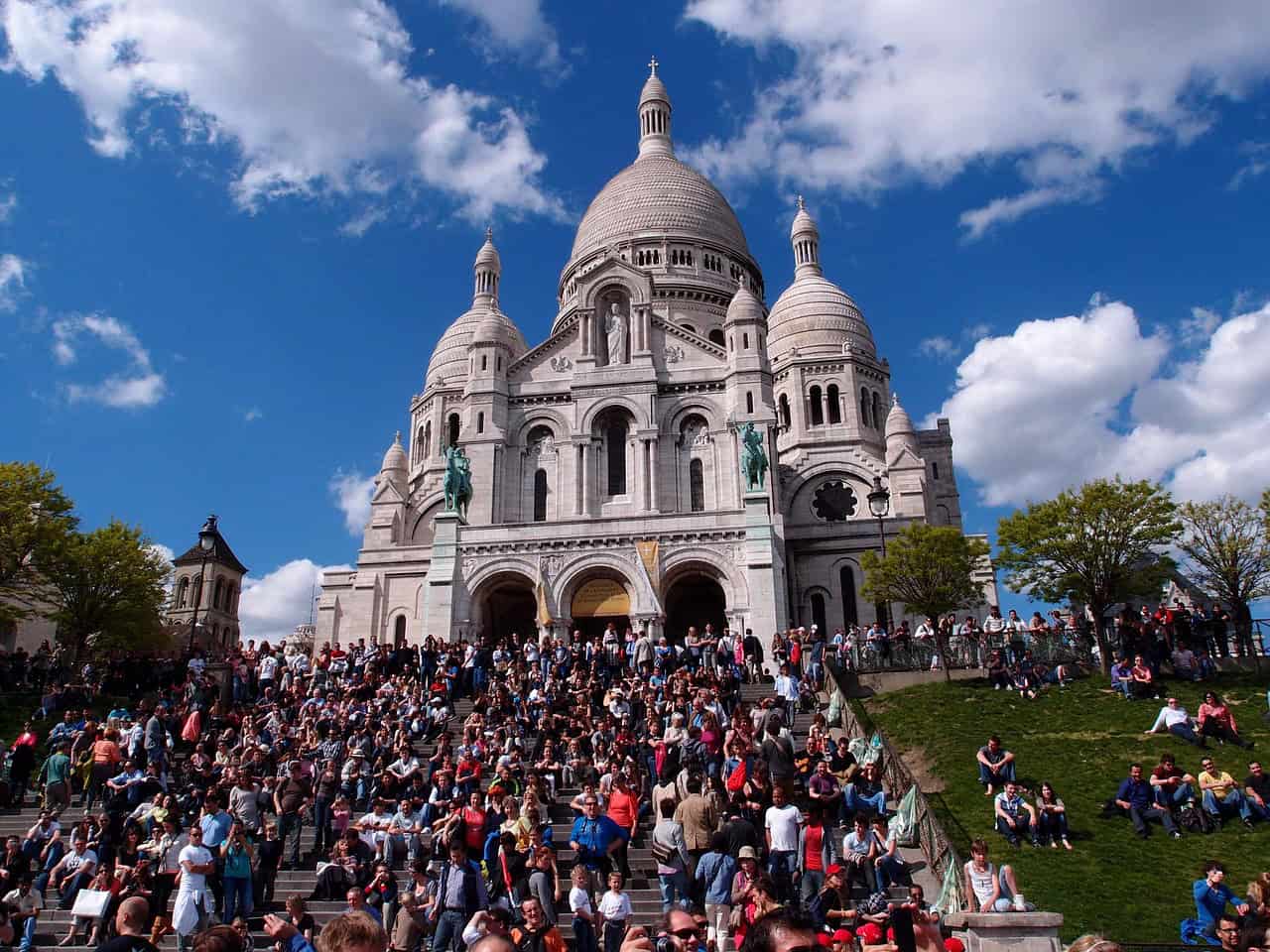
Montmartre is often suggested as a quieter, underrated Paris neighborhood, yet areas near Sacré-Cœur see thousands of visitors daily. Café prices are typically 20–30% higher than in nearby districts, and many establishments rely almost entirely on tourist turnover. Street art and caricature stands dominate key squares, while long-term residents continue to move out. The romance remains in imagery, but the lived authenticity is increasingly confined to less visible streets away from the hill’s famous viewpoints.
10. Bruges, Belgium
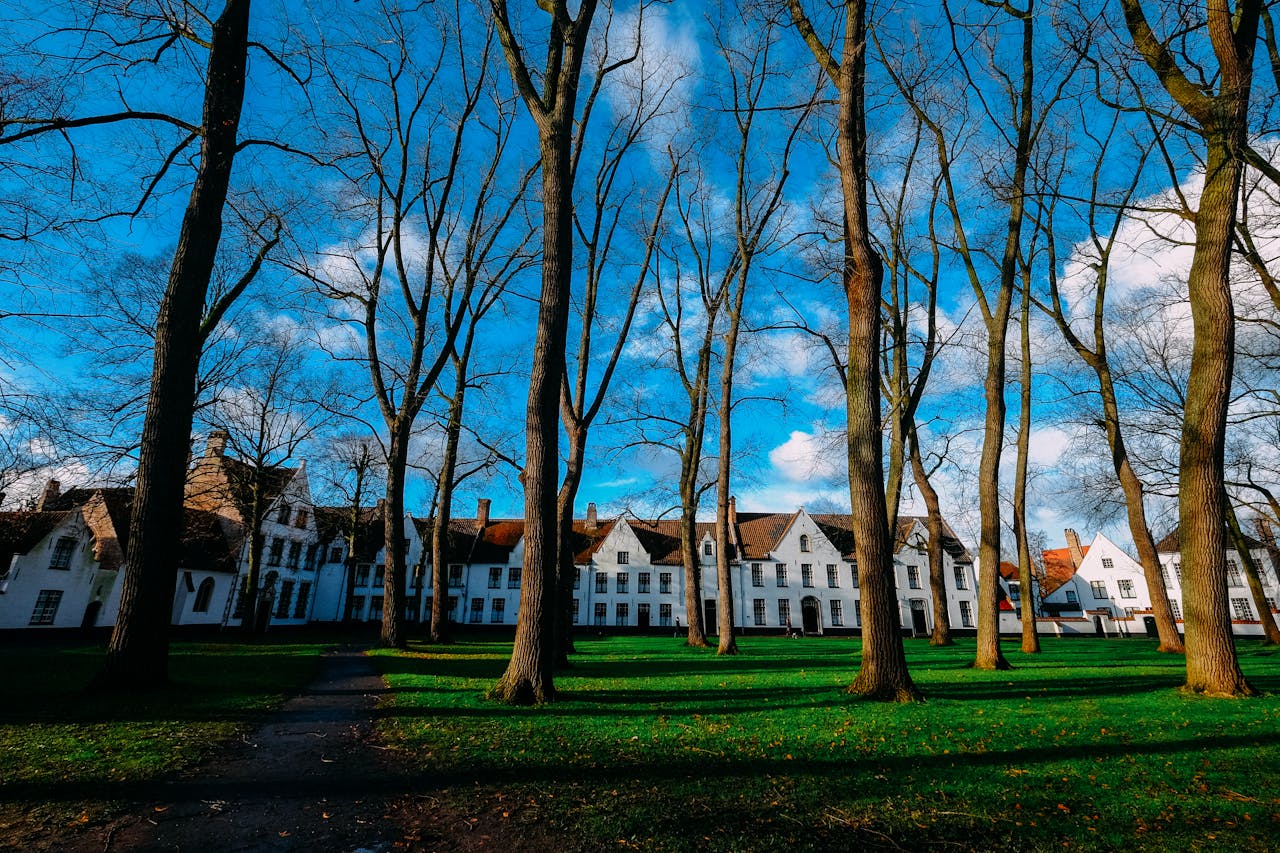
Bruges is commonly promoted as a calm alternative to Amsterdam, but its medieval center receives over 8 million visitors annually. During peak months, day-trippers outnumber locals by nearly 20 to 1. Chocolate shops and waffle stands dominate prime streets, often selling mass-produced goods at premium prices. Restaurant costs average 30% higher than elsewhere in Belgium. While undeniably beautiful, Bruges operates on a predictable tourism script that leaves little room for discovery beyond well-worn paths.