We may earn money or products from the companies mentioned in this post. This means if you click on the link and purchase the item, I will receive a small commission at no extra cost to you ... you're just helping re-supply our family's travel fund.
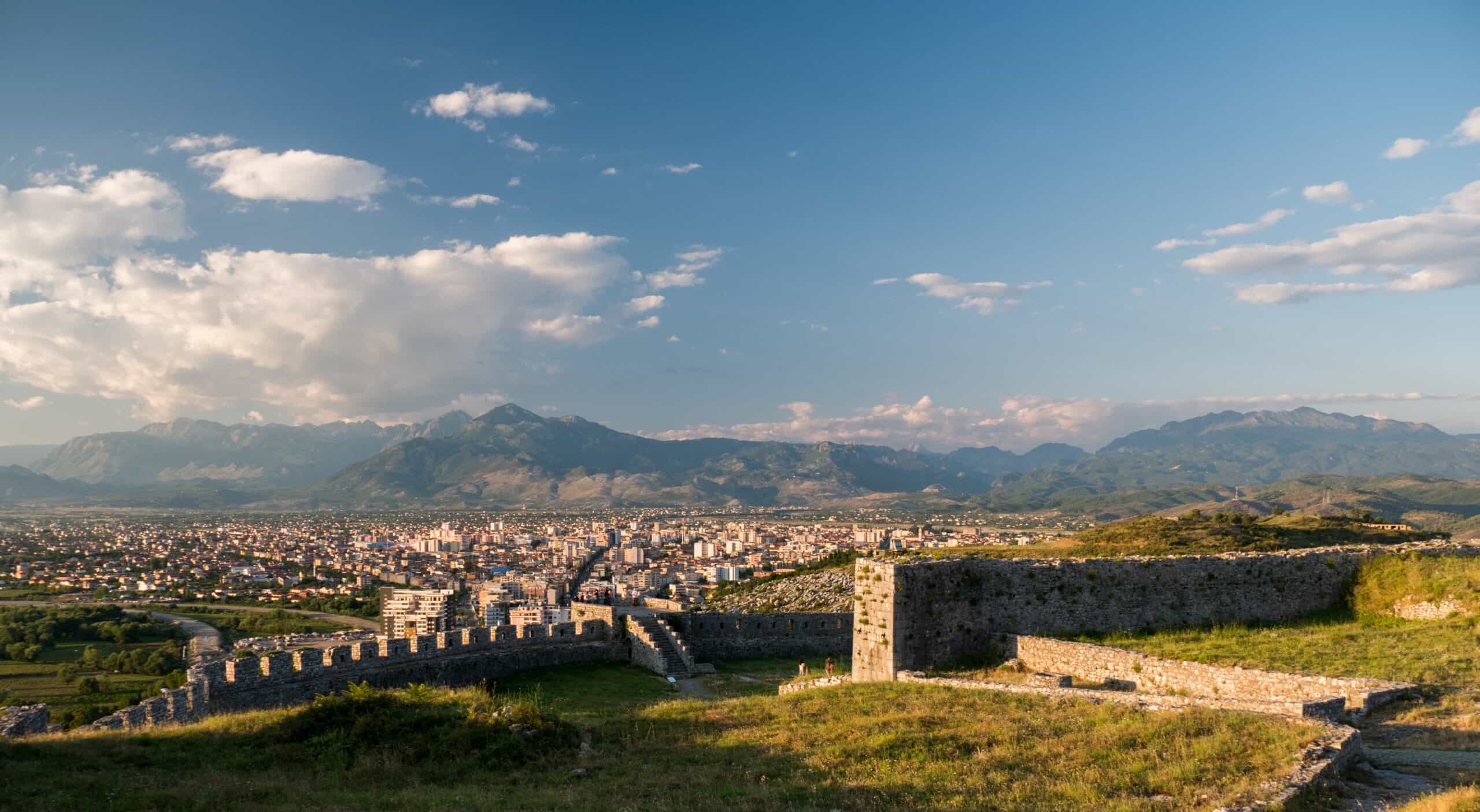
Travel tastes are shifting, and the places getting the most attention now are not always the obvious names. More travelers are choosing countries where the scenery is striking, the pace feels manageable, and local life still shapes the experience. These destinations are not hidden, and they are not empty. They simply offer something many popular spots have lost: room to move, room to linger, and enough texture to make the trip feel personal from the first day to the last.
Albania
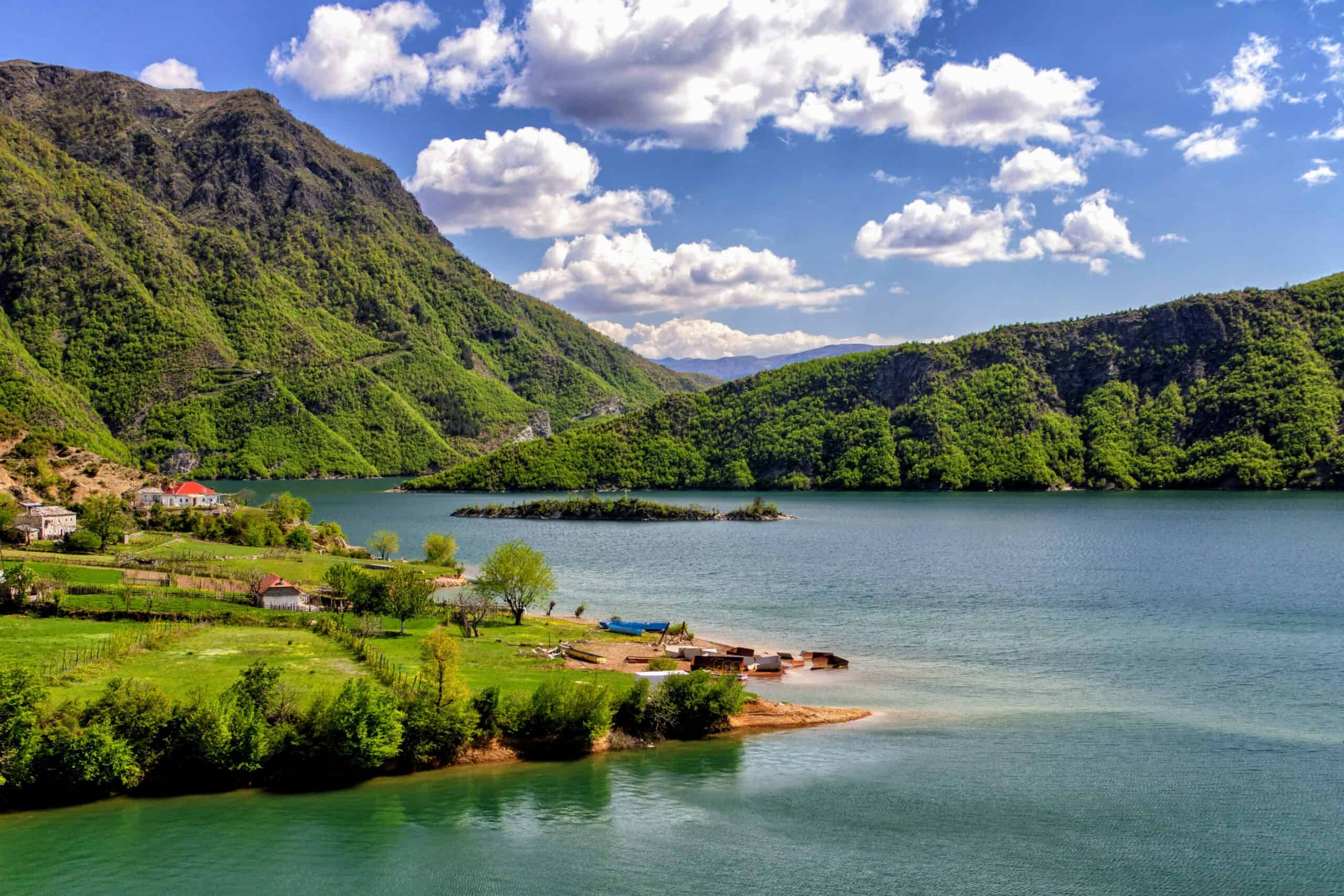
Albania has become a breakout favorite because the country never feels one note. A short route can move from the Ionian coast near Himare and Ksamil to the stone streets of Berat and Gjirokaster, where fortress views, steep lanes, and old houses give the trip real depth instead of a beach-only storyline. What stays with people is the rhythm: slow seaside mornings, scenic inland drives, and dinners that still feel local, without the long transfers and polished sameness that now define many busy Mediterranean routes.
Georgia
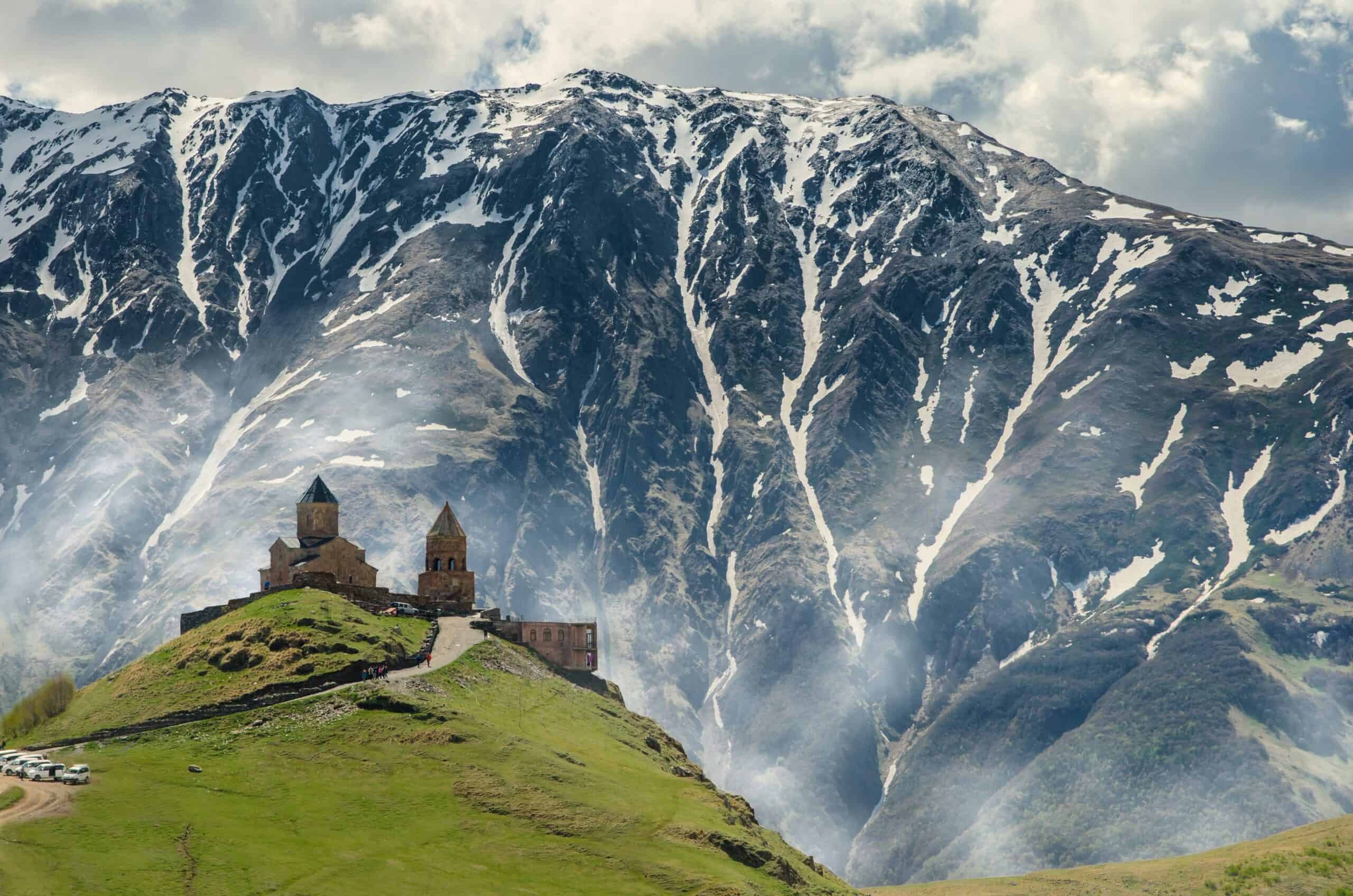
Georgia keeps climbing on travel wish lists because it offers real range without making the trip hard to manage. Tbilisi brings sulfur baths, hillside neighborhoods, and a strong cafe culture, while Kakheti adds vineyards and open countryside, and the roads near Kazbegi shift the mood again with colder air and broad mountain views. The country feels layered instead of crowded, which is why people return. One visit can feel urban, rural, and alpine in the same week, with food and hospitality tying every stop together.
Slovenia
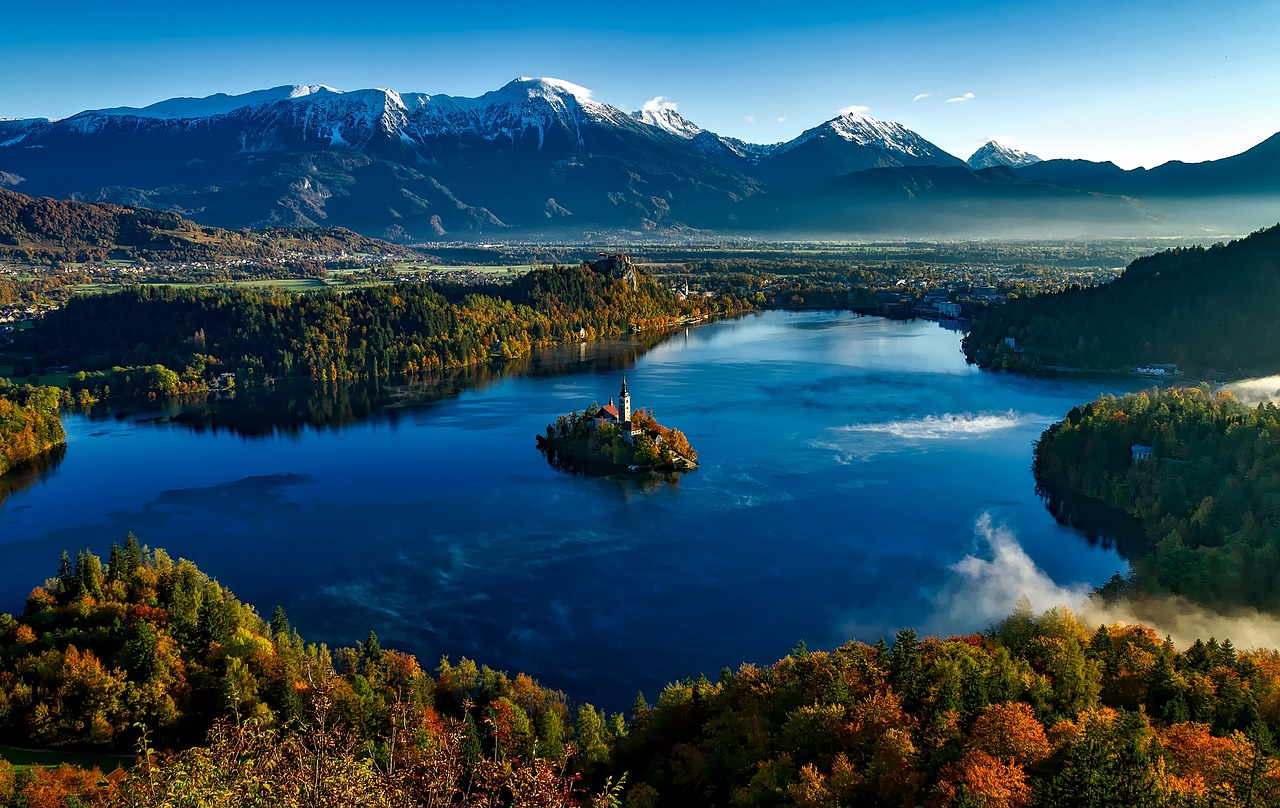
Slovenia wins people over with one simple advantage: almost everything is close, and almost every stop feels distinct. Ljubljana is compact and easy to walk, Lake Bled delivers the alpine postcard people hope for, and Piran adds a slower Adriatic mood with sea air, old lanes, and a different rhythm by evening. Because the country is so manageable, travelers spend less time in transit and more time actually being somewhere. That changes the whole trip, and it is why Slovenia feels satisfying even on a shorter schedule.
Montenegro
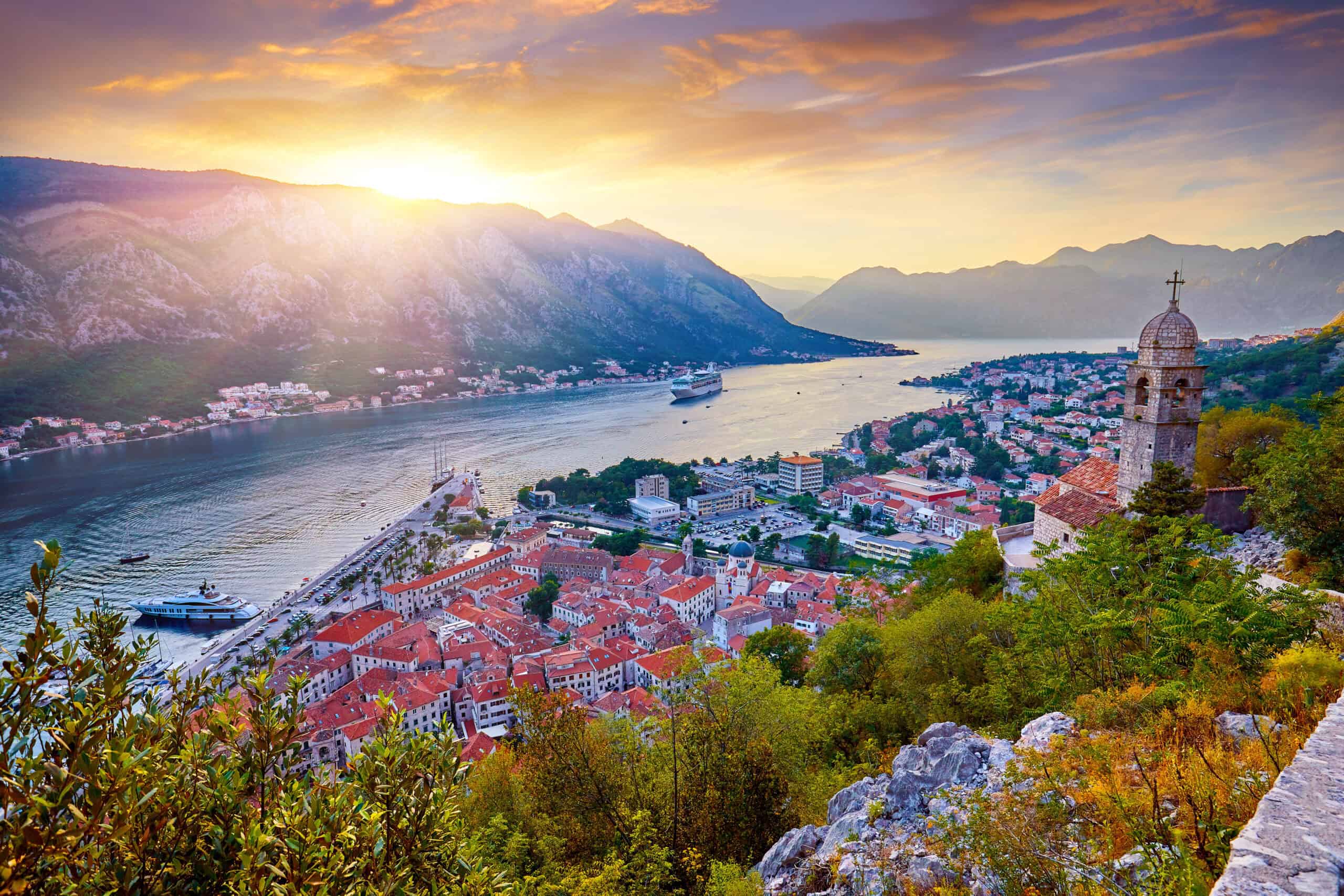
Montenegro feels bigger than it is because the scenery changes so quickly. The Bay of Kotor brings stone towns and sheltered water, Budva adds summer energy, and a short inland drive opens into mountain roads, deep valleys, and cooler air that feels far removed from the coast. That contrast is exactly why people get hooked. Montenegro can deliver a scenic drive, a history-rich stop, and a beach break in one compact itinerary, and the small scale makes spontaneous detours feel easy instead of exhausting.
North Macedonia
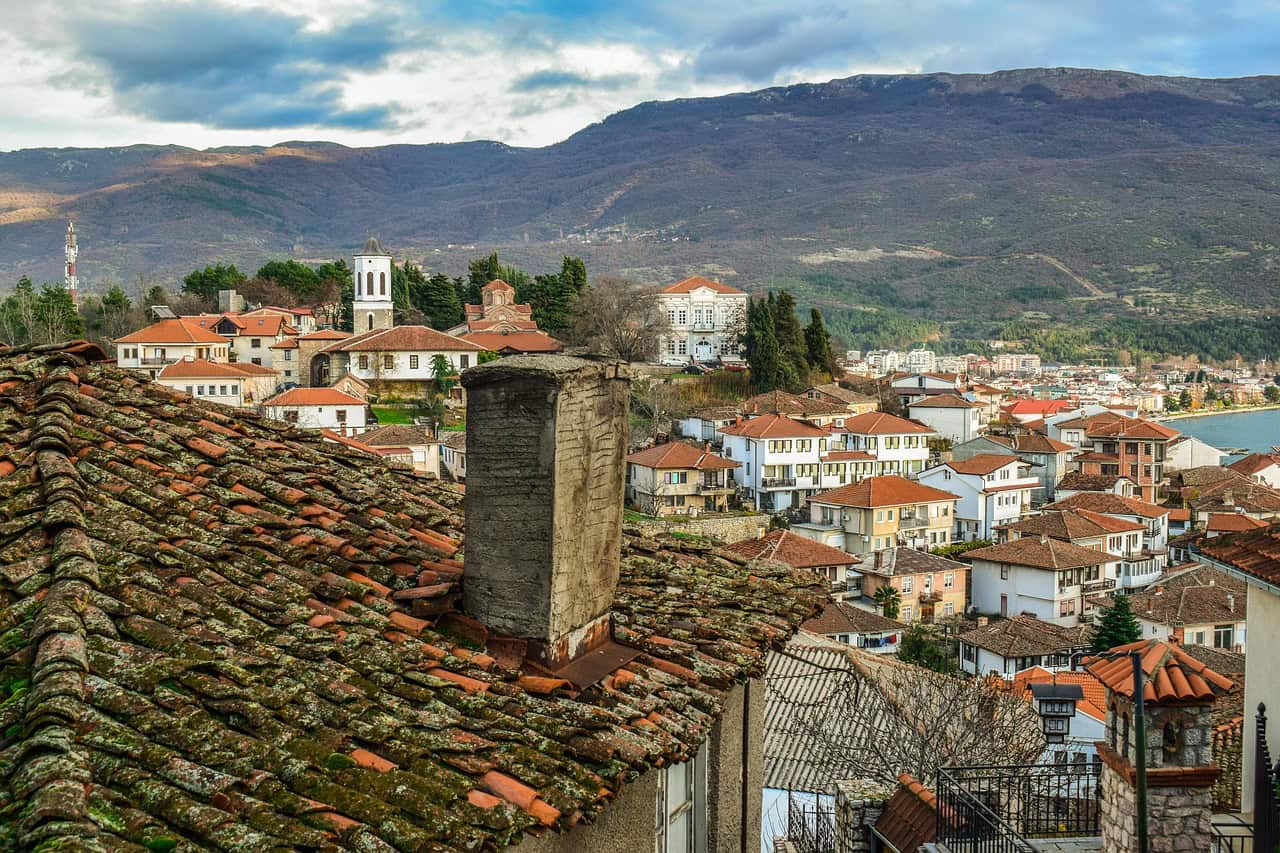
North Macedonia is getting more attention because it offers a calmer version of European travel. Lake Ohrid gives the country its emotional center with clear water, old churches, and a waterfront that stays lively without feeling overrun, while Skopje and nearby canyon country add a different pace and a wider sense of place. The appeal is not only convenience. It is the way the country feels grounded and easy to settle into, with short drives, warm hospitality, and enough culture and scenery to carry a full trip without crowd pressure.
Oman
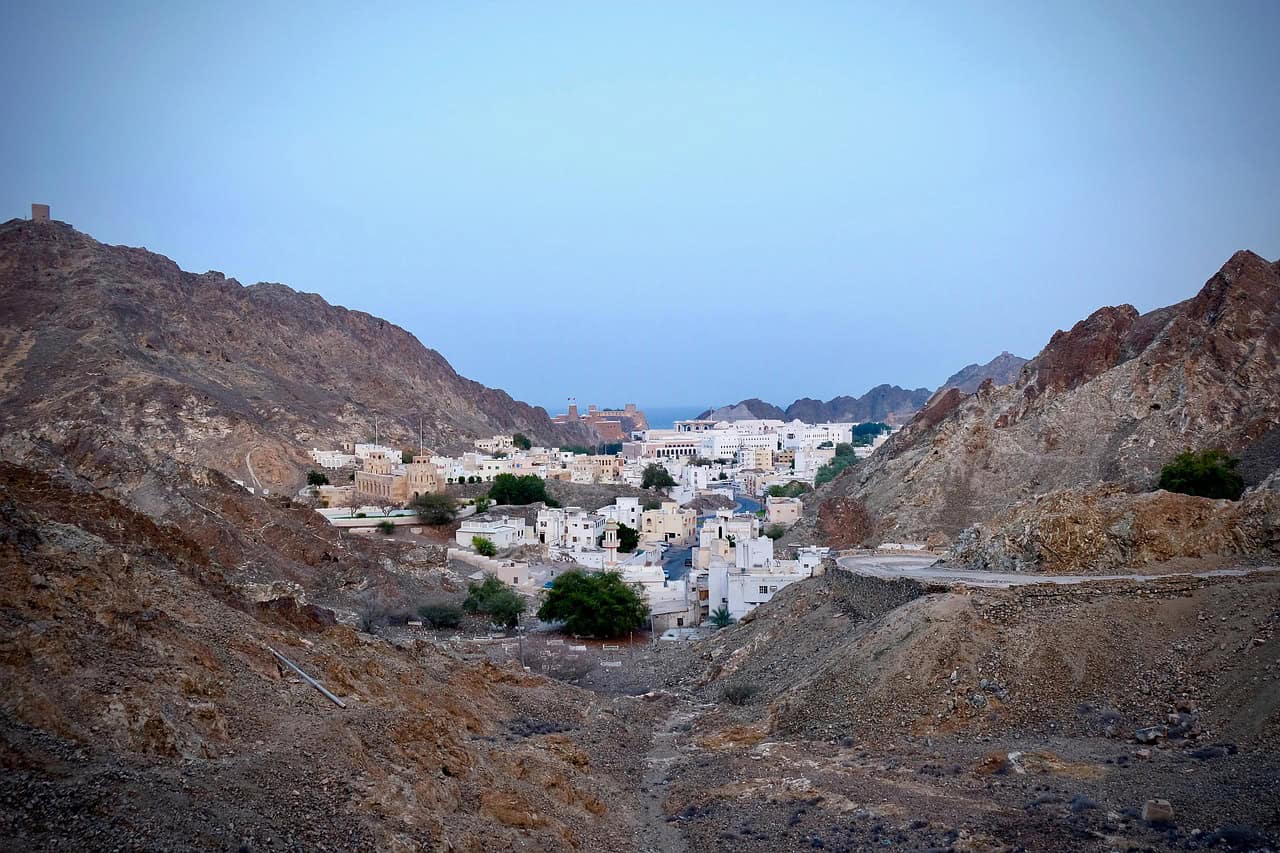
Oman stands out because it offers a Gulf trip with contrast and breathing room. Muscat feels coastal and composed, Nizwa brings forts and market life, and the Hajar Mountains and wadis add cooler air, canyon pools, and roads that turn the journey into a landscape experience rather than a city stop. Many travelers arrive expecting a short desert-focused visit, then leave surprised by the range. Oman moves at a steadier pace than many regional hot spots, and that calm gives its scenery, food, and historic places more room to land.
Uzbekistan
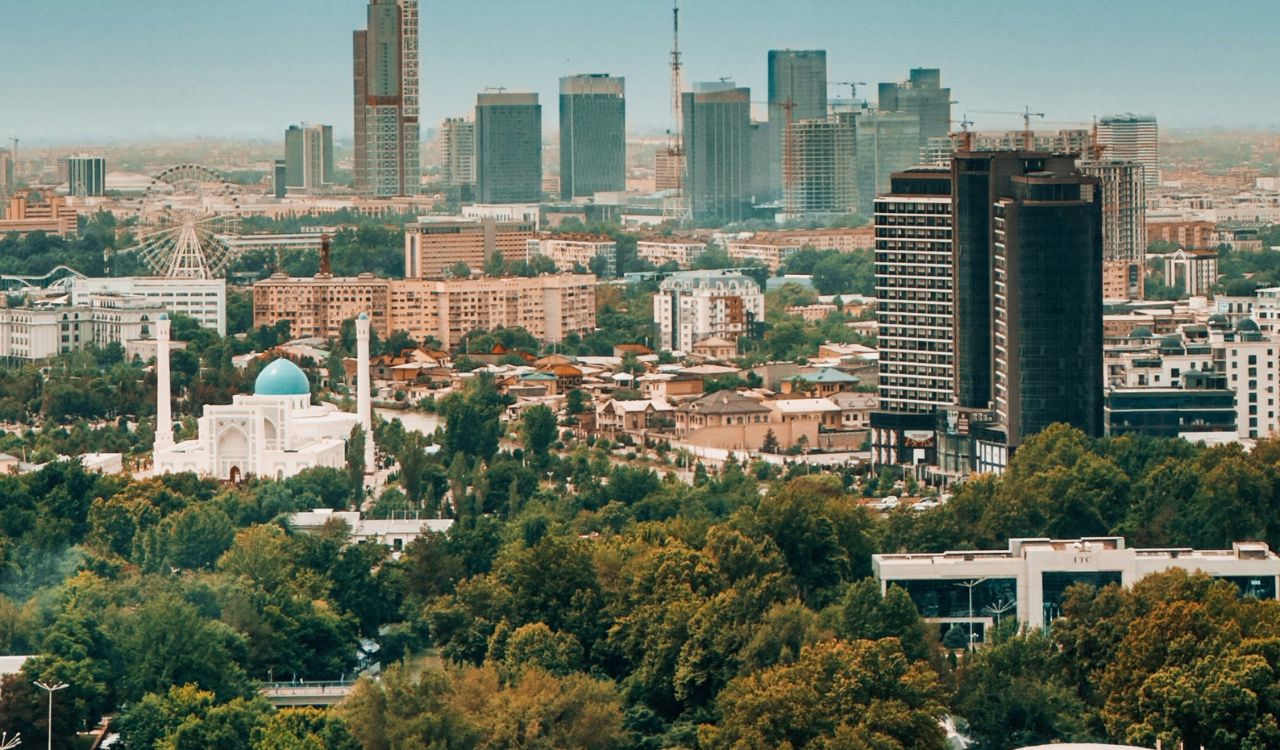
Uzbekistan has shifted from specialist destination to mainstream favorite because the route now feels clear and practical. Samarkand, Bukhara, and Khiva each carry a distinct visual identity, from blue tile facades and domes to old trading streets and evening squares, and rail links make it possible to connect them without draining the whole trip. The country feels historic in a deep way, but it does not feel frozen. Markets still work for locals, public spaces stay active after dark, and the route keeps momentum from city to city.
Saudi Arabia
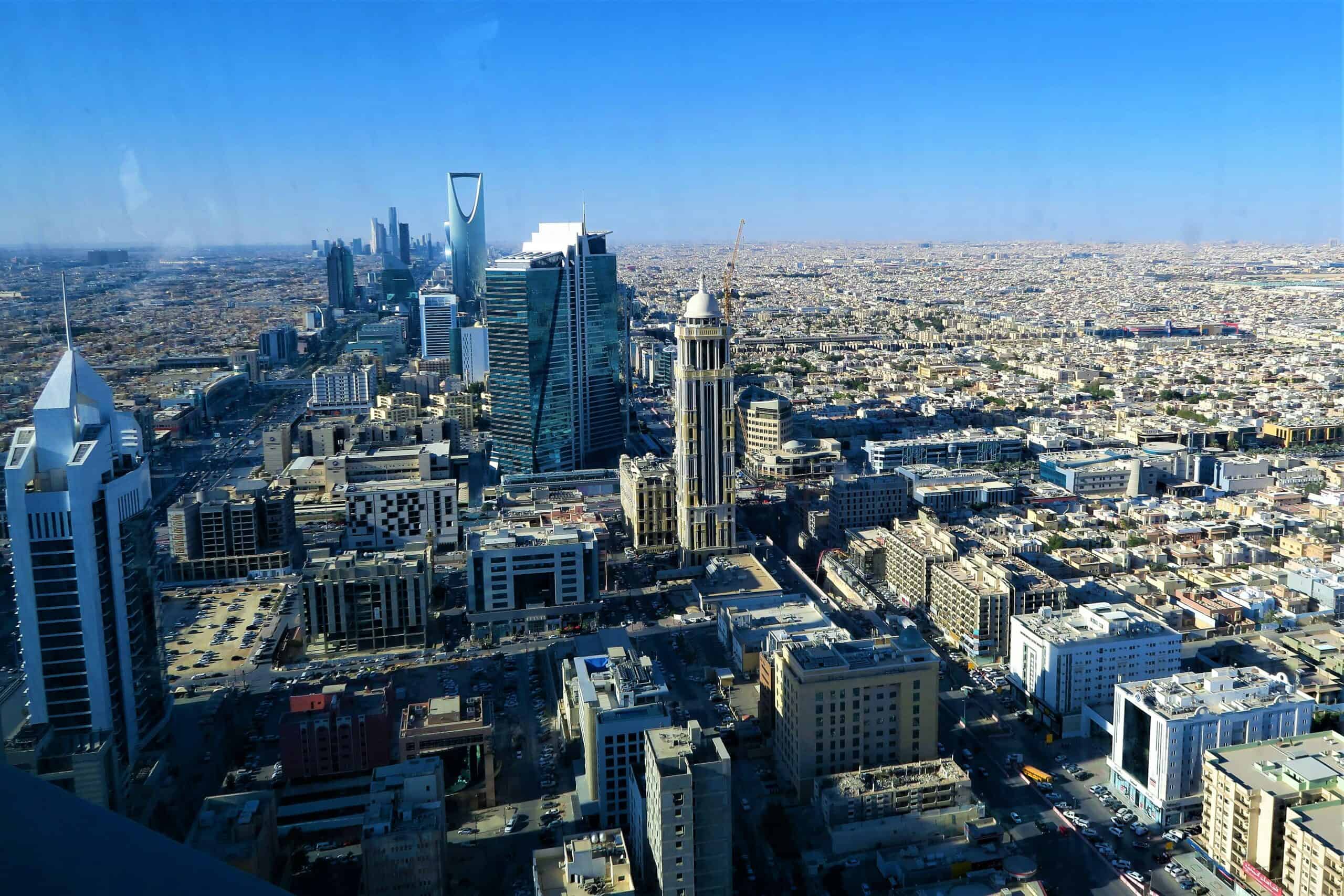
Saudi Arabia is drawing stronger travel interest because the destination story is broader than many people expected. AlUla offers sandstone landscapes and archaeological sites, Jeddah brings Red Sea air and historic districts, and the Aseer highlands near Abha add mountain scenery that changes the mood completely. That range is what surprises first-time visitors. The country can feel ancient, urban, and scenic in one trip, and those shifts create a sense of scale that keeps curiosity alive long after the first itinerary ends.
El Salvador
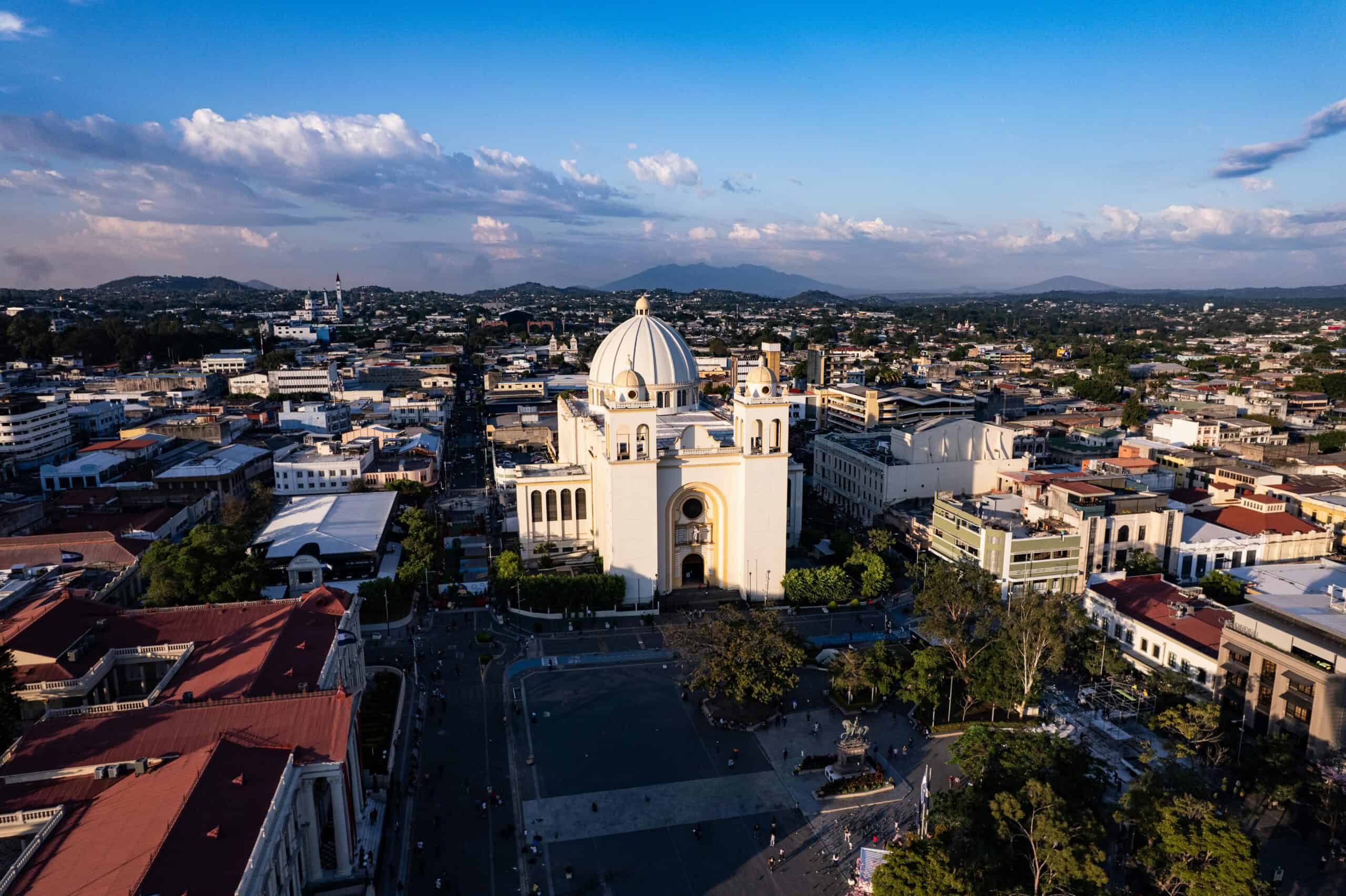
El Salvador is gaining momentum because it fits so much into a compact map. Surf towns on the Pacific bring energy and easy beach days, but the country also folds in volcano routes, greener highlands, and city stops that can all be reached without punishing travel days between them. That geography changes the feel of the trip in a real way. Travelers spend less time moving and more time actually being somewhere, whether that means a morning in El Tunco, a climb near Santa Ana, or a long meal that turns into an unplanned evening.
Laos
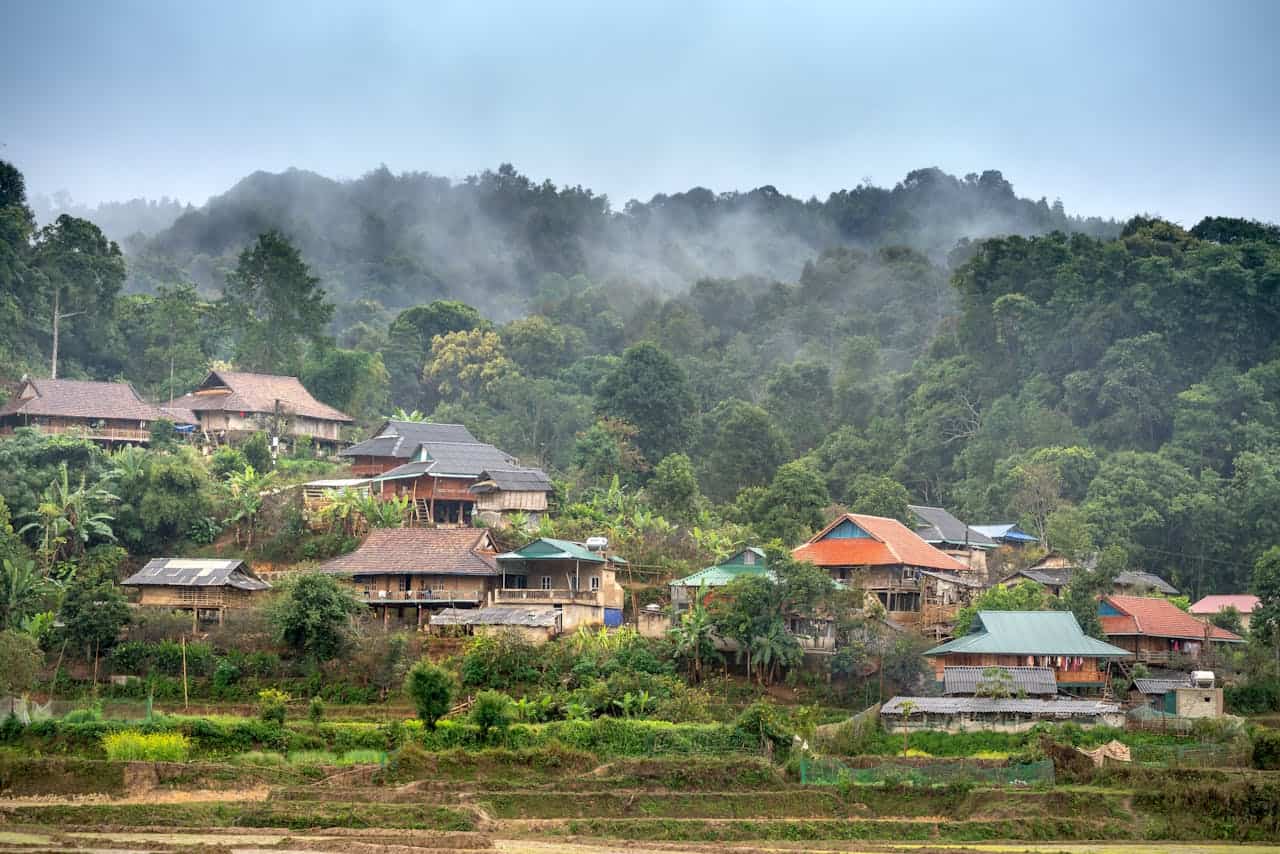
Laos is attracting more travelers because it still feels unhurried, even as access gets easier. Luang Prabang remains the emotional anchor with temple roofs, river light, and a slower daily rhythm, while newer rail links make it simpler to connect major stops without turning the journey into a long bus grind. That balance is rare, and easy to feel. Laos can be peaceful and practical at the same time, with mountain scenery, river towns, and local markets holding the quiet atmosphere many travelers say they miss elsewhere in the region.