We may earn money or products from the companies mentioned in this post. This means if you click on the link and purchase the item, I will receive a small commission at no extra cost to you ... you're just helping re-supply our family's travel fund.

Travel patterns in 2026 are shifting away from obvious capitals and toward places that still feel textured, grounded, and emotionally legible. Industry data points in the same direction: Skyscanner’s trend set tracks sharp year-over-year search jumps, while Booking.com’s 2026 ranking is based on destinations with rising booking volume among its top inventory. That overlap matters because it captures both curiosity and real purchasing behavior. With international tourism demand still strong globally, these countries are gaining momentum without the noise that usually follows mass hype.
Sri Lanka
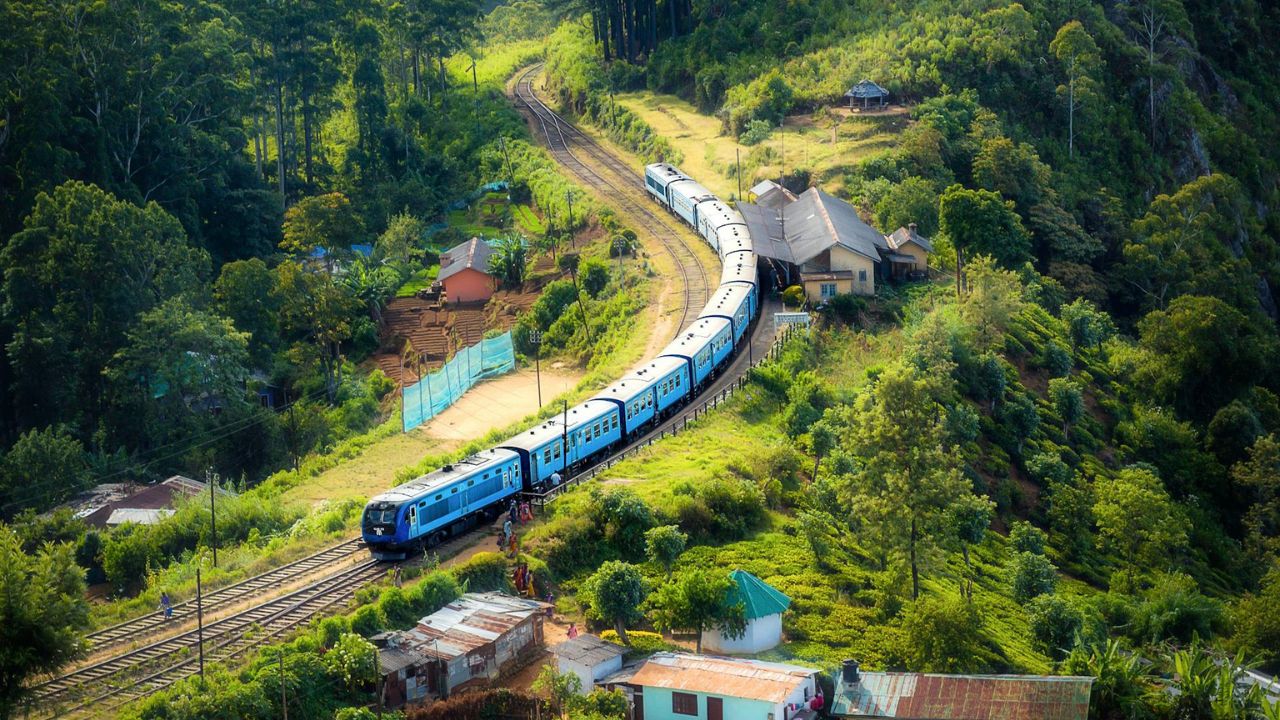
Sri Lanka is gaining quiet momentum through Jaffna, where Skyscanner reports a +325% jump in search interest, one of the strongest rises in its 2026 destination set. The pull is not spectacle alone; it is the northern peninsula’s palmyra-fringed lagoons, historic temples, and Tamil food traditions that still feel rooted in daily life. Better regional connectivity is making Jaffna easier to reach, but the mood remains intimate, reflective, and slower than the island’s classic routes. That mix of access and atmosphere is exactly what many planners are prioritizing now.
Oman
thomas/Unsplash
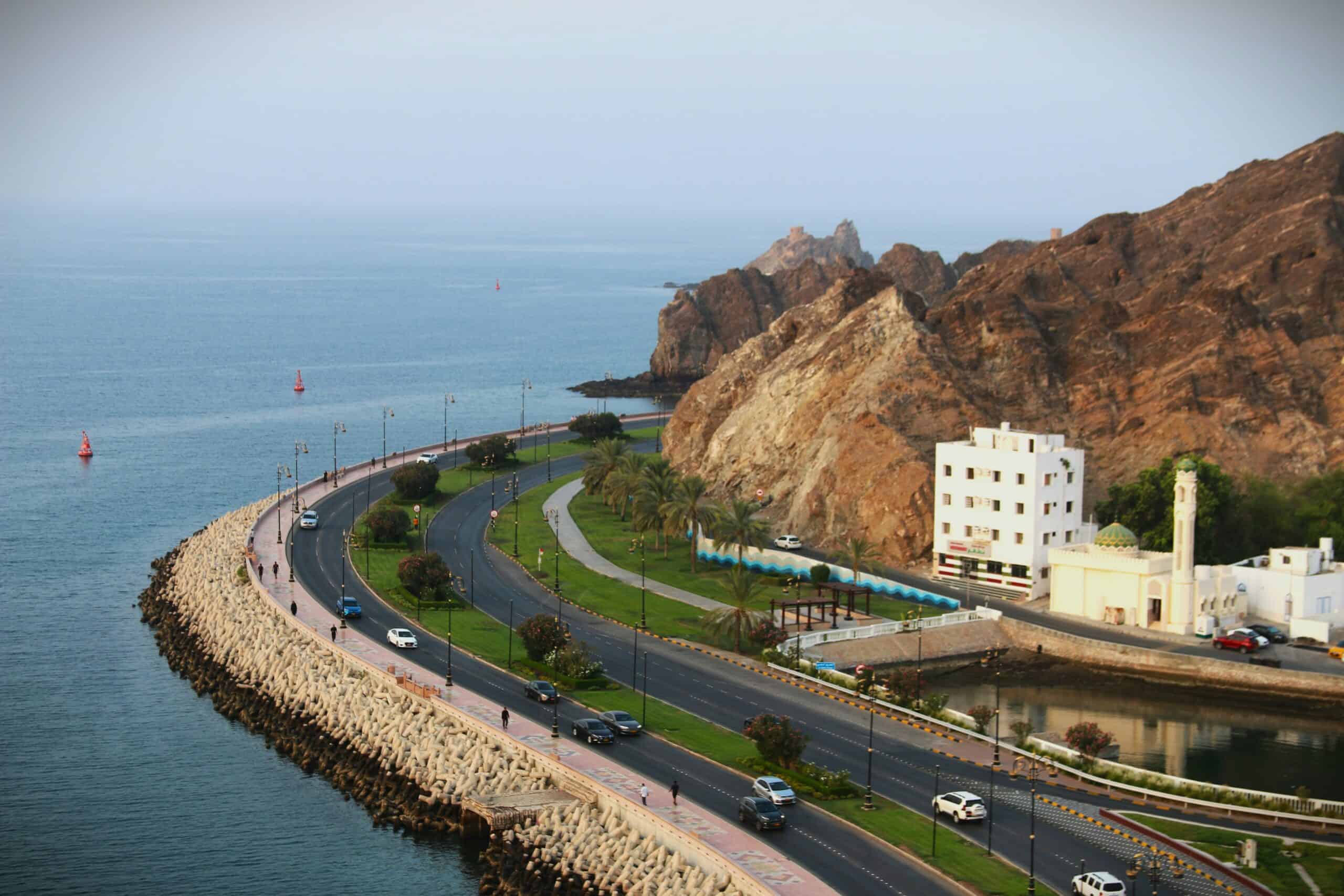
Oman has shifted from layover logic to destination status, with Muscat posting a +211% increase in Skyscanner’s 2026 trend data. The capital’s appeal comes from contrast done well: mountain walls, Arabian Sea light, restored forts, grand mosques, and souqs that still function as civic spaces instead of staged backdrops. It now supports complete itineraries rather than quick add-ons, with coastal drives, wadi detours, and city culture fitting together naturally. For travelers seeking calm without sacrificing depth, Oman looks increasingly deliberate, not incidental.
Georgia
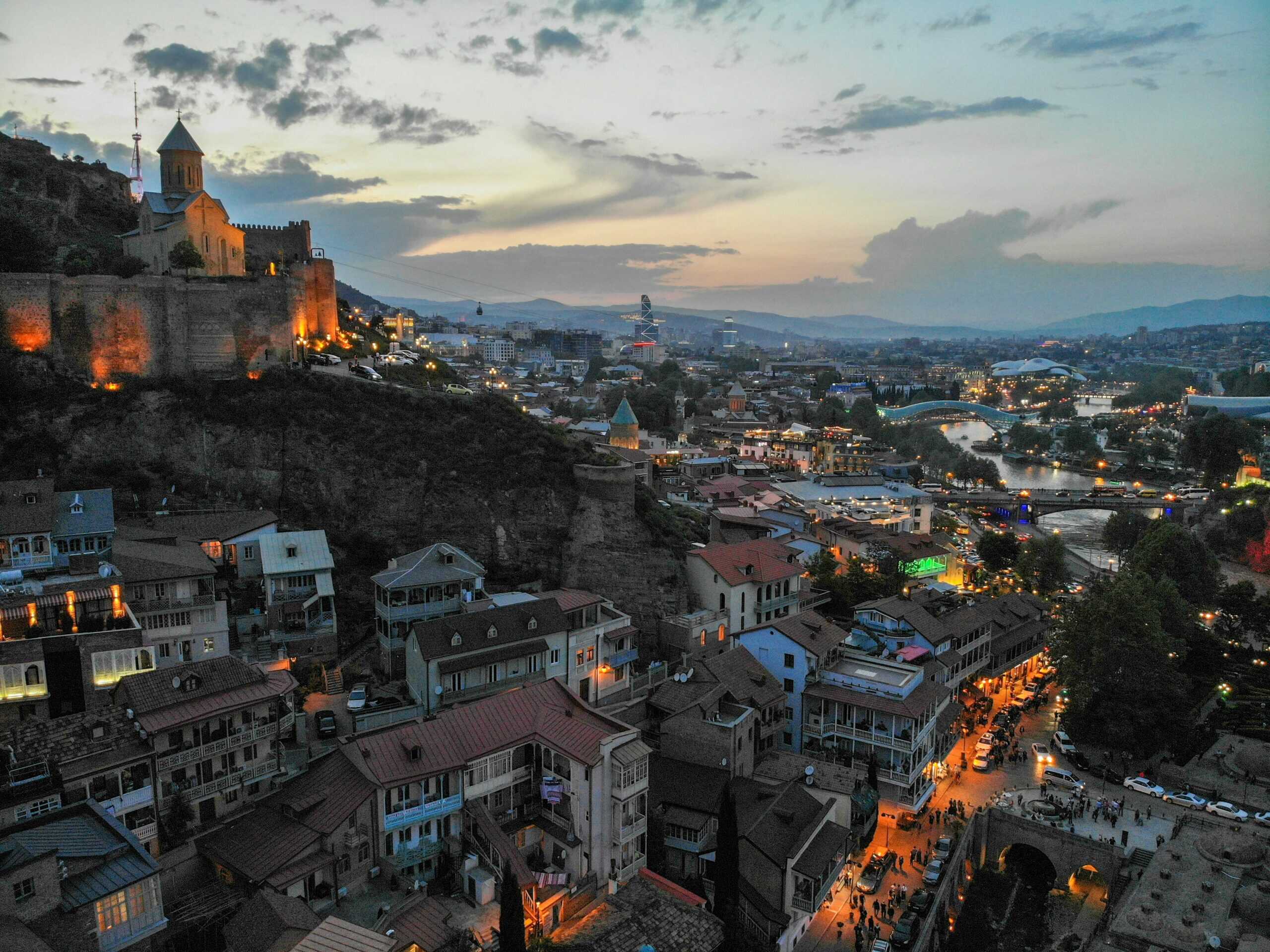
Georgia continues to climb through Tbilisi, which rose +105% in Skyscanner’s 2026 trend list. Interest is fueled by a rare balance: practical value, dense cultural layering, and a city scale that stays manageable even during high season. Sulfur-bath traditions, hillside churches, contemporary galleries, and café culture coexist without trying too hard, while nearby wine regions and mountain escapes widen the trip’s emotional range. The result is a country that rewards curiosity without requiring logistical gymnastics, and that balance is turning tentative interest into confirmed bookings.
Vietnam
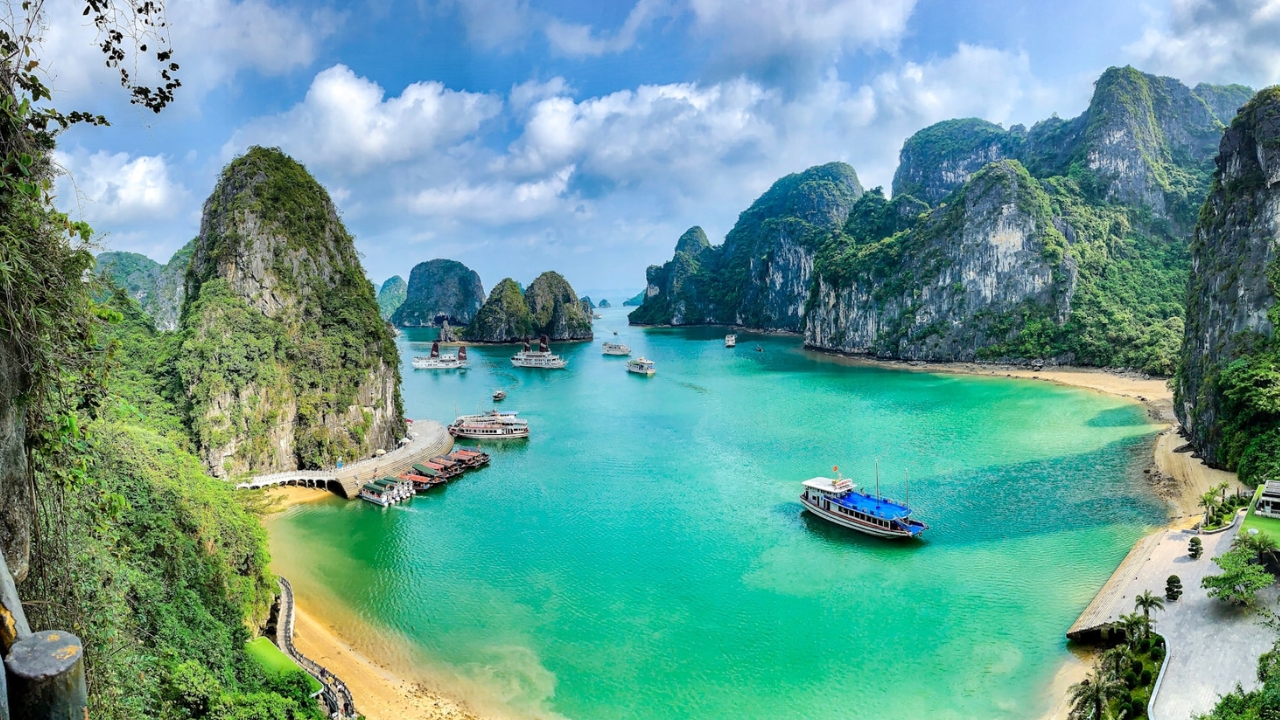
Vietnam stands out because it appears in both major signals at once. Skyscanner shows Ho Chi Minh City up +98%, while Booking.com flags Mũi Né as a fast-rising 2026 destination based on booking growth. That dual pattern suggests a strong funnel from early intent to paid travel. It also reflects range: colonial-era urban districts, high-energy food streets, fishing-town coastlines, and dune landscapes can all fit inside one coherent itinerary. In 2026, Vietnam is no longer a niche pick for seasoned planners; it is becoming a mainstream underrated choice.
Philippines
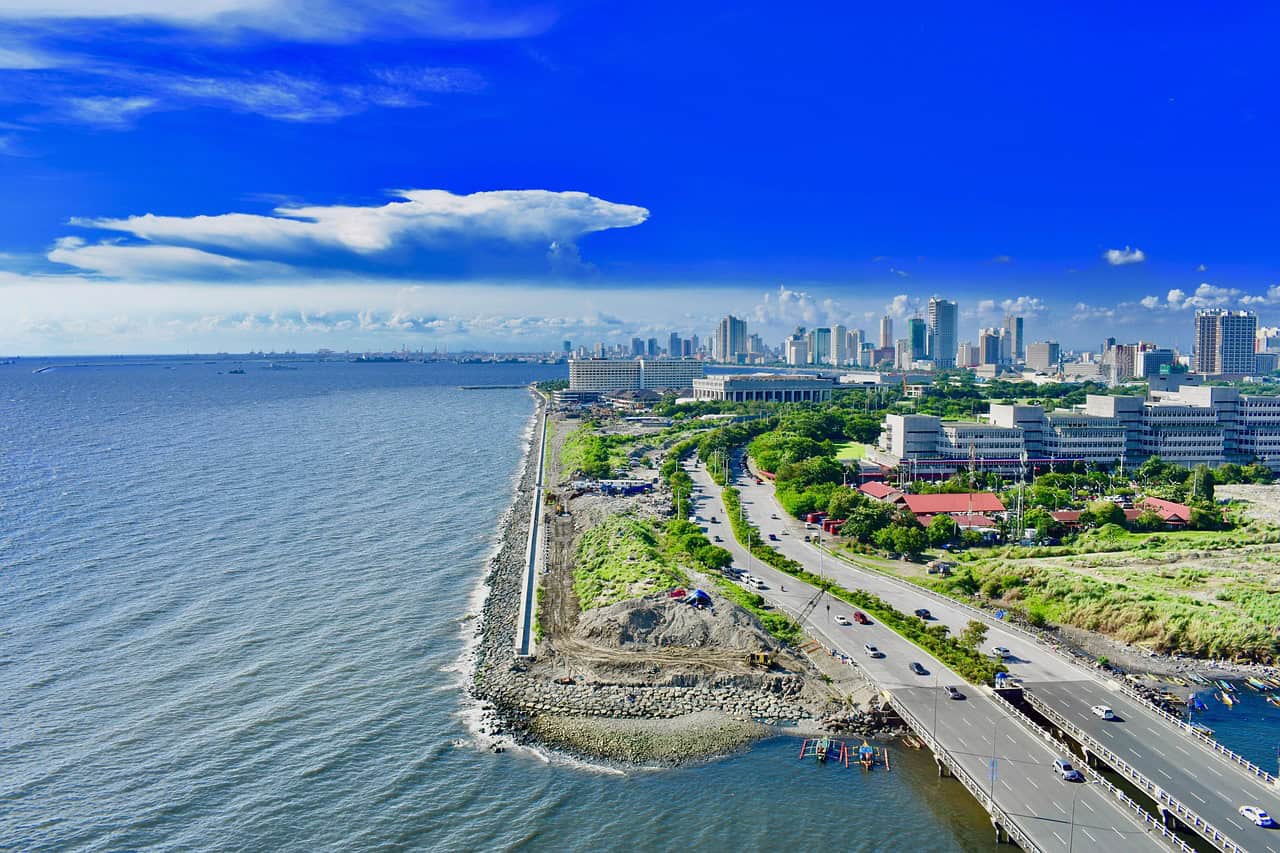
The Philippines is rising through Manila, where Skyscanner records a +108% search increase for 2026 travel interest. Manila’s power is its layered movement: colonial history in Intramuros, contemporary commercial districts, neighborhood markets, and a food scene shaped by multiple lineages rather than one dominant script. Just as important, it functions as a practical launch hub for wider island travel through domestic air and sea links. That blend of urban intensity and onward flexibility is proving highly bookable for travelers who want options without a rigid, pre-scripted route.
Mauritius
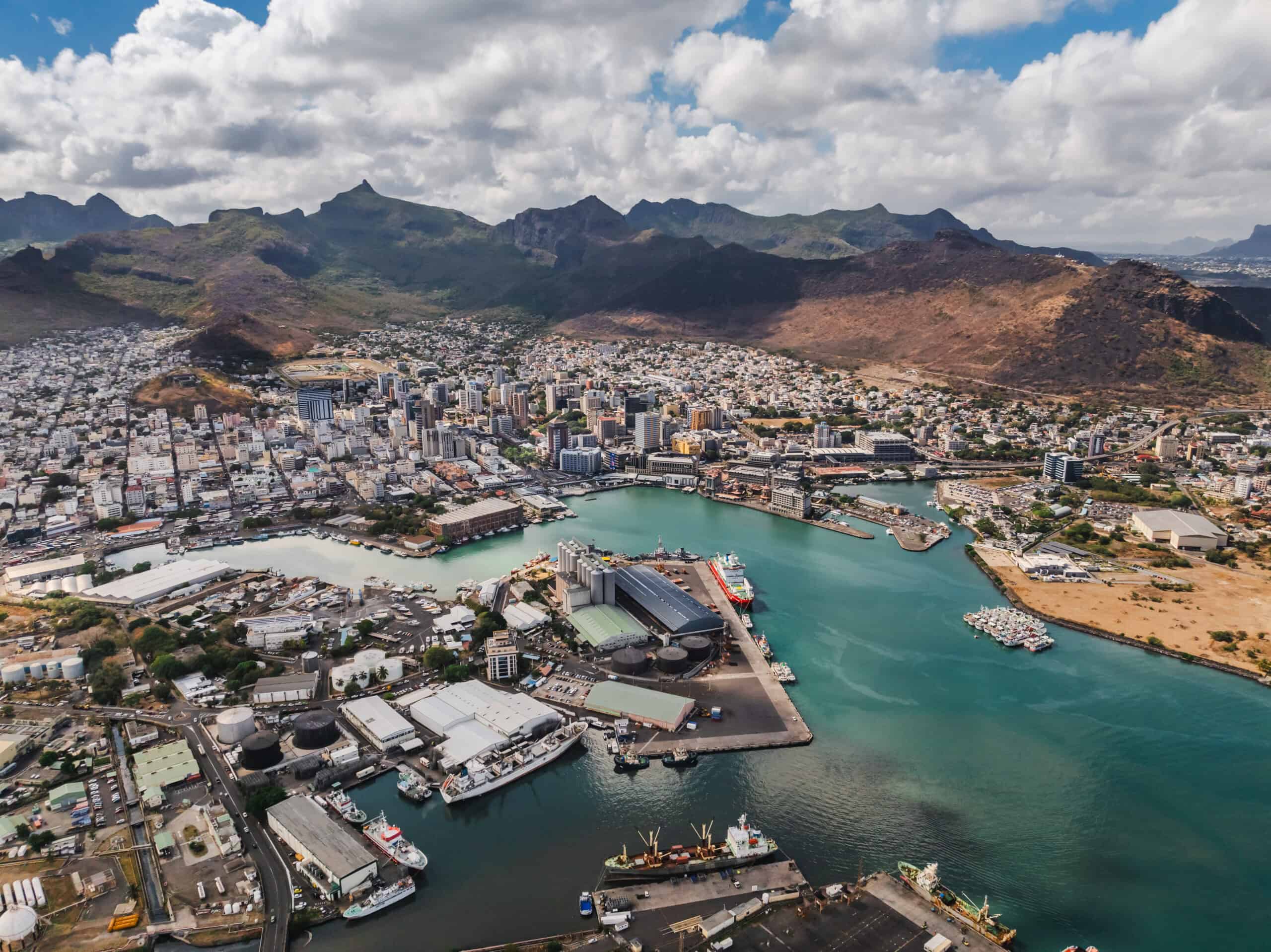
Mauritius is being reconsidered through Port Louis, up +93% in Skyscanner’s trend ranking. The signal suggests demand is moving beyond postcard beach assumptions toward culture-first itineraries with coastal recovery time built in. Port Louis adds markets, colonial streetscapes, multilingual communities, and street food traditions that carry real historical layering. The island’s compact geography also helps: split stays across harbor, highland, and shoreline settings can happen without punishing transfer days. In a year defined by smarter pacing, Mauritius is reading less like a honeymoon stereotype and more like a versatile country trip.
Cape Verde
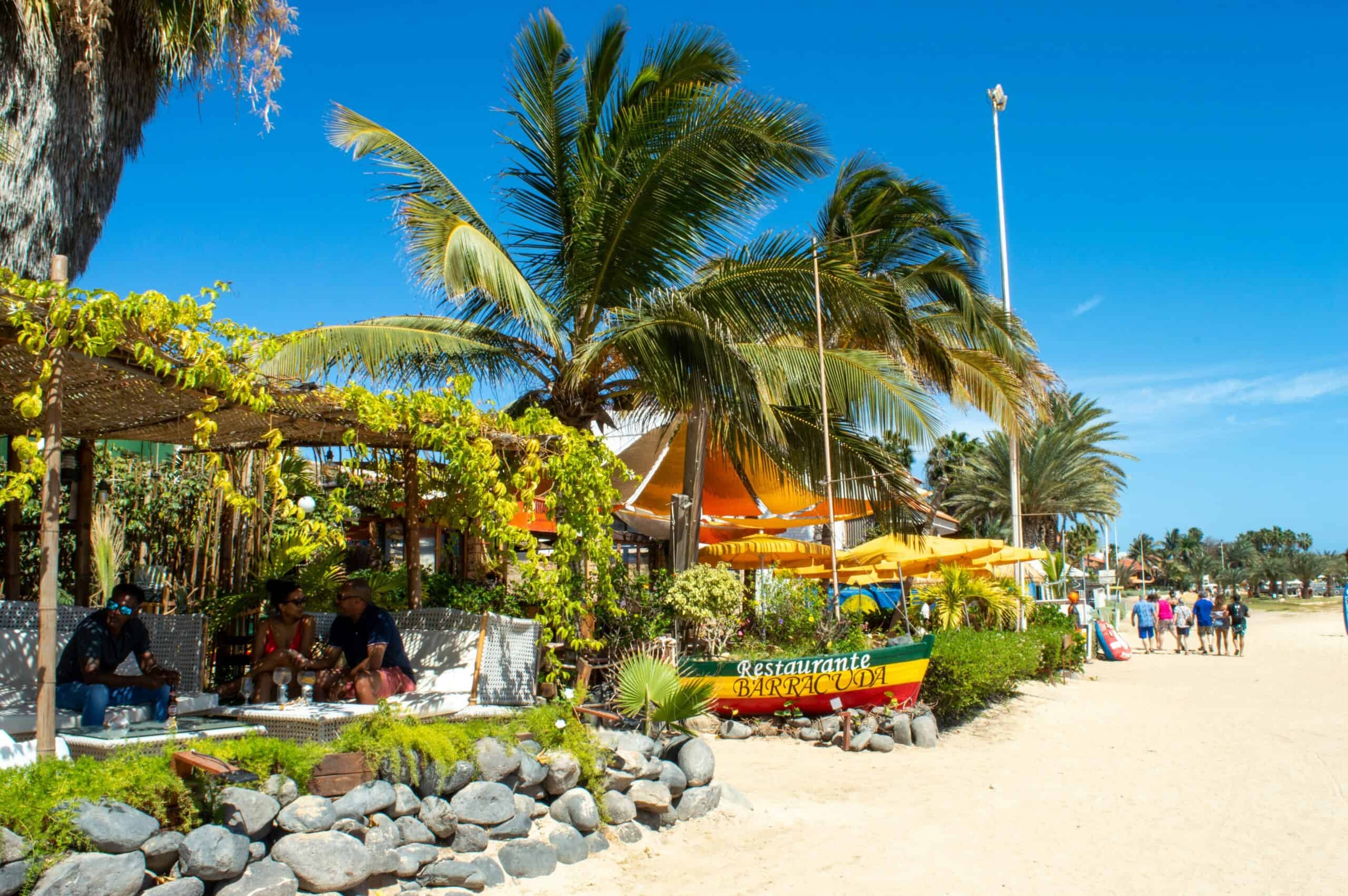
Cape Verde enters the 2026 conversation through Sal, which Booking.com lists among its fastest-rising destinations after sorting high-volume properties by year-over-year booking growth. Sal’s appeal is steady rather than flashy: broad white-sand beaches, dependable wind for water sports, and a Creole cultural identity shaped by African and Portuguese influences. It offers strong sun-and-sea value, but with a social texture that exceeds typical package-resort framing. For travelers avoiding overbuilt rivals, Cape Verde feels like a coastal choice with personality still intact.
Colombia
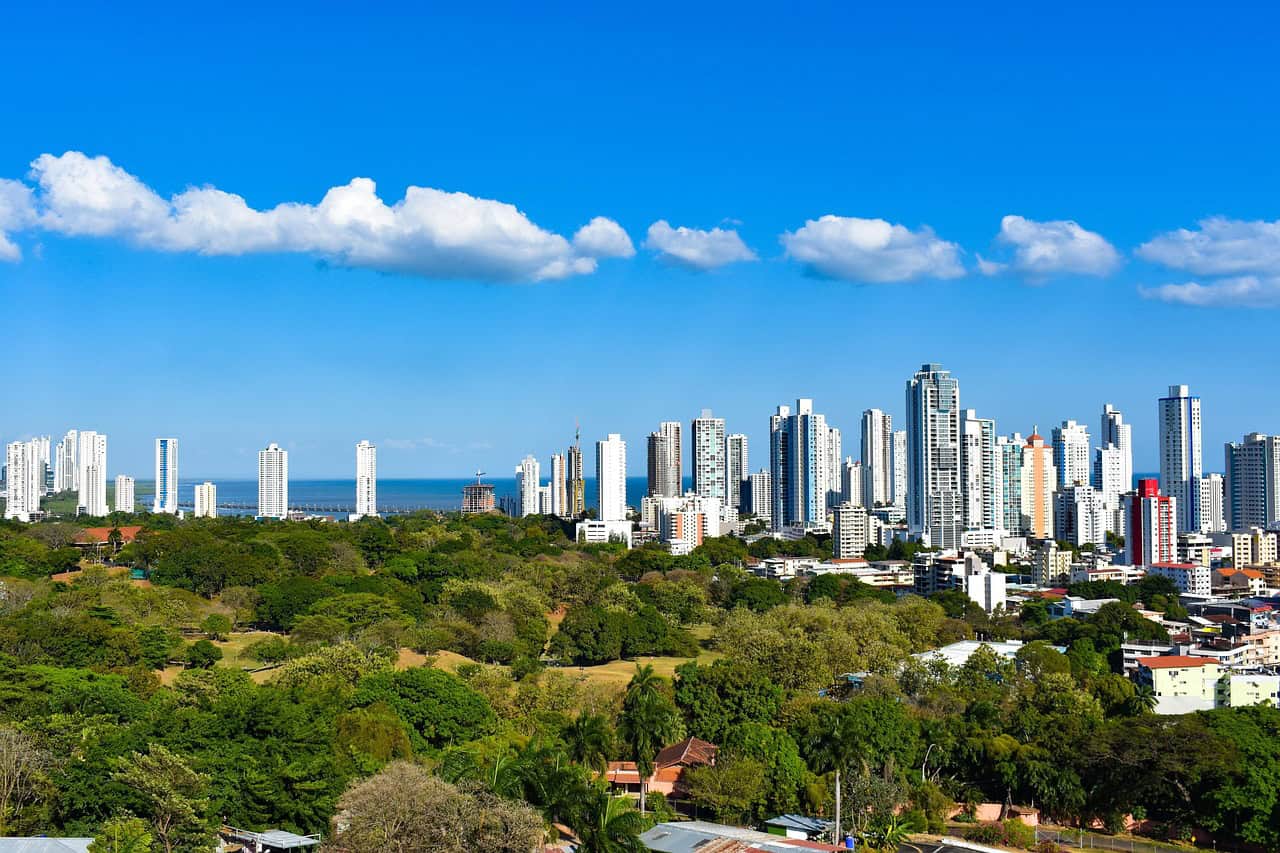
Colombia’s quieter rise is visible in Barranquilla, another Booking.com 2026 trending destination. Set on the Caribbean edge near the Magdalena River, the city offers a different profile from Colombia’s better-known tourism corridor. Its carnival tradition carries UNESCO recognition, yet everyday street life is the deeper draw: music culture, riverfront rhythms, and regional food that still belongs first to locals. That gives Barranquilla a lived-in energy without the saturation pressure seen in more photographed peers, making Colombia’s growth story broader and more interesting in 2026.
Brazil

Brazil remains globally famous, but the 2026 signal comes from Manaus, which Booking.com marks as a rising destination. The city is home to more than two million residents and works as both a functioning metropolis and a gateway to Amazon river journeys. Iconic experiences, including the Meeting of Waters, are close at hand, yet Manaus also rewards time in its own right through historic landmarks, markets, and regional cuisine. It suits travelers who want immersion without giving up practical infrastructure, and that balance is quietly driving bookings upward.
Germany
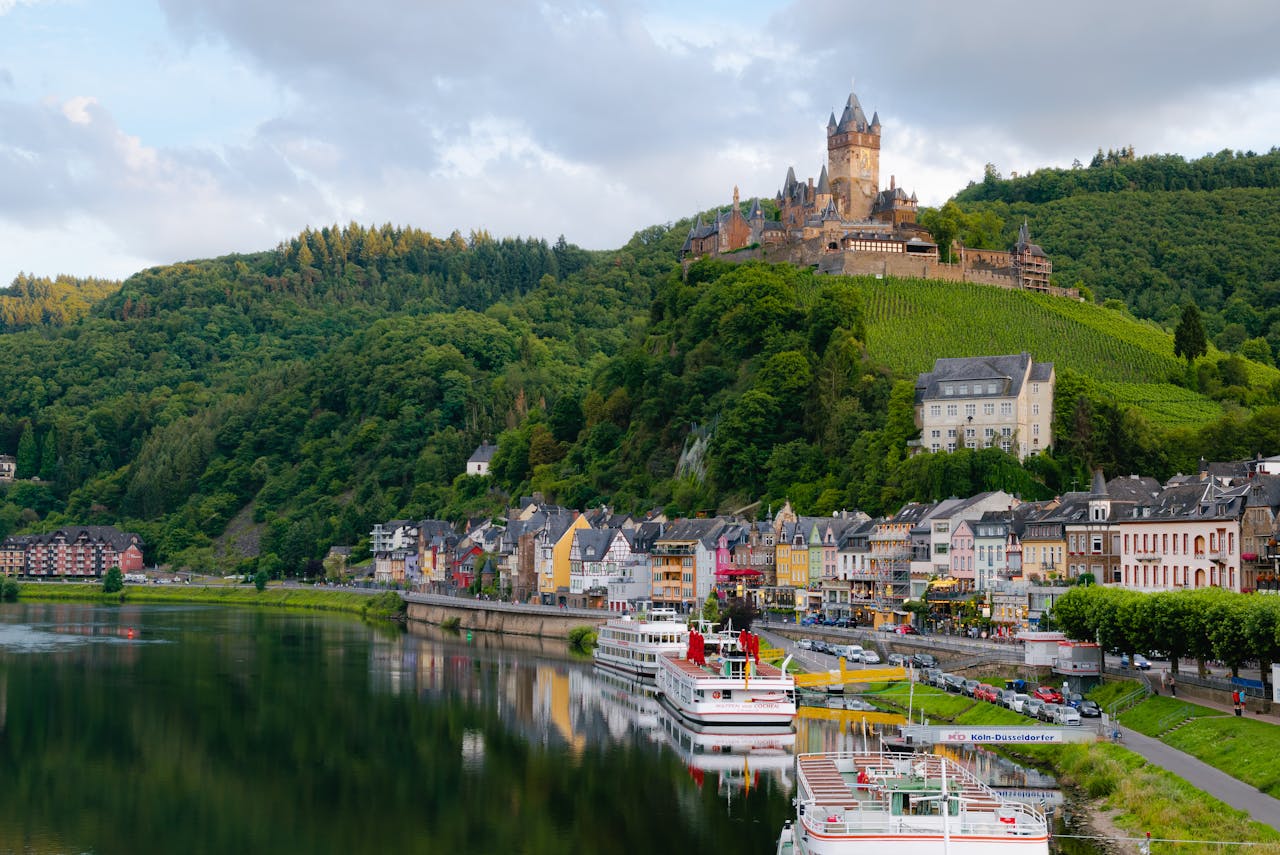
Germany appears here through Münster, included in Booking.com’s 2026 trending set, and the choice reflects a meaningful shift toward smaller cities with high daily livability. Münster blends 1,200 years of history, rebuilt old-town corridors, a large student population, and one of Europe’s strongest bike cultures. That mobility changes trip quality by replacing queue-heavy transit stress with smooth local movement. In 2026, Germany’s draw is expanding beyond Berlin and Munich toward places where culture, pace, and practicality align without forcing travelers into constant trade-offs.