We may earn money or products from the companies mentioned in this post. This means if you click on the link and purchase the item, I will receive a small commission at no extra cost to you ... you're just helping re-supply our family's travel fund.
Some cities don’t disappear with explosions or headlines, they fade quietly under rising seas, collapsing economies, vanishing populations, or relentless tourism pressure. These places still function, still welcome visitors, and still feel alive, which is exactly why their decline is easy to overlook. Climate change, demographic shifts, and policy decisions are accelerating change faster than most travelers realize. What follows are ten underrated cities whose futures are increasingly uncertain. Visit them now, not out of fear, but out of respect for what they represent, and what the world may soon lose.
1. Alexandria, Egypt
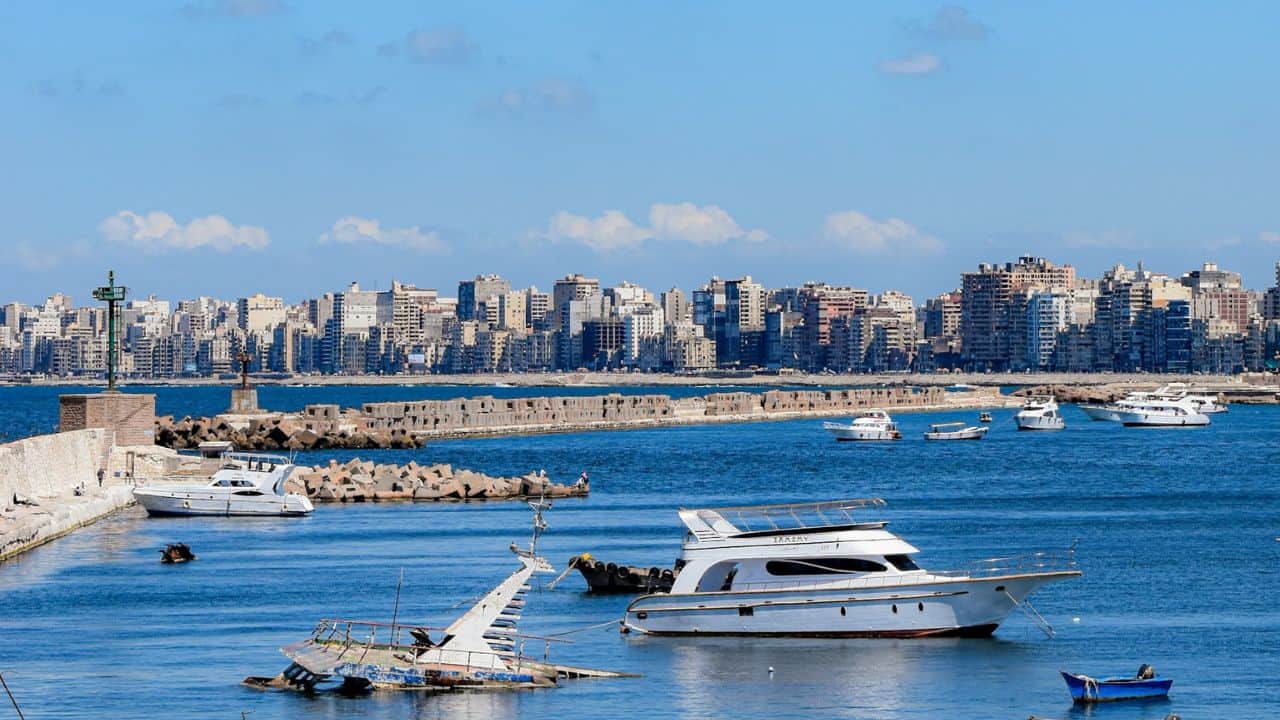
Alexandria has survived empires, but modern climate math is less forgiving. The city sits barely 2 meters above sea level, and studies show parts of its coastline retreating by 30–35 meters per year. With over 5.5 million residents, even minor flooding causes infrastructure failures. Saltwater intrusion has already damaged historic foundations, including Roman-era sites. By 2050, projections suggest up to 30% of the city could face permanent inundation without intervention. Despite its libraries, cafes, and Mediterranean charm, Alexandria’s slow erosion makes its future increasingly fragile.
2. Timbuktu, Mali
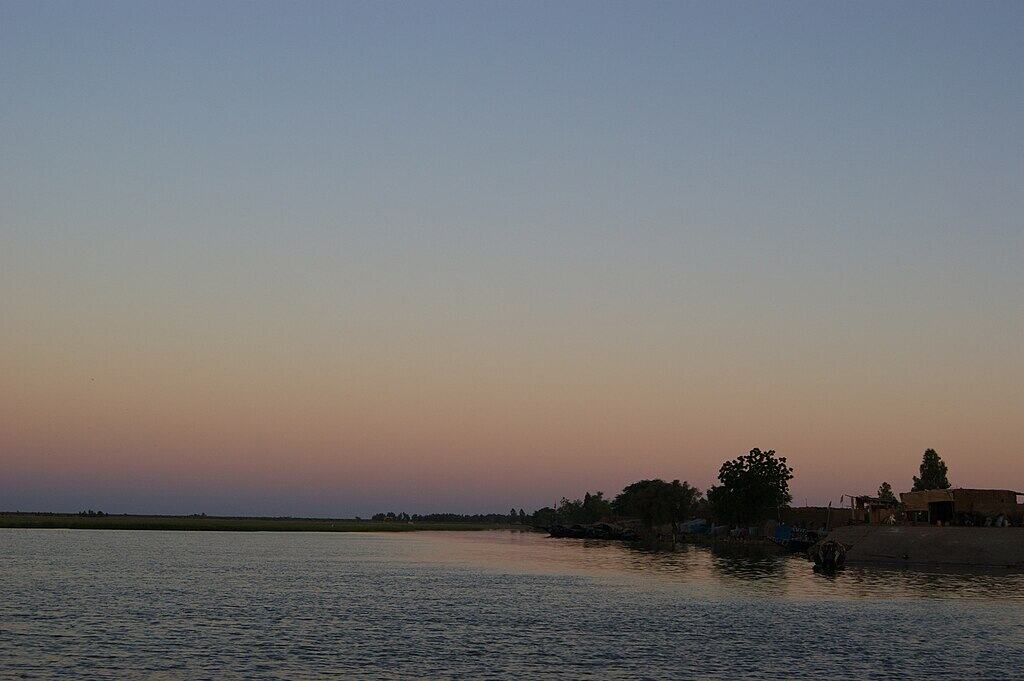
Once a legendary center of trade and scholarship, Timbuktu now balances between desert and abandonment. Average temperatures have risen nearly 1.5°C since 1980, accelerating Sahara encroachment. The city’s population has dropped below 55,000, down nearly 40% from its peak due to instability and economic decline. Ancient mud-brick structures require constant maintenance, yet funding has fallen sharply. Wind erosion and sand burial threaten manuscripts centuries old. Timbuktu still breathes culture and history, but environmental pressure and isolation are steadily tightening their grip.
3. Hoi An, Vietnam
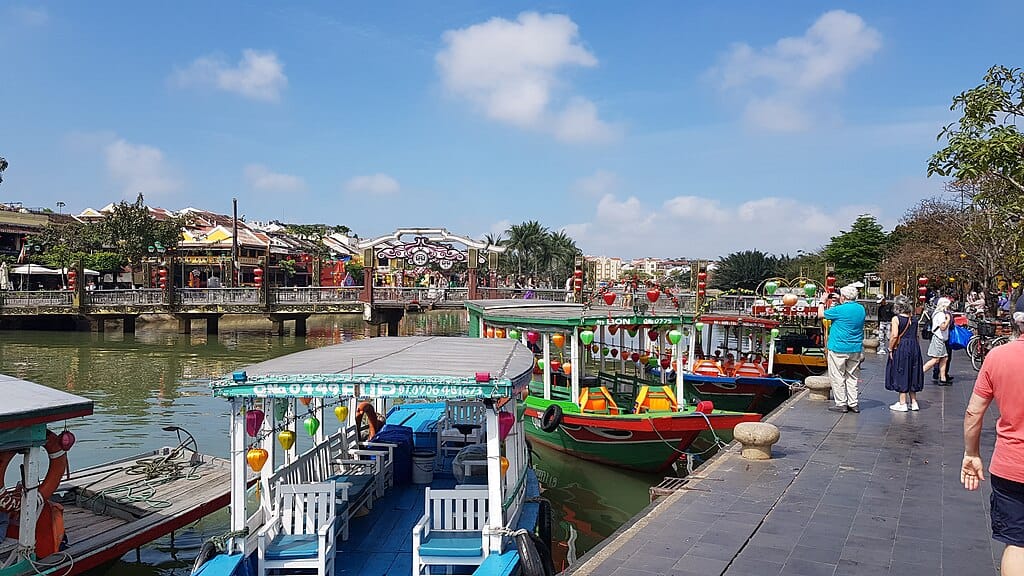
Hoi An’s lantern-lit streets hide a serious problem beneath their beauty. The city floods an average of 8–10 times per year, with sea levels rising roughly 3.6 mm annually along Vietnam’s coast. Tourism brings over 5 million visitors yearly, overwhelming drainage systems designed for a fraction of that load. Buildings sink as groundwater is overdrawn, while storms intensify. UNESCO status hasn’t slowed physical decline. Without structural change, Hoi An risks becoming an uninhabitable museum rather than a living city.
4. New Orleans, USA
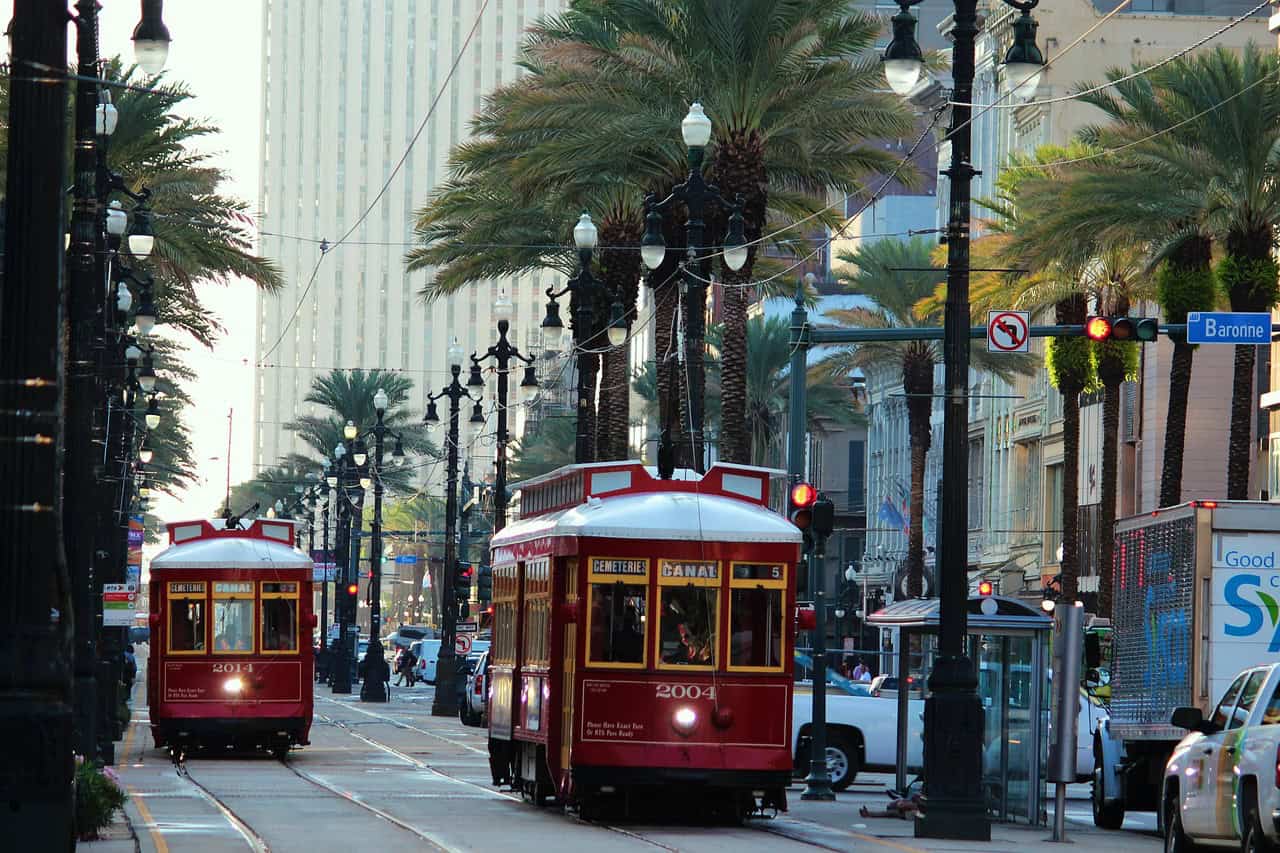
New Orleans loses about 1 football field of land every 100 minutes due to subsidence and erosion. Nearly 50% of the city sits below sea level, protected by aging levees. Since 2005, the population has shrunk by roughly 15%, reflecting climate anxiety and insurance costs. Hurricanes are stronger, rainfall heavier, and recovery slower. Billions have been spent on defenses, yet long-term projections still show severe flooding risk by 2050. The culture remains unmatched, but the ground beneath it keeps sinking.
5. Venice, Italy
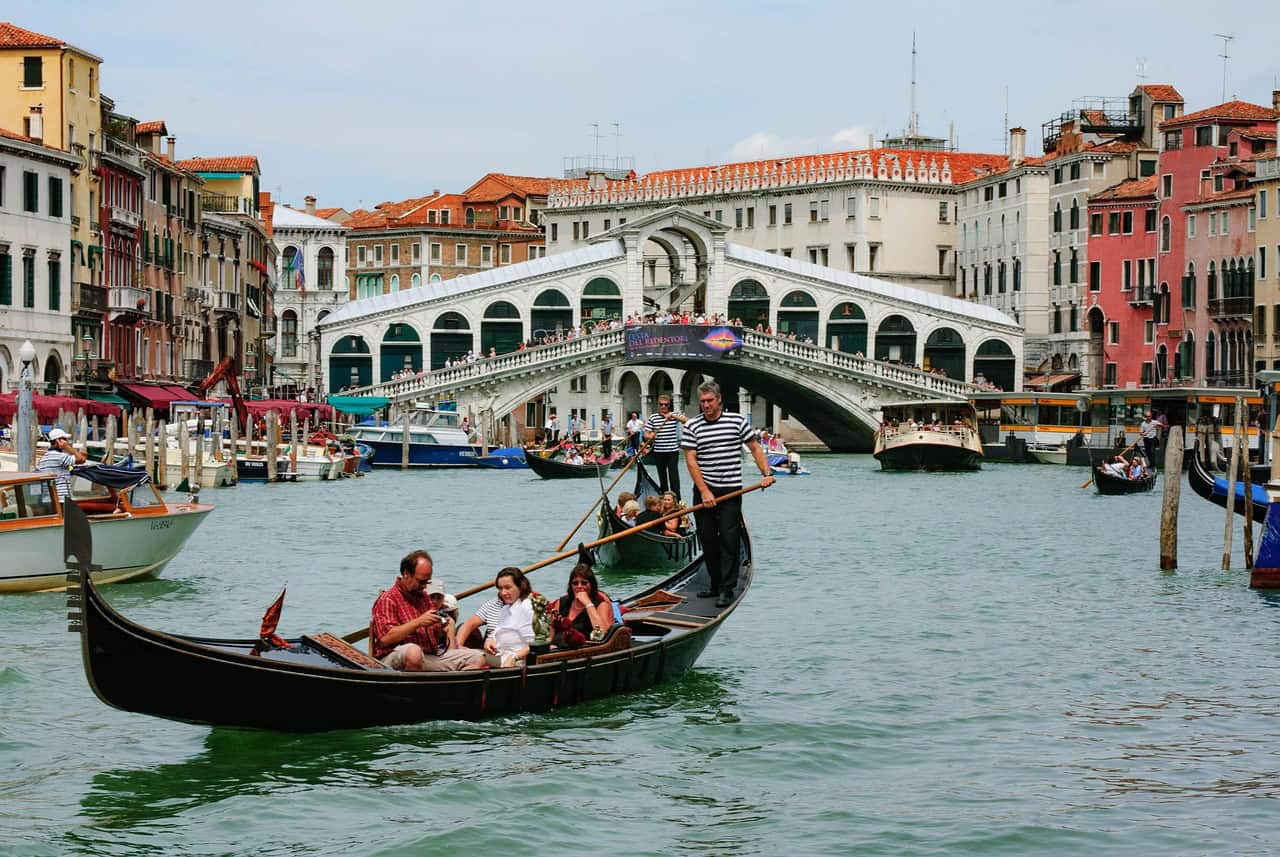
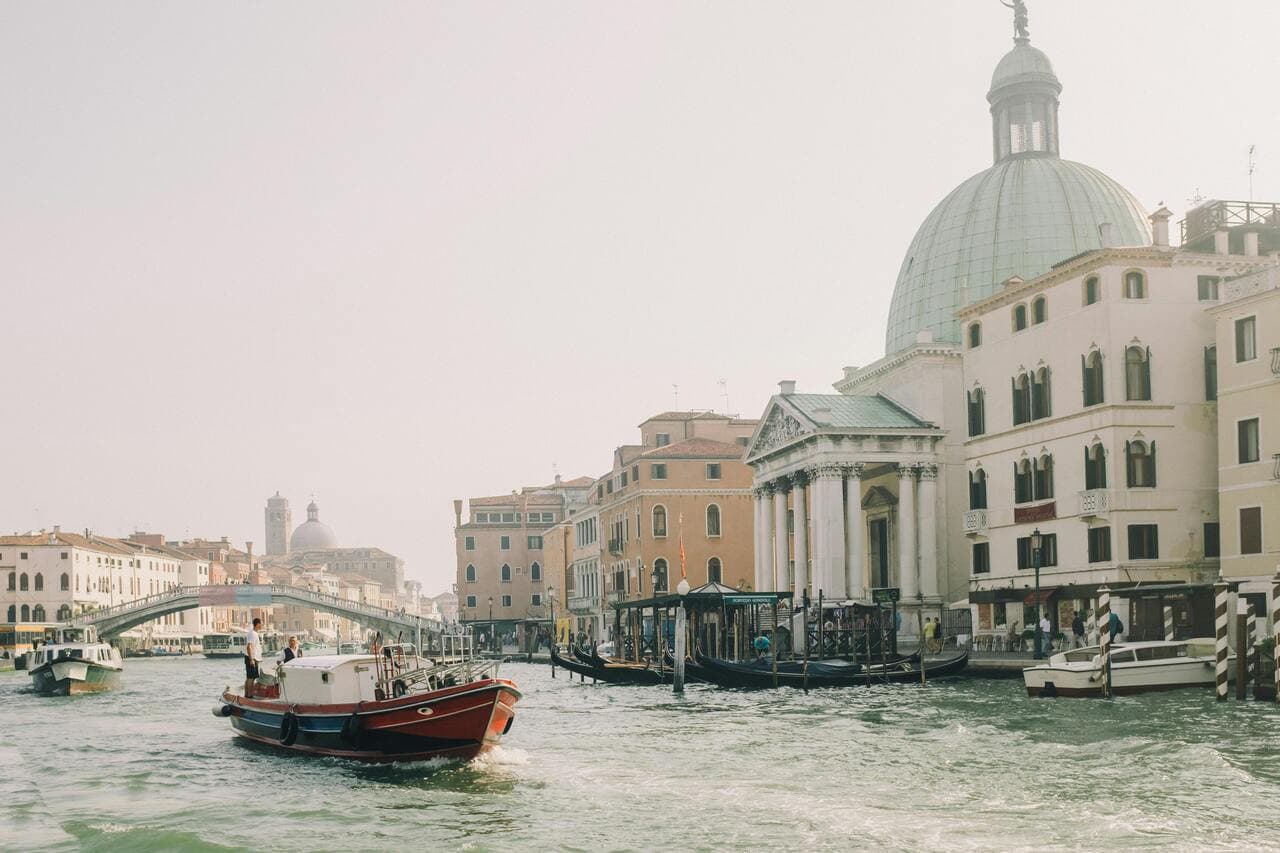
Venice feels eternal, yet it sinks by about 1–2 mm annually while sea levels rise faster. Acqua alta events now exceed 60 days per year, compared to fewer than 10 in the early 1900s. The resident population has fallen below 49,000, down from 175,000 a century ago. Tourism exceeds 20 million visitors yearly, straining foundations and pushing locals out. Even the MOSE barrier system offers only temporary relief. Venice isn’t vanishing overnight, it’s hollowing out from within.
6. Shishmaref, Alaska, USA
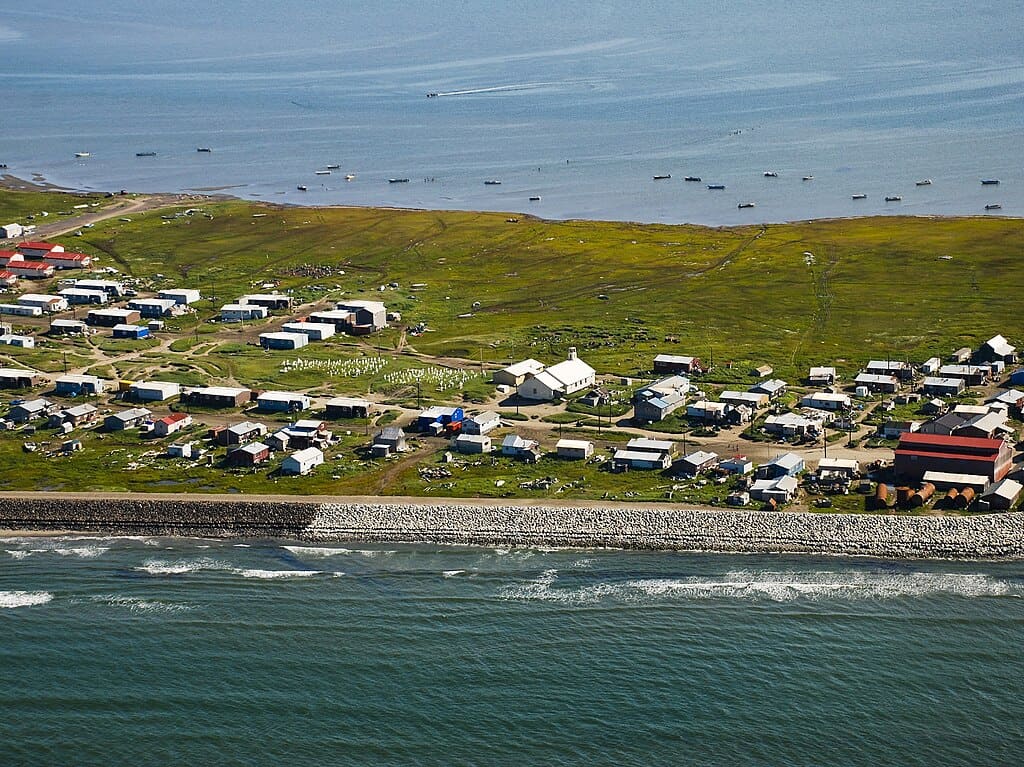
Shishmaref sits on a fragile barrier island in the Arctic Circle, where sea ice once protected the coast. With ice forming later and melting earlier, erosion now consumes up to 3 meters of shoreline per year. The population of roughly 600 faces relocation costs estimated at $180 million. Homes collapse, roads disappear, and freshwater supplies are threatened. Despite votes to relocate dating back decades, funding delays persist. Shishmaref remains inhabited, but its physical location is becoming impossible to defend.
7. Jakarta, Indonesia
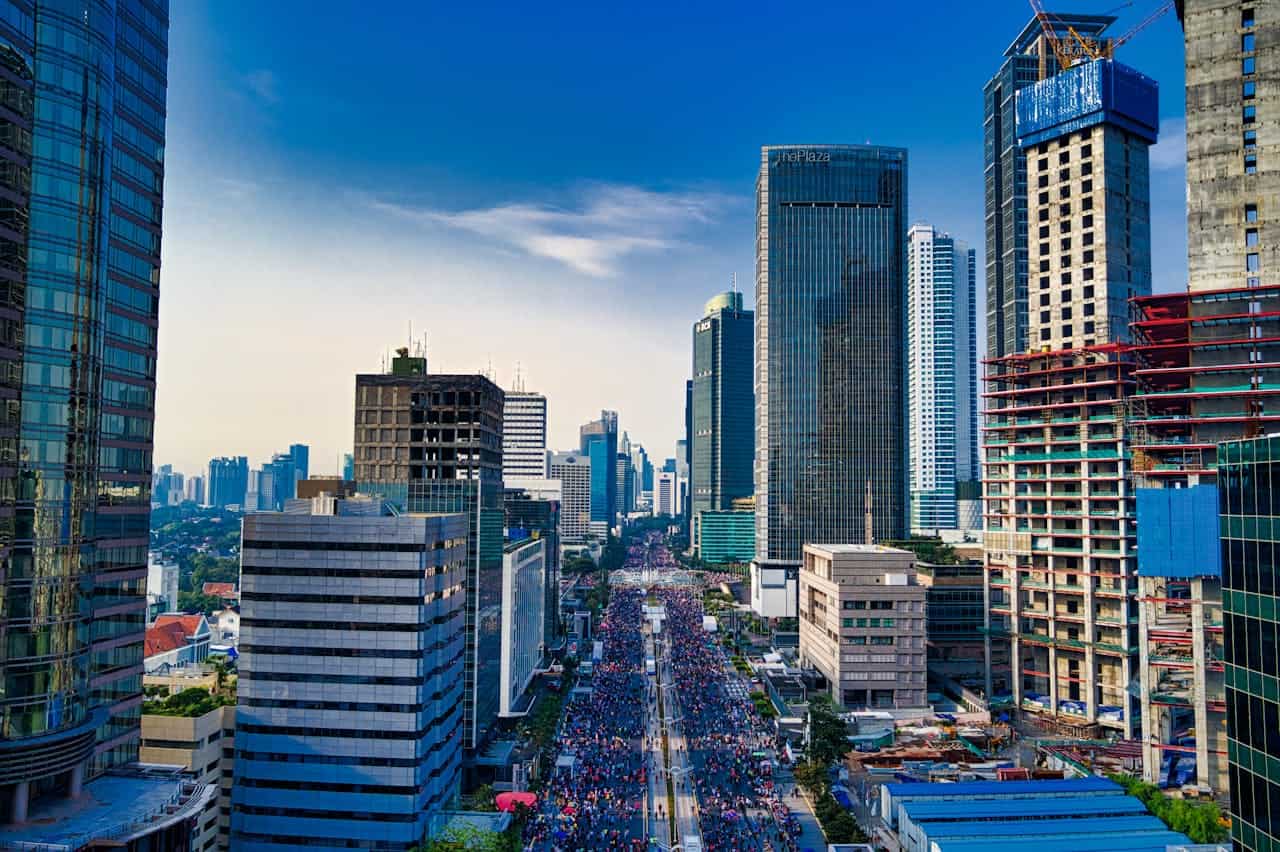
Jakarta is sinking faster than any major city up to 25 cm per year in some districts. Over 40% already lies below sea level, and chronic flooding affects millions annually. Groundwater extraction for a population exceeding 10.5 million accelerates collapse. The Indonesian government has committed $35 billion to move the capital, signaling reduced long-term investment. Sea walls buy time, not permanence. Jakarta remains vibrant and chaotic, but its physical reality makes its current form unsustainable.
8. Isle de Jean Charles, Louisiana, USA
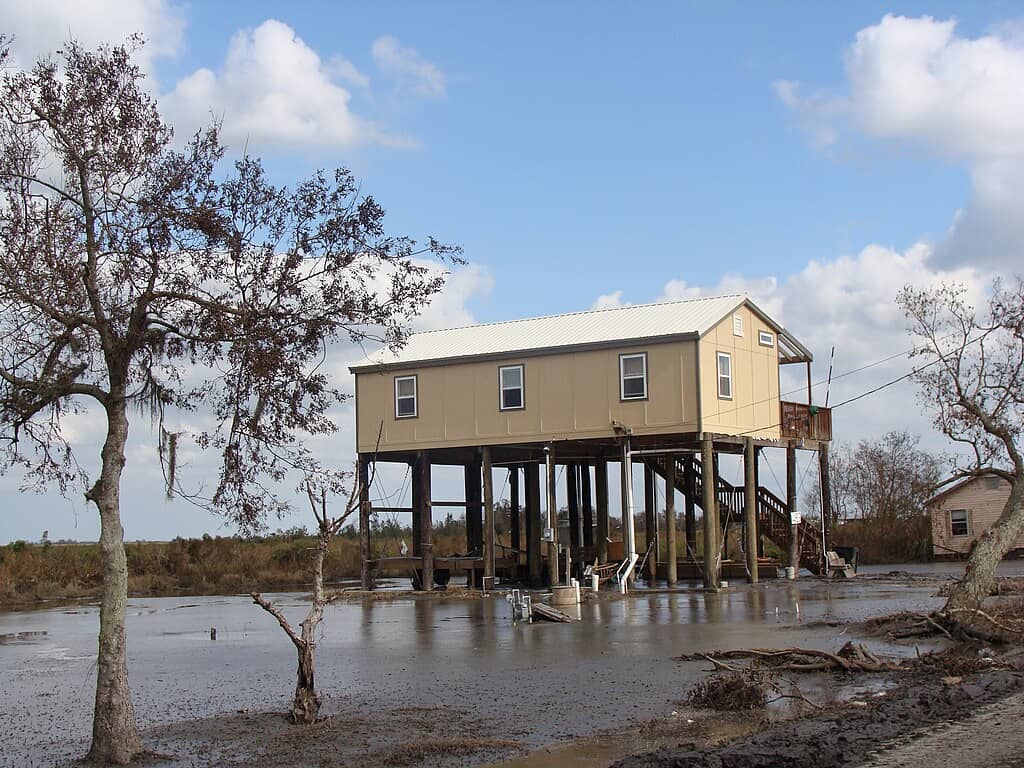
This Native American community has lost 98% of its land since 1955 due to erosion and rising seas. What was once 22,000 acres is now barely 320. Fewer than 100 residents remain, down from several hundred. Flooding occurs multiple times per year, contaminating soil and water. It became one of America’s first federally funded climate relocations, effectively marking its end as a functioning town. Cultural identity persists, but the geography that supported it no longer does.
9. Kiruna, Sweden
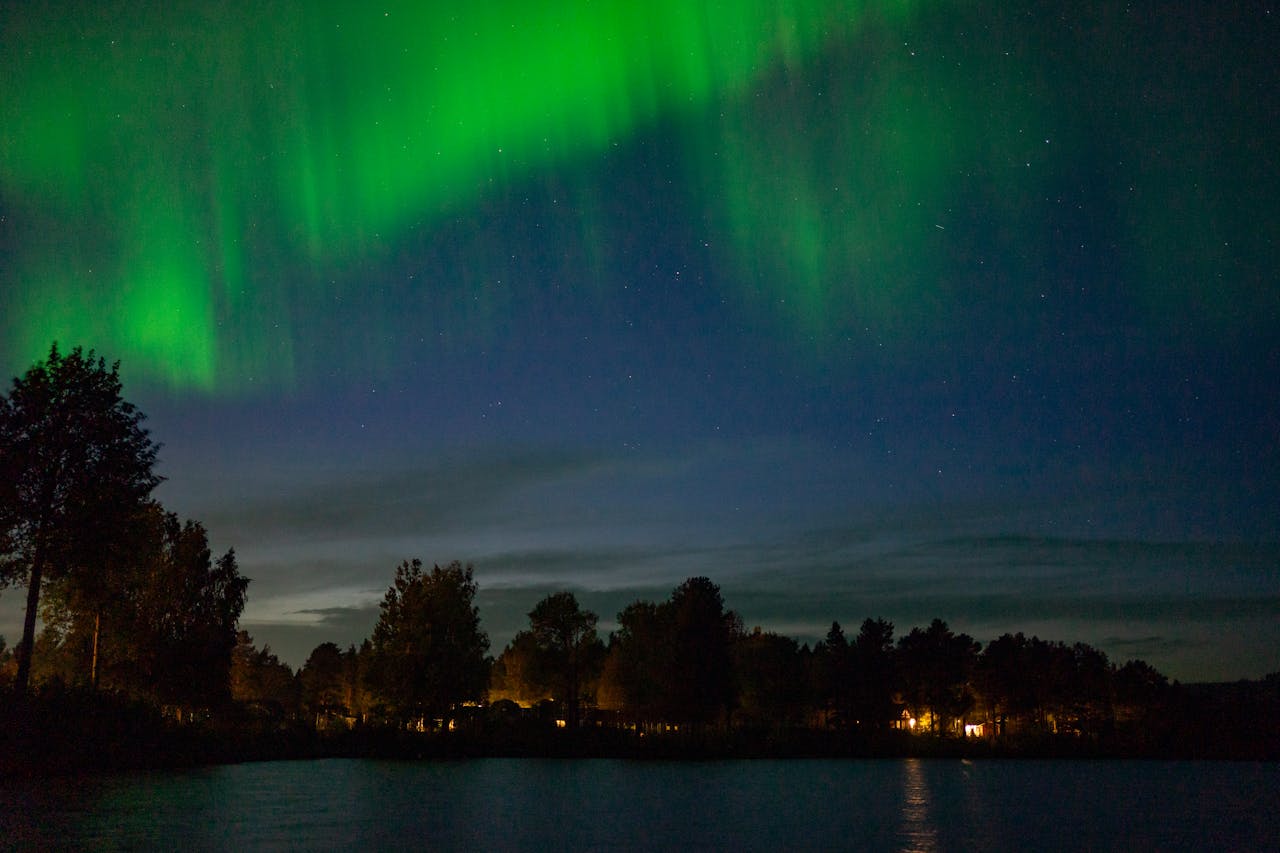
Kiruna isn’t sinking, it’s being deliberately dismantled. Decades of iron ore mining beneath the city have made the ground unstable. Rather than abandon it, Sweden approved a full relocation costing over $1.4 billion. By 2035, most original structures will be gone, including the historic center. While residents move, the original city effectively disappears. Kiruna’s story is unique: not climate-driven, but industrial necessity. Visit now to see a city in the final chapter of its original location.
10. Lamu, Kenya
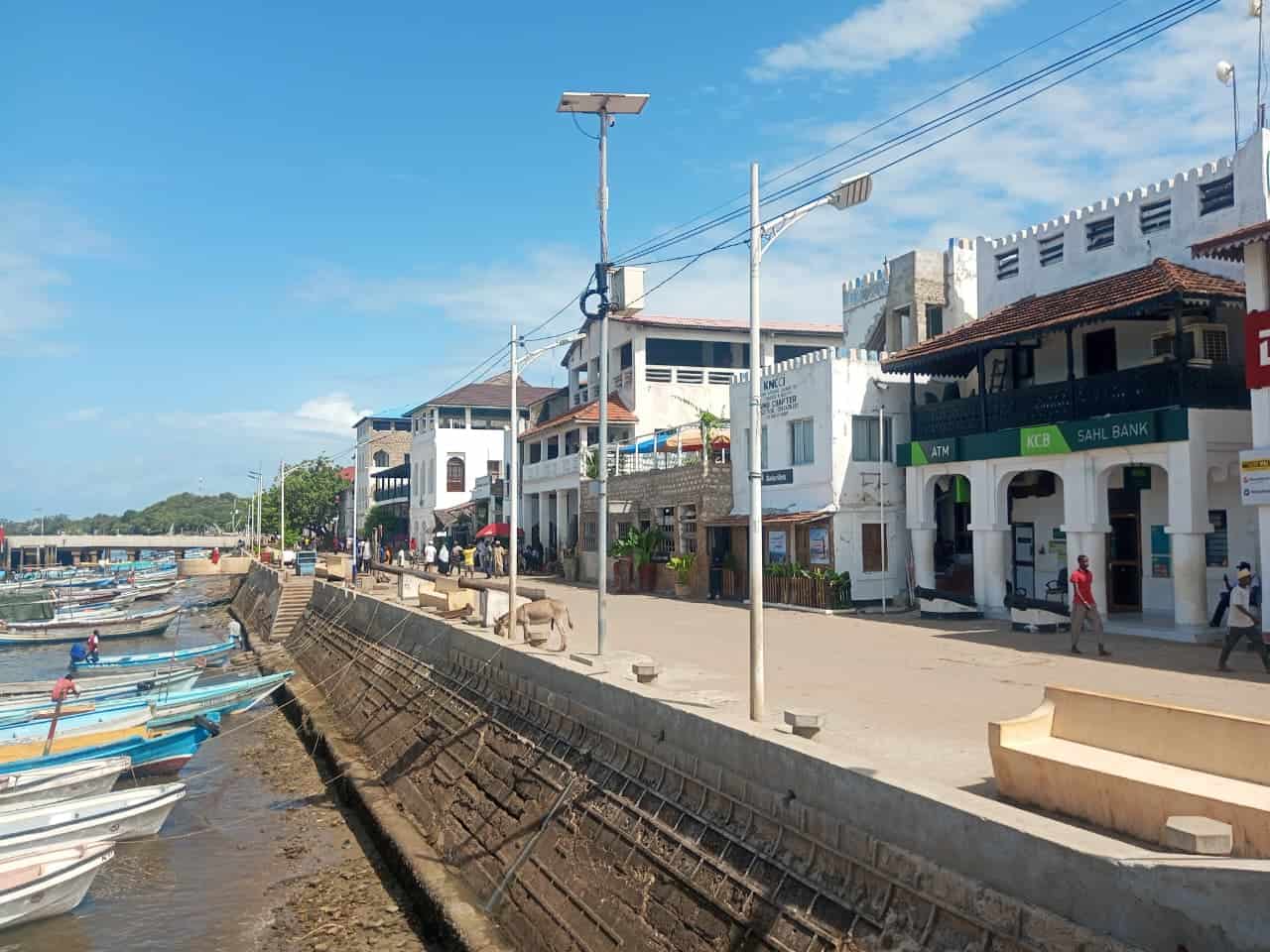
Lamu’s Swahili architecture and car-free streets mask growing vulnerability. Rising seas and stronger storms threaten coral-based foundations, while tourism development disrupts tidal patterns. The population sits near 25,000, yet infrastructure remains minimal. Studies show shoreline retreat averaging 1–1.5 meters annually. Saltwater intrusion already affects wells. Cultural preservation clashes with modern expansion, and climate stress compounds both. Lamu still feels timeless; but time, here, is working against permanence.