We may earn money or products from the companies mentioned in this post. This means if you click on the link and purchase the item, I will receive a small commission at no extra cost to you ... you're just helping re-supply our family's travel fund.

Instagram has a way of transforming peaceful American towns into viral hotspots almost overnight. A single trending photo can draw tens of thousands of curious travelers, often far beyond what a small community can realistically support. While the exposure seems exciting at first, the aftershock can be overwhelming: traffic surges, rising rents, eroding landscapes, and frustrated residents who never asked to become part of a social media spectacle. These ten towns enjoyed the spotlight briefly, only to later discover the weight of unwanted fame.
1. Leavenworth, Washington

Leavenworth’s Bavarian village aesthetic was always charming, but Instagram pushed it into the spotlight in ways the town wasn’t built for. Annual visitor numbers swelled to an estimated 2.5 million, far exceeding what a town of just 2,400 residents can comfortably absorb. Holiday traffic often stretches 3–5 miles, and parking spills deep into residential zones. Locals report grocery lines doubling and noise levels rising, while short-term rentals expanded by almost 30%, gradually reshaping neighborhoods once known for their quiet mountain character.
2. Sedona, Arizona

Sedona’s red rock formations were already beloved, but Instagram amplified specific photo spots, like Devil’s Bridge, so dramatically that annual hikers soared from roughly 300,000 to over 1 million in a few seasons. With this came a 30% increase in search-and-rescue calls, mostly involving visitors attempting risky cliff-edge photos. Trail erosion worsened, litter grew, and rental prices climbed 20–40% due to rising demand. For many residents, the spiritual calm Sedona was known for now competes with constant crowds chasing the next perfect shot.
3. Marfa, Texas

Once a quiet desert art town of fewer than 2,000 people, Marfa became an Instagram sensation thanks to its minimalist landscapes and photogenic installations. Tourism reportedly grew by more than 60%, overwhelming limited water supplies, lodging, and local services. Weekends brought caravans of influencers staging shoots along isolated roads, often blocking access or disturbing ranchland. Housing costs rose by nearly 25% due to short-term rentals, and longtime residents felt the authentic creative culture shifting into something more curated for photos than for community.
4. Moab, Utah

Moab transformed from a peaceful desert hub into a viral adventure destination, particularly after Instagram posts popularized delicate arches and canyon overlooks. Annual visitation to the surrounding parks surged past 3 million, straining a town with only 5,000 residents. Illegal camping, overflowing trash, and a sharp rise in rescue calls became-weekly issues. Short-term rentals expanded by roughly 40%, pushing out essential workers. Traffic that once took minutes now stretches into hour-long delays, leaving locals feeling overshadowed by endless seasonal crowds.
5. Joshua Tree, California
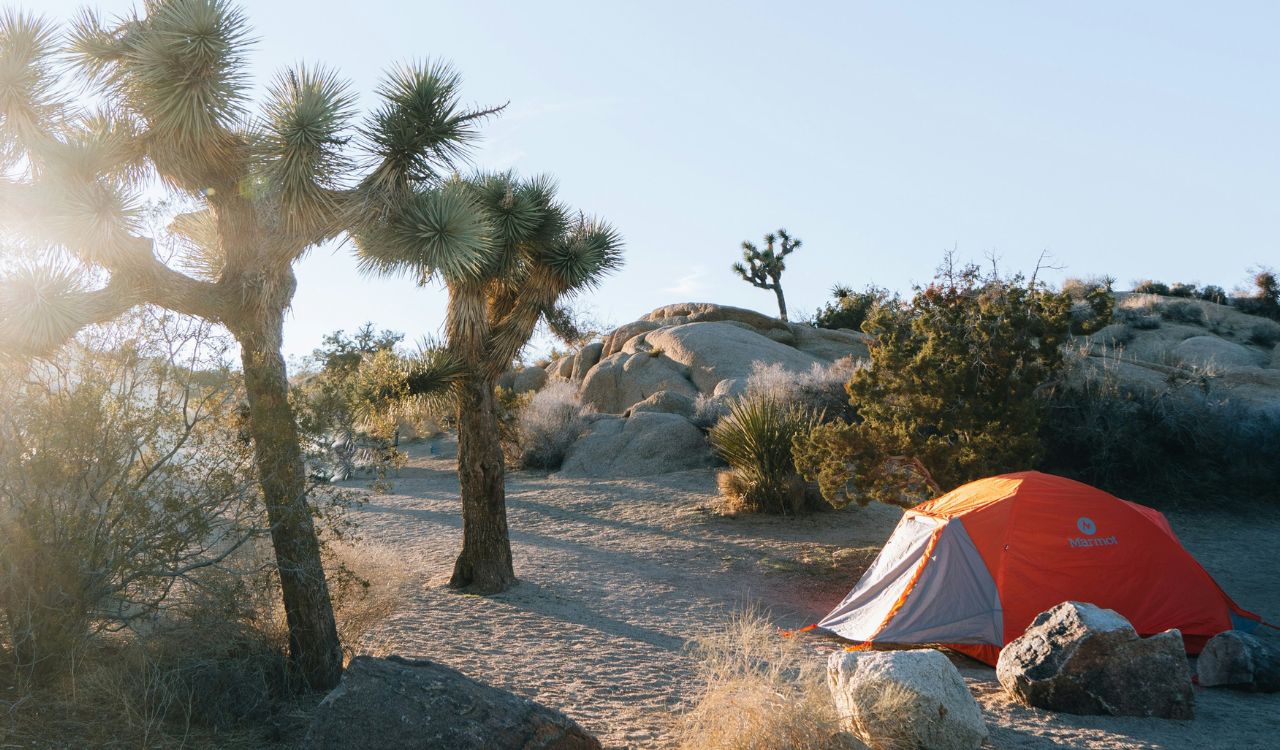
Joshua Tree’s sparse desert scenery and iconic spiky trees exploded in popularity as minimalist Instagram aesthetics took over. Visitor numbers jumped to an estimated 3 million per year, causing significant stress on fragile desert ecosystems. Rangers reported a 20% rise in tree damage from people climbing or leaning on them for photos. Illegal Airbnbs multiplied, pushing local rents up by around 35%. Weekend crowds brought noise and congestion to what was once a tranquil desert community, making everyday life increasingly difficult for residents.
6. South Lake Tahoe, California/Nevada

South Lake Tahoe already attracted tourists, but viral Instagram posts showing turquoise water and snowy cabins drove visitation to nearly 15 million annually, dwarfing the town’s 22,000 residents. Roads became gridlocked, beaches hit capacity early each day, and litter increased by 25% during peak season. Unprepared visitors boosted emergency calls, especially in winter. Neighborhoods saw a wave of short-term rentals, raising home prices by 40% and pushing out long-term residents. What was once a serene alpine retreat now wrestles with nonstop tourism pressure.
7. Page, Arizona

The rise of Horseshoe Bend and Antelope Canyon on Instagram turned Page into a global photo destination. Visitor numbers leapt from roughly 400,000 to over 2 million in a short period. Trails near Horseshoe Bend required major reinforcement due to worsening erosion, while canyon tours began selling out months in advance. Traffic overwhelmed the small road network, and off-trail wanderers caused additional landscape damage. Residents felt their once-quiet community shifting into a staging ground for photo tourism that rarely respected the land.
8. Cannon Beach, Oregon
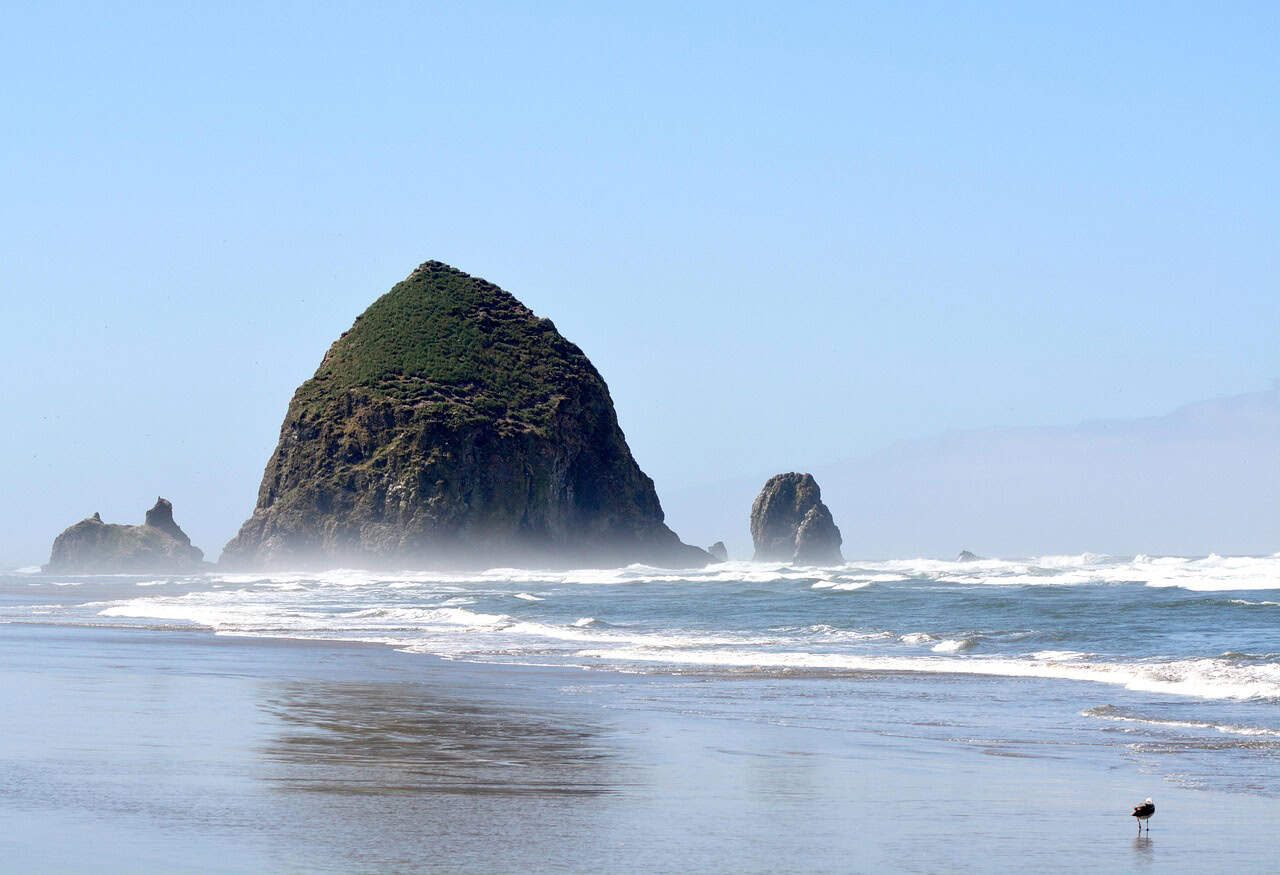
Cannon Beach’s dramatic Haystack Rock became a Northwest icon on Instagram, pushing annual visitors toward 3 million, a massive influx for a town of 1,700 residents. Parking lots overflowed within minutes on summer mornings, and drone noise increased despite restrictions. Sensitive tide pools near Haystack experienced a 15% increase in disturbance as visitors sought unique angles. Locals report losing the peaceful beach mornings they once enjoyed, replaced by tripods, early-morning crowds, and a tourism pace the small coastal town struggles to manage.
9. Gatlinburg, Tennessee
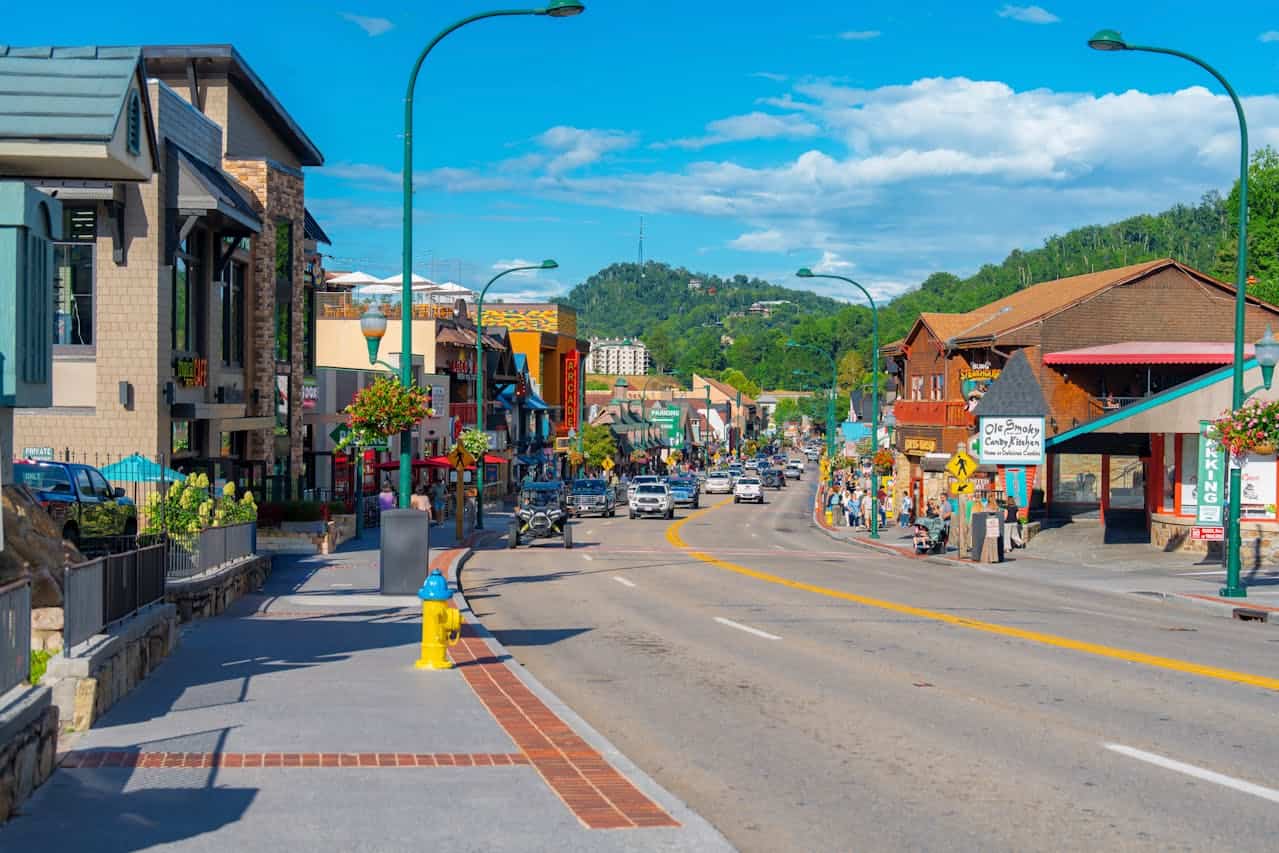
Gatlinburg has always been busy, but social media exposure pushed peak season visitation to an estimated 12 million annually, straining every part of town life. Roads were bottlenecked for hours, and popular overlooks saw a 20% jump in safety incidents as visitors crowded guardrails for photos. Local trails in the Smokies suffered accelerated erosion, and rental conversions increased housing costs by around 30%. Residents say the area’s Appalachian culture now competes with an influencer-driven environment that prioritizes spectacle over authenticity.
10. Carmel-by-the-Sea, California
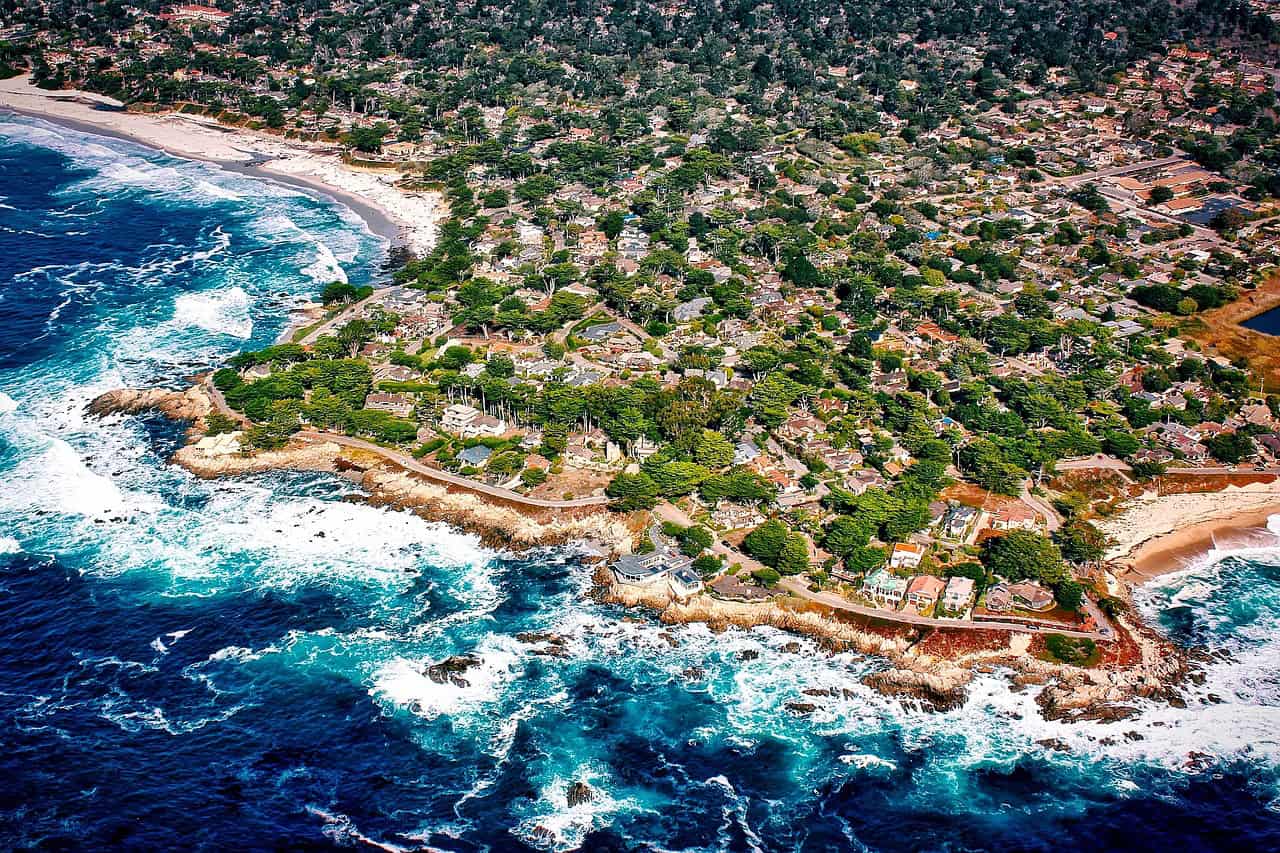
Carmel’s fairytale cottages and quaint streets went viral as the ultimate whimsical getaway, drawing an annual estimated 2 million visitors to a town of barely 3,200 people. Parking shortages became constant, residential lanes grew congested, and noise levels climbed sharply during weekends. Home prices surged by 35–50% as more properties shifted to short-term rentals. Locals report frequent boundary-crossing, with influencers posing near private homes for photos. The once-quiet artistic haven now struggles under the weight of its own picturesque fame.