We may earn money or products from the companies mentioned in this post. This means if you click on the link and purchase the item, I will receive a small commission at no extra cost to you ... you're just helping re-supply our family's travel fund.
Travel costs in the U.S. are no longer shaped only by demand and seasonality. State legislatures and local governments are increasingly using tourism as a revenue lever, tying hotel taxes, rental fees, and visitor surcharges to political goals like climate funding, housing control, and infrastructure repair. For travelers, this means vacation prices can quietly change depending on where lawmakers decide tourists should help foot the bill. Here are ten U.S. states where politics is now measurably influencing what visitors pay, and why it matters.
1. Hawaii
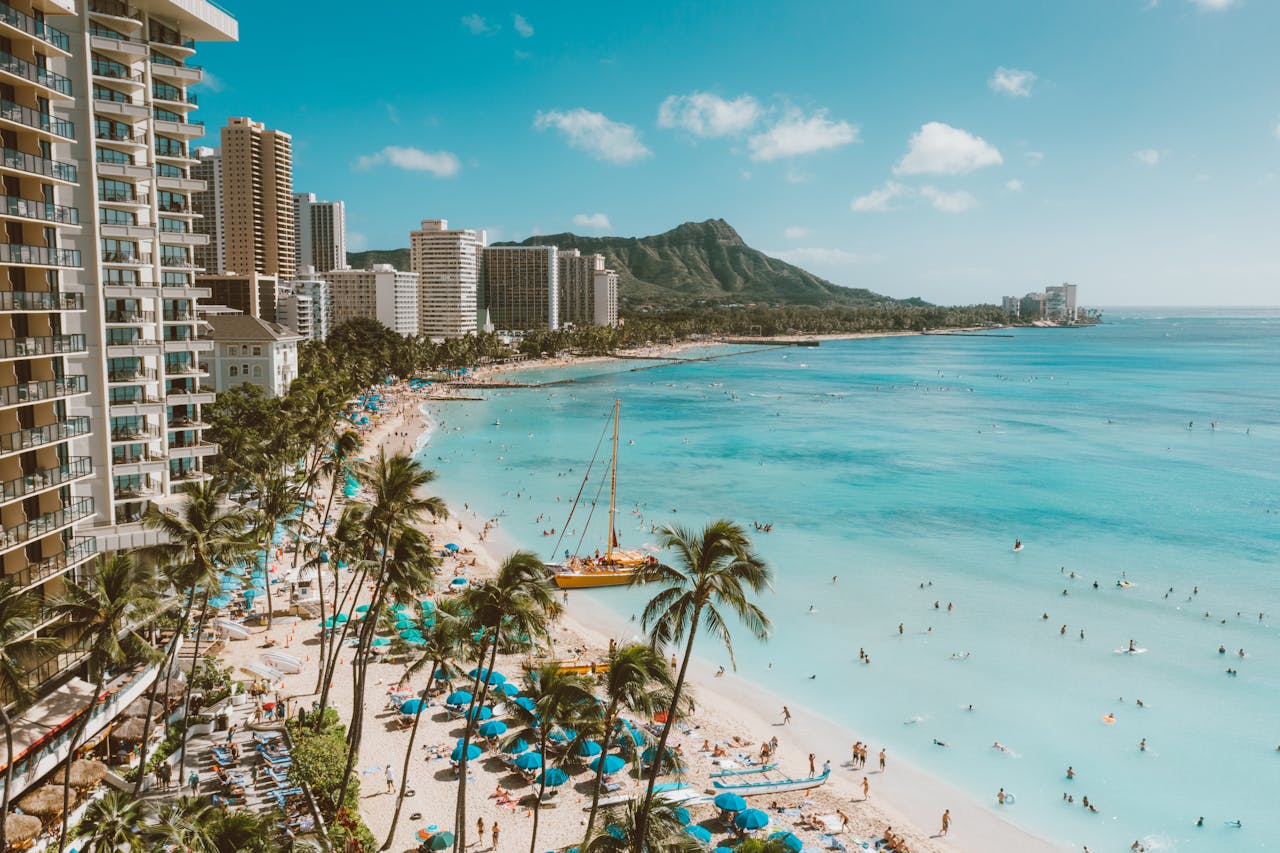
Hawaii’s tourism pricing is increasingly driven by environmental politics rather than pure market demand. The state’s Transient Accommodations Tax sits at 10.25%, but combined county surcharges push the real lodging tax burden to nearly 18% in popular areas like Maui. Lawmakers approved future increases tied to climate resilience, explicitly framing tourists as contributors to shoreline protection and wildfire recovery. Cruise passengers, once largely exempt, now pay per-day harbor and environmental fees averaging $5–$7 per person. With tourism generating over $19 billion annually, policymakers argue even a 1% tax hike can fund millions in sustainability projects, directly shaping visitor costs.
2. California
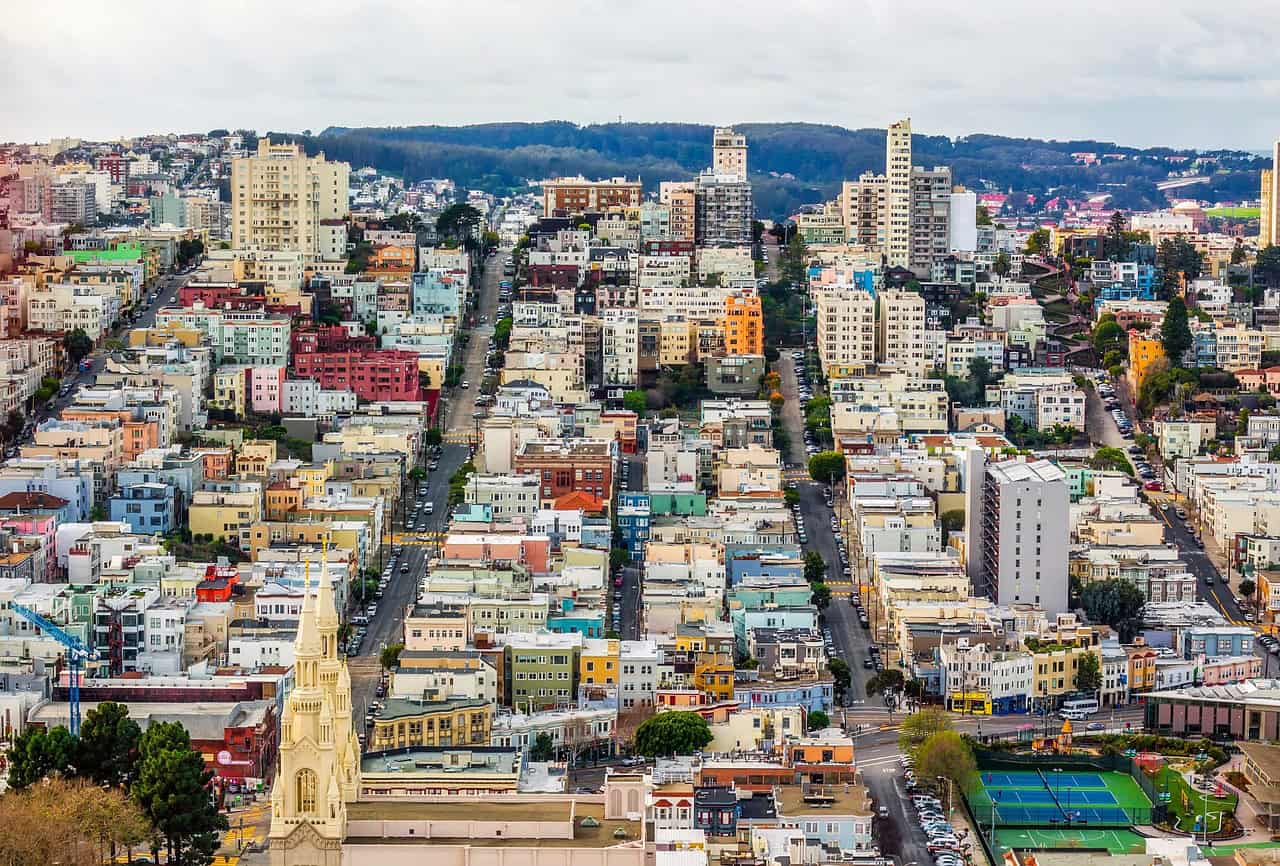
In California, vacation pricing is being reshaped locally through politically charged housing and equity debates. Cities such as Los Angeles, San Diego, and Palm Springs impose hotel taxes ranging from 12% to 15.5%, with short-term rentals often taxed even higher. Several municipalities have introduced flat “tourism impact fees” of $200–$1,000 per year on vacation rentals, costs that are passed directly to guests. Lawmakers argue tourism should help offset housing shortages and infrastructure strain. In high-demand coastal zones, these political decisions can add $40–$70 per night to a standard hotel stay.
3. New York
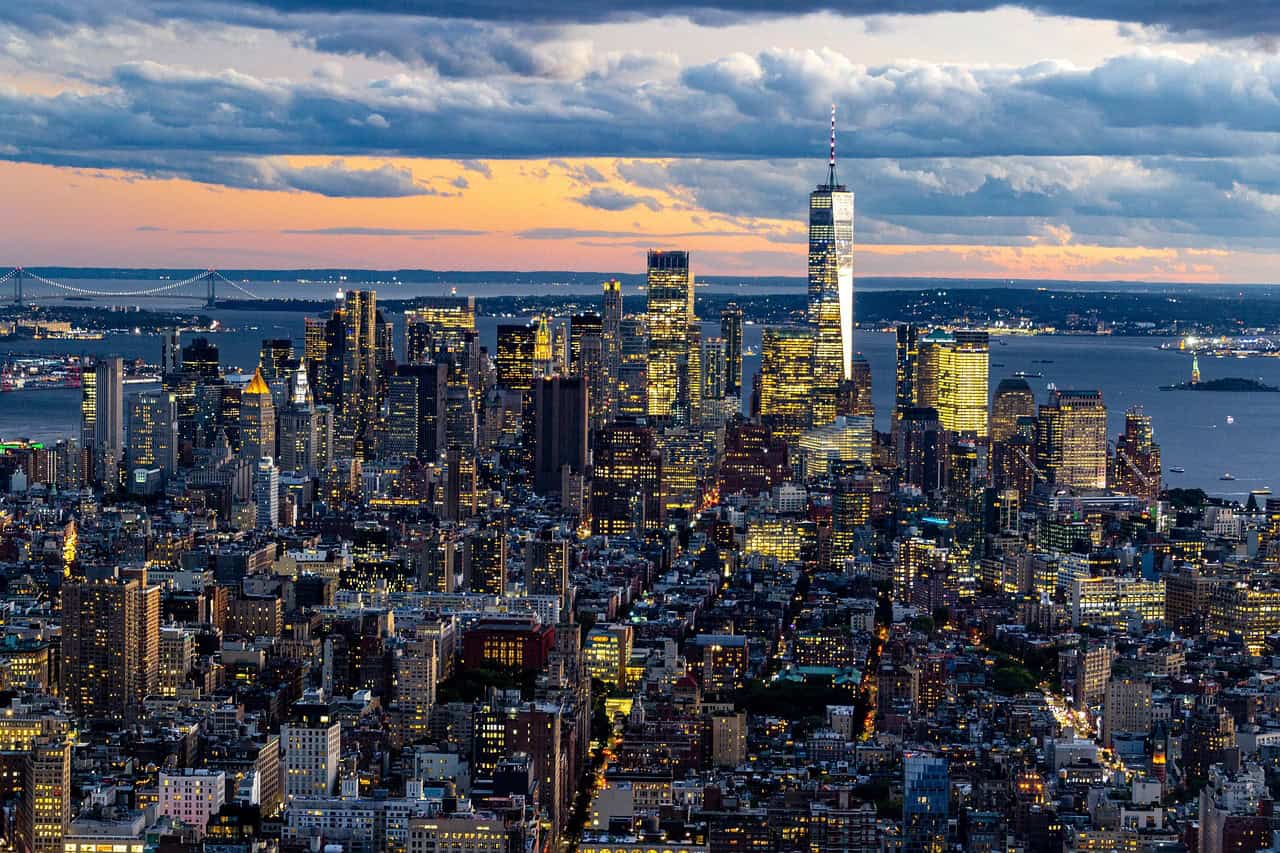
New York’s vacation costs reflect aggressive fiscal policy aimed at funding transit and city services. Hotel guests in New York City pay a 5.875% state tax, a 6% city tax, plus a flat $3.50 per night room fee. Combined, this can add over 15% to nightly rates. Recent legislative proposals have focused on increasing short-term rental enforcement fines and registration fees, pushing inventory toward traditional hotels. State officials openly frame tourism as a stable tax base, especially as business travel fluctuates. For visitors, political budgeting choices now rival seasonal pricing in determining total trip cost.
4. Colorado
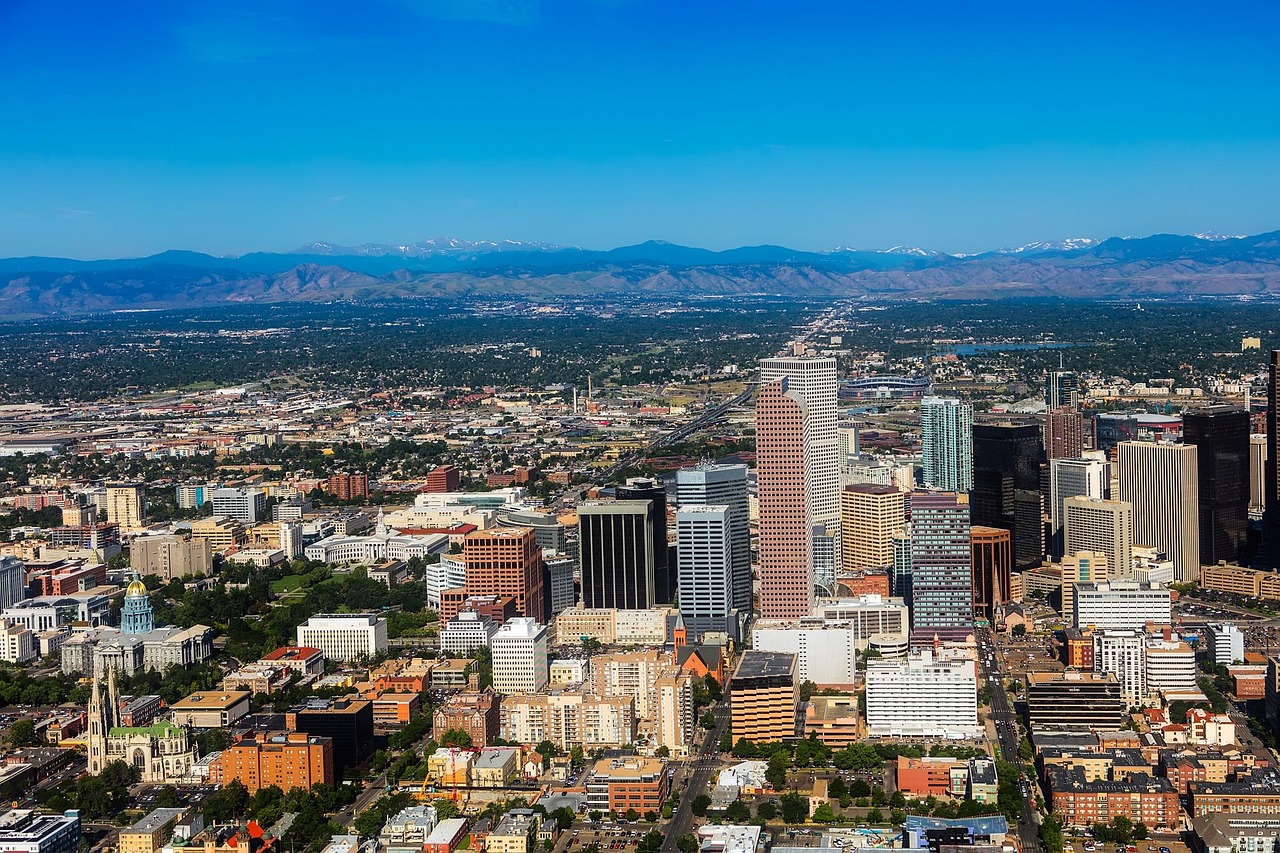
Colorado blends environmental politics with tourism funding, particularly in mountain communities. Eagle County, home to Vail and Beaver Creek, recently raised its lodging tax from 2% to 4%, doubling the local burden overnight. When combined with state and municipal taxes, total lodging taxes can exceed 14%. Lawmakers justified the increase by citing trail maintenance, wildfire mitigation, and public transit for resort workers. Ski season visitors now pay an average of $60–$90 more per weeklong stay than before the vote. These politically approved hikes directly link outdoor preservation priorities to higher vacation prices.
5. Florida
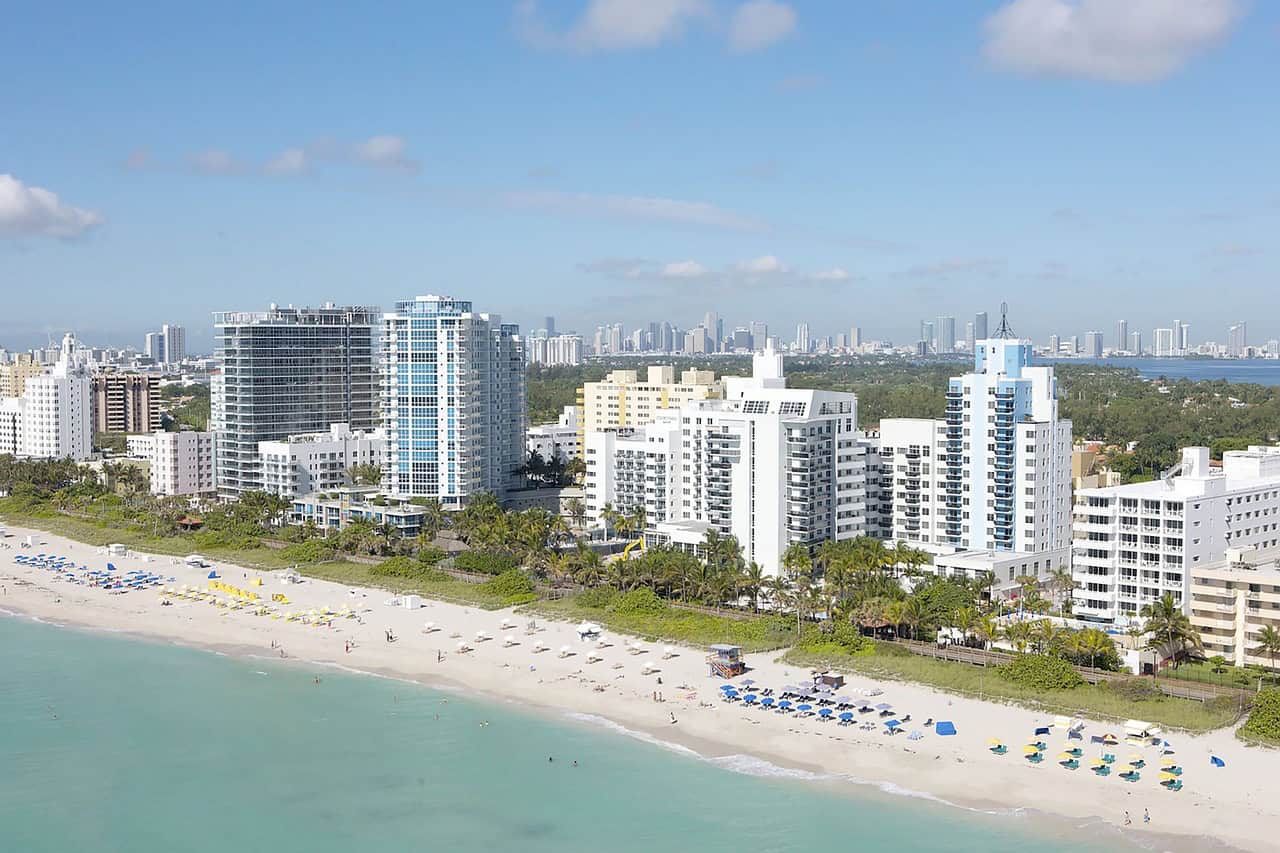
Florida’s tourism pricing is shaped by local control rather than state income taxes. Counties levy Tourist Development Taxes ranging from 3% to 6% on accommodations, often earmarked for beach renourishment or convention centers. In places like Miami-Dade and Orange County, total lodging taxes can reach 13.5%. Political debates frequently arise over whether funds should support residents or visitor infrastructure. Short-term rental regulations are also tightening, adding licensing fees of $100–$500 annually. While Florida markets affordability, local political decisions quietly increase nightly costs, especially in coastal and theme-park regions.
6. Washington
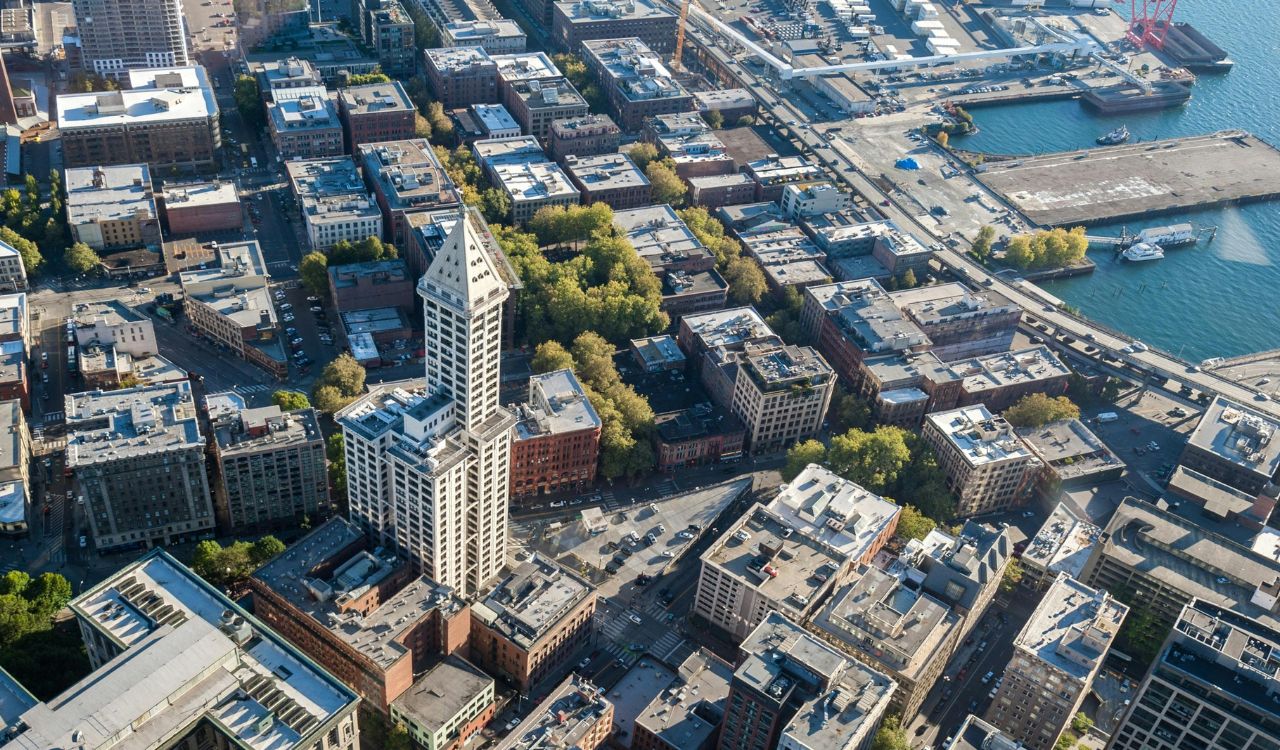
Washington State uses tourism taxation as a tool for transportation and housing policy. Hotel stays are subject to a 6.5% state sales tax plus local lodging taxes that often push totals beyond 12%. Seattle adds a per-night tourism assessment that can raise costs by $10–$15 on midrange hotels. Legislators argue visitors should help fund transit expansion and homelessness programs in high-tourism cities. Short-term rentals face strict compliance fees and inspection requirements, raising operating costs. For travelers, these politically motivated policies make urban stays noticeably more expensive than nearby suburban alternatives.
7. Massachusetts
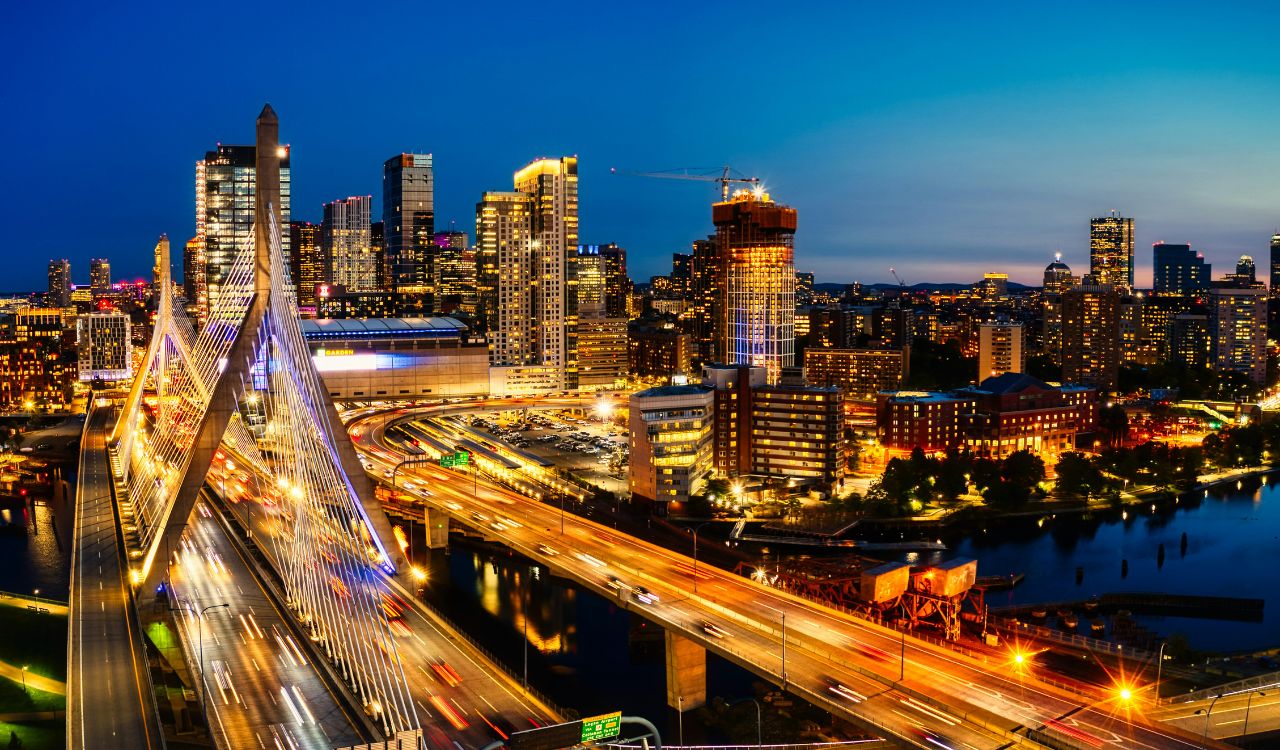
Massachusetts directly ties vacation pricing to municipal funding authority. The state allows cities to charge up to a 6% local room occupancy tax on top of the 5.7% state tax. Boston applies the maximum rate, resulting in lodging taxes approaching 12%. Lawmakers have expanded short-term rental regulations, adding registration fees and enforcement penalties that increase nightly rates. Political justification centers on preserving housing stock and funding public services. In peak seasons, these layered taxes can add $50 or more per night to centrally located hotels, reshaping visitor budgets through policy rather than demand alone.
8. Nevada
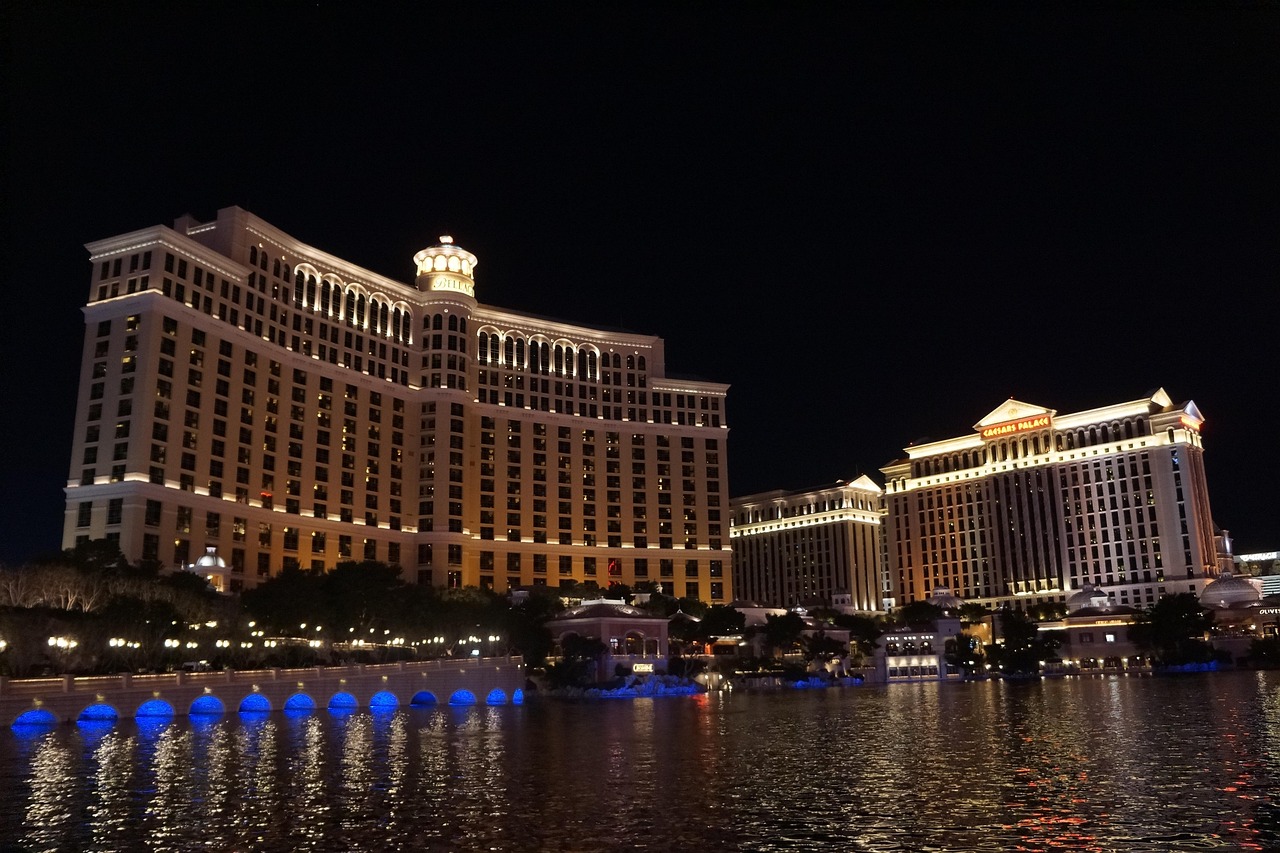
Nevada’s tourism taxes are heavily influenced by public finance priorities tied to Las Vegas. Clark County hotel taxes range from 12% to 13.38%, among the highest in the nation. Recent political decisions extended room tax revenue toward stadium financing, including professional sports facilities. Resort fees, averaging $35–$50 per night are not technically taxes, but are enabled by regulatory choices lawmakers have declined to restrict. Visitors often pay $100 extra per night in combined taxes and fees. In Nevada, political tolerance of industry-friendly pricing structures directly affects vacation affordability.
9. Vermont
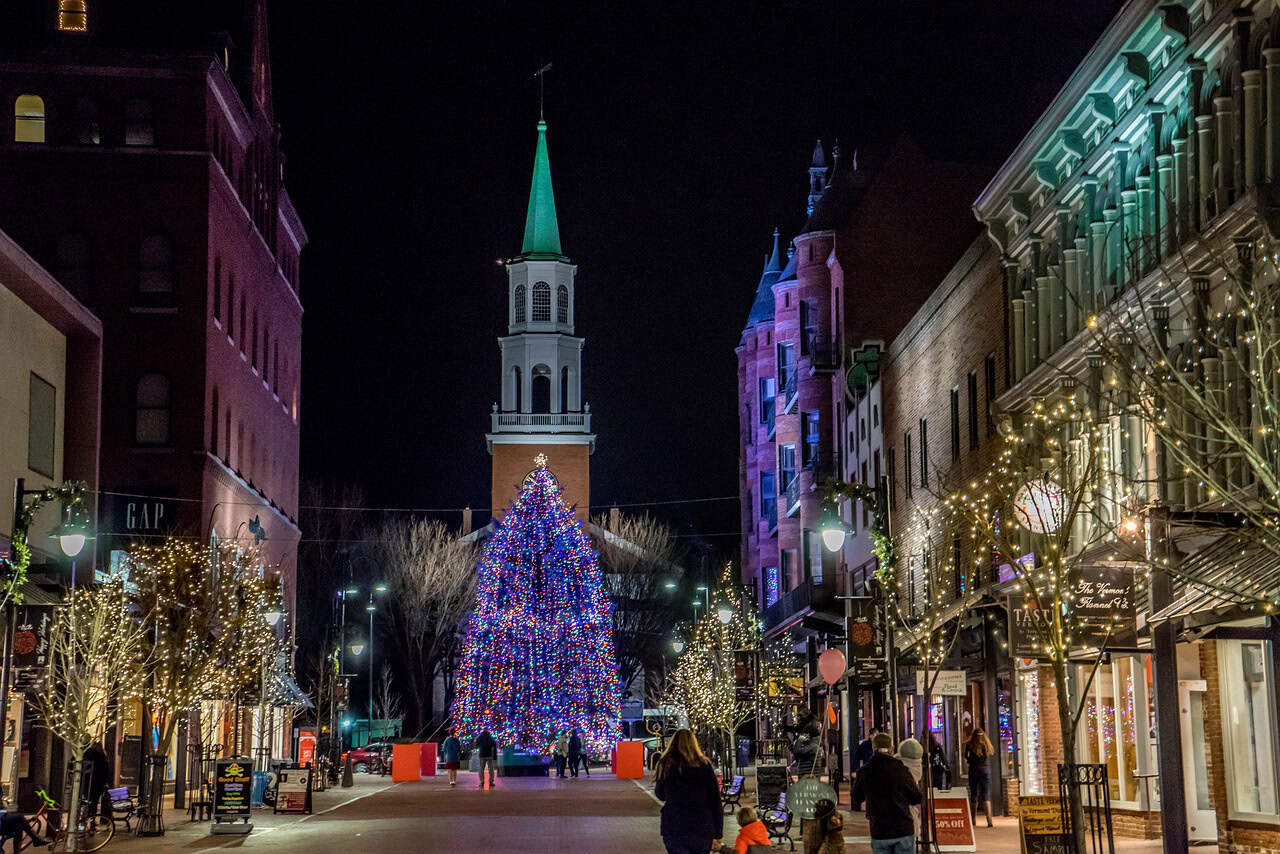
Vermont’s tourism pricing reflects environmental and community preservation politics. The state imposes a 9% rooms tax, with additional local option taxes in some towns. Lawmakers regularly debate increases tied to climate adaptation and rural infrastructure funding. Short-term rentals face registration fees and compliance costs averaging $150–$300 annually, passed on to guests. Because Vermont relies heavily on seasonal tourism, even small tax changes have outsized effects. A three-night stay can include $60–$80 in taxes alone, showing how political priorities in small states can strongly influence visitor expenses.
10. Arizona
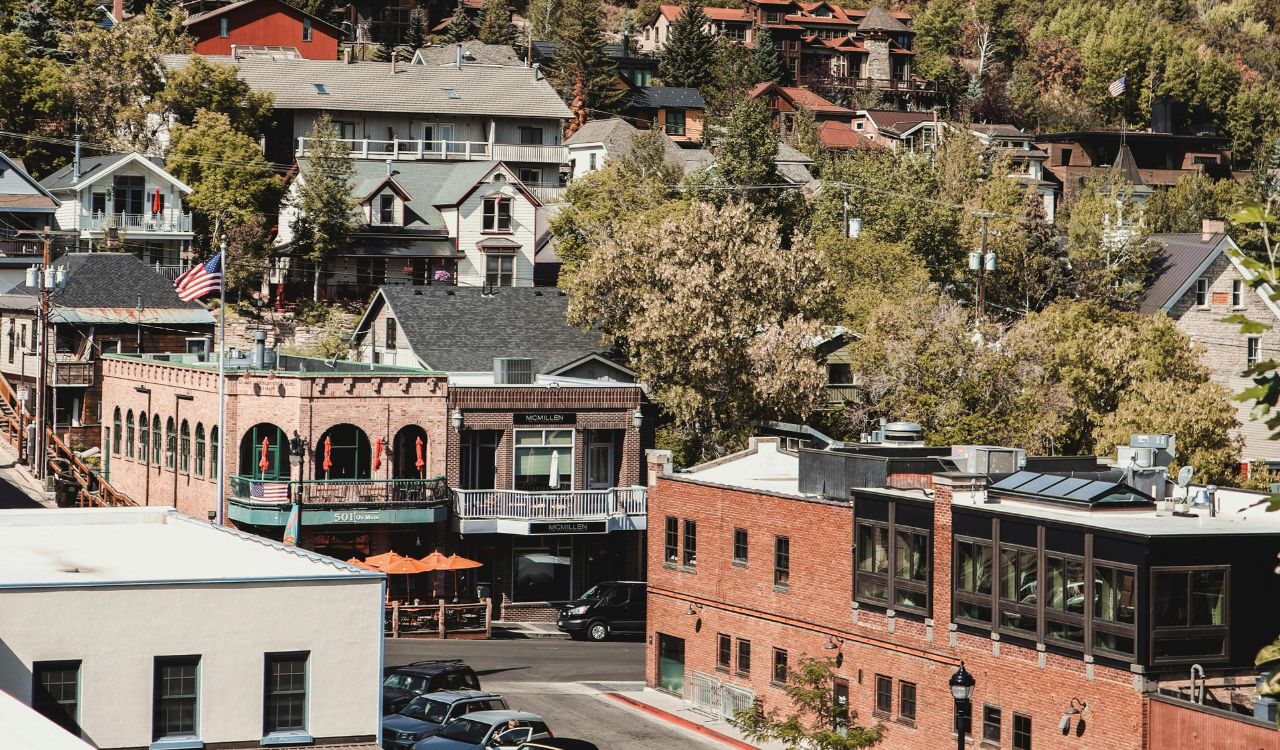
Arizona allows cities to aggressively tax tourism to fund growth. Scottsdale and Phoenix impose combined hotel tax rates between 12% and 14%, among the highest in the Southwest. Local governments use these revenues to finance sports facilities, event tourism, and infrastructure expansion. Recent legislative debates have focused on increasing short-term rental oversight, with licensing fees nearing $250 in some areas. Officials argue tourism should subsidize rapid population growth. For visitors, these policies mean resort stays often cost $40–$60 more per night once politically approved taxes are applied.