We may earn money or products from the companies mentioned in this post. This means if you click on the link and purchase the item, I will receive a small commission at no extra cost to you ... you're just helping re-supply our family's travel fund.
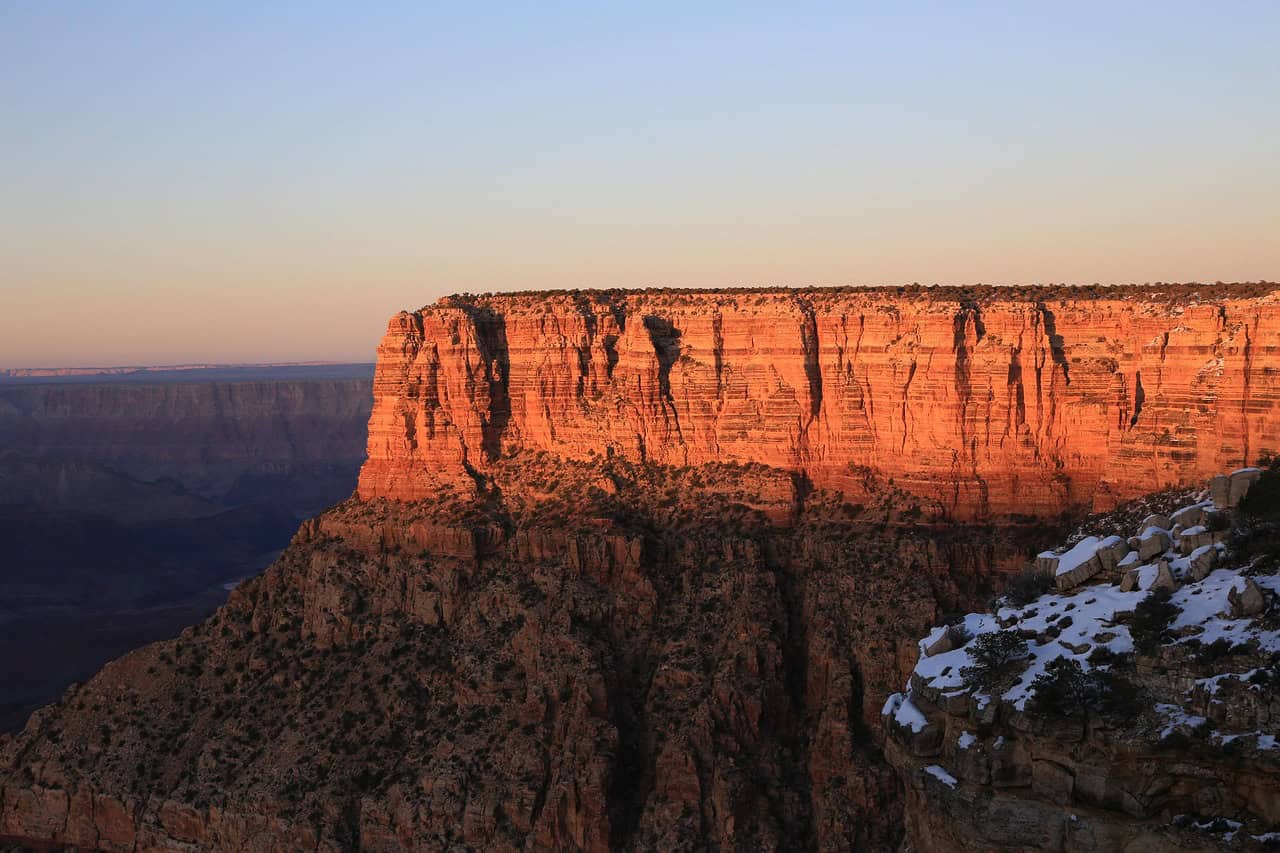
Childhood travel leaves behind a special kind of memory fragmented yet vivid, stitched together by car windows, hotel carpets, souvenir shops, and long summer days. These trips were rarely about luxury or precision. They were about togetherness, discovery, and the feeling that the world was much larger than our everyday routines. Across decades, certain American destinations became shared milestones for families, school groups, and road-trippers. They were places where curiosity first sparked, where geography turned real, and where joy felt effortless. Revisiting these destinations as adults often reveals how deeply they shaped our earliest sense of adventure, wonder, and belonging.
1. Disneyland, California
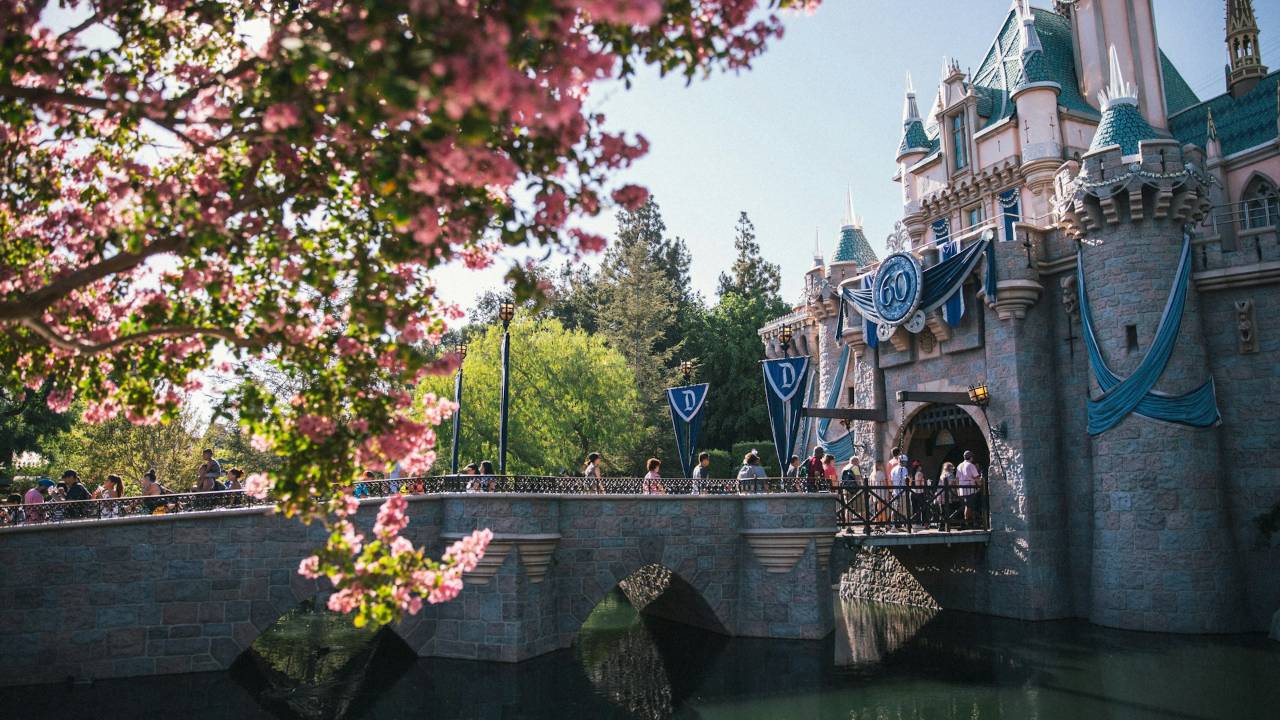
Disneyland in Anaheim became a childhood rite of passage for generations after opening in 1955. Spanning roughly 85 acres, the park welcomed over 17 million visitors annually before recent expansions. For children, distances blurred as parades, rides, and music blended into one continuous thrill. Parents navigated maps while kids measured time in rides instead of hours. Standing before Sleeping Beauty Castle, just 77 feet tall, felt monumental at a young age. Even short waits felt exciting, and every souvenir carried emotional weight. For many families, Disneyland marked a first airplane trip, a first hotel stay, or a first realization that imagination could be physically built and shared.
2. Yellowstone National Park, Wyoming
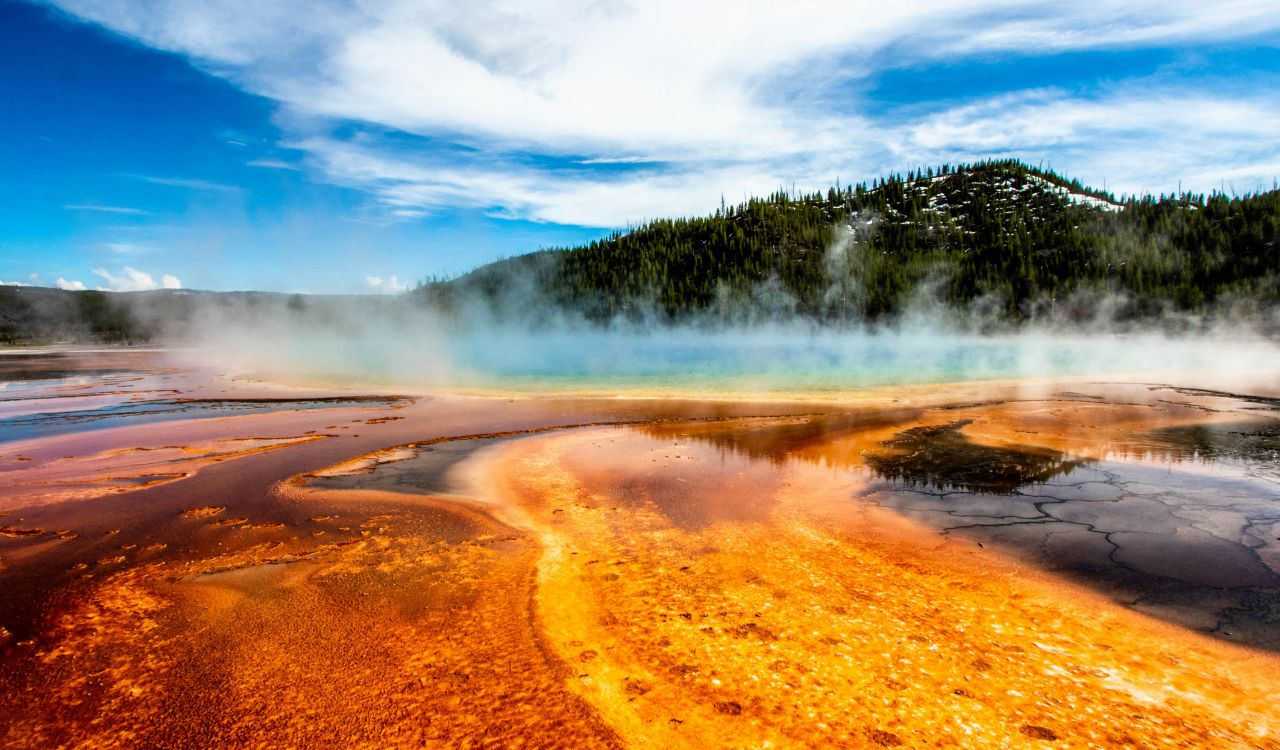
Yellowstone, established in 1872, covers more than 2.2 million acres, making it larger than some U.S. states. Childhood visits often involved slow car rides through wide valleys, with windows cracked open for cool air and curiosity. Seeing Old Faithful erupt nearly every 90 minutes, sending steam over 130 feet high, felt like watching the earth breathe. Families spotted bison weighing up to 2,000 pounds, sometimes halting traffic entirely. For children, the park felt untamed and slightly dangerous, which made it unforgettable. These early encounters with raw nature quietly shaped respect for wilderness long before conservation became a conversation.
3. Grand Canyon, Arizona
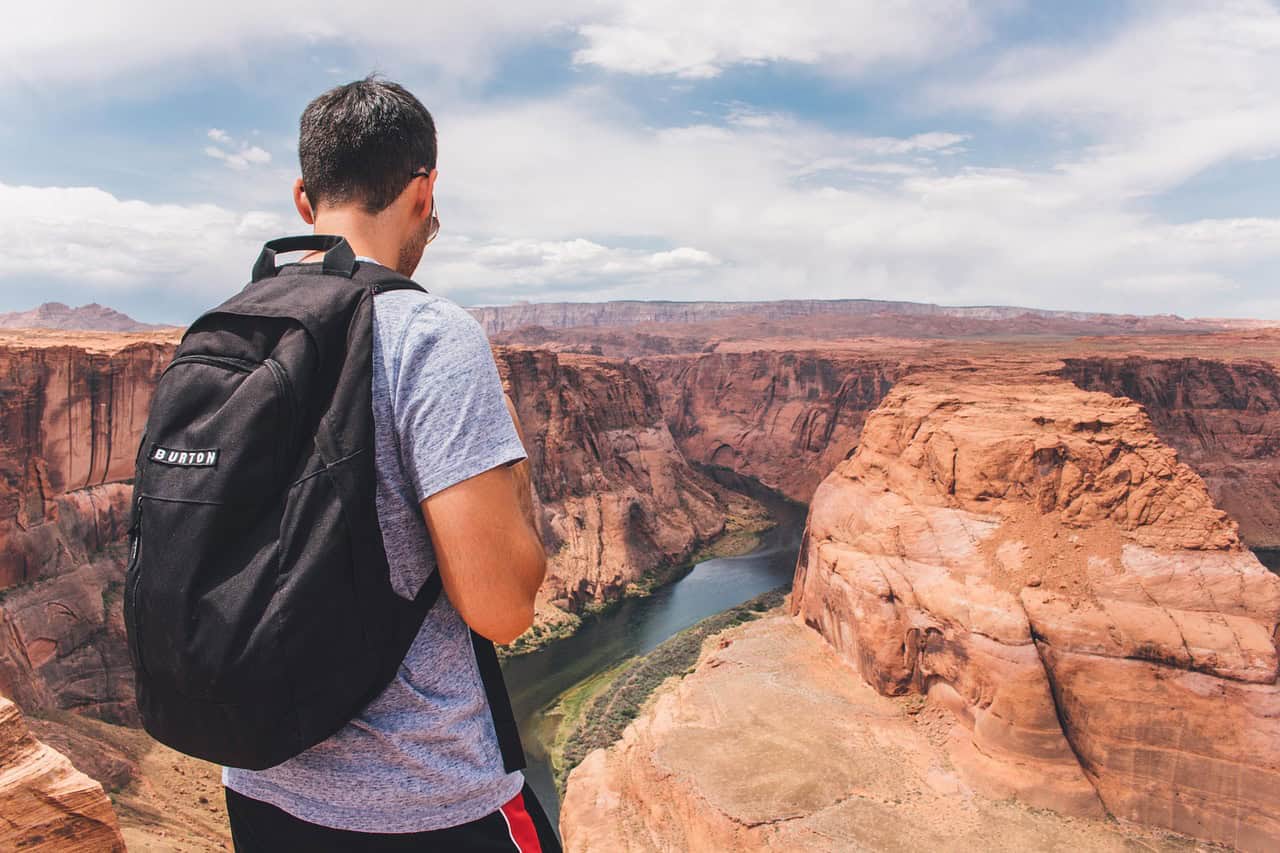
The Grand Canyon stretches 277 miles long, plunges over 6,000 feet deep, and dates back nearly 6 million years. Childhood visits often began with silence, an instinctive pause when first seeing its scale. Parents held hands tighter near the rim, while kids tossed pebbles just to watch time slow. South Rim viewpoints sat at around 7,000 feet elevation, making the air thinner and memories sharper. Even brief visits left a lasting imprint because the canyon refused simplification. It taught children something abstract yet powerful: some places cannot be fully understood, only experienced, and remembered.
4. Washington, D.C.
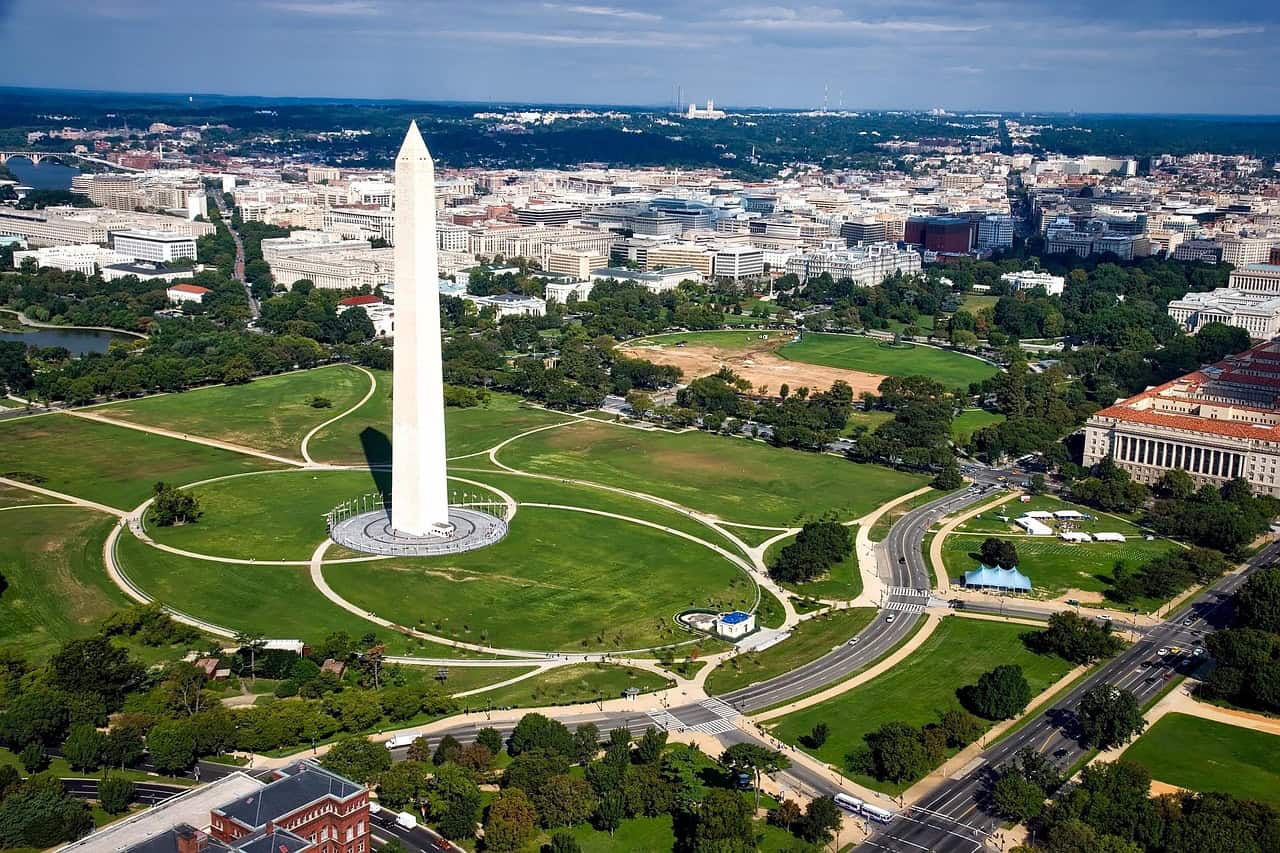
Washington, D.C. introduced many children to national identity through physical space. The National Mall spans 2 miles, connecting monuments, museums, and moments of quiet reflection. School trips often meant walking over 10,000 steps a day, fueled by packed lunches and curiosity. The Smithsonian Institution alone includes 21 museums, with free admission, welcoming over 30 million visitors annually. For kids, history felt enormous Lincoln’s statue standing 19 feet tall, flags flying endlessly. These trips subtly transformed abstract lessons into lived experience, grounding the idea that history was not distant, but present and tangible.
5. Niagara Falls, New York
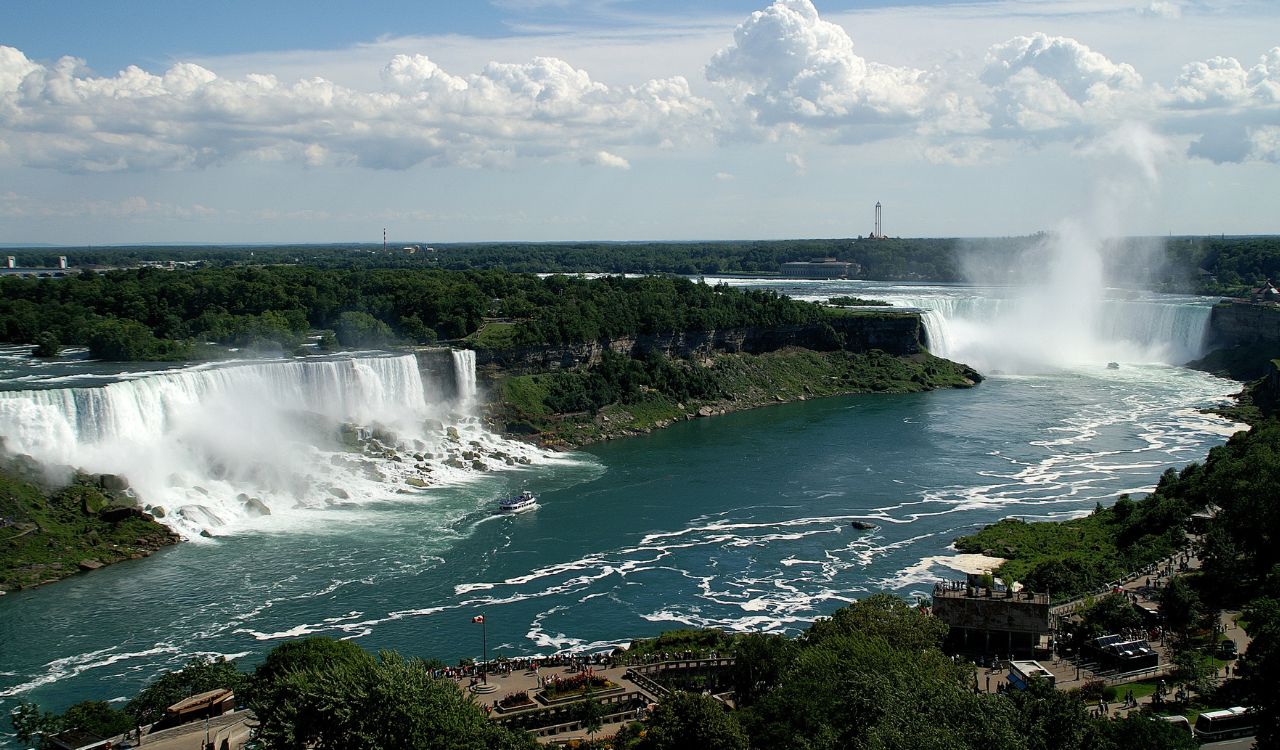
Niagara Falls moves more than 6 million cubic feet of water per minute, producing a roar that overwhelms conversation and memory alike. Childhood visits centered on sensation—the mist, the vibration underfoot, the brightly colored ponchos on Maid of the Mist boats. Horseshoe Falls alone stands about 167 feet high, far taller than it appears in photographs. Families often crossed borders unknowingly, standing just 3,400 feet from Canada. For children, Niagara wasn’t about geography or engineering; it was about standing beside something alive, powerful, and completely uncontrollable.
6. Orlando, Florida
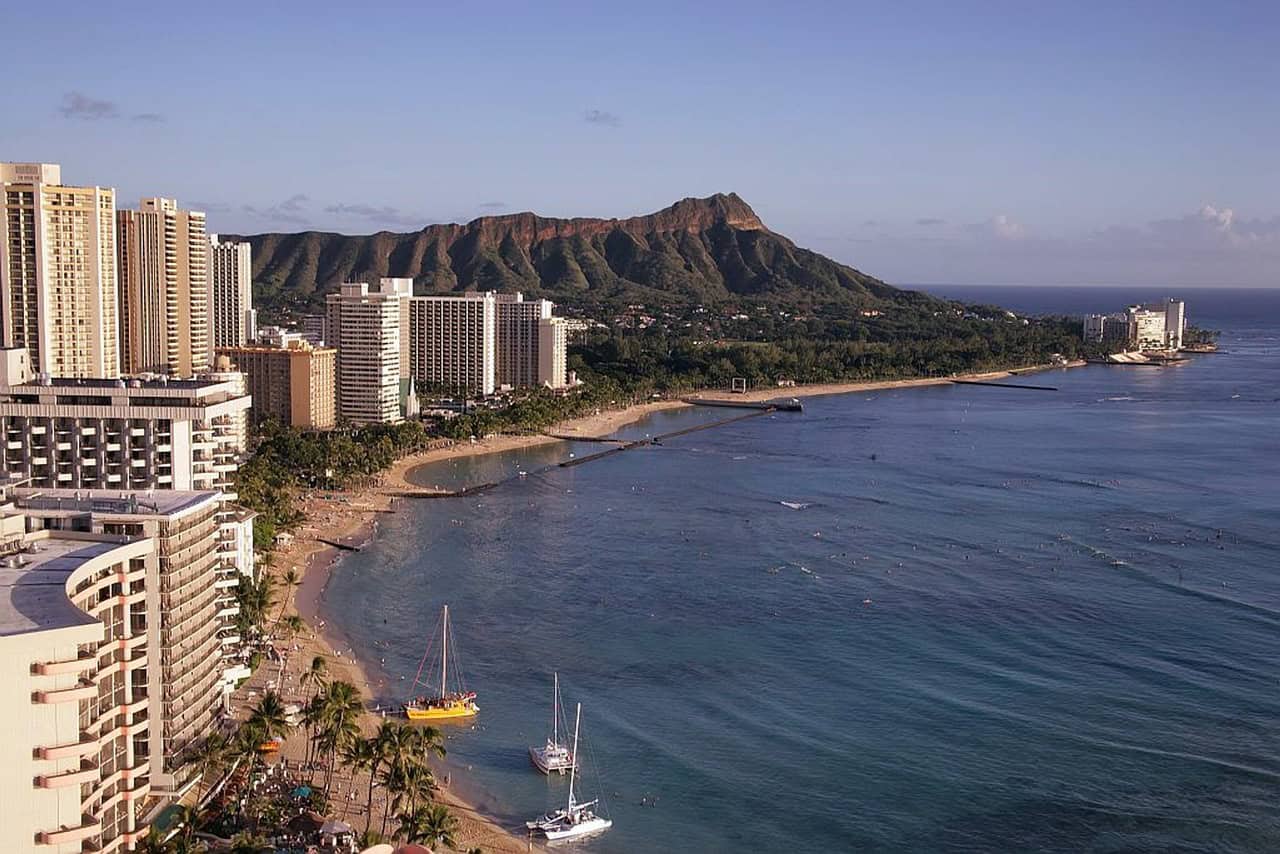
Orlando became synonymous with childhood vacations by the late 1980s, hosting over 75 million visitors annually today. Beyond theme parks, the city offered constant stimulation; hotel pools, shuttle buses, character meals, and souvenir overload. Walt Disney World alone spans 25,000 acres, larger than San Francisco. Days were long, temperatures often hovered above 90°F, and exhaustion felt earned rather than draining. For children, Orlando represented freedom from routine, where time dissolved into rides and fireworks. These trips often marked the longest vacations of childhood, creating memories tied as much to emotion as to place.
7. Mount Rushmore, South Dakota
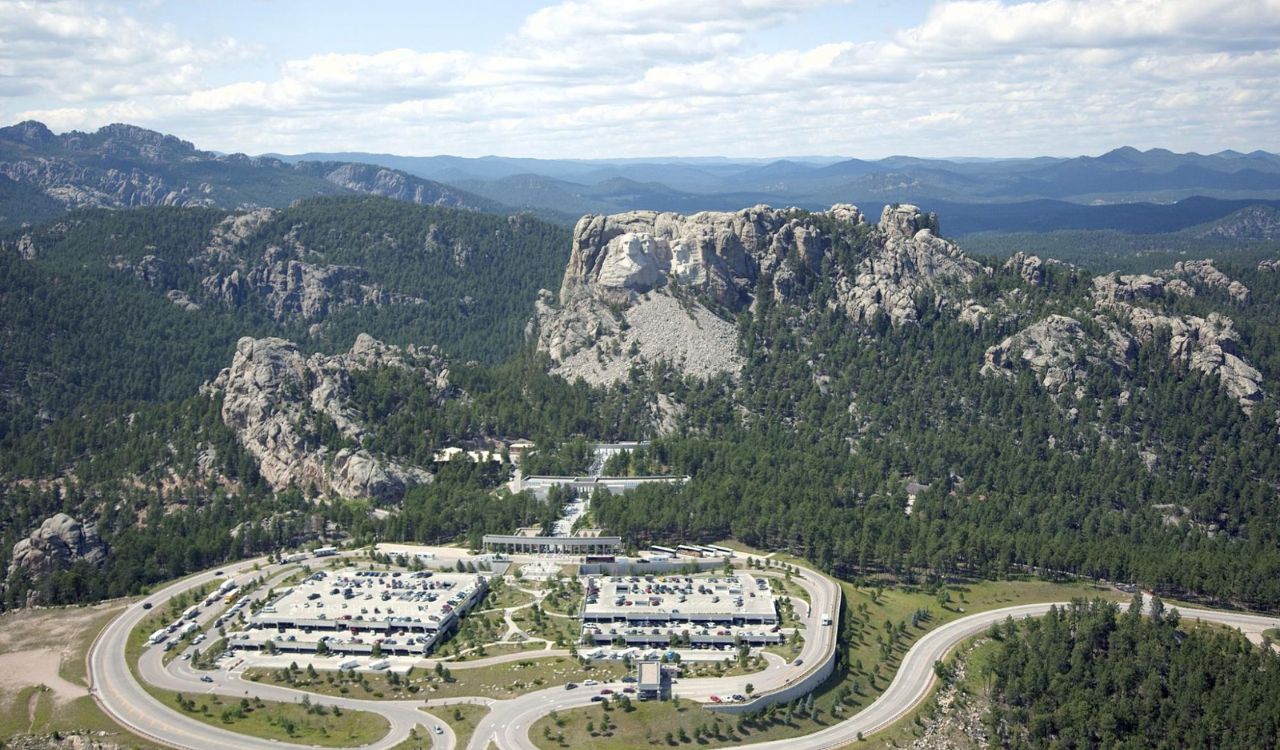
Mount Rushmore National Memorial was completed in 1941, carved into granite rising 5,725 feet above sea level. Each presidential face measures roughly 60 feet tall, dwarfing expectations for first-time child visitors. Road trips here often involved long stretches of highway, making the monument feel like a reward at the end of endurance. Kids tried to identify faces while parents explained timelines. The site receives about 2 million visitors annually, yet still feels quiet. For children, it was proof that history could be permanent, massive, and literally carved into the landscape.
8. San Francisco, California
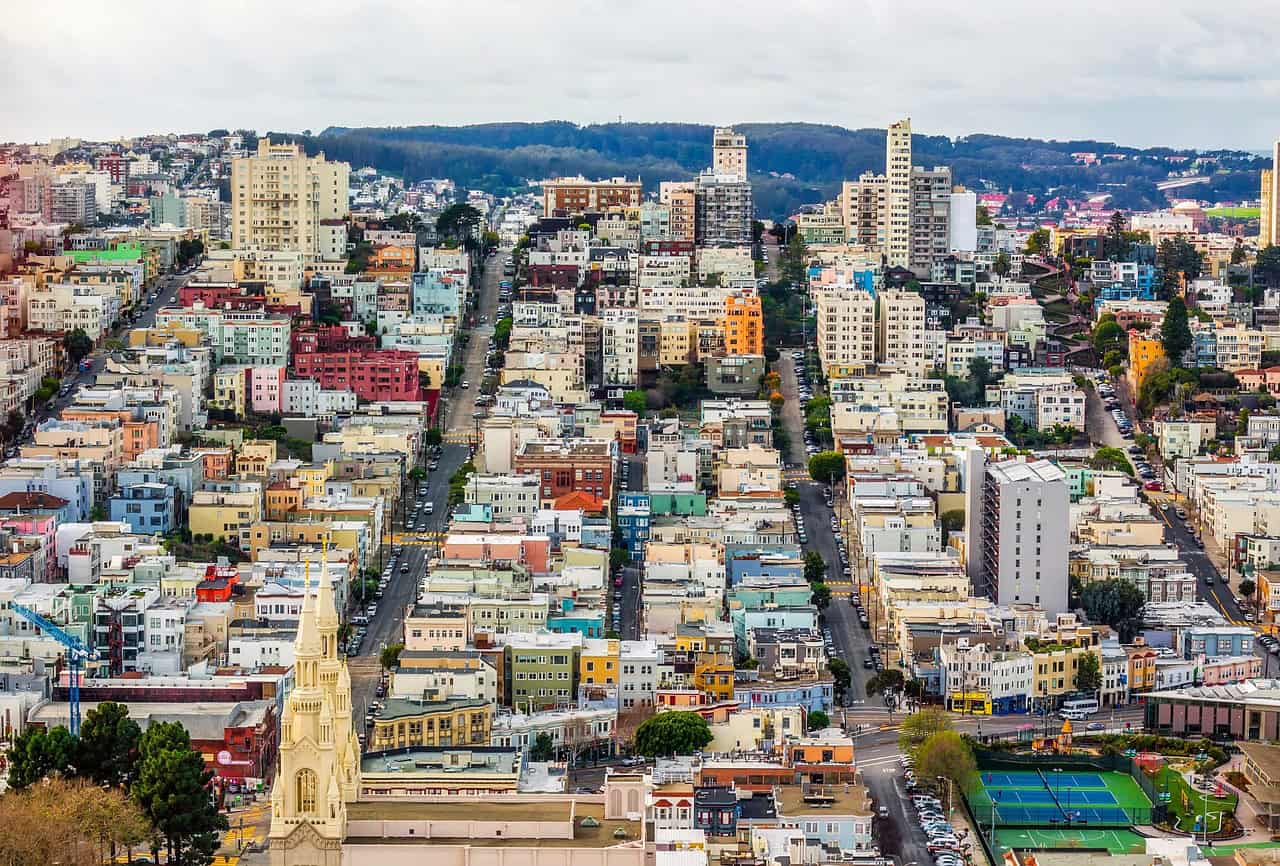
San Francisco’s compact 49 square miles felt endlessly complex to young travelers. Cable cars, introduced in 1873, climbed hills at gradients exceeding 20 percent, thrilling kids who clutched poles tightly. Fog rolled in unpredictably, cooling afternoons within minutes. Fisherman’s Wharf welcomed over 15 million visitors each year, with sea lions barking like living mascots. For children, the city felt playful and strange, crooked streets, colorful houses, and sudden views of the Golden Gate Bridge stretching 1.7 miles long. It taught early lessons about character, contrast, and urban personality.
9. Wisconsin Dells, Wisconsin
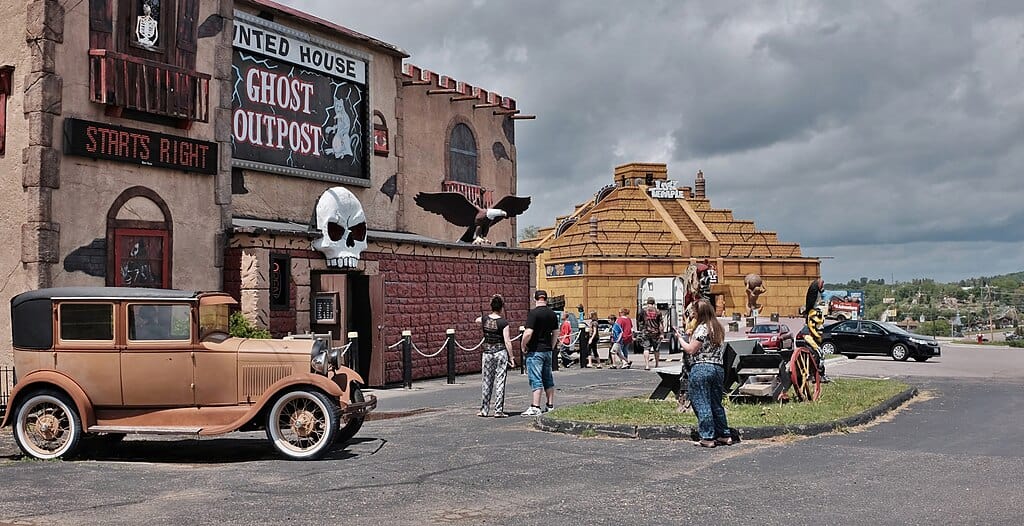
Wisconsin Dells branded itself the “Waterpark Capital of the World,” hosting more than 20 major water parks by the 1990s. Childhood trips here meant nonstop motion; slides, wave pools, arcades, and roadside attractions packed into a town of just 2,700 residents. Families often stayed for 3–5 days, maximizing value and energy. Indoor parks allowed year-round visits, even when temperatures dropped below 20°F. For kids, the Dells weren’t about location but sensation. It was a place where joy was engineered, loud, colorful, and unapologetically designed for childhood excess.
10. Great Smoky Mountains, Tennessee & North Carolina
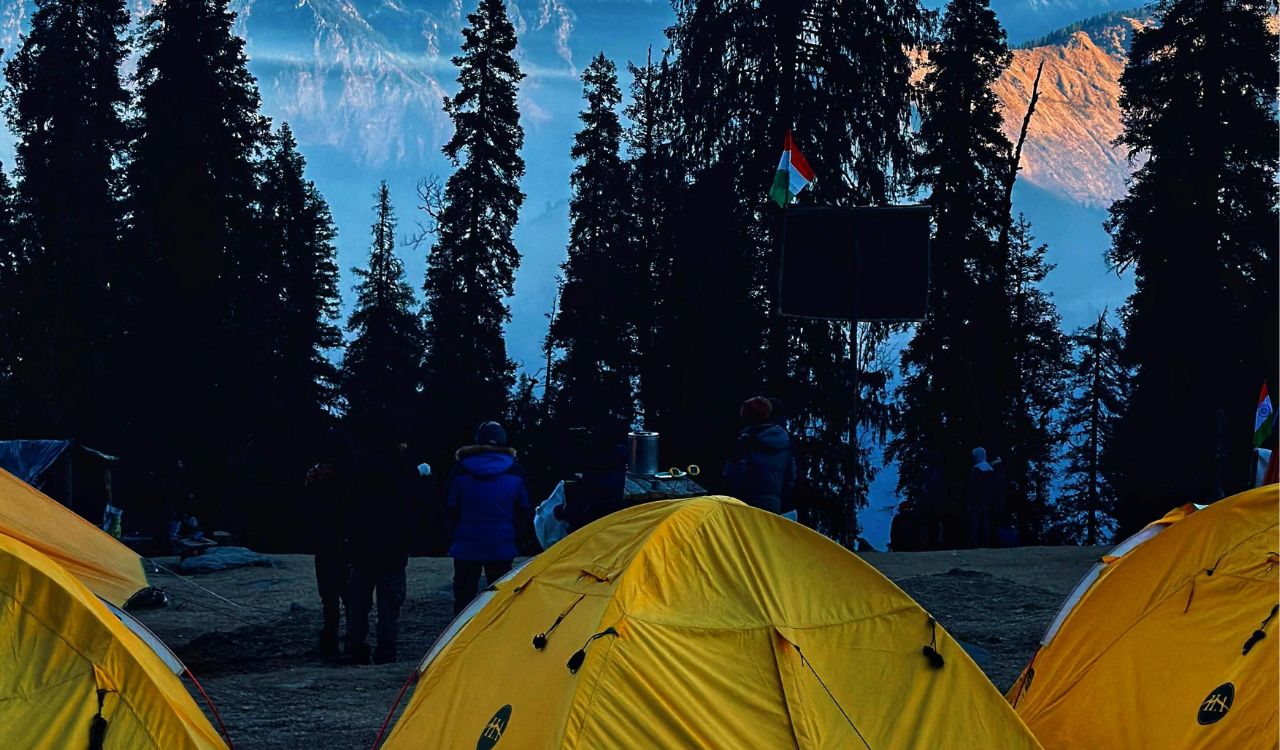
The Great Smoky Mountains National Park spans over 522,000 acres and is the most visited U.S. national park, welcoming 12 million visitors annually. Childhood trips here felt slower and gentler; winding roads, misty mornings, and cabins tucked into forested hills. Elevations range from 875 to 6,643 feet, creating shifting climates within short drives. Kids spotted black bears, learned trail etiquette, and counted fireflies at night. Unlike high-energy destinations, the Smokies taught appreciation for quiet beauty, family time, and nature’s rhythm, memories that often grow richer with age.