We may earn money or products from the companies mentioned in this post. This means if you click on the link and purchase the item, I will receive a small commission at no extra cost to you ... you're just helping re-supply our family's travel fund.
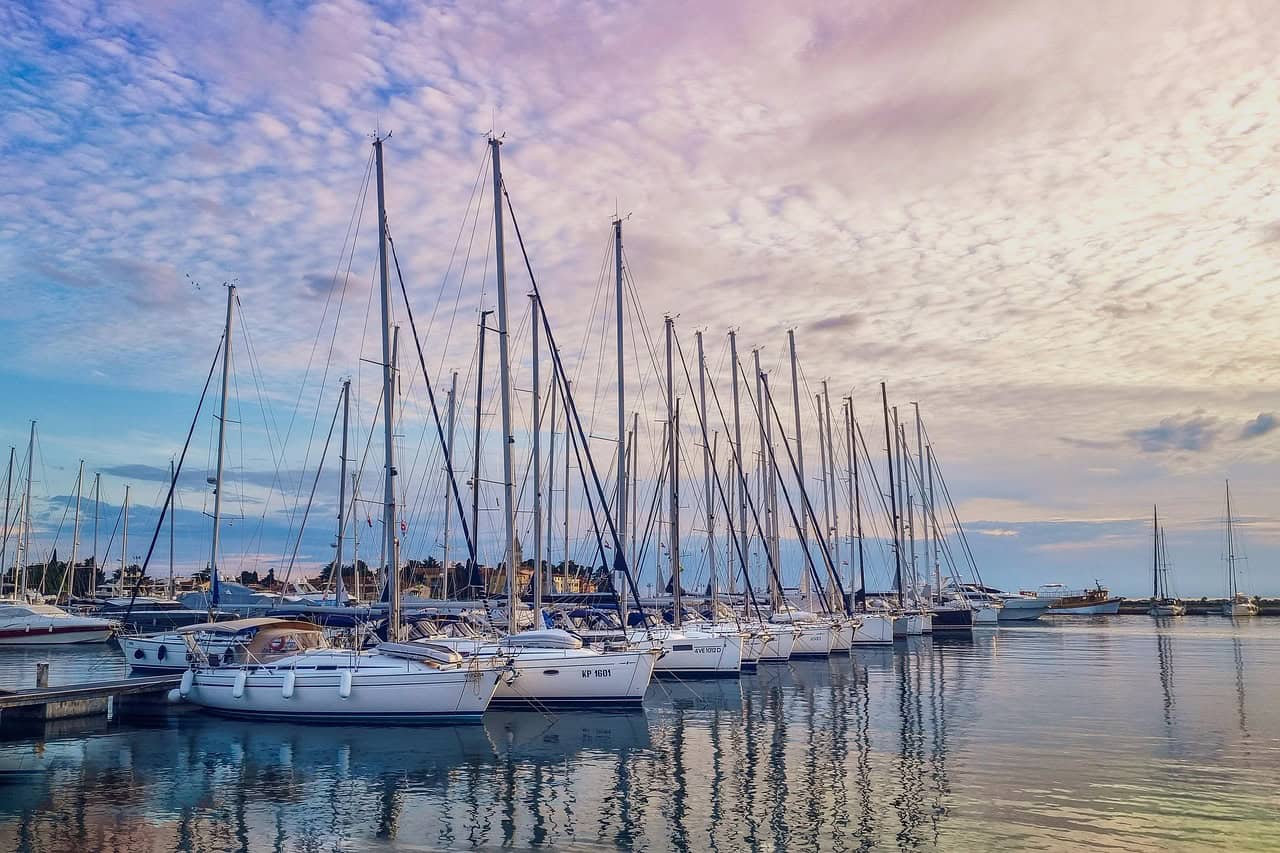
Wellness travel in the U.S. is increasingly shaped by the concept of blue health, the scientifically supported idea that proximity to water improves mental clarity, reduces stress, and supports physical recovery. From ocean coastlines and alpine lakes to mineral springs and calm rivers, these destinations combine water-based environments with structured wellness experiences such as yoga, thermal bathing, clean cuisine, and mindful outdoor movement. Below are ten carefully selected U.S. destinations where water plays a central role in healing and restoration. Each section follows the same structure and provides clear, practical details, including geographic context, signature experiences, wellness infrastructure, and measurable data to help travelers make informed choices.
1. Lake Austin, Texas
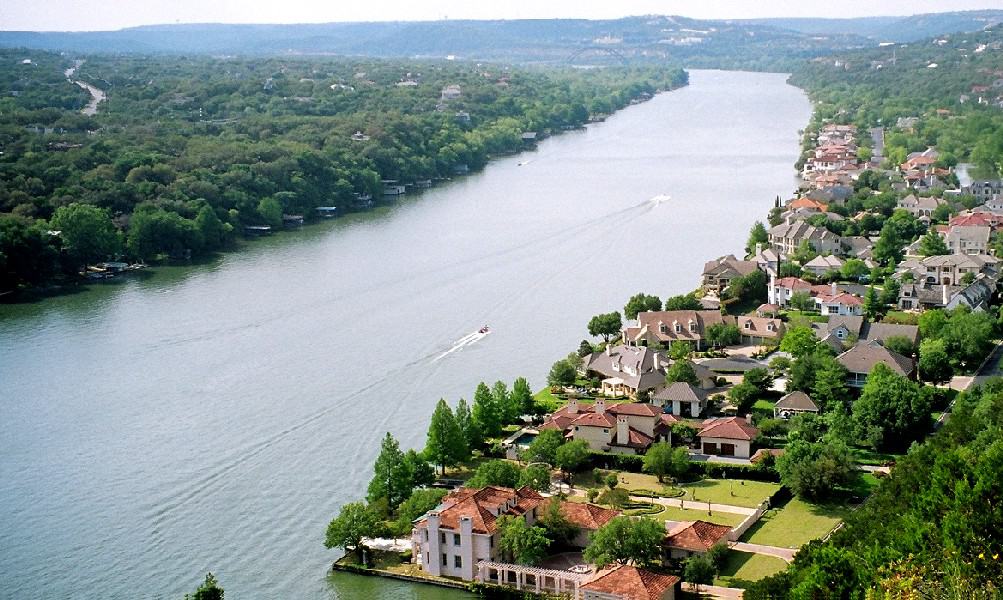
Set along a 21-mile stretch of the Colorado River, Lake Austin has become one of the most refined wellness enclaves in Texas. The calm, motor-restricted waters encourage paddleboarding, swimming, and lakeside meditation, all shown to lower cortisol levels by up to 15% in water-adjacent settings. The area is best known for immersive spa resorts offering 40+ weekly fitness classes, hydrotherapy pools, and nutrition-led menus averaging 1,800 clean calories per day. With over 300 sunny days annually and average water temperatures near 24°C (75°F) in warmer months, Lake Austin supports year-round outdoor wellness without extreme climate stress.
2. Sedona, Arizona
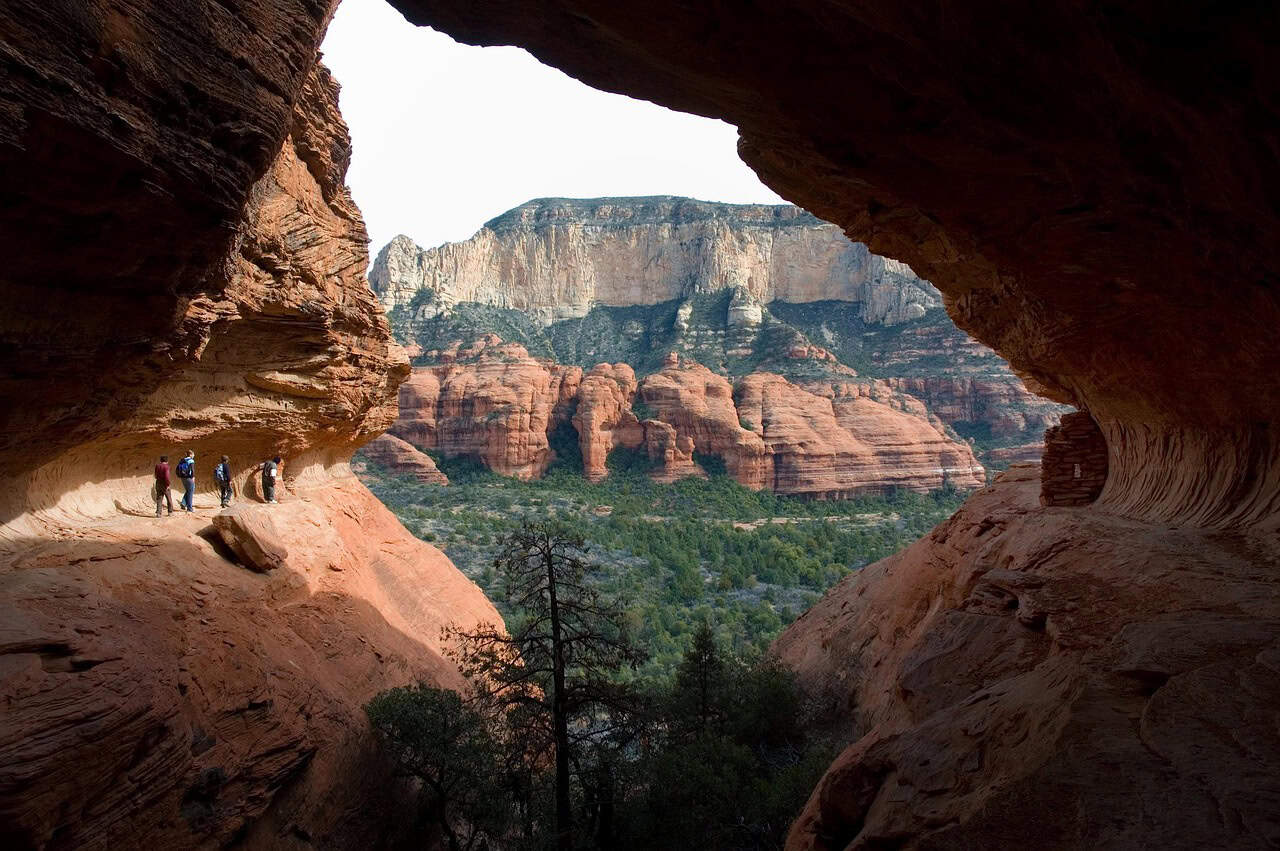
Sedona blends high-desert blue health with freshwater creeks that run through its red-rock canyons, creating a rare contrast of arid air and flowing water. Oak Creek alone spans roughly 16 miles and supports popular mindfulness hikes and cold-water immersion practices linked to improved circulation. The region sits at 1,350 meters (4,430 feet), naturally enhancing lung efficiency during movement therapies. Sedona hosts more than 50 wellness centers, many integrating sound healing, guided meditation, and spa treatments inspired by mineral content in local water sources, which average a purity rating above 95%.
3. Maui, Hawaii
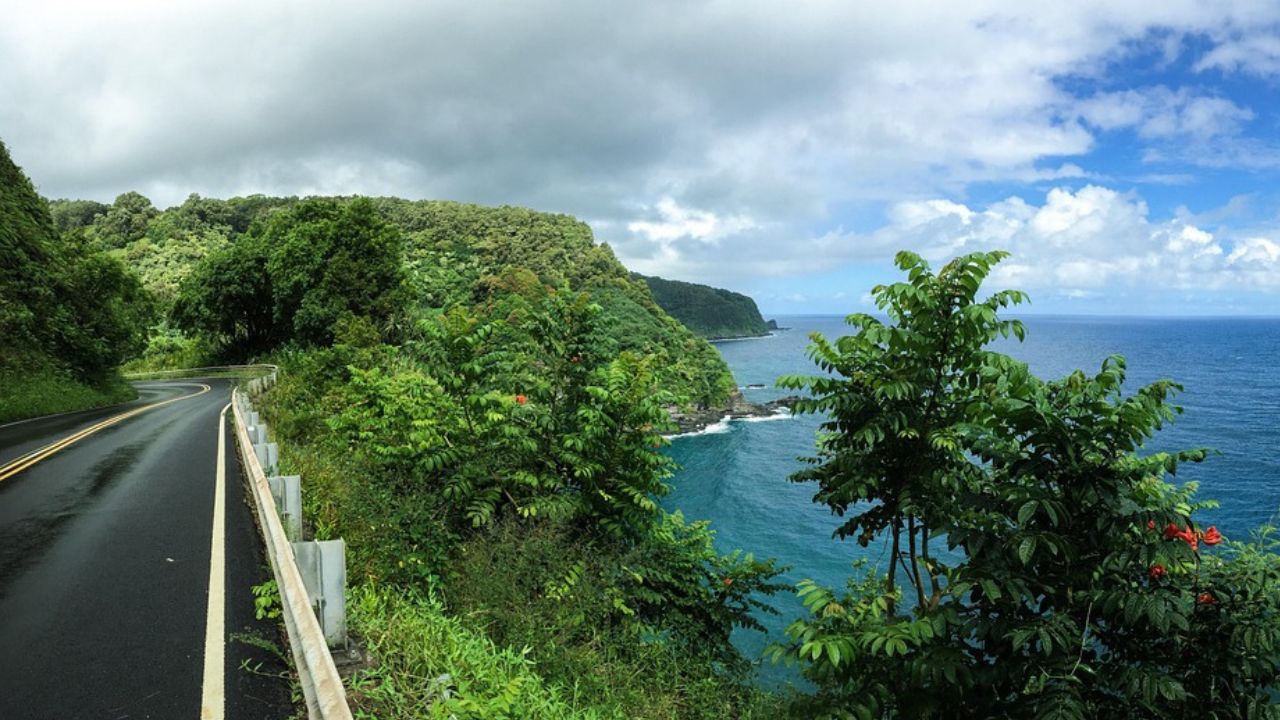
Maui’s wellness appeal is rooted in constant ocean access, with over 120 miles of coastline and water temperatures averaging 26°C (79°F) year-round. Marine exposure has been linked to measurable reductions in anxiety, and Maui capitalizes on this with sunrise yoga, reef-safe snorkeling, and salt-air breathing practices. The island records trade winds on nearly 80% of days, improving air quality and comfort during outdoor sessions. Wellness resorts here often combine ocean therapy with plant-based cuisine, using locally sourced produce that travels less than 50 miles from farm to table.
4. Calistoga, California
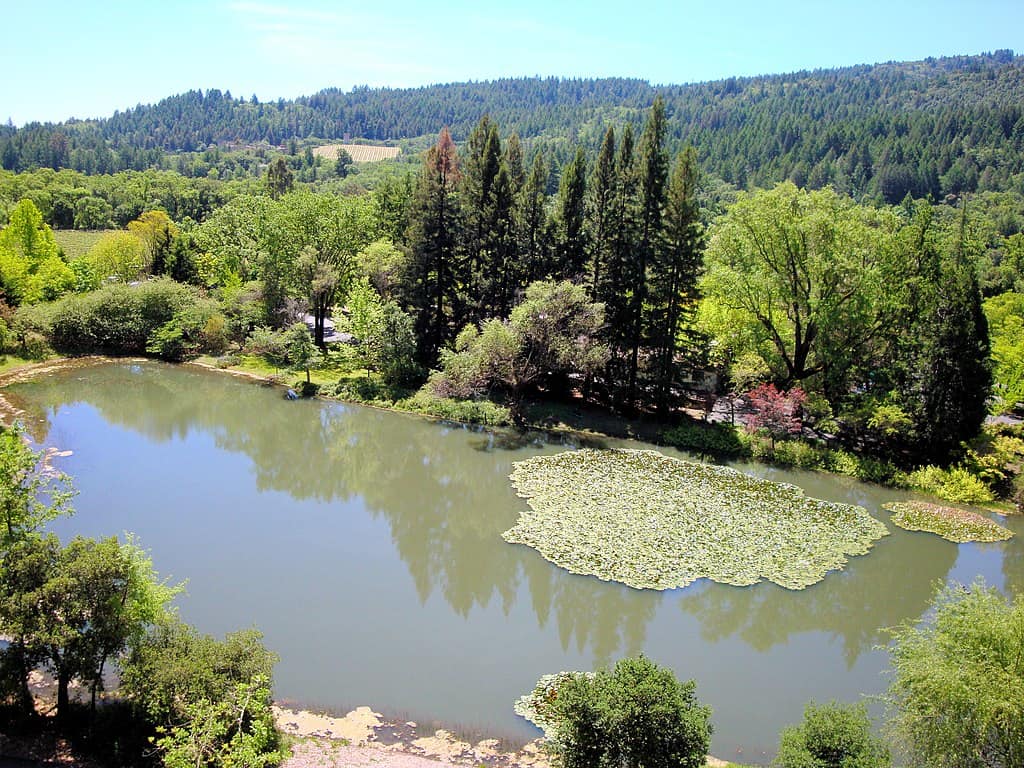
Located at the northern edge of Napa Valley, Calistoga is defined by geothermal activity that feeds its mineral-rich hot springs. These waters emerge at temperatures reaching 65°C (149°F) before being cooled for therapeutic soaking. Studies link mineral bathing to reduced joint pain and improved sleep quality, benefits widely emphasized in local spa programs. Calistoga averages just 24 inches of rainfall annually, allowing consistent outdoor wellness programming. The town supports over 30 licensed thermal spas, many offering mud baths using volcanic ash known for high magnesium and silica content.
5. Amelia Island, Florida
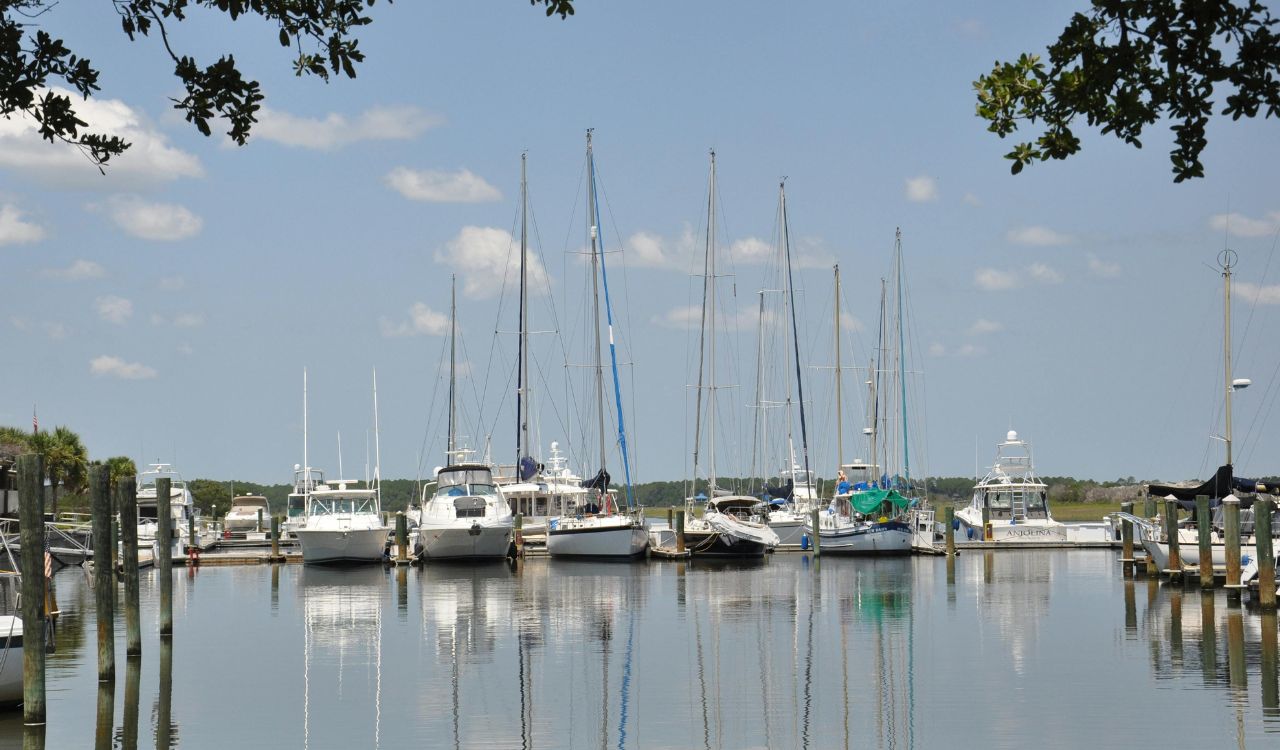
Amelia Island offers a quieter form of coastal blue health, with 13 miles of uncrowded beaches and tidal marshes that promote low-impact movement. The Atlantic waters here average 22°C (72°F) annually, ideal for swimming without thermal shock. Kayaking through salt marshes has been shown to lower heart rate variability, a key stress marker, by up to 12%. The island maintains strict environmental protections, preserving over 2,000 acres of green space, which supports cleaner air and a slower pace well suited to restorative travel and mindful routines.
6. Mohonk Mountain House, New York
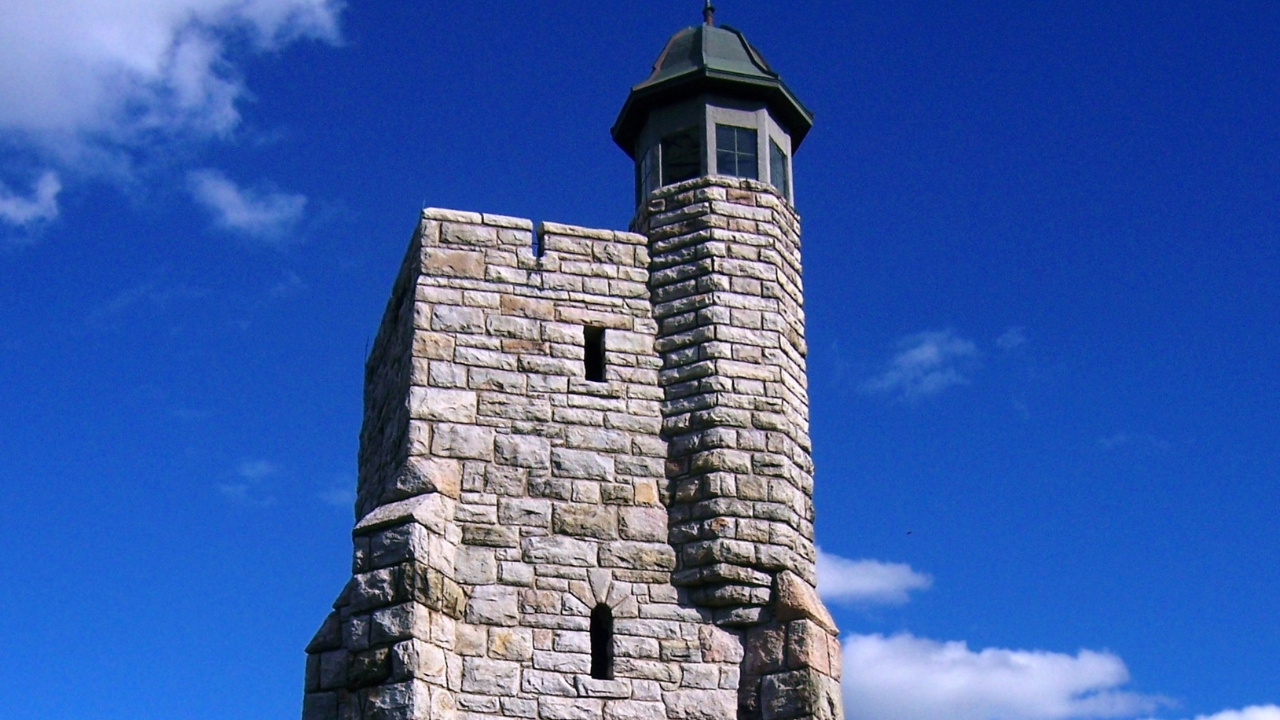
Centered around a glacial lake measuring roughly 16 acres, Mohonk Mountain House integrates freshwater immersion with structured wellness programming. The surrounding Shawangunk Ridge provides over 85 miles of trails, encouraging rhythmic walking shown to improve mood stability. Lake temperatures peak near 22°C (71°F) in summer, supporting safe open-water swimming. The property operates one of the largest wellness spas in the Northeast, spanning 30,000 square feet and offering hydrotherapy circuits, mindfulness workshops, and seasonal nutrition plans designed around a 2,000-calorie balanced intake.
7. Breitenbush Hot Springs, Oregon
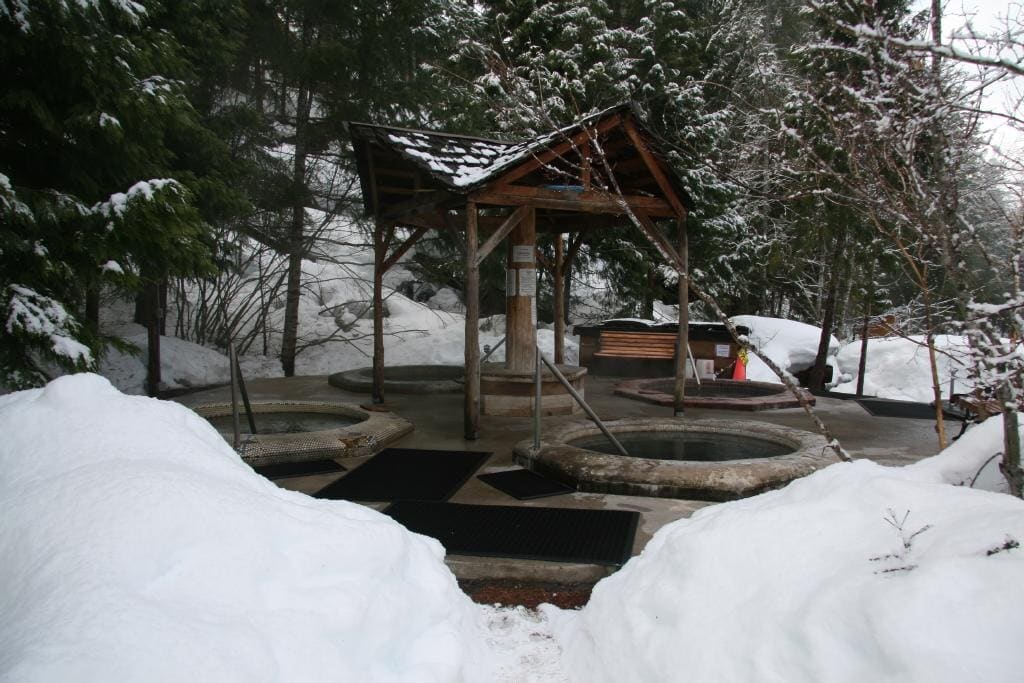
Hidden within the Willamette National Forest, Breitenbush Hot Springs is fueled by natural geothermal flows reaching the surface at approximately 82°C (180°F). After cooling, these waters are used in soaking pools that promote muscle recovery and nervous system regulation. The retreat sits among over 900,000 acres of protected forest, contributing to exceptionally low noise pollution levels. Programs here emphasize digital detox, with stays averaging 5–7 days. Research links such environments to improved sleep efficiency by up to 20% compared to urban settings.
8. Ojo Caliente, New Mexico
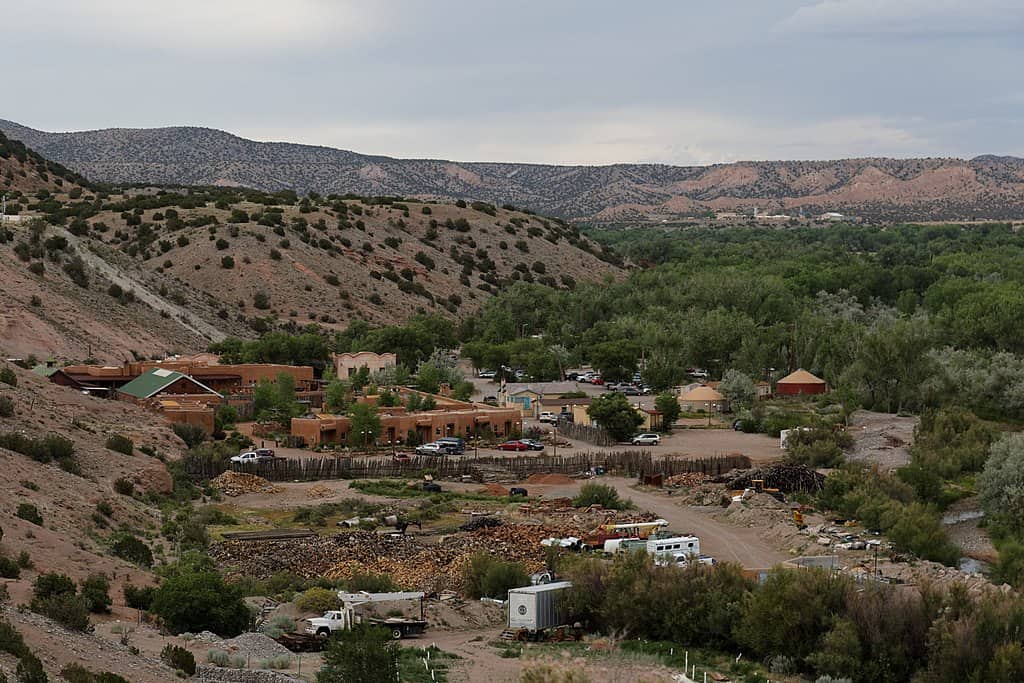
Ojo Caliente is one of the oldest health resorts in the U.S., built around four distinct mineral springs, including lithium-rich waters associated with mood balance. The springs emerge at temperatures between 32°C and 41°C (90–106°F), ideal for extended soaking. Located at 1,900 meters (6,200 feet), the high-desert climate supports respiratory wellness and deep rest. The resort limits daily visitors to maintain tranquility, with guest capacity under 200, ensuring low crowd density and a consistently calm therapeutic environment.
9. Boulder, Colorado

Boulder’s wellness reputation is anchored by its relationship with water and altitude. Boulder Creek runs directly through the city, supporting walking meditation paths and seasonal cold plunges. At 1,655 meters (5,430 feet), the altitude naturally boosts cardiovascular engagement during light exercise. The city records over 300 days of sunshine annually and ranks among the top 10 U.S. cities for physical activity participation. Wellness centers here integrate movement, breathwork, and nutrition, often aligning programs with a daily step target exceeding 10,000 steps.
10. Key Largo, Florida
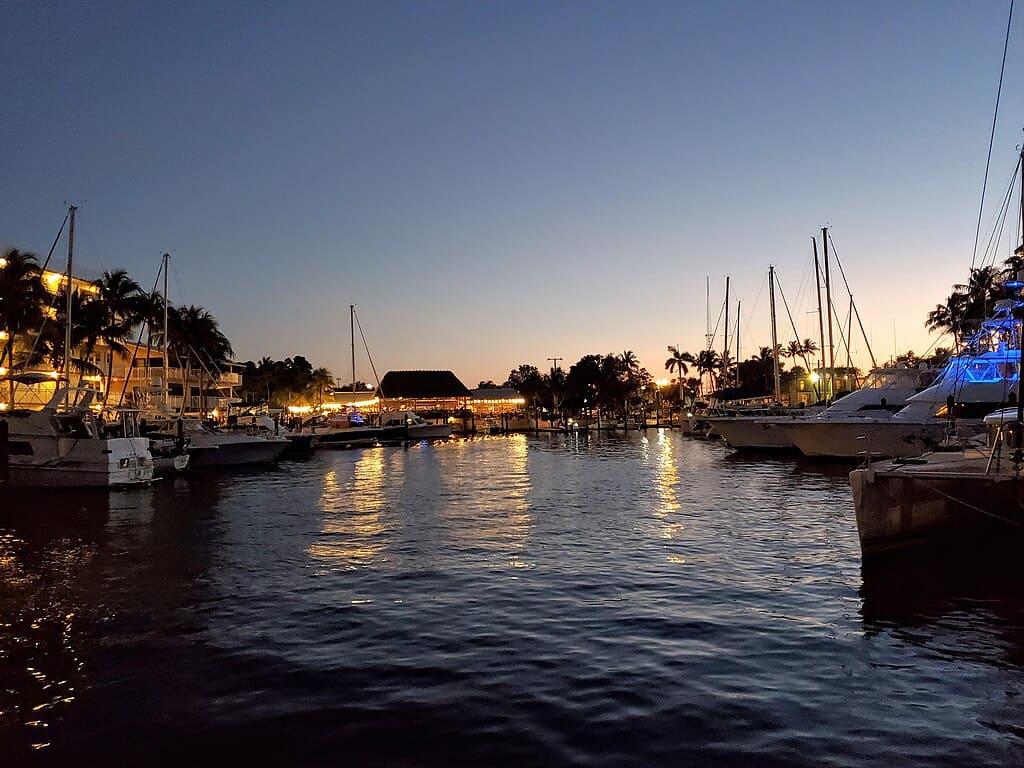
Key Largo is the gateway to the Florida Keys National Marine Sanctuary, covering approximately 3,800 square miles of protected ocean. The shallow, clear waters average 25°C (77°F) and support snorkeling and floating meditation practices linked to reduced mental fatigue. Salinity levels here are stable, aiding buoyancy and joint relief. Wellness stays often emphasize gentle movement, seafood-rich diets high in omega-3s, and sun exposure balanced at under 30 minutes per session to maximize vitamin D benefits without overexposure.