We may earn money or products from the companies mentioned in this post. This means if you click on the link and purchase the item, I will receive a small commission at no extra cost to you ... you're just helping re-supply our family's travel fund.

Retiring abroad is often associated with ultra-low living costs, but leaving the U.S. isn’t the only way to stretch a fixed income. Several American cities now offer a cost of living low enough that retirees can enjoy a lifestyle surprisingly close to what they’d find in affordable destinations like Mexico or Portugal; while keeping Medicare, Social Security, and cultural familiarity intact. These cities combine inexpensive housing, manageable healthcare costs, lower taxes, and slower-paced living. While none are as cheap as overseas havens, they come impressively close when lifestyle trade-offs are factored in. Below are ten U.S. cities where retirees can realistically live well on a modest monthly budget.
1. Jackson, Mississippi

Jackson consistently ranks among the cheapest metro areas in the U.S., making it appealing for retirees on fixed incomes. The overall cost of living is about 22% below the national average, with median home prices hovering near $120,000and average rents around $850 per month. Utilities and groceries are also notably inexpensive, helping monthly expenses stay near $2,100–$2,300 for a single retiree. Healthcare access is solid thanks to major hospitals and clinics, with average healthcare costs roughly 12% below the U.S. norm. P The city offers a relaxed pace, mild winters, and strong community ties, though retirees should be mindful of infrastructure quality and neighborhood selection.
2. McAllen, Texas
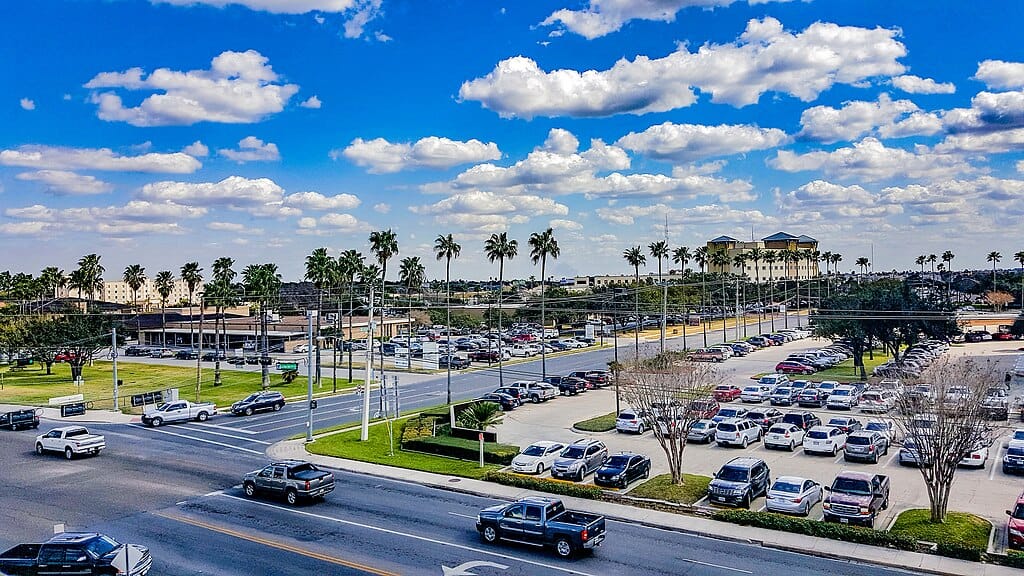
McAllen, located in South Texas near the Mexican border, often tops national affordability rankings. The cost of living sits roughly 18–20% below the U.S. average, and median home prices are about $165,000. Many retirees spend $2,000–$2,200 per month, closely resembling budgets in parts of Mexico. Texas has no state income tax, which significantly benefits retirees. Healthcare is affordable and accessible, with average medical costs around 10% lower than the national average. Summers are hot, but for retirees seeking low costs, familiar systems, and international-style affordability, McAllen stands out.
3. Tulsa, Oklahoma

Tulsa offers an appealing mix of affordability, culture, and healthcare access. The cost of living is approximately 14% below the national average, with median home prices near $190,000 and average rents around $950. Retirees often report monthly expenses of $2,300–$2,500, depending on housing choices. Oklahoma taxes Social Security but at modest effective rates, and property taxes remain relatively low. Healthcare costs are about 8–10% below the national average, supported by major regional medical centers. Tulsa also offers arts districts, parks, and walkable neighborhoods, giving retirees amenities usually found in pricier cities, without the matching price tag.
4. Little Rock, Arkansas

Little Rock is a quietly affordable retirement option with a cost of living roughly 13% below the U.S. average. Median home prices sit near $175,000, and many retirees rent comfortably for $900–$1,000 per month. A single retiree can live on approximately $2,200–$2,400 monthly. Arkansas does tax some retirement income, but recent exemptions have reduced the burden. Healthcare is a strong point, with costs about 9% lower than average and access to respected medical facilities. The city offers mild winters, scenic riverfront areas, and easy access to nature, making it attractive for retirees who want low costs without feeling isolated.
5. Las Cruces, New Mexico

Las Cruces appeals to retirees seeking a warm climate and desert beauty at a reasonable price. The cost of living is about 10–12% below the national average, with median home prices around $230,000 and rents averaging $1,000–$1,100. Monthly retirement budgets typically fall near $2,400–$2,600. New Mexico partially exempts Social Security income and offers relatively low property taxes. Healthcare costs are slightly below average, at around 5–7% less than national norms. With over 300 days of sunshine annually, a slower pace of life, and proximity to cultural hubs like El Paso, Las Cruces feels internationally relaxed without leaving the U.S.
6. Corpus Christi, Texas

Corpus Christi combines coastal living with affordability, an uncommon pairing in the U.S. The cost of living is roughly 11% below the national average, and median home prices are about $215,000. Retirees often spend $2,300–$2,500 per month, including housing. Texas’s lack of state income tax is a major advantage, and healthcare costs are about 8% lower than average. The city offers warm weather, Gulf beaches, and a laid-back lifestyle reminiscent of affordable coastal towns abroad. While summer heat and hurricanes are considerations, many retirees find the cost-to-lifestyle ratio especially compelling.
7. Roanoke, Virginia

Roanoke offers mountain scenery and affordability that surprises many retirees. The cost of living is approximately 9–10% below the U.S. average, with median home prices near $250,000 and rents around $1,050. Monthly expenses for retirees often total $2,500–$2,700. Virginia taxes some retirement income, but rates are moderate. Healthcare is a standout, with costs about 7% below average and access to high-quality regional hospitals. Roanoke’s cooler summers, walkable downtown, and strong sense of community make it appealing for retirees who value nature and healthcare over big-city excitement.
8. Pensacola, Florida
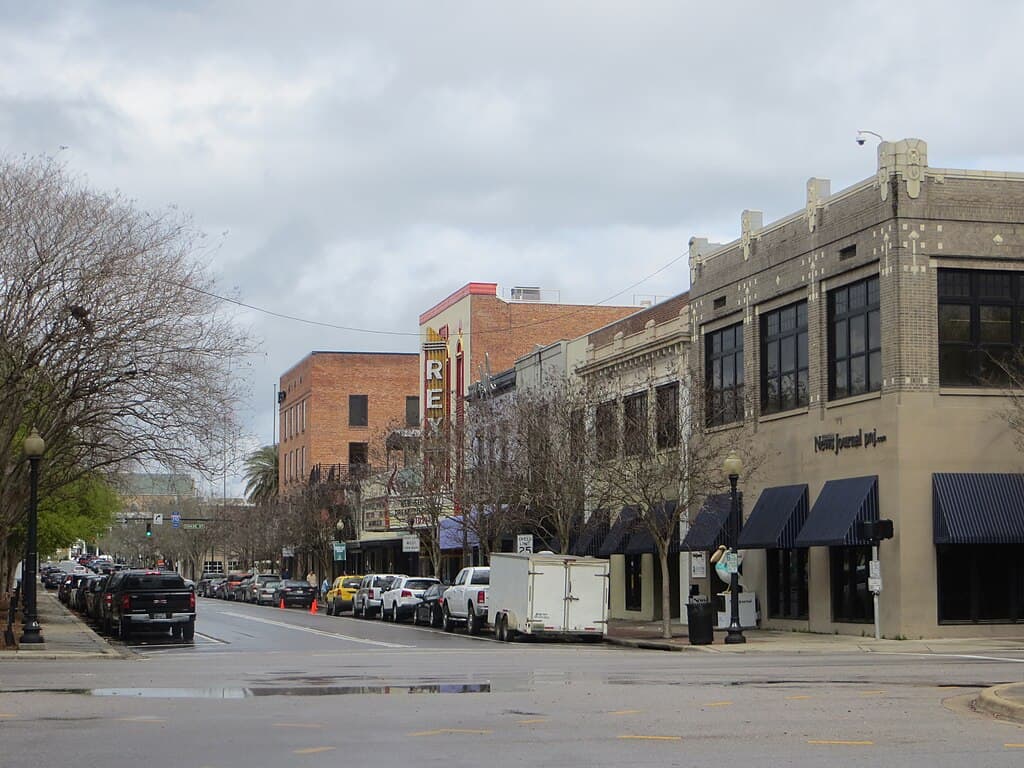
Pensacola provides Florida living without Florida-level prices. The cost of living is about 8–9% below the national average, with median home prices near $270,000 and average rents around $1,200. Retirees typically spend $2,600–$2,800 per month. Florida’s lack of state income tax and exemption of Social Security income are major benefits. Healthcare costs are close to the national average but offset by tax savings. With white-sand beaches, mild winters, and a relaxed coastal lifestyle, Pensacola feels like an affordable alternative to popular overseas retirement spots.
9. Knoxville, Tennessee
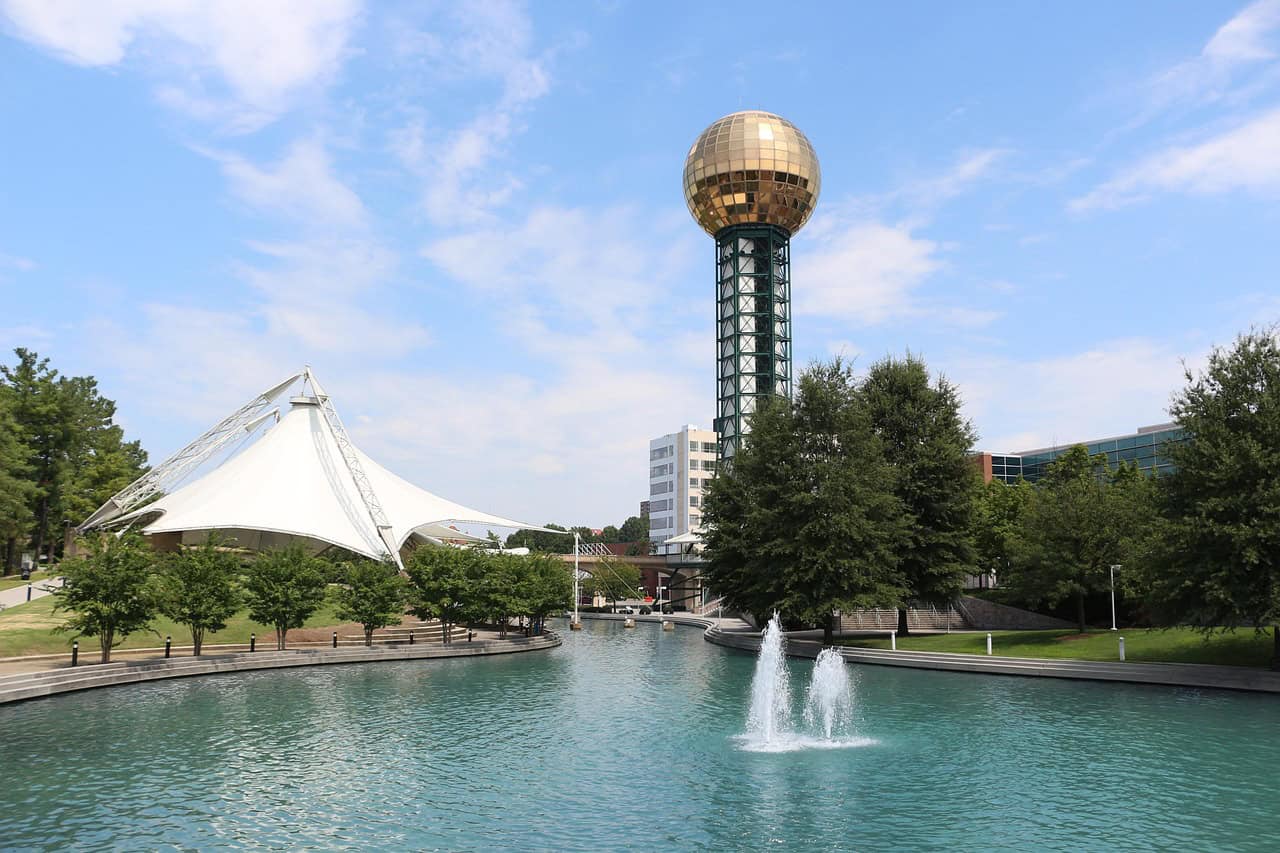
Knoxville offers affordability, four seasons, and strong healthcare access. The cost of living is roughly 7–8% below the national average, with median home prices around $260,000 and rents near $1,100. Many retirees live comfortably on $2,500–$2,700 monthly. Tennessee has no state income tax, which significantly benefits retirees. Healthcare costs are about 6% lower than average, supported by respected medical facilities. Knoxville’s proximity to the Smoky Mountains, combined with its manageable size and low taxes, makes it a compelling choice for cost-conscious retirees.
10. Amarillo, Texas

Amarillo is one of the most affordable midsize cities in the U.S. The cost of living is about 14% below the national average, with median home prices near $180,000 and rents averaging $900. Retirees often spend just $2,200–$2,400 per month, rivaling budgets in Portugal’s smaller cities. Texas’s no-income-tax policy boosts affordability, and healthcare costs are roughly 9% below average. Amarillo offers a quiet lifestyle, low traffic, and strong community feel. While cultural options are limited, retirees focused on savings and simplicity often find it an excellent value.